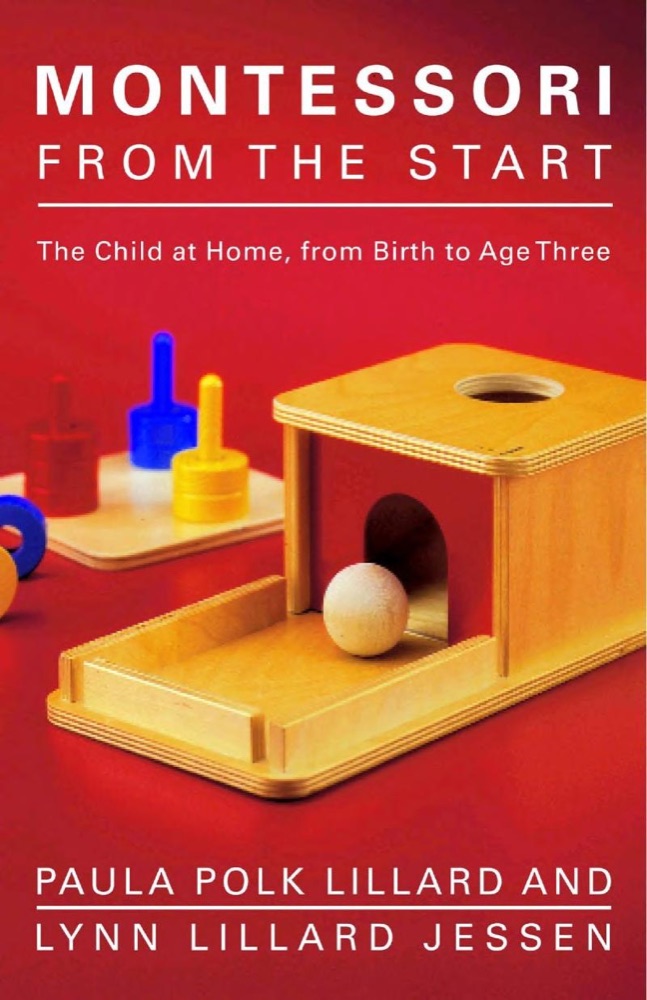
 Montessori from the Start: The Child at Home, from Birth to Age Three
Quotes from the Book
If salvation and help are to come, it is through the child ; for the child is the constructor of man.
22
Our work is not to teach, but to help the absorbent mind in its work of development. How marvelous it would be if by our help, if by an intelligent treatment of the child, if by understanding the needs of his physical life and by feeding his intellect, we could prolong the period of functioning of the absorbent mind!
12
Great tact and delicacy is necessary for the care of the mind of a child from three to six years, and an adult can have very little of it.
10
The purpose of life is to obey the hidden command which ensures harmony among all and creates an ever better world. We are not created only to enjoy the world, we are created in order to evolve the cosmos.
3
We serve the future by protecting the present.
3
you do not exist, you cannot hope to grow. That is the tremendous step the child takes, the step that goes from nothing to something.
3
Don’t you begin to see in this behavior that animals sacrifice themselves for the welfare of other types of life, instead of trying to eat as much as possible merely for their own existence or upkeep? The more one studies the behavior of animals and of plants, the more clearly one sees that they have a task to perform for the welfare of the whole.
1
This is specially so in the first years of life. It is true that afterwards differences arise in the individuals but it is not we who cause these differences; we cannot even provoke them. There is an inner individuality, an ego which develops spontaneously, independently of us and we cannot do anything about it. We cannot make, for instance, a genius, or a general or an artist. We can only help that individual who is to be a general or a leader to realize his potentialities. No matter what they are, if they are leaders or poets or artists or geniuses, or merely common men, they must pass through these stages: embryonic stages before birth, psycho-embryonic stages after birth, in order to realize their mysterious future self. What we can do is merely to remove the obstacles so that the mysterious being that each individual is to realize can be achieved, because by removing those obstacles, the work can be done better.
1
Childhood is now considered by psychologists as a very important period because they realize that if we wish to give new ideas to the people, if we wish to alter the habits and customs of the country, or if we wish to accentuate more vigorously the characteristics belonging to a people, we must take as our instrument the child, as very little can be done by acting upon adults. If one has really a vision of better conditions, of greater enlightenment for people, it is only the child that one can look upon in order to bring about the desired results. If there are people who think that their customs are degenerate, or others who want to revive old ones, the only individual with whom they can work is the child.
1
Others, after having studied children carefully, have come to the conclusion that the first two years are the most important of life. Education during this period must be intended as a help to the development of the psychic powers inherent in the human individual.
1
This is what is intended by education as a help to life; an education from birth that brings about a revolution: a revolution that eliminates every violence, a revolution in which everyone will be attracted towards a common center. Mothers, fathers, statesmen all will be centered upon respecting and aiding this delicate construction which is carried on in psychic mystery following the guide of an inner teacher. This is the new shining hope for humanity. It is not so much a reconstruction, as an aid to the construction carried out by the human soul as it is meant to be, developed in all the immense potentialities with which the new-born child is endowed.
1
The world of education is a sort of retreat where the individuals, for the whole of their scholastic life, remain isolated from the problems of the world. They prepare themselves for life by remaining outside of life.
It is as though nature had safeguarded each child from the influence of human intelligence in order to give the inner teacher that dictates within, the possibility of making a complete psychic construction before the human intelligence can come in contact with the spirit and influence it.
formular planes para una futura reconstrucción, la educación se considera universalmente como uno de los medios más eficaces para llevar a cabo esta reconstrucción; porque no cabe duda de que, desde el punto de vista psíquico, el género humano se halla por debajo
To let the child do as he likes when he has not yet developed any powers of control is to betray the idea of freedom.
We weep in front of the dead and we aspire towards saving humanity from destruction, but it is not the salvation from dangers, it is the elevation that is the destiny of everyone of us which should stand before our mind’s eye. It is not death, but the lost paradise that should afflict us.
There are social deficiencies apt to strike the spirit of young men attending the university and which do strike them, but what is the official admonition? “You students should not concern yourselves with politics. You must attend to your studies and after you have formed yourselves, then go into the world,” Yes. That is quite so, but education today does not form an intelligence capable of visualizing the epoch and the problems of the times in which they live.
What school worries about the kind of civilization the children are forced to live in? The only thing officialdom is bothered about is whether or not the syllabus has been followed.
the child has a type of mind that absorbs knowledge and instructs himself.
Recognizing the merits of the child does not diminish the authority of the father and the mother for when they come to realize that they are not the constructors, but merely the helpers of this construction, then they will be able to do their duty better; they will help the child with a greater vision.
The child's is a type of life in which work, the fulfilment of one's task, brings joy and happiness, whereas in the field of adult, work is something which is usually a rather painful process.
Who has ever heard of any ministry of education that is called upon to solve any social problem acutely felt in the country? Never has such a case occurred because the world of education is a sort of retreat where the individuals, for the whole of their scholastic life, remain isolated from the problems of the world.
We need not impose poverty, but it must not frighten us, as it is the most favorable condition for spiritual development we can find, if accepted with assent. If we want to experiment in giving freedom to the child, the field of poverty is the best.
Watch on YouTube
About Maria Montessori
We have collected 23 quotes from 1 book by Maria Montessori on BookQuoters.
More about the author →About the book
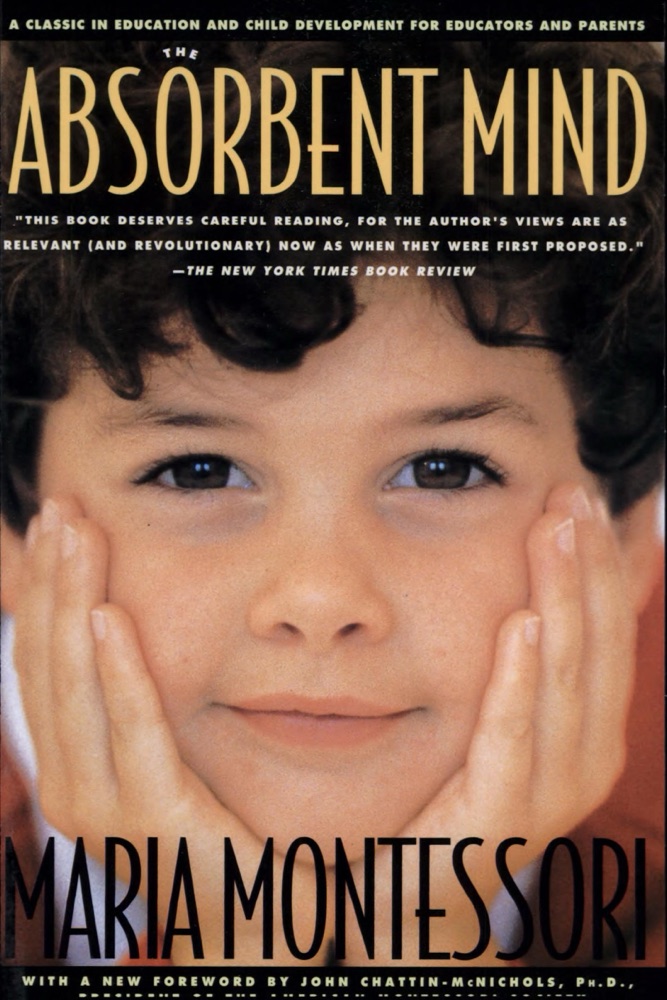
In response to the crisis in American education, more than five thousand public and private schools across the nation have adopted the timeless Montessori Method of teaching, of which this book is the cornerstone. Written by the women whose name is synonymous worldwide with child development theory, The Absorbent Mind takes its title from the phrase that the inspired Italian doctor coined to characterize the child's most crucial developmental stage: the first six years.
A new foreword by John Chattin-McNichols, Ph.D., President of the American Montessori Society, places this classic book in a contemporary context, offering an intelligent discussion of current thinking in child education.
Book details
- First published
- 1949
- Author
- Maria Montessori
- Genre
- Nonfiction
- Goodreads rating
- 4.17 (3k ratings)
Keep reading
Montessori from the Start: The Child at Home, from Birth to Age Three
 Emile or On Education
 The Vanishing American Adult: Our Coming-of-Age Crisis—and How to Rebuild a Culture of Self-Reliance
 The Social Animal: The Hidden Sources of Love, Character, and Achievement
 Free to Learn: Why Unleashing the Instinct to Play Will Make Our Children Happier, More Self-Reliant, and Better Students for Life
 Summerhill: A Radical Approach to Child Rearing
 A Beautiful Day in the Neighborhood: The Poetry of Mister Rogers
 The Core
 How to Know Higher Worlds: A Modern Path of Initiation
 The Element: How Finding Your Passion Changes Everything
 Shepherding a Child's Heart
 Dumbing Us Down: The Hidden Curriculum of Compulsory Education
 Walden Two
 How Children Fail
 Experience and Education
 For Your Own Good: Hidden Cruelty in Child-Rearing and the Roots of Violence
 The Republic
 How to Raise an Adult: Break Free of the Overparenting Trap and Prepare Your Kid for Success
 How Children Learn
 Finding Meaning in the Second Half of Life: How to Finally, Really Grow Up
 Excellent Sheep: The Miseducation of the American Elite and the Way to a Meaningful Life
 A Circle of Quiet
 Becoming Human
 The Soul's Code: In Search of Character and Calling
 Think on These Things
 All Joy and No Fun: The Paradox of Modern Parenthood
 The Spinoza Problem
 The Intellectual Life: Its Spirit, Conditions, Methods
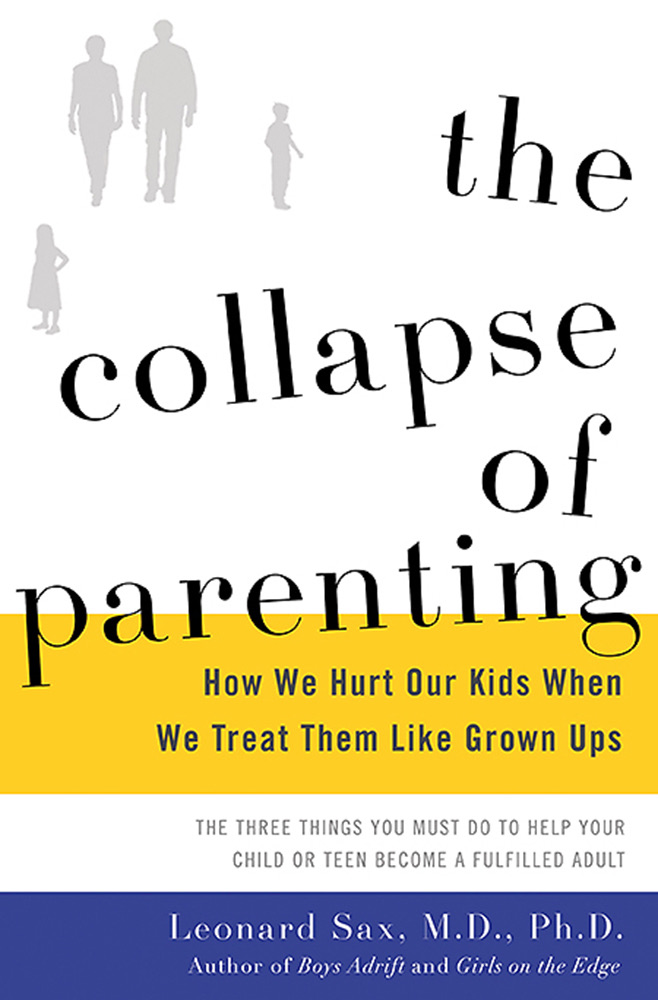 The Collapse of Parenting: How We Hurt Our Kids When We Treat Them Like Grown-Ups
 Stones Into Schools: Promoting Peace With Books, Not Bombs, in Afghanistan and Pakistan
 The Abolition of Man
 Children of Dune
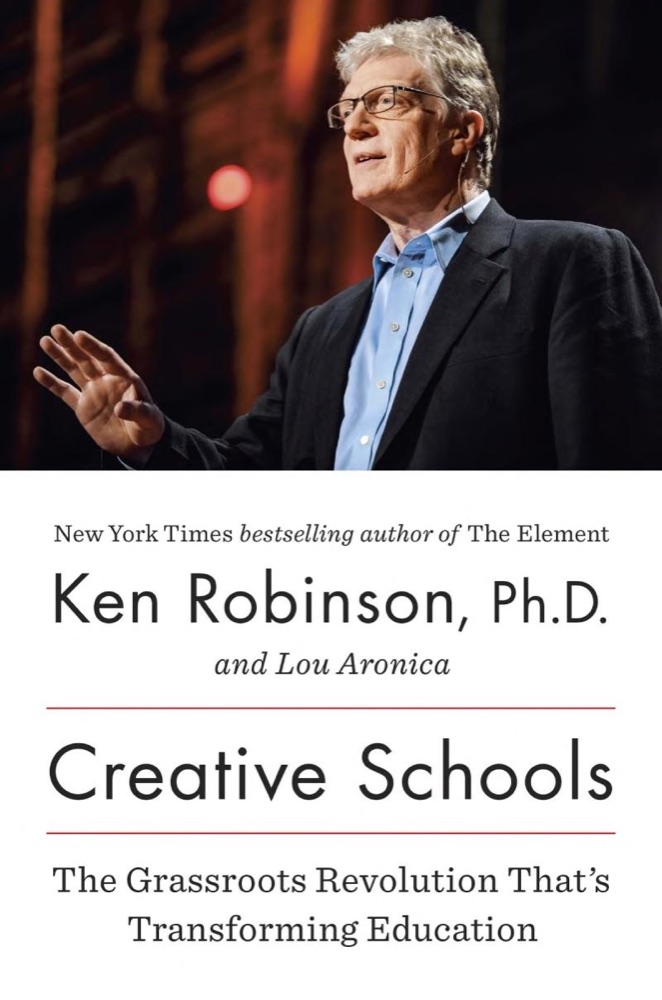 Creative Schools: The Grassroots Revolution That's Transforming Education
 Mastery
 The Autobiography of Eleanor Roosevelt
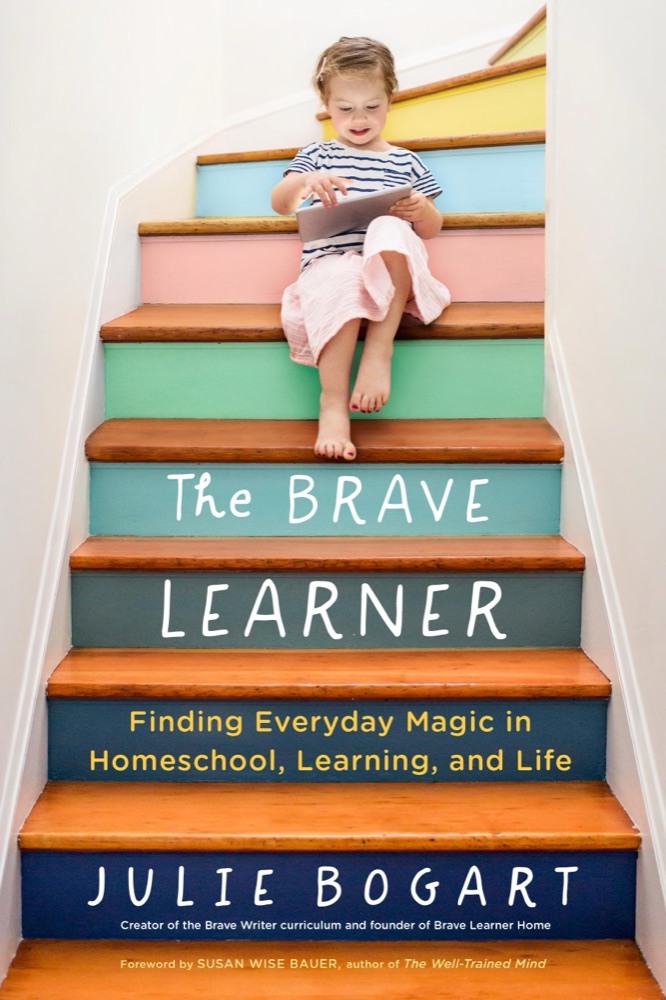 The Brave Learner: Finding Everyday Magic in Homeschool, Learning, and Life
 Coming Apart: The State of White America, 1960-2010
 You Learn by Living: Eleven Keys for a More Fulfilling Life
 The Story of B: An Adventure of the Mind and Spirit
 The Sane Society
 Total Freedom: The Essential Krishnamurti
 The Age of Absurdity: Why Modern Life makes it Hard to be Happy
 Dragons of Eden: Speculations on the Evolution of Human Intelligence
 The Children of Men
 The Book: On the Taboo Against Knowing Who You Are
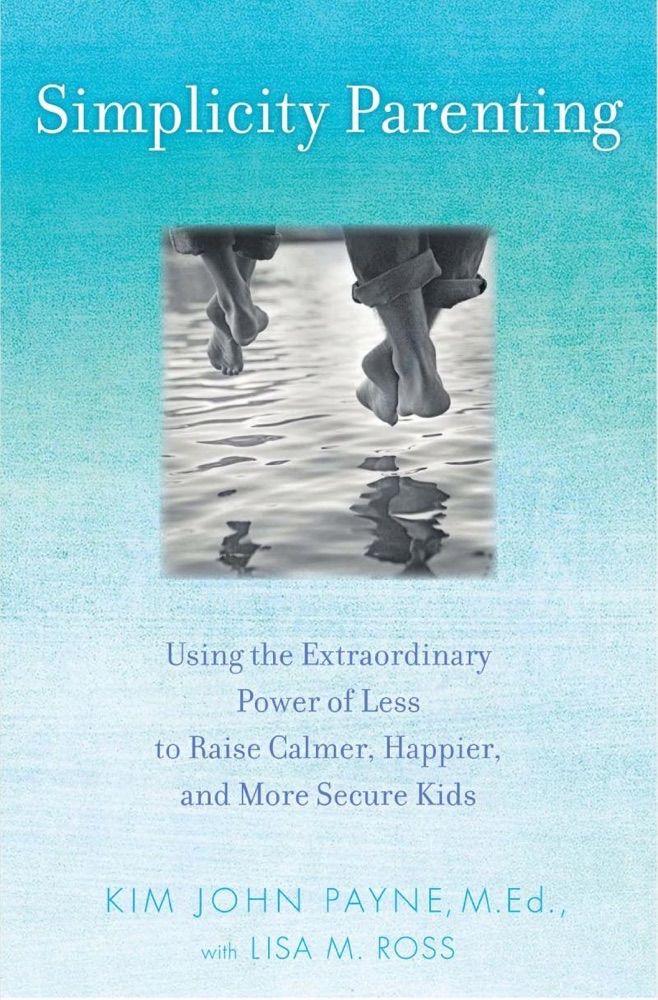 Simplicity Parenting: Using the Extraordinary Power of Less to Raise Calmer, Happier, and More Secure Kids
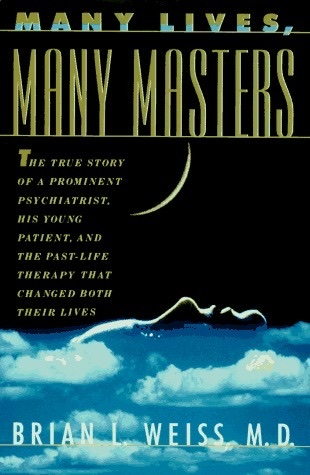 Many Lives, Many Masters: The True Story of a Prominent Psychiatrist, His Young Patient, and the Past Life Therapy That Changed Both Their Lives
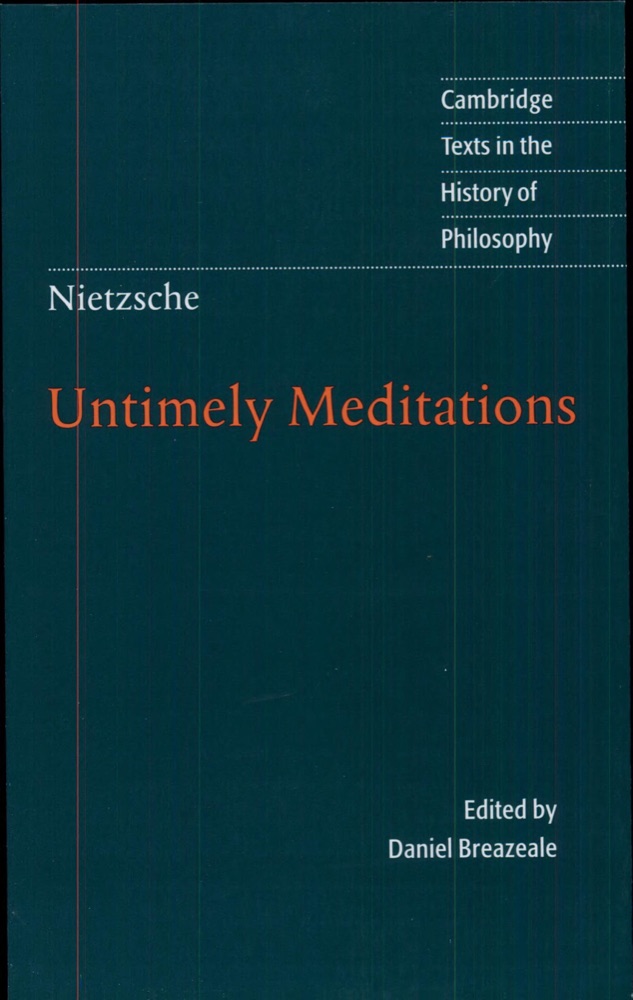 Untimely Meditations
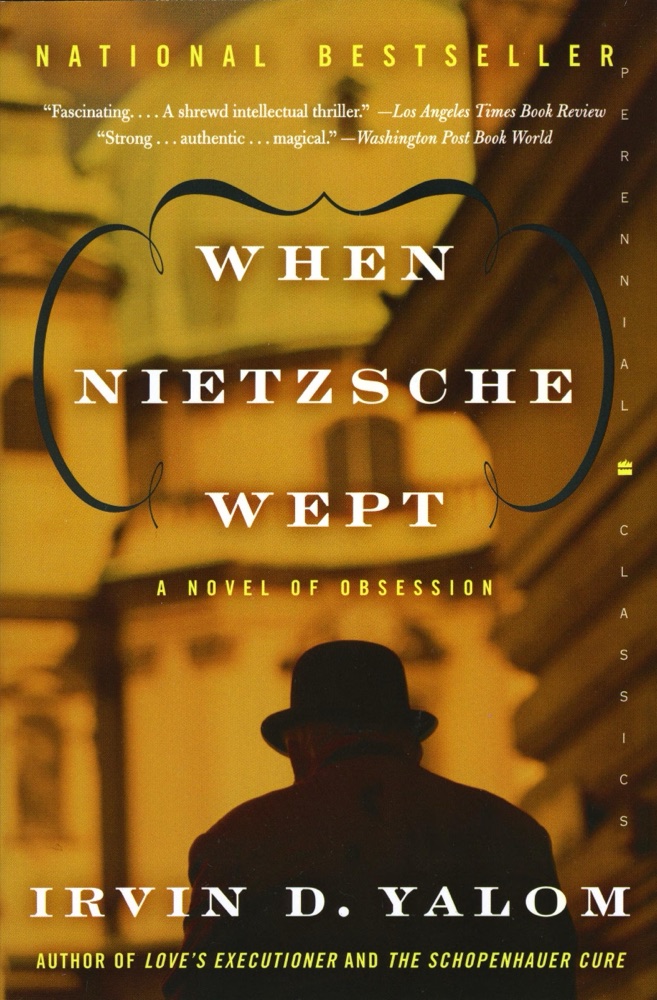 When Nietzsche Wept
 Not for Profit: Why Democracy Needs the Humanities
 The Way of All Flesh
 The Drama of the Gifted Child: The Search for the True Self
 The Danish Way of Parenting: What the Happiest People in the World Know About Raising Confident, Capable Kids
 The Boy Who Was Raised as a Dog: And Other Stories from a Child Psychiatrist's Notebook
 The Convoluted Universe, Book 1
 The Schopenhauer Cure
 The Conscious Parent: Transforming Ourselves, Empowering Our Children
 The Ascent of Man
 The Pythagorean