
 What White People Can Do Next: From Allyship to Coalition – An Empowering Guide to Interrogating Whiteness and Creating Justice
Quotes from the Book
A similar danger now confronts some critics of the identity trap. Its opponents are united by what they oppose, not by what they endorse. This creates a temptation to outsource their moral judgments to their opponents. Instead of militating for a positive vision of the future, these critics of the identity trap have started to rail against anything that somehow seems “woke.” In other words, they have become guilty of what, drawing on an idea by Emily Yoffe, I once called 180ism: “the tendency of many participants in public debate to hear what their perceived enemies have to say and immediately declare themselves diametrically opposed.
1
One way to make sure that white and Black Americans have similar levels of wealth would be for society to get a lot more equal, lifting poor Black people out of poverty. But another way to make sure that white and Black Americans have similar wealth would be for a small number of Black people to become extremely rich. Marxists like Reed are aware of the fact that the latter course of action would ask much less of the rich and powerful, allowing them to keep most of their wealth. This, they worry, makes it much more likely that societies will try to achieve equity through such comparatively cosmetic changes that don’t actually reduce overall inequality. And if America manages to create a few dozen Black billionaires while millions of Americans of all races continue to live in poverty, they conclude, precious little is gained for most people: “The disparitarian ideal is that blacks and other nonwhites should be represented on every rung on the ladder of economic hierarchy in rough proportion to their representation in the general population.” But “a society where making black and white people equal means making them equally subordinate to a . . . ruling class is not a more just society, just a differently unjust one.
While progressives might be able to censor ideas they dislike within left-leaning institutions or professions, a society that gets into the habit of censoring unpopular viewpoints would be just as likely to suppress their own points of view.
Intellectual life on American campuses has, over the course of the past half century, been fundamentally reshaped by the ascendancy of the “identity synthesis.” Inspired by postmodernism, postcolonialism, and critical race theory, a new generation of scholars succeeded in welding a diverse set of influences into one coherent ideology. Despite the real variation within and between different academic departments, this synthesis is characterized by a widespread adherence to seven fundamental propositions: a deep skepticism about objective truth inspired by Michel Foucault; the use of a form of discourse analysis for explicitly political ends inspired by Edward Said; an embrace of essentialist categories of identity inspired by Gayatri Chakravorty Spivak; a proud pessimism about the state of Western societies as well as a preference for public policies that explicitly make how someone is treated depend on the group to which they belong, both inspired by Derrick Bell; and an embrace of an intersectional logic for political activism as well as a deep-seated skepticism about the ability of members of different identity groups to understand each other, both associated with Kimberlé Crenshaw.
Lors d’un entretien, elle a souligné son admiration pour l’« usage politique de l’humour » dont les Afro-Américains avaient fait preuve de longue date dans leur combat contre l’oppression. Ce genre d’« autodérision vigoureuse », a-t-elle remarqué, manque souvent aujourd’hui aux « ayatollahs de l’identité à l’université »41.
Joe Biden et Kamala Harris ont répété à qui voulait l’entendre que l’équité raciale était au cœur de l’action de leur administration. Plaçant l’équité en opposition directe à l’égalité, Kamala Harris a ainsi proclamé : « Je suis fière de me tenir aux côtés du président Joe Biden pour faire de l’équité l’une des pierres angulaires de la vision de cette administration31. » Il n’est donc guère surprenant que Biden, dès son premier jour à la présidence, ait signé un décret qui oblige « le gouvernement fédéral à s’engager dans une approche globale en vue de la promotion de l’équité » par l’adoption d’un « programme ambitieux d’équité impliquant tout le gouvernement »32. Afin de promouvoir l’équité, les Démocrates promettent d’élaborer des politiques « conscientes de la race » et « sensibles à la race »33. En pratique, ce que signifie être « consciente de la race » pour une mesure est très variable. Parfois, cela consiste simplement à s’assurer qu’elle n’aura pas d’effet discriminant, comme une loi qui obligerait les motocyclistes à porter des casques et n’inclurait aucune exception pour les sikhs, tenus de porter leur turban pour raisons religieuses34. Mais, de plus en plus, ces mesures varient en fonction de la couleur de peau (ou de la composition ethnique de son lieu de résidence)35 du citoyen auquel elles s’appliquent.
And by portraying society as being full of bigots who pose a constant threat to members of every conceivable minority group, they encourage more and more people to feel adrift in a relentlessly hostile world.
Over the past five decades, a large African American middle class has come into existence. Today, the median Black American has a white-collar job, lives in a reasonably affluent suburb, and is doing significantly better than his
These political and psychological precepts often lead to an organizational upshot: rather than focusing on efforts to integrate society, progressives have increasingly militated for the creation of spaces and
In the late summer of 2020, Kila Posey asked the principal of Mary Lin Elementary School, in the wealthy suburbs of Atlanta, whether she could request a specific teacher for her seven-year-old daughter. “No worries,” the principal responded at first. “Just send me the teacher’s name.” But when Posey emailed her request, the principal kept suggesting that a different teacher would be a better fit. Eventually, Posey, who is Black, demanded to know why her daughter couldn’t have her first choice. “Well,” the principal admitted, “that’s not the Black class.” The story sounds depressingly familiar. It evokes the long and brutal history of segregation, conjuring up visions of white parents who are horrified at the prospect of their children having classmates who are Black. But there is a perverse twist: the principal, Sharyn Briscoe, is herself Black. As Posey told the Atlanta Black Star, she was left in “disbelief that I was having this conversation in 2020 with a person that looks just like me—a Black woman. It’s segregating classrooms. You cannot segregate classrooms. You can’t do it.
Watch on YouTube
About Yascha Mounk
We have collected 10 quotes from 1 book by Yascha Mounk on BookQuoters.
More about the author →About the book
One of our leading public intellectuals traces the origin of a set of ideas about identity and social justice that is rapidly transforming America—and explains why it will fail to accomplish its noble goals
For much of history, societies have violently oppressed ethnic, religious, and sexual minorities. It is no surprise that many who passionately believe in social justice came to believe that members of marginalized groups need to take pride in their identity to resist injustice.
But over the past decades, a healthy appreciation for the culture and heritage of minority groups has transformed into a counterproductive obsession with group identity in all its forms. A new ideology aiming to place each person’s matrix of identities at the center of social, cultural, and political life has quickly become highly influential. It stifles discourse, vilifies mutual influence as cultural ap
Book details
- First published
- 2023
- Author
- Yascha Mounk
- Genre
- Nonfiction
- Goodreads rating
- 4.04 (2k ratings)
The buzz
- The New York TimesReview in The New York Timesprofessional review (via Book Marks)
- The Washington PostReview in The Washington Postprofessional review (via Book Marks)
- The Wall Street JournalReview in The Wall Street Journalprofessional review (via Book Marks)
- The GuardianReview in The Guardianprofessional review (via Book Marks)
- Kirkus ReviewsReview in Kirkus Reviewsprofessional review (via Book Marks)
- Publishers WeeklyReview in Publishers Weeklyprofessional review (via Book Marks)
Keep reading
What White People Can Do Next: From Allyship to Coalition – An Empowering Guide to Interrogating Whiteness and Creating Justice
 Cynical Theories: How Activist Scholarship Made Everything about Race, Gender, and Identity—and Why This Harms Everybody
 Identity: The Demand for Dignity and the Politics of Resentment
 Elite Capture: How the Powerful Took Over Identity Politics
 The Sum of Us: What Racism Costs Everyone and How We Can Prosper Together
 Black Feminist Thought: Knowledge, Consciousness, and the Politics of Empowerment
 The Madness of Crowds: Gender, Race and Identity
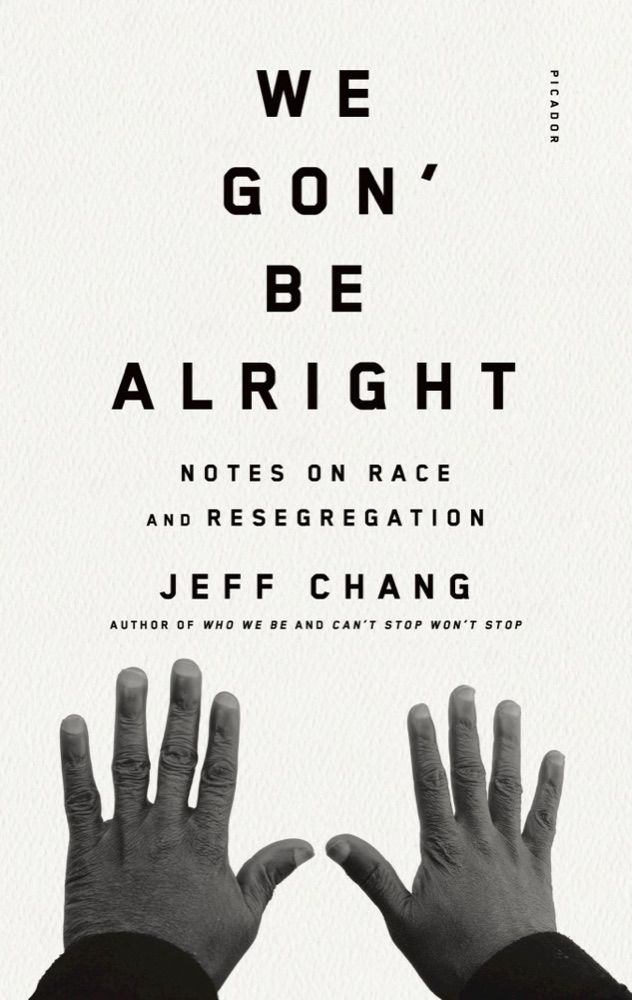 We Gon' Be Alright: Notes on Race and Resegregation
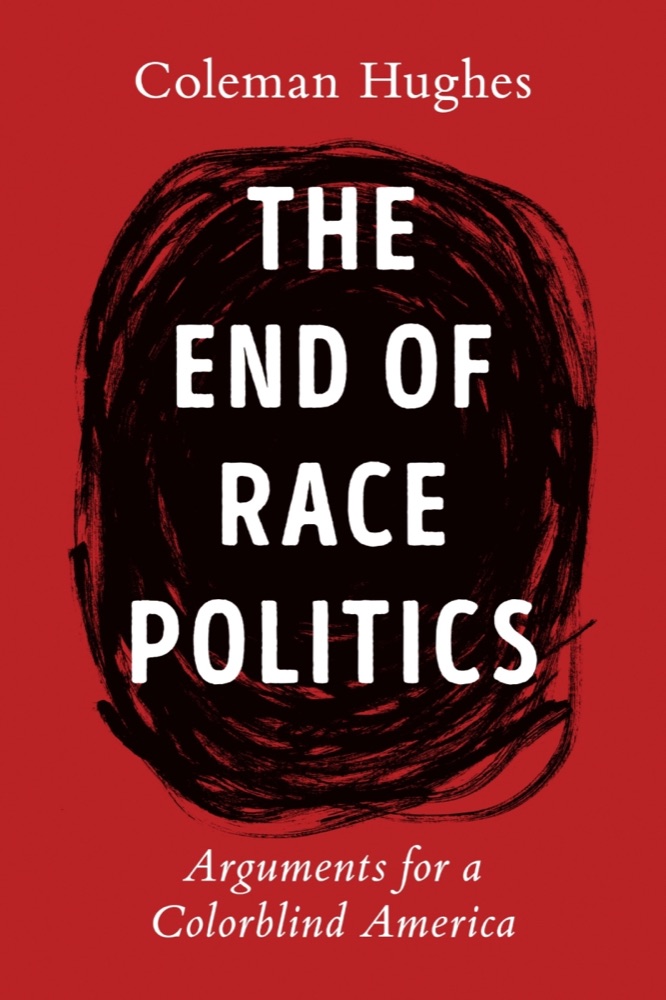 The End of Race Politics: Arguments for a Colorblind America
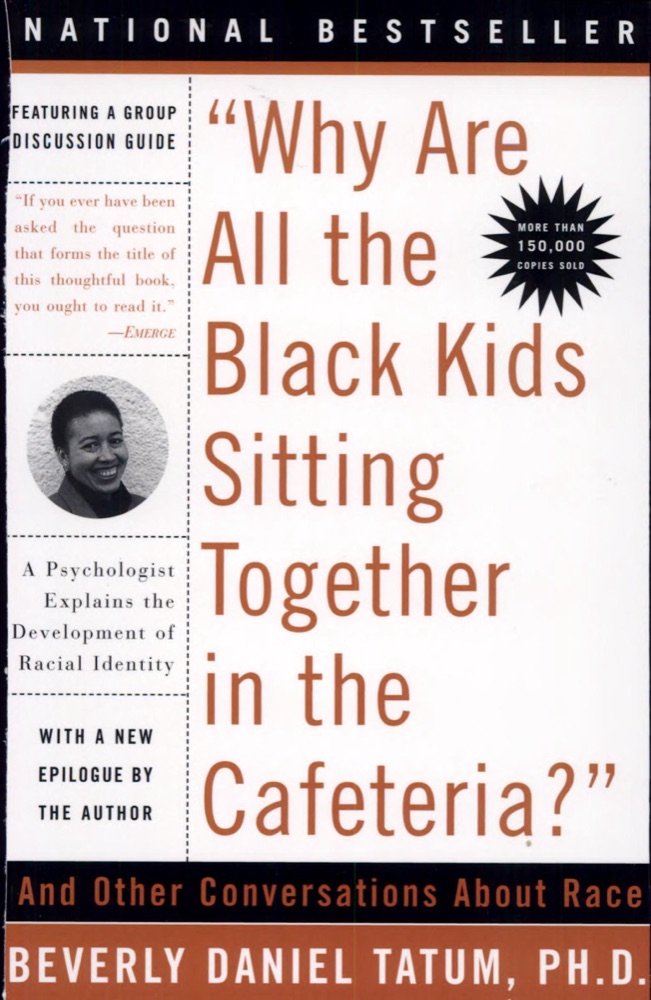 Why Are All The Black Kids Sitting Together in the Cafeteria?
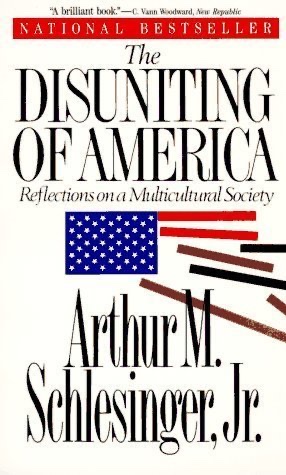 The Disuniting of America: Reflections on a Multicultural Society
 White Rage: The Unspoken Truth of Our Racial Divide
 Minority Rule: Adventures in the Culture War
 White Like Me: Reflections On Race From A Privileged Son
 Parasitic Mind: How Infectious Ideas Are Killing Common Sense
 Why We're Polarized
 Black Rednecks and White Liberals
 Stamped: Racism, Antiracism, and You
 Just Us: An American Conversation
 Where Do We Go from Here: Chaos or Community?
 Mediocre: The Dangerous Legacy of White Male America
 Silent Covenants: Brown v. Board of Education and the Unfulfilled Hopes for Racial Reform
 Opinions: A Decade of Arguments, Criticism, and Minding Other People’s Business
 The View From Flyover Country: Essays by Sarah Kendzior
 Wealth, Poverty and Politics: An International Perspective
 We Were Eight Years in Power: An American Tragedy
 Against White Feminism: Notes on Disruption
 White Trash: The 400-Year Untold History of Class in America
 Capital and Ideology
 Strangers in Their Own Land: Anger and Mourning on the American Right
 Doppelganger: A Trip into the Mirror World
 Tears We Cannot Stop: A Sermon to White America
 Stamped from the Beginning: The Definitive History of Racist Ideas in America
 Uncomfortable Conversations With a Black Man
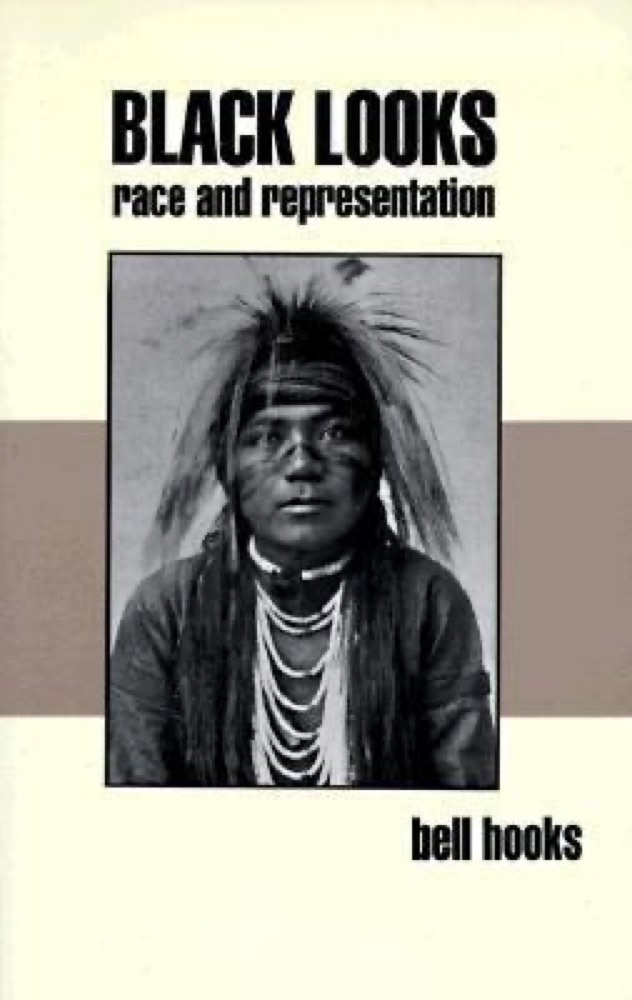 Black Looks: Race and Representation
 Four Hundred Souls: A Community History of African America, 1619-2019
 The Message
 A People's History of the United States
 Twilight of the Elites: America After Meritocracy
 Nobody Knows My Name
 This Bridge Called My Back: Writings by Radical Women of Color
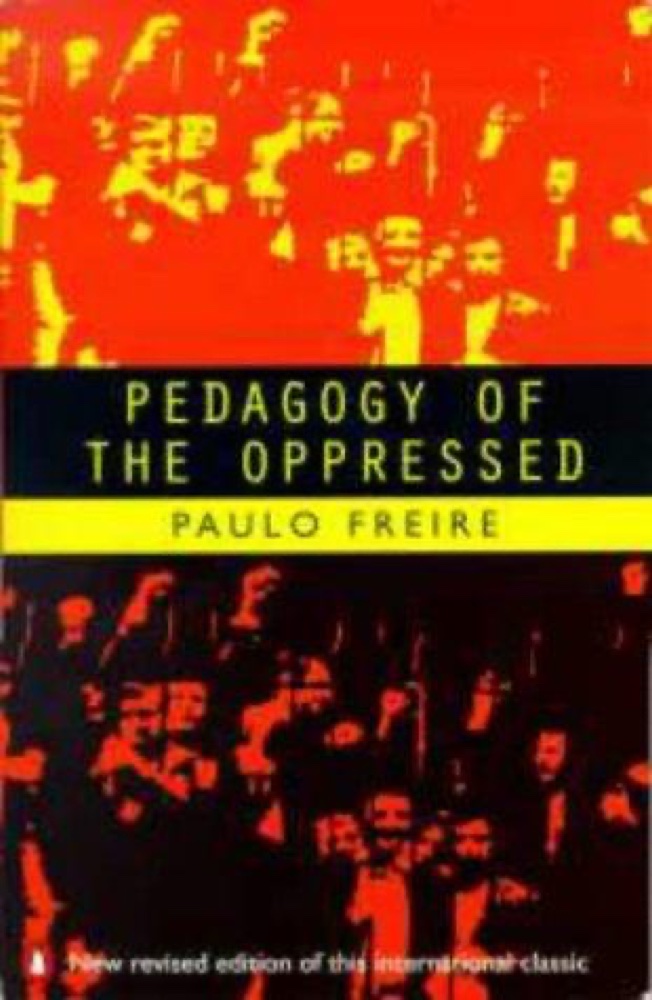 Pedagogy of the Oppressed
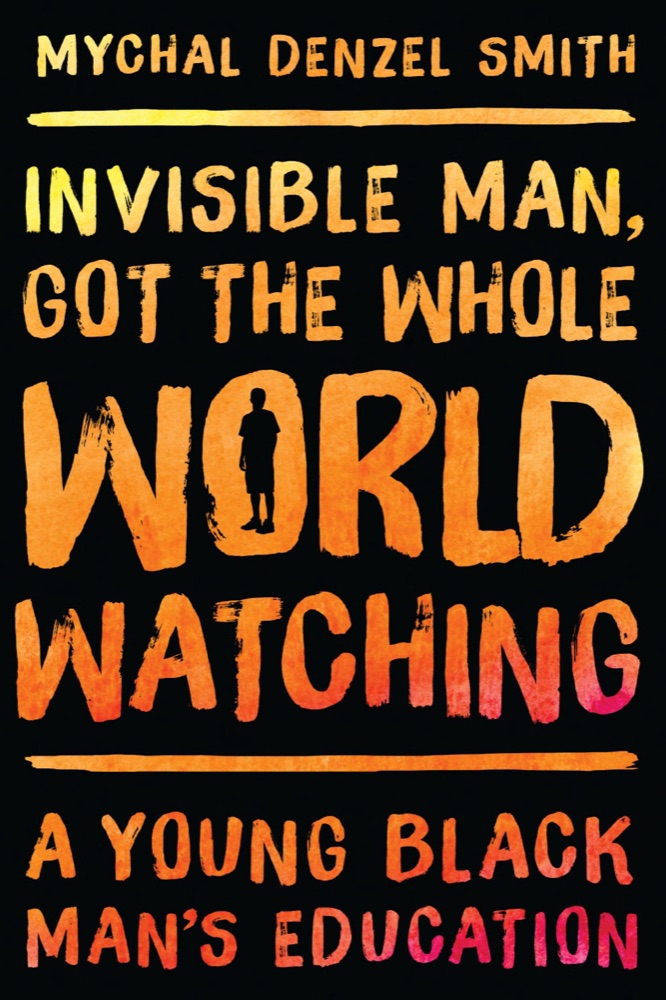 Invisible Man, Got the Whole World Watching: A Young Black Man's Education
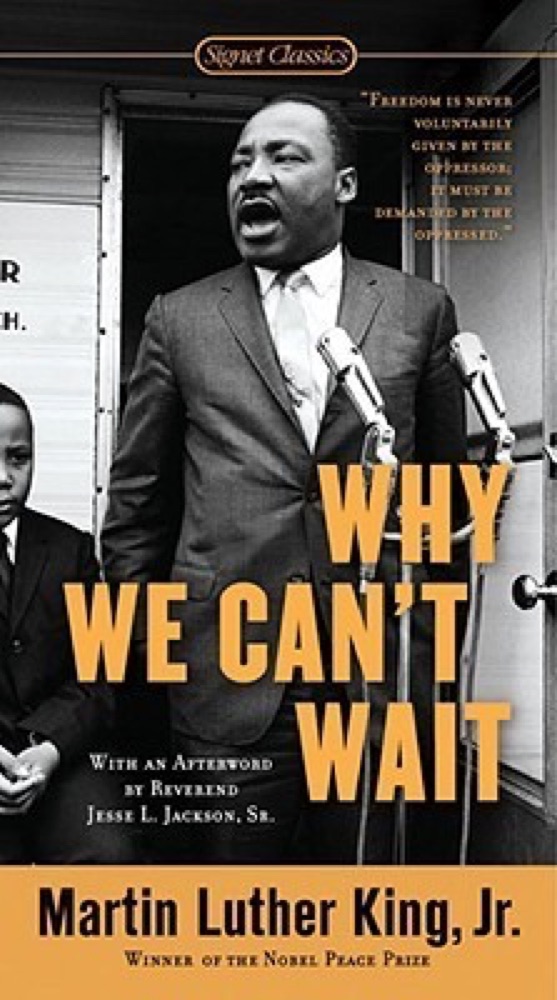 Why We Can't Wait
 Go Back to Where You Came From: And Other Helpful Recommendations on How to Become American
 Twilight of Democracy: The Seductive Lure of Authoritarianism
 What's Our Problem?: A Self-Help Book for Societies
 What's Left?
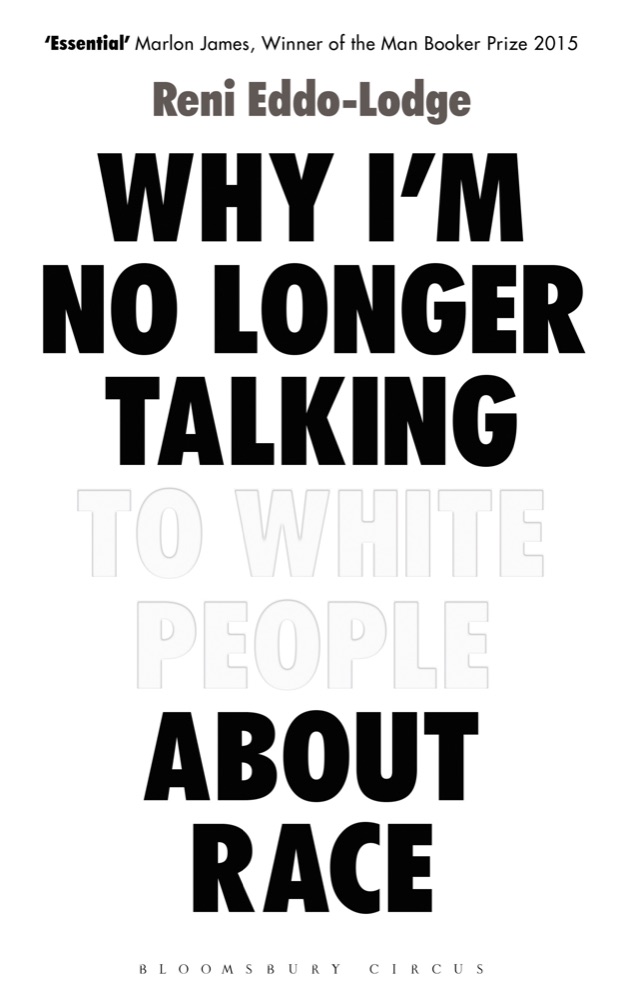 Why I'm No Longer Talking to White People About Race
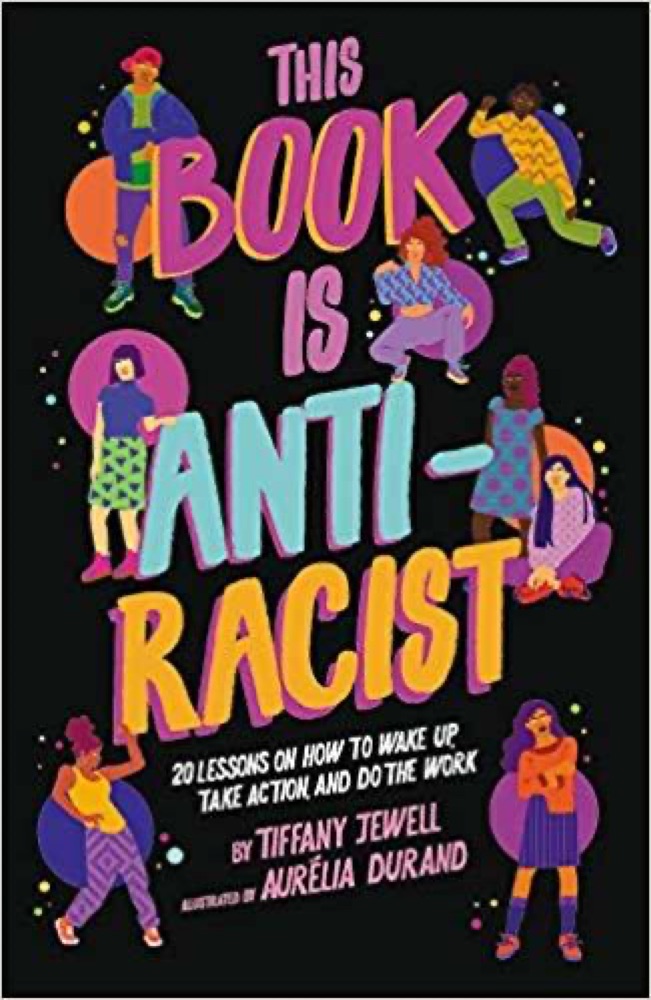 This Book Is Anti-Racist: 20 Lessons on How to Wake Up, Take Action, and Do the Work
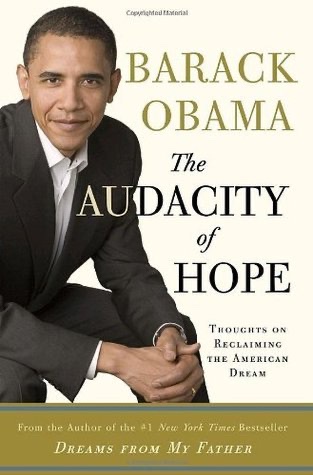 The Audacity of Hope: Thoughts on Reclaiming the American Dream
 Dangerous
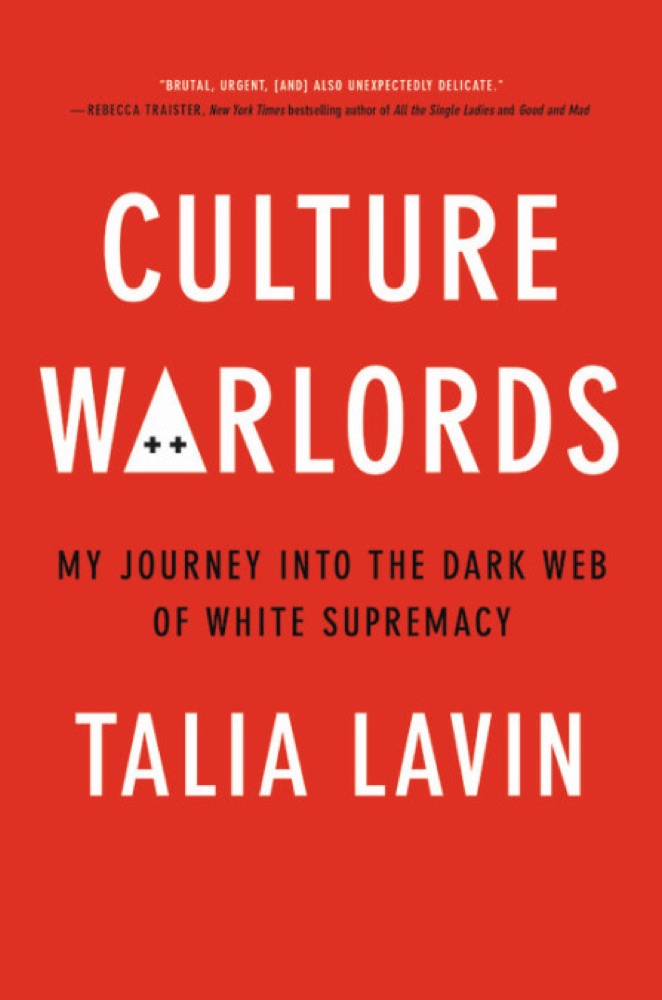 Culture Warlords: My Journey Into the Dark Web of White Supremacy
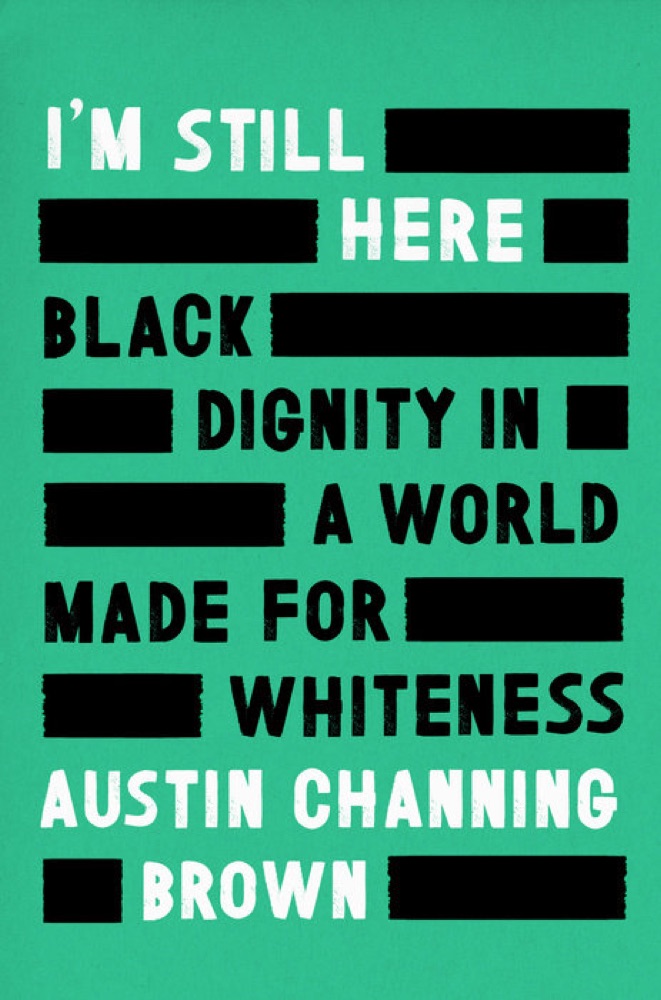 I'm Still Here: Black Dignity in a World Made for Whiteness
 The New Jim Crow: Mass Incarceration in the Age of Colorblindness
 America: The Farewell Tour
 The War on the West: An Instant NYT Bestselling History of the Modern World
 Sister Citizen: Shame, Stereotypes, and Black Women in America
 Simple Justice: The History of Brown v. Board of Education and Black America's Struggle for Equality
 Whose Story Is This? Old Conflicts, New Chapters