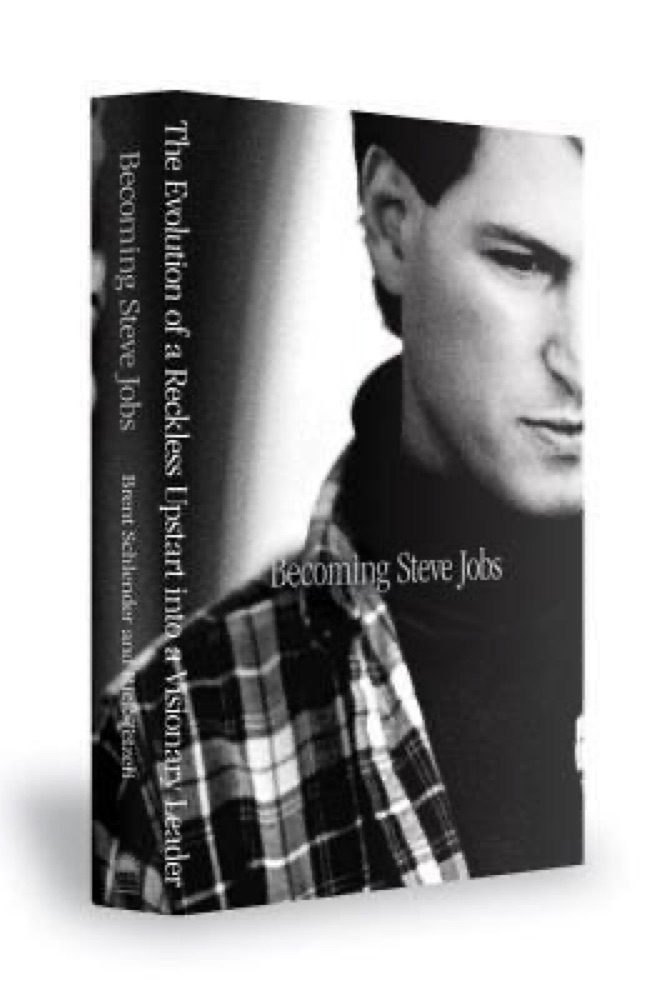

 Steve Jobs
Quotes from the Book
Your time is limited, so don’t waste it living someone else’s life.
9
If you look at true artists, if they get really good at something, it occurs to them that they can do this for the rest of their lives, and they can be really successful at it to the outside world, but not really successful to themselves. That’s the moment that an artist really decides who he or she is. If they keep on risking failure they’re still artists. Dylan and Picasso were always risking failure.
6
Simplicity is the ultimate sophistication.
6
I don’t really care, this is what I want to do. And if I try my best and fail, well, I tried my best.
5
No one wants to die. Even people who want to go to heaven don’t want to die to get there.
5
One of the things I’ve always felt,” Steve told me, “is that if you’re going to be creative, it’s like jumping up in the air; you want to make damn sure the ground is going to be there when you get back.
5
Good Design is: 1. innovative 2. what makes a product useful 3. aesthetic 4. what makes a product understandable 5. unobtrusive 6. honest 7. long-lasting 8. thorough down to the last detail 9. environmentally friendly 10. as little design as possible
5
The sun will set and the sun will rise, and it will shine upon us tomorrow in our grief and our gratitude, and we will continue to live with purpose, memory, passion, and love.
3
Do you have the humility to continually grow, to learn from your failures and get back up? Are you utterly relentless for your cause, ferocious for your cause? Can you channel your intensity and intelligence and energy and talents and gifts and ideas outward into something that is bigger and more impactful than you are? That’s what great leadership is about.
3
If you look closely at how he spent his time,” says Tim Cook, “you’ll see that he hardly ever traveled and he did none of the conferences and get-togethers that so many CEOs attend. He wanted to be home for dinner.
3
He, better than anyone, understood that while ideas ultimately can be so powerful, they begin as fragile, barely formed thoughts, so easily missed, so easily compromised, so easily just squished.
3
Having a grand, bold goal was useless if you didn’t have the ability to tell a compelling story about how you’d get there.
3
It’s not about how fast you do something, it’s about doing your level best.
3
There are three things you need to be considered a truly great company, Collins continues, switching gears to Apple. Number one, you have to deliver superior financial results. Number two, you have to make a distinctive impact, to the point where if you didn't exist you couldn't be easily replaced. Number three, the company must have lasting endurance, beyond multiple generations of technology, markets, and cycles, and it must demonstrate the ability to do this beyond a single leader. Apple has numbers one and two. Steve was racing the clock [to help it get number three]. Whether it has lasting endurance is the final check, something we won't know for some time. There are lots of good people there, and maybe they'll get it.
2
In November, just over four months after shipping its first iPhone, Apple revealed that it would make available a software development kit for anyone who wanted to develop apps. “That’s when we knew Steve had finally come to see the light,” Gassée says. “Suddenly, that was all anyone was talking about in the Valley and in the VC community. Hundreds of little guys signed up, and the race was on. Then they announced the App Store. And then they released the iPhone 3G [the second version, which shipped in July 2008, and had better wireless and a faster microprocessor]. It was only then that the iPhone was truly finished, that it had all its basics, all its organs. It needed to grow, to muscle up, but it was complete as a child is complete.
2
Steve’s life wasn’t a movie. It was inspiring, confounding, and unabashedly human, to the very end.
2
You have to trust that the dots will somehow connect in your future.
2
Collins, echoing Ed Catmull, “What separates people is the return on luck, what you do with it when you get it. What matters is how you play the hand you’re dealt.” He continues, “You don’t leave the game, until it’s not your choice. Steve Jobs had great luck at arriving at the birth of an industry. Then he had bad luck in getting booted out. But Steve played whatever hand he was dealt to the best of his ability. Sometimes you create the hand, by giving yourself challenges that will make you stronger, where you don’t even know what’s next. That’s the beauty of the story. Steve’s almost like the Tom Hanks character in Castaway—just keep breathing because you don’t know what the tide will bring in tomorrow.
2
Tim Cook, now Apple’s CEO, says that he worried about Tevanian leaving, and urged Steve in 2004 to figure out another challenge to keep the brilliant software engineer at Apple. “Steve looked at me,” Cook remembers, “and goes, ‘I agree he’s really smart. But he’s decided he doesn’t want to work. I’ve never found in my whole life that you could convince someone who doesn’t want to work hard to work hard.’ ” Another time, shortly after Steve had learned that Tevanian had taken up golf, Steve carped to Cook that something was really amiss. “Golf?!” he thundered incredulously. “Who has time for golf?
1
The sheer simplicity of the quadrant strategy had laid the foundation for an organization that would say no again and again—until it said yes, at which point it would attack the new project with fierce determination.
1
Steve embraced the marketing adage that every single moment a consumer encounters a brand—whether as a buyer, a user, a store visitor, a passerby seeing a billboard, or someone simply watching an ad on TV—is an experience that adds either credits or debits to the brand’s “account” in his imagination.
1
What separates people is the return on luck, what you do with it when you get it.
1
Above all, saying no became a crucial way of keeping everyone, including himself, focused on what really mattered.
1
In the ever-shifting computer world of the late 1980s, building breathless anticipation for his Next Big Thing was crucial to attracting potential customers and investors, and Steve would need plenty of the latter, given that NeXT would take nearly five years to produce a working computer.
1
Apple employees had never had much respect for Microsoft’s ability to create anything but ungainly, confusing, and half-baked technologies for consumers. The animus went back decades. Even though Microsoft Word, Excel, and PowerPoint were instrumental in the early success of the Mac, Microsoft’s unforgivable sin, from the vantage point of Cupertino, was its derivative creation of Windows. Steve was being expedient when he offered to abandon Apple’s long-standing lawsuit against Microsoft to seal the deal with Gates upon his return in 1997. But folks at Apple still considered Windows a rip-off of Apple’s ideas, pure and simple.
1
He directed Katie Cotton, his communications chief at Apple, to adopt a policy in which Steve made himself available only to a few print outlets, including Fortune, the Wall Street Journal, Time, Newsweek, BusinessWeek, and the New York Times. Whenever he had a product to hawk, he and Cotton would decide which of this handful of trusted outlets would get the story. And Steve would tell it, alone.
1
some members burned out so completely that they were never able to work in the high-tech industry again.
1
When will they just close Animation?’ And he said, ‘John, they never will.’ “ ‘What do you mean?’ I asked him,” continues Lasseter. “And Mickey said, ‘Computer hardware and software companies, they go through layoffs and it’s business. It’s the ups and downs of the business. But when people think of Pixar, it’s not our computers or our software. They think of those little short films you’ve made. That’s the identity of Pixar to the rest of the world. So if Pixar were to stop making those films and lay everybody off in Animation, that would signal to the entire world that Pixar is done. That,’ he said, ‘is why they’re not gonna close Animation.
Watch on YouTube
About Brent Schlender
We have collected 28 quotes from 1 book by Brent Schlender on BookQuoters.
More about the author →About the book
#1 New York Times Bestseller There have been many books—on a large and small scale—about Steve Jobs, one of the most famous CEOs in history. But this book is different from all the others.
Becoming Steve Jobs takes on and breaks down the existing myth and stereotypes about Steve Jobs. The conventional, one-dimensional view of Jobs is that he was half-genius, half-jerk from youth, an irascible and selfish leader who slighted friends and family alike. Becoming Steve Jobs answers the central question about the life and career of the Apple cofounder and CEO: How did a young man so reckless and arrogant that he was exiled from the company he founded become the most effective visionary business leader of our time, ultimately transforming the daily life of billions of people?
Drawing on incredible and sometimes exclusive access, Schlender and Tetzeli tell a different story of a real human
Book details
- First published
- 2015
- Author
- Brent Schlender
- Genre
- Biography
- Goodreads rating
- 4.15 (17k ratings)
Keep reading
Steve Jobs
 I, Steve: Steve Jobs In His Own Words
 Steve Jobs: The Man Who Thought Different: A Biography
 Shoe Dog: A Memoir by the Creator of NIKE
 The Ride of a Lifetime: Lessons Learned from 15 Years as CEO of the Walt Disney Company
 Pour Your Heart Into It: How Starbucks Built a Company One Cup at a Time
 The Monk and the Riddle: The Education of a Silicon Valley Entrepreneur
 Things a Little Bird Told Me: Confessions of the Creative Mind
 The Leader Who Had No Title: A Modern Fable on Real Success in Business and in Life
 Good to Great: Why Some Companies Make the Leap... and Others Don't
 Getting There: A Book of Mentors
 Zero to One: Notes on Startups, or How to Build the Future
 Chaos Monkeys: Obscene Fortune and Random Failure in Silicon Valley
 Smartcuts: How Hackers, Innovators, and Icons Accelerate Success
 Hit Refresh: The Quest to Rediscover Microsoft's Soul and Imagine a Better Future for Everyone
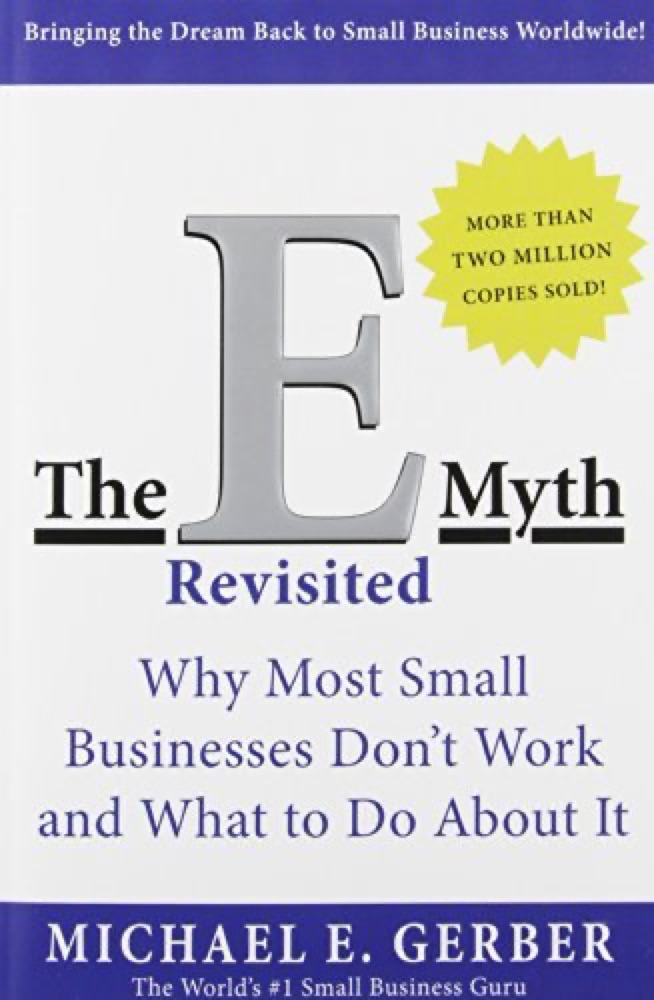 The E-myth Revisited
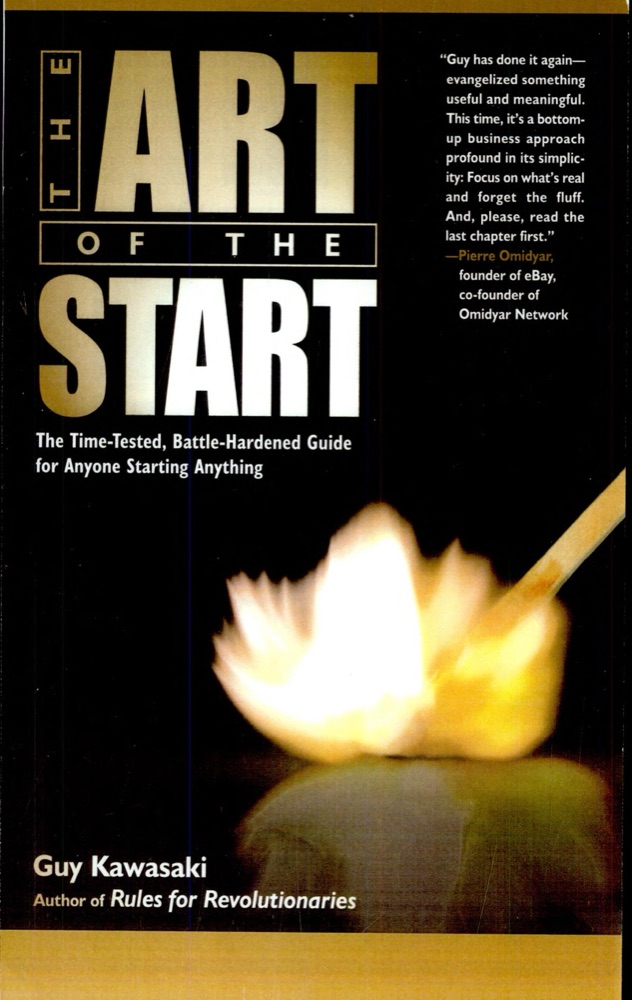 The Art of the Start: The Time-Tested, Battle-Hardened Guide for Anyone Starting Anything
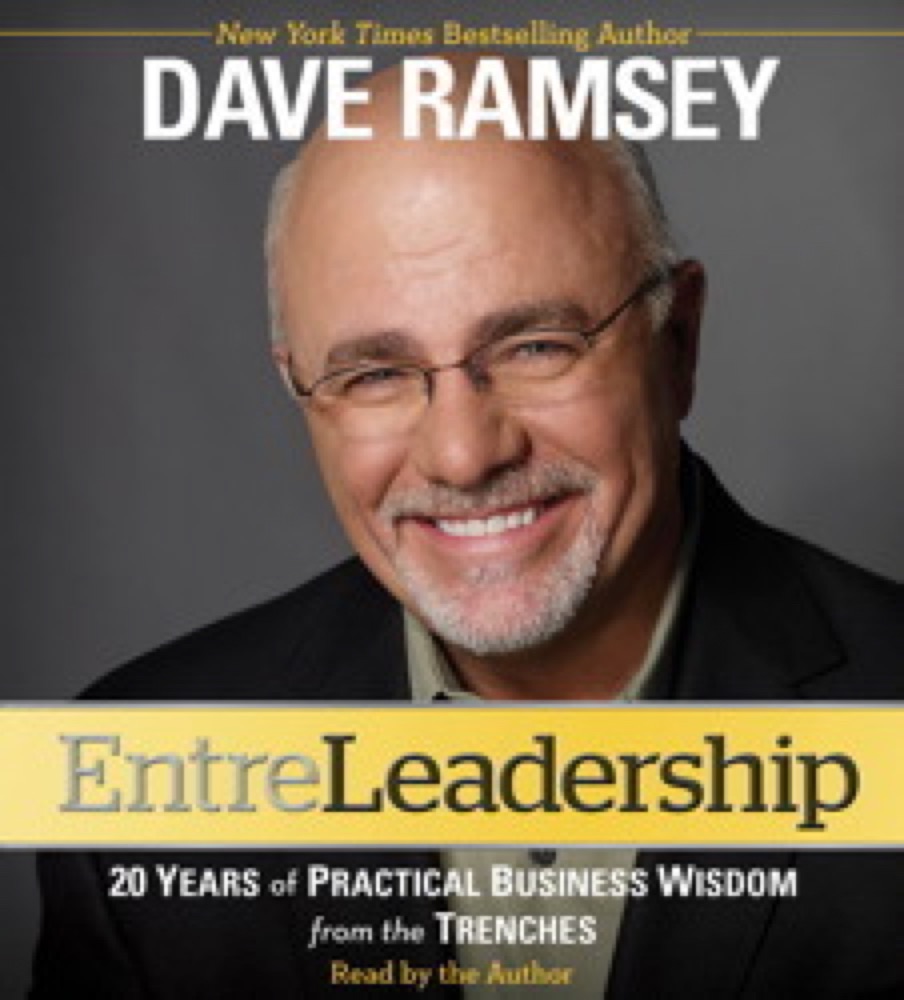 EntreLeadership: 20 Years of Practical Business Wisdom from the Trenches
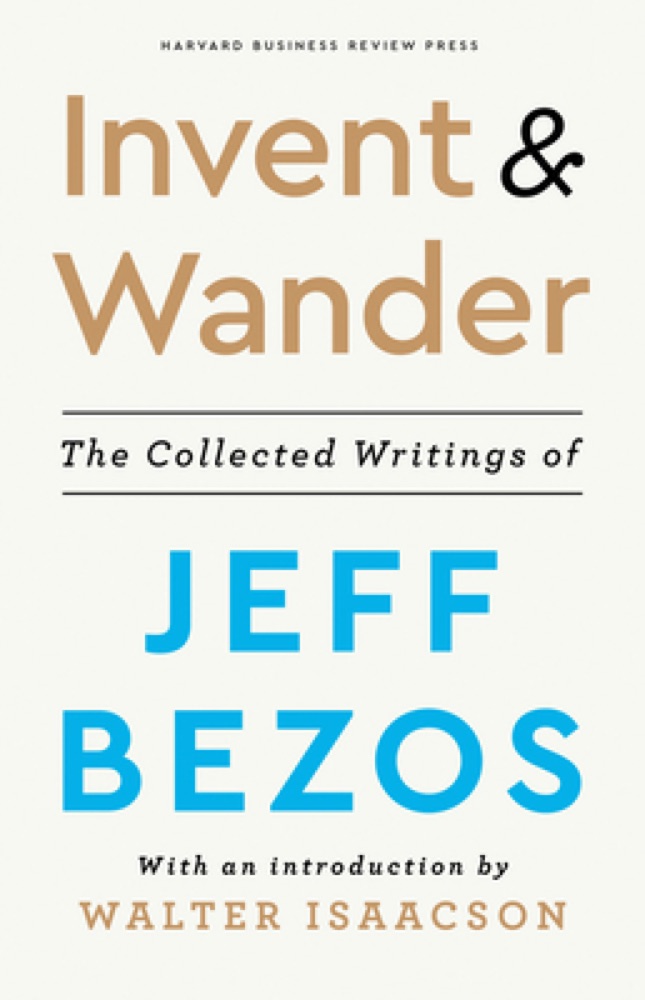 Invent and Wander: The Collected Writings of Jeff Bezos
 Be Useful: Seven Tools for Life
 The Hard Thing About Hard Things: Building a Business When There Are No Easy Answers―Straight Talk on the Challenges of Entrepreneurship
 Total Recall: My Unbelievably True Life Story
 Tools of Titans: The Tactics, Routines, and Habits of Billionaires, Icons, and World-Class Performers
 Onward: How Starbucks Fought for Its Life without Losing Its Soul
 Creativity, Inc.: Overcoming the Unseen Forces That Stand in the Way of True Inspiration
 The Startup of You: Adapt to the Future, Invest in Yourself, and Transform Your Career
 Built to Last: Successful Habits of Visionary Companies
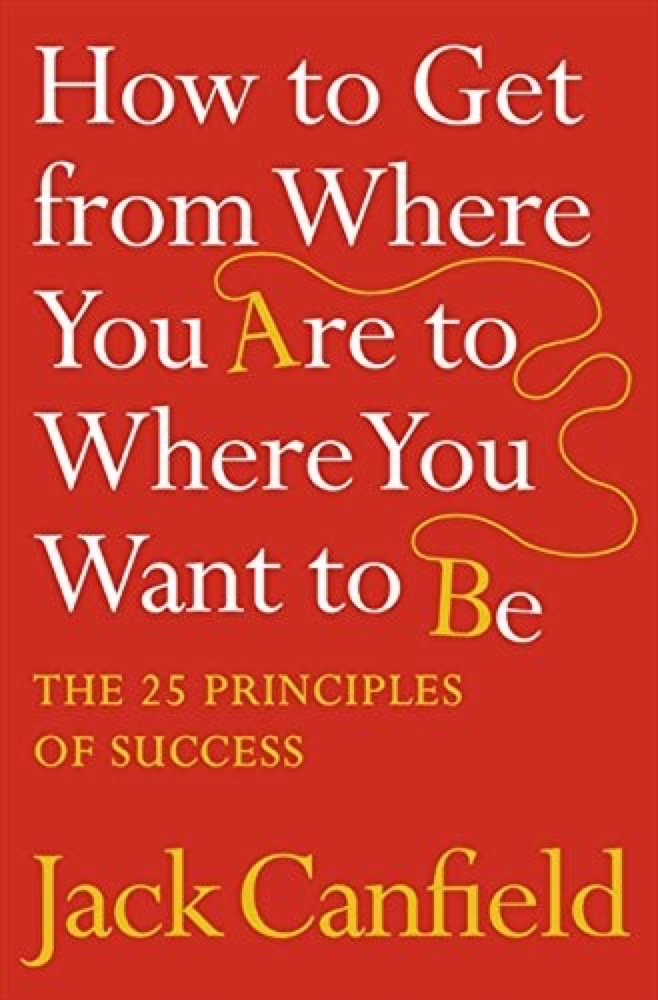 The Success Principles: How to Get from Where You Are to Where You Want to Be
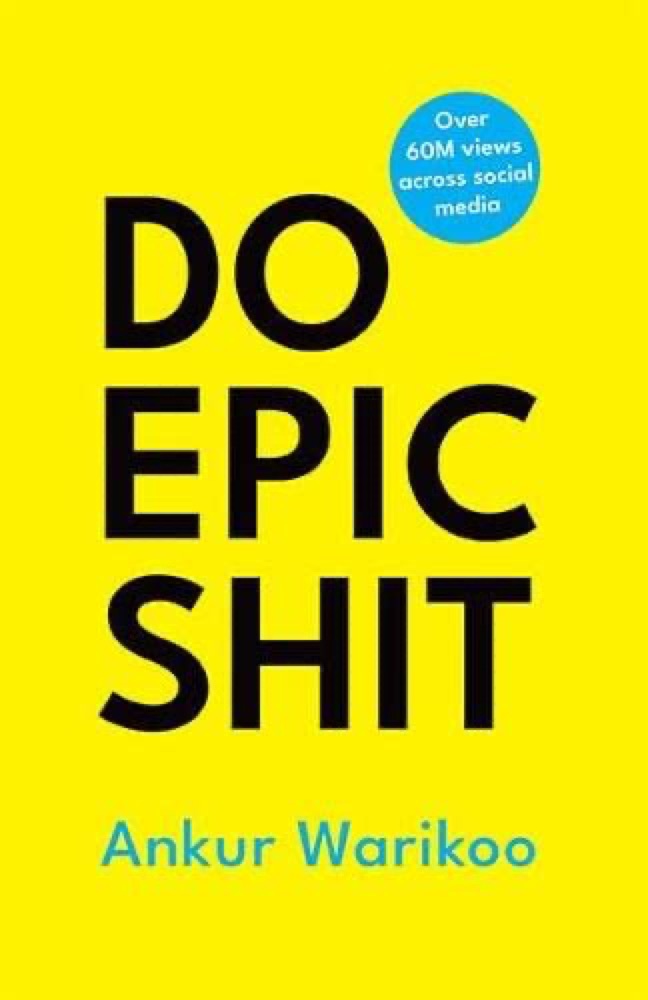 Do Epic Shit
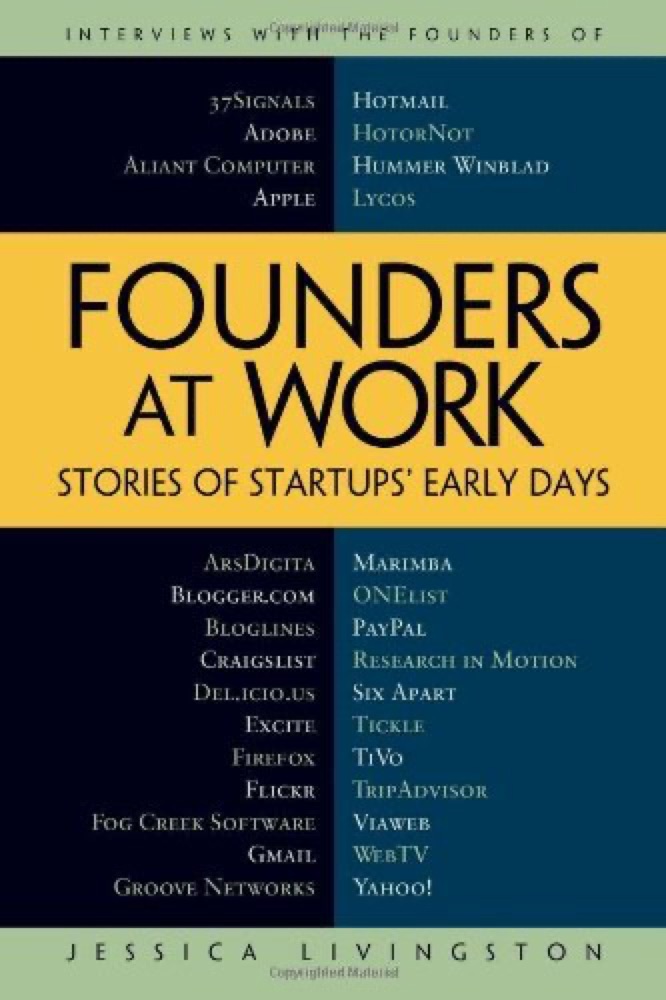 Founders at Work: Stories of Startups' Early Days
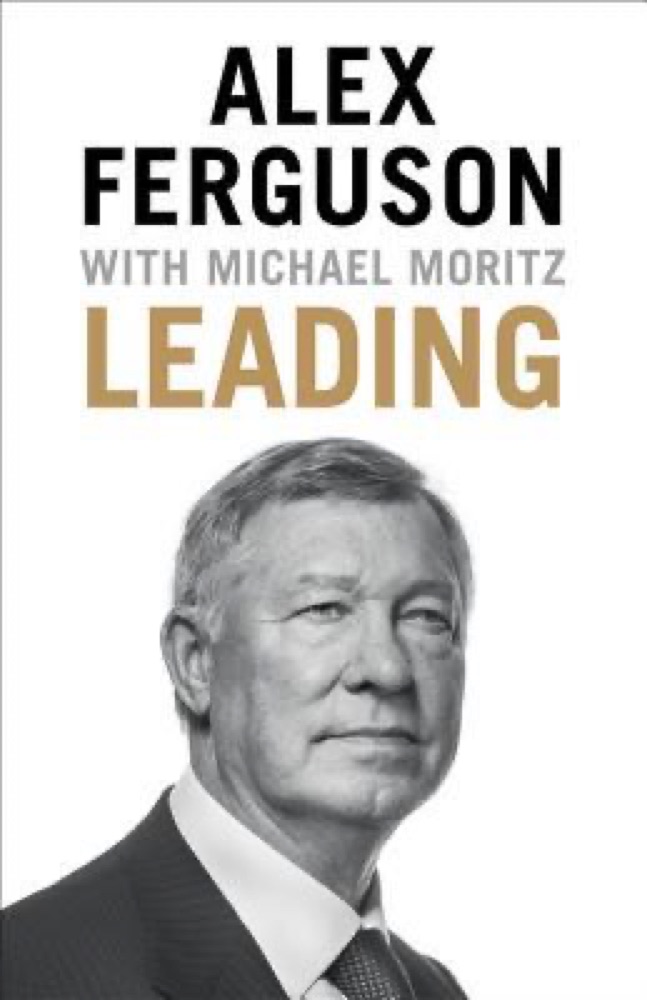 Leading: Learning from Life and My Years at Manchester United
 Elon Musk
 Grit: The Power of Passion and Perseverance
 Winning
 The Accidental Creative: How to Be Brilliant at a Moment's Notice
 Delivering Happiness: A Path to Profits, Passion, and Purpose
 The Everything Store: Jeff Bezos and the Age of Amazon
 The Last Lecture
 Linchpin: Are You Indispensable?
 Think and Grow Rich
 Barking Up the Wrong Tree: The Surprising Science Behind Why Everything You Know About Success Is (Mostly) Wrong
 Elon Musk: Inventing the Future
 Hackers & Painters: Big Ideas from the Computer Age
 High Performance Habits: How Extraordinary People Become That Way
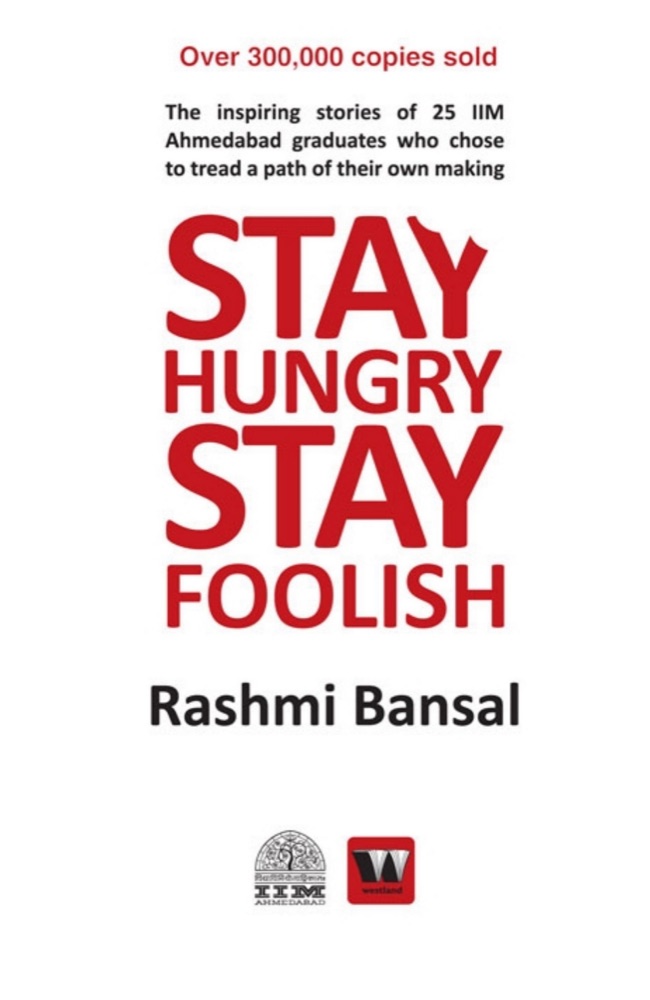 Stay Hungry Stay Foolish
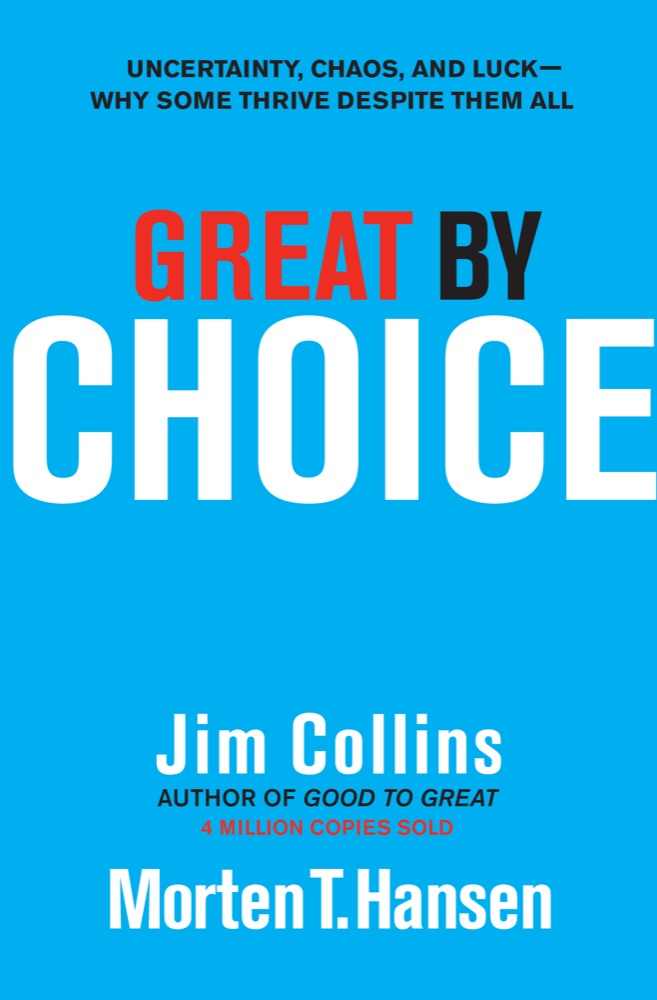 Great by Choice: Uncertainty, Chaos, and Luck—Why Some Thrive Despite Them All
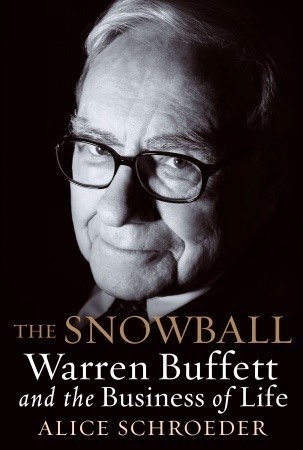 The Snowball: Warren Buffett and the Business of Life
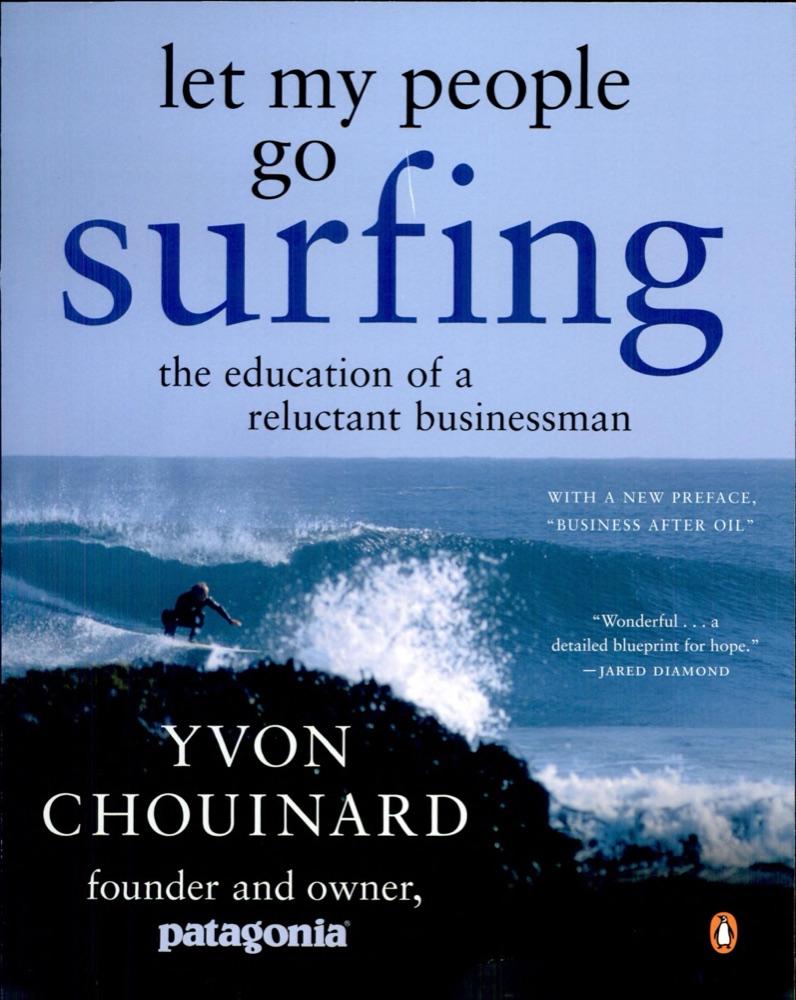 Let My People Go Surfing: The Education of a Reluctant Businessman
 Trump: The Art of the Deal
 Same as Ever: A Guide to What Never Changes
 The Algebra of Happiness: Notes on the Pursuit of Success, Love, and Meaning
 The Promise of a Pencil: How an Ordinary Person Can Create Extraordinary Change
 Your Next Five Moves: Master the Art of Business Strategy
 How to Fail at Almost Everything and Still Win Big: Kind of the Story of My Life
 Tribe Of Mentors: Transformative Wisdom From Icons and Innovators to Help You Navigate Life's Challenges
 Principles: Life and Work
 The Score Takes Care of Itself: My Philosophy of Leadership
 Failing Up: How to Take Risks, Aim Higher, and Never Stop Learning
 Measure What Matters