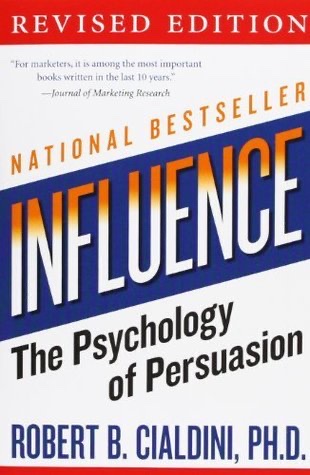

 Predictably Irrational: The Hidden Forces That Shape Our Decisions
Quotes from the Book
A well-known principle of human behavior says that when we ask someone to do us a favor we will be more successful if we provide a reason. People simply like to have reasons for what they do.
Embarrassment is a villain to be crushed.
Where all think alike, no one thinks very much. —WALTER LIPPMANN
Often we don’t realize that our attitude toward something has been influenced by the number of times we have been exposed to it in the past.
There is a natural human tendency to dislike a person who brings us unpleasant information, even when that person did not cause the bad news. The simple association with it is enough to stimulate our dislike.
persons who go through a great deal of trouble or pain to attain something tend to value it more highly than persons who attain the same thing with a minimum of effort.
we all fool ourselves from time to time in order to keep our thoughts and beliefs consistent with what we have already done or decided
people seem to be more motivated by the thought of losing something than by the thought of gaining something of equal value.
The way to love anything is to realize that it might be lost.
Excuse me, I have five pages. May I use the Xerox machine because I have to make some copies? The result was that once again nearly all (93 percent) agreed, even though no real reason, no new information, was added to justify their compliance. Just as the “cheep-cheep” sound of turkey chicks triggered an automatic mothering response from maternal turkeys—even when it emanated from a stuffed polecat—so, too, did the word “because” trigger an automatic compliance response
Freedoms once granted will not be relinquished without a fight.
The idea of potential loss plays a large role in human decision making. In fact, people seem to be more motivated by the thought of losing something than by the thought of gaining something of equal value.
The truly gifted negotiator, then, is one whose initial position is exaggerated enough to allow for a series of concessions that will yield a desirable final offer from the opponent, yet is not so outlandish as to be seen as illegitimate from the start.
Everything should be made as simple as possible, but not simpler. —ALBERT EINSTEIN
When our freedom to have something is limited, the item becomes less available, and we experience an increased desire for it. However, we rarely recognize that psychological reactance has caused us to want the item more; all we know is that we want it. Still, we need to make sense of our desire for the item, so we begin to assign it positive qualities to justify the desire.
The customers, mostly well-to-do vacationers with little knowledge of turquoise, were using a standard principle—a stereotype—to guide their buying: “expensive = good.
All things being equal, you root for your own sex, your own culture, your own locality…and what you want to prove is that you are better than the other person. Whomever you root for represents you; and when he wins, you win.”88
Be as precise as possible about your need for aid.
Apparently we have such an automatically positive reaction to compliments that we can fall victim to someone who uses them in an obvious attempt to win our favor.
As a general rule, whenever the dust settles and we find losers looking and speaking like winners (and vice versa), we should be especially wary of the conditions that kicked up the dust—in
good-looking people are aware that other people’s positive evaluations of them are not based on their actual traits and abilities but are often caused by an attractiveness “halo
Our best evidence of what people truly feel and believe comes less from their words than from their deeds.
Abraham’s willingness to plunge a dagger through the heart of his young son because God, without any explanation, ordered it. We learn in this story that the correctness of an action was not judged by such considerations as apparent senselessness, harmfulness, injustice, or usual moral standards, but by the mere command of a higher authority.
In general, when we are unsure of ourselves, when the situation is unclear or ambiguous, when uncertainty reigns, we are most likely to look to and accept the actions of others as correct.
It is easier to resist at the beginning than at the end. —LEONARDO DA VINCI
Since 95 percent of the people are imitators and only 5 percent initiators, people are persuaded more by the actions of others than by any proof we can offer.
There is no expedient to which a man will not resort to avoid the real labor of thinking.
we all fool ourselves from time to time in order to keep our thoughts and beliefs consistent with what we have already done or decided.
once a person’s self-image is altered, all sorts of subtle advantages become available to someone who wants to exploit that new image.
We like people who are similar to us. This fact seems to hold true whether the similarity is in the area of opinions, personality traits, background, or life-style.
Watch on YouTube
About Robert B. Cialdini
We have collected 30 quotes from 1 book by Robert B. Cialdini on BookQuoters.
More about the author →Book details
- Author
- Robert B. Cialdini
- Genre
- Nonfiction
- Goodreads rating
- 4.21 (182k ratings) →
Keep reading
Predictably Irrational: The Hidden Forces That Shape Our Decisions
 How to Win Friends & Influence People
 The Art of Thinking Clearly
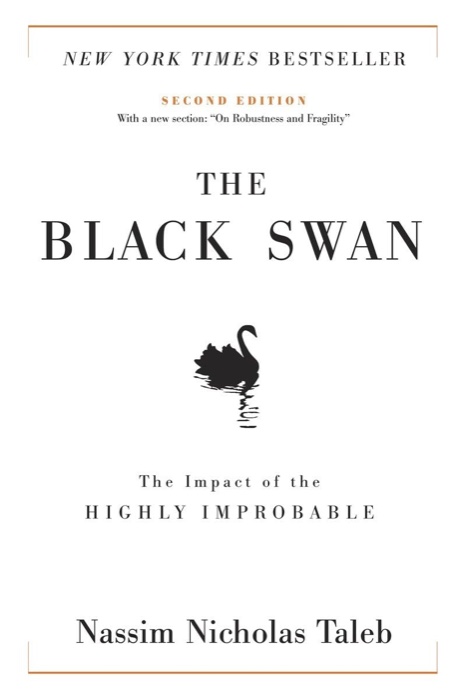 The Black Swan: The Impact of the Highly Improbable
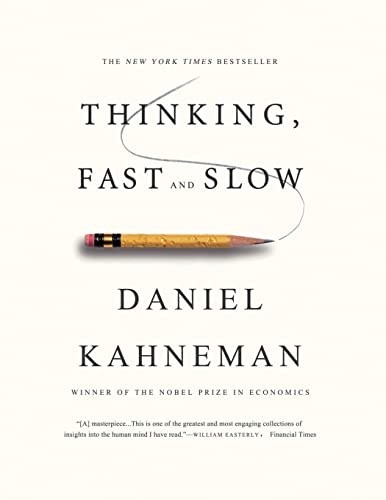 Thinking, Fast and Slow
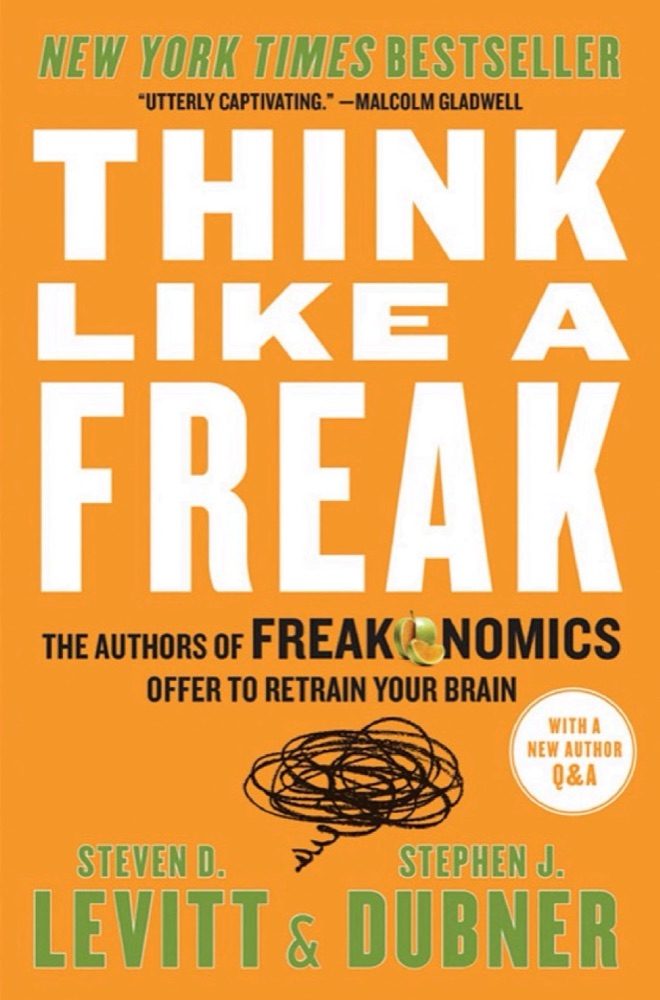 Think Like a Freak
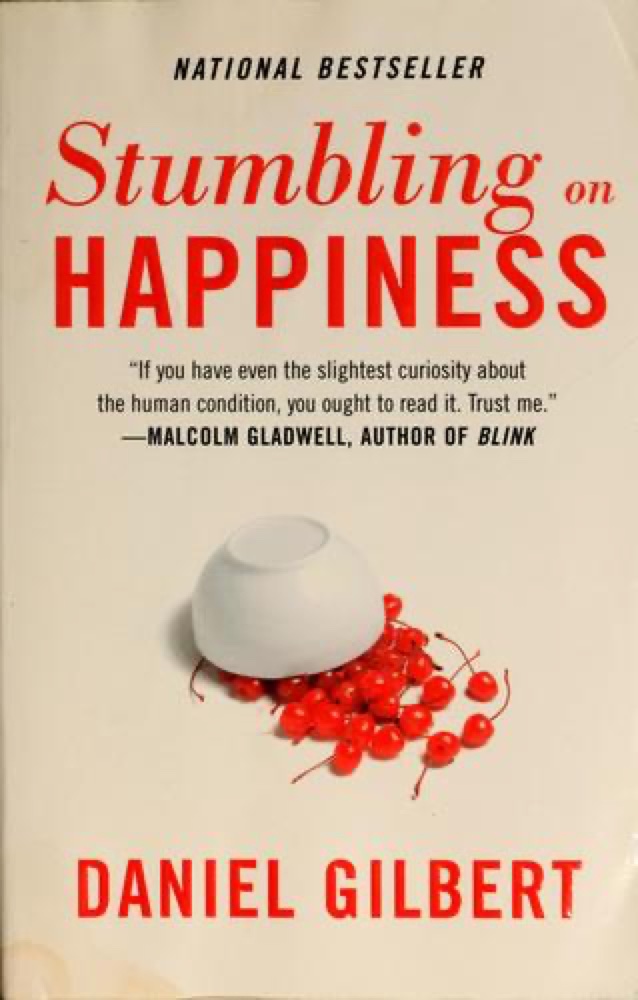 Stumbling on Happiness
 David and Goliath: Underdogs, Misfits, and the Art of Battling Giants
 Mistakes Were Made (But Not by Me): Why We Justify Foolish Beliefs, Bad Decisions, and Hurtful Acts
 The 7 Habits of Highly Effective People: Personal Workbook
 Fooled by Randomness: The Hidden Role of Chance in Life and in the Markets
 The Art of Seduction
 Children of Dune
 Made to Stick: Why Some Ideas Survive and Others Die
 Skin in the Game: The Hidden Asymmetries in Daily Life
 You Are Not So Smart
 Give and Take: A Revolutionary Approach to Success
 Rationality: From AI to Zombies
 The Laws of Human Nature
 Do Epic Shit
 Think and Grow Rich
 The Undoing Project: A Friendship That Changed Our Minds
 Scion of Ikshvaku
 Psycho-Cybernetics
 Letters to a Young Contrarian
 Blink: The Power of Thinking Without Thinking
 The Jewel in the Crown
 Magic of Thinking Big
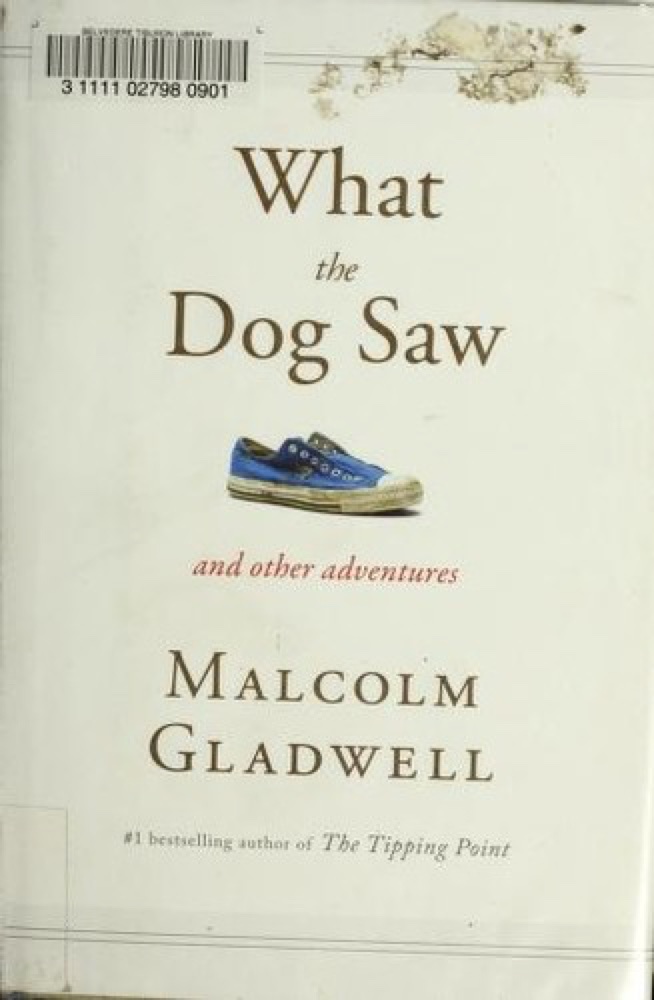 What the Dog Saw and Other Adventures
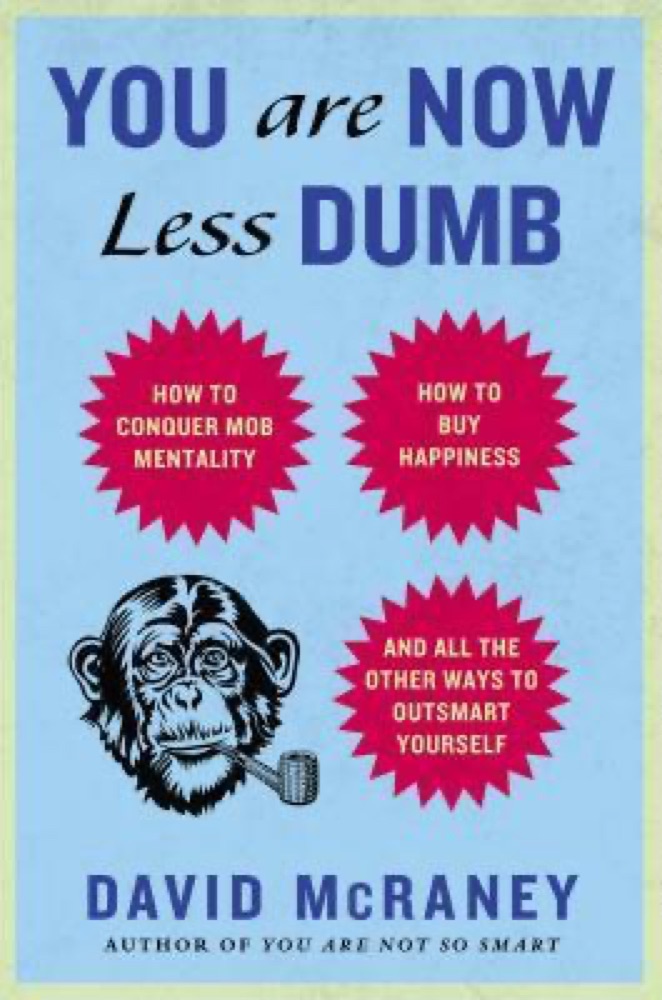 You Are Now Less Dumb: How to Conquer Mob Mentality, How to Buy Happiness, and All the Other Ways to Outsmart Yourself
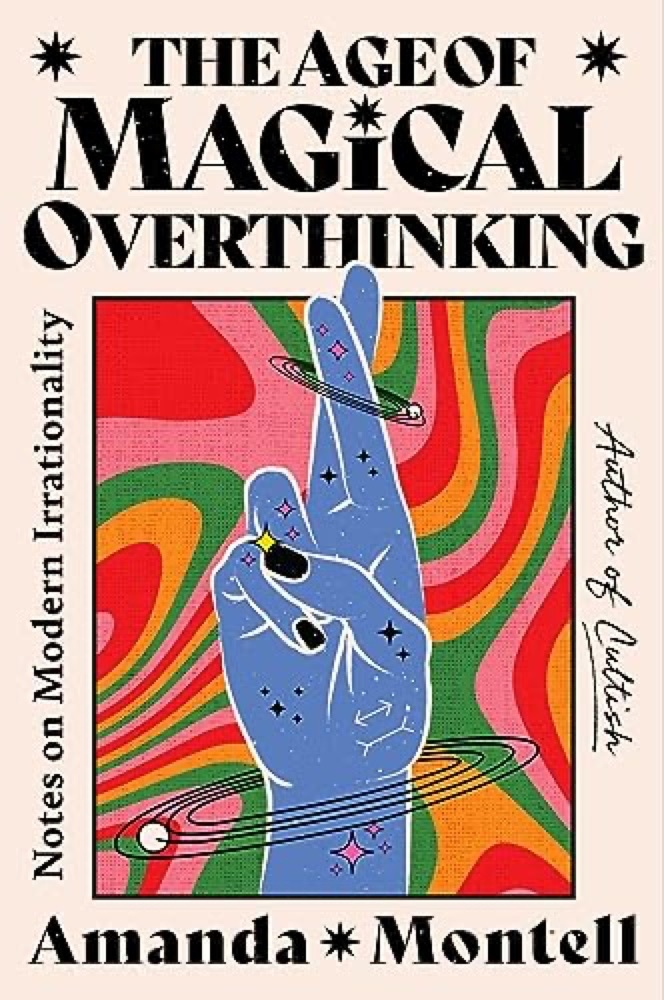 The Age of Magical Overthinking: Notes on Modern Irrationality
 The Winner Stands Alone
 The Resistance
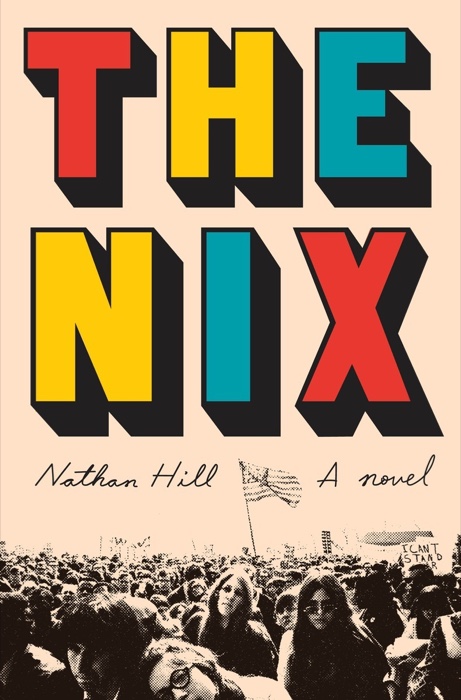 The Nix
 Ego Is the Enemy
 The Last Lecture
 The Person You Mean to Be: How Good People Fight Bias
 Be a People Person
 Crucial Conversations: Tools for Talking When Stakes are High
 The Art of Choosing
 Discourses and Selected Writings
 Law of Success
 We Were Three
 Tools of Titans: The Tactics, Routines, and Habits of Billionaires, Icons, and World-Class Performers
 Surrounded by Idiots
 We Learn Nothing
 The Celestine Prophecy
 Hunters of Dune
 The Power of One
 The Screwtape Letters
 The Art of Being
 Elizabeth Finch
 Coinman: An Untold Conspiracy
 Stranger in a Strange Land
 Status Anxiety
 Independent Study
 God's Debris: A Thought Experiment
 The Fall of Babel
 Mastery