 The Score Takes Care of Itself: My Philosophy of Leadership
Quotes from the Book
It takes a plan to achieve anything of value. When you plan, you identify an end goal and then chart out neutral behaviors that can help you reach that goal.
3
We attack and DOMINATE in all areas of our lives consistently. We lead by example and understand that preparation is the key to our success.
2
When the strongest, smartest people face the toughest challenges of their lives, their instinct is to think neutrally.
2
Lastly, to my father, thank you for the life you lived and the example you set for me. I love you. I close with one of your famous teachings. I don’t think I’ve ever heard it said better. “The best day of your life is the one on which you decide your life is your own. No apologies or excuses. No one to lean on, rely on, or blame. The gift is yours—it is an amazing journey—and you alone are responsible for the quality of it.” —Trevor Moawad
2
The next time life presents you with a challenge, don’t simply assume everything will work out. Don’t tell yourself you can’t do it. Just evaluate the situation. Figure out what you can accomplish right now. Then draw your line. When you cross that line, draw another one. And keep going. There
2
You can do what you feel, or you can do what you choose.
2
The most dangerous bias when discussing performance is our innate privileging of the past. We elevate the past. We give it too much importance. We serve the past when we should be giving it a wide berth.
2
I have no doubts that the best is ahead.
1
We have more power over ourselves than anyone else does.
1
That’s neutral. Staying in the moment, giving each moment its own history, and reacting to events as they unfold. It takes away emotion and replaces it with behaviors. Instead of asking, “How do I feel?” you should be asking yourself, “What do I do?
1
What happened happened. Okay. Fine. What happens next has nothing to do with that.
1
I already possessed the tools to navigate the time ahead, even under the most brutally difficult circumstances.
1
What am I saying to myself? What am I saying to my teammates? What language am I using? How am I impacting myself? How am I impacting others? How am I being my best self every time I step on the field? It’s critical to have a fundamental mental plan.
1
He responded with a classic SEAL way of looking at adversity: in the middle of a period of adversity, we have an opportunity to stress-test our own belief system.
1
Russell doesn’t speak in “ifs” when it comes to his performance. He speaks in “I’s.” “I do this” versus “If I do this.” Why? He knows the impact of his own language on him and on others. “If” implies a choice. He knows there are no choices for leaders in the biggest moments. “If” gives your brain an out. “I” makes a commitment.
It takes a plan to achieve anything of value.
But it’s what’s next that matters, not what was. What’s next is the only thing you can still influence.
It’s about creating the opportunity to win by behaving like people who win.
It’s hard to feel our way into achieving a damn thing.
Greatness is available to anyone—including your opponents—and the pressure is on you to snatch it first.
Thinking about all 26.2 miles is overwhelming. Thinking about the next few steps is manageable,
You never really know what is going to cause the breakthrough. Each situation has its own history and circumstances. But when they get it, it’s like a brake being released. They reach maximum velocity quickly.
To be aware of the past. Grounded in the present. In control of the next behavior.
Correct choices don’t help only when competing against other people. You can make choices that lead to behaviors that make you a better spouse. A better parent. A more physically and mentally fit person.
The top performer at your company probably also lives this way. Their real mission and true purpose? Living in alignment with their visions and being driven to fulfill them. They are defined by their own behaviors, not by anyone else’s opinion of them. That quality, that ability to determine one’s own true north, is something that unites successful people across every sport, industry, and military unit I’ve ever seen.
Injury is its way of protecting you and telling you to change something.
Ask myself the most fundamental and powerful question: What is it that I want?
Our offense is aggressive. We play to win. We attack. Our defense is unrelenting. We will hit you. Then do it again.
Watch on YouTube
About Trevor Moawad
About the book
Foreword by Seattle Seahawks quarterback Russell Wilson From a top mental conditioning coach—”the world’s best brain trainer” (Sports Illustrated)—who has transformed the lives and careers of elite athletes, business leaders, and military personnel, battle-tested strategies that will give you tools to manage and overcome negativity and achieve any goal.
Trevor Moawad is a mental conditioning coach who has helped professionals from all walks of life, from Ft. Bragg to Harvard Business School, the NFL to Fortune 500 companies. Moawad’s mission is clear: motivate the motivated.
Now, for the first time ever, Moawad shares the formula he has exclusively used to help these elites with everyone. It Takes What It Takes shows you how to deal with even the most challenging circumstances—and thrive. Moawad reveals how top performers hone their competitive edge by effectively managing both n
Book details
- First published
- 2020
- Author
- Trevor Moawad
- Genre
- Nonfiction
- Goodreads rating
- 3.97 (3k ratings)
Keep reading
The Score Takes Care of Itself: My Philosophy of Leadership
 Be Useful: Seven Tools for Life
 Mind Gym: An Athlete's Guide to Inner Excellence
 The Success Principles: How to Get from Where You Are to Where You Want to Be
 The Obstacle Is the Way: The Timeless Art of Turning Trials into Triumph
 The 7 Habits of Highly Effective People: Personal Workbook
 The Compound Effect: Jumpstart Your Income, Your Life, Your Success
 Awaken The Giant Within
 High Performance Habits: How Extraordinary People Become That Way
 Wooden: A Lifetime of Observations and Reflections On and Off the Court
 Tools of Titans: The Tactics, Routines, and Habits of Billionaires, Icons, and World-Class Performers
 The Power of Focus
 Winning
 Principles: Life and Work
 Discipline Equals Freedom: Field Manual
 The Mindful Athlete: Secrets to Pure Performance
 First Things First
 Will
Will
 Maximum Achievement: Strategies and Skills That Will Unlock Your Hidden Powers to Succeed
 Be Water, My Friend: The Teachings of Bruce Lee
 Be Your Future Self Now: The Science of Intentional Transformation
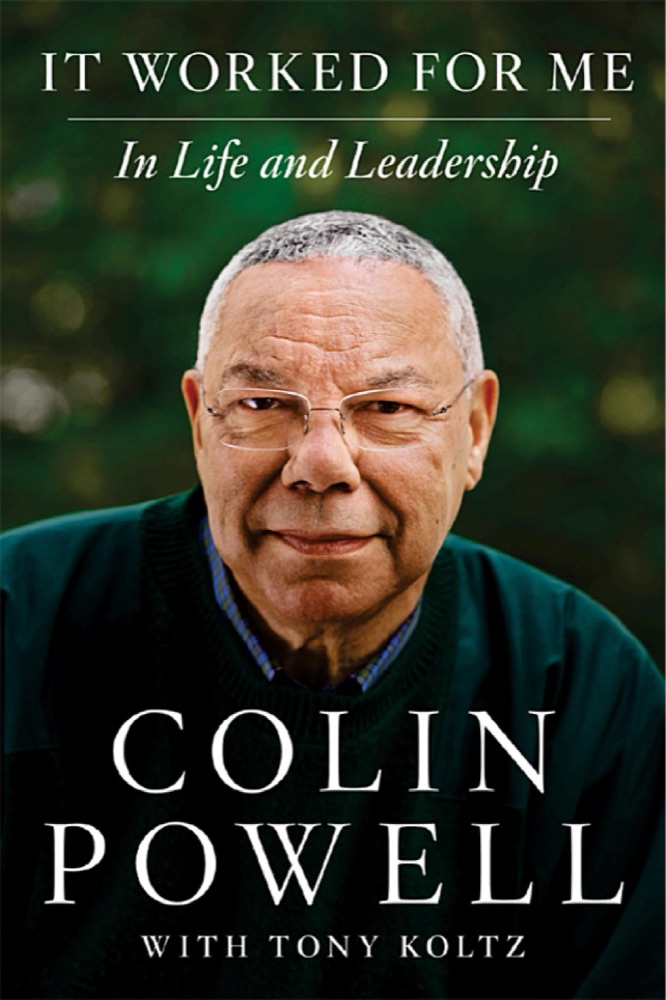 It Worked for Me: In Life and Leadership
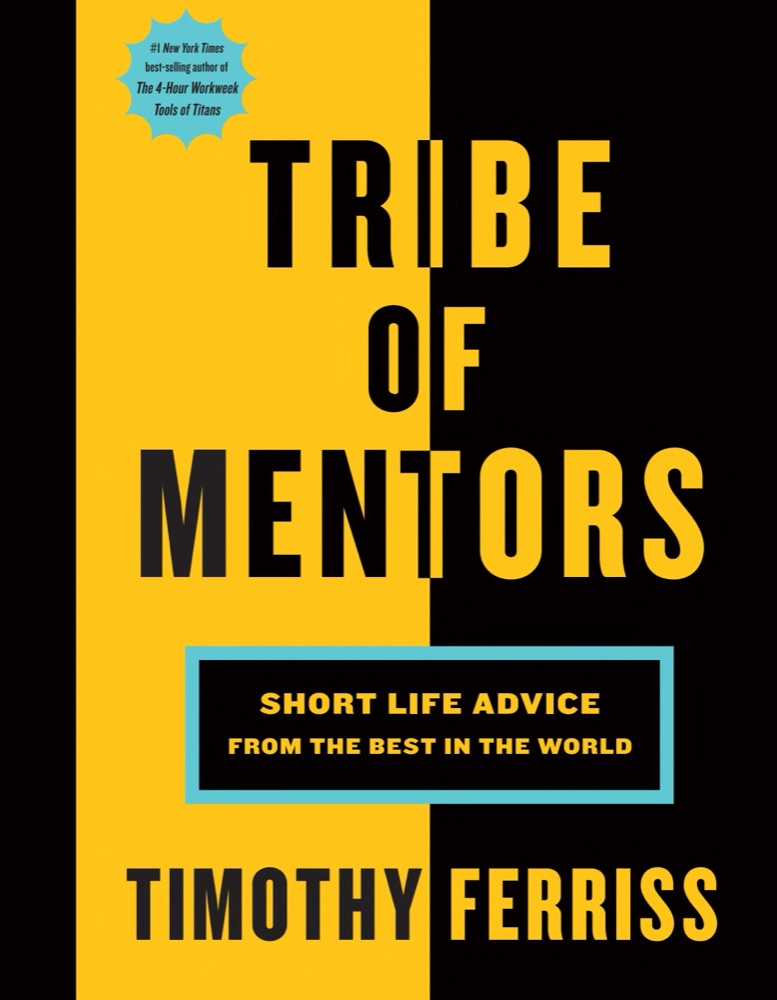 Tribe Of Mentors: Transformative Wisdom From Icons and Innovators to Help You Navigate Life's Challenges
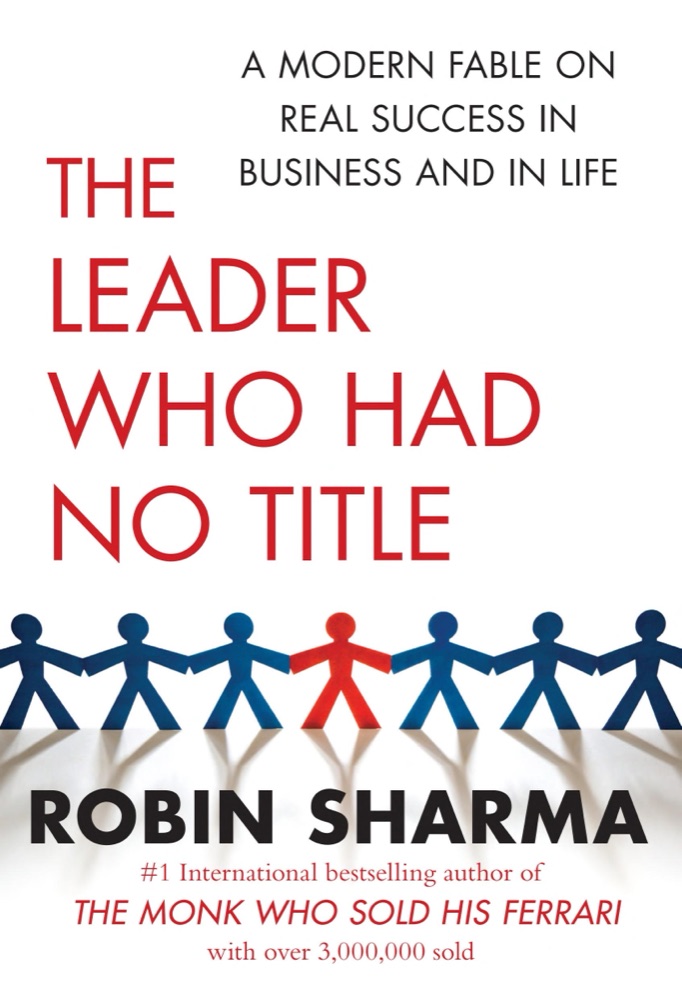 The Leader Who Had No Title: A Modern Fable on Real Success in Business and in Life
 Think and Grow Rich
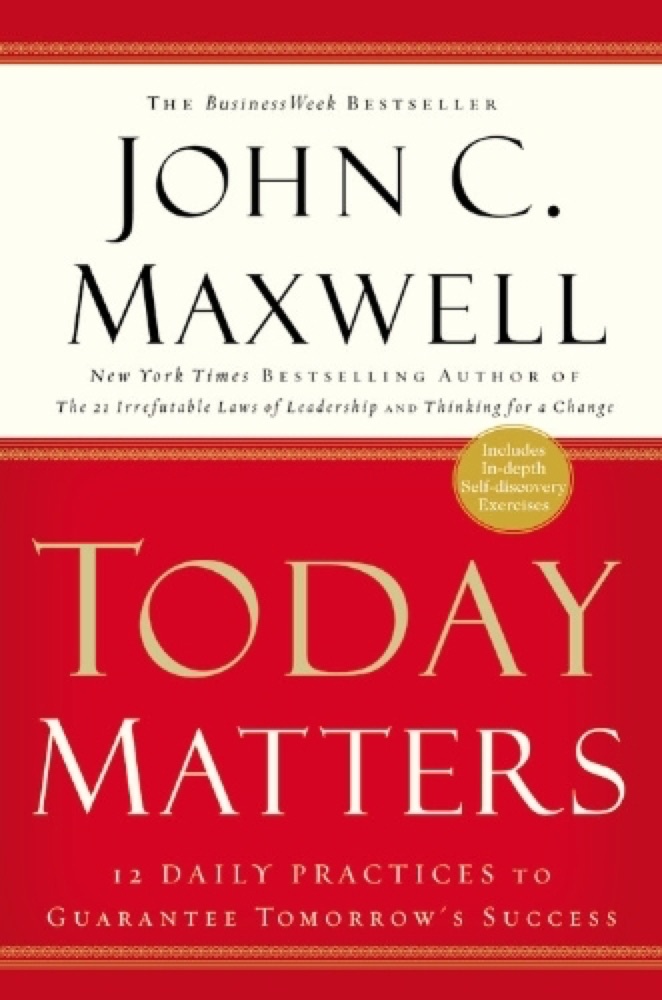 Today Matters: 12 Daily Practices to Guarantee Tomorrow's Success
 Ready for Anything: 52 Productivity Principles for Getting Things Done
 The Last Lecture
 Do Epic Shit
 Magic of Thinking Big
 Millionaire Success Habits: The Gateway To Wealth & Prosperity
 The 5 Second Rule: Transform Your Life, Work, and Confidence with Everyday Courage
 Discipline Is Destiny: The Power of Self-Control
 The Power of One
 Shoe Dog: A Memoir by the Creator of NIKE
 Leading: Learning from Life and My Years at Manchester United
 Dottir: My Journey to Becoming a Two-Time CrossFit Games Champion
 Above the Line: Lessons in Leadership and Life from a Championship Season
 The Traveler's Gift: Seven Decisions that Determine Personal Success
 How to Be a Bawse: A Guide to Conquering Life
 Greenlights
 Capital Gaines: Smart Things I Learned Doing Stupid Stuff
 The Art of Impossible: A Peak Performance Primer
 Eleven Rings: The Soul of Success
 Thrive: The Third Metric to Redefining Success and Creating a Life of Well-Being, Wisdom, and Wonder
 The 360 Degree Leader: Developing Your Influence from Anywhere in the Organization
 Limitless: Upgrade Your Brain, Learn Anything Faster, and Unlock Your Exceptional Life
 Becoming Bulletproof: Protect Yourself, Read People, Influence Situations, and Live Fearlessly
 Speak: Find Your Voice, Trust Your Gut, and Get from Where You Are to Where You Want to Be
 The Gap and The Gain: The High Achievers' Guide to Happiness, Confidence, and Success
 You Can Win: A Step by Step Tool for Top Achievers
 Power Thoughts: 12 Strategies to Win the Battle of the Mind
 The Ride of a Lifetime: Lessons Learned from 15 Years as CEO of the Walt Disney Company
 Can't Hurt Me: Master Your Mind and Defy the Odds
 Your Next Five Moves: Master the Art of Business Strategy
 I Can't Make This Up: Life Lessons
 My Fight / Your Fight
 EntreLeadership: 20 Years of Practical Business Wisdom from the Trenches
 The Rise of Superman: Decoding the Science of Ultimate Human Performance