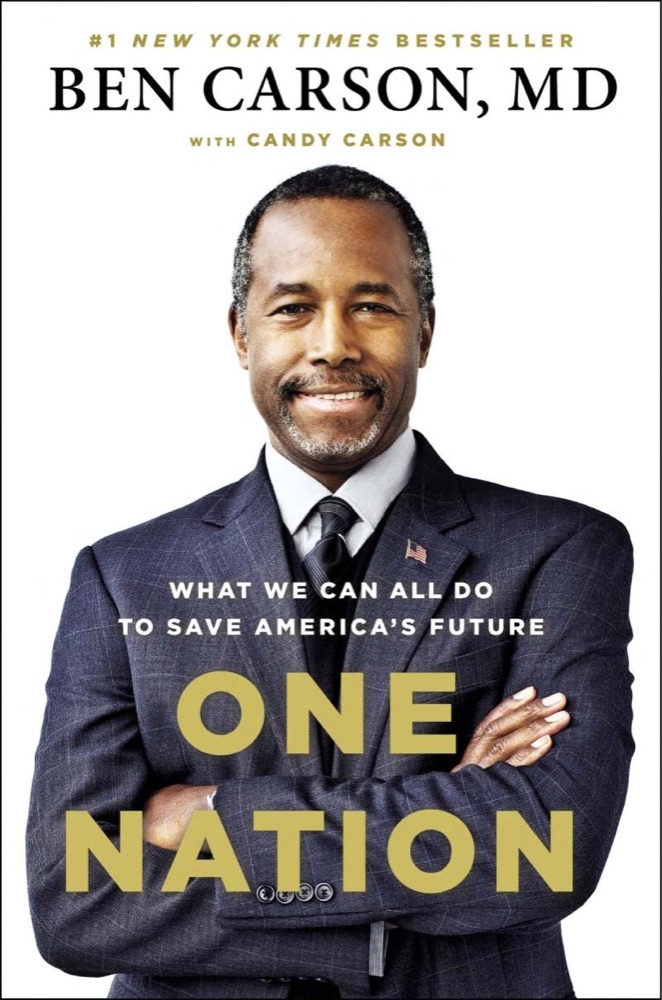
 One Nation: What We Can All Do to Save America's Future
Quotes from the Book
My own father had always said the measure of a man wasn't how many times or how hard he got knocked down, but how fast he got back up. I made a pledge to myself that I would get up and emerge from this debacle better for having gone through it. I would live up to the expectation I had for myself. I would be the kind of man I wanted to be.
18
I believe all Americans are born with certain inalienable rights. As a child of God, I believe my rights are not derived from the constitution. My rights are not derived from any government. My rights are not denied by any majority. My rights are because I exist. They were given to me and each of my fellow citizens by our creator, and they represent the essence of human dignity...
15
If you do politics the right way, I believe, you can actually make people's lives better. And integrity is the minimum ante to get into the game.
11
But all our differences hardly measure up to the values we all hold in common...
8
I wasn't built to look the other way because the law demanded it. The law might be wrong.
7
The senate is a place filled with goodwill and good intentions, and if the road to hell is paved with them, then it's a pretty good detour. Hubert Humphrey, as quoted by Biden, p. 134
7
To me this is the first principle of life, the foundational principle, and a lesson you can't learn at the foot of any wise man: Get up! The art of living is simply getting up after you've been knocked down.
7
My rights are not derived from any government. My rights are not denied by any majority. My rights are because I exist.
6
Acknowledging that a woman's right to be safe from a gender-based attack was a "civil right," I believed, was critically important in changing the American consciousness. When a right reaches the status and categorization of a "civil right," it means the nation has arrived at a consensus that is nonnegotiable. Violence against women would no longer be written off ... Once our criminal justice system -- at the local, state and federal levels -- recognized these as serious and inexcusable crimes, women could stop blaming themselves.
6
America is the promised land, because each generation bequeathed to its children a promise, a promise that they might not come to enjoy but which they fully expected their offspring to fulfill. So the words 'all men are created equal' took a life of its own, ultimately destined to end slavery and enfranchise women. And the words 'equal protection' and 'due process' inevitably led to the end of the words 'separate but equal,' ensuring that the walls of segregation would crumble, whether at the lunch counter or at the voting booth.
5
you should not run for president because tactically you can win. The questions you have to ask are why you're running for president and what will you do when you are president. You shouldn't run until you know the answers to those questions.
5
We must have public officials who will stand up and tell the people exactly what they think... Our failure in recent years has not been the failure of the people to meet the challenges placed before them, but rather the failure of both our great political parties to place those challenges honestly and courageously before the people, and to trust the willingness of the people to do the things that really need to be done.
5
I kept trying to tell people that just because I was young didn't mean I could speak for all young people.
4
To my generation has now come the challenge. In the days to come we will be tested on whether we have the moral courage, the realism, the idealism, the tenacity, and the ability to sacrifice some of the current comfort to invest in the future... I believe that this generation will rise to the challenge... The experts believe that, like the Democratic Party itself, the less than forty-year-old voters are prepared to sell their souls for some security, real or illusory. They have misjudged us. Just because our political heroes were murdered does not mean that the dream does not still live, buried deep in our broken hearts.
4
He wanted me to understand two big things: First, that nobody, no group, is above others. Public servants are obliged to level with everybody, whether or not they'll like what he has to say. And second, that politics was a matter of personal honor. A man's word is his bond. You give your word, you keep it. For as long as I can remember, I've had a sort of romantic notion of what politics should be- and can be. If you do politics the right way, I believe, you can actually make people's lives better. And integrity is the minimum ante to get into the game. Nearly forty years after I first got involved, I remain captivated by the possibilities of politics and public service. In fact, I believe- as I know my grandpop did- that my chosen profession is a noble calling.
3
Senator John Stennis: The civil rights movement did more to free the white man that the black man. ... It freed my soul.
3
the Democratic Party had failed (in 1983) 'to remember waht got us this far and how we got here -- moral indignation, decent instincts, a sense of shared sacrifice and mutual responsibility, and a set of national priorities that emphasized what we had in common.. The Party that was the engine of the national interest -- molding our pluralistic interest into a compelling new social contract that served the nation well for fifty years -- became perceived as little more than the broker of narrow special interests. Instead of thinking of ourselves as Americans first, Democrats second, and members of interest groups third, we have begun to think in terms of special interests first and the greater interest second.. We have let our opponents set the agenda and define what is at stake. p. 140
3
... in an airport in '64, Goldwater said, 'Well, keep punching, Hubert' during a chance meeting there. By the end of 1977, it became increasingly clear that the Boss (Hubert Humphrey) would not be around much longer. And on the Senate floor one day, Barry Goldwater walked across the aisle and enveloped Hubert Humphrey. Goldwater was so big and Humphrey so frail that Humphrey almost disappeared. The two men stood for a long moment, locked in a hug, and I could see that both men were crying. They made no effort to hide it.
3
We all know - or at least we are told continuously - that we are a divided people. And we know there's a degree of truth in it. We have too often allowed our differences to prevail among us. We have too often allowed ambitious men to play off those differences for political gain. We have too often retreated behind our differences when no one really tried to lead us beyond them.
3
I hear the voice of the people calling for a future in which every American is more secure in life and liberty and more able to pursue happiness. I hear the voice of people willing to make sacrifices today to achieve that kind of tomorrow. It's time for a president to listen to that rising voice and to amplify it. It's time for a president who can point the American people to the future within their reach, tell them what it will take to get there, and vigilantly remind them why it's worth fighting for. It's time for a president to stand up and remind the American people that we have promises to keep -- promises to the world, promises to one another, promises to our children and to our grandchildren. In rededicating ourselves to to the hard work of fulfilling those promises, we restore America as the hope of the world and the vision of a brighter future.
2
For the world to follow, we must do more than rattle our sabers and demand allegiance to our vision simply because we believe we are right. We must provide a reason for others to aspire to that vision. And that reason must come with more than the repetition of a bumper-sticker phrase about freedom and democracy.
2
Robert Bork, at opening of Judiciary hearings: How should a judge go about finding the law? The only legitimate way, in my opinion, is by attempting to discern what those who made the law intended... As I wrote in an opinion for our court, the judge's responsibility "is to discern how the framers' values, defined in the context of the world they knew, apply in the world we know. If a judge abandons intentions as his guide, there is no law available to him, and he begins to legislate a social agenda for the American people. That goes well beyond his powers..
2
quoting from Neil Kinnock, running against Thatcher in 1987: Why am I the first Kinnock in a thousand generations to be able to get to university? Why is Glenys the first woman in her family in a thousand generations to be able to get to university? Is it because all our predecessors were thick? Did they lack talent? Those people who could sing, and play, and recite, and write poetry, those people who could make wonderful things with their hands? Those people who could dream dreams, see visions? Why didn't they get it? Was it because they were weak? Those people who could work eight hours underground and then come up and play football? Weak? Those women who could survive eleven childbearings? Were they weak? Anybody really think that they didn't get what we have because they didn't have the talent, or the strength, or the endurance, or the commitment? Of course not. It was because there was no platform on which they could stand.
2
The conservatives could sneer about "social engineering" if they wanted, but I thought that most people believed as I did that government should embody our best hopes and lend a hand to people who were struggling.
2
When Seagull droppings landed on my head at a campaign event, I chose to read it as a sign of a coming success.
1
I thought I’d died and gone to Yale.
1
I’ll never forget the end of the closing statement of Anthony Cordesman, an expert on military strategy and the Middle East: ‘To be careless about this war, to me, would be a disaster. I am reminded of a quote about 2,000 years old by (Bion of Smyrna): ’Small boys throw stones at frogs in jest, but the frogs do not die in jest; the frogs die in earnest.’ This is not a game, and it is not something to be decided from an armchair.
If there were no Constitution, I believed, human beings would still have a right to marry whom they want. We would still have the right to see our biological offspring, the right to speech, and the right to practice a religion.
Part of judging is bringing to bear individual wisdom, intellect, and compassion.
Watch on YouTube
About Joe Biden
We have collected 29 quotes from 1 book by Joe Biden on BookQuoters.
More about the author →About the book
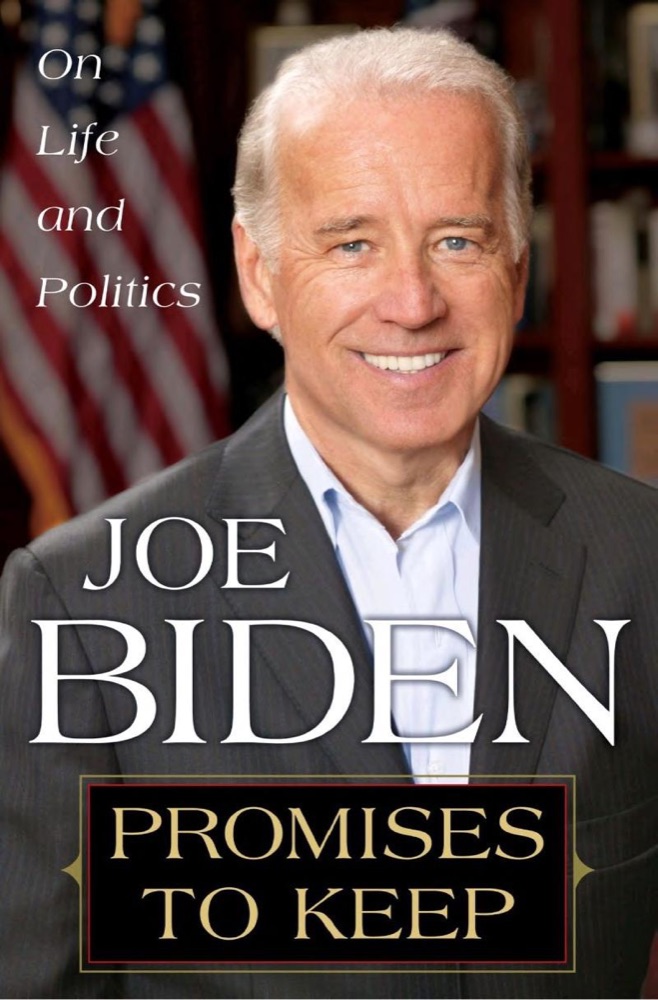
NEW YORK TIMES BESTSELLER • Joe Biden, the author of Promise Me, Dad, tells the story of his extraordinary life and career prior to his emergence as Barack Obama’s beloved, influential vice president.
In Promises to Keep, Joe Biden reveals the experiences that shaped him with his customary candor and charm. He movingly recounts growing up in a staunchly Catholic multigenerational household in Scranton, Pennsylvania, and Wilmington, Delaware; overcoming personal tragedy, life-threatening illness, and career setbacks; his relations, as a United States senator for more than thirty-five years, with fellow lawmakers on both sides of the aisle; and his leadership of powerful Senate committees.
Through these and other recollections, Biden shows us how the guiding principles he learned early in life—to work to make people’s lives better; to honor family and faith; to value persistence, can
Book details
- First published
- 2007
- Author
- Joe Biden
- Genre
- Nonfiction
- Goodreads rating
- 3.97 (2k ratings)
Keep reading
One Nation: What We Can All Do to Save America's Future
 A Promised Land
 United: Thoughts on Finding Common Ground and Advancing the Common Good
 The Truths We Hold: An American Journey
 The Audacity of Hope: Thoughts on Reclaiming the American Dream
 The Autobiography of Eleanor Roosevelt
 The Soul of America: The Battle for Our Better Angels
 Shortest Way Home: One Mayor's Challenge and a Model for America's Future
 Persist
 Becoming Madam Secretary
 The American Spirit: Who We Are and What We Stand For
 What Unites Us: Reflections on Patriotism
 Across That Bridge: A Vision for Change and the Future of America
 Glenn Beck's Common Sense: The Case Against an Out-of-Control Government, Inspired by Thomas Paine
 The Small and the Mighty: Twelve Unsung Americans Who Changed the Course of History, from the Founding to the Civil Rights Movement
 You Can't Be Neutral on a Moving Train: A Personal History of Our Times
 Profiles in Courage
 My Beloved World
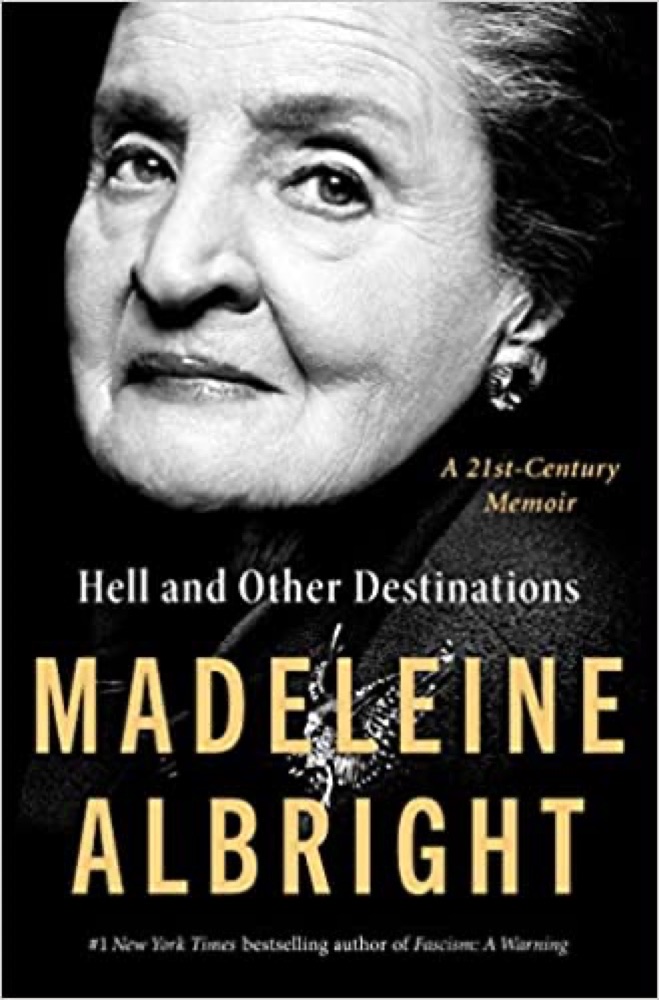 Hell and Other Destinations: A 21st-Century Memoir
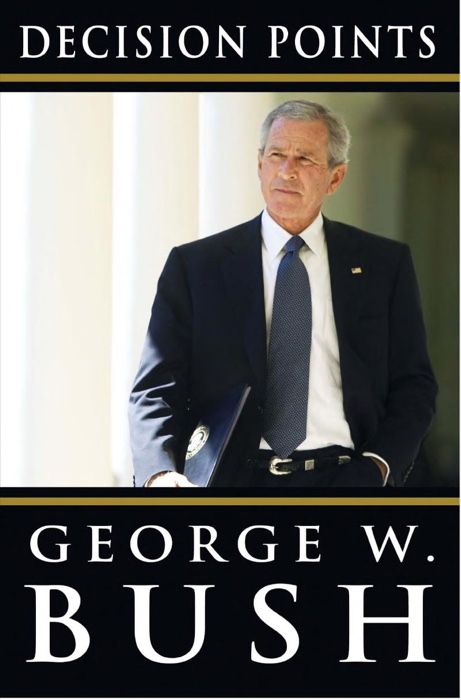 Decision Points
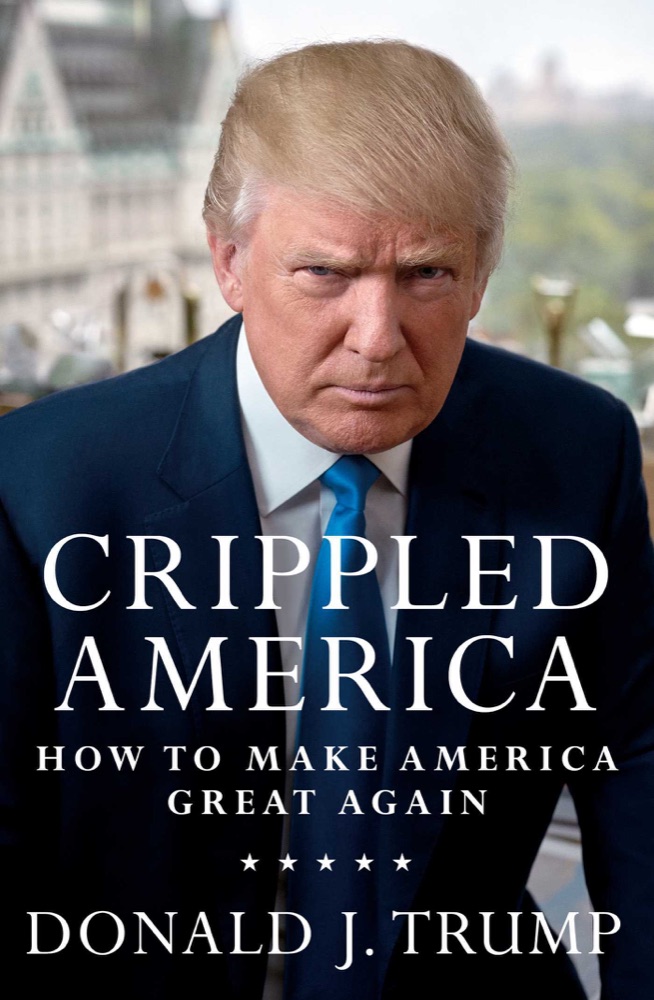 Crippled America: How to Make America Great Again
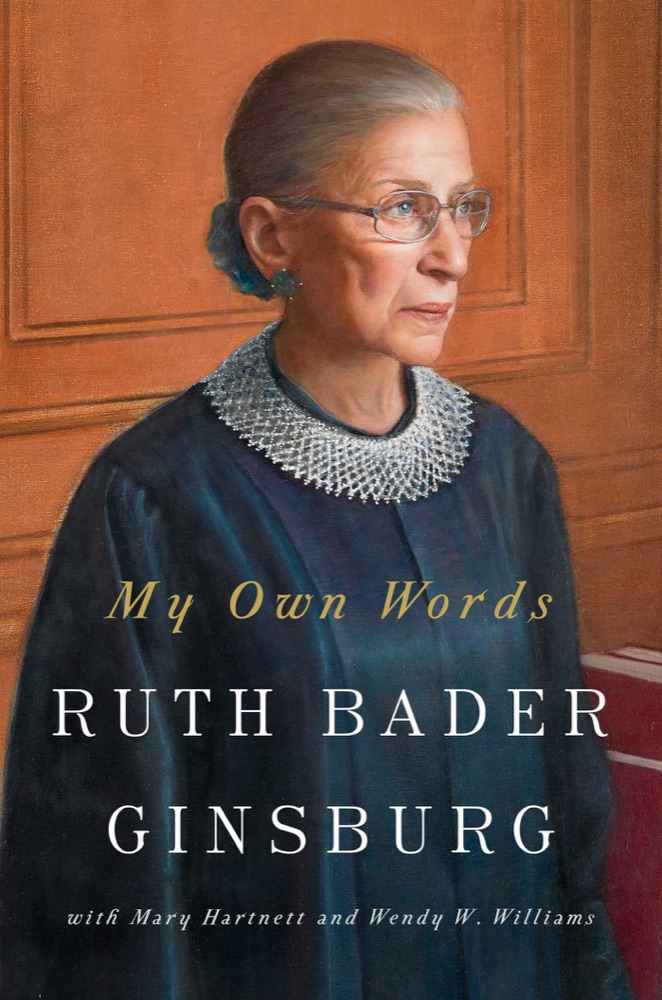 My Own Words
 Between the World and Me
 A Higher Loyalty: Truth, Lies, and Leadership
 What Happened
 The Invisible Bridge: The Fall of Nixon and the Rise of Reagan
 Wide Awake
 Civil Disobedience
 Doing Justice: A Prosecutor's Thoughts on Crime, Punishment, and the Rule of Law
 Assata: An Autobiography
 A Fighting Chance
 Becoming
 America (The Book): A Citizen's Guide to Democracy Inaction
 Independent Study
 Democracy in America
 Edge of Eternity
 Conversations with RBG: Ruth Bader Ginsburg on Life, Love, Liberty, and Law
 Civil Disobedience and Other Essays
 The Autobiography of Martin Luther King, Jr.
 A Full Life: Reflections at Ninety
 Gifted Hands: The Ben Carson Story
 My Government Means to Kill Me
 Truman
 Empire
 If This Isn't Nice, What Is?: Advice for the Young
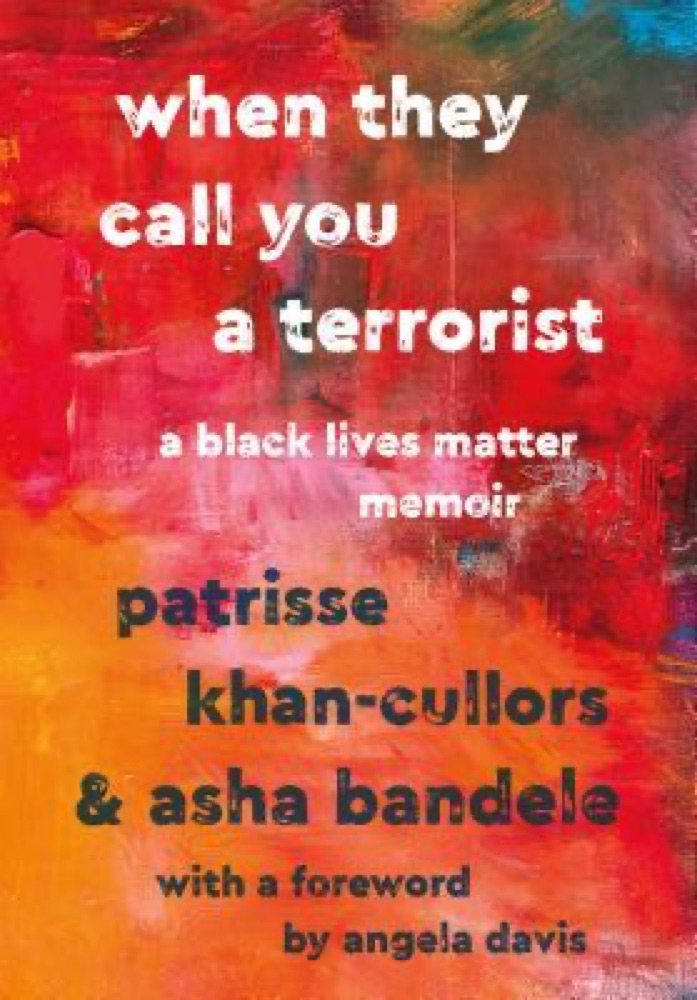 When They Call You a Terrorist: A Black Lives Matter Memoir
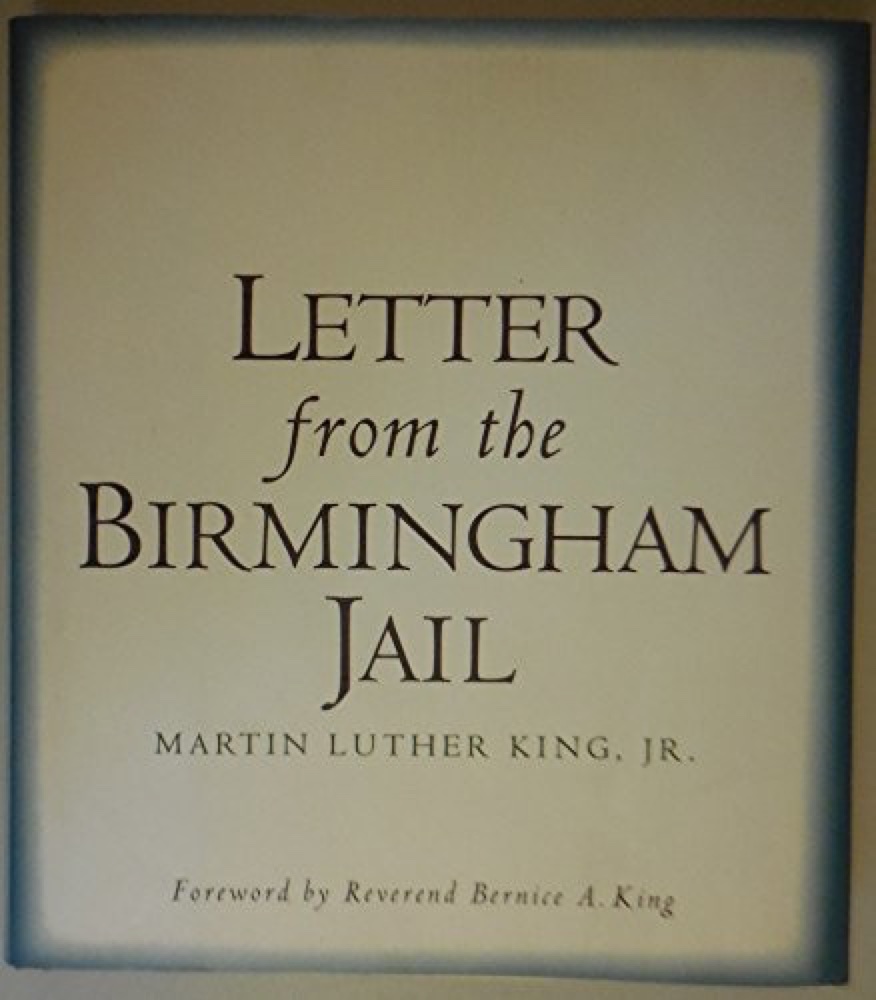 Letter from the Birmingham Jail
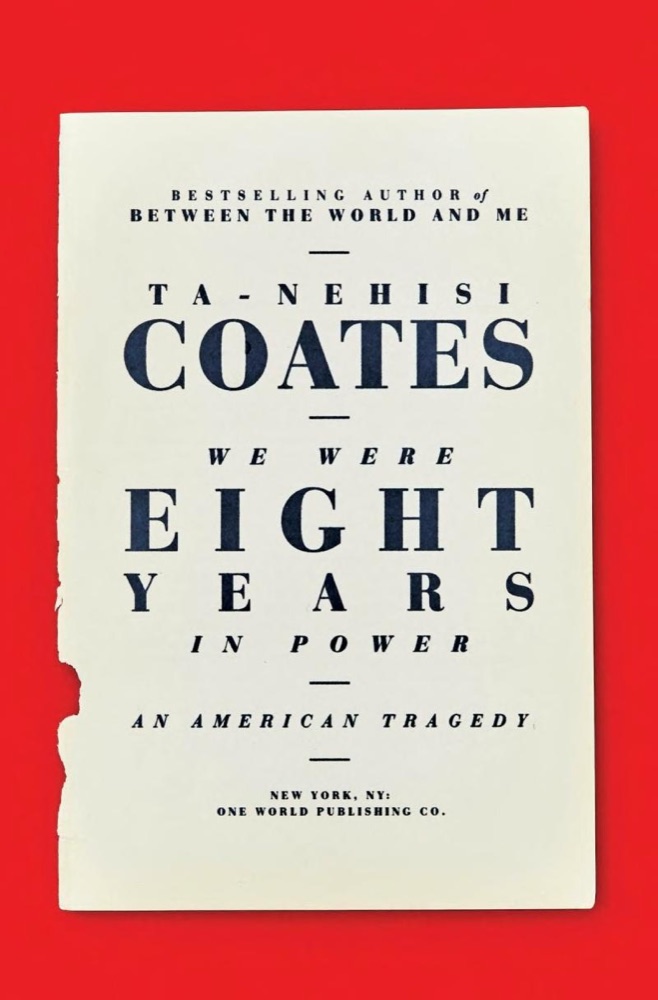 We Were Eight Years in Power: An American Tragedy
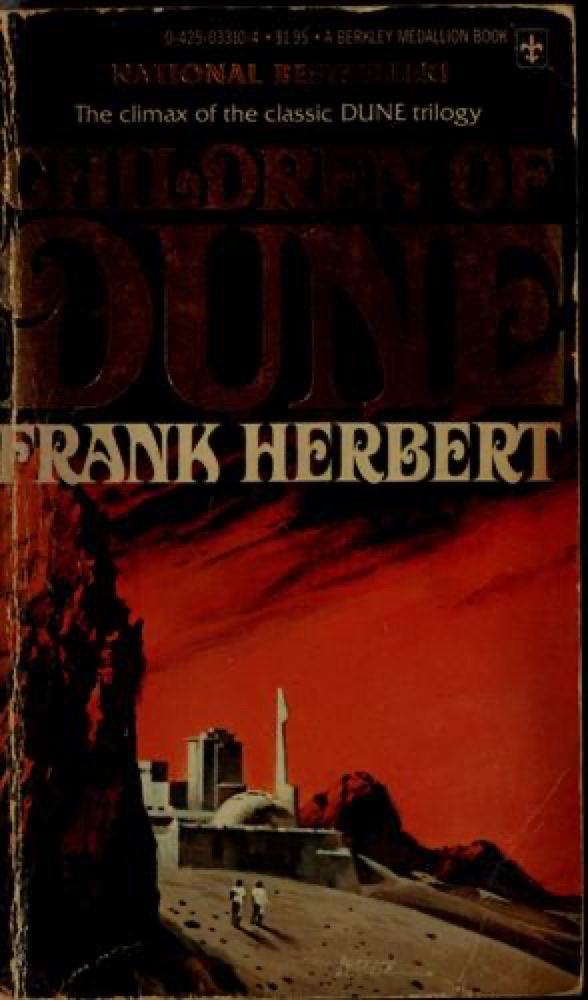 Children of Dune
 The Other Wes Moore: One Name, Two Fates
 A Man Without a Country
 Rules for Radicals: A Pragmatic Primer for Realistic Radicals
 Nobody Knows My Name
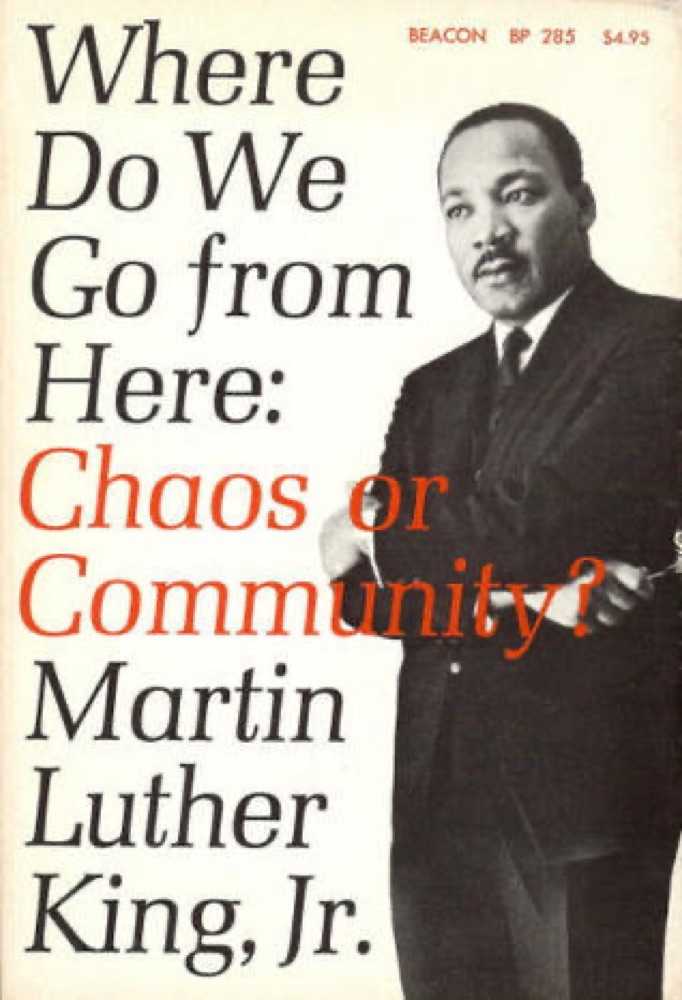 Where Do We Go from Here: Chaos or Community?
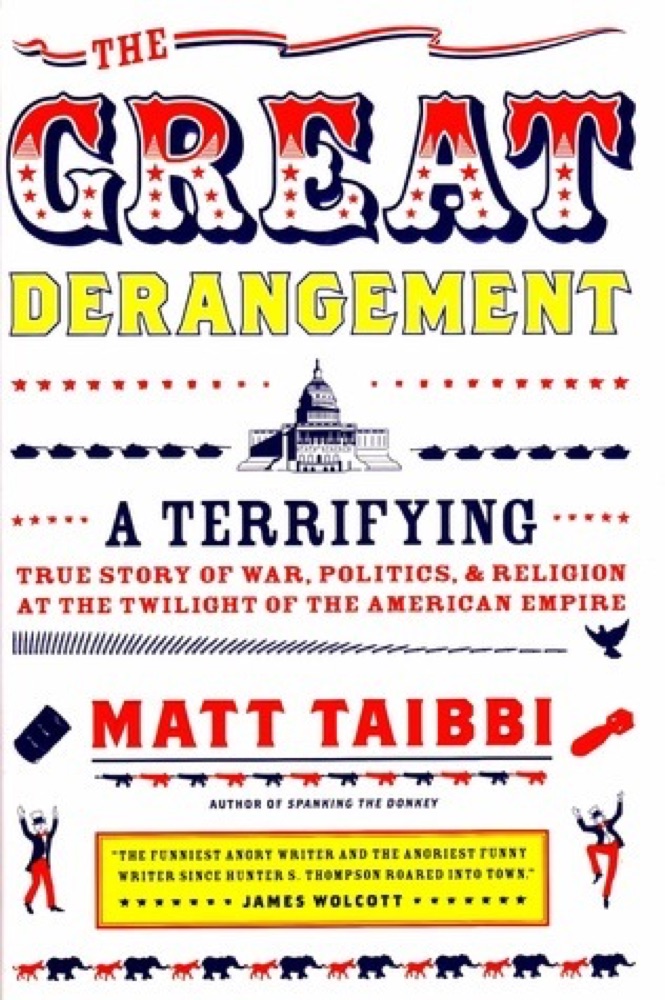 The Great Derangement: A Terrifying True Story of War, Politics, and Religion at the Twilight of the American Empire
 The Path to Power
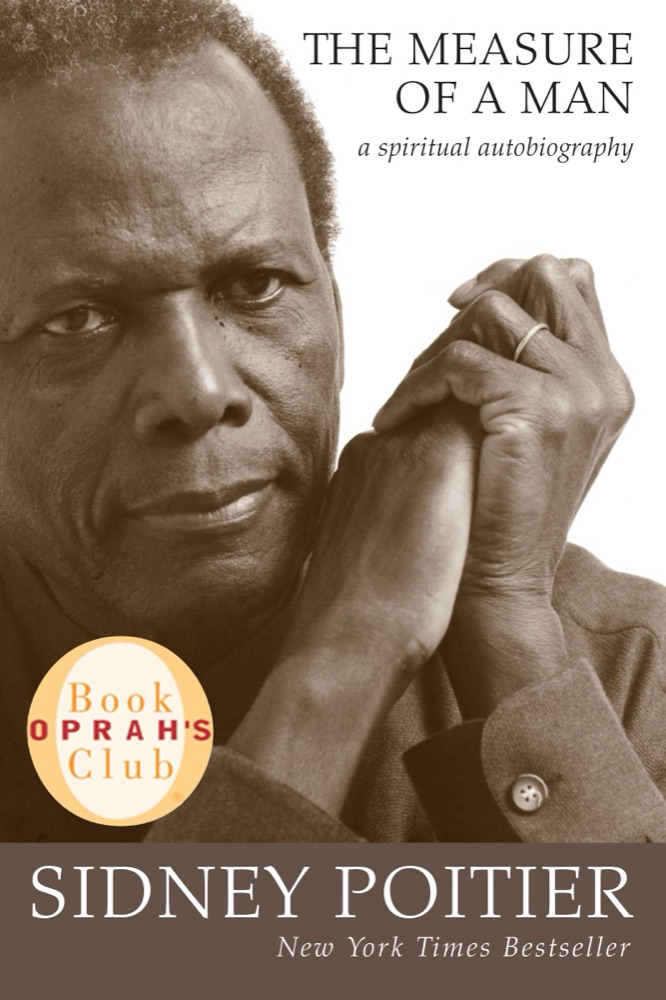 The Measure of a Man: A Spiritual Autobiography
 A People's History of the United States
 The Will of the Many
 My Life