 The Neverending Story
Quotes from the Book
It is easy to forget, but stories need not always have a purpose. We are quick to say that folktales have a moral or a lesson or a creed. But most of the stories that have survived the ages are told for one purpose only, and that purpose is to say this: "Being human is difficult. Here is some evidence.
25
... there are two kinds of labyrinths: those you are born into and must escape, and those you choose to enter in search of what lies inside.
10
Let us hope that the universe beyond our earth is kinder.
4
What is story if not the safe harbor for our most disturbing imaginings? I learned early that the notion of what will come to pass haunts better. But, too, it is about the storyteller—who you choose to trust and why. From where comes your decision to believe the breath that leaves the mouth that tells.
4
Which is to say, when enough people have been hurt by coded forms of hate, they will gather and they will start a war.
4
He is thinking: How do I begin to build a structure around this loss? How do I reshape my world around the grid of their absence? The writer is thinking: How does one narrate when faced with a story for which there is no language?
3
Jacob will think: What is at stake in sharing this story? And Wilhelm will think: What is at stake in leaving this story untold?
3
Maybe we aren't the authors of our own end but minor players in a much more cosmic tale.
2
The writer is thinking: How does one narrate when faced with a story for which there is no language?
2
To read is to consume, to put the book on the tongue and push it down the throat.
2
Most stories that have survived the ages are told for one purpose only, and that purpose is to say this: “Being human is difficult. Here is some evidence.
1
Though she cannot read, she knows well that what gets committed to the page, what gets translated into the code of letters and locked in the coffin of a book, becomes truth while everything else dissolves into the abyss of history lost.
1
No one alive knows who was born first, and so no one knows in which body he dwells--the original or the copy.
1
His invention is for her, and all those who need a way to tell their stories. It is for every sister who once had a story that went unbelieved. When people ask him what he’s invented, he tells them this: a device that will make the world listen.
1
To the sky, we are just another natural phenomenon that will leave an insubstantial trace, a fossilized arrangement of bone here, the crater of a long-melted glacier there. If only we were privileged with such distance, perhaps we could see how minor we all are, all our art and thought and illness and meaning reduced to a bit of debris, the detritus on one of a million spheres stupidly looping nothing.
1
Wilhelm pensa a cosa significhi narrare. Esiste un modo di raccontare che dia credito alle voci che hanno tramandato la storia? Jacob pensa a cosa significhi desiderare. Il desiderio richiede partecipazione o può affiorare in segreto, consapevole ma sospeso, nascosto con cura?
Mouths, the illustrator thinks, this story is fell of mouths: mouths that cannot be fed, mouths belonging to children that fill themselves with the witch's bait, mouths of ovens that consume, the mouth of the witch who wants to eat the children. We think of this as a story about two children abandoned in a wood by thier parents and the way breadcrumbs fail to lead them home. We thinks of this as a story about escaping supernatural atrocities. But perhaps it is really a story about how to eat, who to fill the gut with, and why. Perhaps this is a story about the way the body aches to be satisfied, and how we call this both hunger and desire.
About Lindsey Drager
We have collected 17 quotes from 1 book by Lindsey Drager on BookQuoters.
More about the author →About the book
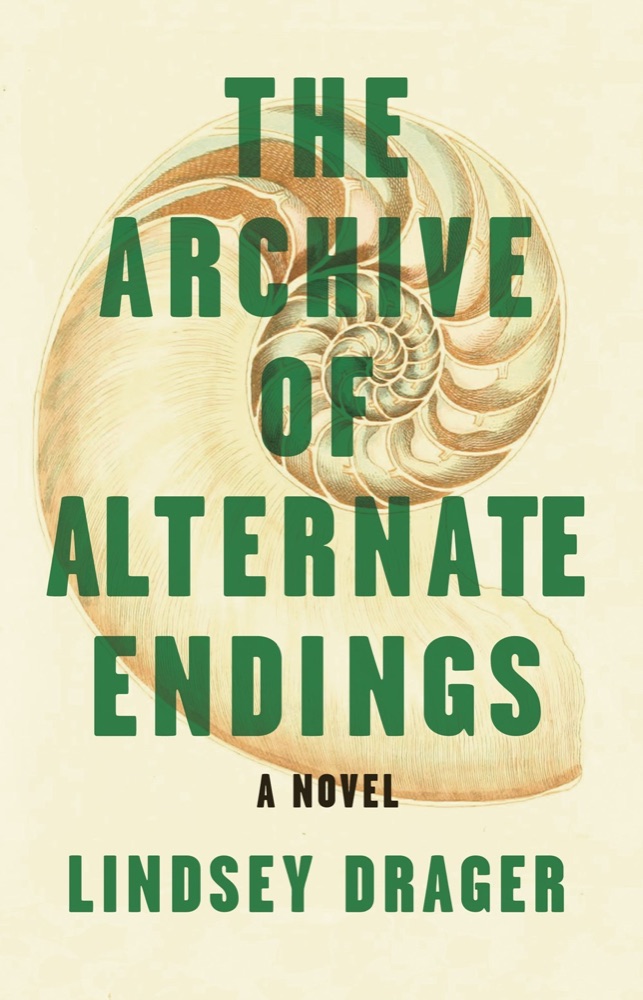
Tracking the evolution of Hansel and Gretel at seventy-five-year intervals that correspond with earth’s visits by Halley’s Comet, The Archive of Alternate Endings explores how stories are disseminated and shared, edited and censored, voiced and left untold.
In 1456, Johannes Gutenberg’s sister uses the tale as a surrogate for sharing a family secret only her brother believes. In 1835, The Brothers Jacob and Wilhelm Grimm revise the tale to bury a truth about Jacob even he can’t come to face. In 1986, a folklore scholar and her brother come to find the record is wrong about the figurative witch in the woods, while in 2211, twin space probes aiming to find earth's sister planet disseminate the narrative in binary code. Breadcrumbing back in time from 2365 to 1378, siblings reimagine, reinvent, and recycle the narrative of Hansel and Gretel to articulate personal, regional, and ultimatel
Book details
- First published
- 2019
- Author
- Lindsey Drager
- Genre
- Fiction
- Goodreads rating
- 4.05 (2k ratings)
The buzz
- NPRReview in NPRprofessional review (via Book Marks)
- LocusmagReview in Locusmagprofessional review (via Book Marks)
- LambdaliteraryReview in Lambdaliteraryprofessional review (via Book Marks)
- PhillyReview in Phillyprofessional review (via Book Marks)
Keep reading
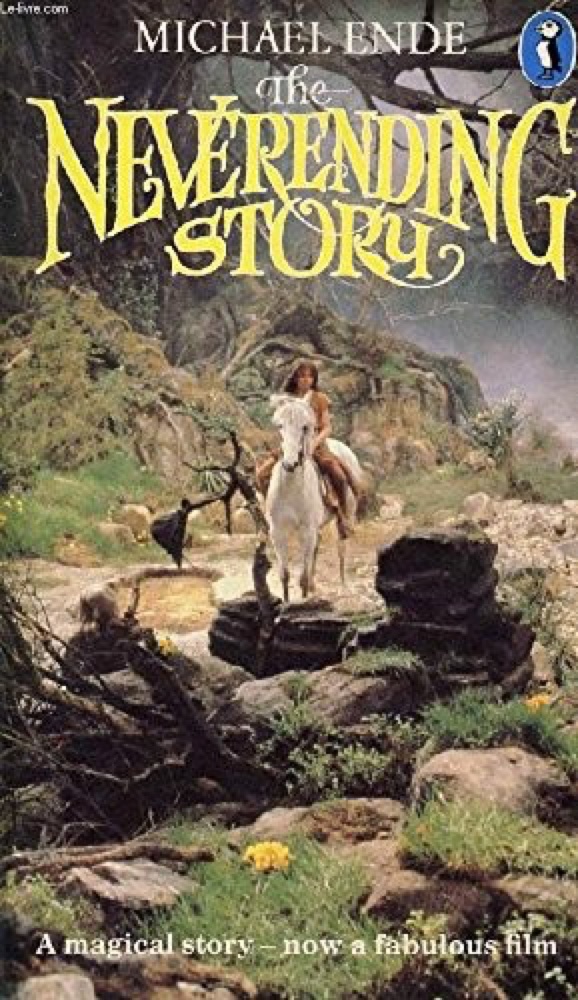
The Neverending Story
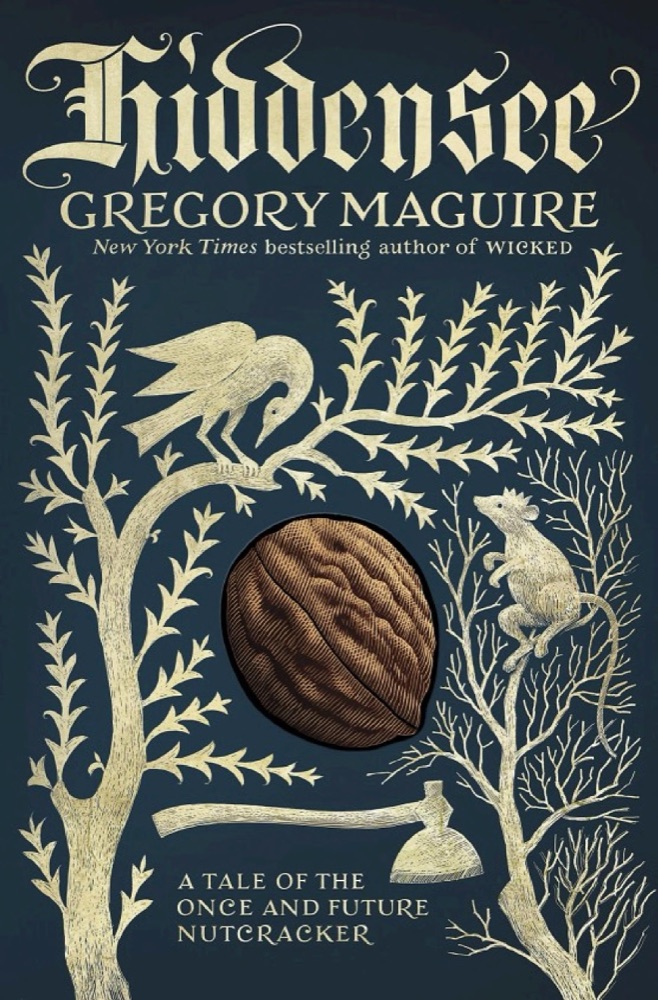 Hiddensee: A Tale of the Once and Future Nutcracker
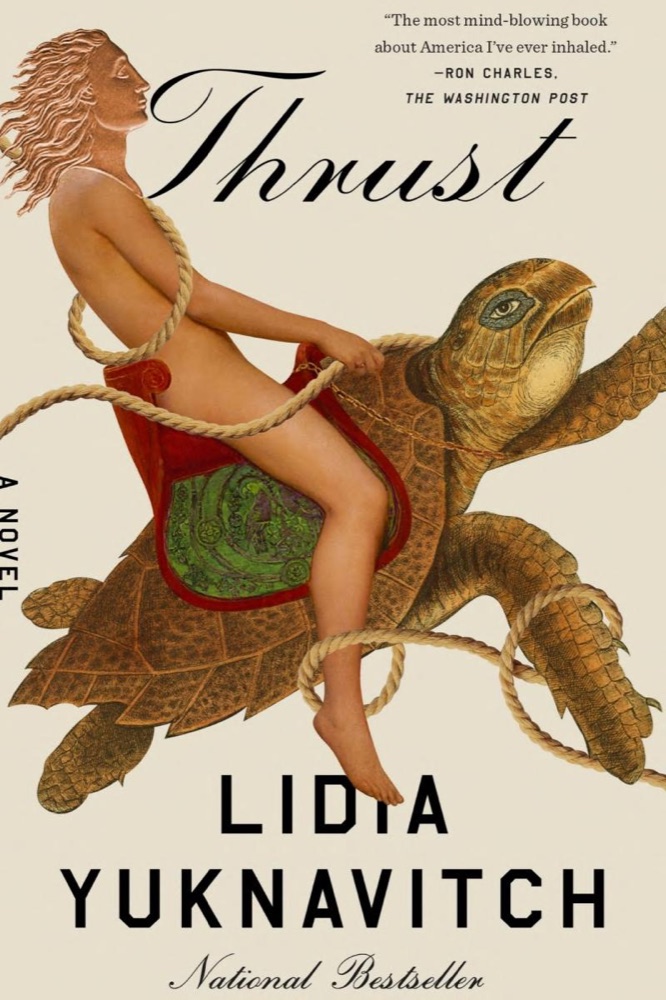 Thrust
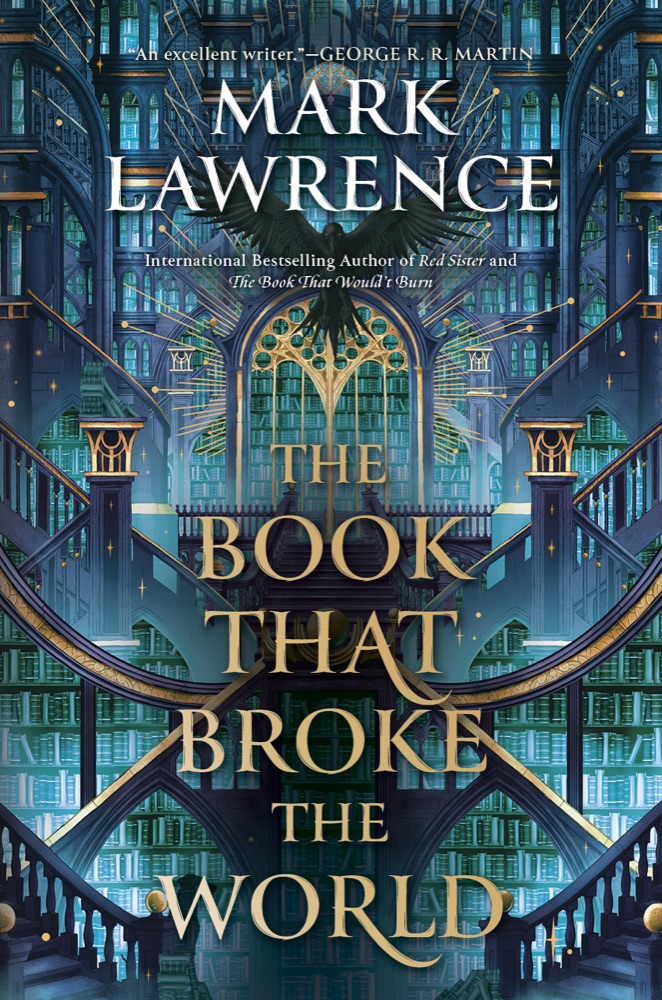 The Book That Broke the World
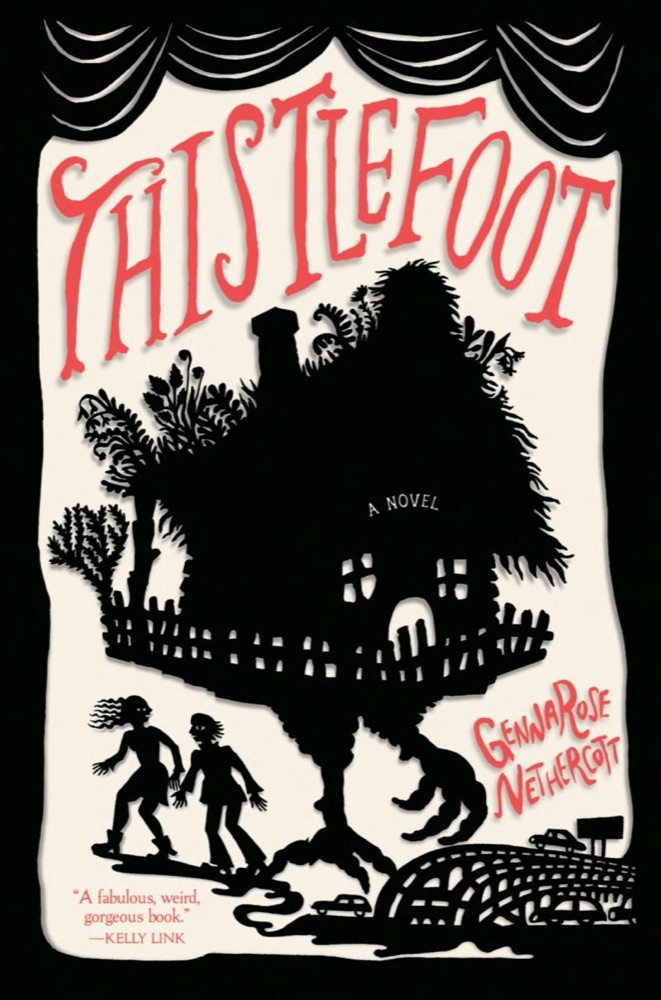 Thistlefoot
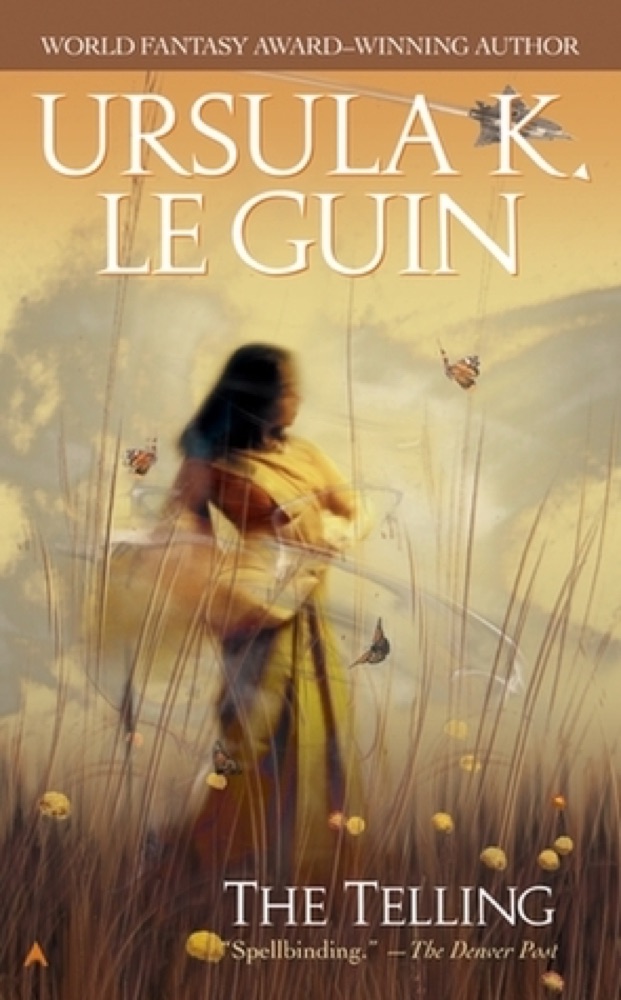 The Telling
 Dæmon Voices
 Two Years Eight Months and Twenty-Eight Nights
 The Paper Menagerie and Other Stories
 Too Like the Lightning
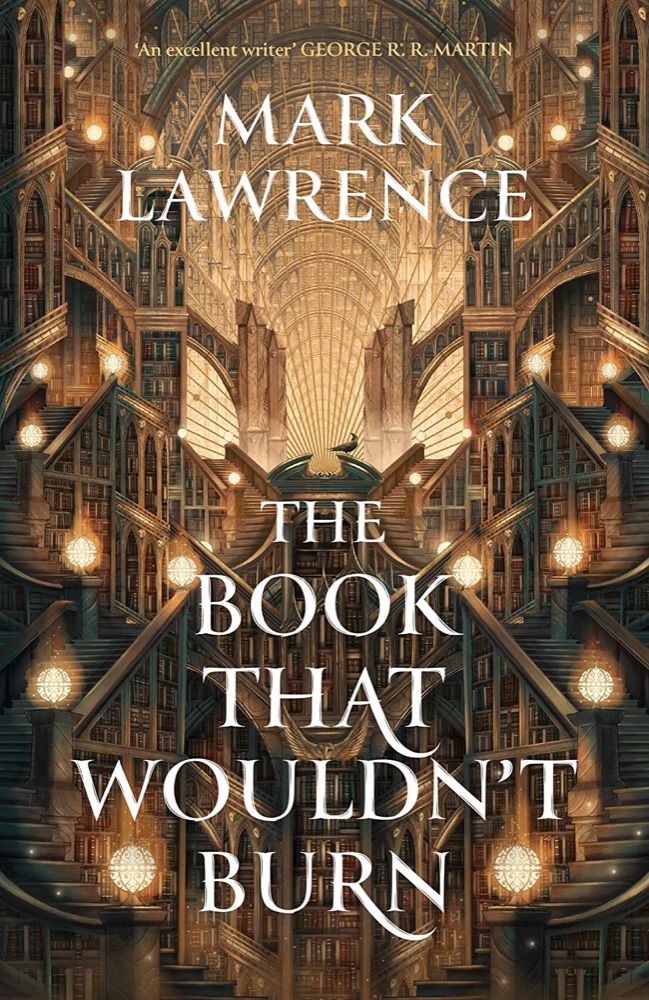 The Book That Wouldn’t Burn
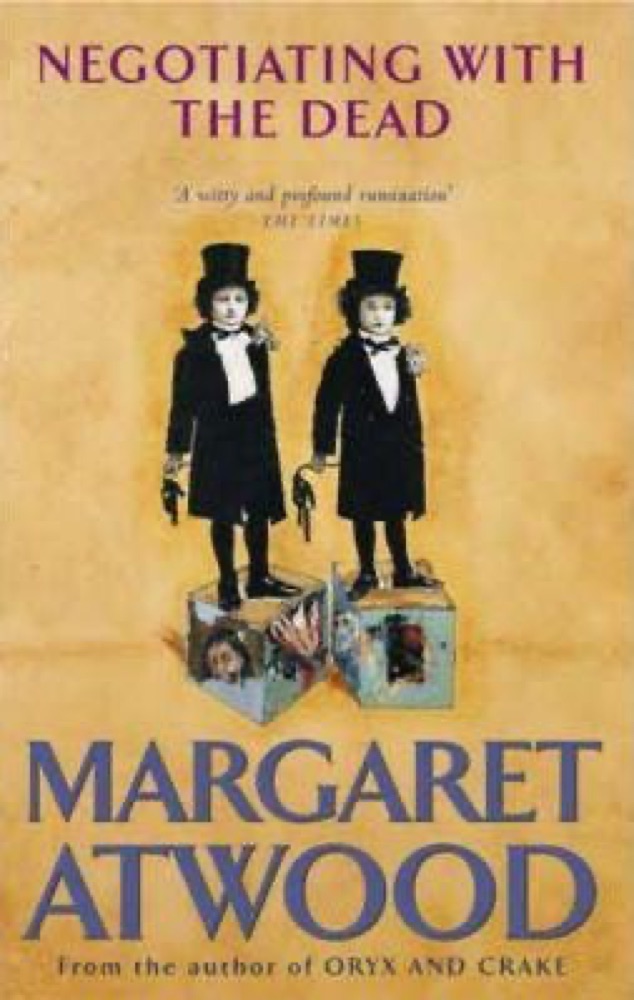 Negotiating with the Dead: A Writer on Writing
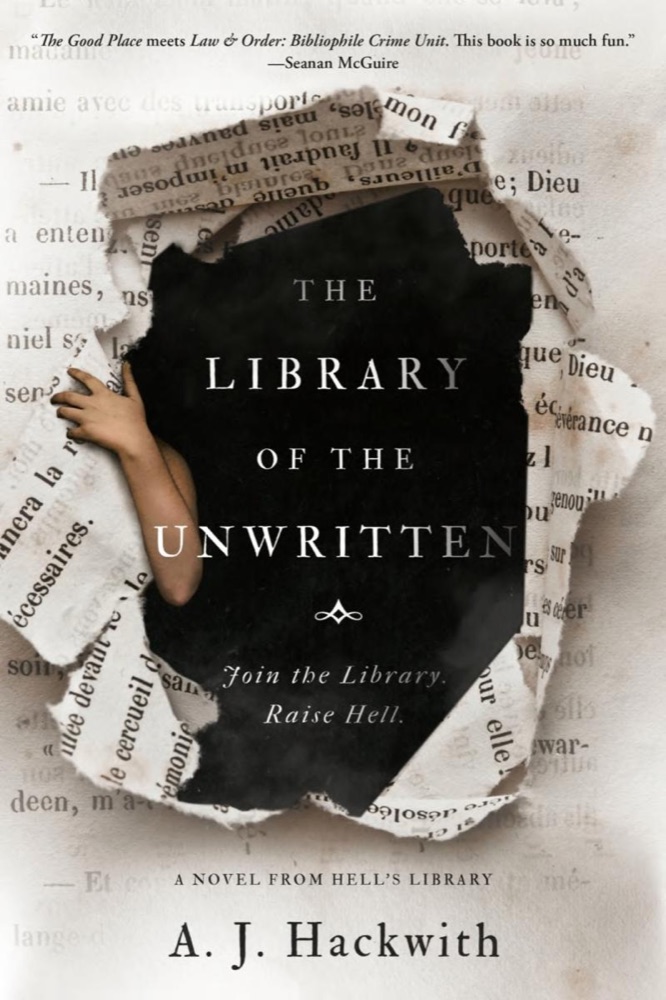 The Library of the Unwritten
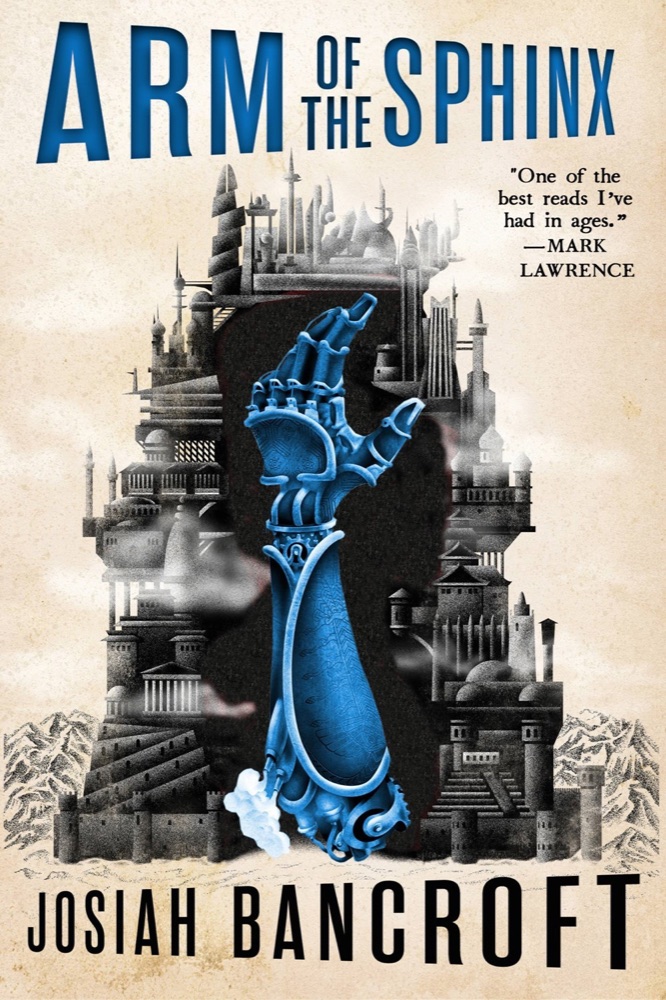 Arm of the Sphinx
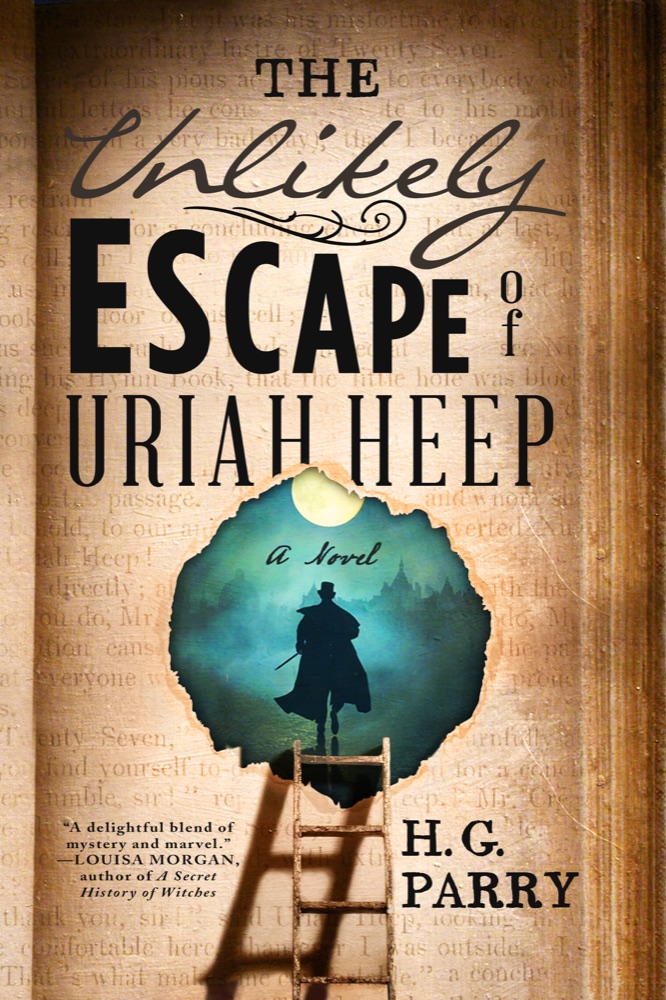 The Unlikely Escape of Uriah Heep
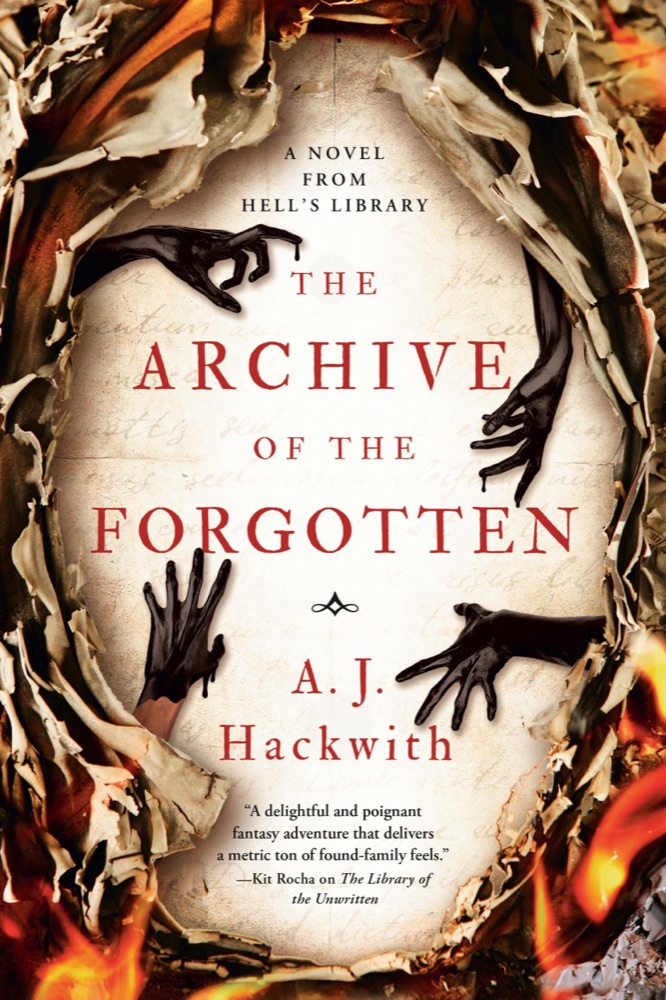 The Archive of the Forgotten
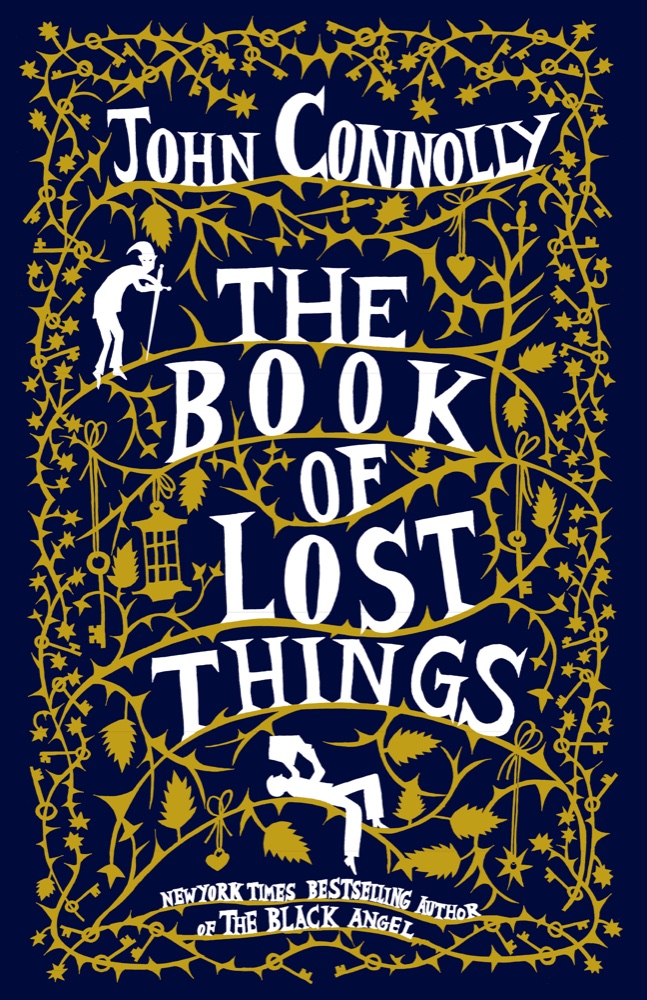 The Book of Lost Things
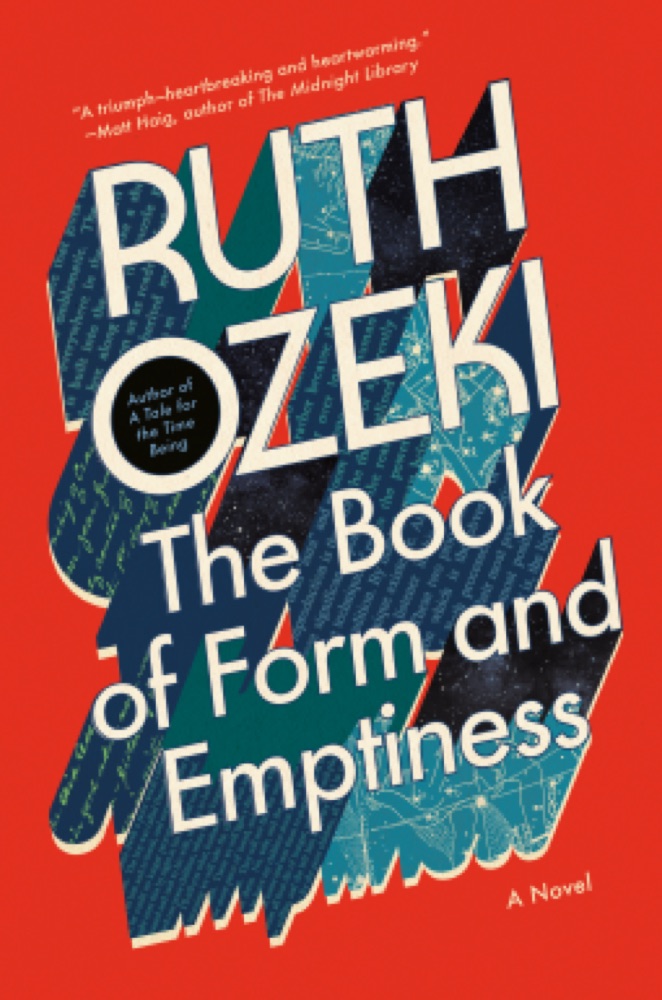 The Book of Form and Emptiness
 Gnomon
 The Thirteenth Tale
 How to Read Literature Like a Professor
 The Book That Held Her Heart
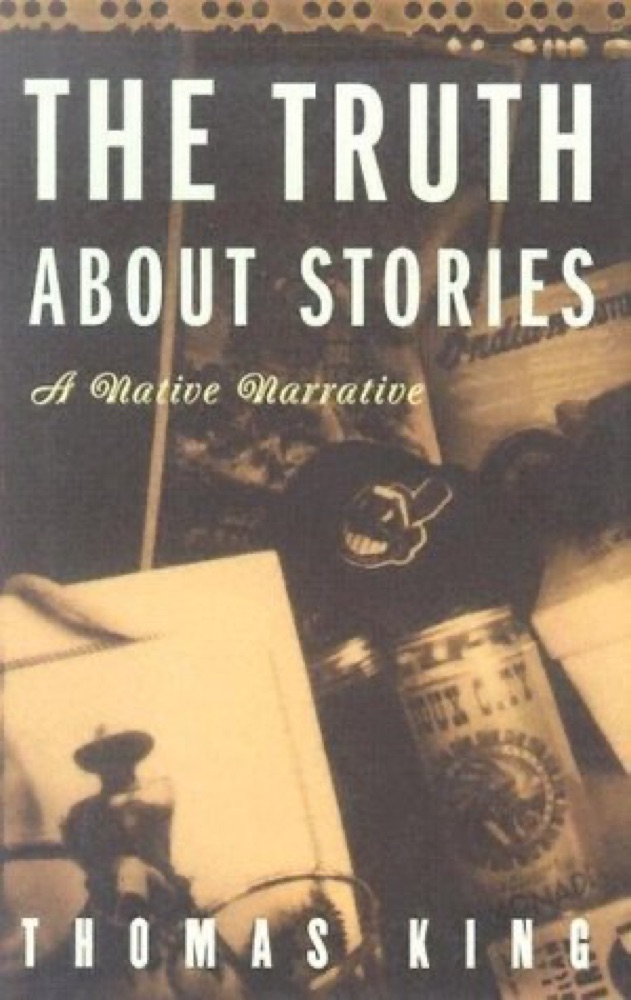 The Truth About Stories: A Native Narrative
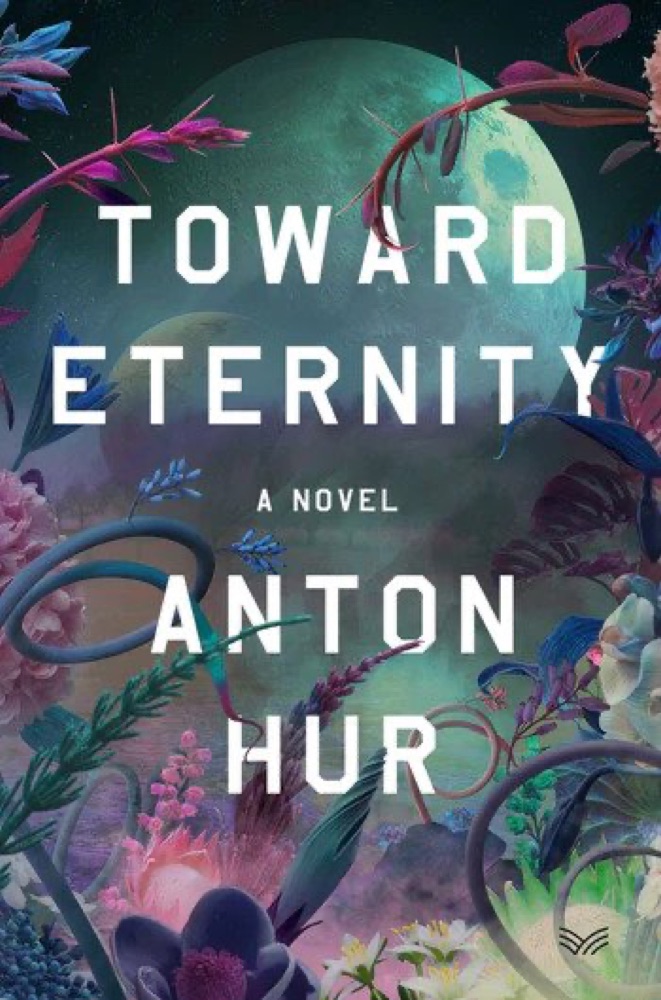 Toward Eternity
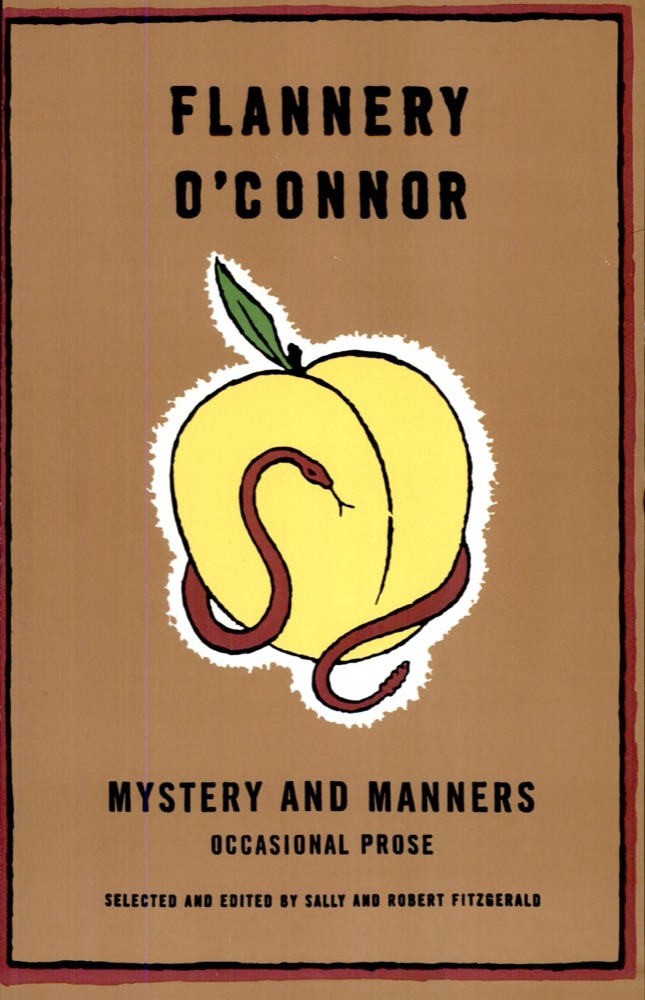 Mystery and Manners: Occasional Prose
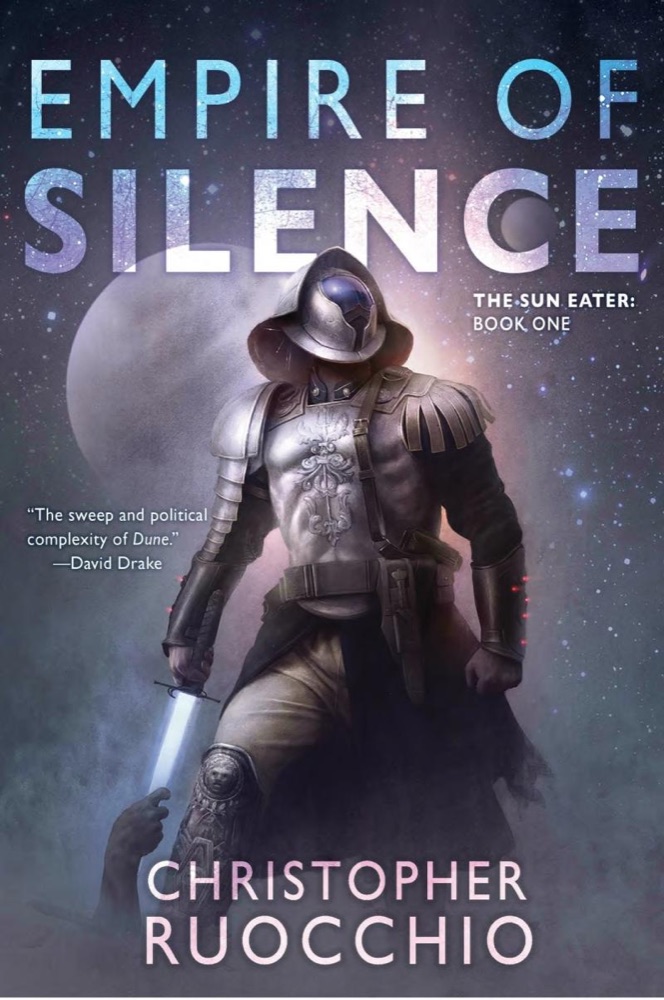 Empire of Silence
 The Book of Dreams
 Smoke and Mirrors: Short Fiction and Illusions
 The Inquisitor's Tale: Or, The Three Magical Children and Their Holy Dog
 Elizabeth Costello
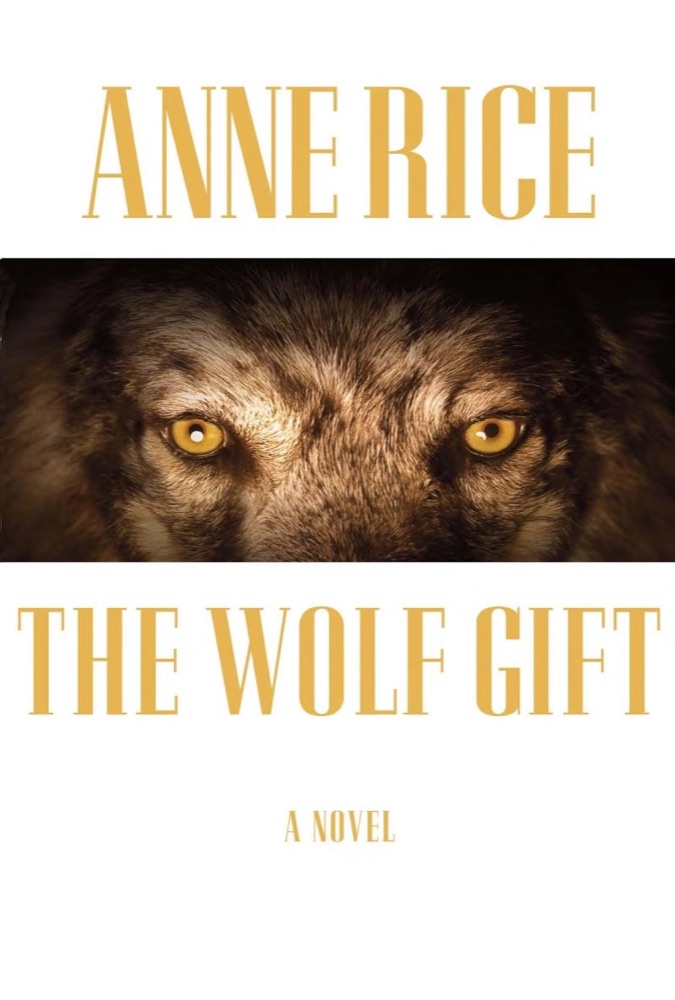 The Wolf Gift
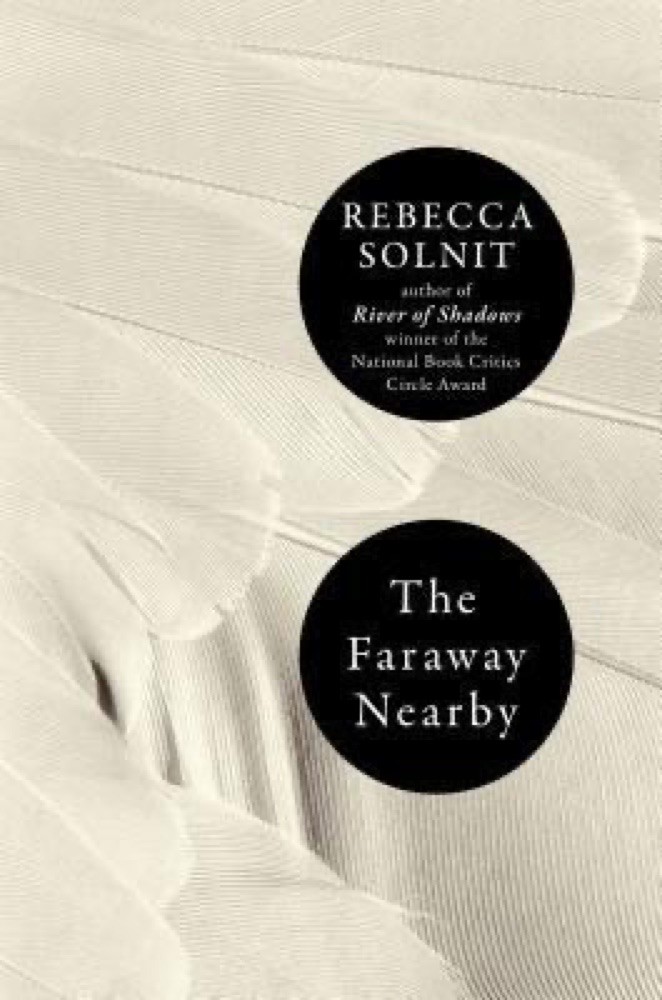 The Faraway Nearby
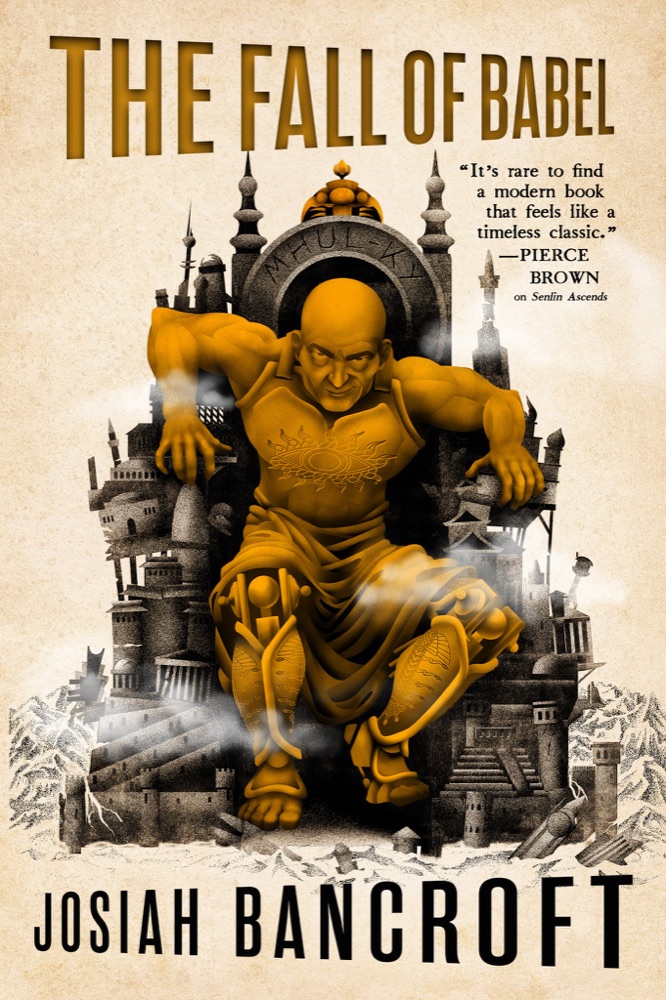 The Fall of Babel
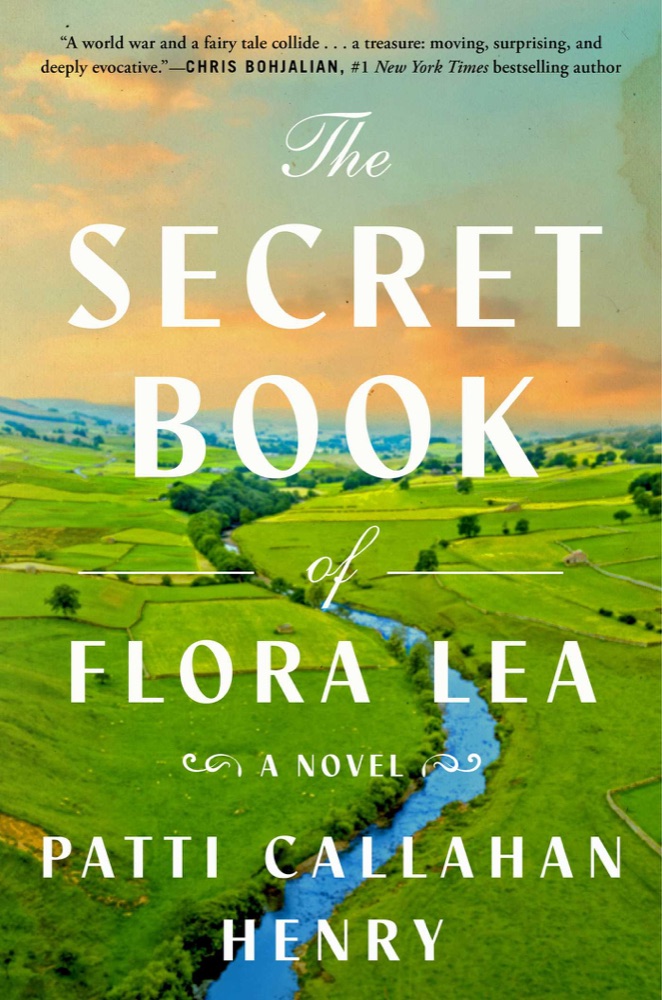 The Secret Book of Flora Lea
 Illuminations: Essays and Reflections
 The Hakawati
 The Island of the Day Before
 The Summer Without Men
 Once Upon a Wardrobe
 Everything Sad Is Untrue
 The Left Hand of Darkness
 The View from the Cheap Seats: Selected Nonfiction
 The Crossing
 Voices
 Warlight
 Daniel Deronda
 Genesis
 Fragile Things: Short Fictions and Wonders
 Cloud Cuckoo Land
 The High Mountains of Portugal
 Myths to Live By
 The Reader
 The Aosawa Murders
 Muse of Nightmares
 Trickster Makes This World: Mischief, Myth, and Art
 Sophie Quire and the Last Storyguard
 How to Read Literature
 Arcadia
 The Science of Storytelling
 Monday or Tuesday