
 How to Raise an Adult: Break Free of the Overparenting Trap and Prepare Your Kid for Success
Quotes from the Book
If parents back off the pressure and anxiety over grades and achievement and focus on the bigger picture—a love of learning and independent inquiry—grades will improve and test scores will go up.
7
In order to help children make the most of their education, parents must begin to relinquish control and focus on three goals: embracing opportunities to fail, finding ways to learn from that failure, and creating positive home-school relationships.
6
Out of love and desire to protect our children's self-esteem, we have bulldozed every uncomfortable bump and obstacle out of the way, clearing the manicured path we hoped would lead to success and happiness. Unfortunately, in doing so we have deprived our children of the most important lessons of childhood. The setbacks, mistakes, miscalculations, and failures we have shoved out of our children's way are the very experiences that teach them how to be resourceful, persistent, innovative and resilient citizens of this world.
4
Don’t lecture. Children, and particularly adolescents, will tune out the moment you start. Take it from a teacher. If your communication style tends toward the lecture, you are going to have to change your style, because you won’t be able to force your child to start listening.
3
Unfortunately, parents who put a priority on saving kids from frustration and teachers who put a priority on challenging their students often butt heads, and consequently, the parent-teacher partnership has reached a breaking point. Teaching has become a push and pull between opposing forces in which parents want teachers to educate their children with increasing rigor, but reject those rigorous lessons as “too hard” or “too frustrating” for their children to endure. Parents rightly feel protective of their children’s self-esteem, but teachers too often bear the brunt of parental ire.
3
Unfortunately, parents are increasingly opting for digital companions over living, breathing ones, but I beg you, put the tablets, game consoles, and televisions away, and arrange play dates with a variety of real, live children.
2
the ability to attend to a task and stick to long-term goals is the greatest predictor of success, greater than academic achievement, extracurricular involvement, test scores, and IQ. She calls this grit, and first discovered its power in the classroom, while teaching seventh-grade math. She left teaching to pursue research on her hunch, and her findings have changed the way educators perceive student potential. Gritty students succeed, and failure strengthens grit like no other crucible.
2
Perfection is not what holds a family together. Bond forged through shared struggle is what endures over the long haul.
1
today’s overprotective, failure-avoidant parenting style has undermined the competence, independence, and academic potential of an entire generation.
1
Parents, after all, are judged by their children’s accomplishments rather than their happiness, so when our children fail, we appropriate those failures as our own.
1
Middle school is prime time for failure, even among kids who have sailed through school up to that point. The combined stressors of puberty, heightened academic expectations, and increased workload are a setup for failure. How parents, teachers, and students work together to overcome those inevitable failures predicts so much about how children will fare in high school, college, and beyond.
1
thought my kids would grow up brave, in the sort of wild, free idyll I experienced as a child. I wanted them to explore the woods with a pocketknife and a couple of cookies shoved in their pockets, build tree forts, shoot
If we really want our kids to invest in long-term goals, those goals have to be their goals, not ours.
There’s a term for this behaviour in psychiatric circles. It’s called enmeshment, and it’s not healthy for children or parents. It’s a maladaptive state of symbiosis that makes for unhappy, resentful parents and “failure to launch” children who move back in to their bedrooms after university.
Give school-aged children control and autonomy over where, when, and how they complete their schoolwork and let them make choices about the other important aspects of their lives such as friends, chores, and sports, subjects we’ll address in later chapters. Establish nonnegotiable expectations, such as “Homework will be completed thoroughly and on time,” or “Curfew is at ten and I expect you to be here or call if something comes up.” After those expectations are made clear, older children should be allowed the autonomy to figure out the precise manner and strategy they will use in order to fulfill these expectations. As long as your expectation is that homework will be completed thoroughly, and on time, where, when, and how they complete their homework should be up to them.
I treat my children differently because I have a greater responsibility to them than to make them happy and grateful for my love and support. In order to raise competent, capable adults, I have to love them enough to put their learning before my happiness.
tweens and teens present a variant on the toddler’s cycle of testing. They test their curfew, we reassure them that it’s still ten o’clock, and they relax. They test our resolve regarding boy-girl sleepovers, we reassure them that no, we still don’t allow it, and they relax. They test our standards for their behavior, we reassure them that we still expect them to be kind and respectful toward us, and they relax. And the cycle repeats ad nauseam until the teenager gets kicked out of the house or starts college.
Toddlers test limits in order to be reassured that nothing has changed and that their world—including their parents and the rules they impose—can be relied upon. They test, we reassure, they relax, and the cycle repeats ad nauseam until that toddler finally gets shipped off to Siberia or enters kindergarten.
the message should not be that one contributes to a family in exchange for money, but that one contributes because one is an integral part of a cooperative unit, a group of people who depend on each other for both labor and love. Explain to your children from an early age that you expect them to contribute to the running of the household.
founder of Positive Parenting Solutions, told me, “I’ve always encouraged parents to ditch the word chores and replace it with ‘family contributions.’ Calling them ‘family contributions’ doesn’t make kids enjoy them any more, but it sends an important message about significance, that when you help out, you make a big difference for this family. We all have a hardwired need for significance and this is a great way to foster that in all kids, from toddlers to teens.
There was dissent among these teenagers about how far to let kids travel down the road into dangerous behaviors, but they all agreed that when parents attempt to control teenagers’ social lives their children are much more likely to become deceptive. “My
Before third grade, when scores and percentages did not matter, I wrote freely and honestly about what made me happy. But then foreign numbers began appearing on my papers, numbers representing other people’s approval or disdain. At first those numbers were inconvenient little shapes that hindered my ability to write without care. But soon I began to rely on those numbers. I became addicted to A’s, craving more when I got snatches of praise. And I started to drift away from what I had been writing as a younger child. Before I realized it, I was writing for those little, crawling black shapes and red marks. Students
Watch on YouTube
About Jessica Lahey
We have collected 22 quotes from 1 book by Jessica Lahey on BookQuoters.
More about the author →About the book
In the tradition of Paul Tough’s How Children Succeed and Wendy Mogel’s The Blessing of a Skinned Knee, this groundbreaking manifesto focuses on the critical school years when parents must learn to allow their children to experience the disappointment and frustration that occur from life’s inevitable problems so that they can grow up to be successful, resilient, and self-reliant adults
Modern parenting is defined by an unprecedented level of overprotectiveness: parents who rush to school at the whim of a phone call to deliver forgotten assignments, who challenge teachers on report card disappointments, mastermind children’s friendships and interfere on the playing field. As teacher and writer Jessica Lahey explains, even though these parents see themselves as being highly responsive to their children’s well-being, they aren’t giving them the chance to experience failure—or the opportu
Book details
- First published
- 2014
- Author
- Jessica Lahey
- Genre
- Nonfiction
- Goodreads rating
- 4.13 (8k ratings)
Keep reading
How to Raise an Adult: Break Free of the Overparenting Trap and Prepare Your Kid for Success
 The Collapse of Parenting: How We Hurt Our Kids When We Treat Them Like Grown-Ups
 The Danish Way of Parenting: What the Happiest People in the World Know About Raising Confident, Capable Kids
 Boundaries with Kids: How Healthy Choices Grow Healthy Children
 Between Parent and Child
 Parent Effectiveness Training: The Proven Program for Raising Responsible Children
 The Brave Learner: Finding Everyday Magic in Homeschool, Learning, and Life
 All Joy and No Fun: The Paradox of Modern Parenthood
 Simplicity Parenting: Using the Extraordinary Power of Less to Raise Calmer, Happier, and More Secure Kids
 Free to Learn: Why Unleashing the Instinct to Play Will Make Our Children Happier, More Self-Reliant, and Better Students for Life
 Momma Cusses
 Montessori from the Start: The Child at Home, from Birth to Age Three
 The Four-Hour School Day: How You and Your Kids Can Thrive in the Homeschool Life
 How to Talk So Little Kids Will Listen: A Survival Guide to Life with Children Ages 2-7
![The Book You Wish Your Parents Had Read [and Your Children Will Be Glad That You Did]](/i/book/g/63/the-book-you-wish-your-parents-had-read-and-your-children-will-be-glad-that-you-did.jpg) The Book You Wish Your Parents Had Read [and Your Children Will Be Glad That You Did]
The Book You Wish Your Parents Had Read [and Your Children Will Be Glad That You Did]
 NurtureShock: New Thinking About Children
 The Blessing of a Skinned Knee: Using Jewish Teachings to Raise Self-Reliant Children
 The Vanishing American Adult: Our Coming-of-Age Crisis—and How to Rebuild a Culture of Self-Reliance
 The Read-Aloud Family: Making Meaningful and Lasting Connections with Your Kids
 How to Talk So Kids Will Listen & Listen So Kids Will Talk
 Shepherding a Child's Heart
 The Awakened Family: A Revolution in Parenting
 Free-Range Kids: Giving Our Children the Freedom We Had Without Going Nuts With Worry
 How Children Fail
 Toxic Parents: Overcoming Their Hurtful Legacy and Reclaiming Your Life
 The Conscious Parent: Transforming Ourselves, Empowering Our Children
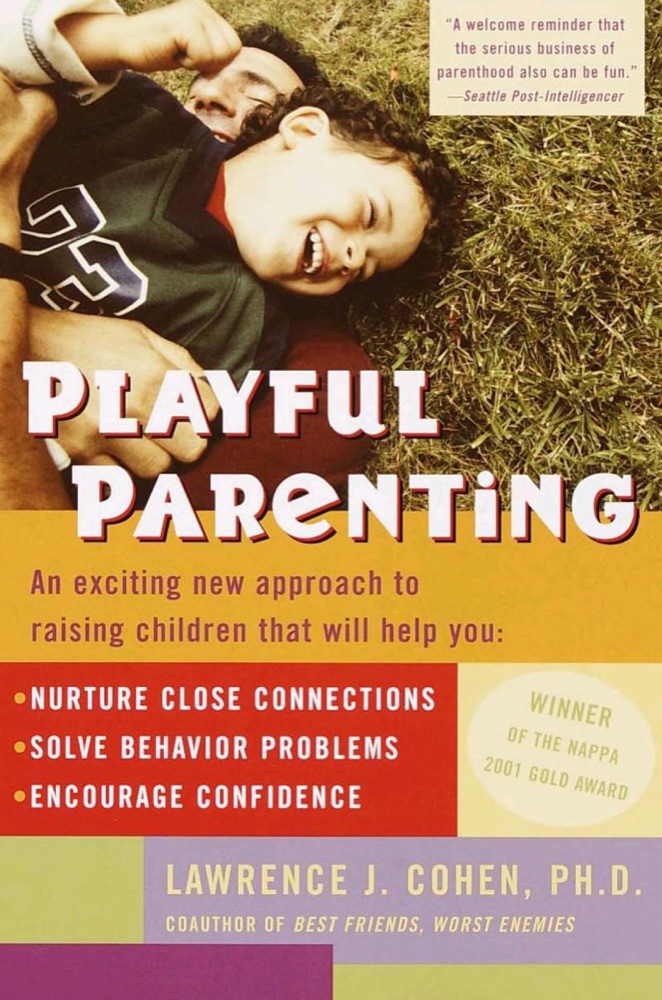 Playful Parenting: An Exciting New Approach to Raising Children That Will Help You Nurture Close Connections, Solve Behavior Problems, and Encourage Confidence
 Hold On, But Don't Hold Still
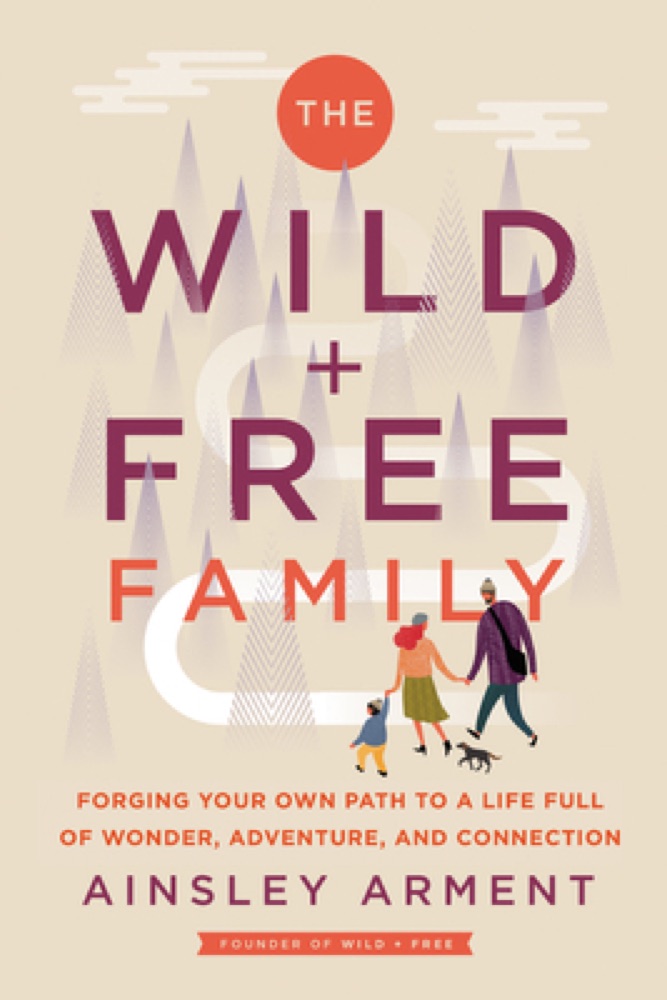 The Wild and Free Family: Forging Your Own Path to a Life Full of Wonder, Adventure, and Connection
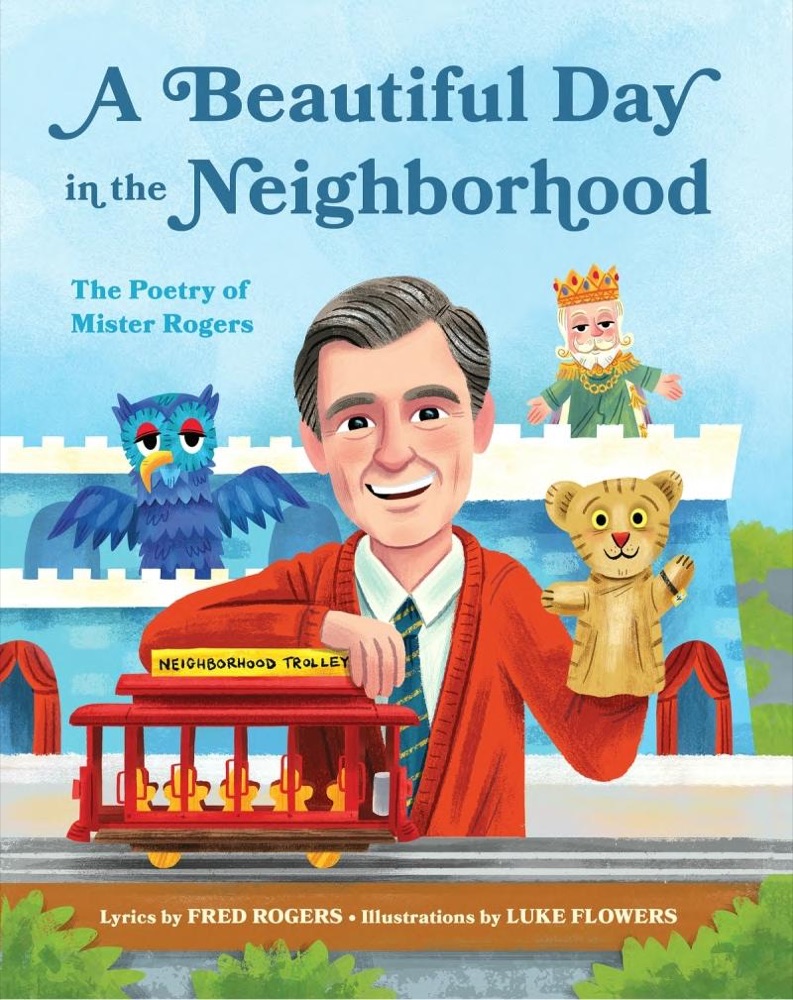 A Beautiful Day in the Neighborhood: The Poetry of Mister Rogers
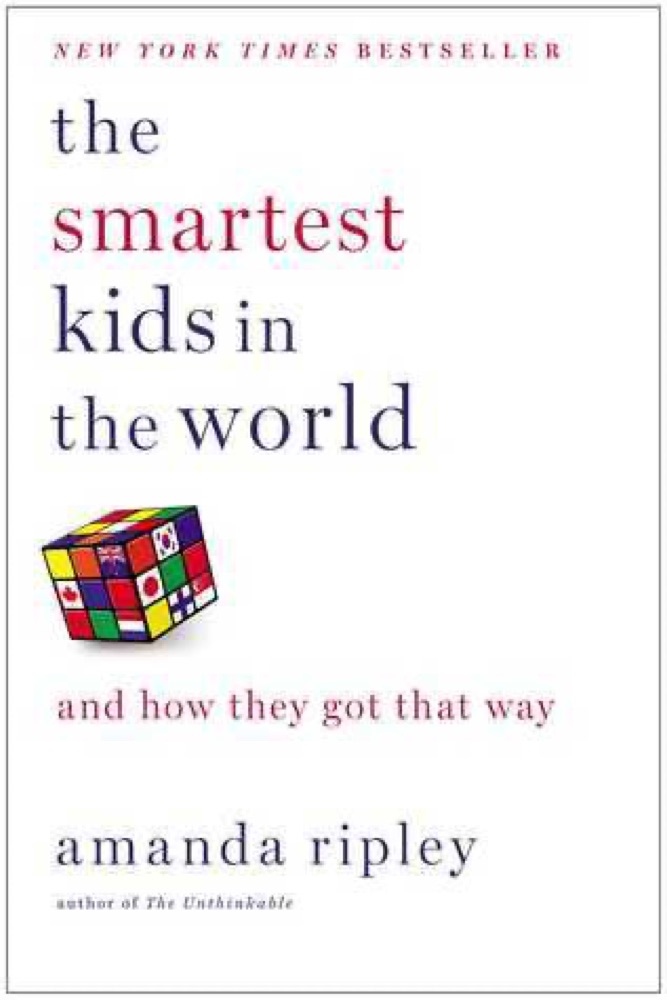 The Smartest Kids in the World: And How They Got That Way
 Loving the Little Years: Motherhood in the Trenches
 The Core
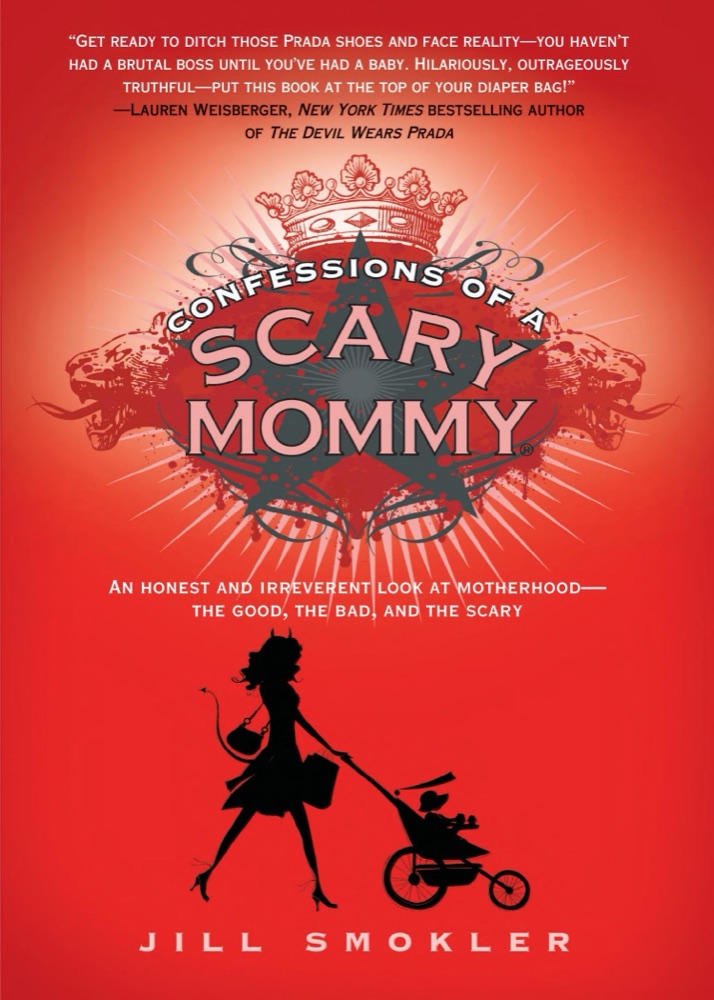 Confessions of a Scary Mommy: An Honest and Irreverent Look at Motherhood - The Good, The Bad, and the Scary
 The Anxious Generation: How the Great Rewiring of Childhood Caused an Epidemic of Mental Illness
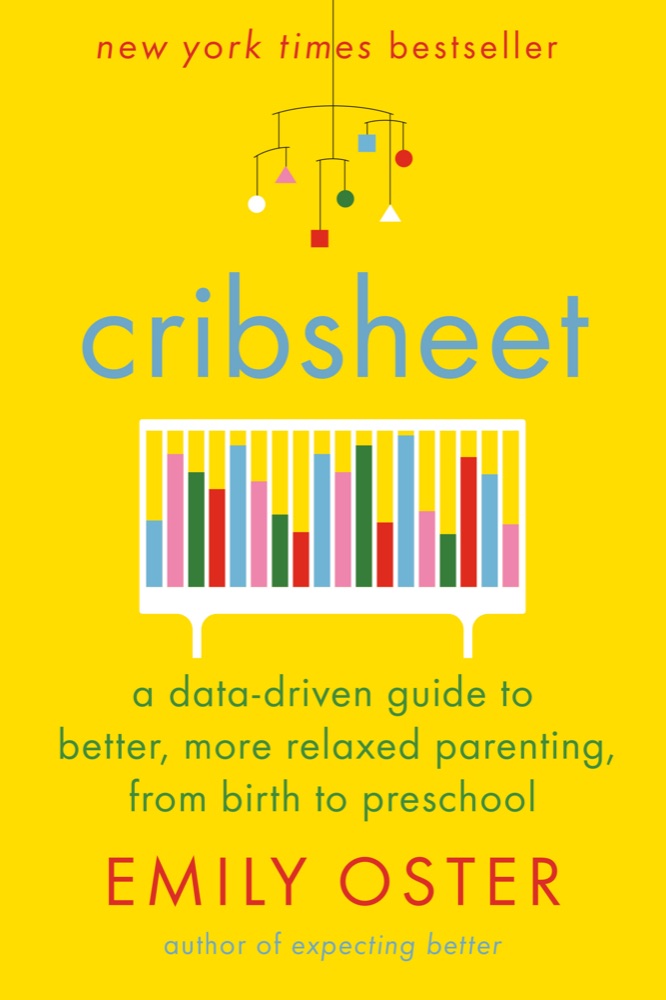 Cribsheet: A Data-Driven Guide to Better, More Relaxed Parenting, from Birth to Preschool
 Scattered Minds: The Origins and Healing of Attention Deficit Disorder
 Bringing Up Bébé: One American Mother Discovers the Wisdom of French Parenting
 Punished by Rewards: The Trouble with Gold Stars, Incentive Plans, A's, Praise and Other Bribes
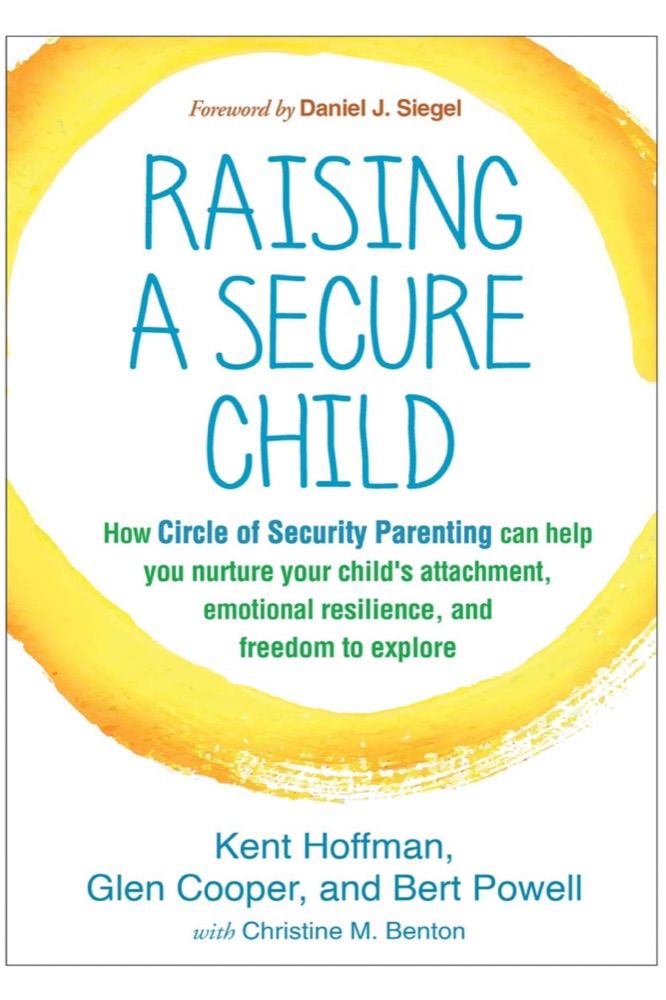 Raising a Secure Child: How Circle of Security Parenting Can Help You Nurture Your Child's Attachment, Emotional Resilience, and Freedom to Explore
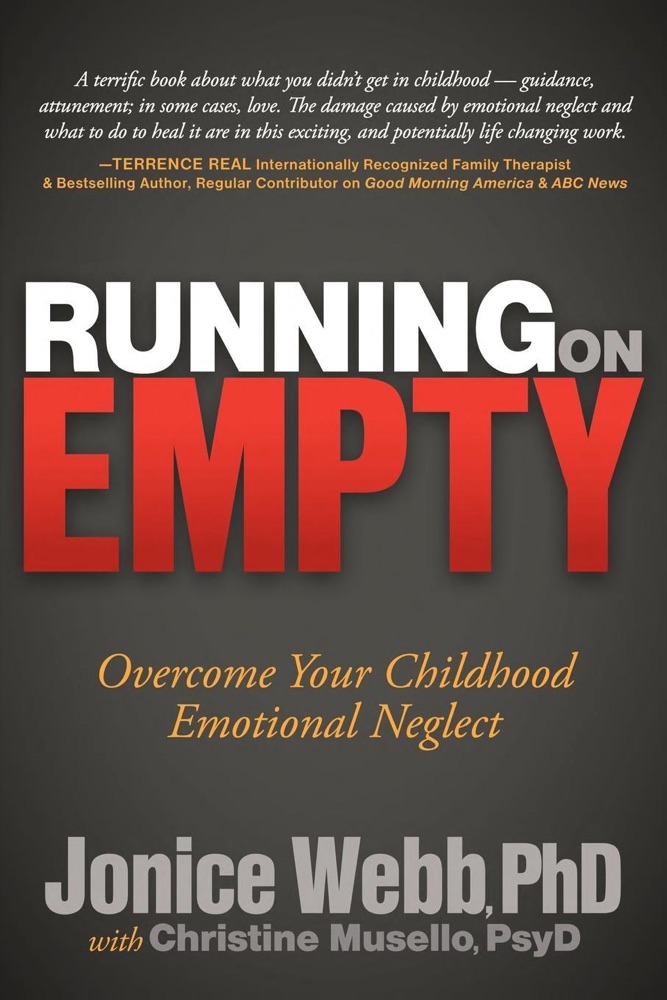 Running on Empty: Overcome Your Childhood Emotional Neglect
 The Absorbent Mind
 Troubled: A Memoir of Foster Care, Family, and Social Class
 Kids These Days: Human Capital and the Making of Millennials
 Different, Not Less: A Neurodivergent's Guide to Embracing Your True Self and Finding Your Happily Ever After
 Coming Apart: The State of White America, 1960-2010
 The Coddling of the American Mind: How Good Intentions and Bad Ideas Are Setting up a Generation for Failure
 iGen: Why Today’s Super-Connected Kids Are Growing Up Less Rebellious, More Tolerant, Less Happy--and Completely Unprepared for Adulthood--and What That Means for the Rest of Us
 Excellent Sheep: The Miseducation of the American Elite and the Way to a Meaningful Life
 For Your Own Good: Hidden Cruelty in Child-Rearing and the Roots of Violence
 Battle Hymn of the Tiger Mother
 Bad Mother: A Chronicle of Maternal Crimes, Minor Calamities, and Occasional Moments of Grace
 Dumbing Us Down: The Hidden Curriculum of Compulsory Education
 The Boy Who Was Raised as a Dog: And Other Stories from a Child Psychiatrist's Notebook
 Fair Play: A Game-Changing Solution for When You Have Too Much to Do
 The Social Animal: The Hidden Sources of Love, Character, and Achievement
 Late Bloomers: The Power of Patience in a World Obsessed with Early Achievement
 I'd Like to Apologize to Every Teacher I Ever Had: My Year as a Rookie Teacher at Northeast High