

 How to Stay Sane
Quotes from the Book
Being kind does not mean you don’t share your feelings when you are angry. What it does mean is explaining how you feel and why but without blaming or insulting the other person.
13
Does your ‘good behaviour’ go deep or is it merely manners? Are you pleasant on the surface, but do you then condemn people behind their backs?
10
whatever age your child is, they are liable to remind you, on a bodily level, of the emotions you went through when you were at a similar stage.
8
The core of parenting is the relationship you have with your child. If people were plants, the relationship would be the soil. The relationship supports, nurtures, allows growth—or inhibits it. Without a relationship they can lean on, a child’s sense of their security is compromised. You want the relationship to be a source of strength for your child—and, one day, for their children too.
6
If feelings are left out of it, both sides can get more and more heated as they play what I call “fact tennis,” lobbing reasons over the net to each other, finding more and more to hit the other person with. In this style of arguing, the aim of the conflict becomes to win points rather than find a workable solution. Finding out about differences and working through them is about understanding and compromise, not about winning.
5
Ruptures—those times when we misunderstand each other, when we make wrong assumptions, when we hurt someone—are inevitable in every important intimate and familial relationship. It is not the rupture that is so important, it is the repair that matters.
5
If being authoritarian is your go-to way of being with your children, you are also risking their future relationship with authority. It may block them from being able to cooperate with authority or being able to be a leader themselves, or you may breed a dictator.
4
So much of what we have inherited sits just outside of our awareness. That makes it hard sometimes to know whether we are reacting in the here and now to our child’s behavior or whether our responses are more rooted in our past.
4
Remember: when there is a problem, do not just concentrate on the child and do not think the problem just lies with them. Look at your relationship and what’s happening between you. That’s where you’ll find your answer.
4
Encourage them to draw how they feel or say how they feel and then accept those feelings.
3
What really matters is being comfortable with your child, making them feel safe and that you want to be around them. The words we use are a small part of that; a bigger part is our warmth, our touch, our goodwill, and the respect we show them: respect for their feelings, their person, their opinions, and their interpretation of their world. In other words, we need to show the love we feel for them when they are awake, not just when they look beautiful asleep.
2
The way to make repairs in relationships is first by working to change your responses, that is, to recognize your triggers and use that knowledge to react in a different way.
2
But when you feel anger—or any other difficult emotions, including resentment, frustration, envy, disgust, panic, irritation, dread, fear, et cetera—in response to something your child has done or requested, it’s a good idea to think of it as a warning. Not a warning that your child or children are necessarily doing anything wrong but that your own buttons are being pressed. Often the pattern works like this: when you react with anger or another overly charged emotion around your child it is because it’s a way you have learned to defend yourself from feeling what you felt at their age.
2
How we feel about ourselves and how much responsibility we take for how we react to our children are key aspects of parenting that are too often overlooked because it’s much easier to focus instead on our children and their behaviors rather than examining how they affect us and then how we in turn affect them. And it is not only how we respond to children that shapes their personality traits and character but also what they witness and feel in their environment. I
2
A grumpy, honest parent (normally written off as “bad”) may be a better parent than a frustrated and resentful parent hiding behind a façade of syrupy sweetness.
2
This story begins when Tay’s daughter Emily, who was nearly seven, shouted to her that she was stuck on a jungle gym, that she needed help to get off. I told her to get down and, when she said she couldn’t, I suddenly felt furious. I thought she was being ridiculous—she could easily get down herself. I shouted, “Get down this minute!” She eventually did. Then she tried to hold my hand, but I was still furious, and I said no, and then she howled. Once we got home and made tea together she calmed down and I wrote off the whole thing to myself as “God, kids can be a pain.” Fast-forward a week: we’re at the zoo and there’s another jungle gym. Looking at it, I felt a flash of guilt. It obviously reminded Emily of the previous week too, because she looked up at me almost fearfully. I asked her if she wanted to play on it. This time, instead of sitting on a bench looking at my phone, I stood by the jungle gym and watched her. When she felt she’d got stuck, she held out her arms to me for help. But this time I was more encouraging. I said, “Put one foot there and the other there and grab that and you’ll be able to do it by yourself.” And she did. When she had got down, she said, “Why didn’t you help me last time?” I thought about it, and I said, “When I was little, Nana treated me like a princess and carried me everywhere, told me to ‘be careful’ all the time. It made me feel incapable of doing anything for myself and I ended up with no confidence. I don’t want that to happen to you, which is why I didn’t want to help when you asked to be lifted off the jungle gym last week. And it reminded me of being your age, when I wasn’t allowed to get down by myself. I was overcome with anger and I took it out on you, and that wasn’t fair.” Emily looked up at me and said, “Oh, I just thought you didn’t care.” “Oh no,” I said. “I care, but at that moment I didn’t know that I was angry at Nana and not at you. And I’m sorry.
2
You can take a feeling seriously without overreacting and remain contained and optimistic. You might say, “Oh dear, you are unhappy. Would you like a cuddle? Come to me, then. There we are, I’m going to hold you until you feel better.” If a child knows they will be seen and soothed but not judged by you, they are more likely to tell you what is going on for them. This is what a child needs: for a parent to be a container for their emotions. This means you are alongside them and know and accept what they feel but you are not being overwhelmed by their feelings. This is one of the things psychotherapists do for their clients.
1
Happiness, like all feelings, comes and goes. In fact, if you were happy all the time, you’d hardly know it, because you wouldn’t have other emotional states to compare it to.
1
Si eres del tipo «represor», tu inclinación natural te lleva a negar los sentimientos intensos y a decir «shhh» cuando surgen, o «no montes un drama, no pasa nada», o «sé valiente». Si quitas importancia a los sentimientos de un niño, es muy posible que después se abstenga de compartirlos contigo, tanto si consideras que son insignificantes como si no.
1
No quiero que te sientas mal por tus posibles reacciones a los sentimientos de tu hijo en el pasado, pero sí quiero hacer hincapié en lo importantísimo que es reconocerlos, tomárselos en serio y validarlos. La causa más común de depresión entre adultos no es lo que les ocurre en el presente, sino que en su infancia, en la relación con sus padres, no aprendieron a consolarse. Si en lugar de recibir comprensión y consuelo, al niño se le decía que no debía sentir, o lloraba hasta quedarse dormido, o le dejaban solo con su rabia, su capacidad de tolerar emociones desagradables o dolorosas será cada vez menor a medida que se acumulen las faltas de conexión emocional. Su
1
children do what we do rather than what we say.
1
Think back to your childhood: were you made to feel “bad” or in the wrong, or even responsible for your parents’ bad moods? If it happened to you, it is all too easy to try to repair your feeling of being wrong by making someone else feel wrong, and the victims of this are, far too often, our children.
1
Time spent contemplating what it may have felt like for you as a baby or a child around the same age as your own child will help you develop empathy for your child. That will help you understand and feel with them when they behave in a way that triggers you into wanting to push them away.
1
A child needs warmth and acceptance, physical touch, your physical presence, love plus boundaries, understanding, play with people of all ages, soothing experiences, and a lot of your attention and your time.
1
Listen to this,” and the other one puts down their own book, ready to listen, their bid for connection has been satisfied.
1
Being able to be a container means witnessing anger in a child, understanding why they are angry, and perhaps putting that into words for them, finding acceptable ways for them to express their anger and not being punitive or overwhelmed by the anger. The same is true for other emotions too.
1
Repressing If you are a repressor, your natural inclination is to push away strong feelings and say, ‘Shush,’ when you are confronted with them, or ‘Don’t make a fuss, nothing’s the matter,’ or ‘Be brave.’ If you dismiss a child’s feeling as unimportant, they are less liable to share any subsequent feeling with you, whether or not you might consider these to be unimportant. Overreacting On the other end of the scale, you might be feeling so much for the child that you become as hysterical as they are and cry along with them, as though their pain is yours rather than theirs. This is an easy mistake to make, for example in the first few days that you drop your child off at nursery, before you both get used to it. If you take over a child’s feelings like this, they are also less likely to want to share how they feel with you. They may think that they are too much for you, or that you invade them by merging with their feelings. Containing Containing means that you can acknowledge and validate all your feelings. If you can do this for yourself, you’ll find it natural to do this for your child as well. You can take a feeling seriously without overreacting and remain contained and optimistic. You might say, ‘Oh dear, you are unhappy. Would you like a cuddle? Come to me, then. There we are, I’m going to hold you until you feel better.’ If a child knows they will be seen and soothed but not judged by you, they are more likely to tell you what is going on for them. This is what a child needs: for a parent to be a container for their emotions. This means you are alongside them and know and accept what they feel but you are not being overwhelmed by their feelings. This is one of the things psychotherapists do for their clients.
1
If children are preoccupied, if they are worried about their security, their safety and how they belong, they are not free to be curious about the wider world. Not being curious impacts negatively upon how they concentrate and learn.
1
If you find, as Mark did, that you resent family life because you feel pushed aside, it could be because you were pushed aside as a child and not considered in one or both of your parents’ lives. Sometimes this resentment can feel more like boredom or a feeling of disconnection from your child.
Be aware of how you talk to yourself. Look out for your inner critic. And be less judgemental – about yourself, your parenting and your children.
Watch on YouTube
About Philippa Perry
We have collected 45 quotes from 2 books by Philippa Perry on BookQuoters.
More about the author →More by Philippa Perry
How to Stay Sane
About the book
This book is about how we have relationships with our children, what gets in the way of a good connection and what can enhance itThe most influential relationships are between parents and children. Yet for so many families, these relationships go can wrong and it may be difficult to get back on track. In The Book You Wish Your Parents Had Read (and Your Children Will Be Glad that You Did), renowned psychotherapist Philippa Perry shows how strong and loving bonds are made with your children and how such attachments give a better chance of good mental health, in childhood and beyond.She'll help you to:- Understand how your own upbringing may be impacting upon your parenting style- Contain, express, accept and validate your own and your child's feelings- Understand that all behaviour is communication- Break negative cycles and patterns- Accept that you will make mistakes and what to do abou
Book details
- First published
- 2019
- Author
- Philippa Perry
- Genre
- Nonfiction
- Goodreads rating
- 4.09 (41k ratings)
Keep reading
 Between Parent and Child
 How to Talk So Kids Will Listen & Listen So Kids Will Talk
 The Danish Way of Parenting: What the Happiest People in the World Know About Raising Confident, Capable Kids
 Boundaries with Kids: How Healthy Choices Grow Healthy Children
 The Awakened Family: A Revolution in Parenting
 Hold On, But Don't Hold Still
 How to Talk So Little Kids Will Listen: A Survival Guide to Life with Children Ages 2-7
 Running on Empty: Overcome Your Childhood Emotional Neglect
 Parent Effectiveness Training: The Proven Program for Raising Responsible Children
 The Conscious Parent: Transforming Ourselves, Empowering Our Children
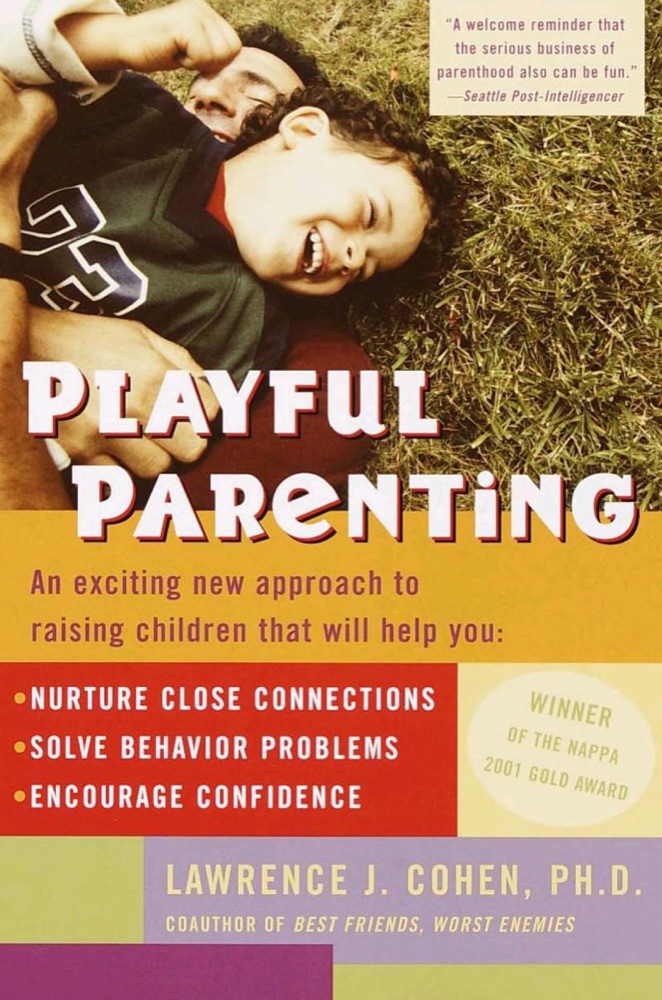 Playful Parenting: An Exciting New Approach to Raising Children That Will Help You Nurture Close Connections, Solve Behavior Problems, and Encourage Confidence
 Toxic Parents: Overcoming Their Hurtful Legacy and Reclaiming Your Life
 Us: Getting Past You and Me to Build a More Loving Relationship
 Simplicity Parenting: Using the Extraordinary Power of Less to Raise Calmer, Happier, and More Secure Kids
 Scattered Minds: The Origins and Healing of Attention Deficit Disorder
 Momma Cusses
 The Collapse of Parenting: How We Hurt Our Kids When We Treat Them Like Grown-Ups
 Adult Children of Emotionally Immature Parents: How to Heal from Distant, Rejecting, or Self-Involved Parents
 Drama Free: A Guide to Managing Unhealthy Family Relationships
 Shepherding a Child's Heart
 Good Morning, Monster: A Therapist Shares Five Heroic Stories of Emotional Recovery
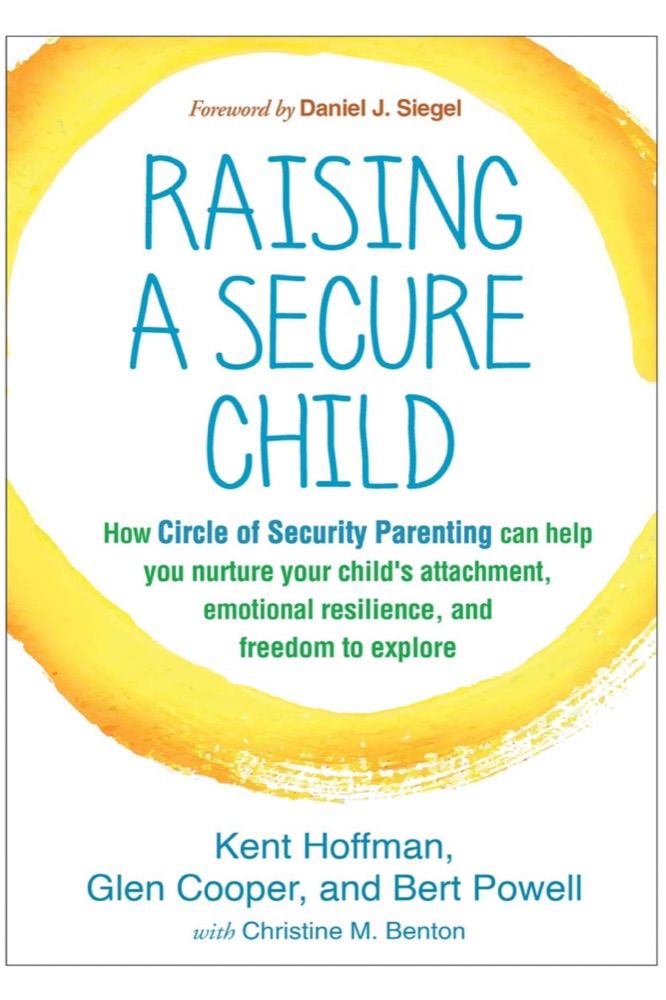 Raising a Secure Child: How Circle of Security Parenting Can Help You Nurture Your Child's Attachment, Emotional Resilience, and Freedom to Explore
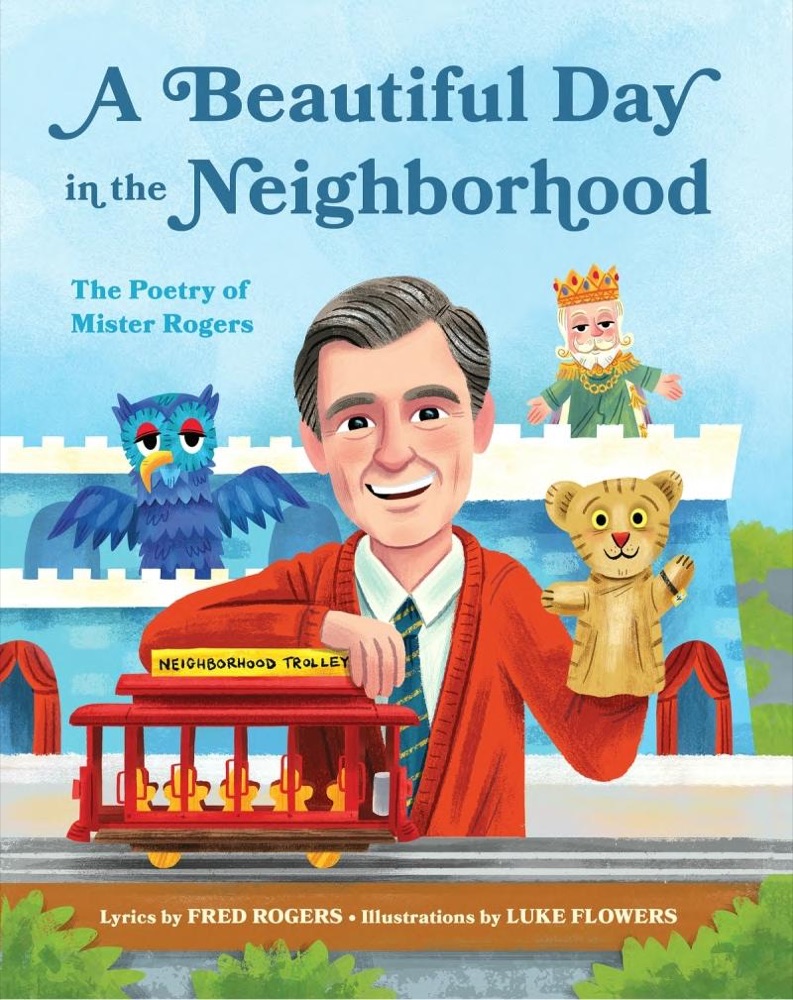 A Beautiful Day in the Neighborhood: The Poetry of Mister Rogers
 The Relationship Cure: A 5 Step Guide to Strengthening Your Marriage, Family, and Friendships
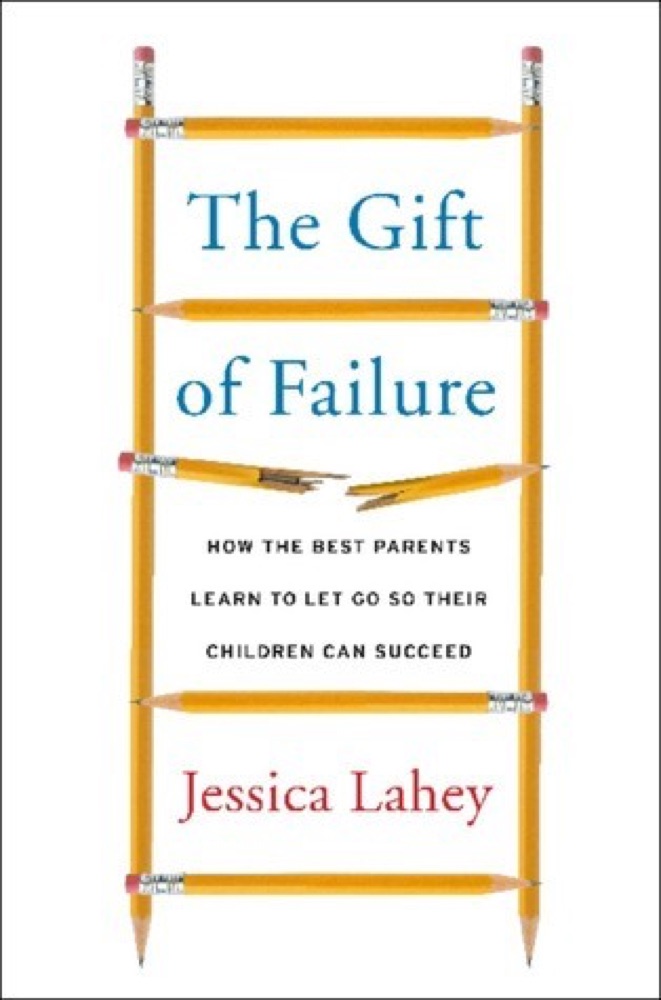 The Gift of Failure: How the Best Parents Learn to Let Go So Their Children Can Succeed
 The Boy Who Was Raised as a Dog: And Other Stories from a Child Psychiatrist's Notebook
 Complex PTSD: From Surviving to Thriving
 It Didn't Start with You: How Inherited Family Trauma Shapes Who We Are and How to End the Cycle
 How to Raise an Adult: Break Free of the Overparenting Trap and Prepare Your Kid for Success
 All Joy and No Fun: The Paradox of Modern Parenthood
 Bringing Up Bébé: One American Mother Discovers the Wisdom of French Parenting
 All Is Not Forgotten
 Dibs in Search of Self
 Loving the Little Years: Motherhood in the Trenches
 Mothers Who Can't Love: A Healing Guide for Daughters
 Different, Not Less: A Neurodivergent's Guide to Embracing Your True Self and Finding Your Happily Ever After
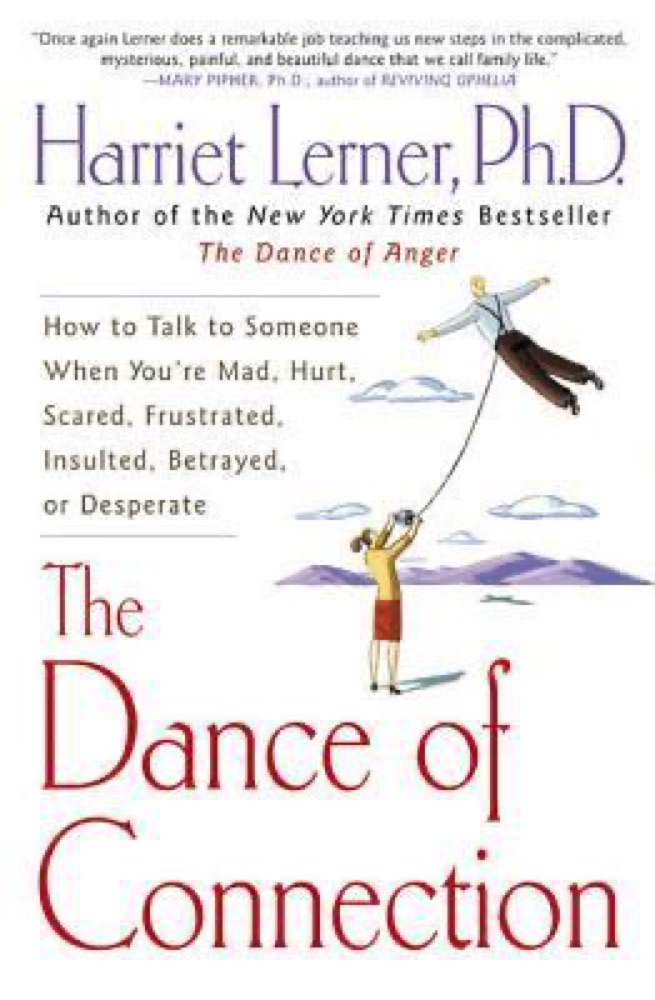 The Dance of Connection: How to Talk to Someone When You're Mad, Hurt, Scared, Frustrated, Insulted, Betrayed, or Desperate
 For Your Own Good: Hidden Cruelty in Child-Rearing and the Roots of Violence
 The Blessing of a Skinned Knee: Using Jewish Teachings to Raise Self-Reliant Children
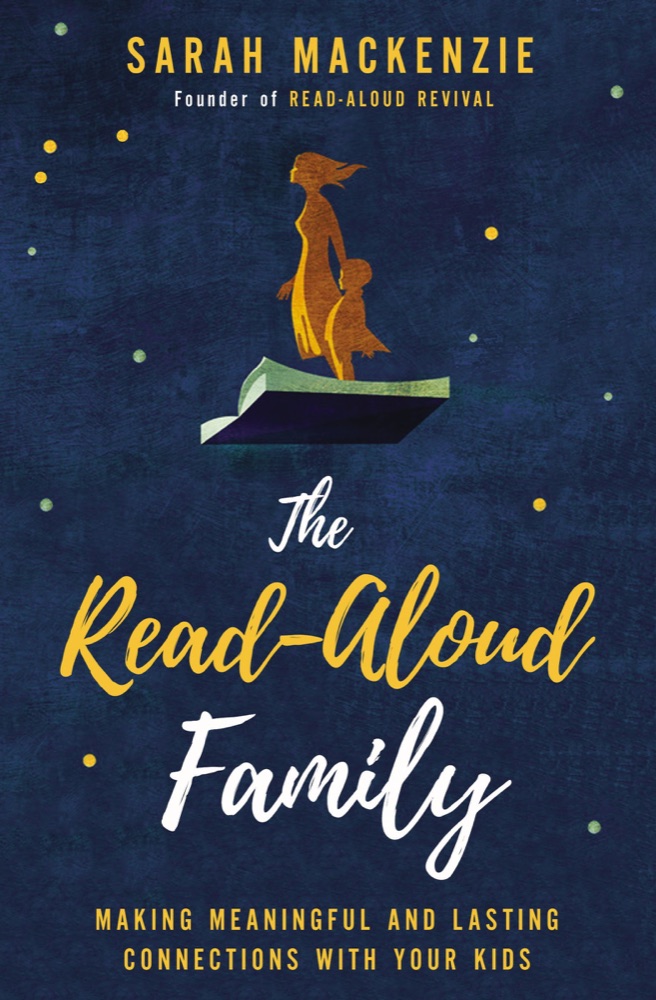 The Read-Aloud Family: Making Meaningful and Lasting Connections with Your Kids
 Atlas of the Heart: Mapping Meaningful Connection and the Language of Human Experience
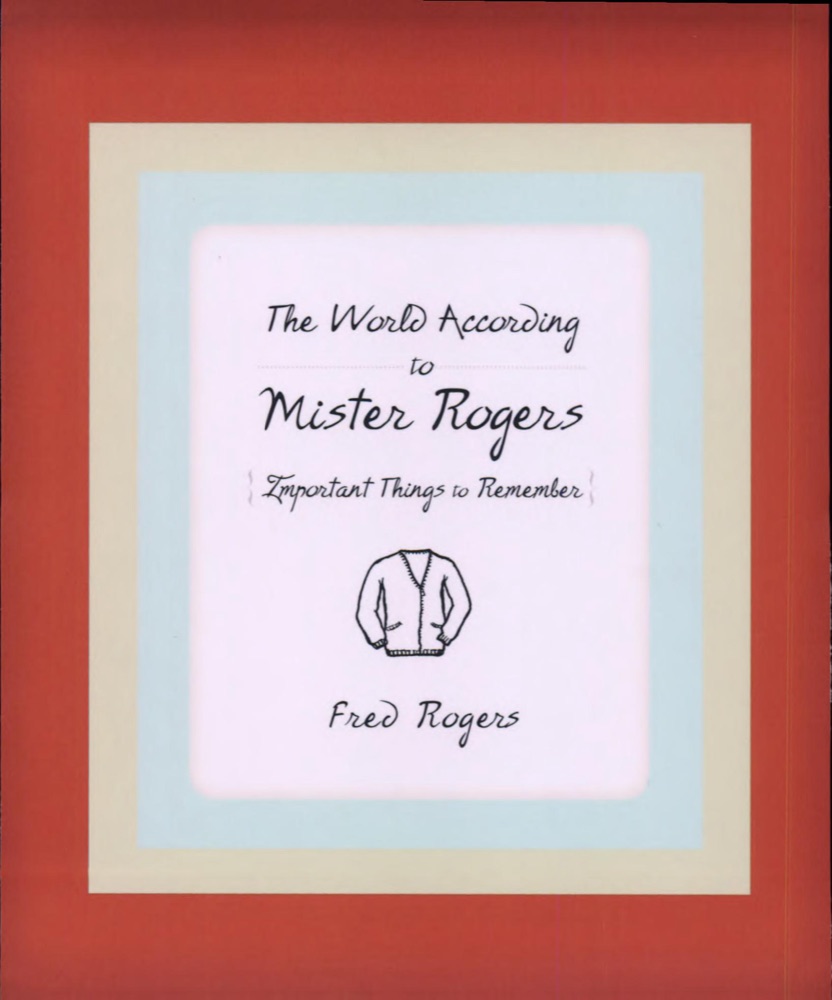 The World According to Mister Rogers: Important Things to Remember
 Far from the Tree: Parents, Children, and the Search for Identity
 The Wild and Free Family: Forging Your Own Path to a Life Full of Wonder, Adventure, and Connection
 To Have and to Hold: Motherhood, Marriage, and the Modern Dilemma
 No Bad Parts: Healing Trauma & Restoring Wholeness with the Internal Family Systems Model
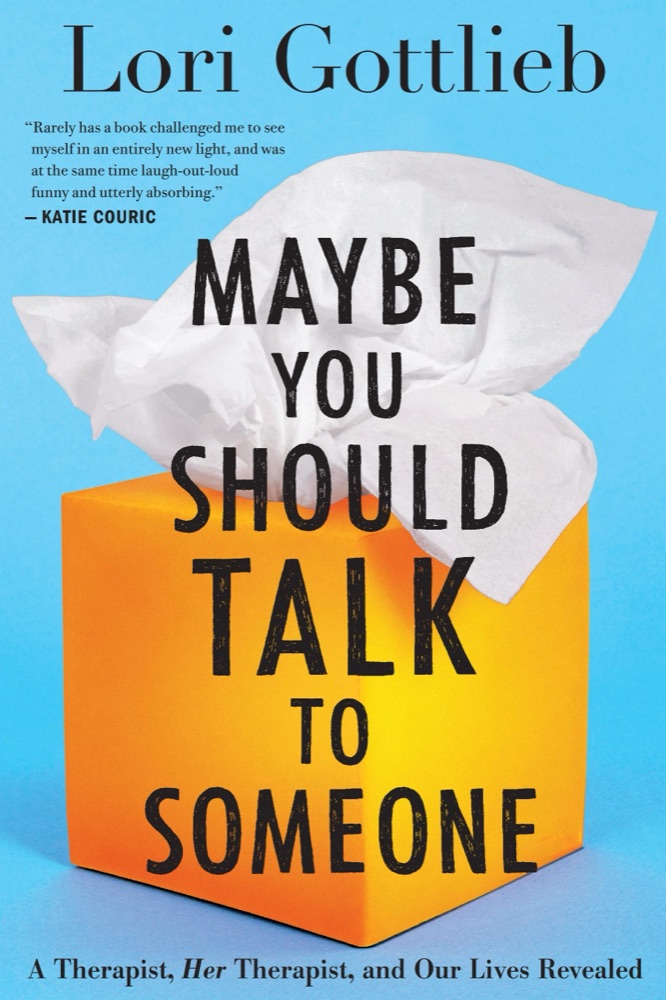 Maybe You Should Talk to Someone: A Therapist, Her Therapist, and Our Lives Revealed
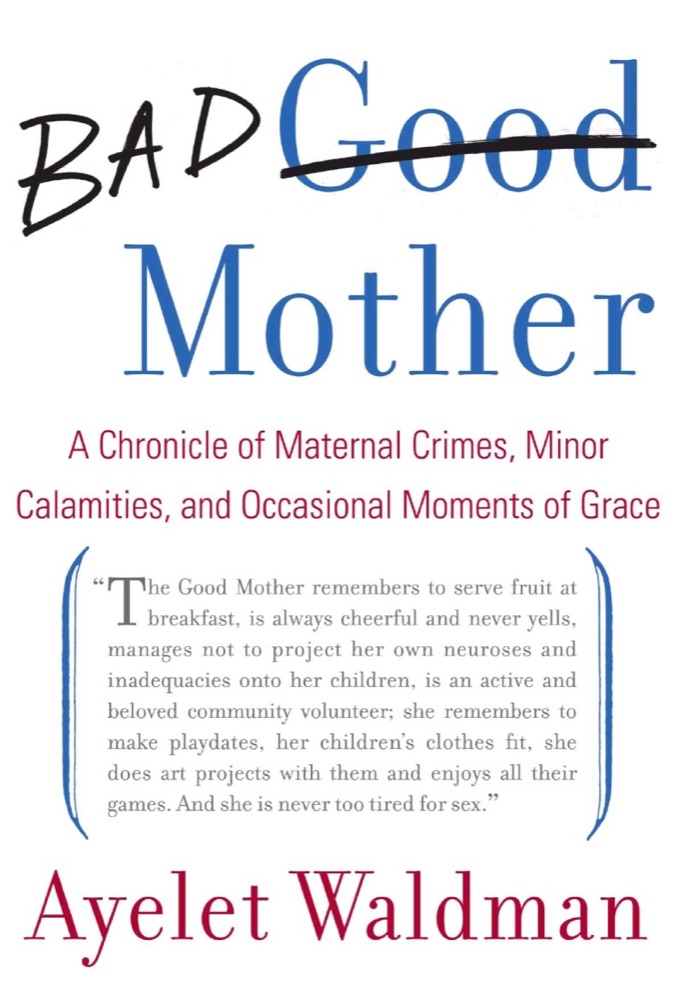 Bad Mother: A Chronicle of Maternal Crimes, Minor Calamities, and Occasional Moments of Grace
 Some Assembly Required: A Journal of My Son's First Son
How to Stay Sane
Some Assembly Required: A Journal of My Son's First Son
How to Stay Sane
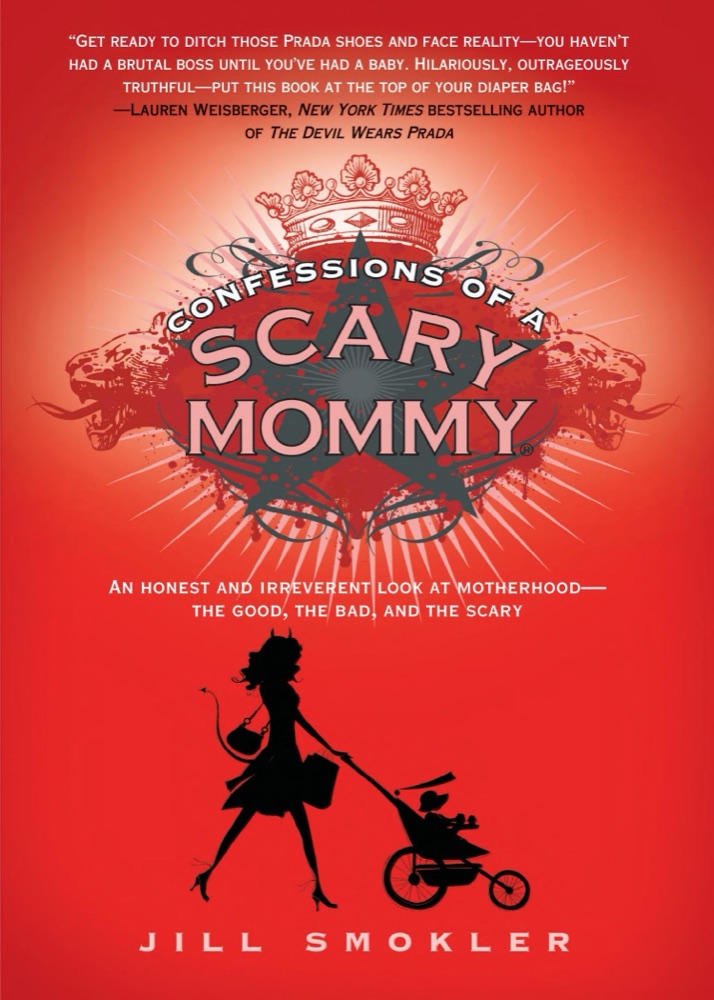 Confessions of a Scary Mommy: An Honest and Irreverent Look at Motherhood - The Good, The Bad, and the Scary
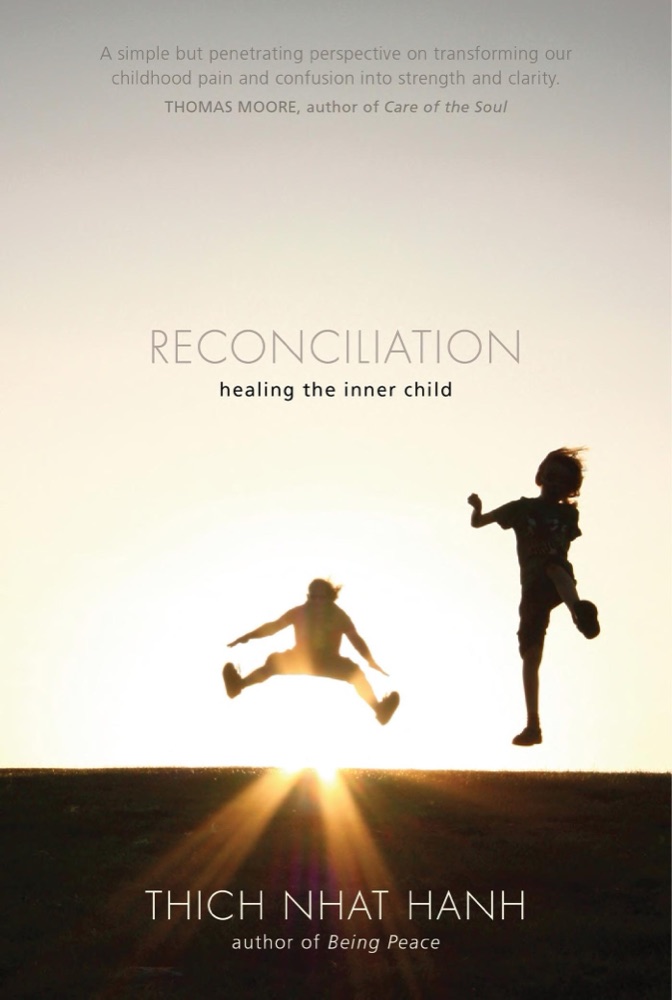 Reconciliation: Healing the Inner Child
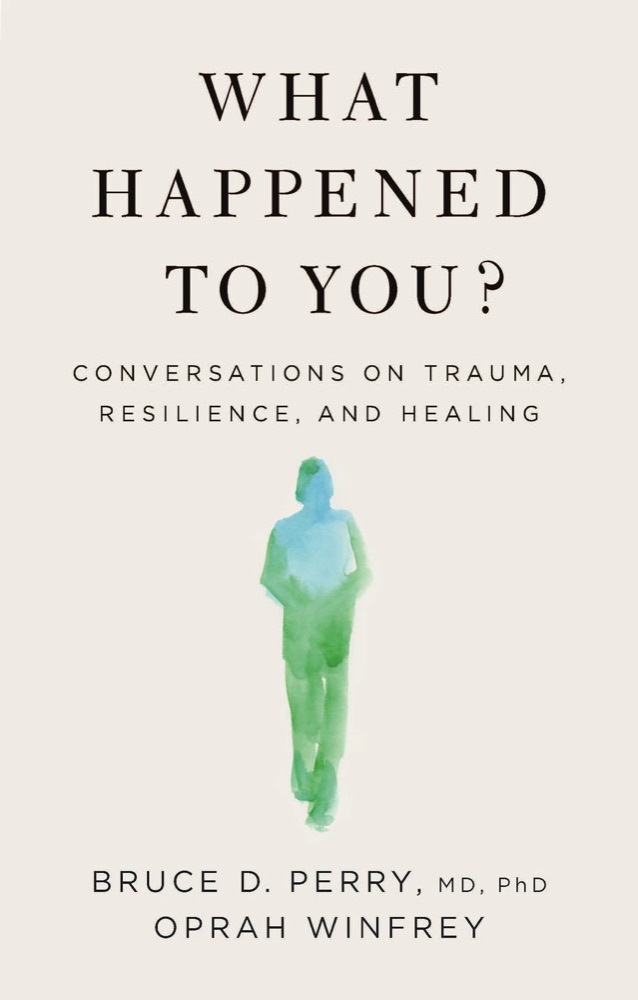 What Happened To You?: Conversations on Trauma, Resilience, and Healing
 Clarity & Connection
 Here Be Dragons: Treading the Deep Waters of Motherhood, Mean Girls, and Generational Trauma
 Untangle Your Emotions: Naming What You Feel and Knowing What to Do About It
 The Brave Learner: Finding Everyday Magic in Homeschool, Learning, and Life