
 Shepherding a Child's Heart
Quotes from the Book
The sages advise us to study Torah lishma-"for its own sake" rather than to impress others with our scholarship. A paradox of parenting is that if we love our children for their own sake rather than for their achievements, it's more likely that they will reach their true potential.
If we want to give our children what they need to thrive, we must honor their basic nature- boyish or girlish, introverted or extroverted, wild or mellow.
A Hasidic teaching says, "If your child has a talent to be a baker, don't tell him to be a doctor." Judaism holds that every child is made in the divine image. When we ignore a child's intrinsic strengths in an effort to push him toward our notion of extraordinary achievement, we are undermining God's plan.
No one is born feeling grateful; it’s an acquired skill. That’s why traditional Jewish law forbids spending money on the Sabbath. God commands us to stop shopping and count our blessings on that one day because he knows that left on our own, we wouldn’t be so inclined.
Unsure how to find grace and security in the complex world we’ve inherited, we try to fill up the spaces in our children’s lives with stuff: birthday entertainments, lessons, rooms full of toys and equipment, tutors and therapists. But material pleasures can’t buy peace of mind, and all the excess leads to more anxiety—parents fear that their children will not be able to sustain this rarefied lifestyle and will fall off the mountain the parents have built for them.
Real protection means teaching children to manage risks on their own, not shielding them from every hazard.
One of the most generous gifts you can give your child is to study her temperament, and once you've learned it, work to accept it.
If a child is distressed and sees Mom react with panic, he knows he should wail; if she’s compassionate but calm, he tends to recover quickly.
Watch on YouTube
About Wendy Mogel
We have collected 8 quotes from 1 book by Wendy Mogel on BookQuoters.
More about the author →About the book
A clinical psychologist and Jewish educator use the Torah and other Jewish texts to offer psychological and practical insights into parenting and sharing practical advice on how to develop realistic expectations for each child, teach respect for adults, deal with frustration, enhance independence, and more.
Book details
- First published
- 2001
- Author
- Wendy Mogel
- Genre
- Literature
- Goodreads rating
- 4.15 (5k ratings)
Keep reading
Shepherding a Child's Heart
 The Danish Way of Parenting: What the Happiest People in the World Know About Raising Confident, Capable Kids
 Boundaries with Kids: How Healthy Choices Grow Healthy Children
 Between Parent and Child
 Loving the Little Years: Motherhood in the Trenches
 The Conscious Parent: Transforming Ourselves, Empowering Our Children
 The Collapse of Parenting: How We Hurt Our Kids When We Treat Them Like Grown-Ups
 Parent Effectiveness Training: The Proven Program for Raising Responsible Children
 The Gift of Failure: How the Best Parents Learn to Let Go So Their Children Can Succeed
 Simplicity Parenting: Using the Extraordinary Power of Less to Raise Calmer, Happier, and More Secure Kids
 How to Raise an Adult: Break Free of the Overparenting Trap and Prepare Your Kid for Success
![The Book You Wish Your Parents Had Read [and Your Children Will Be Glad That You Did]](/i/book/g/63/the-book-you-wish-your-parents-had-read-and-your-children-will-be-glad-that-you-did.jpg) The Book You Wish Your Parents Had Read [and Your Children Will Be Glad That You Did]
The Book You Wish Your Parents Had Read [and Your Children Will Be Glad That You Did]
 Montessori from the Start: The Child at Home, from Birth to Age Three
 The Awakened Family: A Revolution in Parenting
 How to Talk So Little Kids Will Listen: A Survival Guide to Life with Children Ages 2-7
 The Wild and Free Family: Forging Your Own Path to a Life Full of Wonder, Adventure, and Connection
 How to Talk So Kids Will Listen & Listen So Kids Will Talk
 A Beautiful Day in the Neighborhood: The Poetry of Mister Rogers
 The Brave Learner: Finding Everyday Magic in Homeschool, Learning, and Life
 The Read-Aloud Family: Making Meaningful and Lasting Connections with Your Kids
 Different: The Story of an Outside-the-Box Kid and the Mom Who Loved Him
 Hold On, But Don't Hold Still
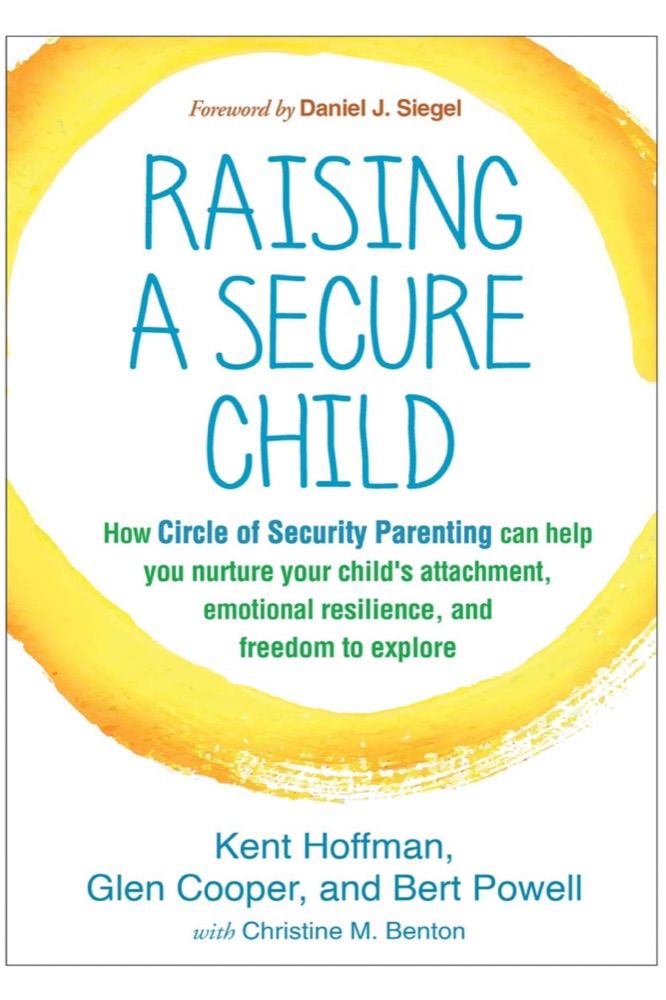 Raising a Secure Child: How Circle of Security Parenting Can Help You Nurture Your Child's Attachment, Emotional Resilience, and Freedom to Explore
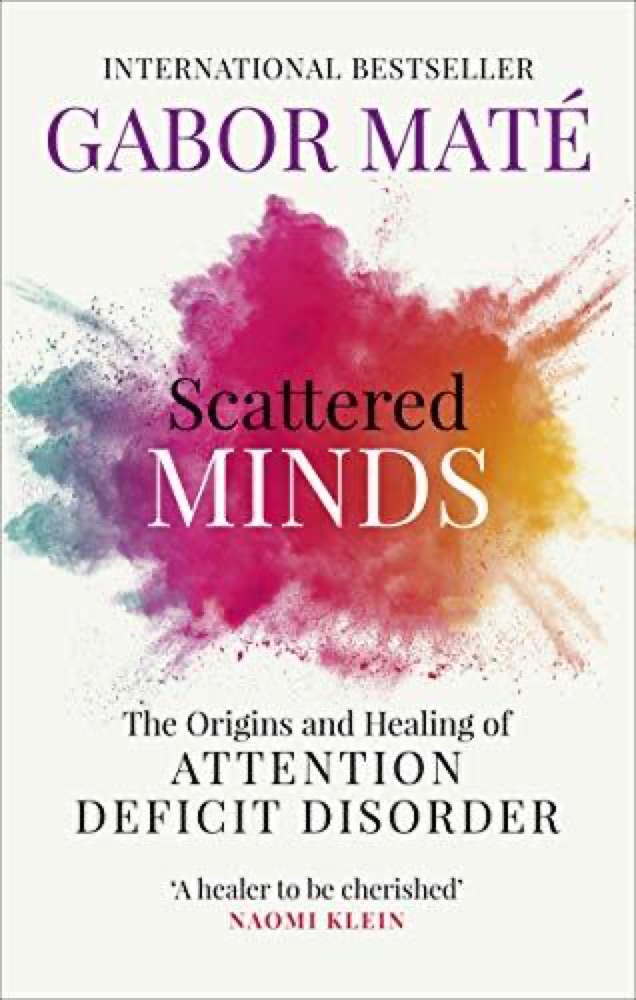 Scattered Minds: The Origins and Healing of Attention Deficit Disorder
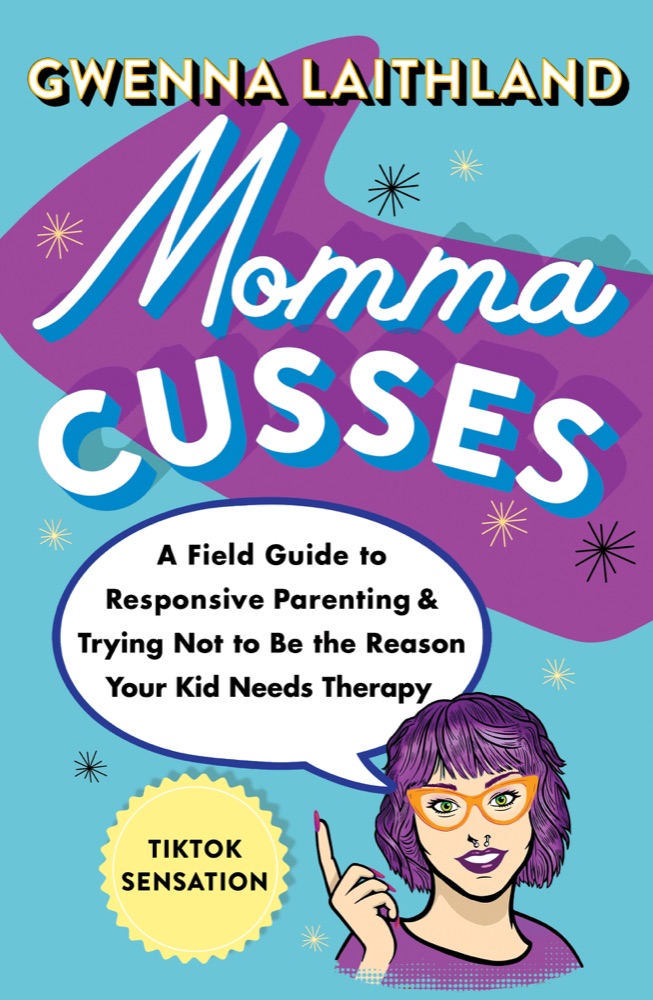 Momma Cusses
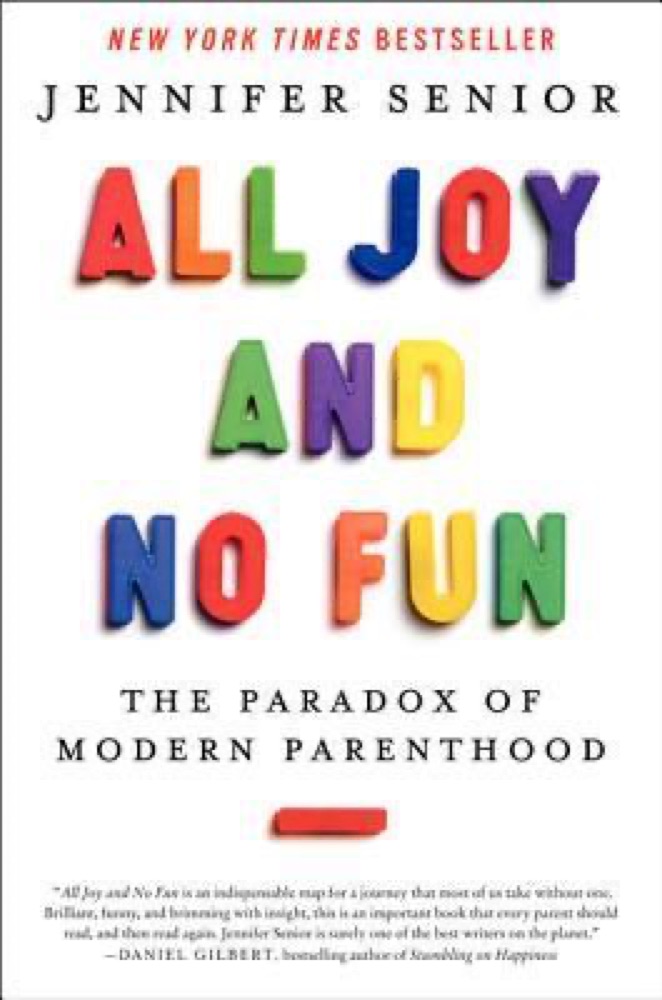 All Joy and No Fun: The Paradox of Modern Parenthood
 Bringing Up Bébé: One American Mother Discovers the Wisdom of French Parenting
 The Absorbent Mind
 The Four-Hour School Day: How You and Your Kids Can Thrive in the Homeschool Life
 Free-Range Kids: Giving Our Children the Freedom We Had Without Going Nuts With Worry
 For Your Own Good: Hidden Cruelty in Child-Rearing and the Roots of Violence
 Teaching from Rest: A Homeschooler's Guide to Unshakable Peace
 The Boy Who Was Raised as a Dog: And Other Stories from a Child Psychiatrist's Notebook
 Playful Parenting: An Exciting New Approach to Raising Children That Will Help You Nurture Close Connections, Solve Behavior Problems, and Encourage Confidence
 Bad Mother: A Chronicle of Maternal Crimes, Minor Calamities, and Occasional Moments of Grace
 Confessions of a Scary Mommy: An Honest and Irreverent Look at Motherhood - The Good, The Bad, and the Scary
 Toxic Parents: Overcoming Their Hurtful Legacy and Reclaiming Your Life
 Here Be Dragons: Treading the Deep Waters of Motherhood, Mean Girls, and Generational Trauma
 To Have and to Hold: Motherhood, Marriage, and the Modern Dilemma
 Us: Getting Past You and Me to Build a More Loving Relationship
 Running on Empty: Overcome Your Childhood Emotional Neglect
 Reconciliation: Healing the Inner Child
 Give Them Grace: Dazzling Your Kids with the Love of Jesus
 Some Assembly Required: A Journal of My Son's First Son
 The Mission of Motherhood: Touching Your Child's Heart for Eternity
 Cribsheet: A Data-Driven Guide to Better, More Relaxed Parenting, from Birth to Preschool
 The Vanishing American Adult: Our Coming-of-Age Crisis—and How to Rebuild a Culture of Self-Reliance
 Far from the Tree: Parents, Children, and the Search for Identity
 Free to Learn: Why Unleashing the Instinct to Play Will Make Our Children Happier, More Self-Reliant, and Better Students for Life
 The Drama of the Gifted Child: The Search for the True Self
 Ten Things Every Child with Autism Wishes You Knew
 Dibs in Search of Self
 How Children Learn
 Different, Not Less: A Neurodivergent's Guide to Embracing Your True Self and Finding Your Happily Ever After
 NurtureShock: New Thinking About Children
 For the Love: Fighting for Grace in a World of Impossible Standards
 The Social Animal: The Hidden Sources of Love, Character, and Achievement