
 Montessori from the Start: The Child at Home, from Birth to Age Three
Quotes from the Book
So let’s start by just framing this not as “What kind of mom will you be?” but “What is the optimal configuration of adult work hours for your household?” Less catchy, yes, but also perhaps more helpful for decision-making.
6
But the world is oddly lacking in discussions of what happens, physically, to Mom after the baby arrives. Before the baby, you’re a vessel to be cherished and protected. After the baby, you’re a lactation-oriented baby accessory.
4
First, recognize that children are not adults, and you usually cannot improve their behavior with a discussion. If your four-year-old is taking their shirt off in the museum, they will not respond to a reasoned discussion about how you actually do need to wear a shirt in public places. The flip side of this - more important - is that you shouldn't expect them to respond to adult reasoning. And as a result, you should not get angry the way you would if, say, your spouse was stripping in the museum and didn't stop after you explained why they shouldn't. Toddler discipline is, really, parental discipline. Breathe. Take a second.
4
The physical and emotional challenges of work pale in comparison to the physical and emotional challenges of being an on-scene parent.
2
I’ll say it: I am lucky enough to not have to work, in the sense that Jesse and I could change how we organize our life to live on one income. I work because I like to. I love my kids! They are amazing. But I wouldn’t be happy staying home with them. I’ve figured out that my happiness-maximizing allocation is something like eight hours of work and three hours of kids a day. It isn’t that I like my job more than my kids overall—if I had to pick, the kids would win every time. But the “marginal value” of time with my kids declines fast. In part, this is because kids are exhausting. The first hour with them is amazing, the second less good, and by hour four I’m ready for a glass of wine or, even better, some time with my research. My job doesn’t have this feature. Yes, the eighth hour is less fun than the seventh, but the highs are not as high and the lows are not as low. The physical and emotional challenges of work pale in comparison to the physical and emotional challenges of being an on-scene parent. The eighth hour at my job is better than the fifth hour with the kids on a typical day. And that is why I have a job. Because I like it. It should be okay to say this. Just like it should be okay to say that you stay home with your kids because that is what you want to do. I’m well aware that many people don’t want to be an economist for eight hours a day. We shouldn’t have to say we’re staying home for children’s optimal development, or at least, that shouldn’t be the only factor in the decision. “This is the lifestyle I prefer” or “This is what works for my family” are both okay reasons to make choices! So before you even get into reading what the evidence says is “best” for your child or thinking about the family budget, you—and your partner, or any other caregiving adults in the house—should think about what you would really like to do.
2
We know being a parent means getting a lot of advice, but this advice is almost never accompanied by an explanation of why something is true or not, or to what degree we can even know it’s true. And by not explaining why, we remove people’s ability to think about these choices for themselves, with their own preferences playing a role. Parents are people, too, and they deserve better.
1
It isn't that I like my job more than my kids overall --if I had to pick, the kids would win every time. But the "marginal value" of time with my kids declines fast. In part, this is because kids are exhausting. The first hour with them is amazing, the second less good, and by hour four I'm ready for a glass of wine or, even better, some time with my research. My job doesn't have this feature. Yes, the eighth hour is less fun than the seventh, but the highs are not as high and the lows are not as low. The physical and emotional challenges of work pale in comparison to the physical and emotional challenges of being an on-scene parent. The eighth hour at my job is better than the fifth hour with the kids on a typical day. And that is why I have a job. Because I like it.
1
These books, which cover many of the topics discussed in this book, may be helpful further reading. GENERAL REFERENCE American Academy of Pediatrics. Caring for Your Baby and Young Child: Birth to Age Five. New York: Bantam, 2004. Druckerman, P. Bringing Up Bébé: One American Mother Discovers the Wisdom of French Parenting. New York: Penguin, 2014. Eliot, L. What’s Going On in There?: How the Brain and Mind Develop in the First Five Years of Life. New York: Bantam, 2000. Nathanson, L. The Portable Pediatrician for Parents: A Month-by-Month Guide to Your Child’s Physical and Behavioral Development from Birth to Age Five. New York: HarperCollins, 1994. DISCIPLINE Phelan, T. W. 1-2-3 Magic: Effective Discipline for Children 2–12. Naperville, IL: ParentMagic, Inc., 2010. Webster-Stratton, C. The Incredible Years: A Trouble-Shooting Guide for Parents of Children Aged 2–8. Toronto: Umbrella Press, 1992. SLEEP Ferber, R. Solve Your Child’s Sleep Problems. Rev. ed. New York: Simon & Schuster, 2006. Karp, H. The Happiest Baby on the Block: The New Way to Calm Crying and Help Your Newborn Baby Sleep Longer. Rev. ed. New York: Bantam, 2015. Weissbluth, M. Healthy Sleep Habits, Happy Child: A Step-by-Step Program for a Good Night’s Sleep. 4th ed. New York: Ballantine Books, 2015. POTTY TRAINING Glowacki, J. Oh Crap! Potty Training: Everything Modern Parents Need to Know to Do It Once and Do It Right. New York: Touchstone, 2015.
1
Swaddling has been shown to reduce crying and improve sleep. It is important to swaddle in a way that allows the baby to move its legs and hips. Colic is defined as excessive crying. It is self-limiting, meaning it will stop eventually. Changing formula or maternal diet, treatment with a probiotic, or both have shown some positive impacts. Collecting data on your baby is fun! But not necessary or especially useful. Exposing your infant to germs early on risks their getting sick, and the interventions for a feverish infant are aggressive and typically include a spinal tap. Limiting germ exposure may be a good idea, even if just to avoid these interventions.
1
The authors suggest that if what you care about is when potty training is done, there is not much point to starting before twenty-seven months or so. But it is the case that after this, starting earlier does generally mean finishing earlier. If you start training at twenty-seven or twenty-eight months, you can expect to be done by around age three, but it will take ten months to do it. If you start at age three, you finish later, but it’ll likely take you less than six months to fully train.
What we can see is that the age of potty-training completion is similar starting anytime between twenty-one and thirty months.
The MB-CDI is administered to parents (Want to do it yourself? See the endnotes).[2]
The study’s authors noted that the most significant predictor of both how many words the children spoke and how fast their vocabularies grew was whether their parents read them books.
They recommend no TV or screen time at all for children under eighteen months
There are some references in the back; my favorite is The Portable Pediatrician for Parents by Laura Nathanson.
Kids younger than school age get an average of six to eight colds a year
It is important to introduce some milk-based foods—yogurt
They found that children who ate a varied diet—and in particular those who consumed a wide variety of fruits and vegetables—at nine months were also more likely to eat a varied diet with vegetables at age six.
All this is to say that sleep training is likely to be more hit-or-miss for naps than at bedtime.
Regardless of what childcare you choose
Having books in your house and reading them to your kid is going to matter much more than what books they have at day care.
More months in day care before eighteen months are associated with slightly lower cognitive scores by four and a half years old
Why would Wakefield do this? It turns out he was planning a lawsuit against vaccine manufacturers
The books generally note that around six weeks
In the crib: Wearable blanket: check!
The medical recommendations to avoid SIDS have four components. Infants should be (1) on their back
The AAP says infants should sleep alone in a crib (or bassinet) and should be placed in the crib on their back to sleep. There should be nothing in the crib with the baby.
Watch on YouTube
About Emily Oster
We have collected 27 quotes from 1 book by Emily Oster on BookQuoters.
More about the author →About the book
From the author of EXPECTING BETTER, an economist's guide to the early years of parenting
With EXPECTING BETTER, award-winning economist Emily Oster spotted a need in the pregnancy market for advice that gave women the information they needed to make the best decision for their own pregnancies. By digging into the data, Oster found that much of the conventional pregnancy wisdom was wrong. In CRIBSHEET, she now tackles an even great challenge: decision making in the early years of parenting.
As any new parent knows, there is an abundance of often-conflicting advice hurled at you from doctors, family, friends, and the internet. From the earliest days, parents get the message that they must make certain choices around feeding, sleep, and schedule or all will be lost. There's a rule--or three--for everything. But the benefits of these choices can be overstated, and the tradeoffs can b
Book details
- First published
- 2019
- Author
- Emily Oster
- Genre
- Nonfiction
- Goodreads rating
- 4.12 (47k ratings)
Keep reading
Montessori from the Start: The Child at Home, from Birth to Age Three
 Bringing Up Bébé: One American Mother Discovers the Wisdom of French Parenting
 How to Talk So Little Kids Will Listen: A Survival Guide to Life with Children Ages 2-7
 Simplicity Parenting: Using the Extraordinary Power of Less to Raise Calmer, Happier, and More Secure Kids
 All Joy and No Fun: The Paradox of Modern Parenthood
 The Gift of Failure: How the Best Parents Learn to Let Go So Their Children Can Succeed
 Confessions of a Scary Mommy: An Honest and Irreverent Look at Motherhood - The Good, The Bad, and the Scary
 NurtureShock: New Thinking About Children
 The Collapse of Parenting: How We Hurt Our Kids When We Treat Them Like Grown-Ups
 How to Talk So Kids Will Listen & Listen So Kids Will Talk
 Free-Range Kids: Giving Our Children the Freedom We Had Without Going Nuts With Worry
 Parent Effectiveness Training: The Proven Program for Raising Responsible Children
 The Danish Way of Parenting: What the Happiest People in the World Know About Raising Confident, Capable Kids
![The Book You Wish Your Parents Had Read [and Your Children Will Be Glad That You Did]](/i/book/g/63/the-book-you-wish-your-parents-had-read-and-your-children-will-be-glad-that-you-did.jpg) The Book You Wish Your Parents Had Read [and Your Children Will Be Glad That You Did]
The Book You Wish Your Parents Had Read [and Your Children Will Be Glad That You Did]
 Boundaries with Kids: How Healthy Choices Grow Healthy Children
 Between Parent and Child
 Momma Cusses
 Loving the Little Years: Motherhood in the Trenches
 How to Raise an Adult: Break Free of the Overparenting Trap and Prepare Your Kid for Success
 The Brave Learner: Finding Everyday Magic in Homeschool, Learning, and Life
 Someone Could Get Hurt: A Memoir of Twenty-First-Century Parenthood
 The Read-Aloud Handbook
 The Blessing of a Skinned Knee: Using Jewish Teachings to Raise Self-Reliant Children
 The Read-Aloud Family: Making Meaningful and Lasting Connections with Your Kids
 Toddlers Are A**holes: It's Not Your Fault
 To Have and to Hold: Motherhood, Marriage, and the Modern Dilemma
 Playful Parenting: An Exciting New Approach to Raising Children That Will Help You Nurture Close Connections, Solve Behavior Problems, and Encourage Confidence
 Hold On, But Don't Hold Still
 Fair Play: A Game-Changing Solution for When You Have Too Much to Do
 A Beautiful Day in the Neighborhood: The Poetry of Mister Rogers
 Shepherding a Child's Heart
 Overwhelmed: Work, Love, and Play When No One Has the Time
 The Four-Hour School Day: How You and Your Kids Can Thrive in the Homeschool Life
 Ten Things Every Child with Autism Wishes You Knew
 I Can Barely Take Care of Myself: Tales From a Happy Life Without Kids
 Scattered Minds: The Origins and Healing of Attention Deficit Disorder
 The Wild and Free Family: Forging Your Own Path to a Life Full of Wonder, Adventure, and Connection
 The Vanishing American Adult: Our Coming-of-Age Crisis—and How to Rebuild a Culture of Self-Reliance
 Ladyparts
 Early Retirement Extreme: A Philosophical and Practical Guide to Financial Independence
 The First Forty Days: The Essential Art of Nourishing the New Mother
 Raising a Secure Child: How Circle of Security Parenting Can Help You Nurture Your Child's Attachment, Emotional Resilience, and Freedom to Explore
 House Rules
 Bad Mother: A Chronicle of Maternal Crimes, Minor Calamities, and Occasional Moments of Grace
 iGen: Why Today’s Super-Connected Kids Are Growing Up Less Rebellious, More Tolerant, Less Happy--and Completely Unprepared for Adulthood--and What That Means for the Rest of Us
 How Children Learn
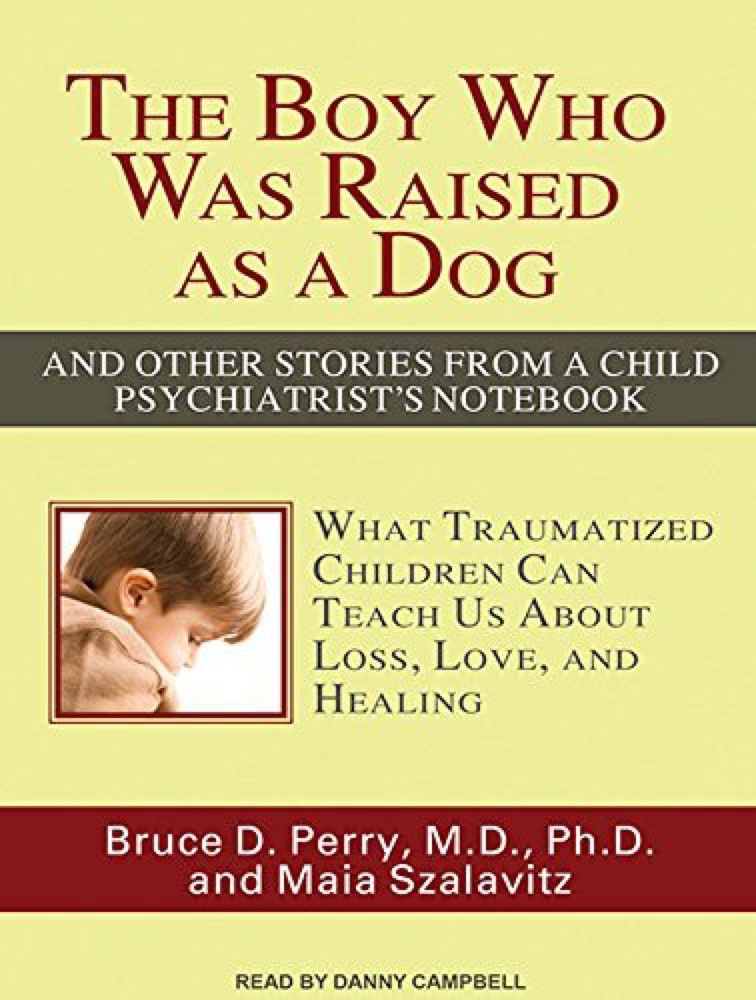 The Boy Who Was Raised as a Dog: And Other Stories from a Child Psychiatrist's Notebook
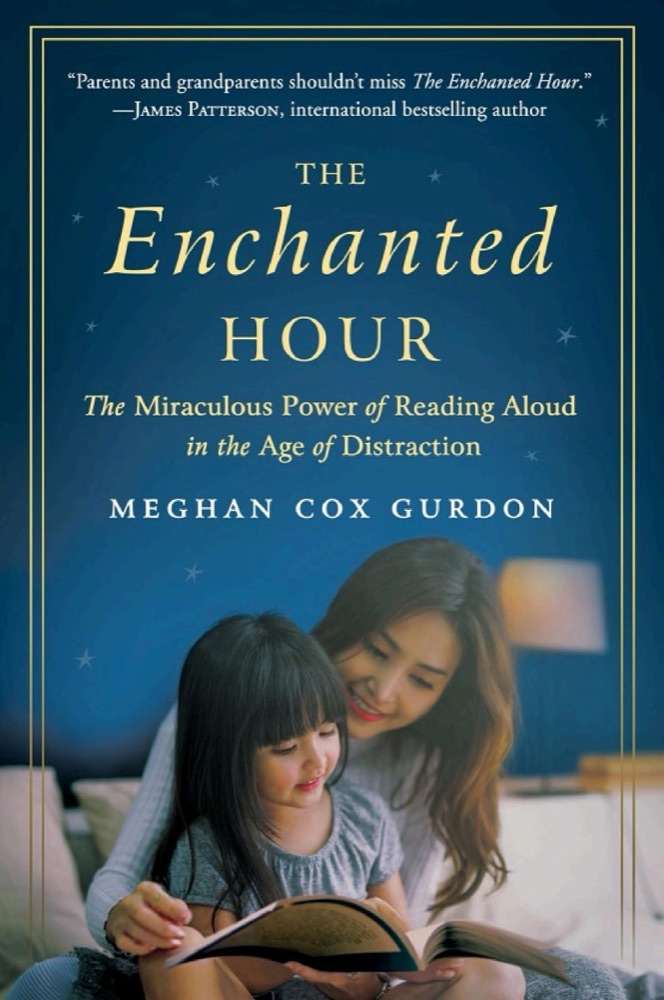 The Enchanted Hour: The Miraculous Power of Reading Aloud in the Age of Distraction – A Neuroscience Guide for Parents on Brain Development and Family Bonds
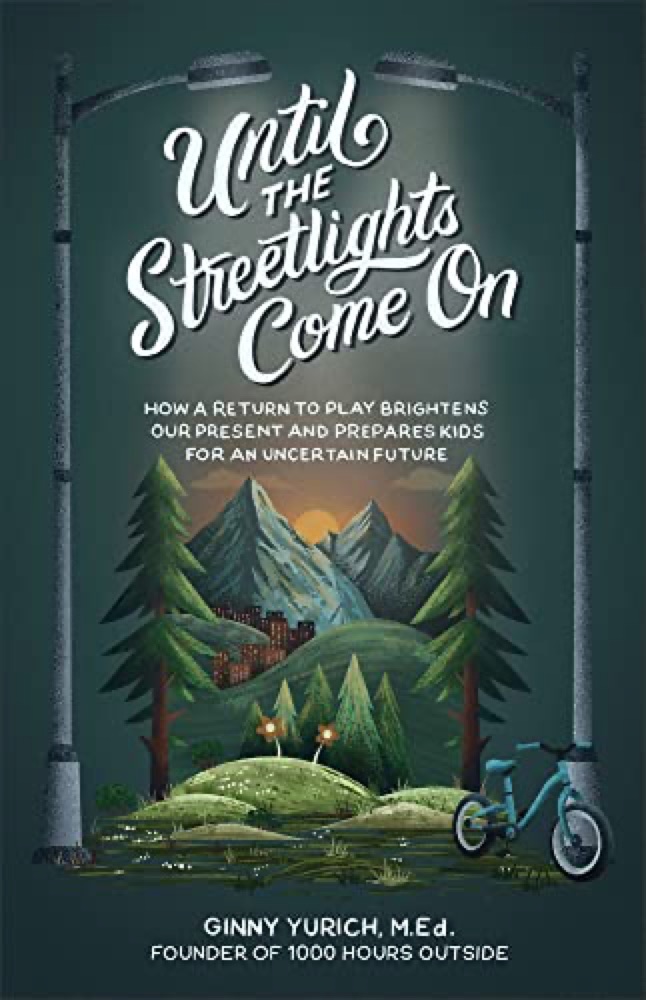 Until the Streetlights Come On: How a Return to Play Brightens Our Present and Prepares Kids for an Uncertain Future
 The Lifecycle of Software Objects
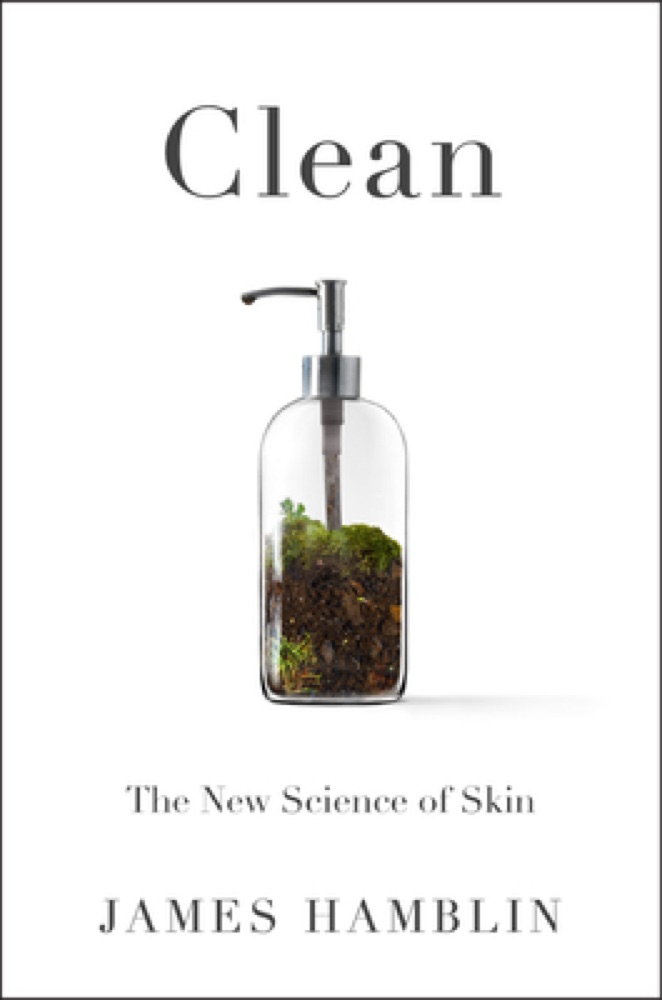 Clean: The New Science of Skin
 Ina May's Guide to Childbirth
 Some Assembly Required: A Journal of My Son's First Son
 Little Victories: Perfect Rules for Imperfect Living
 A Woman Makes a Plan: Advice for a Lifetime of Adventure, Beauty, and Success
 Battle Hymn of the Tiger Mother
 The Anxious Generation: How the Great Rewiring of Childhood Caused an Epidemic of Mental Illness
 Kids These Days: Human Capital and the Making of Millennials