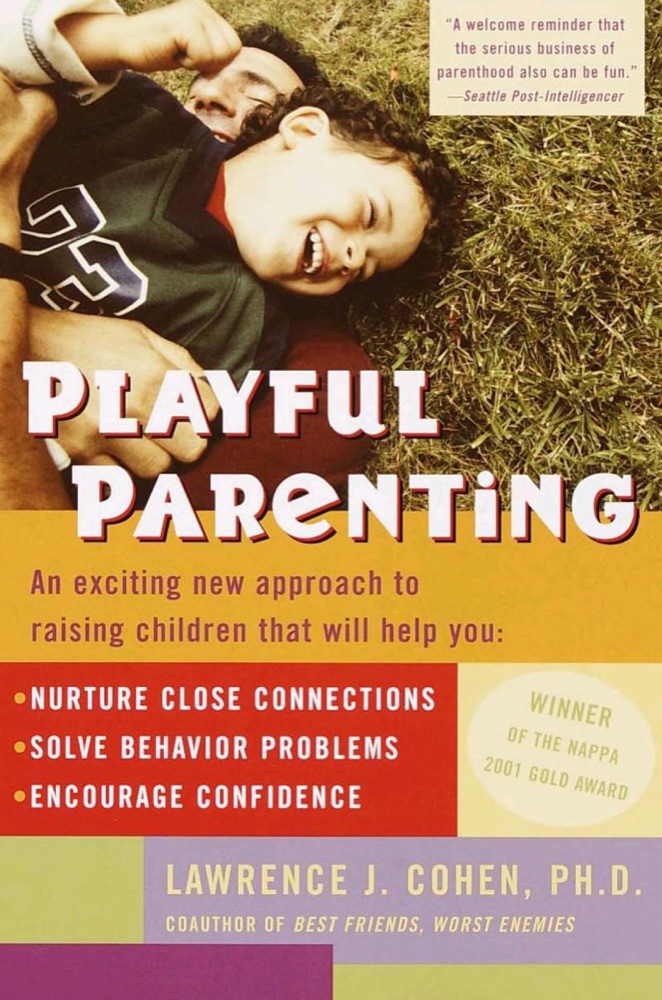

![The Book You Wish Your Parents Had Read [and Your Children Will Be Glad That You Did]](/i/book/g/63/the-book-you-wish-your-parents-had-read-and-your-children-will-be-glad-that-you-did.jpg) The Book You Wish Your Parents Had Read [and Your Children Will Be Glad That You Did]
The Book You Wish Your Parents Had Read [and Your Children Will Be Glad That You Did]
Quotes from the Book
I’m always amazed when adults say that children “just did that to get attention”. Naturally children who need attention will do all kinds of things to get it. Why not just give it to them?
12
My wife was out and I was home alone with Emma when my mother called. She said, "Oh, so you're babysitting?" As politely as I could manage, I answered, "I call it fathering." She realized immediately what she had said and apologized. I realized that when she was a child, and again as a mother of young children, father's active involvement with their infants was so minimal that it could fairly be called baby-sitting.
6
Play is also a way to be close and, even more important, a way to reconnect after the closeness has been severed. Chimpanzees like to tickle one another's palms, especially after they have had a fight. Thus, the second purpose of play serves our incredible - almost bottomless - need for attachment and affection and closeness.
4
Children don't say, “I had a hard day at school today; can I talk to you about it?” They say, “Will you play with me?
4
Plus, we adults have unhealed hurts from our own childhoods, which sometimes get in the way right when our children need our support. Our own piles of old feelings interfere with parenting playfully. In turn, that makes it hard to help children with their emotional difficulties,
3
Tuning in does not mean questioning our children about every little detail of their lives. Instead, tell an interesting story from your day; they might respond with a story of their own.
2
Using Playful Parenting, we can help children release all this emotion in ways that aren't hurtful to others. We do this by just spending lots of time giggling together, but also with some specific techniques. To help children with fears, for example, it often helps to play as if you are the one who is scared, and really exaggerate it. Make sure they don't feel mocked or humiliated. It helps if you don't imitate them exactly, but just take the general idea and exaggerate it.
2
Young children also play to learn about the world. Why aren't we amused when our toddler drops her food off the high chair for the hundredth time? Because we know about gravity (and we have to clean it up). She, however, is extremely amused, because everything about the universe is new and interesting and open to playful discovery.
1
But sometimes children do not connect or reconnect so easily. They may feel so isolated that they retreat into a corner, or come out aggressively with both arms swinging. They may be annoying, obnoxious, or downright infuriating as they try desperately to signal us that they need more connection. These situations call for creating more playtime, not doling out punishment or leaving the lonely child all alone.
1
The most common response by parents to children's isolation is aggravation or worry. We may focus on the annoying behavior, not seeing the pain underneath, or we see the pain all too clearly and feel helpless to fix it. These are difficult moments for any parent. What we need are keys to unlock the door to that fortress of isolation and help the child out again into the fields of play. Playful Parenting provides those keys.
1
Others of us may be unable to put aside our competitiveness or our need to be in control. We get bored, cranky, and frustrated; we're sore losers; we worry about teaching how to throw the ball correctly when our child just wants to play catch.
1
The fact is, we adults don't have much room in our lives for fun and games. Our days are filled with stress, obligations, and hard work. We may be stiff, tired, and easily bored when we try to get on the floor and play with children—especially when it means switching gears from a stressful day of work or household chores.
1
If they don't think we will play, they may not even ask. They just go about their business, and we go about ours, and we all miss chance after chance to reconnect.
1
Video screens can offer many useful things: entertainment, information, even distraction from stress. But they can't make goofy faces, give hugs, or provide a deep sense of safety and security.
this behavior is actually a sign of secure attachment. When they are with strangers or day-care providers, securely attached children “save up” their bad feelings for when they reunite with their primary attachment figure. (Gee, thanks!)
One time the wife asked everyone if they wanted lemonade, and after she went in to make it, one of the children said to her husband, “Your mom is really nice.” Nonparents, even if they are recognized as being adults, can be accepted as “one of the gang” in a way that parents generally can't. And children benefit from a thoughtful, respectful adult who can be seen as an ally rather than as the enemy.
In the words of John Updike, who often writes about the alienation of husbands and fathers, “If men do not keep on speaking terms with children, they cease to be men, and become merely machines for eating and for earning money.” Obviously Updike was making an understatement; fathering takes more than just being on speaking terms with our children.
Maybe we swore we would never be harsh with our children the way others were harsh with us. Then, just when they need us most - when they act up and misbehave and call us names and son on - we get angry and punish them, or feel hurt and block them out. We momentarily forget how fragile our little ones are, just as they forget about cooperation or sharing or calming down and following the rules.
Getting on the floor also means joining in with play that we would rather ignore or eliminate.
all play is more profoundly meaningful than we usually think. First, play is a way to try on adult roles and skills, just as lion cubs do when they wrestle with one another. Human children roughhouse, and they play house. As children discover the world, and discover what they are able to do in the world, they develop confidence and mastery.
my hardest so you don't win all the time?” Then see how it goes. If it goes well, over time they will balance the enjoyment of winning—even unfairly—with the enjoyment of a challenging match—even if they lose. You may also need to spend some time directly on the child's feelings about competition. Children will signal that they need special attention to these feelings about winning, losing, and competition by being very upset
Watch on YouTube
About Lawrence J. Cohen
We have collected 21 quotes from 1 book by Lawrence J. Cohen on BookQuoters.
More about the author →About the book
Have you ever stepped back to watch what really goes on when your children play? As psychologist Lawrence J. Cohen points out, play is children’s way of exploring the world, communicating deep feelings, getting close to those they care about, working through stressful situations, and simply blowing off steam. That’s why “playful parenting” is so important and so successful in building strong, close bonds between parents and children. Through play we join our kids in their world–and help them to
• Express and understand complex emotions • Break through shyness, anger, and fear • Empower themselves and respect diversity • Play their way through sibling rivalry • Cooperate without power struggles
From eliciting a giggle during baby’s first game of peekaboo to cracking jokes with a teenager while hanging out at the mall, Playful Parenting is a complete guide to using play to raise confiden
Book details
- First published
- 2001
- Author
- Lawrence J. Cohen
- Genre
- Nonfiction
- Goodreads rating
- 4.16 (5k ratings)
Keep reading
The Book You Wish Your Parents Had Read [and Your Children Will Be Glad That You Did]
 Simplicity Parenting: Using the Extraordinary Power of Less to Raise Calmer, Happier, and More Secure Kids
 How to Talk So Kids Will Listen & Listen So Kids Will Talk
 Between Parent and Child
 The Danish Way of Parenting: What the Happiest People in the World Know About Raising Confident, Capable Kids
 Boundaries with Kids: How Healthy Choices Grow Healthy Children
 How to Talk So Little Kids Will Listen: A Survival Guide to Life with Children Ages 2-7
 The Collapse of Parenting: How We Hurt Our Kids When We Treat Them Like Grown-Ups
 All Joy and No Fun: The Paradox of Modern Parenthood
 Hold On, But Don't Hold Still
 The Awakened Family: A Revolution in Parenting
 A Beautiful Day in the Neighborhood: The Poetry of Mister Rogers
 The Gift of Failure: How the Best Parents Learn to Let Go So Their Children Can Succeed
 Momma Cusses
 Parent Effectiveness Training: The Proven Program for Raising Responsible Children
 Scattered Minds: The Origins and Healing of Attention Deficit Disorder
 The Wild and Free Family: Forging Your Own Path to a Life Full of Wonder, Adventure, and Connection
 How to Raise an Adult: Break Free of the Overparenting Trap and Prepare Your Kid for Success
 The Conscious Parent: Transforming Ourselves, Empowering Our Children
 Running on Empty: Overcome Your Childhood Emotional Neglect
 The Brave Learner: Finding Everyday Magic in Homeschool, Learning, and Life
 NurtureShock: New Thinking About Children
 Raising a Secure Child: How Circle of Security Parenting Can Help You Nurture Your Child's Attachment, Emotional Resilience, and Freedom to Explore
 Toxic Parents: Overcoming Their Hurtful Legacy and Reclaiming Your Life
 Montessori from the Start: The Child at Home, from Birth to Age Three
 The Boy Who Was Raised as a Dog: And Other Stories from a Child Psychiatrist's Notebook
 Confessions of a Scary Mommy: An Honest and Irreverent Look at Motherhood - The Good, The Bad, and the Scary
 The Anxious Generation: How the Great Rewiring of Childhood Caused an Epidemic of Mental Illness
 To Have and to Hold: Motherhood, Marriage, and the Modern Dilemma
 The Relationship Cure: A 5 Step Guide to Strengthening Your Marriage, Family, and Friendships
 Bringing Up Bébé: One American Mother Discovers the Wisdom of French Parenting
 Us: Getting Past You and Me to Build a More Loving Relationship
 House Rules
 Adult Children of Emotionally Immature Parents: How to Heal from Distant, Rejecting, or Self-Involved Parents
 Dibs in Search of Self
 Shepherding a Child's Heart
 Free to Learn: Why Unleashing the Instinct to Play Will Make Our Children Happier, More Self-Reliant, and Better Students for Life
 The Read-Aloud Family: Making Meaningful and Lasting Connections with Your Kids
 The Blessing of a Skinned Knee: Using Jewish Teachings to Raise Self-Reliant Children
 Free-Range Kids: Giving Our Children the Freedom We Had Without Going Nuts With Worry
 Loving the Little Years: Motherhood in the Trenches
 Until the Streetlights Come On: How a Return to Play Brightens Our Present and Prepares Kids for an Uncertain Future
 I Can Barely Take Care of Myself: Tales From a Happy Life Without Kids
 This Is Not a Book About Benedict Cumberbatch: The Joy of Loving Something--Anything--Like Your Life Depends On It
 How Children Fail
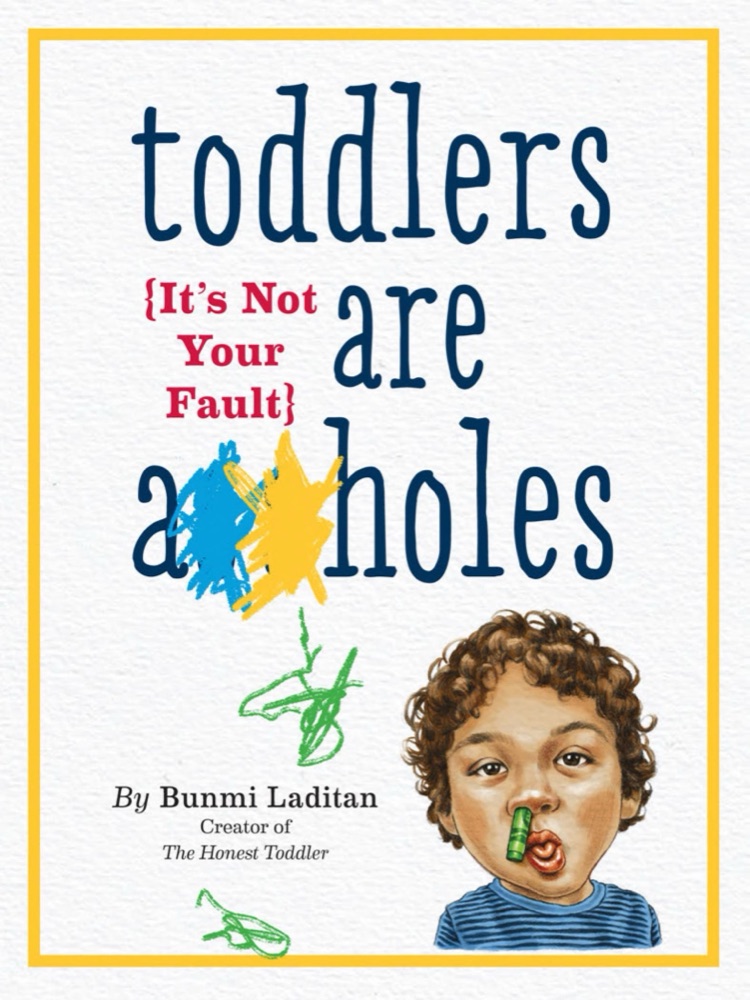 Toddlers Are A**holes: It's Not Your Fault
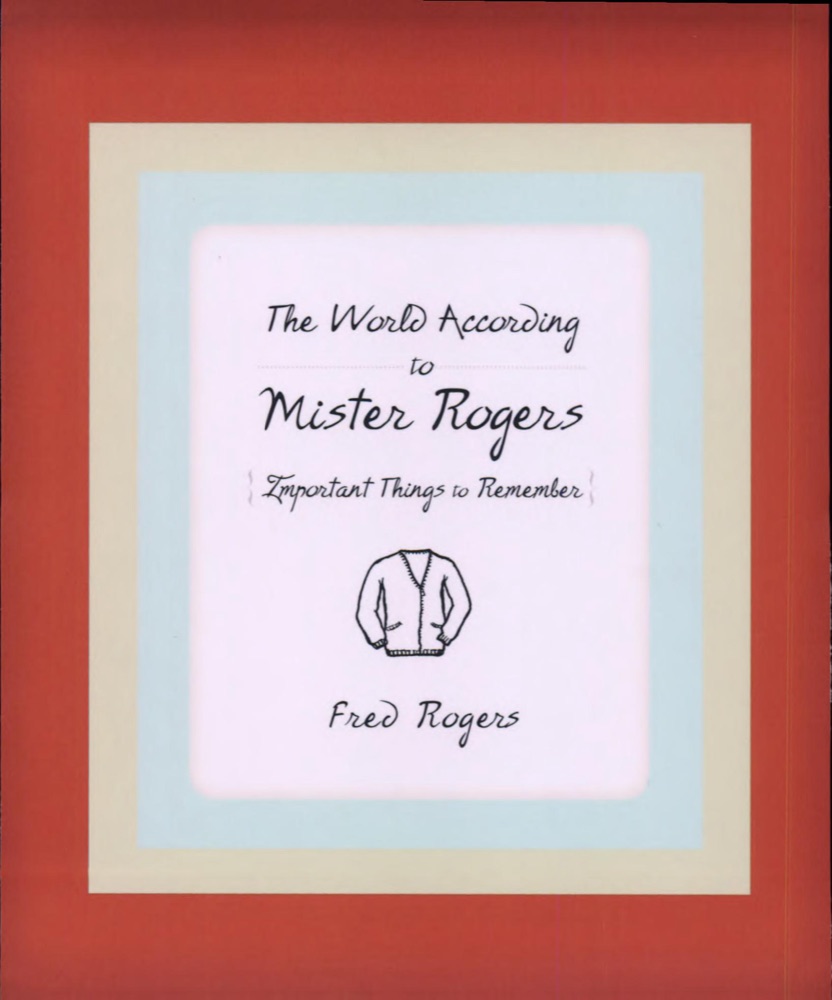 The World According to Mister Rogers: Important Things to Remember
 Complex PTSD: From Surviving to Thriving
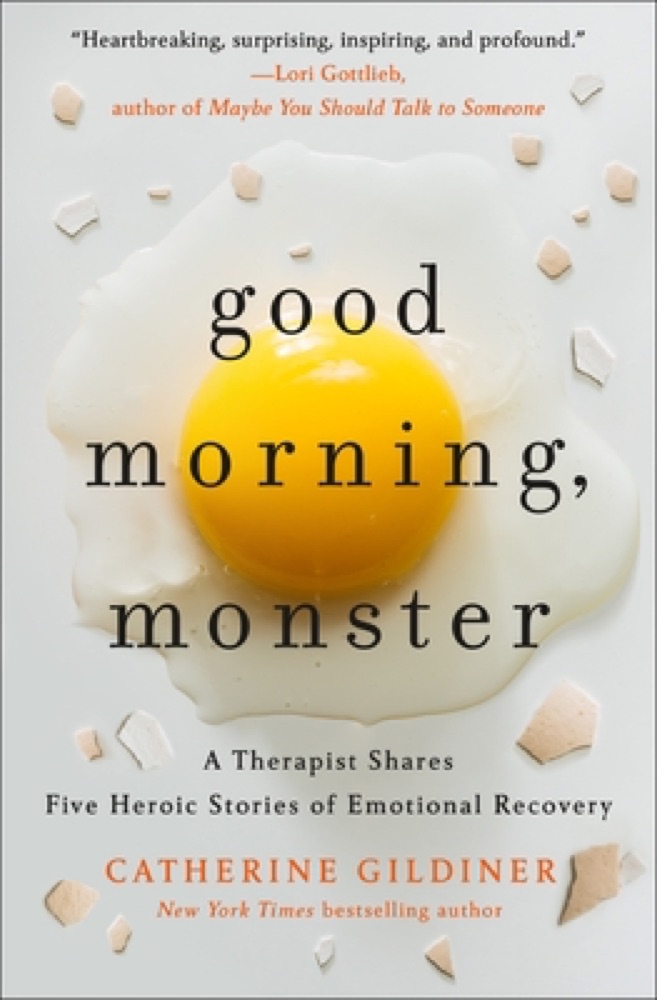 Good Morning, Monster: A Therapist Shares Five Heroic Stories of Emotional Recovery
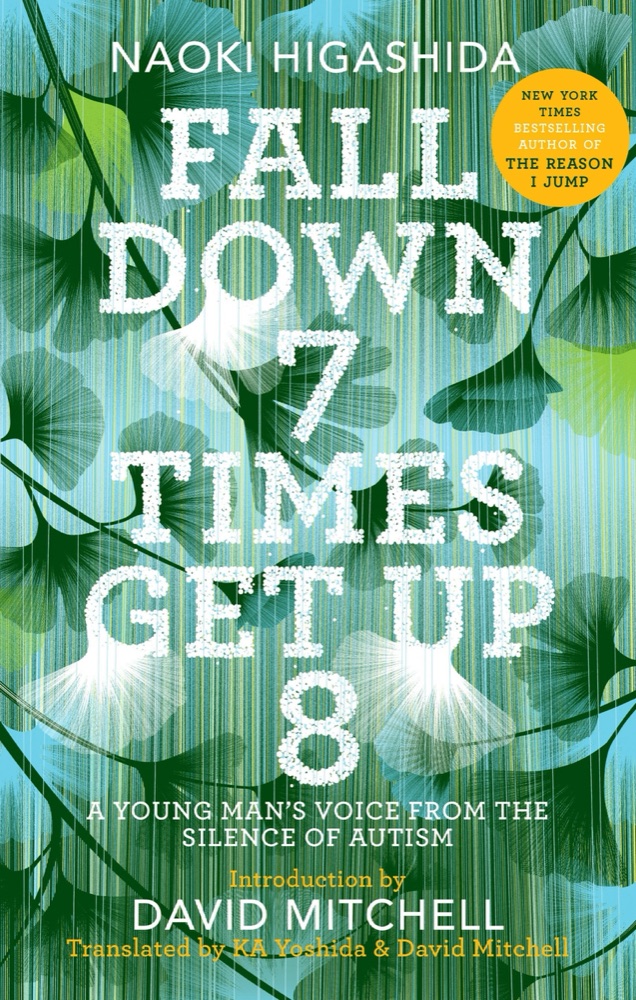 Fall Down 7 Times Get Up 8: A Young Man's Voice from the Silence of Autism
 The Game
 Different, Not Less: A Neurodivergent's Guide to Embracing Your True Self and Finding Your Happily Ever After
 Ten Things Every Child with Autism Wishes You Knew
 Some Assembly Required: A Journal of My Son's First Son
 Cribsheet: A Data-Driven Guide to Better, More Relaxed Parenting, from Birth to Preschool
 Fair Play: A Game-Changing Solution for When You Have Too Much to Do
 Mrs Funnybones
 Becoming Better Grownups: Rediscovering What Matters and Remembering How to Fly