
 Boys Adrift: The Five Factors Driving the Growing Epidemic of Unmotivated Boys and Underachieving Young Men
Quotes from the Book
You don't teach virtue by preaching virtue. You teach virtue by requiring virtuous behavior, so that virtuous behavior becomes a habit.
5
Robert Grant, sixth headmaster at Shore, was fond of making one particular remark to the parents of students newly enrolled at the school. He liked to say, “I hope your child will be severely disappointed during his time at this school.” The parents were often confused. Why would the headmaster wish for my child to be severely disappointed? Grant would explain that if a student does not experience real disappointment at school, then he will be unprepared for disappointment when it comes in real life.
4
Why is ADHD so much more common in the United States today than it was 30 or 40 years ago? And why is it so much more common today in the United States than elsewhere? My answer is “the medicalization of misbehavior.
4
Too often, parents today allow their desire to please their child to govern their parenting. If your relationship with your child is governed by your own desire to be loved by him or her, the odds are good that you will not achieve even that objective.
4
Today, for most kids in the United States and Canada, kids’ primary attachment is to other kids. “For the first time in history,” Neufeld observes, “young people are turning for instruction, modeling, and guidance not to mothers, fathers, teachers, and other responsible adults but to people whom nature never intended to place in a parenting role—their own peers. .
4
By exempting your child from all chores, as many affluent American families now do, you are sending the message, "Your time is too valuable to be spent on menial tasks," which easily morphs into the unintended message "You are too important to do menial tasks." And that unintended message puffs up the bloated self-esteem that now characterizes many American kids.
4
The change in the early elementary curriculum and the consequent neglect of teaching socialization places a greater burden than ever before on the American parent. But just when kids need parents more than ever to teach them the whole package of what it means to be a good person in this particular culture, the authority of parents to do that job has been undermined. We now live in a culture in which kids value the opinion of same-age peers more than they value the opinion of their parents, a culture in which the authority of parents has declined not only in the eyes of children but also in the eyes of parents themselves. Parents today suffer from role confusion.
3
To become a better parent, you must become a better person.
3
What does it mean to assert your authority as a parent? It doesn’t necessarily mean being a tough disciplinarian. Among other things, it means ensuring that the parent-child relationship takes priority over the relationships between the child and her or his same-age peers.
2
I told mom that she was confusing happiness with pleasure. That's common today. A trip to the video arcade may be a source of pleasure, but it will not give lasting and enduring happiness. This mother's son derives pleasure from playing video games, but playing video games in an online world is unlikely to be a source of real fulfillment. The pleasure derived from a video game may last for weeks or even months. But it will not last many years, in my firsthand observation Of many young men over the past two decades. The boy either moves on to something else, or the happiness undergoes a silent and malignant transformation into addiction. The hallmark of addiction is decreasing pleasure over time. Tolerance develops. Playing the game becomes compulsive, almost involuntary. It no longer gives the thrill and pleasure it once did. But the addict can no longer find pleasure in anything else. Pleasure is not the same thing as happiness. The gratification Of desire yields pleasure, not lasting happiness. Happiness comes from fulfillment, from living up to your potential, which means more than playing online video games.
2
My parents taught me not to rely on others, unless it involved an electrical current. Our family Sundays were also the source of many, many of our favorite family stories because we were all together. I wanted my boys to know the same strength. Life is not so scary if you know how to do things,
2
In every era and in every culture, warnings abound regarding the errors to which that culture is least prone. In puritanical eras, pastors preach about the dangers of indulging the flesh. In indulgent eras, TV talk show hosts warn about the dangers of puritanism. In an era of “walk tall” and “stand proud,” it takes courage to teach humility. And it won’t earn you many friends.
2
graduates of elite American universities who had little sense of what they wanted to do with their lives. Some of them decided to get a job working for a Wall Street investment bank or management consultancy. If you don’t know what your passion is or what you really want to do, they said, then “you might as well go to Wall Street and make a lot of money if you can’t think of anything better to do.”36 And I have heard similar comments from young graduates of selective colleges and universities. Nobody has ever taught them that what you do influences the kind of person you will become.
2
I know an American family that spent several years living in England. They had one son, who was an average student: not great, but not terrible. When the family returned home to the United States, the parents enrolled him in the local public school. Mom was startled by the continual drumbeat from teachers and other parents: “Maybe your son has ADHD. Have you considered trying a medication?” She told me, “It was weird, like everybody was in on this conspiracy to medicate my son. In England, none of the kids is on medication. Or if they are, it’s a secret. But I really don’t think many are. Here it seems like almost all the kids are on medication. Especially the boys.
2
The child expects to look up to the parent, to be instructed by the parent, indeed to be commanded by the parent. If the parent instead serves the child, then that relationship falls out of its natural balance. You may not earn your child’s love at all—and the
2
When parents matter more than peers, they can teach right and wrong in a meaningful way. They can prioritize attachments within the family over attachments with same-age peers. They can foster better relationships between their child and other adults. They can help their child develop a more robust and more authentic sense of self, grounded not in how many “likes” a photo gets on Instagram or Facebook but in the child’s truest nature. They can educate desire, instilling a longing for higher and better things, in music, in the arts, and in one’s own character.
2
more than parents. For most of the history of the human race, children have learned culture from the adults. That’s why childhood and adolescence have to last so long in our species. But in the United States today, kids no longer learn culture from the grown-ups. American kids today have their own culture, a culture of disrespect, which they learn from their peers and which they teach to their peers.
2
If you are working 80 hours a week at a job which shrivels your soul, then you are a slave. I don't are whether you are earning $600,000 a year or more. Life is precious. Each minute is a priceless gift. No amount of money can reclaim lost time.
2
Turn off the device and take your child for a walk through the woods or on a hike up a mountain. Go on a camping trip. Late at night, when it's absolutely dark, take your child's hand and ask her to look up at the stars. Talk with her about the vastness of space and the tininess of our planet in the universe. That's reality. That's perspective.
2
When Aaron came home from the tryout, why didn’t he take up the coach’s challenge to return, to try harder? When Julia discovered that she wasn’t as smart as she thought, why did she collapse? The answer in both cases is that these kids are fragile. It doesn’t take much for them to give up and retreat, as Aaron did, or to fall apart, as Julia did. Fragility has become a characteristic of American children and teenagers to an extent unknown 25 years ago. That
2
Courtney isn’t independent. No 12-year-old truly is. Instead, Courtney has transferred her natural dependence from her parents, where it should be, to her same-age peers, where it shouldn’t be. Courtney’s top priorities now lie in pleasing her friends, being liked by her friends, being accepted by same-age peers. Her parents have become an afterthought, a means to other ends.
2
I did not find one that depicts a parent as consistently reliable and trustworthy.
1
Celebration of the new over the old easily translates into a celebration of young over the old, of young people over old people. The cult of youth, the celebration of youth for youth's sake s more pervasive in the United States than any other culture I have visited . . . When the culture values youth over maturity, the authority of parents is undermined.
1
In all your arrangements for your child
A culture in which the highest priority is serving others is a culture which is fundamentally healthy for children and teenagers. In the words of Dr. Martin Luther King Jr.: “Everybody can be great
Exercising self-restraint in today's teen culture is downright un-American.
Watch on YouTube
About Leonard Sax
We have collected 32 quotes from 2 books by Leonard Sax on BookQuoters.
More about the author →More by Leonard Sax
Boys Adrift: The Five Factors Driving the Growing Epidemic of Unmotivated Boys and Underachieving Young Men
About the book
In The Collapse of Parenting , physician, psychologist, and internationally acclaimed author Leonard Sax presents data documenting a dramatic decline in the achievement and psychological health of American children. Sax argues that rising levels of obesity, depression, and anxiety among young people—as well as the explosion in prescribing psychiatric medications to kids—can all be traced to parents letting their kids call the shots.
Many parents are afraid of seeming too dictatorial and end up abdicating their authority rather than taking a stand with their own children. If kids refuse to eat anything green and demand pizza instead, some parents give in, inadvertently raising children who are more likely to become obese. If children are given smartphones and allowed to spend the bulk of their free time texting, playing video games, and surfing the Internet, they become increasingly reli
Book details
- First published
- 2015
- Author
- Leonard Sax
- Genre
- Nonfiction
- Goodreads rating
- 4.28 (6k ratings)
Keep reading
 How to Raise an Adult: Break Free of the Overparenting Trap and Prepare Your Kid for Success
 The Gift of Failure: How the Best Parents Learn to Let Go So Their Children Can Succeed
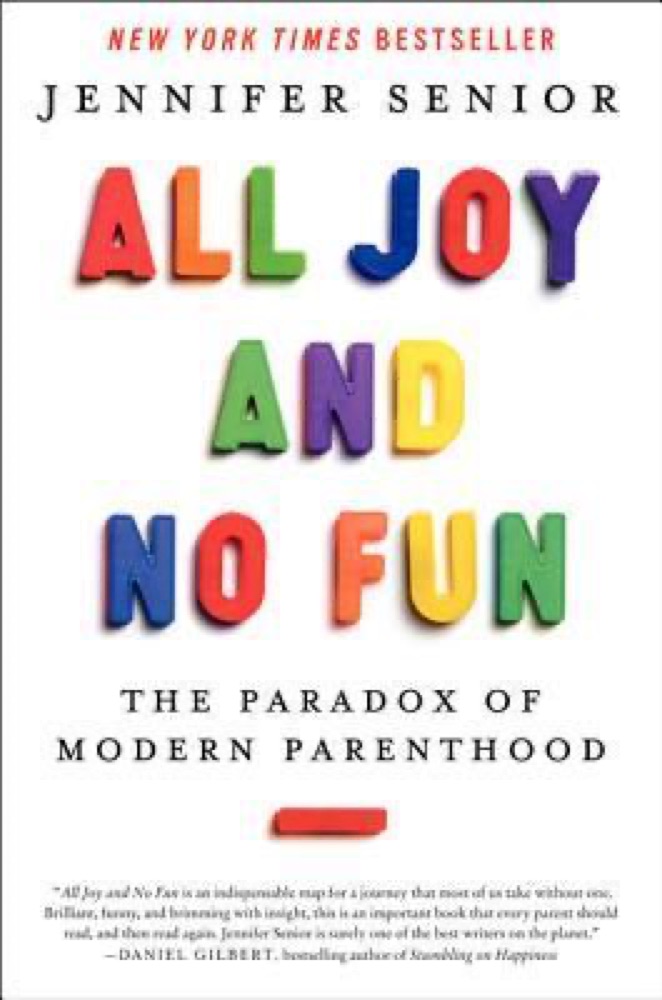 All Joy and No Fun: The Paradox of Modern Parenthood
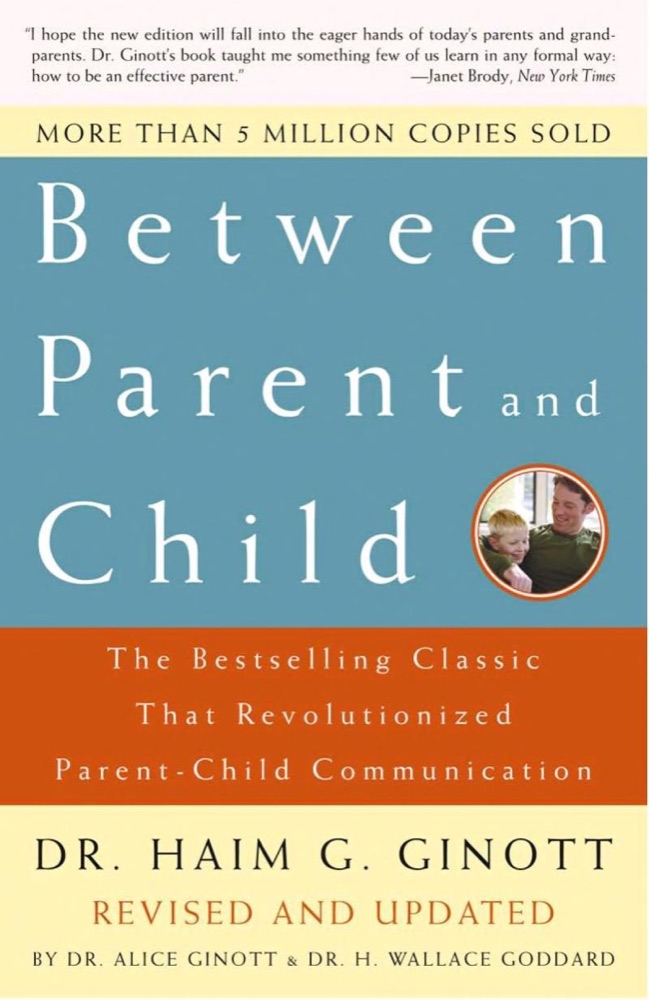 Between Parent and Child
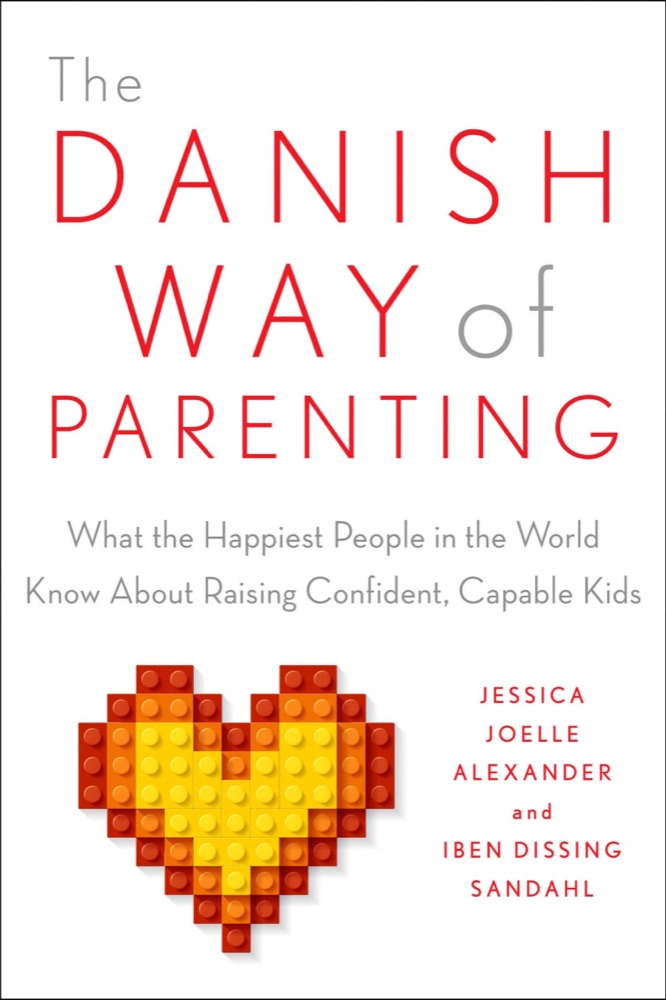 The Danish Way of Parenting: What the Happiest People in the World Know About Raising Confident, Capable Kids
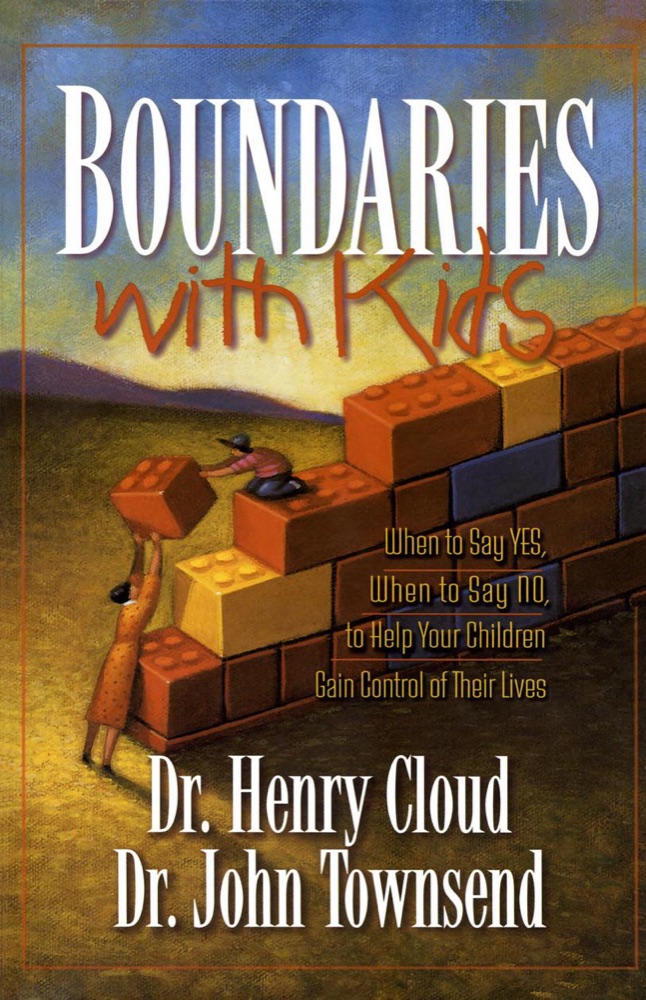 Boundaries with Kids: How Healthy Choices Grow Healthy Children
 Parent Effectiveness Training: The Proven Program for Raising Responsible Children
 The Vanishing American Adult: Our Coming-of-Age Crisis—and How to Rebuild a Culture of Self-Reliance
![The Book You Wish Your Parents Had Read [and Your Children Will Be Glad That You Did]](/i/book/g/63/the-book-you-wish-your-parents-had-read-and-your-children-will-be-glad-that-you-did.jpg) The Book You Wish Your Parents Had Read [and Your Children Will Be Glad That You Did]
The Book You Wish Your Parents Had Read [and Your Children Will Be Glad That You Did]
 Shepherding a Child's Heart
 Simplicity Parenting: Using the Extraordinary Power of Less to Raise Calmer, Happier, and More Secure Kids
 The Awakened Family: A Revolution in Parenting
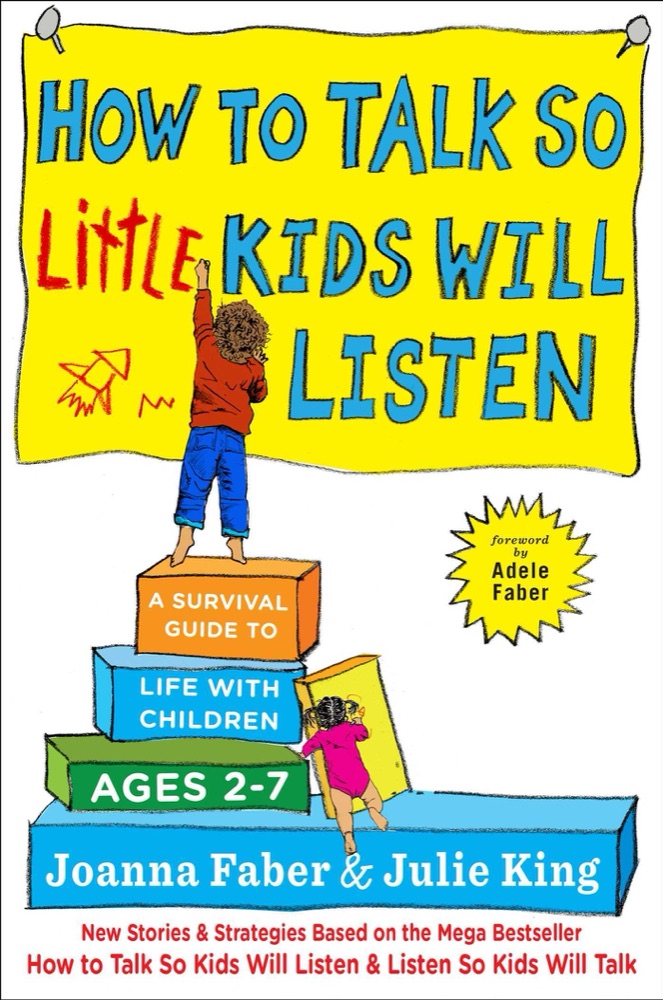 How to Talk So Little Kids Will Listen: A Survival Guide to Life with Children Ages 2-7
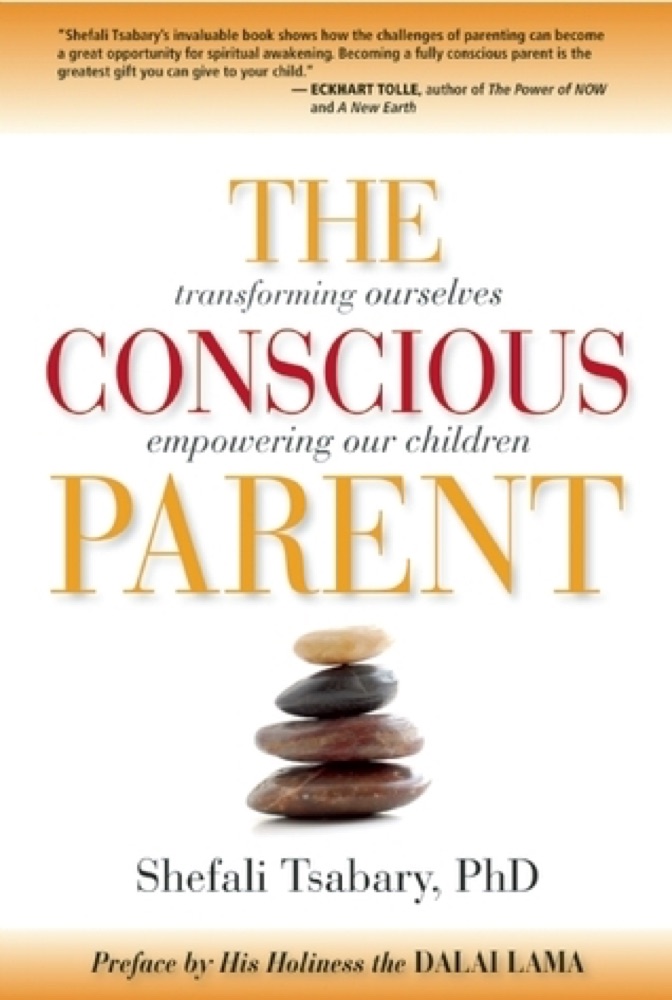 The Conscious Parent: Transforming Ourselves, Empowering Our Children
 Hold On, But Don't Hold Still
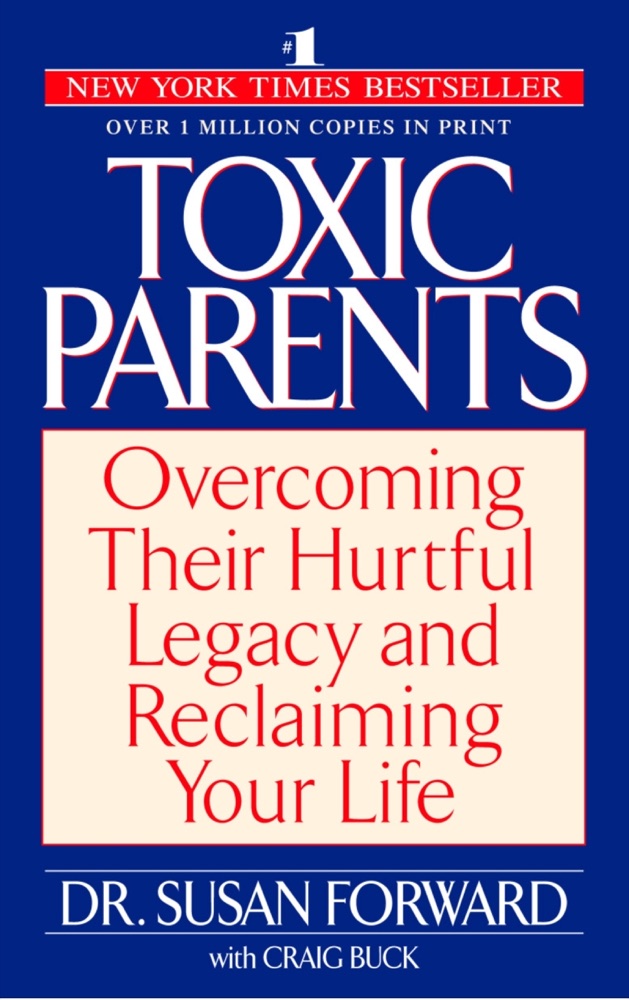 Toxic Parents: Overcoming Their Hurtful Legacy and Reclaiming Your Life
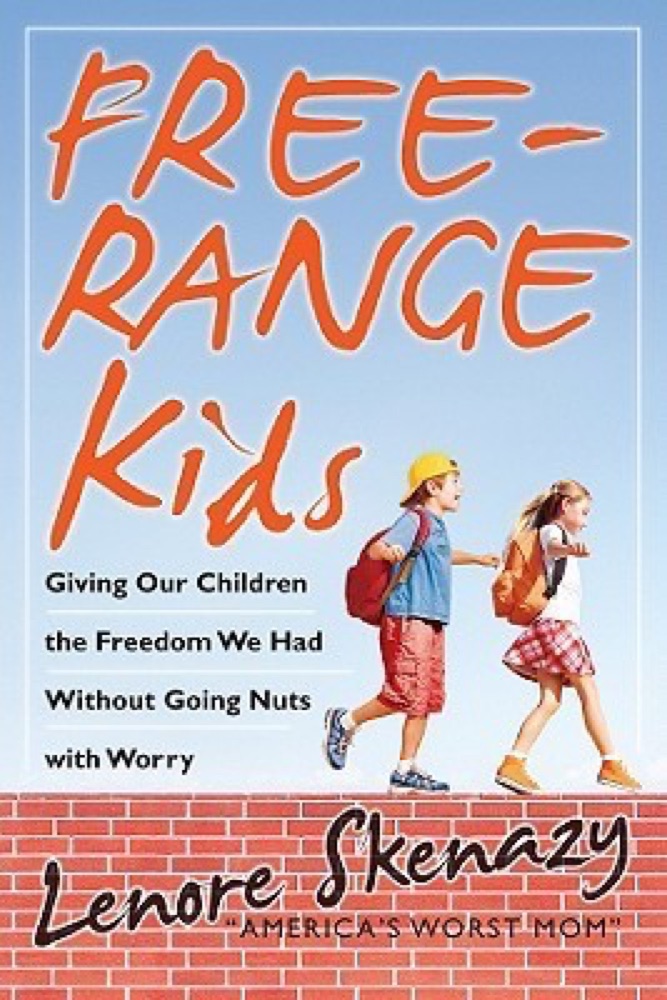 Free-Range Kids: Giving Our Children the Freedom We Had Without Going Nuts With Worry
 Scattered Minds: The Origins and Healing of Attention Deficit Disorder
 A Beautiful Day in the Neighborhood: The Poetry of Mister Rogers
 How to Talk So Kids Will Listen & Listen So Kids Will Talk
 The Blessing of a Skinned Knee: Using Jewish Teachings to Raise Self-Reliant Children
 Free to Learn: Why Unleashing the Instinct to Play Will Make Our Children Happier, More Self-Reliant, and Better Students for Life
 Momma Cusses
 Troubled: A Memoir of Foster Care, Family, and Social Class
 Coming Apart: The State of White America, 1960-2010
 NurtureShock: New Thinking About Children
 Bringing Up Bébé: One American Mother Discovers the Wisdom of French Parenting
 Running on Empty: Overcome Your Childhood Emotional Neglect
 For Your Own Good: Hidden Cruelty in Child-Rearing and the Roots of Violence
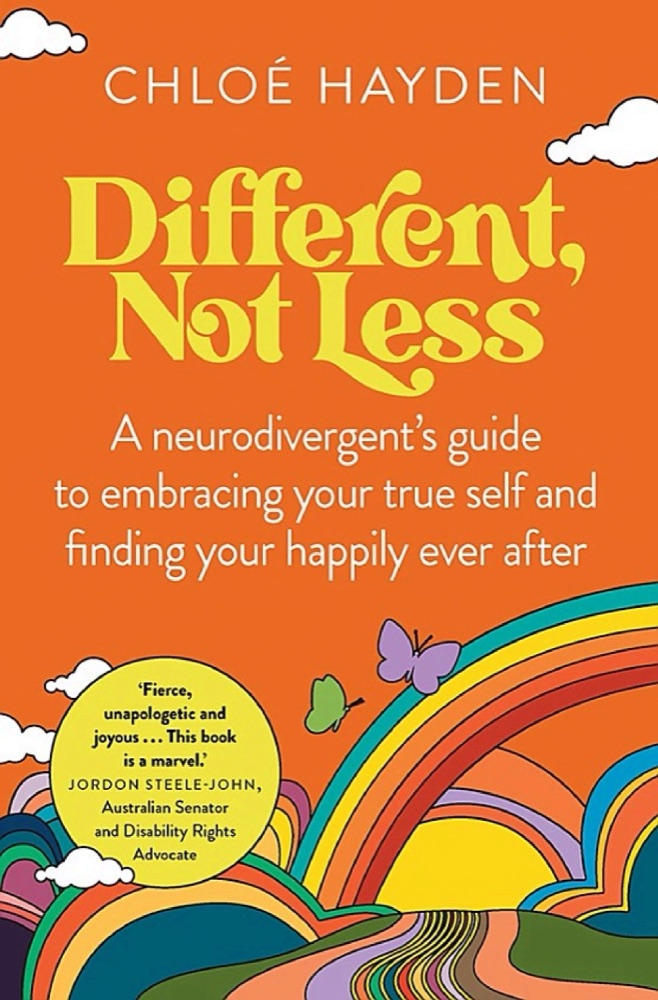 Different, Not Less: A Neurodivergent's Guide to Embracing Your True Self and Finding Your Happily Ever After
 The Anxious Generation: How the Great Rewiring of Childhood Caused an Epidemic of Mental Illness
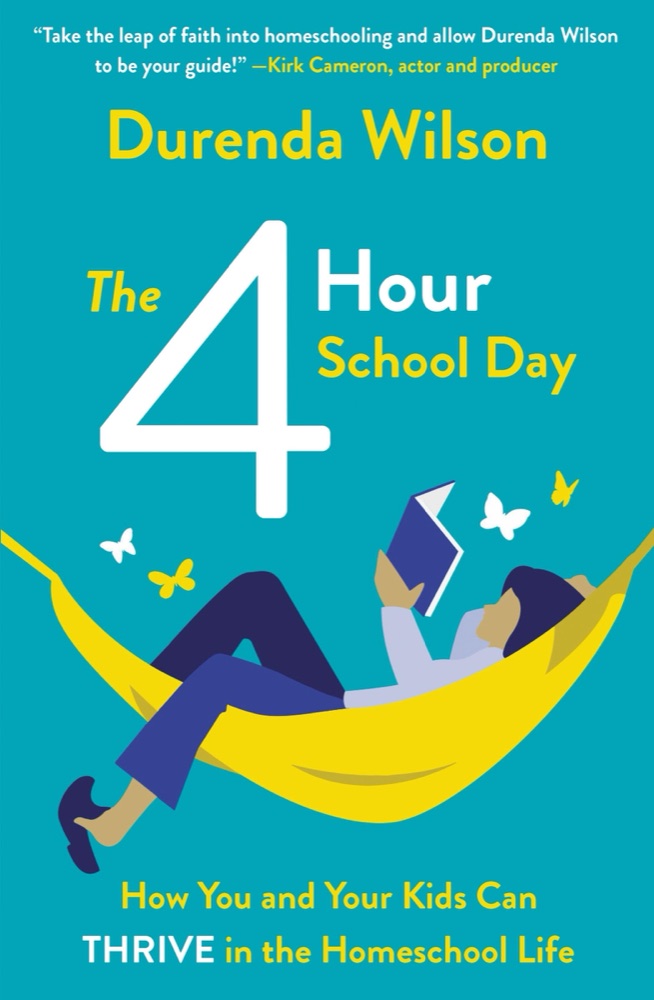 The Four-Hour School Day: How You and Your Kids Can Thrive in the Homeschool Life
 This Is What Inequality Looks Like
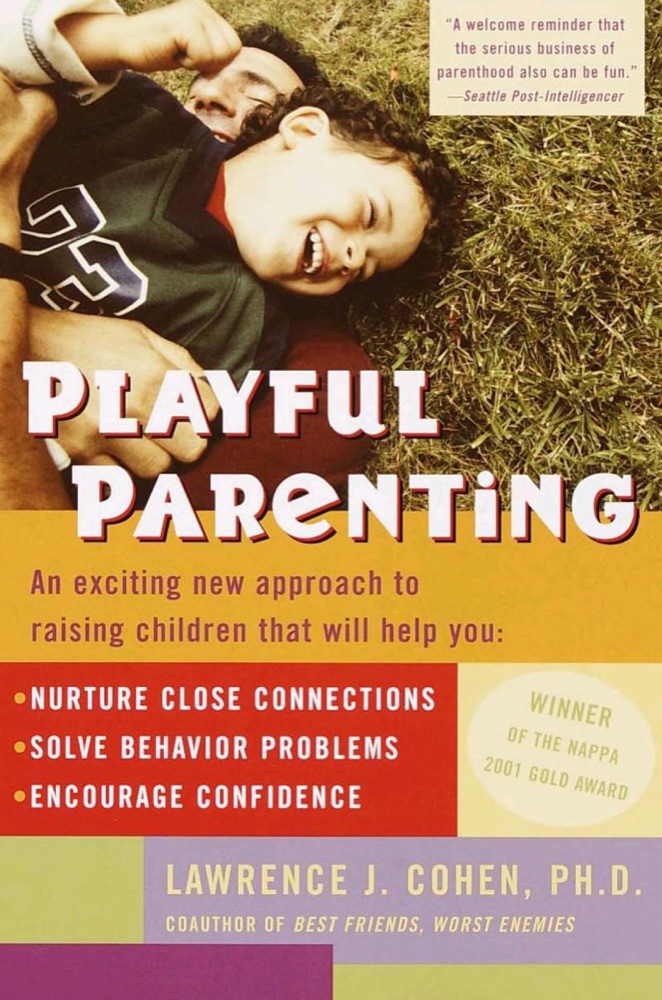 Playful Parenting: An Exciting New Approach to Raising Children That Will Help You Nurture Close Connections, Solve Behavior Problems, and Encourage Confidence
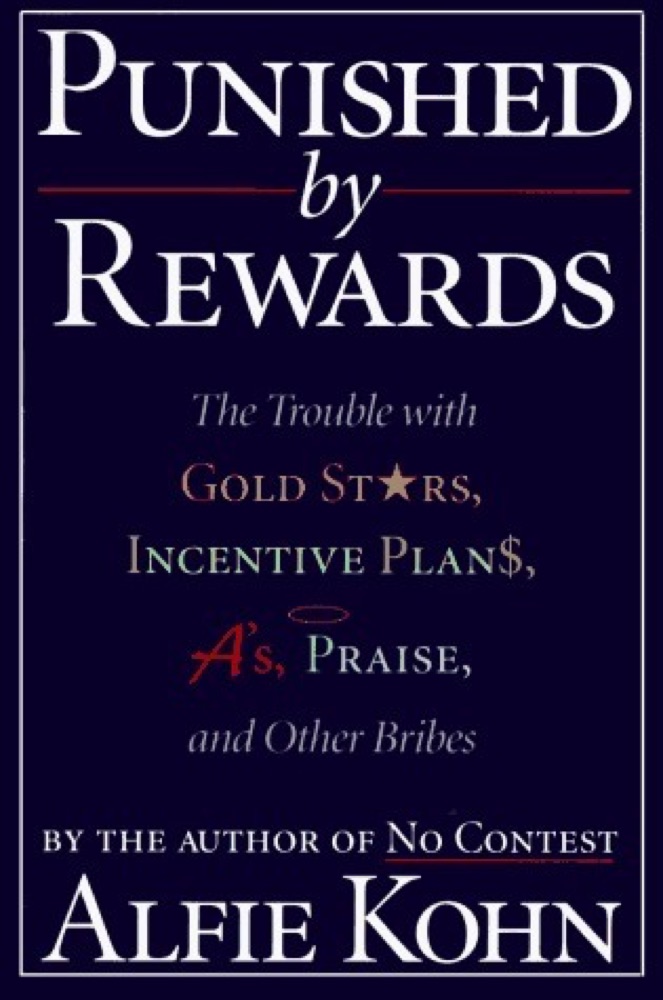 Punished by Rewards: The Trouble with Gold Stars, Incentive Plans, A's, Praise and Other Bribes
 The Brave Learner: Finding Everyday Magic in Homeschool, Learning, and Life
 The Wild and Free Family: Forging Your Own Path to a Life Full of Wonder, Adventure, and Connection
 How Children Fail
 Montessori from the Start: The Child at Home, from Birth to Age Three
 The Boy Who Was Raised as a Dog: And Other Stories from a Child Psychiatrist's Notebook
 Loving the Little Years: Motherhood in the Trenches
 The Read-Aloud Family: Making Meaningful and Lasting Connections with Your Kids
 The Measure of a Man: A Spiritual Autobiography
 The 7 Habits Of Highly Effective Teens
 The Social Animal: The Hidden Sources of Love, Character, and Achievement
 The Absorbent Mind
 I Can Barely Take Care of Myself: Tales From a Happy Life Without Kids
 Far from the Tree: Parents, Children, and the Search for Identity
 Kids These Days: Human Capital and the Making of Millennials
 Born a Crime: Stories From a South African Childhood
 The Defining Decade: Why Your Twenties Matter—And How to Make the Most of Them Now
 The Smartest Kids in the World: And How They Got That Way
 Raising a Secure Child: How Circle of Security Parenting Can Help You Nurture Your Child's Attachment, Emotional Resilience, and Freedom to Explore
 Us: Getting Past You and Me to Build a More Loving Relationship
 Confessions of a Scary Mommy: An Honest and Irreverent Look at Motherhood - The Good, The Bad, and the Scary
 Some Assembly Required: A Journal of My Son's First Son
 12 Rules for Life: An Antidote to Chaos
 Excellent Sheep: The Miseducation of the American Elite and the Way to a Meaningful Life