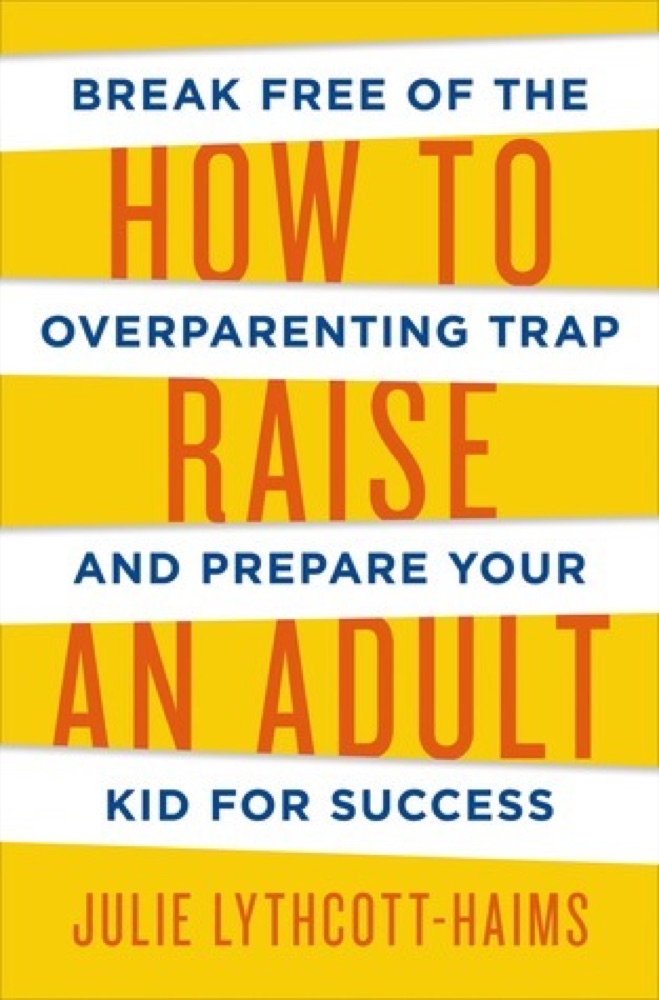

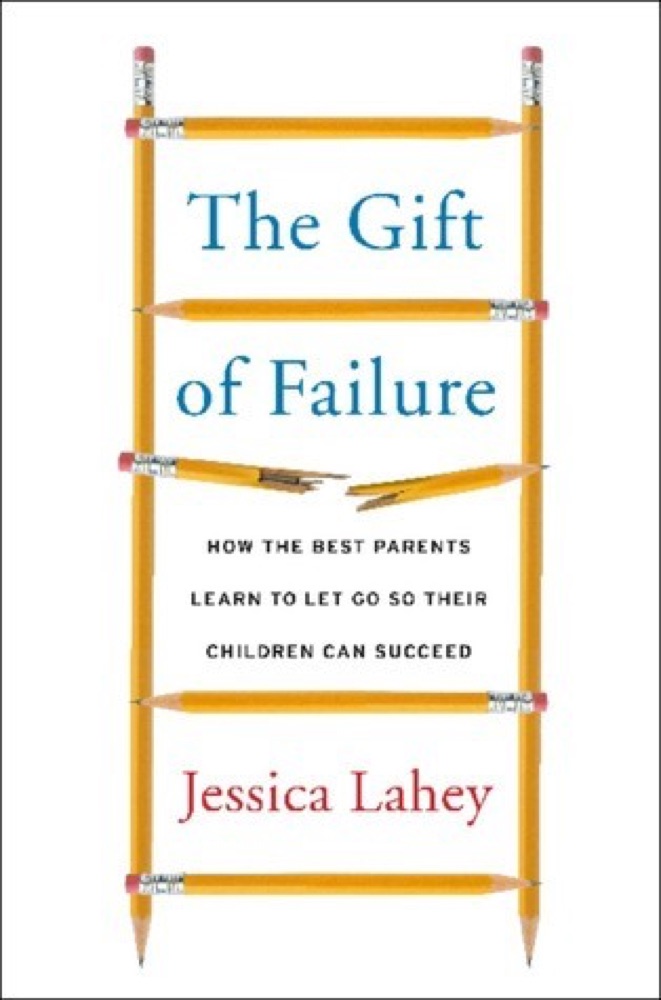
 The Gift of Failure: How the Best Parents Learn to Let Go So Their Children Can Succeed
Quotes from the Book
If you’re overfocused on your kid, you’re quite likely underfocusing on your own passion. Despite what you may think, your kid is not your passion. If you treat them as if they are, you’re placing them in the very untenable and unhealthy role of trying to bring fulfillment to your life. Support your kid’s interests, yes. Be proud—very proud—of them. But find your own passion and purpose. For your kid’s sake and your own, you must.
18
Why did parenting change from preparing our kids for life to protecting them from life, which means they’re not prepared to live life on their own?
9
When children aren’t given the space to struggle through things on their own, they don’t learn to problem solve very well. They don’t learn to be confident in their own abilities, and it can affect their self-esteem. The other problem with never having to struggle is that you never experience failure and can develop an overwhelming fear of failure and of disappointing others. Both the low self-confidence and the fear of failure can lead to depression or anxiety,” Able said.
8
Resilience is built from real hardship and cannot be bought or manufactured.
7
Not only does overparenting hurt our children; it harms us, too. Parents today are scared, not to mention exhausted, anxious, and depressed.
6
A DIFFERENT KIND OF CHECKLIST If we want our kids to have a shot at making it in the world as eighteen-year-olds, without the umbilical cord of the cell phone being their go-to solution in all manner of things, they’re going to need a set of basic life skills. Based upon my observations as dean, and the advice of parents and educators around the country, here are some examples of practical things they’ll need to know how to do before they go to college—and here are the crutches that are currently hindering them from standing up on their own two feet: 1. An eighteen-year-old must be able to talk to strangers—faculty, deans, advisers, landlords, store clerks, human resource managers, coworkers, bank tellers, health care providers, bus drivers, mechanics—in the real world.
5
Nothing has a stronger influence psychologically on their environment and especially on their children than the unlived life of the parent. —Carl Jung
3
Taking the long view, we need to teach our kids street smarts, like the importance of walking with a friend instead of alone, and how to discern bad strangers from the overwhelming majority of good ones. If we prevent our children from learning how to navigate the world beyond our front yard, it will only come back to haunt them later on when they feel frightened, bewildered, lost, or confused out on the streets.
3
There’s a popular, potent story right now that says success is a straight line from the right school to the right college to the right internship to the right grad school to your chosen profession.” “Raise your hand if this is the path that you took.” About 5 percent of the hands went up. “That’s right,” she said. “In any group of people only 1–10 percent have taken a straight trajectory. The much more common route is circuitous.
3
Do you think parents at your school would rather their kid be depressed at Yale or happy at University of Arizona?” The colleague quickly replied, “My guess is 75 percent of the parents would rather see their kids depressed at Yale. They figure that the kid can straighten the emotional stuff out in his/her 20’s, but no one can go back and get the Yale undergrad degree.
3
Happiness and self-confidence can be the by-products of other things, but they cannot really be goals unto themselves.
2
We’re depriving our kids of the chance to do the work of life for themselves.
2
I suspect that twenty years down the road they’ll be having midlife crises, feeling they were in a straitjacket. Failure to recognize that an education has to be seized rather than delivered to you is the harm that’s really done.
2
I think I can, I think I can!” Another word for that mind-set is “self-efficacy,” a central concept within the field of human psychology developed in the 1970s by eminent psychologist Albert Bandura. Self-efficacy means having the belief in your abilities to complete a task, reach goals, and manage a situation.2 It means believing in your abilities—not in your parents’ abilities to help you do those things or to do them for you.
2
Yes we dream of our selves, of what we will become,” Chi Ling told me, “but it’s the environment that tells us what is possible. I don’t think our dreams are limitless; they are bounded by the society we live in and its conception of what is respectable and good.
2
Perfectionism is not only the enemy of the good; it is the enemy of adulthood.
1
Sometimes you have to do things you don't want to do but you suck it up and do it anyway, and that's what teaches you humility, work ethic, responsibility, and follow-through.
1
A sense of purpose is essential for achieving happiness and satisfaction in life.
1
Levine said that when we parent this way we deprive our kids of the opportunity to be creative, to problem solve, to develop coping skills, to build resilience, to figure out what makes them happy, to figure out who they are. In short, it deprives them of the chance to be, well, human. Although we overinvolve ourselves to protect our kids and it may in fact lead to short-term gains, our behavior actually delivers the rather soul-crushing news: “Kid, you can’t actually do any of this without me.
1
What we do brag about is our kids’ perfectness even as simultaneously we evince so little actual faith in their ability to do the work of living life on their own, the way every prior generation of humans somehow has. Instead of a belief in them, we have great faith that our skills, plans, and dreams are the right tools for constructing their lives.
1
The data emerging about the mental health of our kids only confirms the harm done by asking so little of our kids when it comes to life skills, yet so much of them when it comes to adhering to the academic plans we’ve made for them and achieving more, ever more academically. They are stressed out of their minds and have no resilience with which to cope with that stress, and we continue along our pressurizing path, as if this trauma is not happening, or as if somehow our kids’ struggles—this suffering—is, or will be, “worth it.” The guidance center bulletin from any
1
What will become of young adults who look accomplished on paper but seem to have a hard time making their way in the world without the constant involvement of their parents? How will the real world feel to a young person who has grown used to problems being solved for them and accustomed to praise at every turn? Is it too late for them to develop a hunger to be in charge of their own lives? Will they at some point stop referring to themselves as kids and dare to claim the “adult” label for themselves? If not, then what will become of a society populated by such “adults”? These were the questions that began to gnaw at
1
Don’t do for your kid what your kid can already do, or can almost do. When we overparent we delay moving from the first bullet point to the second, we really get stalled at moving from the second to the third, and we may never get to the fourth bullet point at all. But we must. The real world will demand that our kids be able to execute bullet point four.
we define success too narrowly. And what’s worse, this narrow, misguided definition of success has led us to harm a generation of young adults—our children.
When my kids are storming about the house, it’s tempting to feel ‘My kid is angry at me’ and to want to do something about it. Now, I can accept that they can be unhappy or angry, and I don’t need to soothe their feelings; it’s okay.
A parent’s well-being can’t be dependent on whether or not the kid is having a good day.
the educational benefits of consequences are a gift, not a dereliction of duty.” She writes, “Year after year, my ‘best’ students—the ones who are happiest and successful in their lives—are the students who were allowed to fail, held responsible for missteps, and challenged to be the best people they could be in the face of their mistakes.
And of course if we swoop in and handle the ants ourselves, we’ve taught them nothing.
A human’s worth comes not from our GPA but from our character, which is our degree of kindness, generosity, fairness, and willingness to work hard, among other things. Character boils down to what we do even when no one is looking or keeping score.
Watch on YouTube
About Julie Lythcott-Haims
We have collected 29 quotes from 1 book by Julie Lythcott-Haims on BookQuoters.
More about the author →About the book
A provocative manifesto that exposes the harms of helicopter parenting and sets forth an alternate philosophy for raising preteens and teens to self-sufficient young adulthood
In How to Raise an Adult, Julie Lythcott-Haims draws on research, on conversations with admissions officers, educators, and employers, and on her own insights as a mother and as a student dean to highlight the ways in which overparenting harms children, their stressed-out parents, and society at large. While empathizing with the parental hopes and, especially, fears that lead to overhelping, Lythcott-Haims offers practical alternative strategies that underline the importance of allowing children to make their own mistakes and develop the resilience, resourcefulness, and inner determination necessary for success.
Relevant to parents of toddlers as well as of twentysomethings-and of special value to parents of
Book details
- First published
- 2015
- Author
- Julie Lythcott-Haims
- Genre
- Nonfiction
- Goodreads rating
- 4.07 (13k ratings)
Keep reading
The Gift of Failure: How the Best Parents Learn to Let Go So Their Children Can Succeed
 The Collapse of Parenting: How We Hurt Our Kids When We Treat Them Like Grown-Ups
 The Danish Way of Parenting: What the Happiest People in the World Know About Raising Confident, Capable Kids
 All Joy and No Fun: The Paradox of Modern Parenthood
 Boundaries with Kids: How Healthy Choices Grow Healthy Children
 The Vanishing American Adult: Our Coming-of-Age Crisis—and How to Rebuild a Culture of Self-Reliance
 Momma Cusses
 The Awakened Family: A Revolution in Parenting
 The Defining Decade: Why Your Twenties Matter—And How to Make the Most of Them Now
 The Wild and Free Family: Forging Your Own Path to a Life Full of Wonder, Adventure, and Connection
 A Beautiful Day in the Neighborhood: The Poetry of Mister Rogers
 Simplicity Parenting: Using the Extraordinary Power of Less to Raise Calmer, Happier, and More Secure Kids
 Parent Effectiveness Training: The Proven Program for Raising Responsible Children
 The Conscious Parent: Transforming Ourselves, Empowering Our Children
 Hold On, But Don't Hold Still
 The Brave Learner: Finding Everyday Magic in Homeschool, Learning, and Life
 Excellent Sheep: The Miseducation of the American Elite and the Way to a Meaningful Life
 Free-Range Kids: Giving Our Children the Freedom We Had Without Going Nuts With Worry
 Between Parent and Child
 Troubled: A Memoir of Foster Care, Family, and Social Class
 How to Talk So Little Kids Will Listen: A Survival Guide to Life with Children Ages 2-7
 Late Bloomers: The Power of Patience in a World Obsessed with Early Achievement
 The Four-Hour School Day: How You and Your Kids Can Thrive in the Homeschool Life
![The Book You Wish Your Parents Had Read [and Your Children Will Be Glad That You Did]](/i/book/g/63/the-book-you-wish-your-parents-had-read-and-your-children-will-be-glad-that-you-did.jpg) The Book You Wish Your Parents Had Read [and Your Children Will Be Glad That You Did]
The Book You Wish Your Parents Had Read [and Your Children Will Be Glad That You Did]
 Different, Not Less: A Neurodivergent's Guide to Embracing Your True Self and Finding Your Happily Ever After
 Free to Learn: Why Unleashing the Instinct to Play Will Make Our Children Happier, More Self-Reliant, and Better Students for Life
 Montessori from the Start: The Child at Home, from Birth to Age Three
 This Is What Inequality Looks Like
 The Anxious Generation: How the Great Rewiring of Childhood Caused an Epidemic of Mental Illness
 Punished by Rewards: The Trouble with Gold Stars, Incentive Plans, A's, Praise and Other Bribes
 The Blessing of a Skinned Knee: Using Jewish Teachings to Raise Self-Reliant Children
 Toxic Parents: Overcoming Their Hurtful Legacy and Reclaiming Your Life
 Coming Apart: The State of White America, 1960-2010
 The 7 Habits Of Highly Effective Teens
 Kids These Days: Human Capital and the Making of Millennials
 The Element: How Finding Your Passion Changes Everything
 The Social Animal: The Hidden Sources of Love, Character, and Achievement
 The Read-Aloud Family: Making Meaningful and Lasting Connections with Your Kids
 What Made Maddy Run: The Secret Struggles and Tragic Death of an All-American Teen
 Running on Empty: Overcome Your Childhood Emotional Neglect
 Shepherding a Child's Heart
 Overwhelmed: Work, Love, and Play When No One Has the Time
 The Algebra of Happiness: Notes on the Pursuit of Success, Love, and Meaning
 The Absorbent Mind
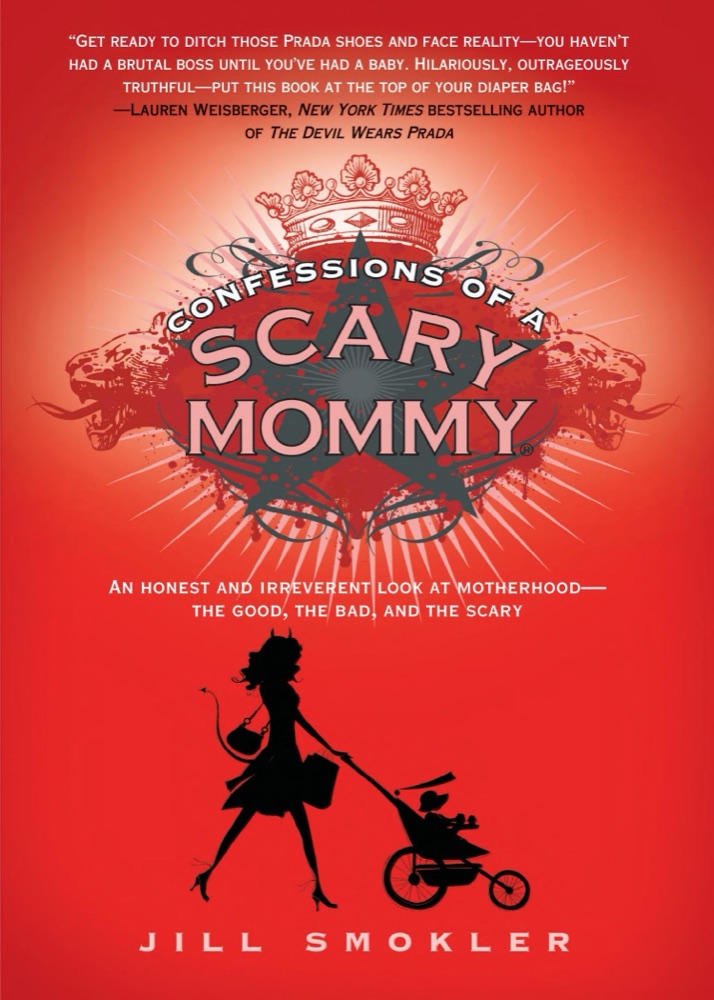 Confessions of a Scary Mommy: An Honest and Irreverent Look at Motherhood - The Good, The Bad, and the Scary
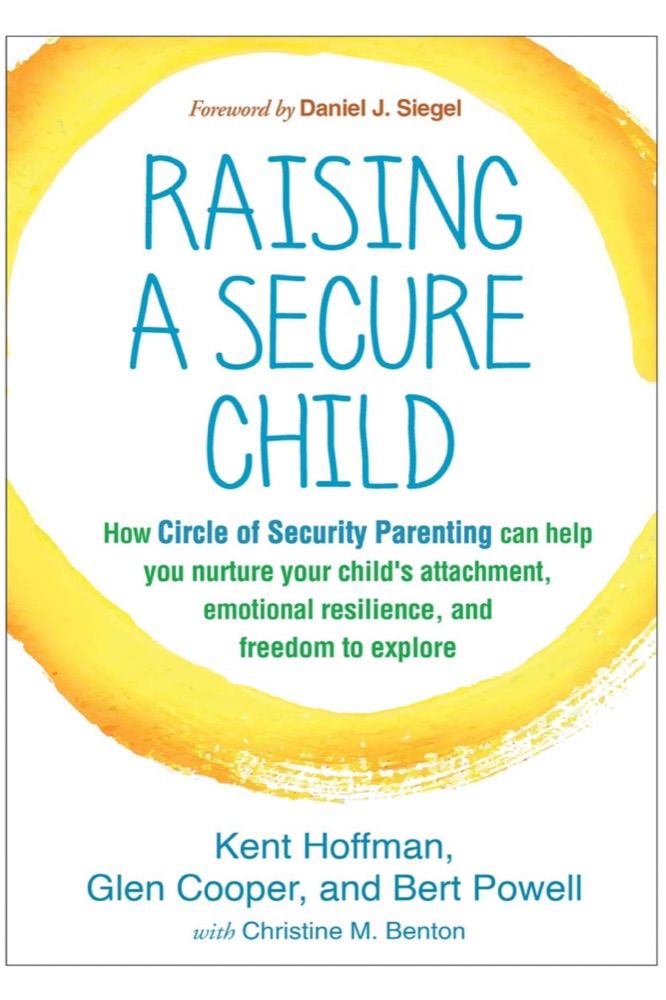 Raising a Secure Child: How Circle of Security Parenting Can Help You Nurture Your Child's Attachment, Emotional Resilience, and Freedom to Explore
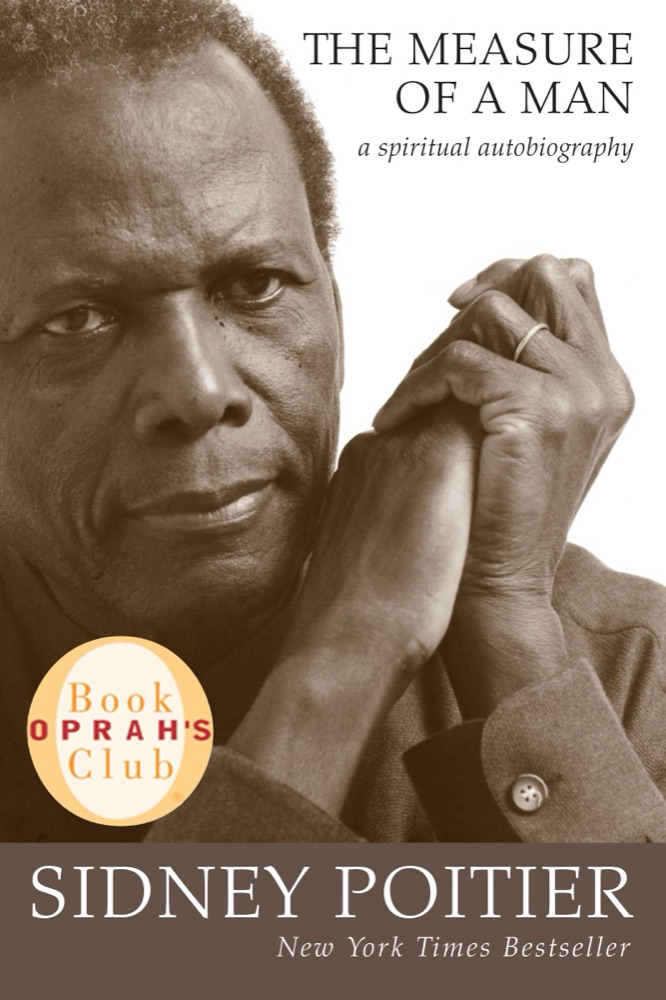 The Measure of a Man: A Spiritual Autobiography
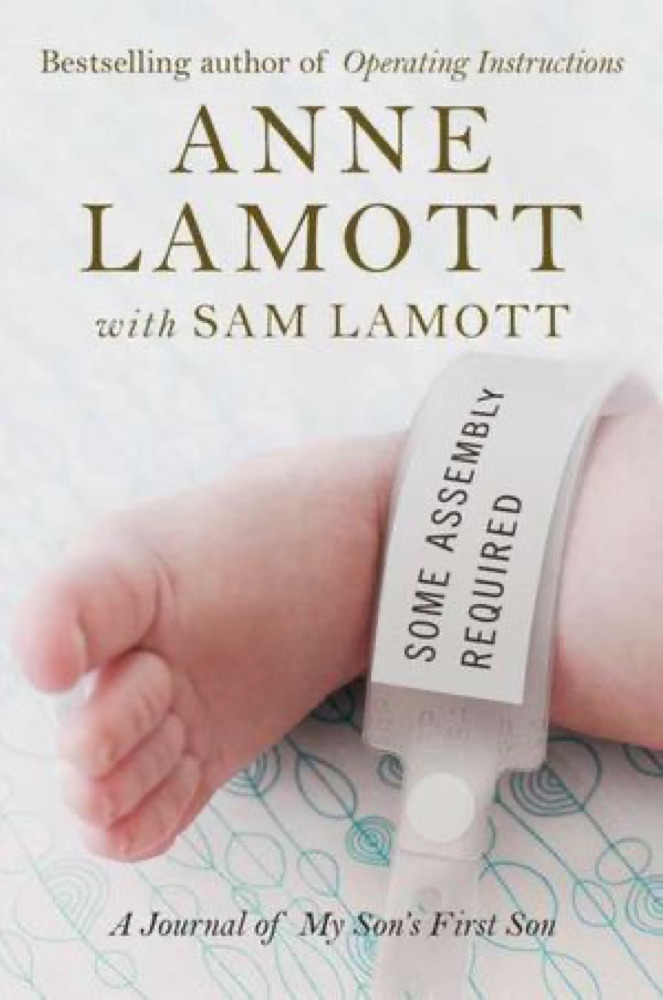 Some Assembly Required: A Journal of My Son's First Son
 Scattered Minds: The Origins and Healing of Attention Deficit Disorder
 The Perfectionist's Guide to Losing Control: A Path to Peace and Power
 Becoming Better Grownups: Rediscovering What Matters and Remembering How to Fly
 How to Talk So Kids Will Listen & Listen So Kids Will Talk
 Fair Play: A Game-Changing Solution for When You Have Too Much to Do
 Mrs Funnybones
 David and Goliath: Underdogs, Misfits, and the Art of Battling Giants
 Six Pillars of Self-Esteem
 How Children Fail
 You Learn by Living: Eleven Keys for a More Fulfilling Life