
 Between Parent and Child
Quotes from the Book
It is one of those simple but beautiful paradoxes of life: When a person feels that he is truly accepted by another, as he is, then he is freed to move from there and to begin to think about how he wants to change, how we wants to grow, how he can become different, how he might become more of what he is capable of being.
11
But what if your kid runs into the street in front of a car? Don't you have to use Method I?" ... If a child develops a habit of running into the street, a parent might first try to talk to the child about the dangers of cars, walk her around the edge of the yard, and tell her that anything beyond is not safe, show her a picture of a child hit by a car, build a fence around the yard, or watch her when she is playing in the front yard for a couple of days, reminding her each time she goes beyond the limits. Even if I took the punishment approach, I would never risk my child's life on the assumption that punishment alone would keep her from going into the street. I would want to employ more certain methods in any event.
5
Parents can raise children who are responsible, self-disciplined, and cooperative without relying on the weapon of fear; they can learn how to influence children to behave out of genuine consideration for the needs of parents rather than out of fear of punishment or withdrawal of privileges.
4
Parents are blamed but not trained.
4
Most parents hate to experience conflict, are deeply troubled when it occurs, and are quite confused about how to handle it constructively. Actually, it would be a rare relationship if over a period of time one person's needs did not conflict with the other's. When any two people (or groups) coexist, conflict is bound to occur just because people are different, think differently, have different needs and wants that sometimes do not match.
4
Much of the rebellion of today’s adolescents can be attributed to parents and other adults who put pressure on them to modify behavior that the kids feel is their own business. Children do not rebel against adults—they rebel against adults’ attempts to take away their freedom.
3
Active Listening provides parents with a way of moving in and offering to help the child define the problem for herself, and starting up the process of problem-solving within the child.
3
Readers who have owned animals will appreciate how difficult it would be to train a dog to play exclusively in his own yard, to fetch his sweater whenever he sees it is raining outside, or to be generous in sharing his dog biscuits with other dogs. Yet these same people would not even question the feasibility of trying to use reward and punishment to teach their children the same behaviors.
3
Parents report that Active Listening when a child is hurt and cries vigorously frequently brings about a dramatic and instantaneous cessation of the crying, once the child is certain her parent knows and understands how badly she feels or how much she is afraid. For the child, getting this understanding of her feelings is what she needs most.
1
Parents who satisfy their own needs through independent productive effort not only accept themselves but also needn’t seek gratification of their needs from the way their children behave. They don’t need their children to turn out in a particular way. People with high self-esteem, resting on a firm foundation of their own independent achievement, are more accepting of their children and the way they behave.
1
You have created a life, now let the child have it. Let him decide what he wants to do with the life you gave him
1
Parents can modify themselves, and reduce the number of behaviors that are unacceptable to them, by coming to see that their children are not their children, not extensions of themselves, but separate, unique. A child has the right to become what he is capable of becoming, no matter how different from the parent or the parent’s blueprint for the child. This is his inalienable right.
1
I often tell parents, “Don’t want your child to become something in particular; just want him to become.
The successful consultant offers her ideas, then leaves responsibility with the client for buying or rejecting them.
The point is, the child must accept the logic that her behavior is having a tangible and concrete effect on the parent. Only then will she be willing to enter into no-lose problem-solving.
In conflicts about bedtime, a family may want to discuss who is going to watch the clock and call time.
In conflicts about chores and work duties, for example, “How often?” “On what days?” and “What are to be the standards of performance required?” are questions that often must be discussed.
Further, parents unconsciously come in with preconceived solutions that will meet their need rather than express the need itself. Separating needs from solutions can be very difficult because even when people use the word need, what they are saying is often a solution that would meet a need. While Active Listening is the most important skill to use in separating needs from solutions, the questions “What will that do for me?” and “What will that do for you?” can also be extremely helpful. For example, if you say, “I need a new car,” is that a need or a solution? Ask the question “What will that do for me?
One of the most universally accepted myths about child-rearing is that if parents force their young children to do things, they will turn out to be self-disciplined and responsible persons.
This is the critical factor in any relationship: how the conflicts get resolved, not how many conflicts occur.
I-Messages containing these three parts: 1) a description of the unacceptable behavior, 2) the parent’s feeling, and 3) the tangible and concrete effect the behavior has on the parent. [BEHAVIOR + FEELING + EFFECT.]
You-Messages are poor codes for communicating what a parent is feeling, because they will most often be decoded by the child in terms of either what she should do (sending a solution) or how bad she is (sending blame or evaluation).
Feelings are an essential part of living, not something pathological or dangerous. Our system also shows that feelings are generally transitory—they come and go, leaving no permanent damage to the child. The key to their going, however, is parental acceptance and acknowledgment, transmitted to the child by empathic Active Listening.
Active Listening can do wonders in such predicaments. The main thing the child wants is recognition from the parent of how deeply the child is feeling.
The receiver does not send a message of his own—such as an evaluation, opinion, advice, logic, analysis, or question. He feeds back only what he feels the sender’s message meant—nothing more, nothing less.
It is one thing for a parent to feel acceptance toward a child; it is another thing to make that acceptance felt.
Why is parental acceptance such a significant positive influence on the child? This is not generally understood by parents. Most people have been brought up to believe that if you accept a child he will remain just the way he is; that the best way to help a child become something better in the future is to tell him what you don’t accept about him now.
Kids learn that talking to their parents is not helpful and often not safe. Consequently, many parents miss thousands of chances to help their children with problems they encounter in life.
While children undoubtedly prefer to be accepted, they can constructively handle their parent’s unaccepting feelings when parents send clear and honest messages that match their true feelings.
Watch on YouTube
About Thomas Gordon
We have collected 29 quotes from 1 book by Thomas Gordon on BookQuoters.
More about the author →About the book
UPDATED 2019 EDITION • The pioneering book that’s guided millions of parents to more effectively resolve conflicts, communicate, and create loving relationships with their children—from Nobel Peace Prize nominee Dr. Thomas Gordon
P.E.T., or Parent Effectiveness Training, began in 1962 as the first national parent-training program to teach parents how to communicate more effectively with kids and offer step-by-step advice to resolve family conflicts so everybody wins. This beloved classic is the most studied, highly praised, and proven parenting program in the world—and it will work for you. Now revised and updated, this groundbreaking guide will show
• How to avoid being a permissive parent • How to listen so kids will talk to you and talk so kids will listen to you • How to teach your children to “own” their problems and to solve them • How to apply the “No Lose” method to resolve
Book details
- First published
- 1970
- Author
- Thomas Gordon
- Genre
- Nonfiction
- Goodreads rating
- 4.25 (2k ratings)
Keep reading
Between Parent and Child
 Boundaries with Kids: How Healthy Choices Grow Healthy Children
![The Book You Wish Your Parents Had Read [and Your Children Will Be Glad That You Did]](/i/book/g/63/the-book-you-wish-your-parents-had-read-and-your-children-will-be-glad-that-you-did.jpg) The Book You Wish Your Parents Had Read [and Your Children Will Be Glad That You Did]
The Book You Wish Your Parents Had Read [and Your Children Will Be Glad That You Did]
 How to Talk So Little Kids Will Listen: A Survival Guide to Life with Children Ages 2-7
 How to Talk So Kids Will Listen & Listen So Kids Will Talk
 The Collapse of Parenting: How We Hurt Our Kids When We Treat Them Like Grown-Ups
 Shepherding a Child's Heart
 The Danish Way of Parenting: What the Happiest People in the World Know About Raising Confident, Capable Kids
 The Gift of Failure: How the Best Parents Learn to Let Go So Their Children Can Succeed
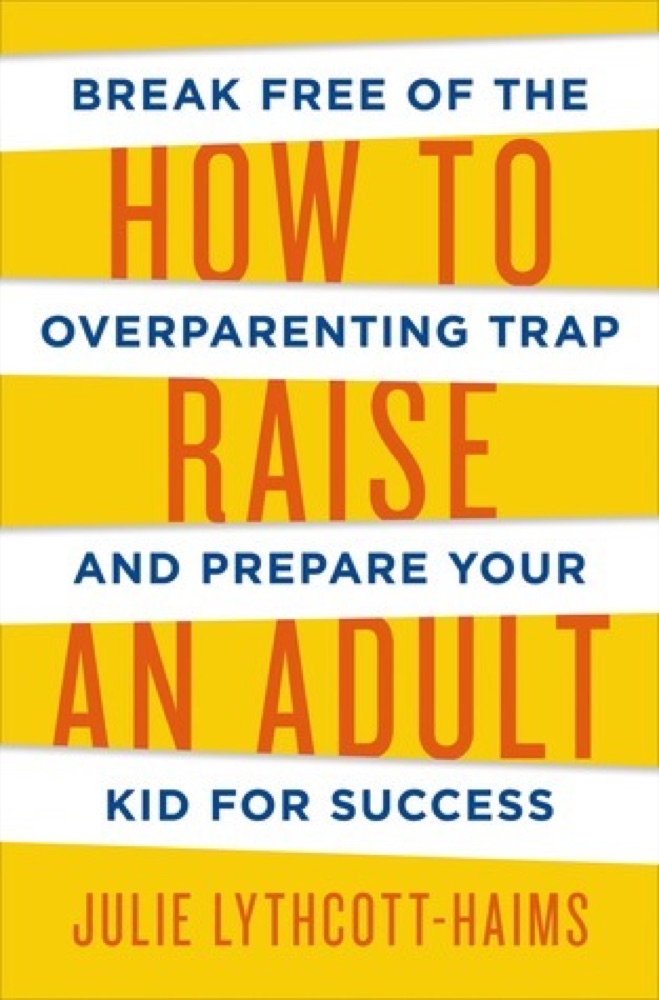 How to Raise an Adult: Break Free of the Overparenting Trap and Prepare Your Kid for Success
 The Blessing of a Skinned Knee: Using Jewish Teachings to Raise Self-Reliant Children
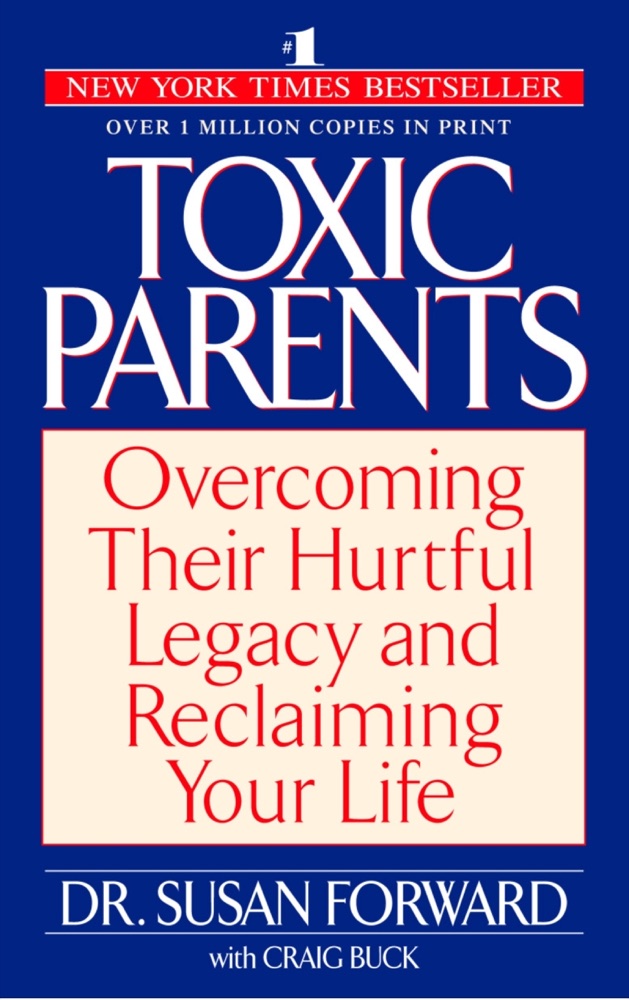 Toxic Parents: Overcoming Their Hurtful Legacy and Reclaiming Your Life
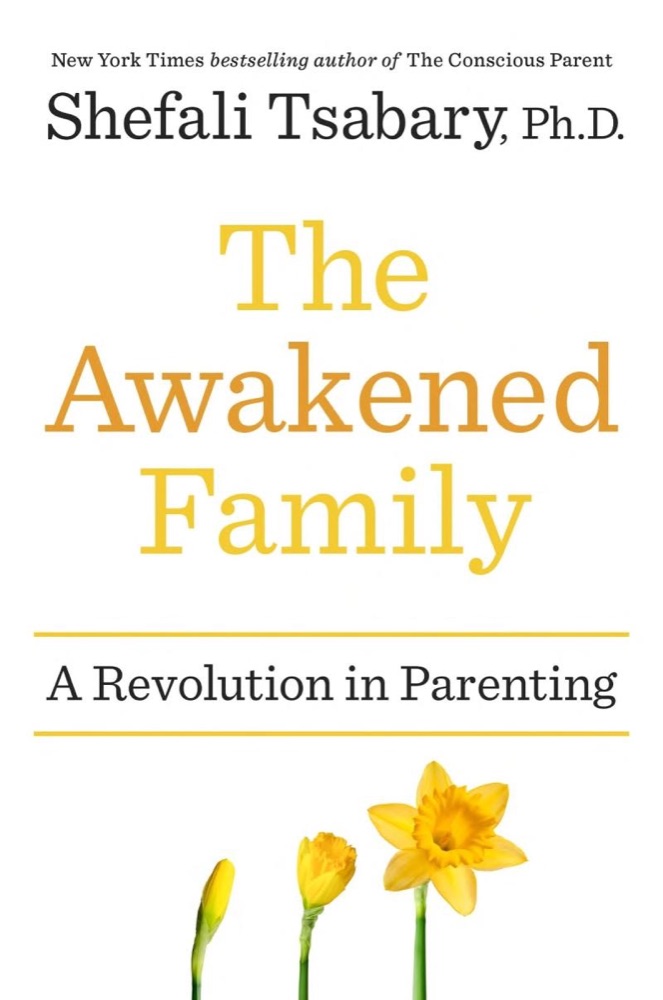 The Awakened Family: A Revolution in Parenting
 Montessori from the Start: The Child at Home, from Birth to Age Three
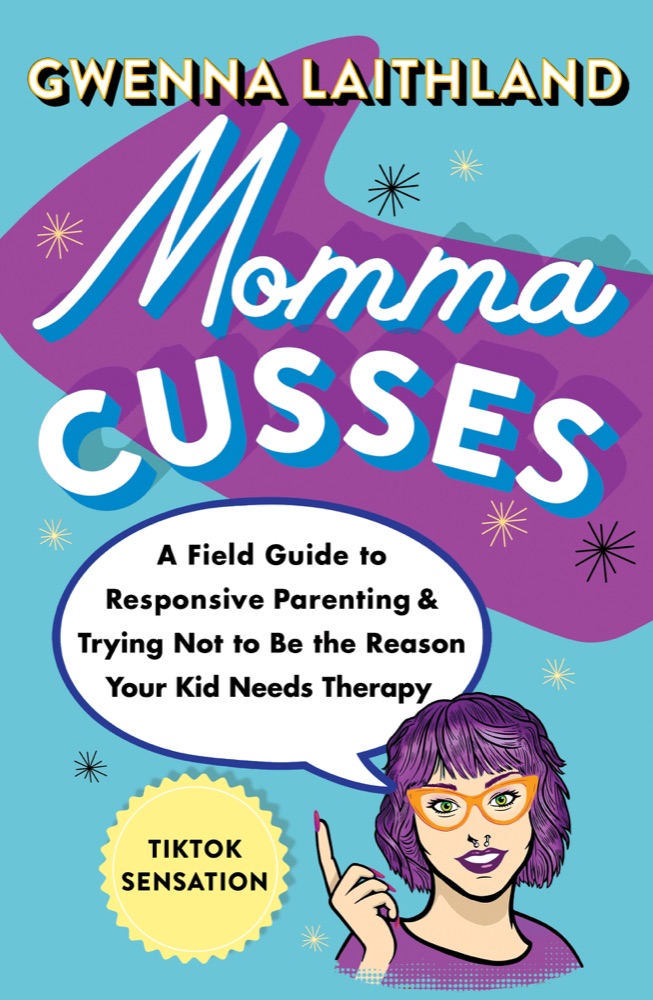 Momma Cusses
 Simplicity Parenting: Using the Extraordinary Power of Less to Raise Calmer, Happier, and More Secure Kids
 The Conscious Parent: Transforming Ourselves, Empowering Our Children
 All Joy and No Fun: The Paradox of Modern Parenthood
 Scattered Minds: The Origins and Healing of Attention Deficit Disorder
 Bringing Up Bébé: One American Mother Discovers the Wisdom of French Parenting
 A Beautiful Day in the Neighborhood: The Poetry of Mister Rogers
 Playful Parenting: An Exciting New Approach to Raising Children That Will Help You Nurture Close Connections, Solve Behavior Problems, and Encourage Confidence
 NurtureShock: New Thinking About Children
 Running on Empty: Overcome Your Childhood Emotional Neglect
 The Wild and Free Family: Forging Your Own Path to a Life Full of Wonder, Adventure, and Connection
 Hold On, But Don't Hold Still
 Raising a Secure Child: How Circle of Security Parenting Can Help You Nurture Your Child's Attachment, Emotional Resilience, and Freedom to Explore
 Loving the Little Years: Motherhood in the Trenches
 For Your Own Good: Hidden Cruelty in Child-Rearing and the Roots of Violence
 The Read-Aloud Family: Making Meaningful and Lasting Connections with Your Kids
 Cribsheet: A Data-Driven Guide to Better, More Relaxed Parenting, from Birth to Preschool
 The Brave Learner: Finding Everyday Magic in Homeschool, Learning, and Life
 Dibs in Search of Self
 Us: Getting Past You and Me to Build a More Loving Relationship
 Far from the Tree: Parents, Children, and the Search for Identity
 Ten Things Every Child with Autism Wishes You Knew
 Adult Children of Emotionally Immature Parents: How to Heal from Distant, Rejecting, or Self-Involved Parents
 Free to Learn: Why Unleashing the Instinct to Play Will Make Our Children Happier, More Self-Reliant, and Better Students for Life
 How Children Learn
 The Lifecycle of Software Objects
 Drama Free: A Guide to Managing Unhealthy Family Relationships
 Punished by Rewards: The Trouble with Gold Stars, Incentive Plans, A's, Praise and Other Bribes
 Summerhill: A Radical Approach to Child Rearing
 The Absorbent Mind
 The Boy Who Was Raised as a Dog: And Other Stories from a Child Psychiatrist's Notebook
 Surrounded by Idiots
 Free-Range Kids: Giving Our Children the Freedom We Had Without Going Nuts With Worry
 Different, Not Less: A Neurodivergent's Guide to Embracing Your True Self and Finding Your Happily Ever After
 Good Morning, Monster: A Therapist Shares Five Heroic Stories of Emotional Recovery
 The Four-Hour School Day: How You and Your Kids Can Thrive in the Homeschool Life
 The Vanishing American Adult: Our Coming-of-Age Crisis—and How to Rebuild a Culture of Self-Reliance
 Fall Down 7 Times Get Up 8: A Young Man's Voice from the Silence of Autism
 This Is What Inequality Looks Like
 Confessions of a Scary Mommy: An Honest and Irreverent Look at Motherhood - The Good, The Bad, and the Scary
 Difficult Conversations: How to Discuss What Matters Most
 The 7 Habits of Highly Effective People: Personal Workbook
 House Rules
 All Is Not Forgotten