 My Beloved World
Quotes from the Book
This was a milestone in my life. From then on, reading became a source of comfort for me. I began reading books all the time, and the teacher let me borrow whatever I wanted, but I still seldom paid attention in school. I read in class instead of doing whatever assignment or activity we were supposed to be doing. Reading was an escape—from my memories, from my foster families, from my feelings.
4
Plainly, being poor doesn’t have the same effect as living in chaos.
4
Focusing on "representation" rather than helping the downtrodden is another luxury belief.
3
Many affluent people now promote lifestyles that are harmful to the less fortunate. Meanwhile, they are not only insulated from the fallout; they often profit from it.
3
Mom's friends were worried that their son isn't talking as much as other six-year-olds. They, like many parents, were concerned with how "smart" their kid is. "Should we be reading to him more?" they asked me. I thought of how lonely I felt trying to teach myself how to read as a foster kid. "Yeah," I replied. "But not because it will expand his vocabulary. Read to him because it will remind him that you love him.
2
I considered the differences in how fast people are expected to grow up based on how much money their families have. A twenty-year-old at an expensive college is viewed as not much more than a kid. A twenty-year-old in the military is trusted to carry a weapon, repair multimillion-dollar equipment, and make life-and-death decisions.
2
I've come to believe that upward social mobility shouldn't be our priority as a society. Rather, upward mobility should be the side effect of far more important things: family, stability, and emotional security for children. Even if upward mobility were the primary goal, a safe and secure family would help achieve it more than anything else. Conventional badges of success do not repair the effects of a volatile upbringing.
2
While military life was demanding, my efforts paid off. Many people say that to do something difficult and worthwhile, they need to be “motivated.” Or that the reason they are not sticking to their goals is because they “lack motivation.” But the military taught me that people don’t need motivation; they need self-discipline. Motivation is just a feeling. Self-discipline is: “I’m going to do this regardless of how I feel.” Seldom do people relish doing something hard. Often, what divides successful from unsuccessful people is doing what you don’t feel motivated to do. Back in basic training, our instructor announced that there are only two reasons new recruits don’t fulfill their duties: “Either you don’t know what’s expected of you, or you don’t care to do it. That’s it.
2
Successful people tell the world they got lucky, then tell their loved ones about the importance of hard work and sacrifice. Critics of successful people tell the world those successful people got lucky, and then tell their loved ones about the importance of hard work and sacrifice.
2
My environments suppressed and exposed different aspects of my nature. My childhood experiences inhibited my potential and fostered harmful instincts. Occasionally, though, my latent potential would shine through even amid all that disorder. The military, in contrast, inhibited my destructive impulses and cultivated my good qualities. But now, the darkness within me sought expression. Being in a bad environment doesn’t eliminate all the good parts of you, and being in a good environment doesn’t eliminate all the bad parts of you. Who is the “real” me? I felt beset by contradictions and had no answers.
1
When I told him about my life, the 87-year-old professor gently replied, “You were forged in a fire.".
1
For behaviors and habits to be stable and predictable, one’s environment needs to be stable and predictable.
During my first year at Cambridge, I began preparing notes for this book. I had plenty of time to think about what a weird childhood I had--the flashbulb memories of living in a car with my birth mother and seeing her arrested in our cramped apartment, getting dragged away to foster homes, the drama and heartbreak after being adopted, and all the rest. In his bestselling book The Body Keeps the Score, psychiatrist Bessel van der Kolk wrote, "Sooner or later most [trauma] survivors...come up with what many of them call their 'cover story' that offers some explanation for their symptoms and behavior for public consumption. These stories, however, rarely capture the inner truth of the experience. It is enormously difficult to organize one's traumatic experiences into a coherent account--a narrative with a beginning, middle, and an end." With this book, I have attempted to accomplish such as a task as honestly as I can.
The military asked that I put myself in the service of something higher than myself. I had a seriousness of purpose that I lacked before and experienced a new feeling about who I was and who I could be in life. But it didn't fundamentally "transform" me. It just provided conditions that prevented me from acting out the way I had as a kid. Enlisting provided a stable setting that allowed me to mature enough to start reflecting on my life and what I had gone through...
I began writing this book in 2020, a little over a year after arriving as a PhD student at Cambridge University. At this point, I have lived a life that my seventeen-year-old self would have found both absurd and hilarious.
People don't need motivation; they need self-discipline. Motivation is just a feeling. Self-discipline is: 'I'm going to do this regardless of how I feel.' Seldom do people relish doing something hard. Often, what divides successful from unsuccessful people is doing what you don't feel motivated to do.
You should keep your expectations in line with reality. If you view the military as a job, you will be miserable. It's not a job, it's a lot more than that. As long as you wear that uniform, it is your entire existence. The demands of this 'job' will look large in just about every decision you make in what you think of as your 'personal life.' If you view the military as a club, you're also going to have a hard time. It's not some special affiliation you get to brag about—that mind-set will hold you back. And if you're easily offended, you're going to be miserable, too. You need a thick skin. But if you see the military as a system to obtain as much experience, training, and knowledge as possible in order to advance in your life, then you'll be fine. Understand that the air force is going to ask a lot from you. Just remember that you can get a lot in return from it as well.
The luxury belief class claims that the unhappiness associated with certain behaviors and choices primarily stems from the negative social judgments they elicit, rather than the behaviors and choices themselves. But, in fact, negative social judgments often serve as guardrails to deter detrimental decisions that lead to unhappiness. In order to avoid misery, we have to admit that certain actions and choices are actually in and of themselves undesirable—single parenthood, obesity, substance abuse, crime, and so on—and not simply in need of normalization.
Children with stressful lives tend to get their adult teeth earlier, reach puberty sooner, and undergo accelerated changes in their brain structure
George Orwell: “The thought of not being poor made me very patriotic.” But I was nervous about enlisting.
writing felt like entering the kind of tranquil paradise I’d only dreamed about as a kid,
In the past, people displayed their membership in the upper class with their material accoutrements. But today, luxury goods are more accessible than before. This is a problem for the affluent, who still want to broadcast their high social position. But they have come up with a clever solution. The affluent have decoupled social status from goods and reattached it to beliefs.
My professional life was going well, but my inner life was deteriorating. When I’d initially left home, I did very little questioning or searching with regard to my life. I was in “flight” mode, grateful to have left home, and found something to occupy me. For the first couple of years, I’d been untroubled by difficult questions about the meaning of my past and the direction of my future. Lately, though, I’d been reappraising everything I’d gone through.
Watch on YouTube
About Rob Henderson
About the book
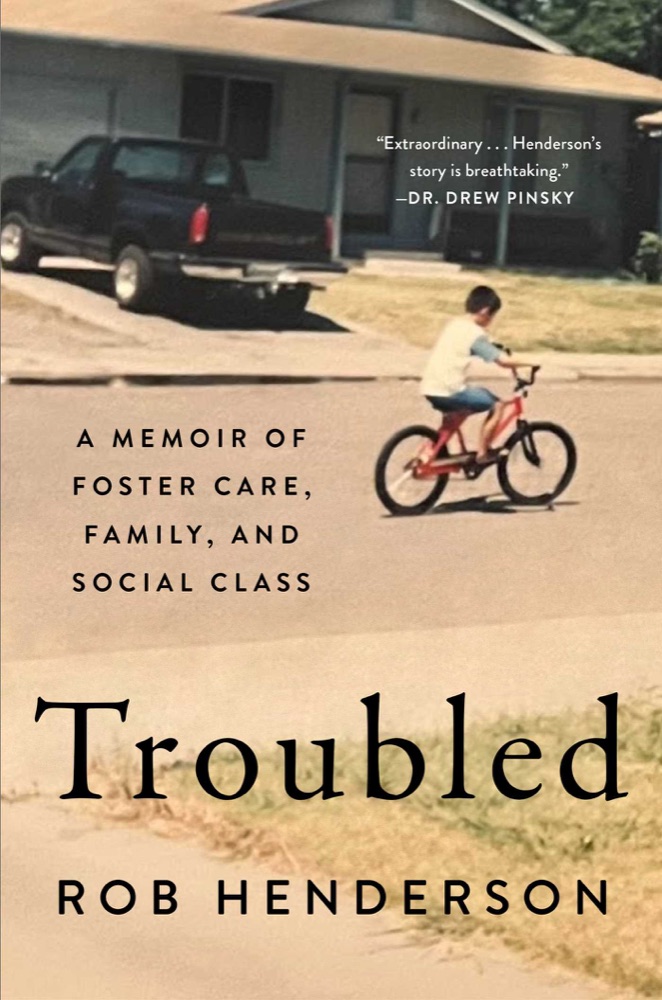
In this raw coming-of-age memoir, in the vein of The Short and Tragic Life of Robert Peace, The Other Wes Moore, and Someone Has Led This Child to Believe, Rob Henderson vividly recounts growing up in foster care, enlisting in the US Air Force, attending elite universities, and pioneering the concept of “luxury beliefs”—ideas and opinions that confer status on the upper class while inflicting costs on the less fortunate.
Rob Henderson was born to a drug-addicted mother and a father he never met, ultimately shuttling between ten different foster homes in California. When he was adopted into a loving family, he hoped that life would finally be stable and safe. Divorce, tragedy, poverty, and violence marked his adolescent and teen years, propelling Henderson to join the military upon completing high school.
An unflinching portrait of shattered families, desperation, and determination,
Book details
- First published
- 2024
- Author
- Rob Henderson
- Genre
- Biography
- Goodreads rating
- 4.16 (6k ratings)
The buzz
- The Washington PostReview in The Washington Postprofessional review (via Book Marks)
- The Wall Street JournalReview in The Wall Street Journalprofessional review (via Book Marks)
- The TimesReview in The Timesprofessional review (via Book Marks)
- Kirkus ReviewsReview in Kirkus Reviewsprofessional review (via Book Marks)
- LA Review of BooksReview in LA Review of Booksprofessional review (via Book Marks)
Keep reading
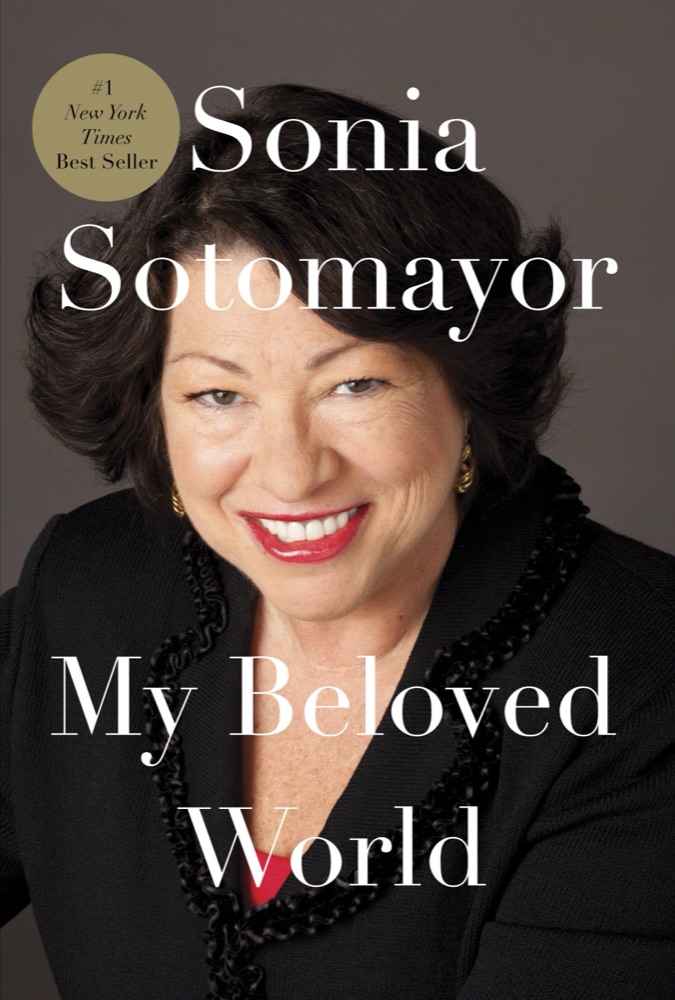
My Beloved World
 We Were Dreamers: An Immigrant Superhero Origin Story
 The Vanishing American Adult: Our Coming-of-Age Crisis—and How to Rebuild a Culture of Self-Reliance
 Coming Apart: The State of White America, 1960-2010
 The Defining Decade: Why Your Twenties Matter—And How to Make the Most of Them Now
 Like Streams to the Ocean: Notes on Ego, Love, and the Things That Make Us Who We Are
 A Promised Land
 Scenes from My Life: A Memoir
 Excellent Sheep: The Miseducation of the American Elite and the Way to a Meaningful Life
 The Social Animal: The Hidden Sources of Love, Character, and Achievement
 Born a Crime: Stories From a South African Childhood
 The Measure of a Man: A Spiritual Autobiography
 The 7 Habits Of Highly Effective Teens
 Working: People Talk About What They Do All Day and How They Feel About What They Do
 Joan Is Okay
 Broken Horses
 What Made Maddy Run: The Secret Struggles and Tragic Death of an All-American Teen
 Don't Worry, It Gets Worse: One Twentysomething's (Mostly Failed) Attempts at Adulthood
 To Shake the Sleeping Self: A Journey from Oregon to Patagonia, and a Quest for a Life with No Regret
 Selfie: How the West Became Self-Obsessed
 The Color of Everything: A Journey to Quiet the Chaos Within
 Just Like Someone Without Mental Illness Only More So
 Why Be Happy When You Could Be Normal?
 Becoming
 Very Good Lives: The Fringe Benefits of Failure and the Importance of Imagination
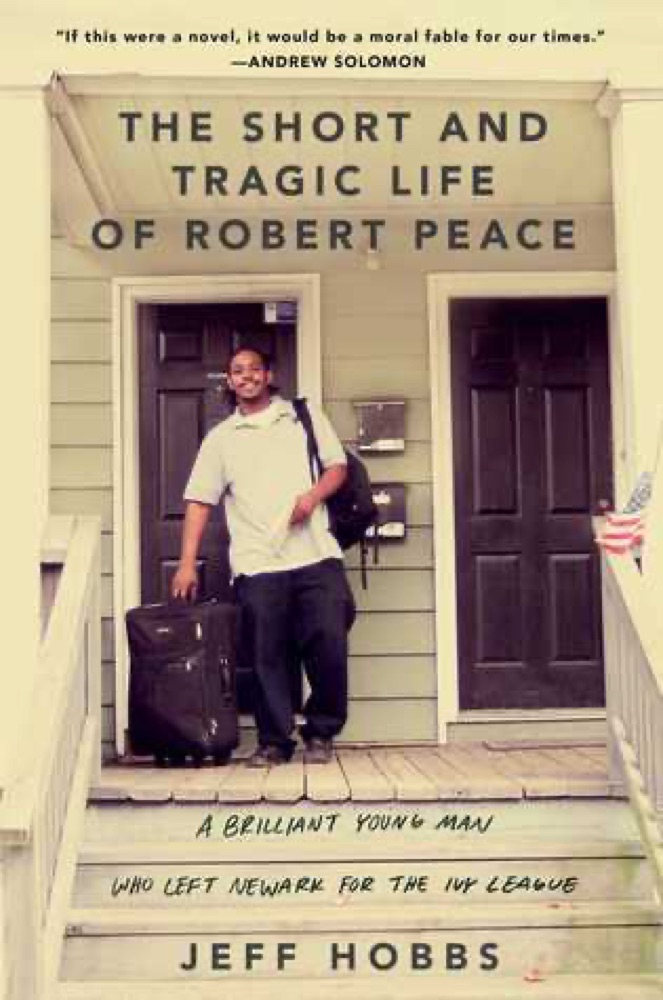 The Short and Tragic Life of Robert Peace: A Brilliant Young Man Who Left Newark for the Ivy League
 Breaking Night: A Memoir of Forgiveness, Survival, and My Journey from Homeless to Harvard
 The House of Hidden Meanings
 To Throw Away Unopened
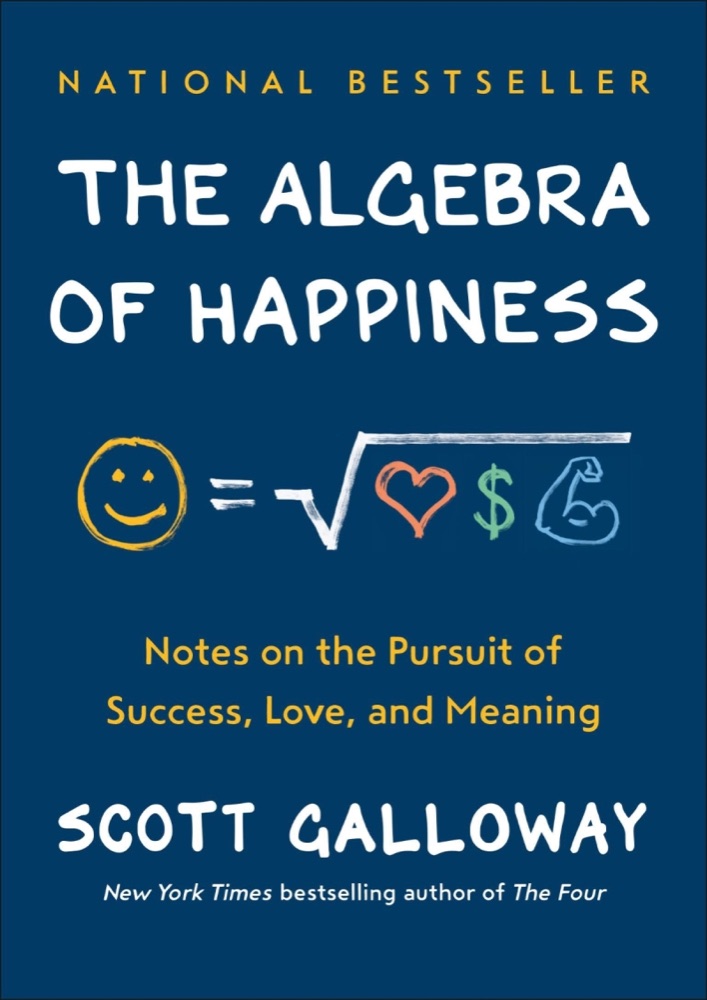 The Algebra of Happiness: Notes on the Pursuit of Success, Love, and Meaning
 Gifted Hands: The Ben Carson Story
 The Algebra of Wealth: A Simple Formula for Financial Security
 Life Will Be the Death of Me: . . . and you too!
 The Autobiography of Eleanor Roosevelt
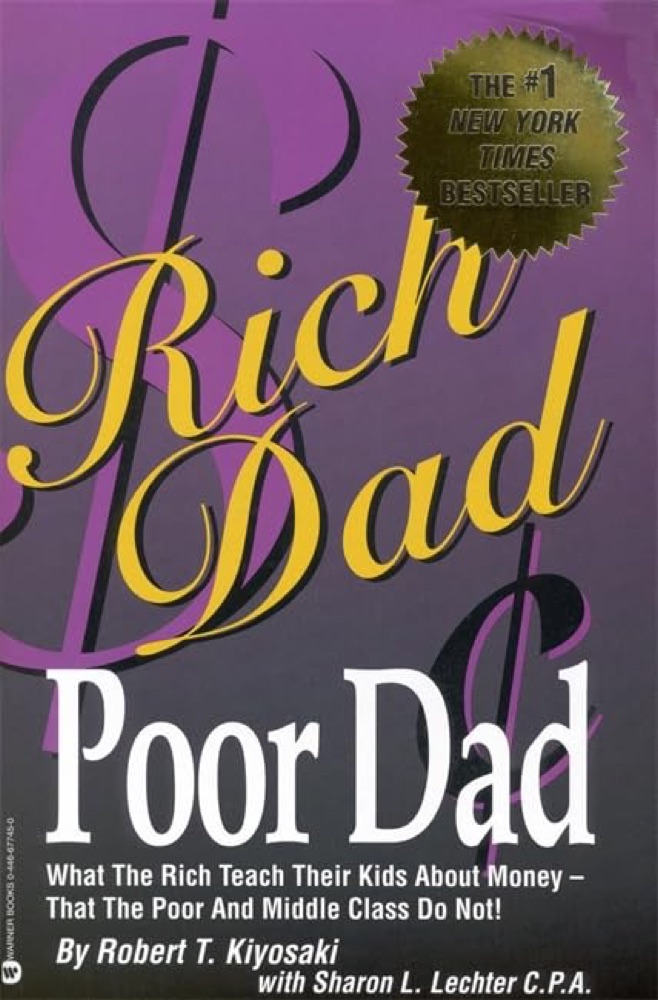 Rich Dad Poor Dad
 Here for It; Or, How to Save Your Soul in America: Essays
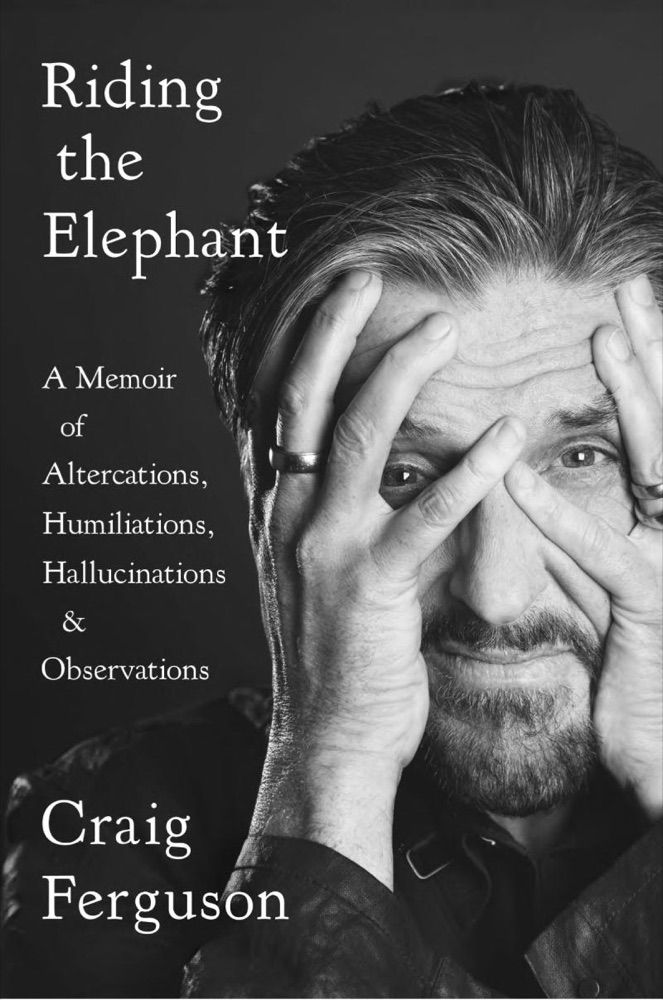 Riding the Elephant: A Memoir of Altercations, Humiliations, Hallucinations, and Observations
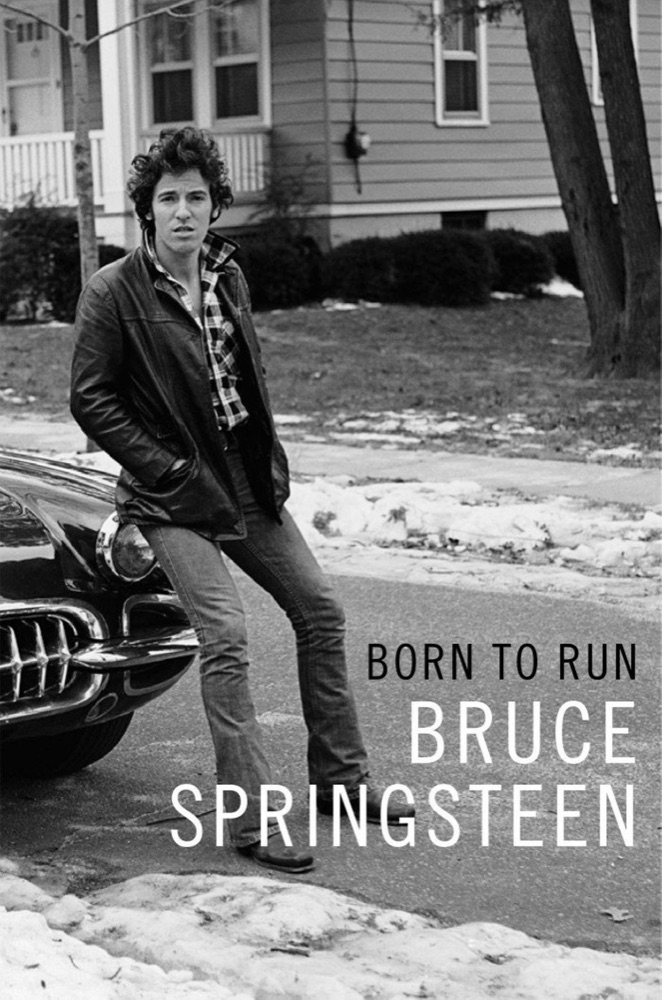 Born to Run
 Family Life
 Past Imperfect
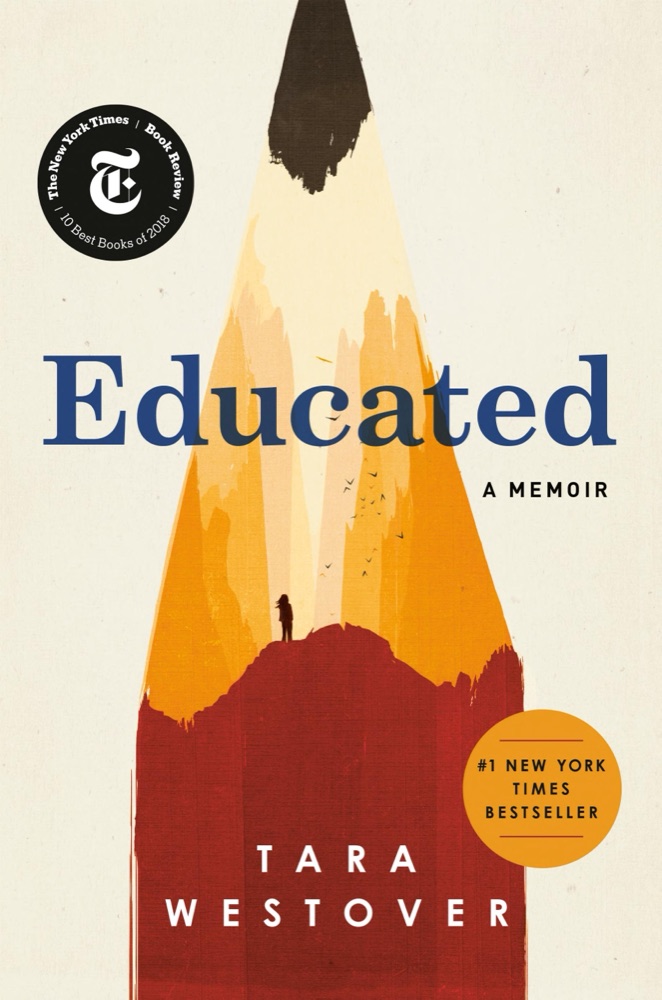 Educated
 This Is What Inequality Looks Like
 Down and Across
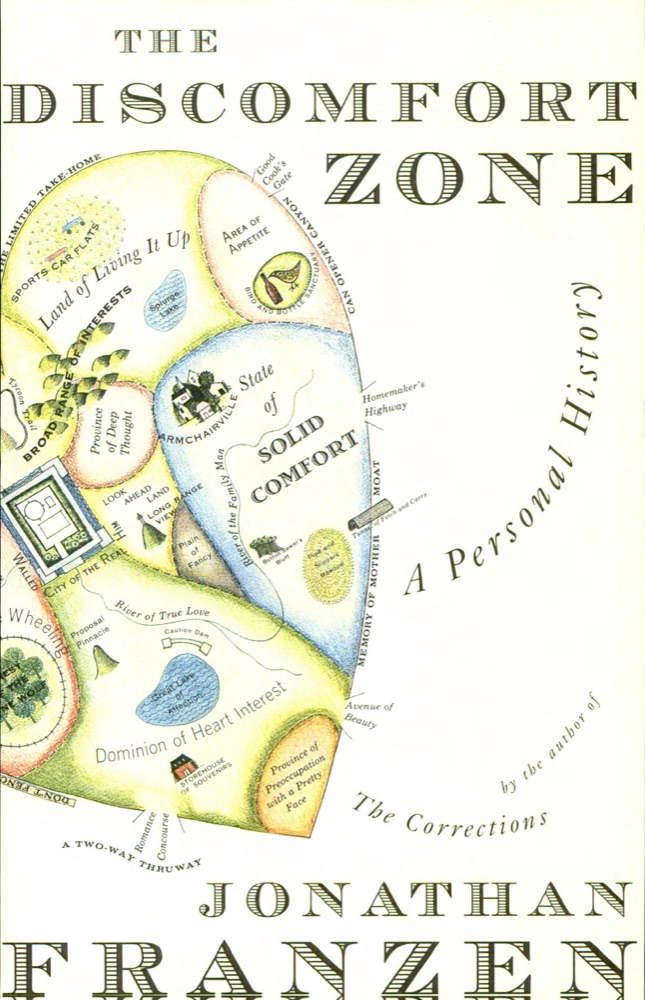 The Discomfort Zone: A Personal History
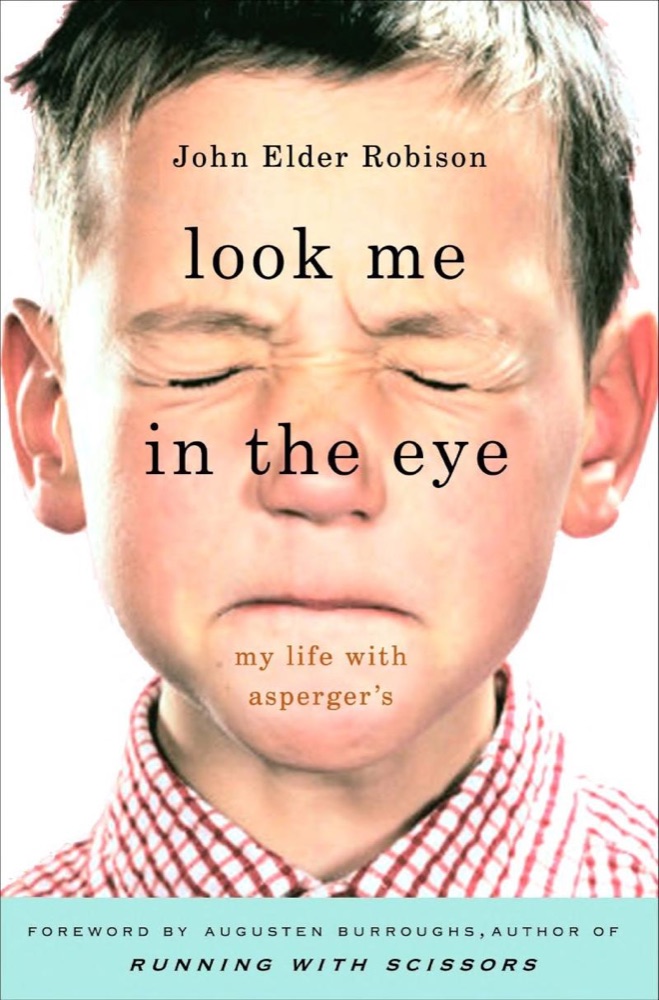 Look Me in the Eye
 David and Goliath: Underdogs, Misfits, and the Art of Battling Giants
 Little Failure: A Memoir
 The Answer Is…: Reflections on My Life
 My Life on the Road
 How to Raise an Adult: Break Free of the Overparenting Trap and Prepare Your Kid for Success
 Attempting Normal
 Unbearable Lightness: A Story of Loss and Gain
 Notes on a Nervous Planet
 Special Topics in Calamity Physics
 They Call Her Dirty Sally
 The Bassoon King: My Life in Art, Faith, and Idiocy
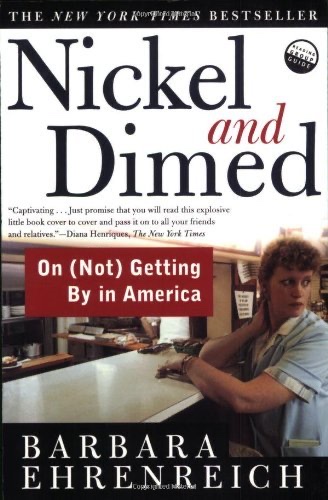 Nickel and Dimed: On (Not) Getting by in America
 Creation Lake
 Bright-Sided: How the Relentless Promotion of Positive Thinking Has Undermined America