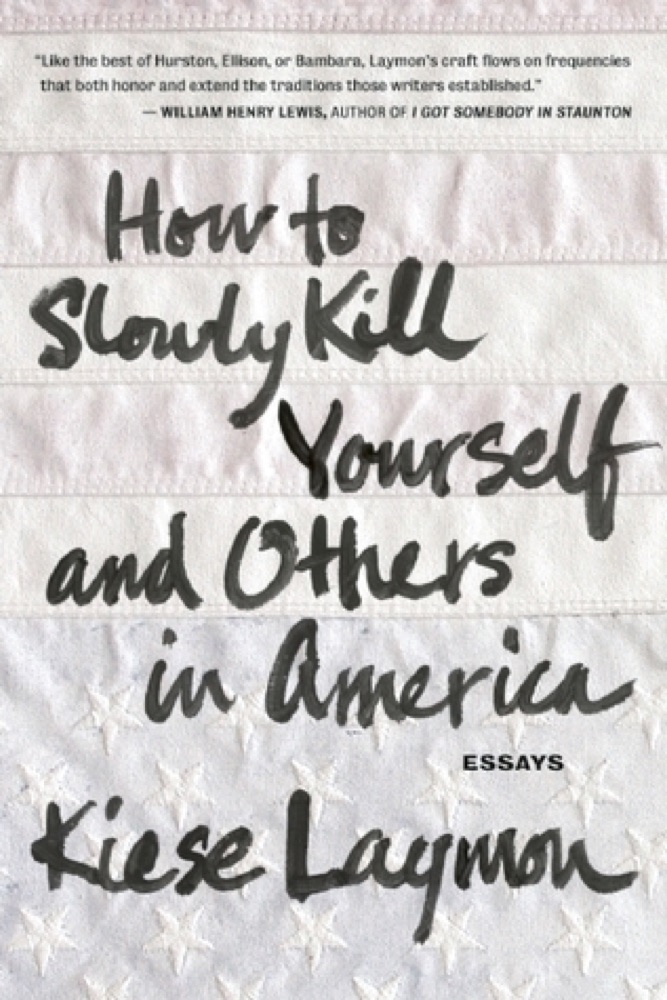
 How to Slowly Kill Yourself and Others in America
Quotes from the Book
America seems filled with violent people who like causing people pain but hate when those people tell them that pain hurts.
83
I learned you haven't read anything if you've only read something once or twice. Reading things more than twice was the reader version of revision.
49
For the first time in my life, I realized telling the truth was way different from finding the truth, and finding the truth had everything to do with revisiting and rearranging words. Revisiting and rearranging words didn't only require vocabulary; it required will, and maybe courage. Revised word patterns were revised thought patterns. Revised thought patterns shaped memory. I knew, looking at all those words, that memories were there, I just had to rearrange, add, subtract, sit, and sift until I found a way to free the memory.
49
And don’t fight when you’re angry. Think when you’re angry. Write when you’re angry. Read when you’re angry.
39
the most abusive parts of our nation obsessively neglect yesterday while peddling in possibility. I remembered that we got here by refusing to honestly remember together.
34
My body knew things my mouth and my mind couldn't, or maybe wouldn't, express. It knew that all over my neighborhood, boys were trained to harm girls in ways girls could never harm boys, straight kids were trained to harm queer kids in ways queer kids could never harm straight kids, men were trained to harm women in ways women could never harm men, parents were trained to harm children in ways children would never harm parents, babysitters were trained to harm kids in ways kids could never harm babysitters. My body knew white folk were trained to harm us in ways we could never harm them.
30
Mostly, I wondered what black writers weren't writing when we spent so much creative energy begging white folk to change.
29
I will wonder if the memories that remain with age are heavier than the ones we forget because they mean more to us, or if our bodies, like our nation, eventually purge memories we never wanted to be true.
27
Most groups of men I knew were good at destroying women and girls who would do everything not to destroy them.
25
rest of my teachers maybe did the best they could, but they just needed a lot of help making their best better. There were so many things we needed in those classrooms, in our city, in our state, in our country that our teachers could have provided if they would have gone home and really done their homework. They never once said the words: “economic inequality,” “housing discrimination,” “sexual violence,” “mass incarceration,” “homophobia,” “empire,” “mass eviction,” “post traumatic stress disorder,” “white supremacy,” “patriarchy,” “neo-confederacy,” “mental health,” or “parental abuse,” yet every student and teacher at that school lived in a world shaped by those words.
25
The nation as it is currently constituted has never dealt with a yesterday or tomorrow where we were radically honest, generous, and tender with each other.
22
Our superpower, I was told since I was a child, was perseverance, the ability to survive no matter how much they took from us. I never understood how surviving was our collective superpower when white folk made sure so many of us didn't survive. And those of us who did survive practiced bending so much that breaking seemed inevitable.
19
This summer, it took one final conversation with Grandmama for me to understand that no one in our family and very few folk in this nation has any desire to reckon with the weight of where we've been. Which means no one in our family and very few folk in this nation wants to be free.
18
Ain’t nothing in the world worse than looking at your children drowning, knowing ain’t nothing you can do because scared that if you get to trying to save them, they might see that you can swim either.
12
For a few seconds, I remembered that the most abusive parts of our nation obsessively neglect yesterday while peddling in possibility. I remembered that we got here by refusing to honestly remember together. I remember that it was easier to promise than it was to reckon or change.
11
It ain’t about making white folk feel what you feel,” she said. “It’s about not feeling what they want you to feel. Do you hear me? You better know from whence you came and forget about those folk.
10
I will not misdirect or manipulate human beings...especially those human beings who love me enough to risk being misdirected or manipulated. I will not misdirect or manipulate myself...I will not say I am sorry when I am resentful. I will not give my blessings away. I will love myself enough to be honest when I fail at loving.
9
And it only existed on Cosby’s show because Bill Cosby seemed obsessed with how white folk watched black folk watch us watch him.
8
We all broken, I said. Some broken folk do whatever they can not to break other folk. If we're gone be broken, I wonder if we can be those kind of broken folk from now on. I think it's possible to be broken and ask for help without breaking other people.
7
You took my paper smudged with tears and you read it out loud. You told me what worked in the essay, and what didn’t work. You asked me questions about word choice, pacing, and something you called political symbolism. You asked me what I was really trying to say with the essay and suggested I start with saying exactly that. You challenged me to use the rest of the essay to discover ideas and questions I didn’t already know and feel. “A good question anchored in real curiosity is much more important than a cliché or forced metaphor,” you told me.
7
But the problem is you hurting yourself by trying to let folk know they hurt you.
6
Even when I know you're lying to me, I just feel crazy sorry for you. Why? Because I can just tell you'll never let me carry what you're hiding.
5
I knew the big boys would tell stories about what happened in Daryl’s bedroom that were good for all three of them and sad for her in three vastly different ways.
5
I would learn fifteen years too late that asking for consent, granting consent, surviving sexual violence, being called a good dude, and never initiating sexual relationships did not incubate me from being emotionally abusive. Consent meant little to nothing if it was not fully informed. What, and to whom, were my partners consenting if I spent our entire relationship convincing them that a circle was not a circle but just a really relaxed square? I’d become good at losing weight and great at convincing women they didn’t see or know what they absolutely saw and knew. Lying there on that floor, I accepted that I’d actually never been honest with myself about what carrying decades of lies did to other people’s hearts and heads.
5
Back then I wanted all my seasons to be Mississippi seasons, no matter how strange, hot, or terrifying. Now I felt something else. I didn’t want to float in, under, and around all the orange-red stars in our galaxy if our galaxy was Mississippi. I wanted to look at Mississippi from other stars and I didn’t ever want to come home again.
5
The violent white backlash to Obama’s victory will still be unlike anything we’d ever seen...
4
Being twice as excellent as white folk will get you half of what they get. Being anything less will get you hell.
3
Y'all taught me that unacknowledged scars accumulated in battles won often hurt more than battles lost.
3
It all felt like love until it didn't. Then it felt like dying.
3
Watch on YouTube
About Kiese Laymon
We have collected 59 quotes from 2 books by Kiese Laymon on BookQuoters.
More about the author →More by Kiese Laymon
How to Slowly Kill Yourself and Others in America
About the book
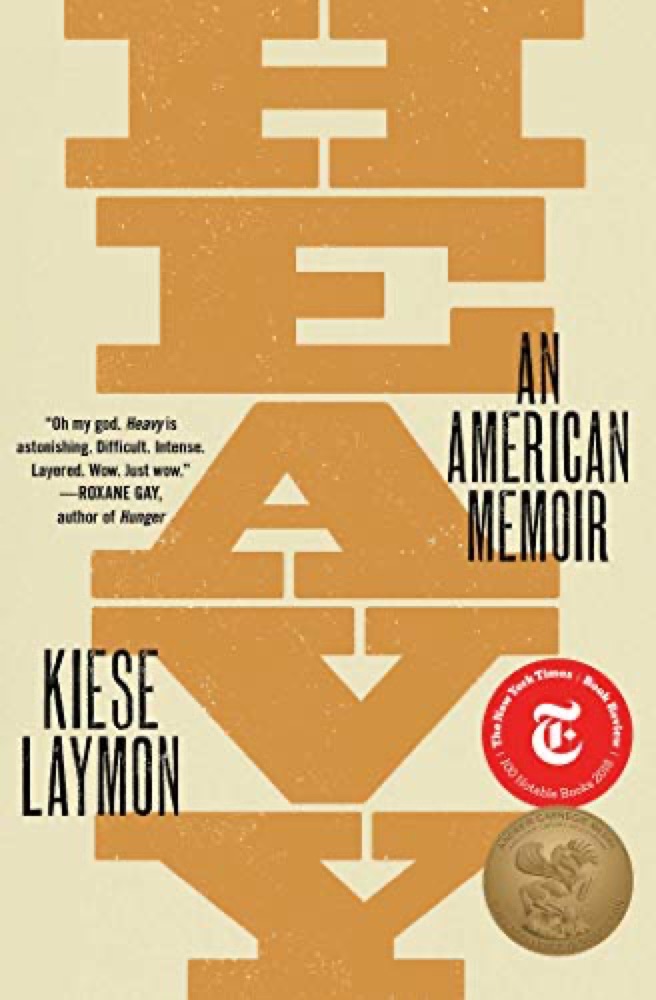
In this powerful and provocative memoir, genre-bending essayist and novelist Kiese Laymon explores what the weight of a lifetime of secrets, lies, and deception does to a black body, a black family, and a nation teetering on the brink of moral collapse.
Kiese Laymon is a fearless writer. In his essays, personal stories combine with piercing intellect to reflect both on the state of American society and on his experiences with abuse, which conjure conflicted feelings of shame, joy, confusion and humiliation. Laymon invites us to consider the consequences of growing up in a nation wholly obsessed with progress yet wholly disinterested in the messy work of reckoning with where we’ve been. In Heavy, Laymon writes eloquently and honestly about growing up a hard-headed black son to a complicated and brilliant black mother in Jackson, Mississippi. From his early experiences of sexual violenc
Book details
- First published
- 2018
- Author
- Kiese Laymon
- Genre
- Biography
- Goodreads rating
- 4.47 (46k ratings)
The buzz
- The New York TimesReview in The New York Timesprofessional review (via Book Marks)
- The GuardianReview in The Guardianprofessional review (via Book Marks)
- The AtlanticReview in The Atlanticprofessional review (via Book Marks)
- NPRReview in NPRprofessional review (via Book Marks)
- Los Angeles TimesReview in Los Angeles Timesprofessional review (via Book Marks)
- TimeReview in Timeprofessional review (via Book Marks)
Keep reading
How to Slowly Kill Yourself and Others in America
 The Office of Historical Corrections
 Men We Reaped
 Notes from No Man's Land
 Wade in the Water
 All God's Children Need Traveling Shoes
 Heart Berries
 Lakewood
 You Don't Have to Say You Love Me
 Hell of a Book
 Bright Young Women
 Aftershocks
 Skin: Talking About Sex, Class And Literature
 Dreams from My Father: A Story of Race and Inheritance
 How We Fight For Our Lives
 Between the World and Me
 All Over But the Shoutin'
 The Harder I Fight the More I Love You: A Memoir
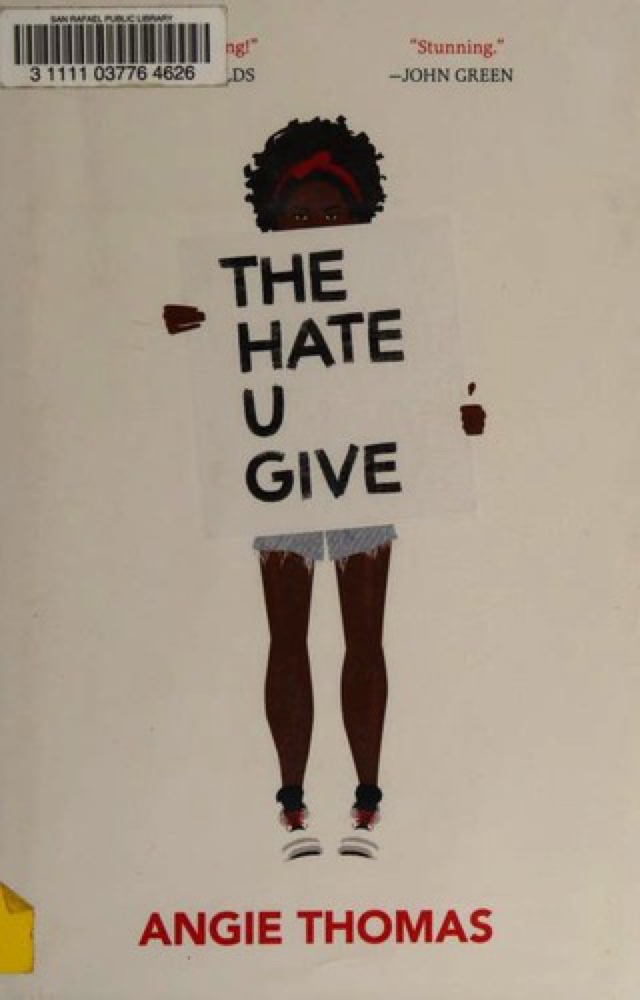 The Hate U Give
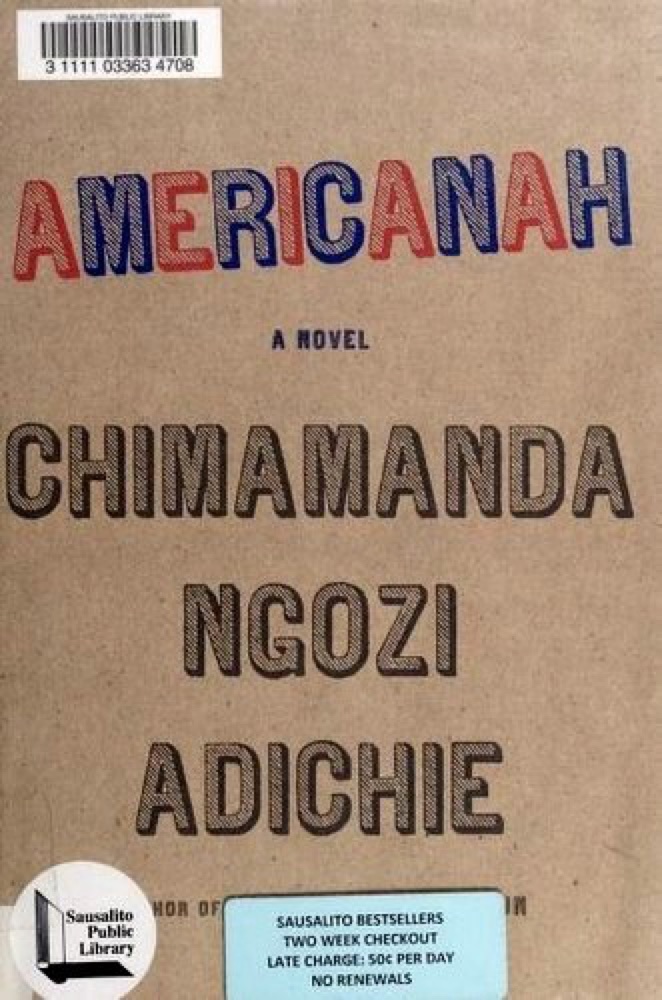 Americanah
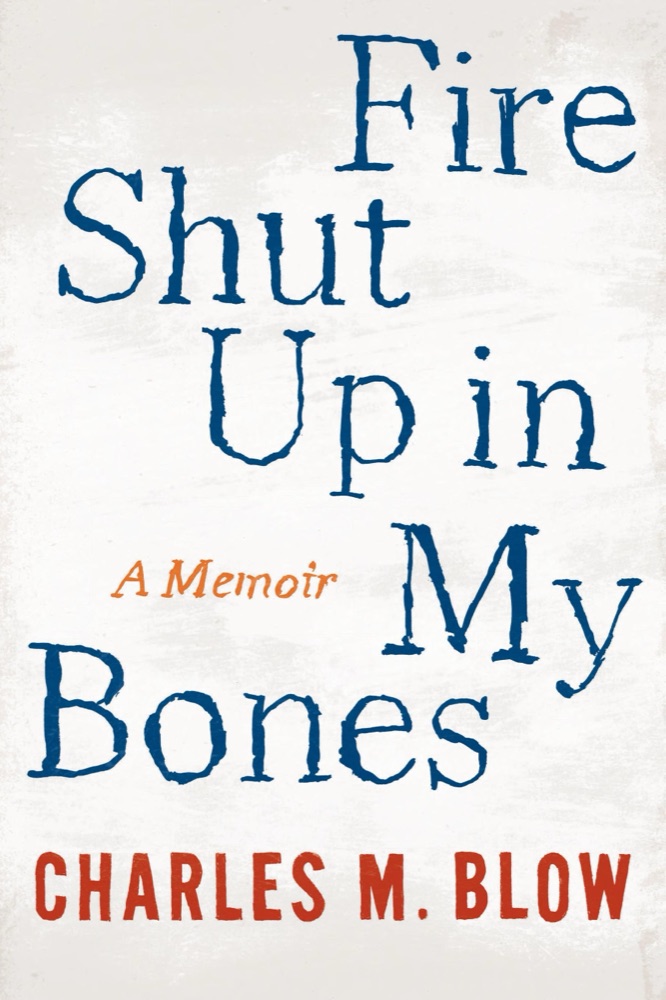 Fire Shut Up in My Bones: A Memoir
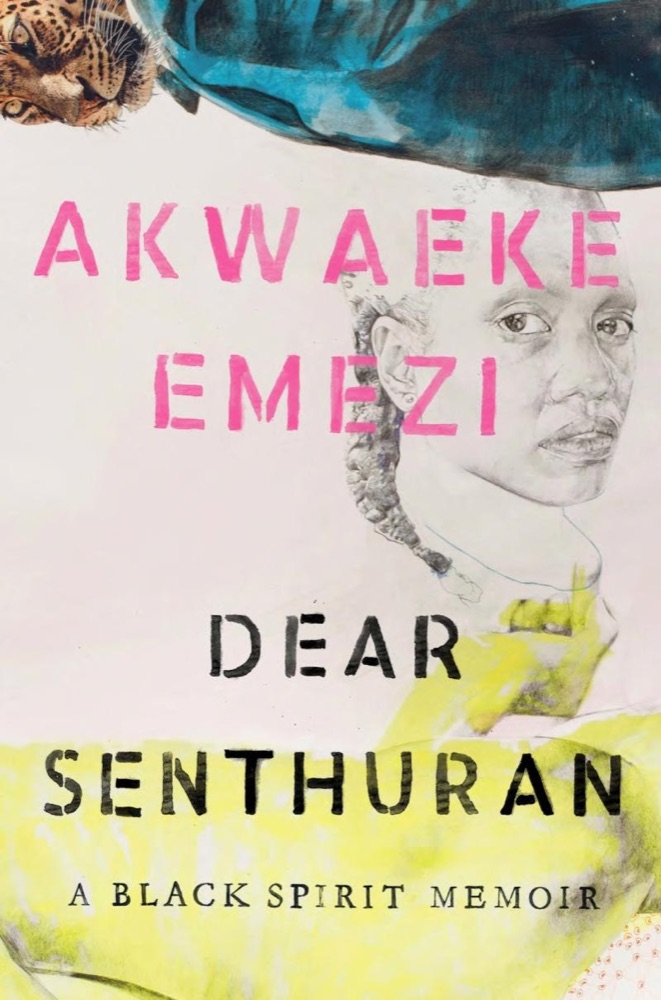 Dear Senthuran: A Black Spirit Memoir
 Scenes from My Life: A Memoir
 The Girl Who Smiled Beads: A Story of War and What Comes After
 Erasure
 Somebody's Daughter
 Punch Me Up to the Gods
 The Yearbook
 James
James
 A Little Devil in America: Notes in Praise of Black Performance
 The Heart of a Woman
 I'm Telling the Truth, but I'm Lying: Essays
 Hate List
 Chances Are...
 Varina
 The Fact of a Body: A Murder and a Memoir
 Sigh, Gone: A Misfit's Memoir of Great Books, Punk Rock, and the Fight to Fit In
 We Are Not Free
 All My Knotted-Up Life: A Memoir
 Dream Count
 A Small Indiscretion
 In the Dream House
 All My Puny Sorrows
 A Mind Spread Out on the Ground
 The Confessions of Frannie Langton
 The Black Kids
 Milkman
 Take Me With You
 Swimming in the Dark
 All Fours
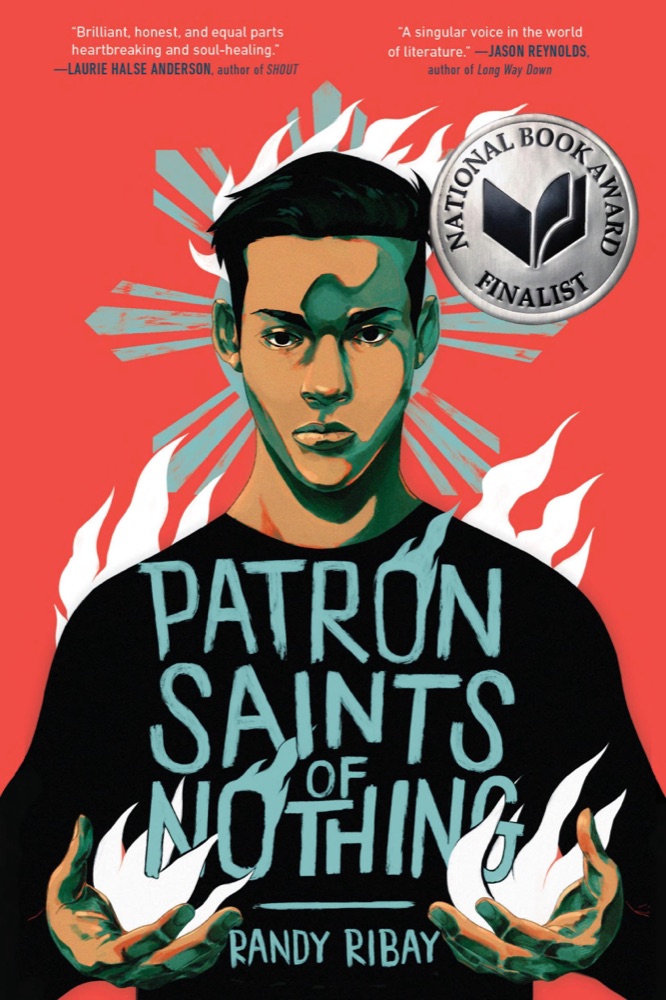 Patron Saints of Nothing
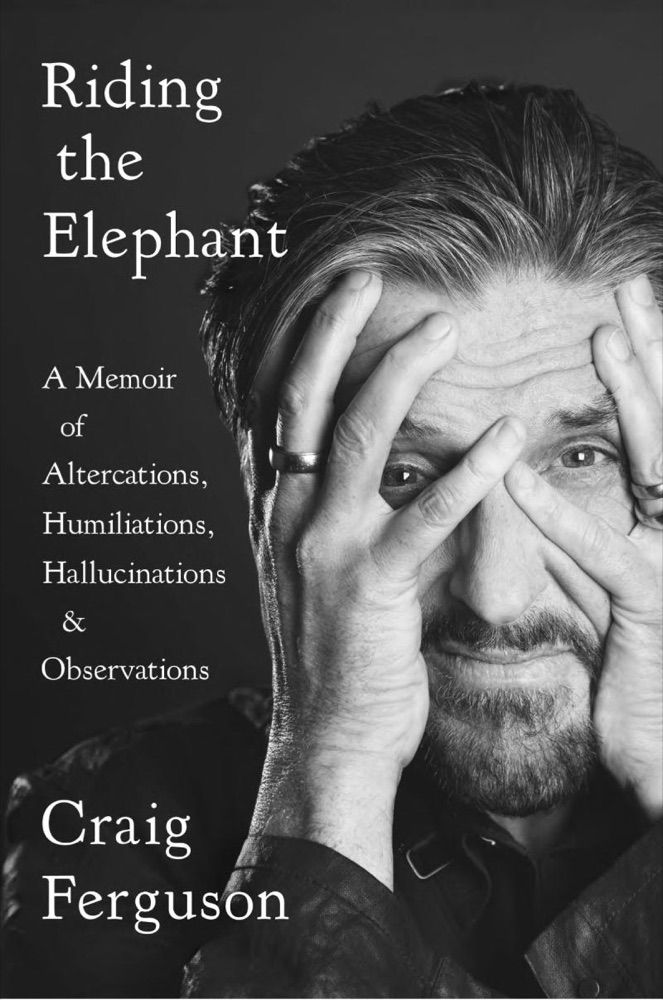 Riding the Elephant: A Memoir of Altercations, Humiliations, Hallucinations, and Observations
 Citizen: An American Lyric
 The Story of a New Name
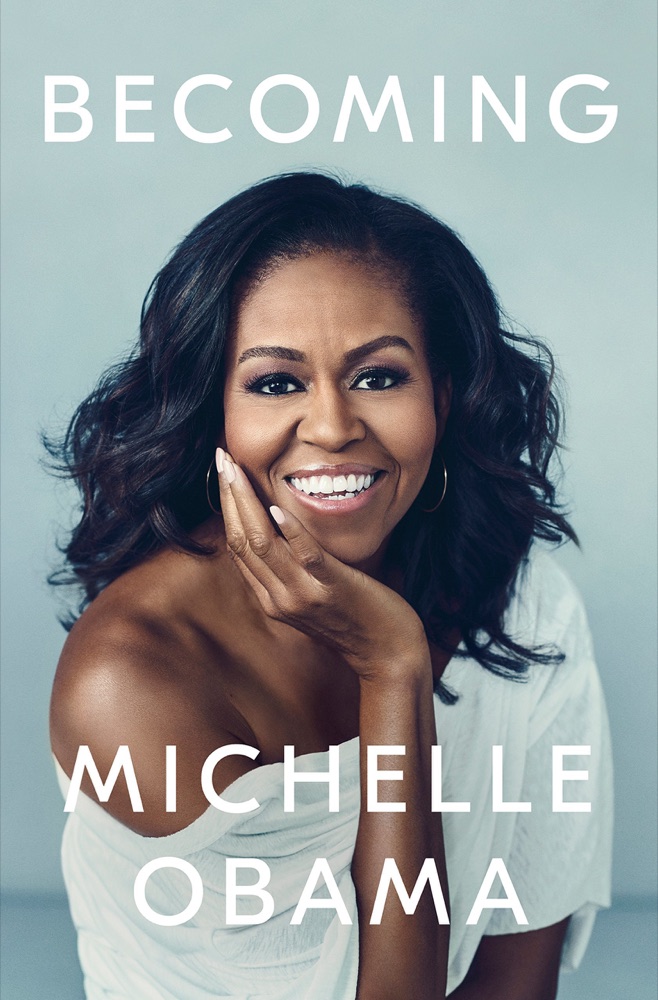 Becoming
 Old Babes in the Wood: Stories
 They Called Us Exceptional: And Other Lies That Raised Us
 Tell No One
 When Women Were Dragons
 The Sympathizer