
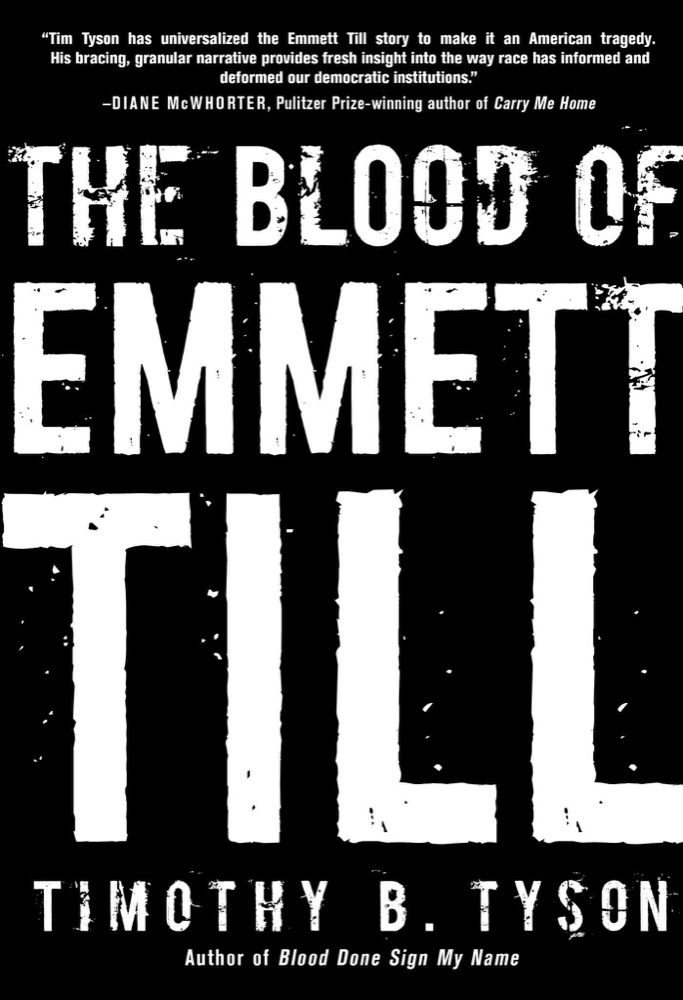
 The Blood of Emmett Till
Quotes from the Book
If there is to be reconciliation, first there must be truth.
44
The Lord works through deeply flawed people, since He made so few of the other kind.
33
It baffles me that people think that obliterating the past will save them from its consequences, as if throwing away the empty cake plate would help you lose weight.
23
In a fallen world marked by human depravity and deep-seated sin, in a world where Hitler and Stalin had recruited millions of followers to commit mass murder, love must harness power and seek justice in order to have moral meaning. Love without power remained impotent, and power without love was bankrupt.
20
It appeared clear to me - partly because of the lies that filled my history textbooks - that the intent of formal education was to inculcate obedience to a social order that did not deserve my loyalty. Defiance seemed the only dignified response to the adult world.
17
In the years since his murder, we have transformed King into a kind of innocuous black Santa Claus.
11
The self-congratulatory popular account insists that Dr. King called on the nation to fully accept its own creed, and the walls came a-tumbling down. This conventional narrative is soothing, moving, and politically acceptable, and has only the disadvantage of bearing no resemblance to what actually happened.
9
Unjust social orders do no fall merely by appeals to the consciences of the oppressor, though such appeals may be an important element; history teaches us that they fall because a large enough number of people organize a movement powerful enough to push them down. Rarely do such revolutions emerge in a neat and morally pristine process.
9
In politics, everyone regards themselves as a moderate, because they know some other sumbitch who's twice as crazy as they are.
7
Every minister worthy of the name has to walk the line between prophetic vision and spiritual sustenance, between telling people the comforting things they want to hear and challenging them with the difficult things they need to hear. In Oxford, Daddy began to feel as though all the members wanted him to do was to marry them and bury them and stay away from their souls.
7
What the advocates of our dangerous and deepening social amnesia don’t understand is how deeply the past holds the future in its grip—even, and perhaps especially, when it remains unacknowledged.
6
Oxford was as drenched in Dixie as we were, just about as Southern a town as you would ever hope to find, which generally was a good thing, because that meant that the weather was nice, except when it was hot enough to fry pork chops on the pavement, and the food was delicious, though it would thicken the walls of your arteries and kill you deader than Stonewall Jackson, and the people were big hearted and friendly, though it was not the hardest place in the world to get murdered for having bad manners. Even our main crop could kill you.
5
We want to transcend our history without actually confronting it. We cannot address the place we find ourselves because we will not acknowledge the road that brought us here.
4
Anyone intent on moral clarity might want to find another book and, in fact, might not want to go anywhere near the enduring chasm of race in the United States.
4
Racism was an important moral issue, one that the church needed to confront. Putting a black man in a position of honor and authority was a good thing, and if there was controversy over it, that was not a bad thing thing, either. People needed to work through these things, and not just in the abstract.
3
Tobacco put food on our tables, steeples on our churches, stains on our fingers, spots on our lungs, and contradictions in our hearts.
3
The federal government was entirely complicit. When President Roosevelt passed the Social Security Act of 1935, Southern conservatives and their Northern Republican allies forced the New Deal legislation to exclude domestic workers and farmworkers from all of its employment provisions. That shielded
2
When we said we were going to do something "directly," which is pronounced "dreckly," we meant that we were going to get to it sooner or later, one of these days, maybe never, and please don't ask again.
2
We are runaway slaves from our own past, and only by turning to face the hounds can we find our freedom beyond them.
2
The world had kenneled a vicious lie in my brain…
2
South where I grew up. In large measure, this reflected a racial and gender caste system that denied most other opportunities to African American women. That system was designed to ensure a ready supply of cheap black labor, especially for the Southern ruling classes that emerged out of slavery’s old planter class. But the privilege of exploiting black labor extended even to fairly lowly whites; textile mill hands and poor farmers, for example, frequently employed their black
1
A local white bootlegger, idling under the store awning, accosted Major Stem. “Why’d you call that damned nigger woman ‘Mrs. Shaw’?” he demanded. In those days, white Southerners did not use courtesy titles for their black neighbors. While it was permissible to call a favored black man “Uncle” or “Professor”—a mixture of affection and mockery—he must never hear the words “mister” or “sir.” Black women were “girls” until they were old enough to be called “auntie,” but they could never hear a white person, regardless of age, address them as “Mrs.” or “Miss” or “Ma’am.” But Major Stem made his own rules.
1
We cannot address the place we find ourselves because we will not acknowledge the road that brought us here. Our failure to confront the historical truth about how African Americans finally won their freedom presents a major obstacle to genuine racial reconciliation.
1
That we not become prejudiced against those are prejudiced, or whose prejudices. May no be our own.
1
You read yourself full, you pray yourself hot, and then you turn yourself loose.
1
He held his ground like a sweet gum stump trying hard to live in a spirit of love and action, not anger and reaction
1
What others might dismiss as the vagaries of fate, my father interpreted as dancing lessons from the Divine.
1
But as I’d learned my new trade at a deeper level, I’d discovered that I had not escaped the call to ministry as cleanly as I might have thought. I had not only followed my mother into the classroom but my father into the pulpit, never mind that I preached on weekdays instead of Sundays. There I was, pacing the lecture hall with chalk dust on my pants, day after day.
Watch on YouTube
About Timothy B. Tyson
We have collected 58 quotes from 2 books by Timothy B. Tyson on BookQuoters.
More about the author →More by Timothy B. Tyson
The Blood of Emmett Till
About the book
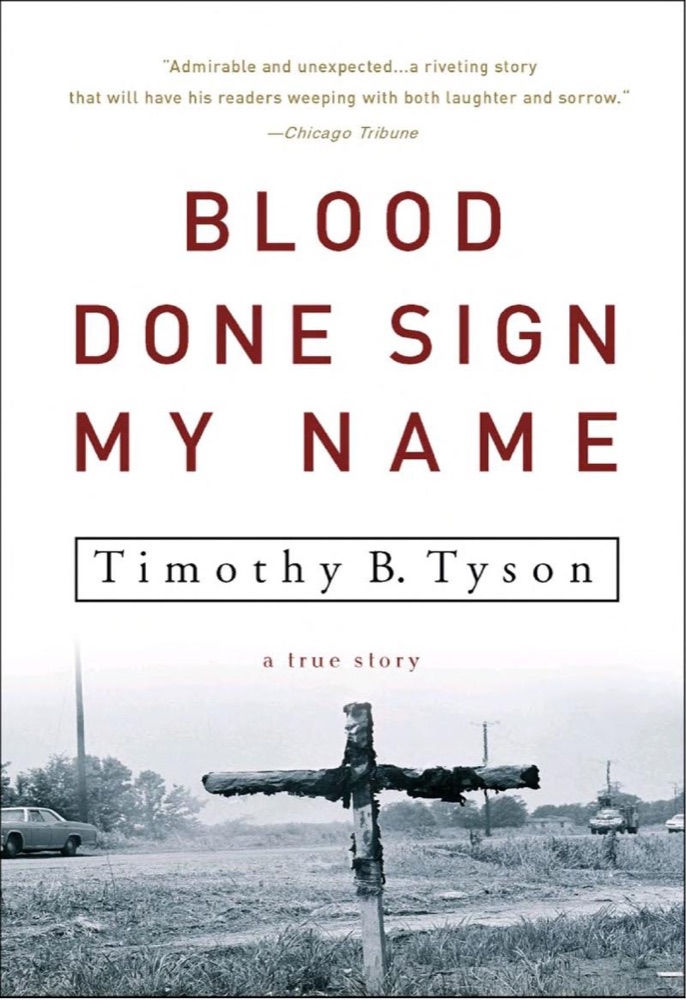
“Daddy and Roger and ’em shot ’em a nigger.” Those words, whispered to ten-year-old Tim Tyson by a playmate, heralded a ?restorm that would forever transform the tobacco market town of Oxford, North Carolina.On May 11, 1970, Henry Marrow, a twenty-three-year-old black veteran, walked into a crossroads store owned by Robert Teel and came out running. Teel and two of his sons chased and beat Marrow, then killed him in public as he pleaded for his life.Like many small Southern towns, Oxford had barely been touched by the civil rights movement. But in the wake of the killing, young African Americans took to the streets. While lawyers battled in the courthouse, the Klan raged in the shadows and black Vietnam veterans torched the town’s tobacco warehouses. Tyson’s father, the pastor of Oxford’s all-white Methodist church, urged the town to come to terms with its bloody racial history. In the e
Book details
- First published
- 2004
- Author
- Timothy B. Tyson
- Genre
- History
- Goodreads rating
- 4.18 (4k ratings)
Keep reading
 Dreams from My Father: A Story of Race and Inheritance
 Edge of Eternity
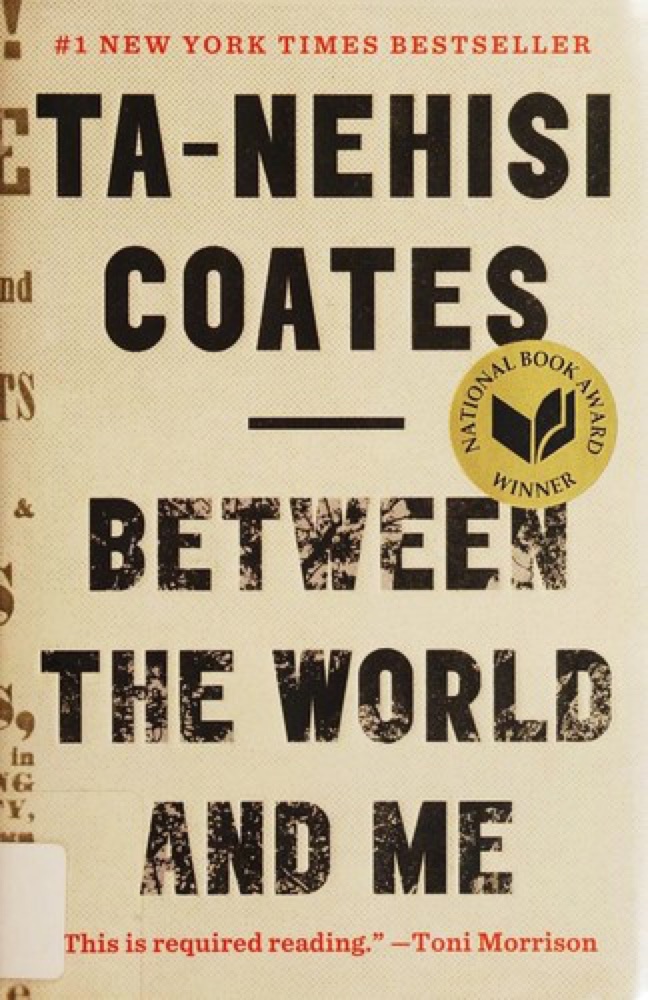 Between the World and Me
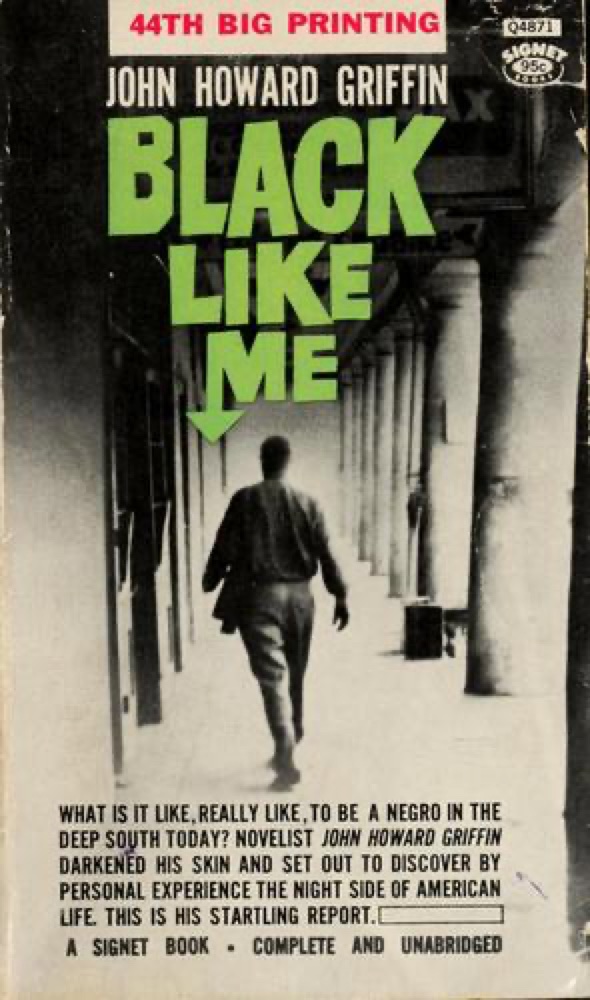 Black Like Me
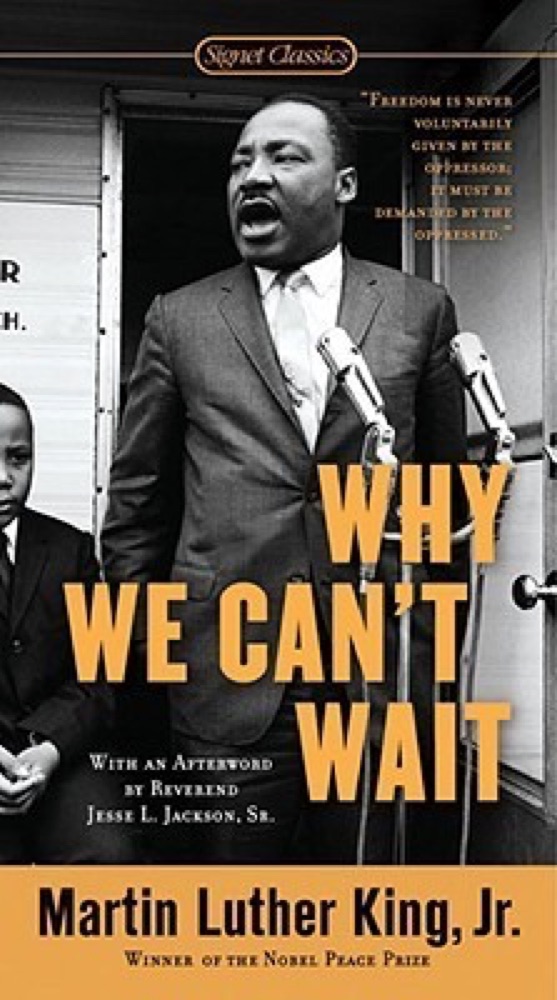 Why We Can't Wait
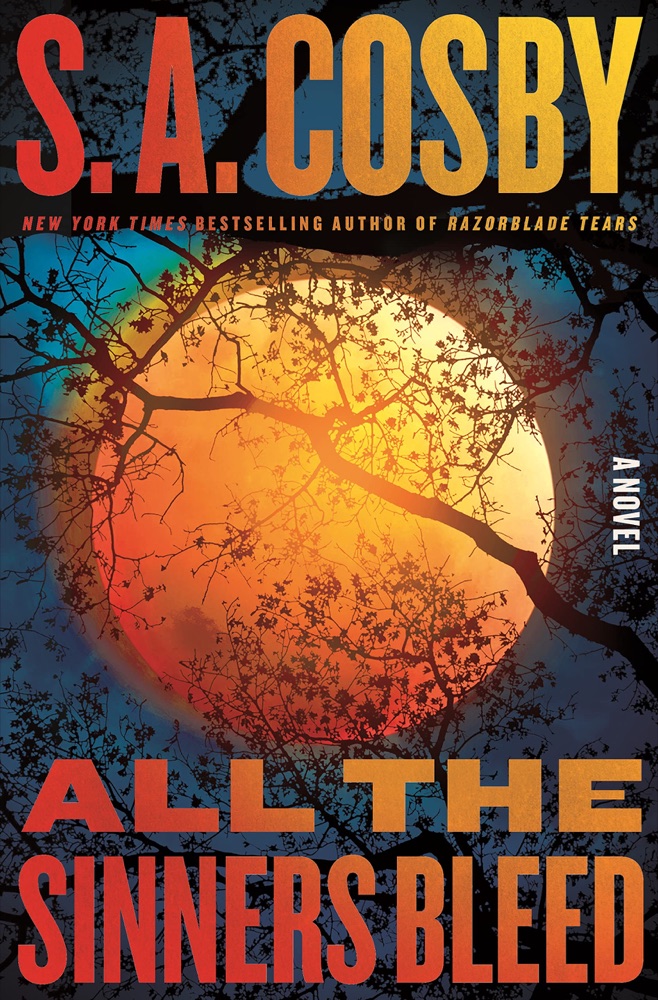 All the Sinners Bleed
 The Water Dancer
The Blood of Emmett Till
The Water Dancer
The Blood of Emmett Till
 The Love Songs of W.E.B. Du Bois
 Four Hundred Souls: A Community History of African America, 1619-2019
 No Name in the Street
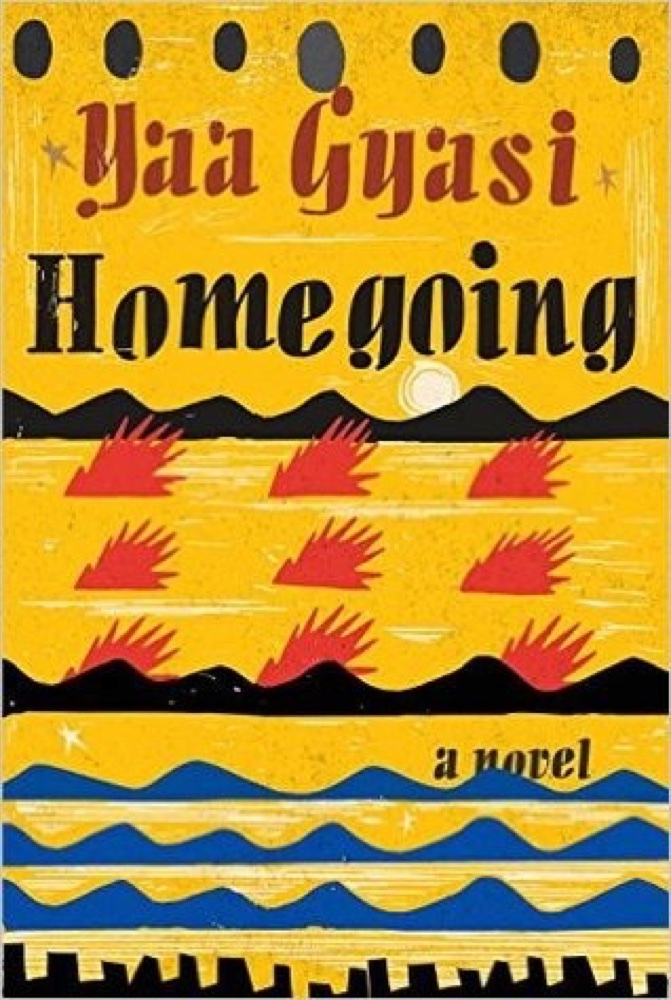 Homegoing
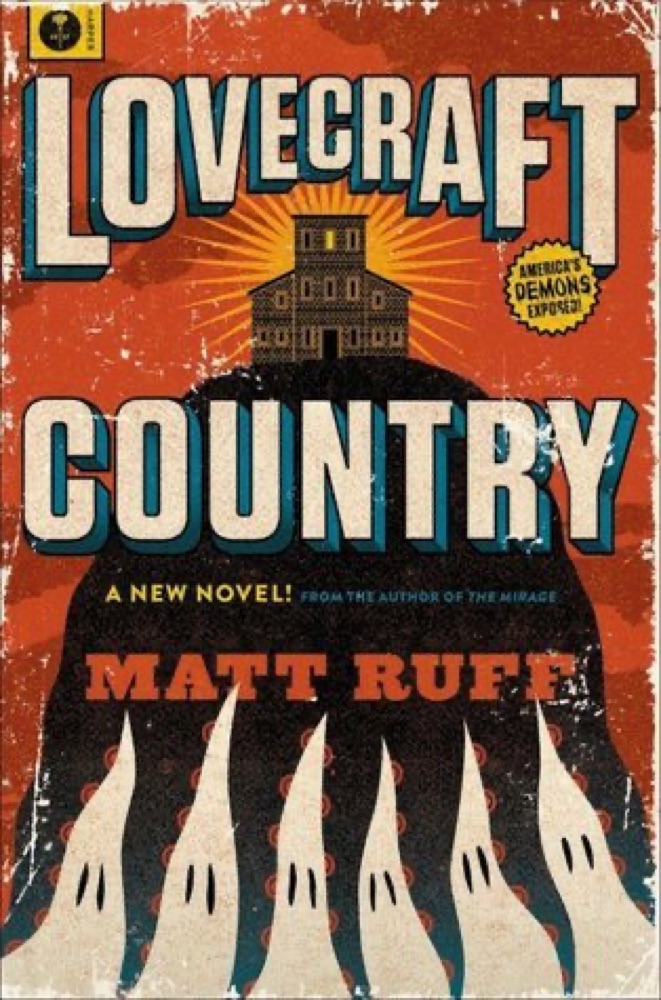 Lovecraft Country
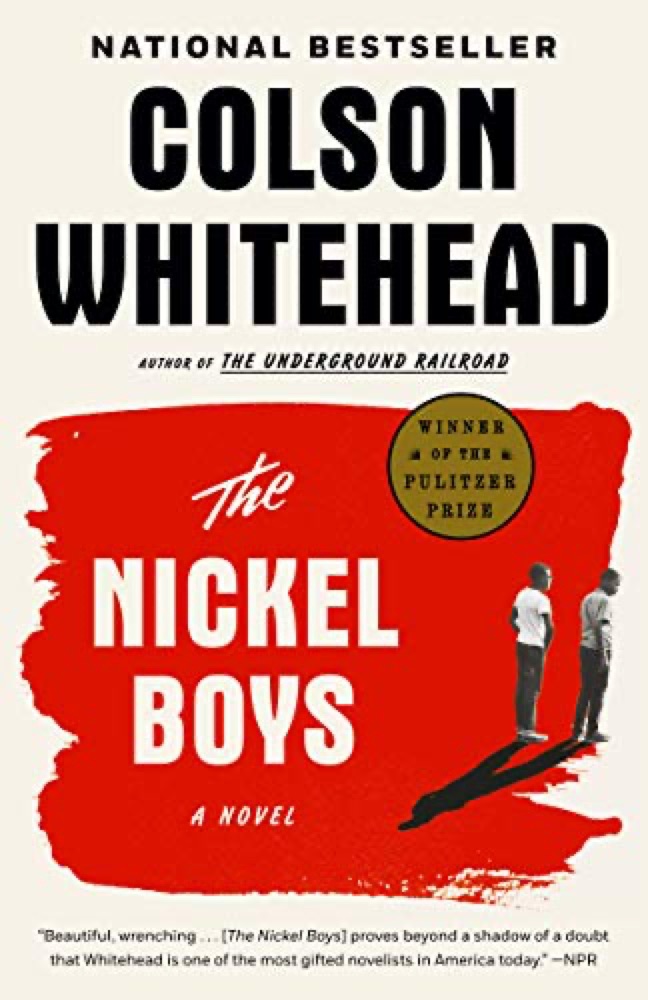 The Nickel Boys
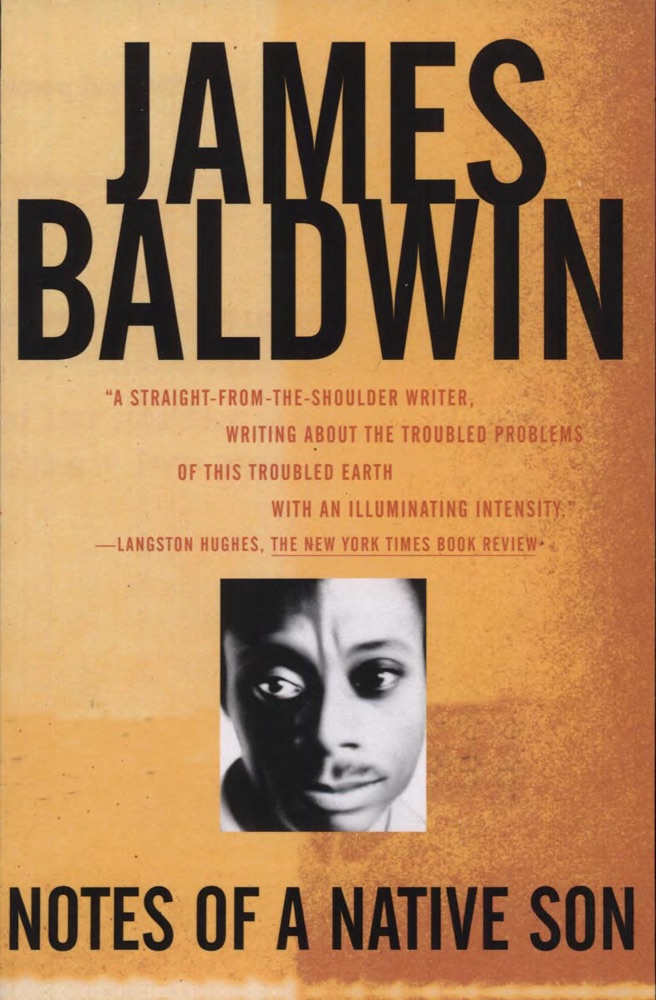 Notes of a Native Son
 We Were Eight Years in Power: An American Tragedy
 Letter from the Birmingham Jail
 Where Do We Go from Here: Chaos or Community?
 Nobody Knows My Name
 All God's Children Need Traveling Shoes
 The Confessions of Nat Turner
 Whiskey When We're Dry
 The Heart of a Woman
 The Warmth of Other Suns: The Epic Story of America's Great Migration
 My Government Means to Kill Me
 The Underground Railroad
 Notes from No Man's Land
 Anthills of the Savannah
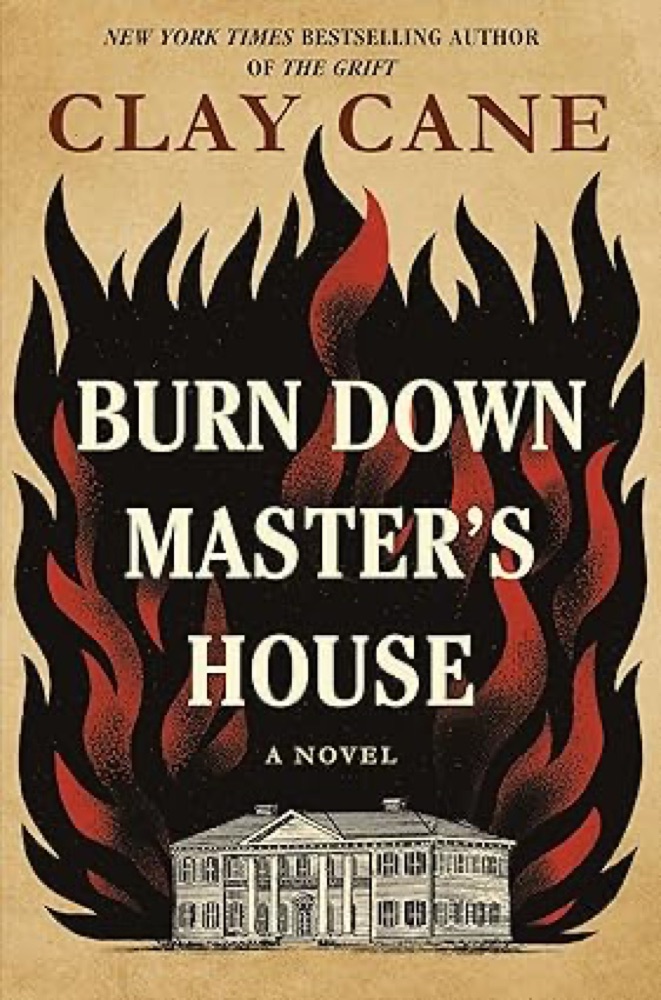 Burn Down Master's House
 Varina
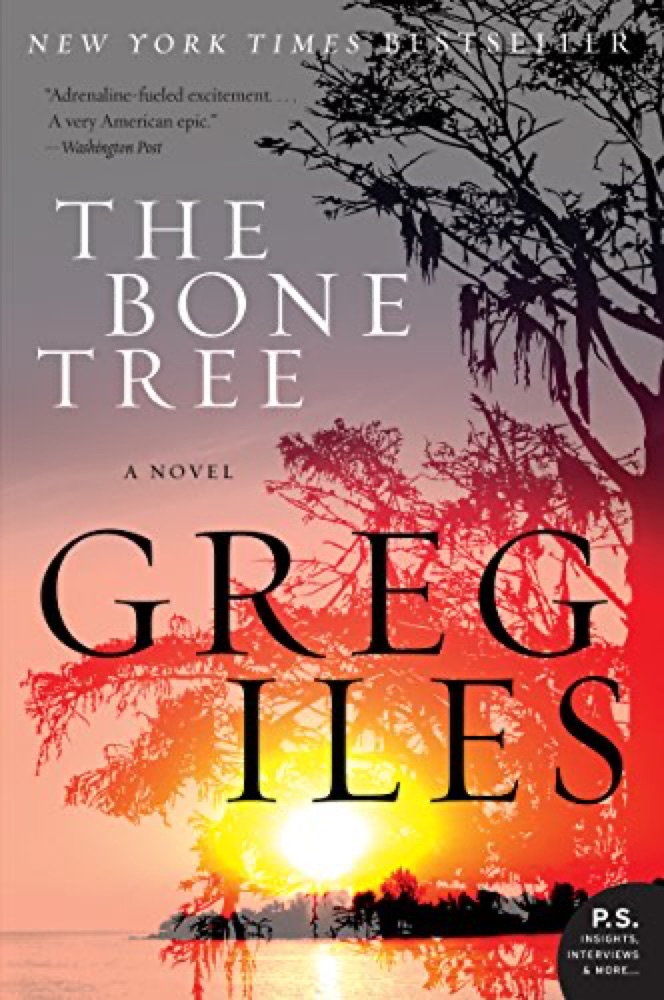 The Bone Tree
 The Quiet Game
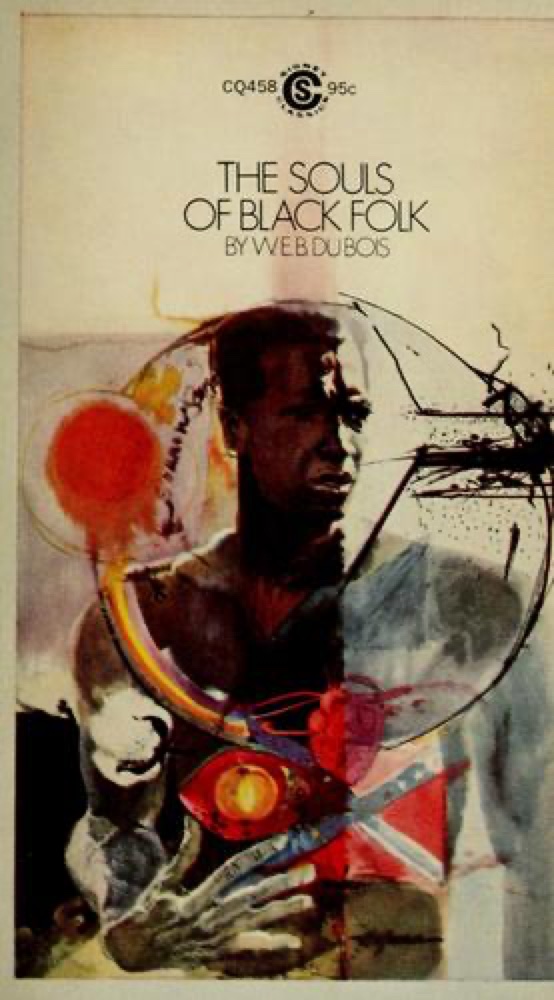 The Souls of Black Folk
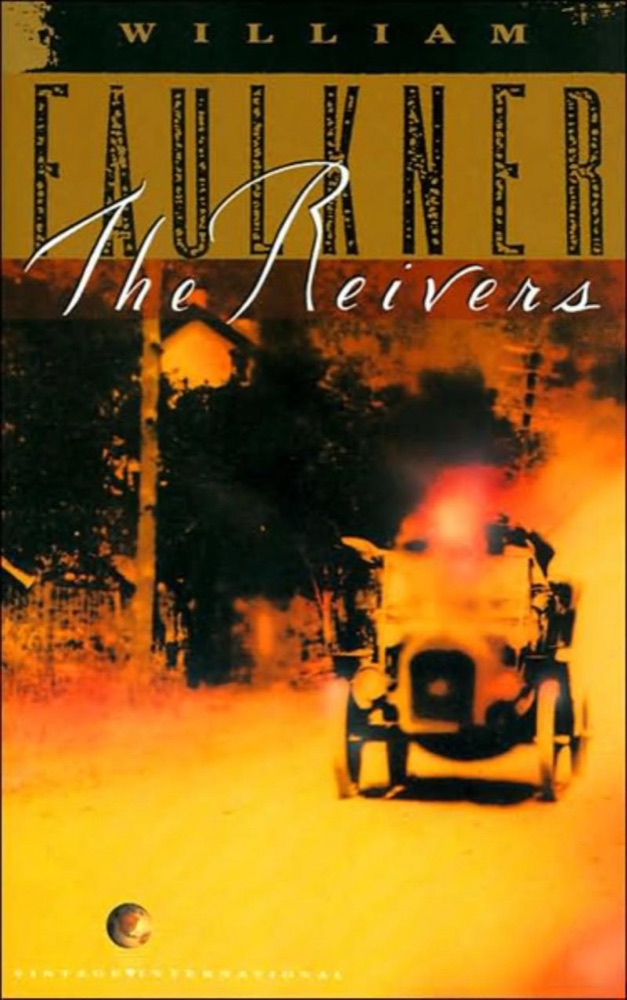 The Reivers
 The Hemingses of Monticello: An American Family
 The Office of Historical Corrections
 The Prophets
 Soul of the Fire
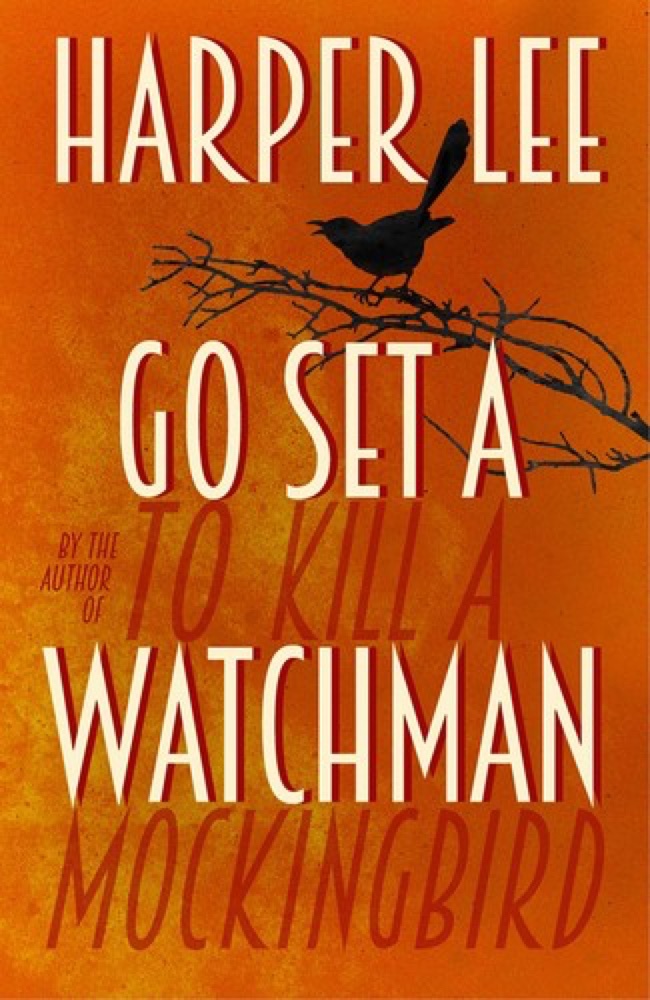 Go Set a Watchman
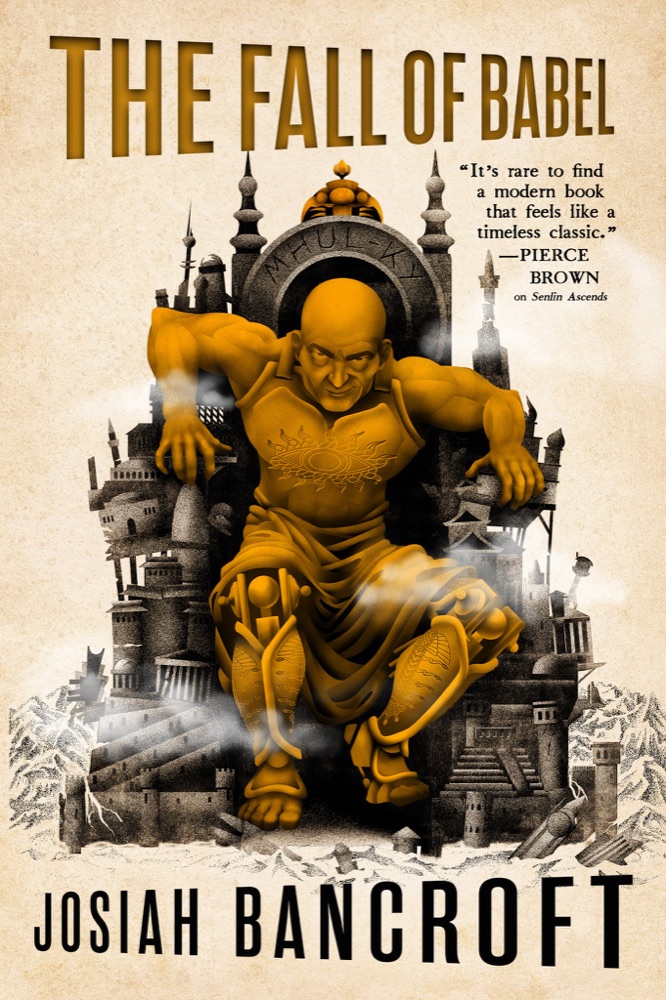 The Fall of Babel
 The Son
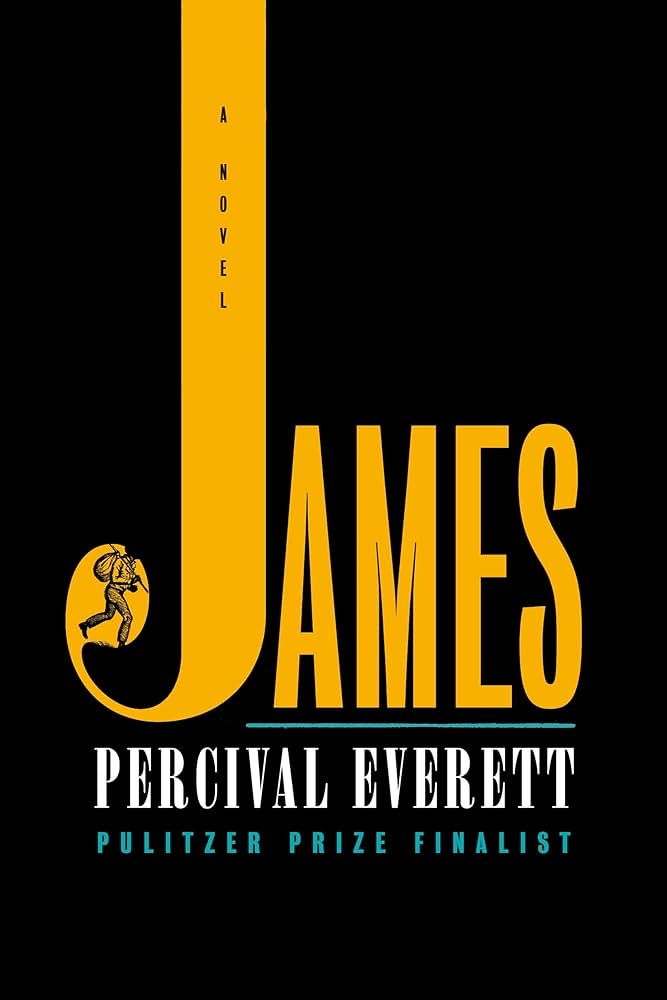 James
James
 Washington Black
 Dread Nation
 The Unvanquished
 Joseph Anton: A Memoir
 The Golden House
 Incidents in the Life of a Slave Girl
 The Color of Water: A Black Man's Tribute to His White Mother
 Little Boy Lost
 How Long 'til Black Future Month?
 Assata: An Autobiography
 Natchez Burning
 A Song Flung Up to Heaven
 Invisible Man, Got the Whole World Watching: A Young Black Man's Education
 How to Slowly Kill Yourself and Others in America
 How Beautiful We Were
 Black AF History: The Un-Whitewashed Story of America
 Under the Same Stars
 You Can't Be Neutral on a Moving Train: A Personal History of Our Times