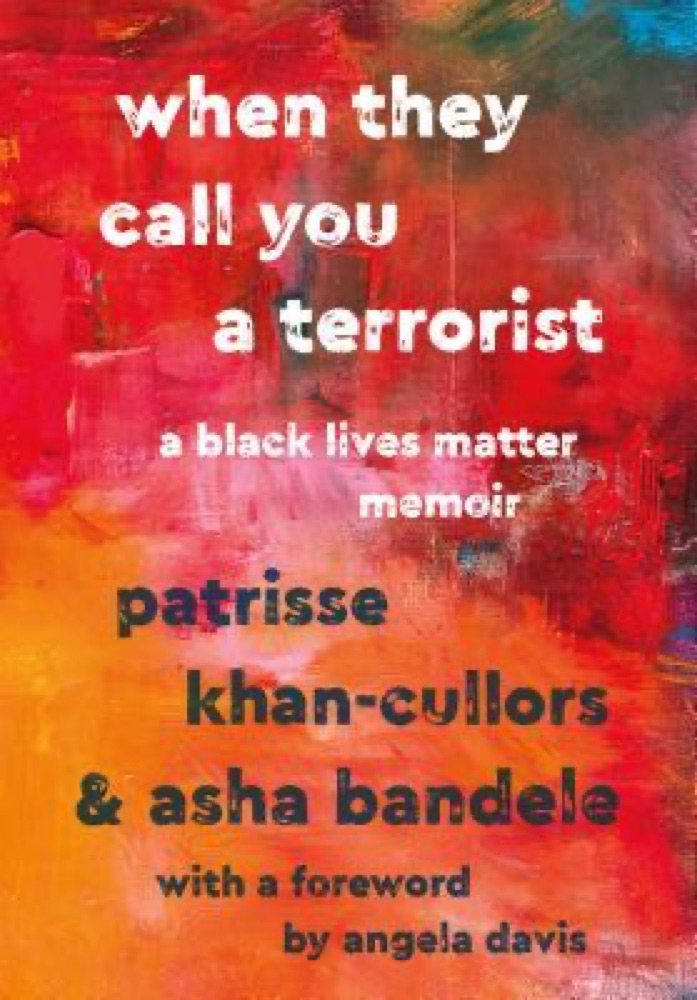
 When They Call You a Terrorist: A Black Lives Matter Memoir
Quotes from the Book
Where does my greatest joy intersect with the world’s greatest need? Let me go there.
7
No matter how many times my dad urged me to reach for the stars, my understanding of the universe was still confined by the world' limited notion of what a Black country girl from the South could do or who she could become.
2
plugged in my headphones. In the sermon, King uses the parable of the neighbor who knocks upon his friend’s door at midnight, seeking three loaves to feed a hungry traveler. The man’s need is great, King reminds us, because the loaves of bread he seeks are spiritual loaves. The bread of faith, the bread of hope, the bread of love. The man’s friend refuses him. “Do not bother me; the door is now shut,” his friend says, “and my children are with me in bed, I cannot get up and give you anything.” In his tremendous tenor, his voice rolling with the calm power and depth of the sea, King explains that the man continues to persistently knock; he will not be denied. He urges us to embrace the hope, faith, and love necessary to continue our struggle for justice in midnight’s darkest hour. With faith in his friend’s generosity, and out of a deep need to provide loaves to his visitor, the man knocks. “Midnight is a confusing hour when it is difficult to be faithful.” His voice sonorous, King intones, “The weary traveler by midnight who asks for bread is really seeking the dawn. Our eternal message of hope is that dawn will come.
2
Gatesville is a small rural town near Waco with a population of fifteen thousand. Over half of that population are incarcerated in the town’s six prisons, all but one of which were built between 1980 and 2005, during which time the prison population in the United States grew an astounding six hundred percent, and in my home state of Texas, twelve hundred percent. Five of the Gatesville prisons are facilities for women.
2
Anyone used to constant forward motion can tell you that it’s not always easy slowing down. You allow yourself to feel things you’ve held at bay until this point. Those things wash over you like waves. You can try to keep your feet rooted firmly in the sand, try not to be sucked in by the undertow. But the ocean is stronger than you and the waves will come.
1
Teachers, lawyers, social workers, activists-anyone who works with the directly impacted, anyone who confronts the system day in and day out-will tell you that residual trauma is real.
1
Human beings are built for empathy—built to absorb and experience the pain of others. Adrenaline, urgency, the forward momentum of the work, all of those things can propel you when you’re in the thick of it. But when that stops and the world stills, it matters not how great the victory. You feel the losses sustained along the way. And the exhaustion.
1
Caring for myself is not self-indulgence, it is self-preservation, and that is an act of political warfare.” Like any radical behavior, it must be learned. And practiced. And learned again. It is one thing to know that consciously, and quite another to do it—to make oneself one’s sacred duty.
1
For most of its history, our country has worked so hard to demonize incarcerated people that we forget that they are our mothers and fathers, daughters and sons. Everyday people, all. Human beings who are not bad people, just made poor choices.
1
My experience with Red taught me how easy it can be for young women to fall into cycles of abuse-even confident, successful, strong young women. My abusive relationship became my own addiction. I was addicted to the intense highs and lows to the intimacy you share with the one other person who knows just how bad things have gotten. And when you love the person abusing you, you have in-depth knowledge of the pain and brokenness that leads them to treat you in a damaging way. How will they ever heal, you think, if I leave?
1
Despite Sharanda’s growing realization that the attorneys she and her family continued to pour money into were not going to help her, she found reserves of courage and strength within herself that she didn’t know she had. Committed to her mother’s care, she made a pledge. “God is not going let you stay like this forever,” Sharanda told herself. “But you are here right now. You can’t live for the outside. You’ve got to be fully present. You’ve got to live here. In this moment. In this place.
What did the feds want from you?” I asked Sharanda after my second night of reading, note taking, and pacing in outrage at the injustice of it all. “They must have wanted something.” “They wanted me to flip on my friend,” she wrote back. “The one I opened Cooking on Lamar with. She was a police officer in Dallas, and they wanted me to say that she was my partner in carrying the drugs. But it wasn’t true. They had it all wrong. And I was so clueless at the time, I didn’t even get it. I didn’t even get that they wanted me to be a snitch. My mind just didn’t work like that. I didn’t know why they were putting all this on me. It wasn’t until way after when McMurrey came to visit me in prison and asked about her again that I even realized.” “He came to see you in prison?” “He sure did. They don’t ever give up. All they want is for you to flip on the next person. Basically told me if I gave her up they’d reduce my sentence. But none of it was even true. And how am I gonna just hand my suffering to somebody else? They didn’t know what they were talking about. Later my friend sued them for defamation and won. She’s still on the force now. She didn’t have nothing to do with any of it. And that’s the God-honest truth.” The feds were ready to reduce Sharanda’s sentence if she made up a story about her friend. How could they play with people’s lives like that? And to what end? They had stacked Sharanda’s case with absurd charges against her entire family just to get to a woman who Sharanda swore was innocent?
Every story played upon stereotypes of hypercriminal Black men and a morally degenerate Black community. In picture after picture, young Black boys and men crouched, tatted and lean in baggy jeans and gold chains, throwing up signs, looking every bit the part of pathological perpetrators of this pandemic. That some of the images were of rappers, not drug dealers, didn’t seem to alter the message. The media treated them the same: Crack was not a public health crisis, it was a public safety crisis. The subtext was clear: Get rid of these ruthless (Black) thugs, or we (whites) are all in peril.
Clarksville is the county seat of Red River County, located about fifteen minutes from Bogata. Tourist blogs and websites describe it as a quaint town with an authentic Old South feel, and that’s about right. Of course, for Black people, the Old South is nowhere you want to visit. A statue of a lone Confederate general towers over the Clarksville town center. To hear my grandpa tell it, the general was built looking sternly over at the Black side of town as a warning regarding where the town’s heart lies. As if there were any question.
How are you gonna make that happen?” Daddy would ask. “You gotta set your intentions, BK. You got to know what you want and believe in it. Speak it into being.” Way before tech-age gurus were making millions for TED talks speaking the same truth, my father taught me the power of intention: You can’t be it unless you can believe it.
Of the nearly 185,000 people in federal prison in 2018, 46.2 percent were there for drug offenses. Almost half of the people in federal prison serving life without parole had been convicted of a drug crime, and 80 percent of them were people of color.
A statue of a lone Confederate general towers over the Clarksville town center. To hear my grandpa tell it the general was built looking sternly over the Black side of town as a warning regarding where the town's heart lies. As if there were any question.
At school, the DARE program brought friendly police officers into our classrooms to convince us that drug abuse was everywhere, a mortal threat, and that only the weakest, most morally bankrupt individuals would succumb to it-the losers, those who didn't love themselves enough or weren't strong enough. I loved Mama through and through, but it was hard to to internalize the message.
On one side of the tracks was the commercial center: the college, city hall, businesses, white residential neighborhoods-carefully kept that way, first by deliberate redlining and later by Jim Crow... Through the sixties, the city of Commerce was known as a "sundown town"- any Black person found of the streets after dark was in danger of being lynched. The only place where Black citizens were safe from the threat of white violence was also the only place Black people were legally allowed to reside: Norris Community, known fondly by younger generations as "the Hole".
But it was 1996, and America's War on Drugs was in full throttle. Resources for drug treatment were scant, while money was being poured into law enforcement and prisons. People with addiction like Mama didn't stand a chance. And neither did their kids caught up on the front lines.
Critical Race Theory takes as its premise that racism is ingrained in the fabric and system of the American society,” he said. “That’s not a question, and not up for debate in this class. The question is, how?
Watch on YouTube
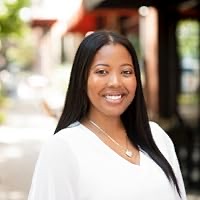
About Brittany K. Barnett
We have collected 21 quotes from 1 book by Brittany K. Barnett on BookQuoters.
More about the author →About the book
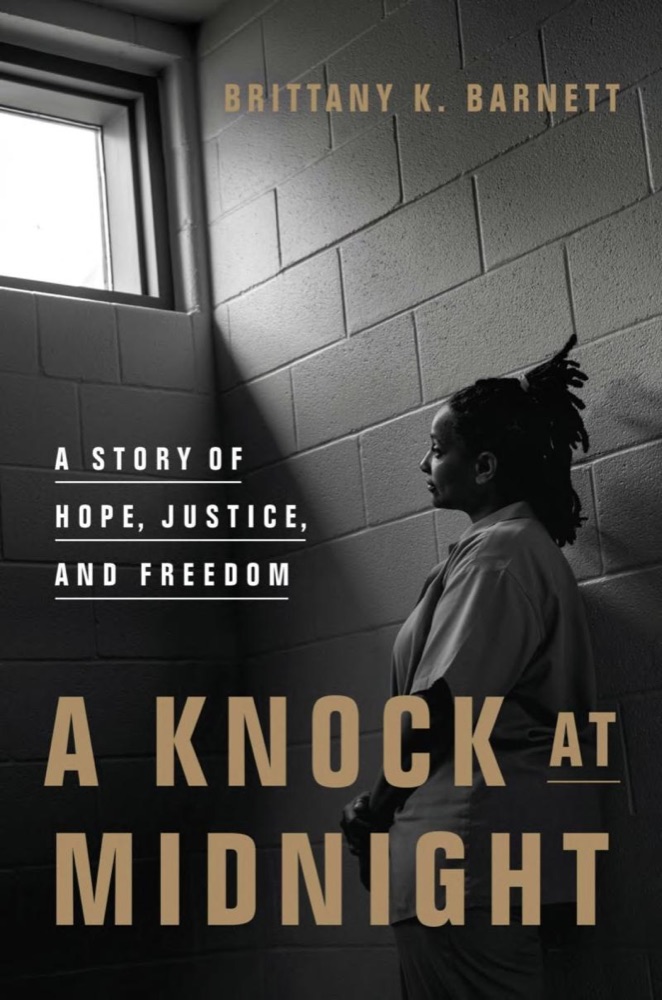
An urgent call to free those buried alive by America's legal system, and an inspiring true story about unwavering belief in humanity--from a gifted young lawyer whose journey marks the emergence of a powerful new voice in the movement to transform the system.Brittany K. Barnett was only a law student when she came across the case that would change her life forever--that of Sharanda Jones, single mother, business owner, and, like Brittany, black daughter of the rural South. A victim of America's ruthless, devastating war on drugs, Sharanda had been torn away from her young daughter and was serving a life sentence without parole--all for a first-time drug offense. In Sharanda, Brittany saw haunting echoes of own life, both as the daughter of a formerly incarcerated mother and the once-girlfriend of an abusive drug dealer. As she studied Sharanda's case, a system slowly came into focus: one
Book details
- First published
- 2020
- Author
- Brittany K. Barnett
- Genre
- Nonfiction
- Goodreads rating
- 4.57 (6k ratings)
The buzz
- The New York TimesReview in The New York Timesprofessional review (via Book Marks)
- The Washington PostReview in The Washington Postprofessional review (via Book Marks)
- Kirkus ReviewsReview in Kirkus Reviewsprofessional review (via Book Marks)
- Publishers WeeklyReview in Publishers Weeklyprofessional review (via Book Marks)
- BooklistReview in Booklistprofessional review (via Book Marks)
- PreviewReview in Previewprofessional review (via Book Marks)
Keep reading
When They Call You a Terrorist: A Black Lives Matter Memoir
 Scenes from My Life: A Memoir
 Solitary: Unbroken by Four Decades in Solitary Confinement
 Between the World and Me
 How to Slowly Kill Yourself and Others in America
 My Government Means to Kill Me
 The Truths We Hold: An American Journey
 United: Thoughts on Finding Common Ground and Advancing the Common Good
 A Song Flung Up to Heaven
 The Heart of a Woman
 Orange Is the New Black
 Born a Crime: Stories From a South African Childhood
 Aftershocks
 Assata: An Autobiography
 Hell of a Book
 Writing My Wrongs
 Homegoing
 Heavy
Heavy
 The Fire This Time: A New Generation Speaks About Race
 The Color of Water: A Black Man's Tribute to His White Mother
 The Love Songs of W.E.B. Du Bois
 Born to Run
 The Bone Tree
 Turning Angel
 Patron Saints of Nothing
 My Name Is Mahtob: The Story that Began the Global Phenomenon Not Without My Daughter Continues
 It's Trevor Noah: Born a Crime: Stories from a South African Childhood
 On the Other Side of Freedom: The Case for Hope
 Just Mercy
 All God's Children Need Traveling Shoes
 Notes from No Man's Land
 Little Boy Lost
 Blood Done Sign My Name: A True Story
 Lakewood
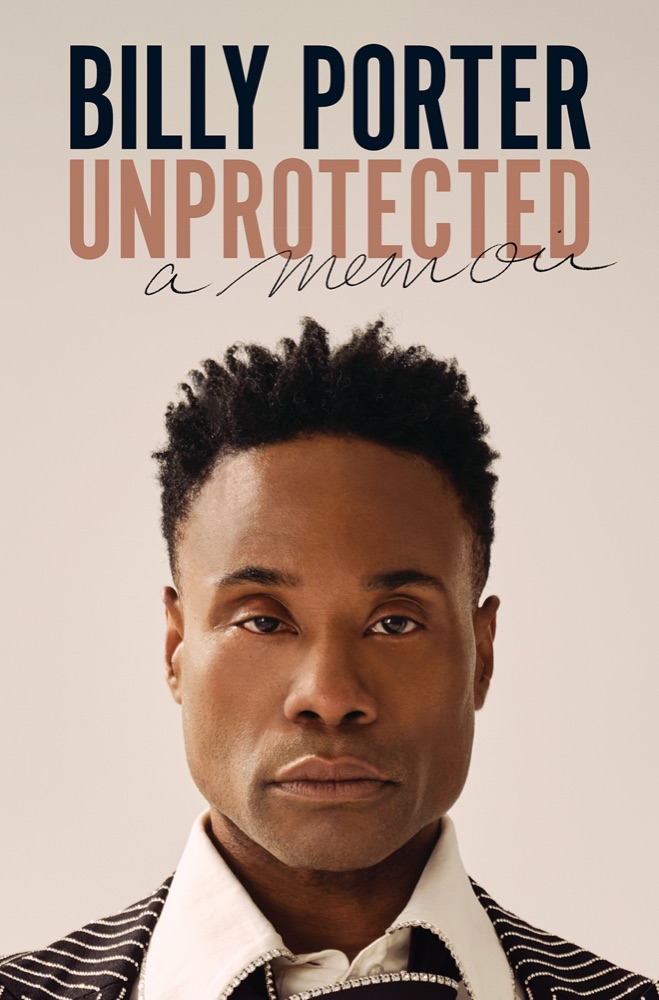 Unprotected: A Memoir
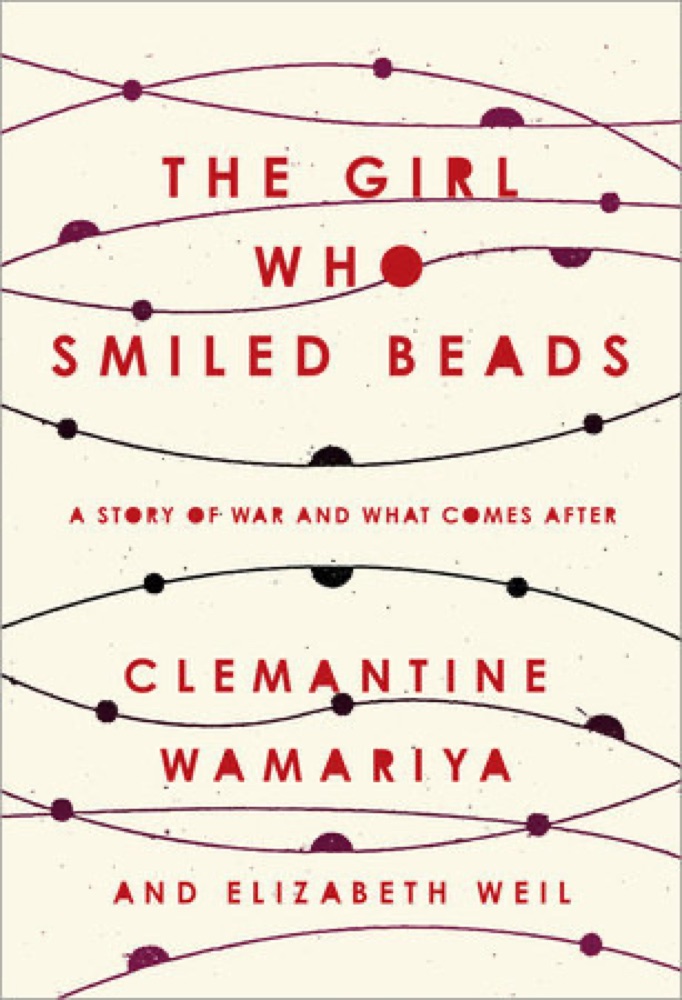 The Girl Who Smiled Beads: A Story of War and What Comes After
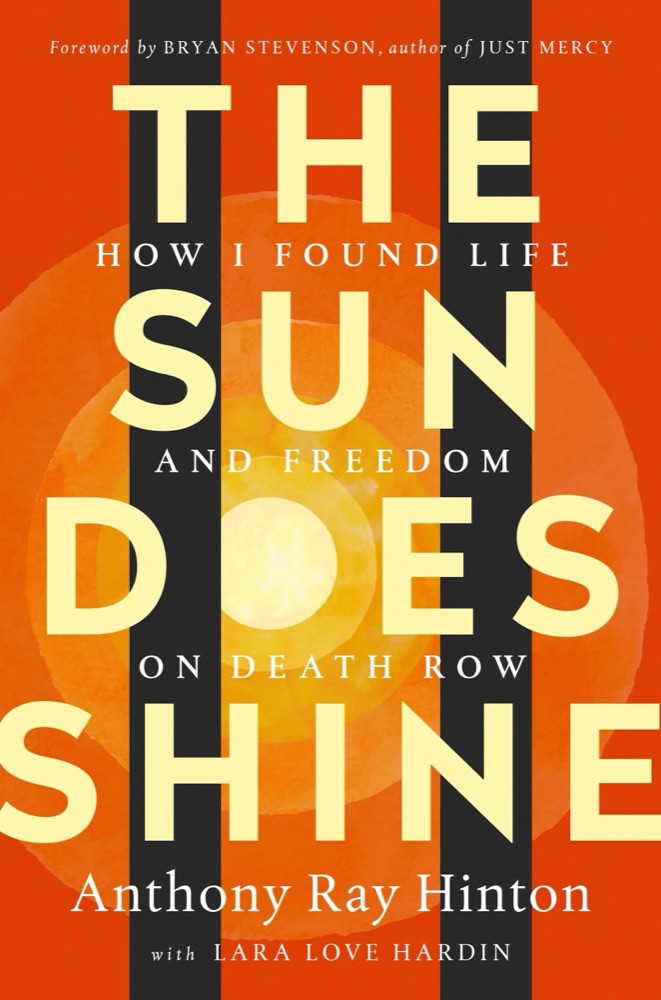 The Sun Does Shine: How I Found Life and Freedom on Death Row
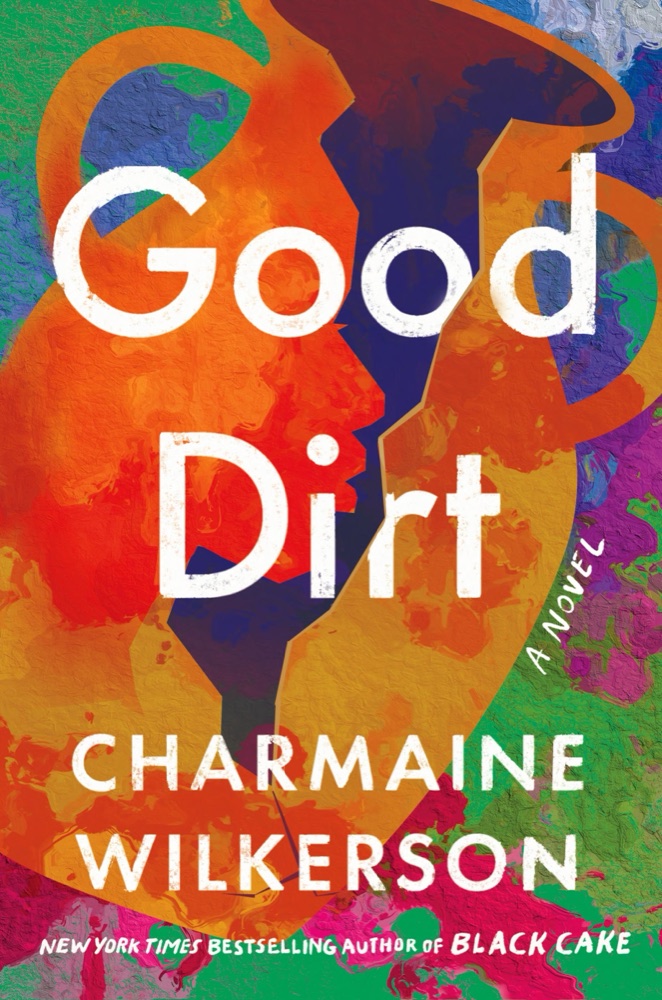 Good Dirt
 Broken Horses
 Men We Reaped
 All American Boys
 Know My Name
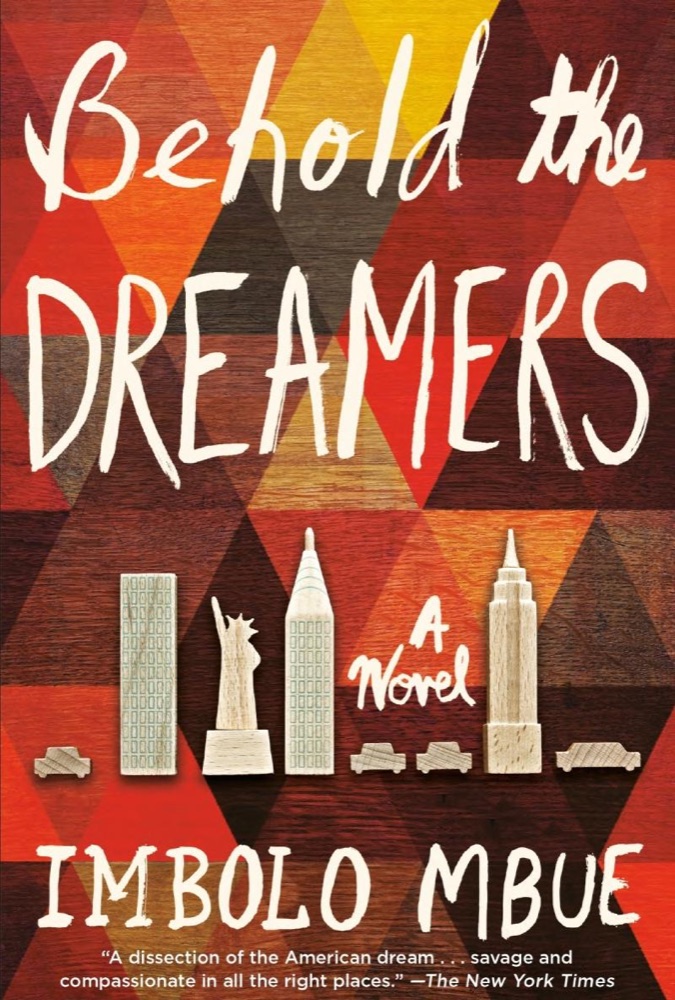 Behold the Dreamers
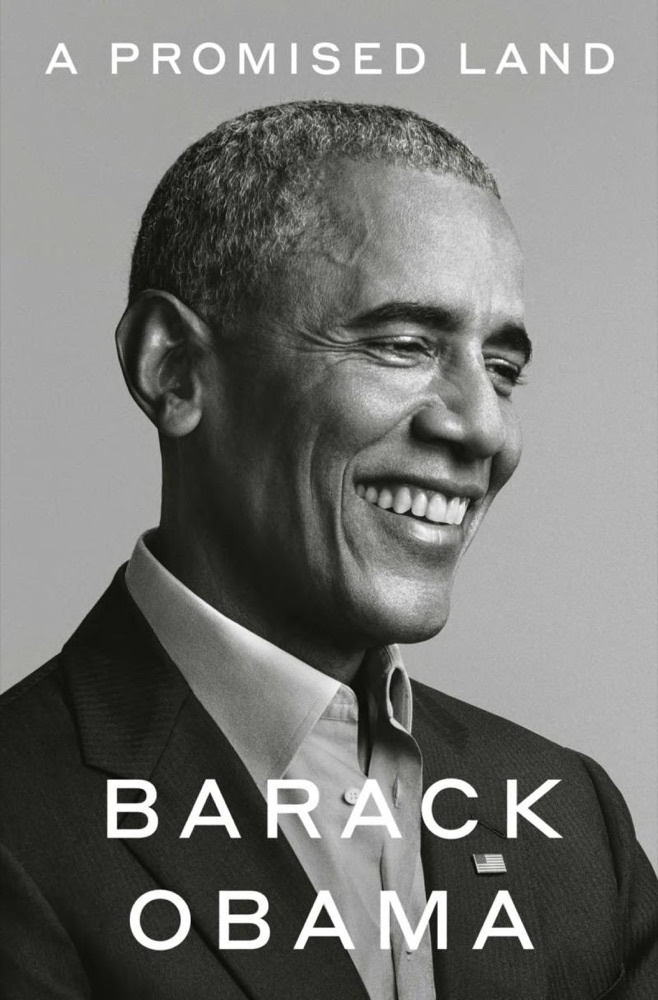 A Promised Land
 The 57 Bus
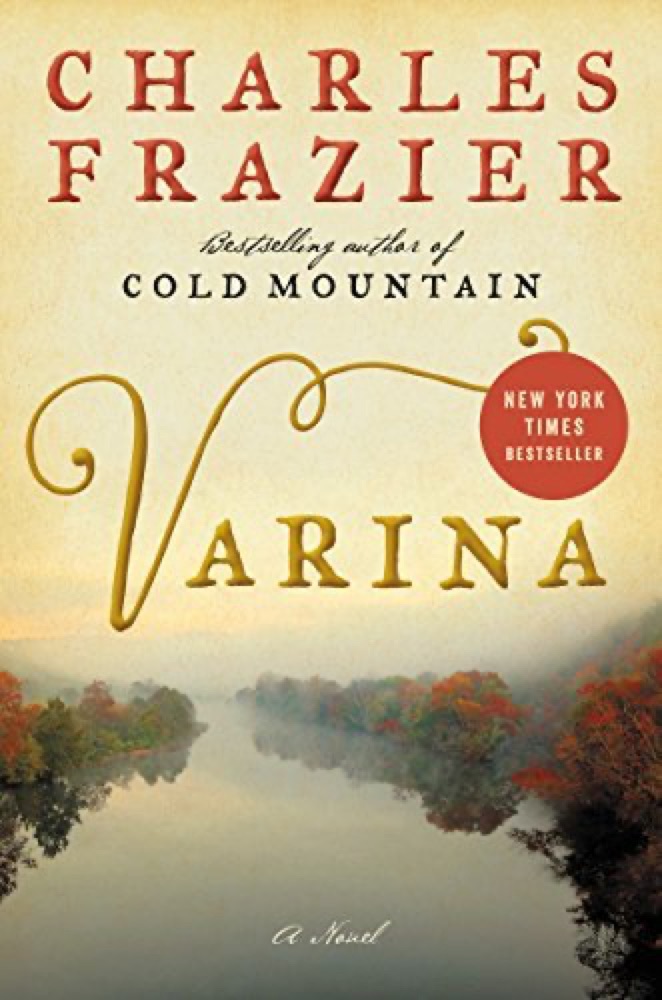 Varina
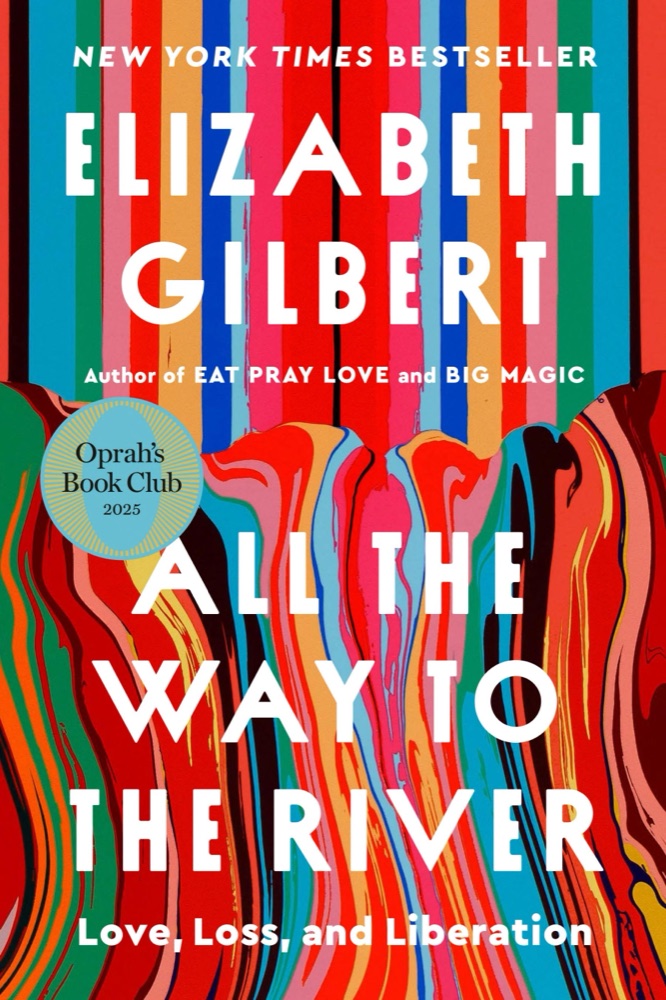 All the Way to the River
 The House of Hidden Meanings
 Never Stop Walking: A Memoir of Finding Home Across the World
 The Fact of a Body: A Murder and a Memoir
 Hold Tight
 Barracoon: The Story of the Last "Black Cargo"
 Mighty Be Our Powers: How Sisterhood, Prayer, and Sex Changed a Nation at War
 The Nickel Boys
 Bright Young Women
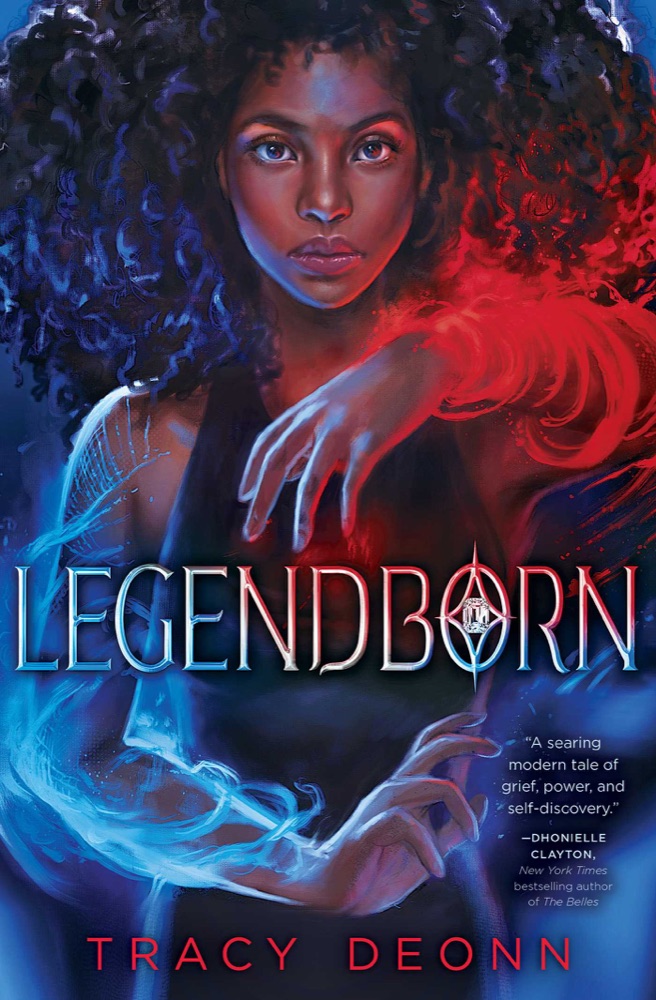 Legendborn
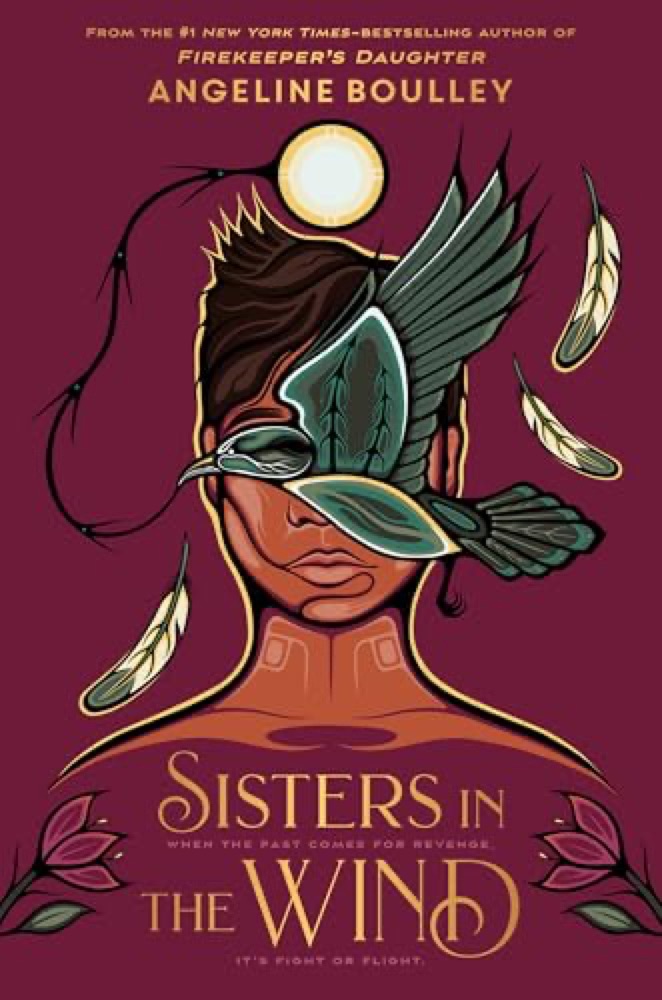 Sisters in the Wind
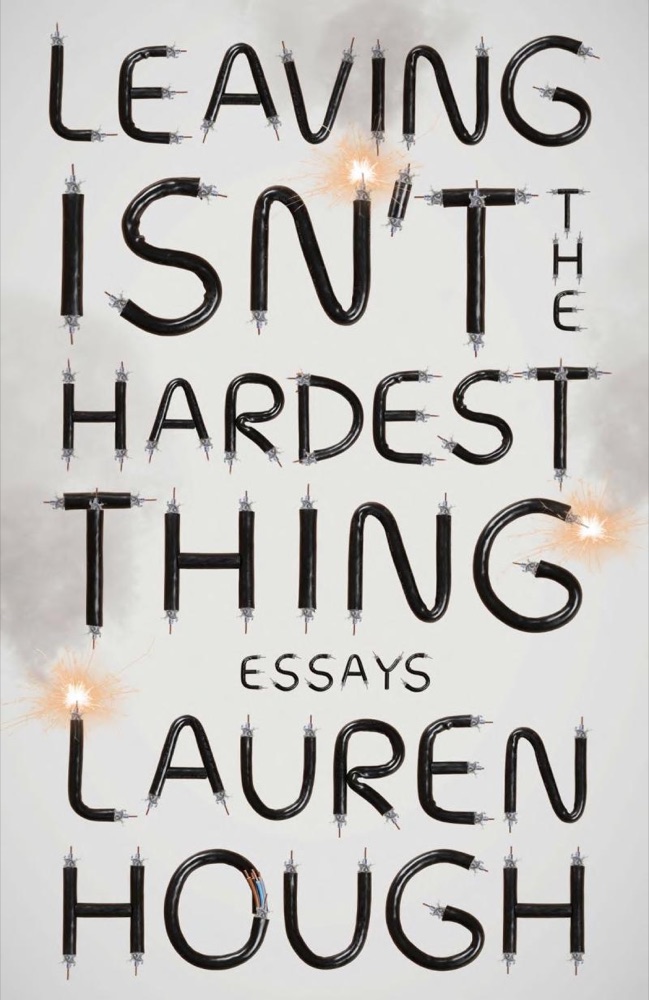 Leaving Isn't the Hardest Thing
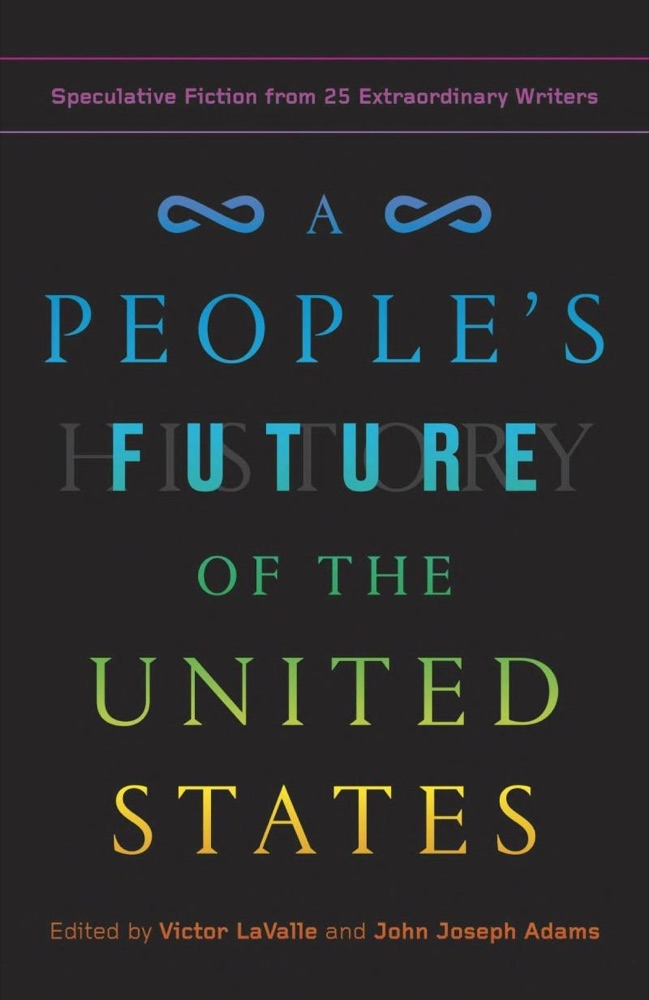 A People's Future of the United States: Speculative Fiction from 25 Extraordinary Writers
 The Sea Keeper's Daughters