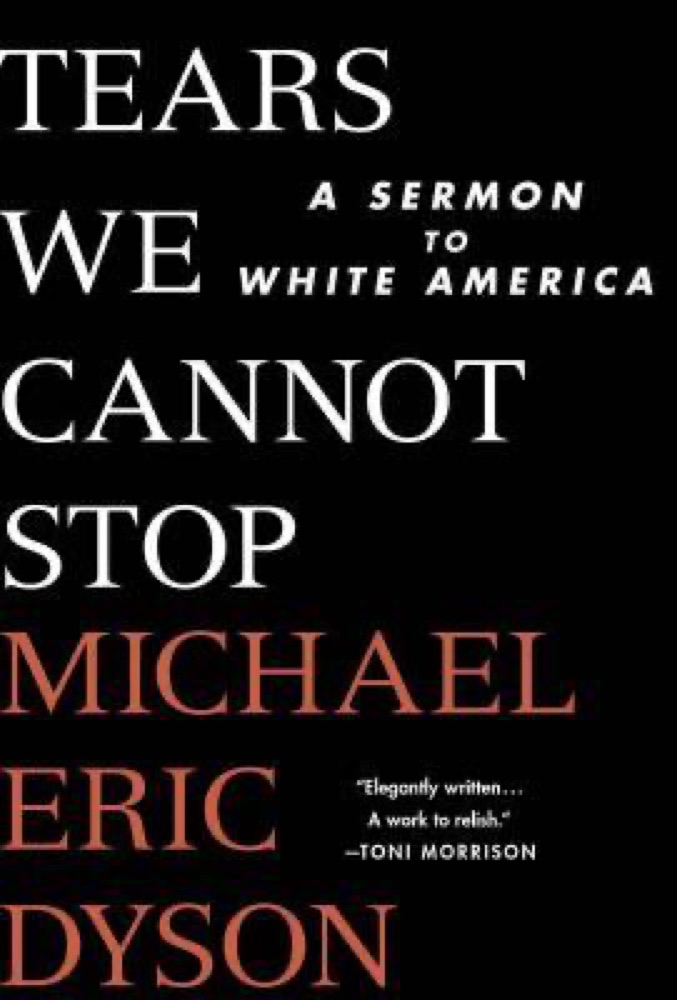
 Tears We Cannot Stop: A Sermon to White America
Quotes from the Book
Maleness has functioned in our race much like whiteness has in the larger culture: its privileges have been rendered normal, its perspectives natural, its biases neutral, its ideas superior, its anger wholly justifiable, and its way of being the gift of God to the universe.
3
If we are committed to discerning, then defeating, the contemporary logic of racism, we must separate it from its ties to democracy itself. In order to be true patriots, we must become disloyal to chronically prejudiced views of American society that persist in our rather ignoble Trumpian moment.
2
President Lyndon Baines Johnson once argued, “If you can convince the lowest white man he’s better than the best colored man, he won’t notice you’re picking his pocket. Hell, give him somebody to look down on, and he’ll empty his pockets for you.
1
Baldwin didn’t write sociological treatises like W.E.B. Du Bois, or ethnographic studies like Zora Neale Hurston. His forte was the essay—the long developing, deeply personal rumination on the psychic and cultural status of his people and the moral and spiritual health of our nation. The way he plumbed the American soul has lasted precisely because it is rooted in issues that are, tragically, evergreen. In some ways, black life didn’t matter much then, and doesn’t matter much now. Police batons still flail black flesh; police bullets still unjustly riddle black bodies. Whiteness continues to metastasize across the body politic like a cancer that only goes into remission, sporadically, under the radiating prose and edifying action of a prophet.
Jimmy and his activist friends were there to tell Bobby about the suffering that had scarred each black person in that room; that had scarred or killed people they loved; that had buried their communities in poverty; that had withheld their right to vote; that had lynched their grandfathers, raped their grandmothers, set the dogs on their children, called them “nigger” for daring to sit at a lunch counter; that had tried to deprive their children of education, their mothers of dignity in domestic labor, their fathers the dignity of being called “sir” and not “boy” at the age of 60. Bobby did not want the responsibility of bearing witness to their pain and their rage. Witness often exposes the unspoken claims of whiteness—its privilege to hide, its ability to deflect black suffering into comparatively sterile discussions of policy that take the heat off of “me” and put it on “that.
As hip hop has made clear—and black religion, too, for that matterwhen we conceive of the horrors we confront, they have a masculine tint; we measure the terrors we face by calculating their harm to our men and boys. Thus the role of our artists has often been limited to validating the experiences, expressions, and desires of boys and men. When we name those plagued by police violence, we cite the names of the boys and men but not the names of the girls and women. We take special note of how black boys are unfairly kicked out of school while ignoring that our girls are right next to them in the line of expulsion. We empathize with black men who end up in jail because of a joint they smoked while overlooking the defense against domestic abuse that lands just as many women in jail. We offer authority and celebration to men at church to compensate for how the white world overlooks their talents unless they carry a ball or a tune. We thank black fathers for lovingly parenting their children, and many more of them do so than is recognized in the broader world, which is one reason for our gratitude. But we are relatively thankless for the near superhuman efforts of our mothers to nurture and protect us.
The artist in Hansberry saw in the photograph of a black woman being manhandled by white cops all the suffering, all the injustice, all the offense to black life. The brutality was grave enough; the spread of the image transmitted trauma and reinforced the vulnerability of black women and, indeed, the race.
Watch on YouTube
About Michael Eric Dyson
More by Michael Eric Dyson
Tears We Cannot Stop: A Sermon to White America
About the book
Named a 2018 Notable Work of Nonfiction by The Washington PostNOW A NEW YORK TIMES BESTSELLER • Winner, The 2018 Southern Book PrizeNAMED A BEST/MOST ANTICIPATED BOOK OF 2018 Chicago Tribune • Time • Publisher's WeeklyA stunning follow up to New York Times bestseller Tears We Cannot StopThe Washington "Passionately written."Chris Matthews, "A beautifully written book."Shaun “I kid you not–I think it’s the most important book I’ve read all year...” Harry “Dyson has finally written the book I always wanted to read...a tour de force.”Joy-Ann A work of searing prose and seminal brilliance... Dyson takes that once in a lifetime conversation between black excellence and pain and the white heroic narrative, and drives it right into the heart of our current politics and culture, leaving the reader reeling and reckoning."Robin D. G. Kelley: “Dyson masterfully refracts our present racial conflagra
Book details
- First published
- 2018
- Author
- Michael Eric Dyson
- Genre
- Nonfiction
- Goodreads rating
- 4.11 (2k ratings)
The buzz
- The Washington PostReview in The Washington Postprofessional review (via Book Marks)
- Kirkus ReviewsReview in Kirkus Reviewsprofessional review (via Book Marks)
- Publishers WeeklyReview in Publishers Weeklyprofessional review (via Book Marks)
- BooklistReview in Booklistprofessional review (via Book Marks)
Keep reading
 The Fire This Time: A New Generation Speaks About Race
 We Were Eight Years in Power: An American Tragedy
 Invisible Man, Got the Whole World Watching: A Young Black Man's Education
Tears We Cannot Stop: A Sermon to White America
Invisible Man, Got the Whole World Watching: A Young Black Man's Education
Tears We Cannot Stop: A Sermon to White America
 Begin Again: James Baldwin's America and Its Urgent Lessons for Our Own
 I'm Still Here: Black Dignity in a World Made for Whiteness
 The Autobiography of an Ex-Coloured Man
 Nobody Knows My Name
 We Gon' Be Alright: Notes on Race and Resegregation
 Notes of a Native Son
 Uncomfortable Conversations With a Black Man
 The Souls of Black Folk
 Four Hundred Souls: A Community History of African America, 1619-2019
 No Name in the Street
 Black Like Me
 Where Do We Go from Here: Chaos or Community?
 Why We Can't Wait
 Just Us: An American Conversation
 Stony the Road: Reconstruction, White Supremacy, and the Rise of Jim Crow
 White Like Me: Reflections On Race From A Privileged Son
 White Rage: The Unspoken Truth of Our Racial Divide
 Between the World and Me
 Simple Justice: The History of Brown v. Board of Education and Black America's Struggle for Equality
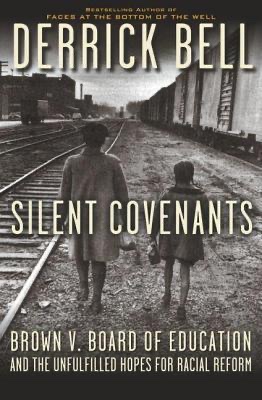 Silent Covenants: Brown v. Board of Education and the Unfulfilled Hopes for Racial Reform
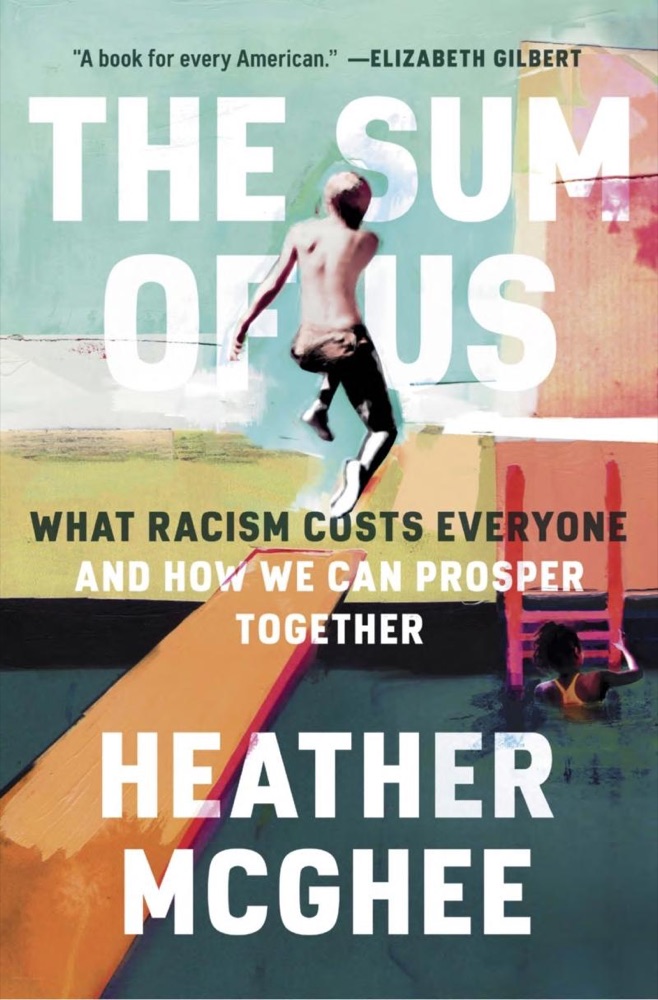 The Sum of Us: What Racism Costs Everyone and How We Can Prosper Together
 What Doesn't Kill You Makes You Blacker: A Memoir in Essays
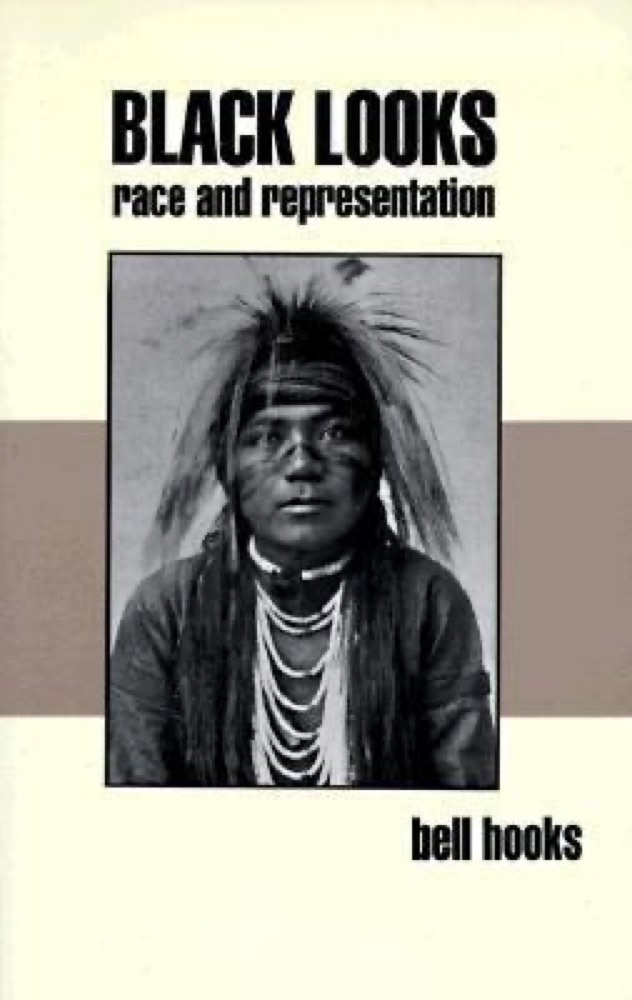 Black Looks: Race and Representation
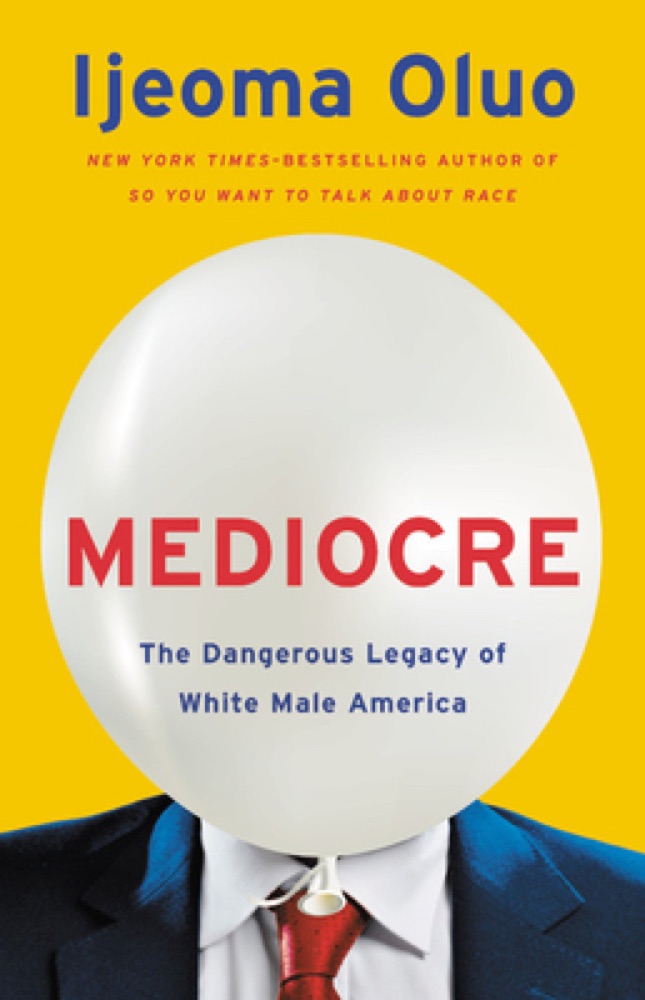 Mediocre: The Dangerous Legacy of White Male America
 Stamped: Racism, Antiracism, and You
 The Black Friend: On Being a Better White Person
 Notes from No Man's Land
 The Love Songs of W.E.B. Du Bois
 Blood Done Sign My Name: A True Story
 Black in Blues: How a Color Tells the Story of My People
 To Be Young, Gifted, and Black: An Informal Autobiography
 How to Slowly Kill Yourself and Others in America
 When They Call You a Terrorist: A Black Lives Matter Memoir
 The Heart of a Woman
 Stamped from the Beginning: The Definitive History of Racist Ideas in America
 Why Are All The Black Kids Sitting Together in the Cafeteria?
 What White People Can Do Next: From Allyship to Coalition – An Empowering Guide to Interrogating Whiteness and Creating Justice
 The Confessions of Nat Turner
 Dreams from My Father: A Story of Race and Inheritance
 The 1619 Project: A New Origin Story
 The Blood of Emmett Till
 Waking Up White: And Finding Myself in the Story of Race
 The Soul of America: The Battle for Our Better Angels
 The Autobiography of Martin Luther King, Jr.
 Black No More
 The Message
 The End of Race Politics: Arguments for a Colorblind America
 Opinions: A Decade of Arguments, Criticism, and Minding Other People’s Business
 The Source of Self-Regard: Selected Essays, Speeches, and Meditations
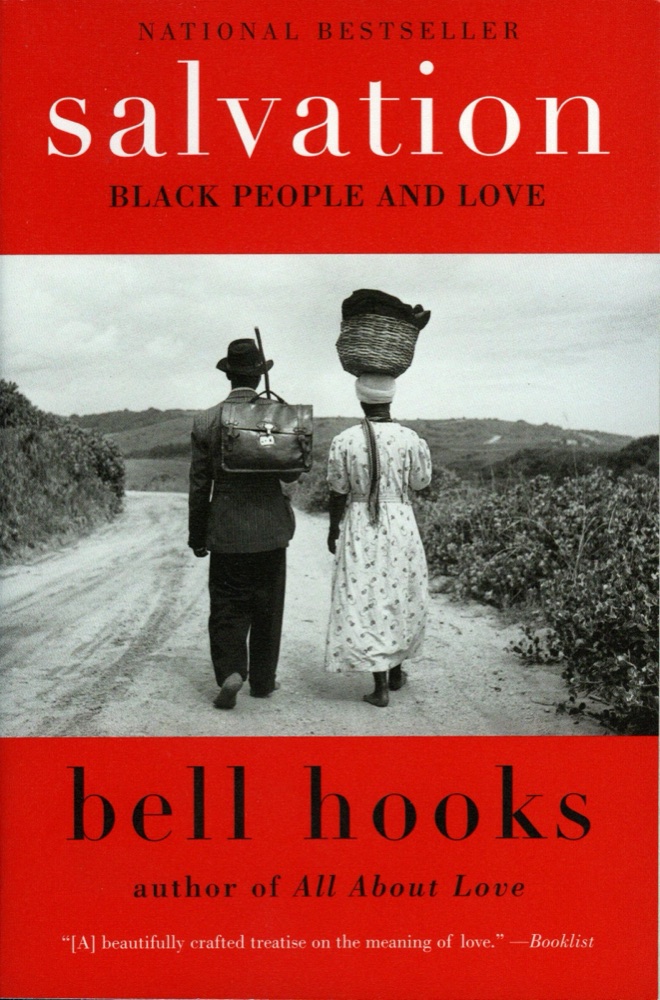 Salvation: Black People and Love ― bell hooks' Incisive Cultural History on the Transformative Power of Love in African American Life
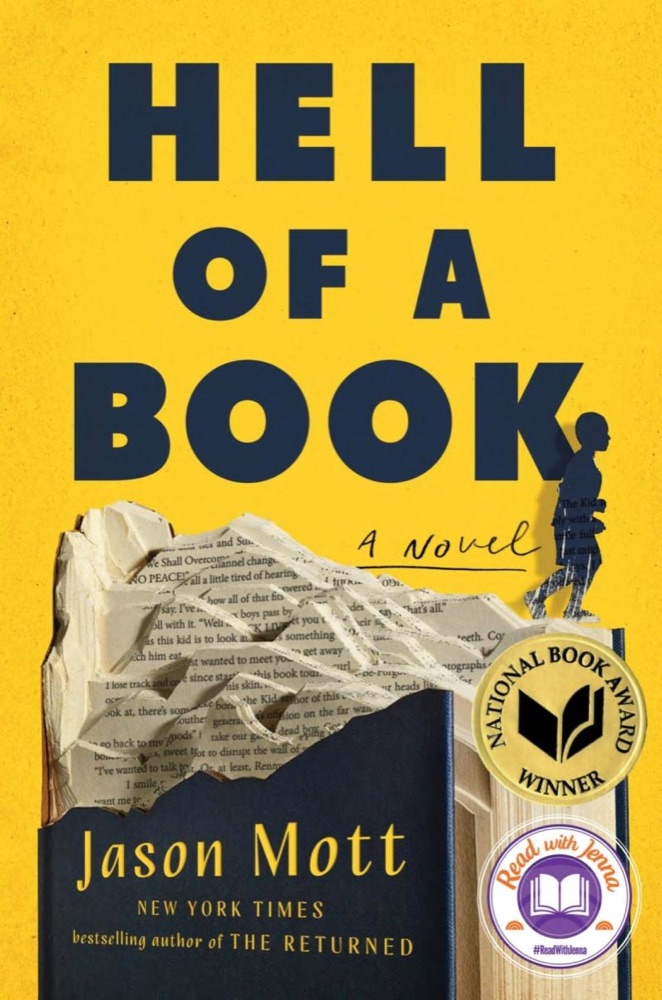 Hell of a Book
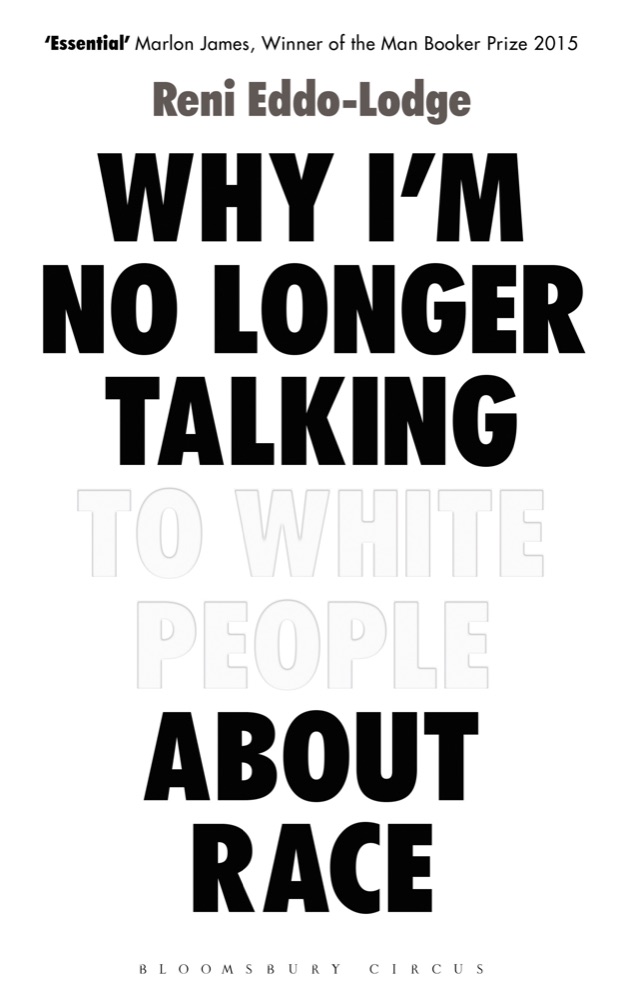 Why I'm No Longer Talking to White People About Race
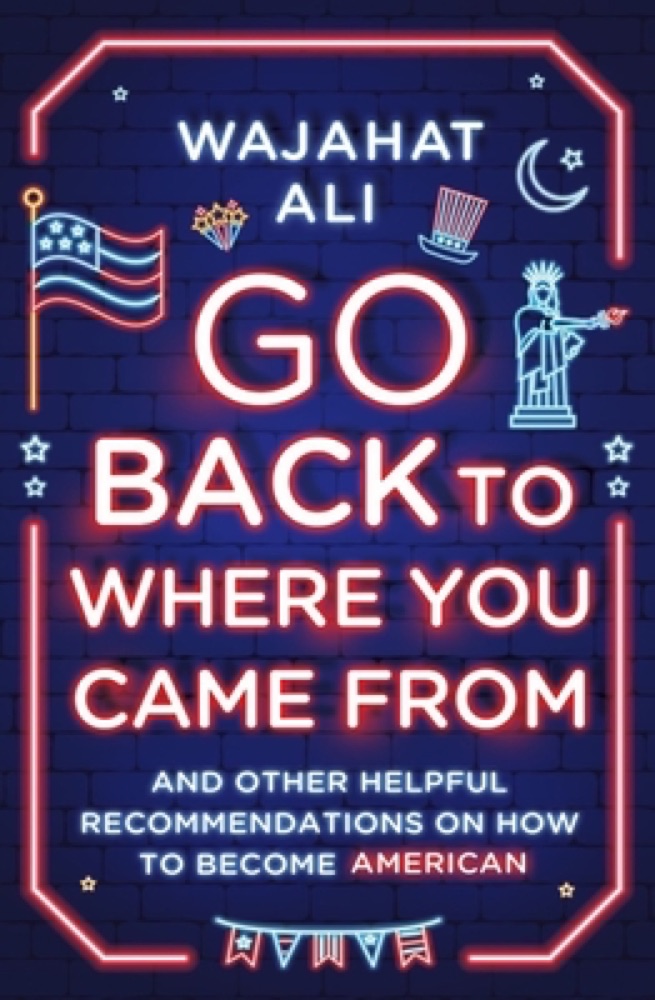 Go Back to Where You Came From: And Other Helpful Recommendations on How to Become American
 Black Skin, White Masks
 Barracoon: The Story of the Last "Black Cargo"
 Edge of Eternity