
 I Know Why the Caged Bird Sings
Quotes from the Book
The ache for home lives in all of us. The safe place where we can go as we are and not be questioned.
834
If the heart of Africa remained elusive, my search for it had brought me closer to understanding myself and other human beings. The ache for home lives in all of us, the safe place where we can go as we are and not be questioned. It impels mighty ambitions and dangerous capers. We amass great fortunes at the cost of our souls, or risk our lives in drug dens from London’s Soho, to San Francisco’s Haight-Ashbury. We shout in Baptist churches, wear yarmulkes and wigs and argue even the tiniest points in the Torah, or worship the sun and refuse to kill cows for the starving. Hoping that by doing these things, home will find us acceptable or failing that, that we will forget our awful yearning for it.
11
Girl, you’re going to be all right. You haven’t forgotten the essentials. You know about defending yourself. All you have to do now is remember … sometimes you have to defend yourself from yourself.
7
The Black child must learn early to allow laughter to fill his mouth or the million small cruelties he encounters will congeal and clog his throat.
6
You do your best until you know better, then you do better.
6
Tragedy, no matter how sad, becomes boring to those not caught in its addictive caress.
5
The ache for home lives in all of us, the safe place where we can go as we are and not be questioned.
5
Africans find it hard to forgive us slavery, don't they?" He took my hand and said, "I thought you would have known that. My dear, they can't forgive us, and even more terrible, they can't forgive themselves. They're like the young here in this tragic country [Germany]. They will never forgive their parents for what they did to the Jews, and they can't forgive the Jews for surviving and being a living testament to human bestiality.
4
We were singing for Dr. Du Bois' spirit, for the invaluable contributions he made, for his shining intellect and his courage. To many of us he was the first American Negro intellectual. We knew about Jack Johnson and Jesse Owens and Joe Louis. We were proud of Louis Armstrong and Marian Anderson and Roland Hayes. We memorized the verses of James Weldon Johnson, Langston Hughes, Paul Laurence Dunbar and Countee Cullen, but they were athletes, musicians and poets, and White folks thought all those talents came naturally to Negroes. So, while we survived because of those contributors and their contributions, the powerful White world didn't stand in awe of them. Sadly, we also tended to take those brilliances for granted. But W.E.B. Du Bois and of course Paul Robeson were different, held on a higher or at least on a different plateau than the others.
4
I did know some people who would receive me, but reluctantly, because I had nothing to offer company save a long face and a self-pitying heart, and I had no intention of changing either. Black Americans of my generation didn't look kindly on public mournings except during or immediately after funerals. We were expected by others and by ourselves to lighten the burden by smiling, to deflect possible new assaults by laughter. Hadn't it worked for us for centuries? Hadn't it?
4
Don’t lose what you had to get something which just may not work.
4
Prejudice is a burden which confuses the past, threatens the future, and renders the present inaccessible. I
4
under my eye, but not my thumb.
4
Who would dare admit a longing for a White nation so full of hate that it drove its citizens of color to madness, to death or to exile? How to confess even to one's ownself, that our eyes, historically customed to granite buildings, wide paved avenues, chromed cars, and brown, black, beige, pink, and white-skinned people, often ached for those familiar sights?
3
This is not their place. In time they will pass. Ghana was here when they came. When they go, Ghana will be here. They are like mice on an elephant’s back. They will pass.” In
3
Misery is a faithful company keeper, and Comfort was dissolving under its attention.
3
they had not come home, but had left one familiar place of painful memory for another strange place with none. The
3
I made bitterness into a wad and swallowed it.
3
Malcolm said, "Sister listen and listen carefully. Picture American racism as a mountain. Now slice that mountain from the top to the bottom and open it like a door. Do you see all the lines, the strata?" I could barely see the road ahead, but I nodded. "Those are the strata of American life and we are being attacked on each one. We need people on each level to fight our battle. Don't be in such a hurry to condemn a person because he doesn't do what you do, or think as you think or as fast. There was a time when you didn't know what you know today.
2
For me sleep was difficult that night. My bed was lumpy with anger and my pillow a rock of intemperate umbrage.
2
We were scorning the symbol of hypocrisy and hope. Many of us had only begun to realize in Africa that the Stars and Stripes was our flag and our only flag, and that knowledge was almost too painful to bear. We could physically return to Africa, find jobs, learn languages, even marry and remain on African soil all our lives, but we were born in the United States and it was the United States which had rejected, enslaved, exploited, then denied us. It was the United States which held the graves of our grandmothers and grandfathers. It was in the United States, under conditions too bizarre to detail, that those same ancestors had worked and dreams of “a better day, by and by.” . . . I shuddered to think that while we wanted that flag dragged into the mud and sullied beyond repair, we also wanted it pristine, its white stripes, summer cloud white. Watching it wave in the breeze of a distance made us nearly choke with emotion. It lifted us up with its promise and broke our hearts with its denial.
2
Julian said he had read about a march to Washington, D.C., to be led by Martin Luther King, Jr.... "King leading a march. Who is he going to pray to this time, the statue of Abe Lincoln?" "Give us our freedom again, please suh." "King has been in jail so much he's got a liking for those iron bars and jailhouse food." The ridicule fitted our consciousness. We were brave revolutionaries, not pussyfooting nonviolent cowards. We scorned the idea of being spat upon, kicked, and then turning our cheeks for more abuse. Of course, none of us, save Julian, had even been close to bloody violence, and not one of us had spent an hour in jail for our political beliefs. My policy was to keep quiet when Reverend King's name was mentioned. I didn't want to remind my radical friends of my association with the peacemaker. It was difficult, but I managed to dispose of the idea that my silence was a betrayal. After all, when I worked for him, I had been deluded into agreeing with Reverend King that love would cure America of its pathological illnesses, that indeed our struggle for equal rights would redeem the country's baleful history. But all the prayers, sit-ins, sacrifices, jail sentences, humiliation, insults and jibes had not borne out Reverend King's vision. When maddened White citizens and elected political leaders vowed to die before they would see segregation come to an end, I became more resolute in rejecting nonviolence and more adamant in denying Martin Luther King.
2
I knew I was given to dramatic overstatement, or was known to waffle about repetitiously. To further complicate matters, I was sincere. Sincerity badly stated elicits mistrust.
2
As a Black American woman, I could not sit with easy hands and an impassive face and have my future planned. Life in my country had demanded that I act for myself or face terrible consequences.
2
we had been each other’s home and center for seventeen years. He could die if he wanted to and go off to wherever dead folks go, but I, I would be left without a home.
2
Hope for the best, but be prepared for the worst. You may not always get what you pay for, but you will definitely pay for what you get.” Vivian Baxter had axioms for every situation,
1
The thorn from the bush one has planted, nourished, and pruned, pricks most deeply and draws more blood”.
1
In that second I was wounded. My mind struck a truth as an elbow can strike a table edge. A poor, uneducated servant in Africa was so secure he could ignore established White rudeness. No Black American I had ever known knew that security. Our tenure in the United States, though long and very hard-earned, was always so shaky, we had developed patience as a defense, but never as aggression.
1
[W]hile in America, Black bodies still quick with life demanded no such concern. Too often among ourselves, since lives were cheap, dying was cheaper. Since the end of slavery, Black Americans running or walking, hitchhiking or hoboing from untenable place to unsupportable place, had died in fields, in prisons, hospitals, on battlegrounds, in beds and barns, and if pain accompanied their births, only the dying knew of their deaths. They had come and gone unrecorded save in symbolic lore, and unclaimed save by the soil which turned them into earth again.
1
Watch on YouTube
About Maya Angelou
We have collected 231 quotes from 9 books by Maya Angelou on BookQuoters.
More about the author →More by Maya Angelou
I Know Why the Caged Bird Sings
 Phenomenal Woman: Four Poems Celebrating Women
 Mom & Me & Mom
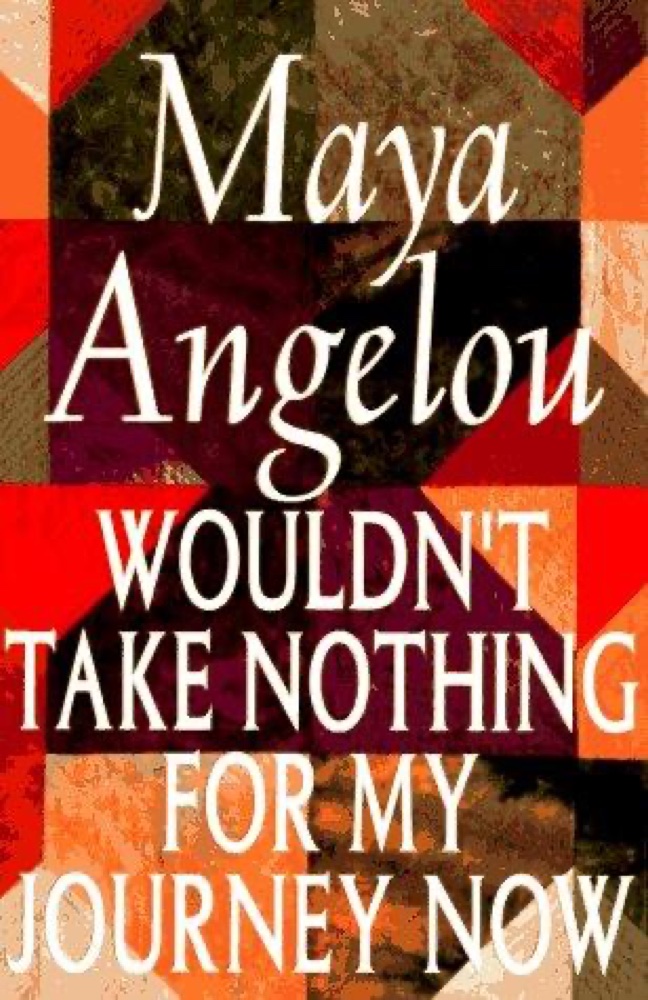 Wouldn't Take Nothing for My Journey Now
About the book
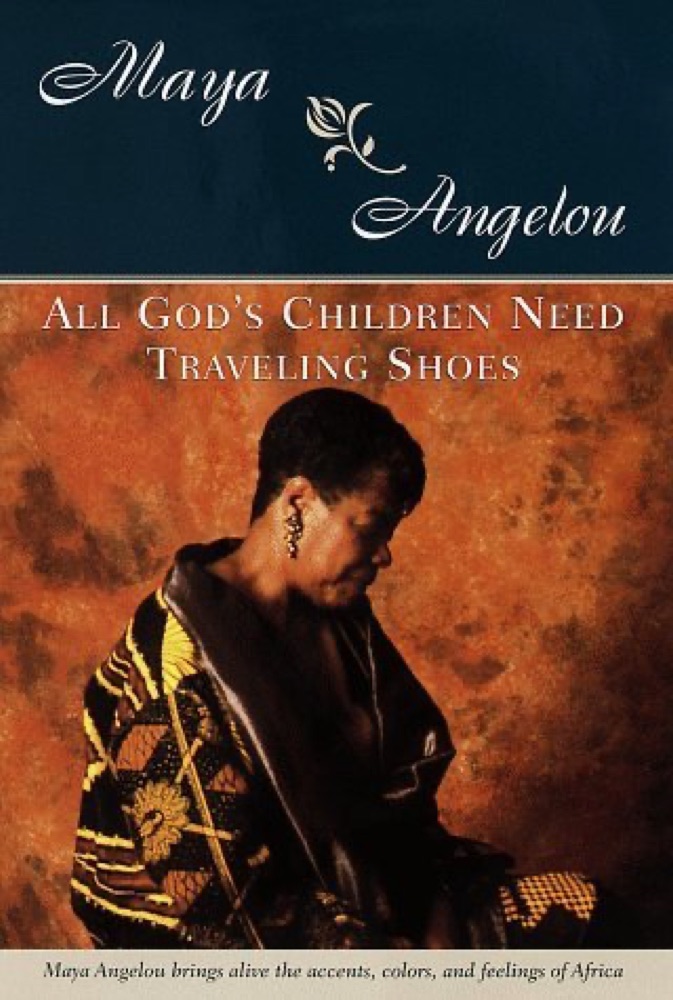
Once again, the poet casts her spell as she resumes one of the greatest personal narratives of our time. In this continuation, Angelou relates how she joins a "colony" of Black American expatriates in Ghana--only to discover no one ever goes home again.
Book details
- First published
- 1986
- Author
- Maya Angelou
- Genre
- Nonfiction
- Goodreads rating
- 4.29 (8k ratings)
Keep reading
 The Heart of a Woman
 Dreams from My Father: A Story of Race and Inheritance
 All Over But the Shoutin'
 Notes from No Man's Land
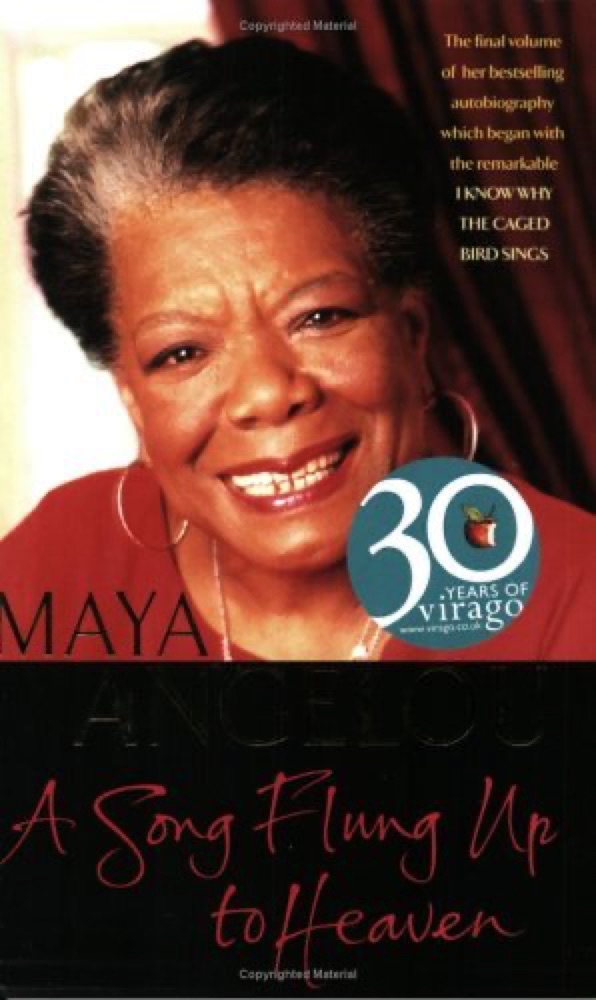 A Song Flung Up to Heaven
 Aftershocks
 Homegoing
 Men We Reaped
 Heavy
Heavy
 A Little Devil in America: Notes in Praise of Black Performance
 Americanah
 The Love Songs of W.E.B. Du Bois
 Black Boy
 Chances Are...
 Kindred
 Dream Count
 The Office of Historical Corrections
 The Girl Who Smiled Beads: A Story of War and What Comes After
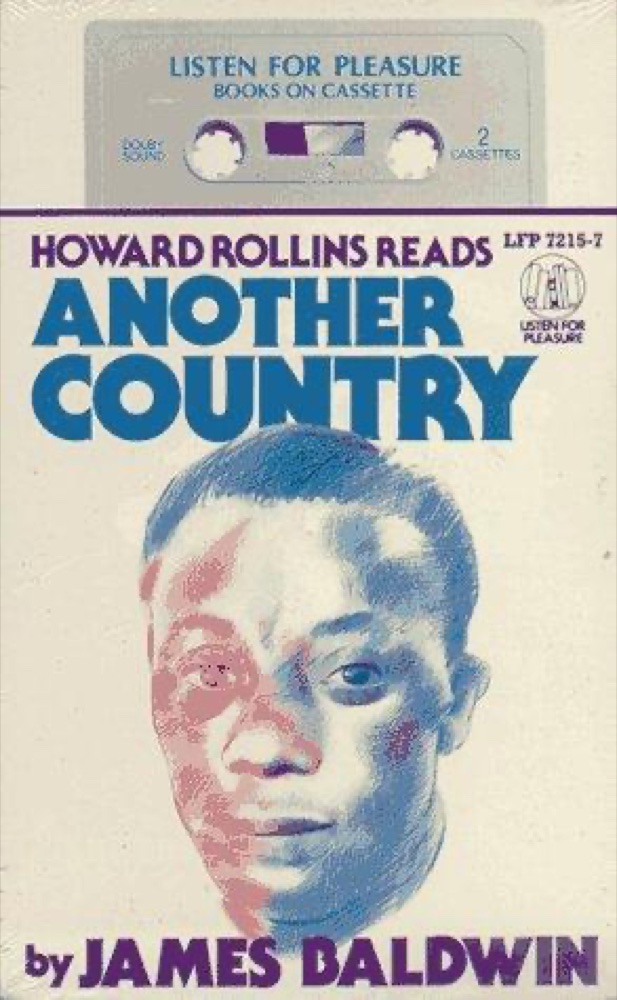 Another Country
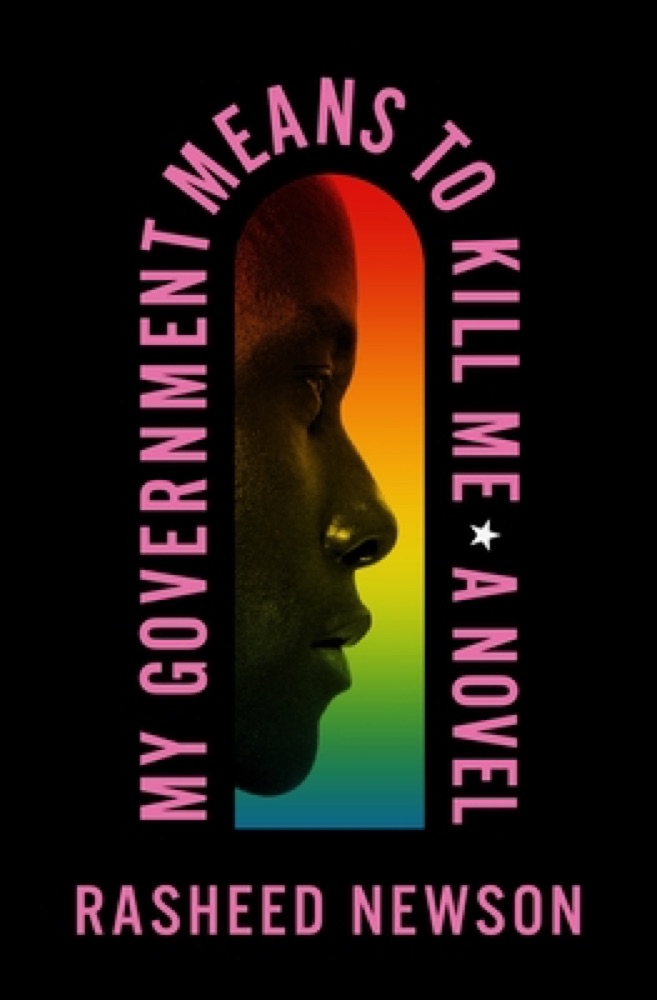 My Government Means to Kill Me
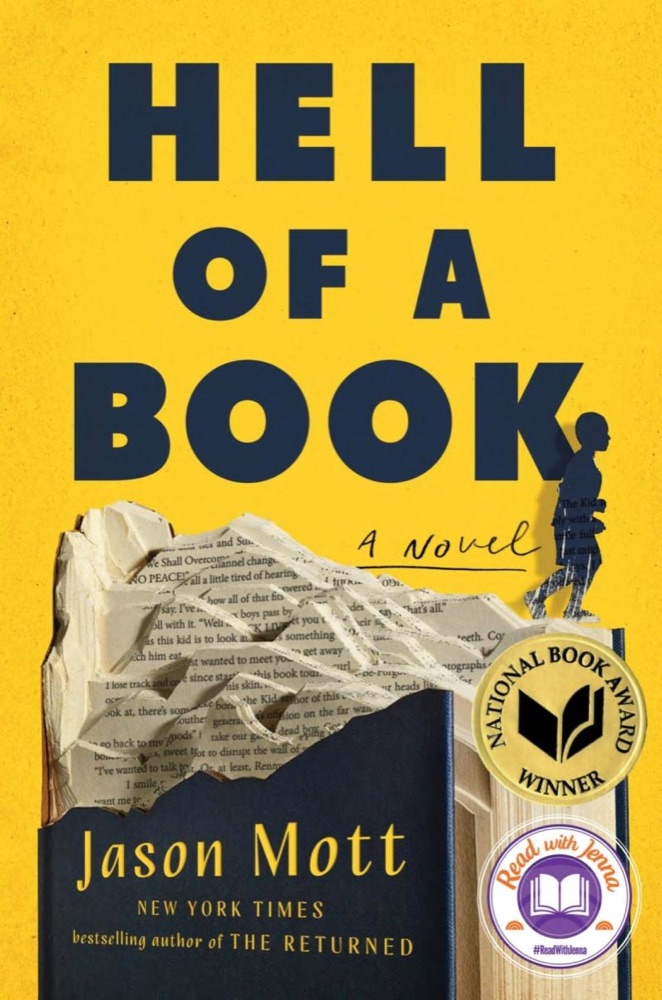 Hell of a Book
 The Water Dancer
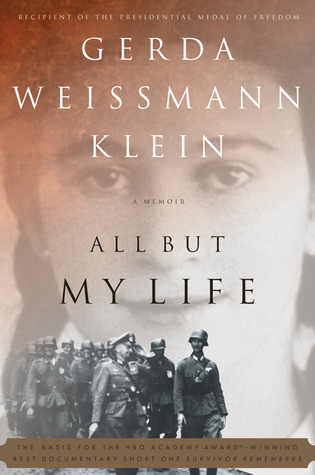 All But My Life: A Memoir
 Singin' and Swingin' and Gettin' Merry Like Christmas
 Dust Tracks on a Road
 The Hour I First Believed
 Slouching Towards Bethlehem
 Notes of a Native Son
 What Is the What
 Between the World and Me
 Wade in the Water
 Varina
 Black Like Me
 Nervous Conditions
 A Death in the Family
 Home
Home
 How to Slowly Kill Yourself and Others in America
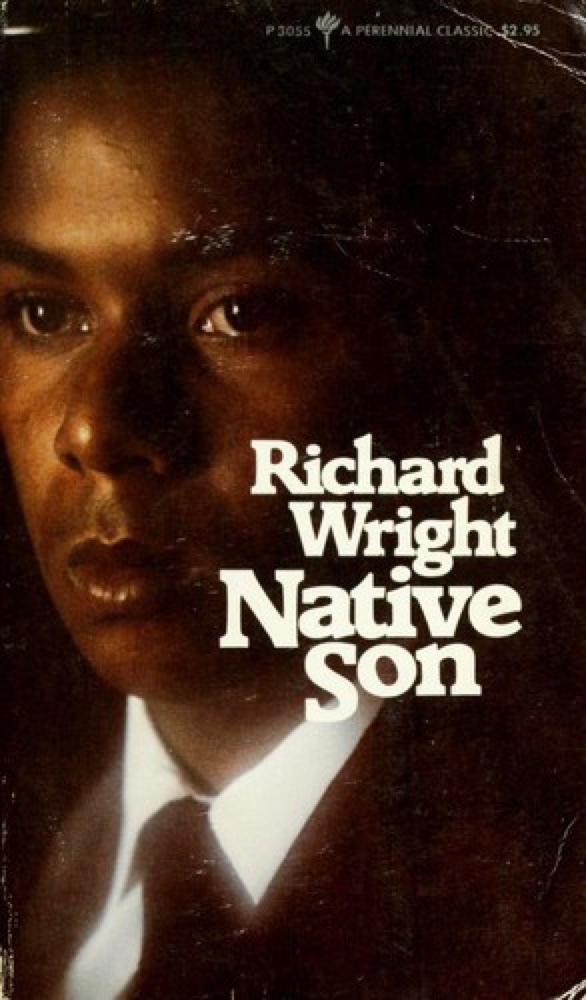 Native Son
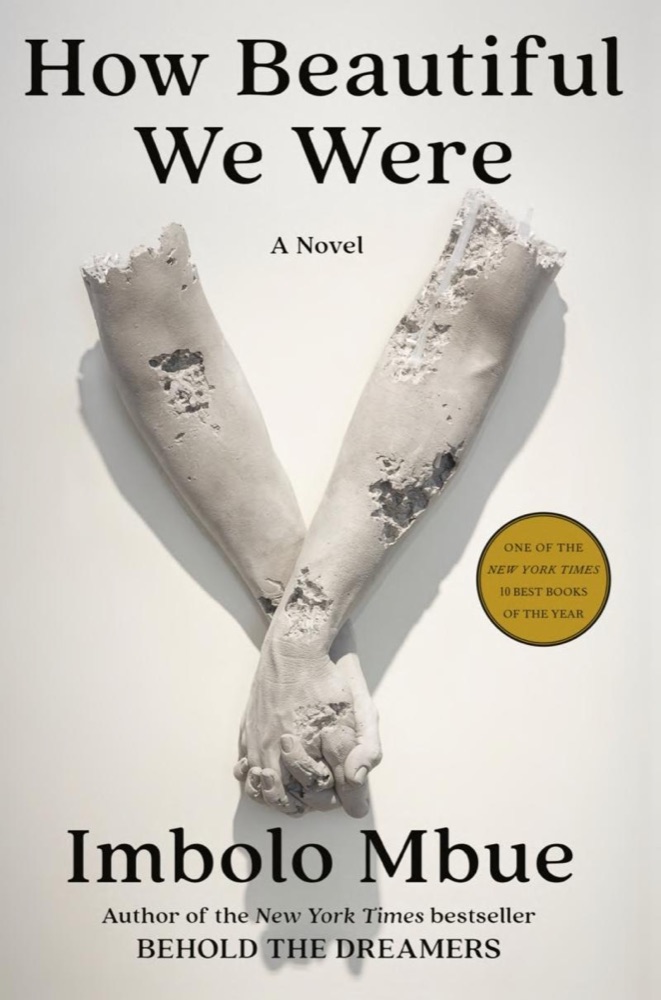 How Beautiful We Were
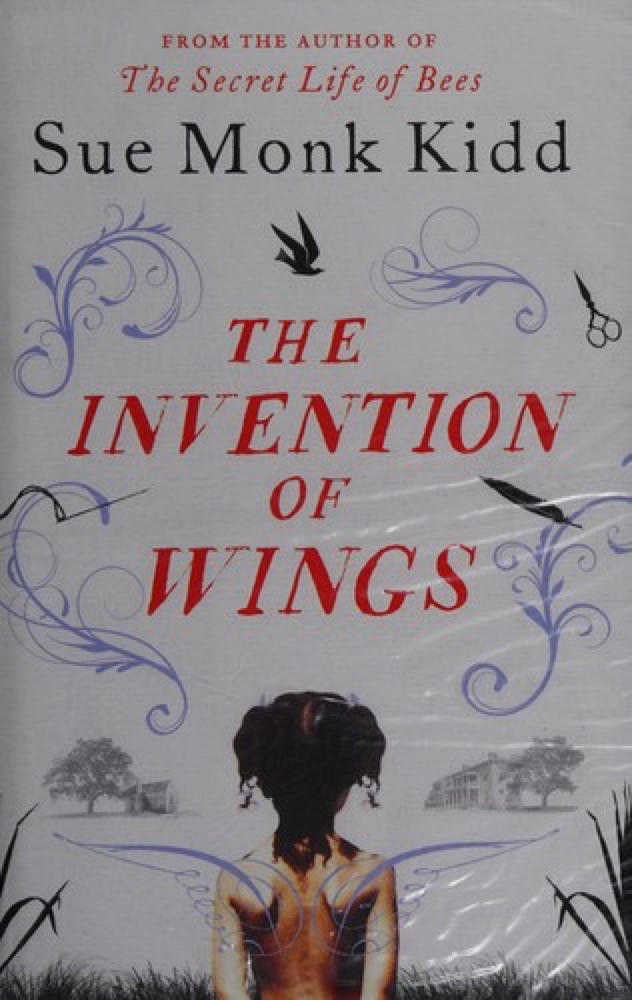 The Invention of Wings
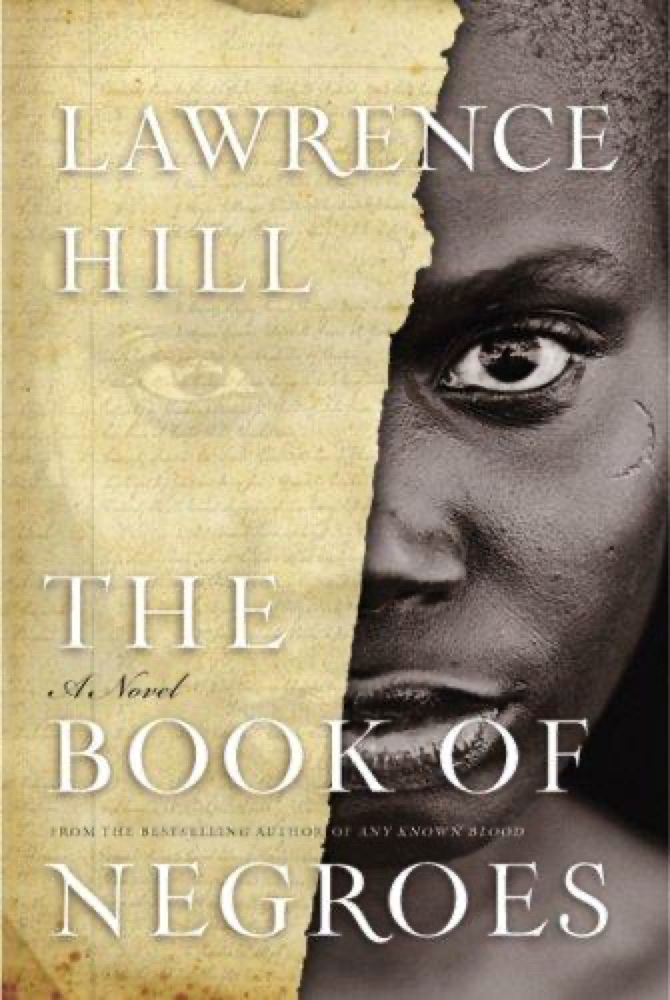 The Book of Negroes
 How We Fight For Our Lives
 When the Elephants Dance
 A Promised Land
 American Sonnets for My Past and Future Assassin
 James
James
 March
March
 Fire Shut Up in My Bones: A Memoir
 The Likeness
 Traveling Mercies: Some Thoughts on Faith
 You Can't Go Home Again
 Behold the Dreamers
 The Fire Next Time
 Blood Done Sign My Name: A True Story
 The Bone Tree
 Incidents in the Life of a Slave Girl
 The Round House
 My Friends
 The Kite Runner
 And the Mountains Echoed