
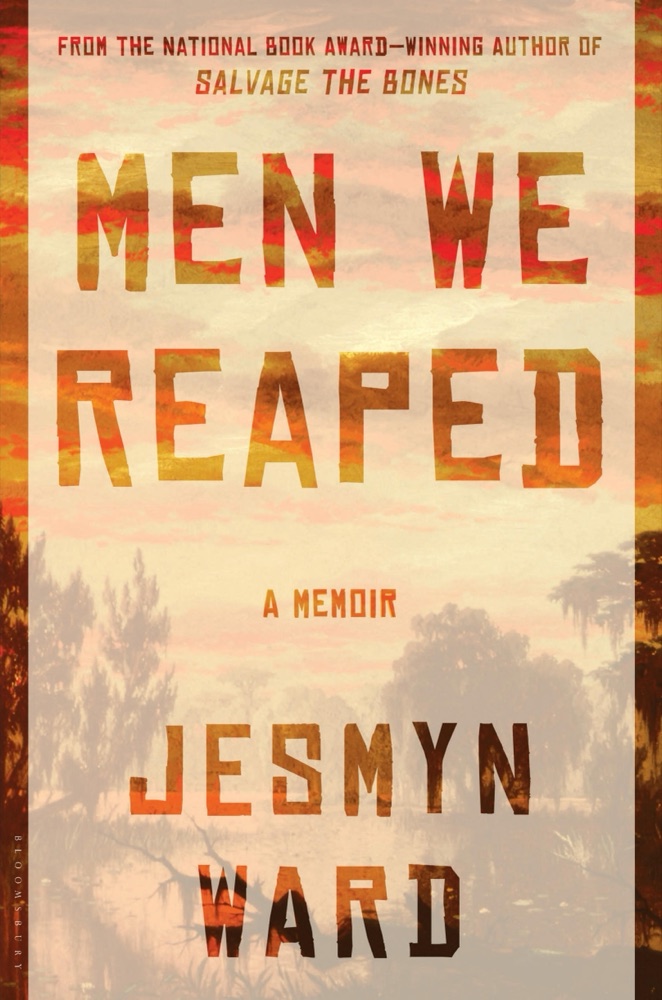
 Men We Reaped
Quotes from the Book
Most people can't see all the layers in a person, just like they can't taste all that goes into a pot. They chew and pick out one, two flavors. Cooks know every one.
7
The first weapon I ever held was my mother’s hand. How them sing.
6
You remember that, too, you hear. You don't need this ivory or them spears. In this world, you your own weapon.
3
The first weapon I ever held was my mother’s hand.
2
The first weapon I ever held was my mother’s hand. I was a small child then, soft at the belly. On that night, my mother woke me and led me out to the Carolina woods, deep, deep into the murmuring trees, black with the sun’s leaving. The bones in her fingers: blades in sheaths, but I did not know this yet.
2
She will always be with me. I know it through my gasping. Know it through my grasping. I know that I will see the gleam of her in the pocked glitter of the moon, in its embered shine. Know I will see her in the shattered stream of stars across the molasses-dark sky. Know that I will see her in the wrinkling of my hands, the whitening of my hair. After my last breath, at the end of my toil and hours, know it will be her who will ferry me across the Water. Mama. I know it sure as I know the far-off hounds, rooting through the underbrush at the water’s edge, raising their noses to bay all at once, their calls trailing up to whip off in the air: frenzied and starving.
2
when to stand and when to go, when not to fight, well, that’s a part of fighting, too. Knowing when to wait and bide and watch and duck. You got to know that, too.
2
This what it means to be alone. To sleep without safety is to lie awake.
2
I know they are bound by the way they wear their sorrow, by the way they look over an invisible horizon into their ruin.
1
this world, you your own weapon.
1
You going to find a way, little one. I see it in you. You move like her. That way you swing your arms, the way you lean in when you run. Soon as you learned to walk, you moved like you knew how to fight.
1
an ancient Italian, who is walking down into hell. The hell he travels has levels like my father’s house. The tutor says: “‘Let us descend,’ the poet now began, ‘and enter this blind world,
1
She is mine, here is mine, I am hers and she is mine.
1
How easy she is with her affection for him, how sure she is of its reach, its life, its return, because he touches her, too. She squints and laughs when his hand finds her; her sallow cheek shines with the peach shimmer of the underside of a bird’s wing. Safi touched me just so when she kissed me, making a birdcage of her fingers, a careful enclosure of my visage. How I loved being her kept bird, clipped and settled: I preened for her, leaned into her, heart fluttering. How I wanted what this woman has: to touch Safi in the light of day, outside the nest of trees, the buzz of the hive. To be safe in love—but I could not.
1
Temple.” She says the name so low silence eats the end. “That’s a good name,” I say. “Temples is places for spirits.” “Ain’t no gods here,” she says, her words a hatchet buried in the tree trunk of her wound.
1
Annis, my Arese,” she says, her voice fluttering. “I love you. I love you, my little one.” One of the Georgia Man’s men walks toward us and grabs my mother by the same soft meat of her arm as I have done so many times. Cries rise from the people around us; a bolt of summer lightning flashes in the distance. The Georgia men are grabbing men and women and children on their way to their labor. The Georgia men are separating those to be sold. They have come for their goods to march to New Orleans. There is a sinking at the heart of me, a whirlpool sucking down and down. Surely the earth is opening to us. Surely this terrible world is swallowing me. I grab my mama’s wrists, sinewy as corn sheaves, and howl. “Mama,” I say. “I always be with you,” my mama says, and No she not, I think, no she not, as the closest Georgia Man, broad armed and dirt faced, wrenches her away. Pulls her back. My sire done chose her for the markets.
1
Nan has always diverted her love for her four children. She throttles it to a trickle, to an occasional softness in her orders: be still, hush, don’t cry, and the rest of her care is all hard slaps and fists. She won’t love what she can’t keep.
1
The tutor said bees are still at night but my bees are alive humming and flying from their amber pyramid riveted between the bones of the tree. The bees, my bees, are awake
1
I want to tell her that when I listen at their doors, I am taking one thing for myself, one thing that none of them would give.
love, with nowhere to go, aches: wind snagging ragged over frosted winter rocks.
Teaching Mama Aza’s way of fighting, her stories—it’s a way to recall another world. Another way of living. It wasn’t a perfect world, but it wasn’t so wrong as this one.
Her voice lingers in the air: the crust of pie around the edges of the pan, the pan that we scrape to savor in the hot corners of the kitchen, the buttery crumb rich in our mouths, but only enough to hint at the cinnamon, the nutmeg, the sugar we are sowing and watering and bludgeoning to green, to bristle skyward in the fields, the sugar one can smell, smell when leaning in close to the verdant stalk, rich in the fiber, and how the stomach feels full for a moment with a quick inhale, full and ragged, over leavings, so I do it now, breathe in deep to pull that leftover sweetness from the air down deep into me, to cull Mary’s honeyed song from the darkness into me, so that for one blink in the bowels of this rotten house, tenderness is a touch in my bones.
I can keep her safe," Bastian says, but his voice rises at the end of it, and I wonder if he doubts it even as he says it, if he knows there is pine in the column of his spine, that the center of him will only bend so far before he snaps. That he is a sapling and this world a hurricane.
to herd her like a lemon-kneed goat, but the gray lady shrugs her off, turns back.
The first weapon I ever held was my mother’s hand. I
You must leap. You must do as your people did. You must sink in order to rise.
When my mama’s mama was stolen, she stopped talking,” Safi said. “Mama said it was a old hand that told her that her and my grandmama come over together, and when the thieves put them on the ship, my grandmama was crying, yelling, talking so fast the words ran together. Sound like one long sentence nobody could understand. They chained her, and the hand said she just stopped. Like they’d cut something in her. That her mouth kept opening and opening, and no sound came out.
THE MEN WHO STOP and inquire blur to one after a week. The only thing that shines clear when they hesitate before me is that which tells their cruelty. A riding crop rapped against a leg. A quick grin when one of the women falls to her knees on the paving stones, borne down from long hours standing. The hard glaze of an eye as another inspects and questions, as he demands we open our mouths and show him our teeth. The digging fingers of another as he assesses us for mating, brags about his bucks, about the fine ’ninnies we can make, about how much each would fetch, his words a steady bad wind carrying the stench of an animal carcass slaughtered and left to rot in the woods.
Watch on YouTube
About Jesmyn Ward
We have collected 96 quotes from 3 books by Jesmyn Ward on BookQuoters.
More about the author →More by Jesmyn Ward
Men We Reaped
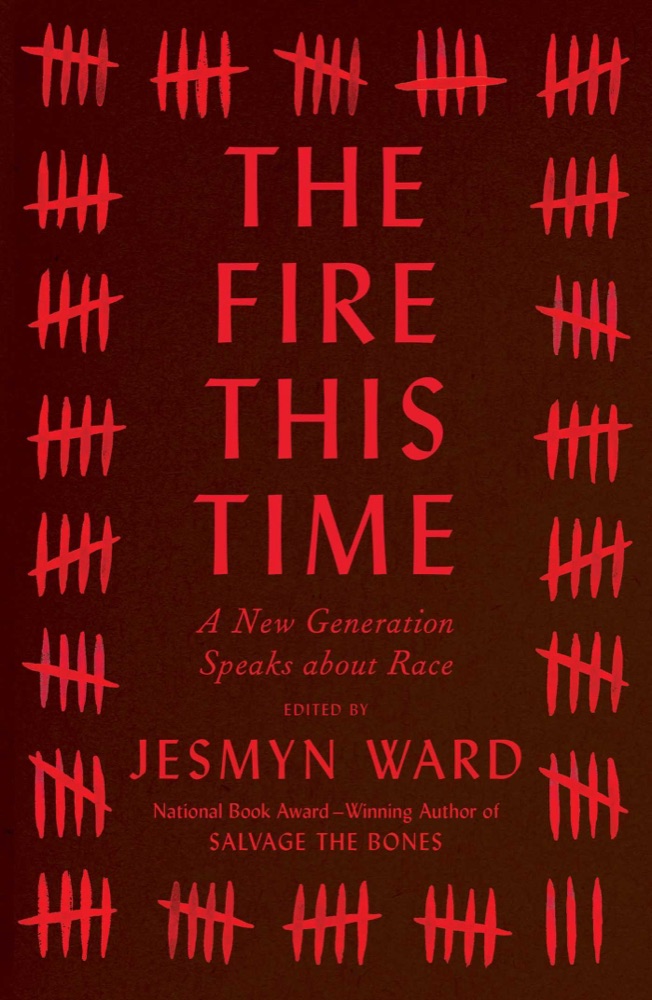 The Fire This Time: A New Generation Speaks About Race
About the book
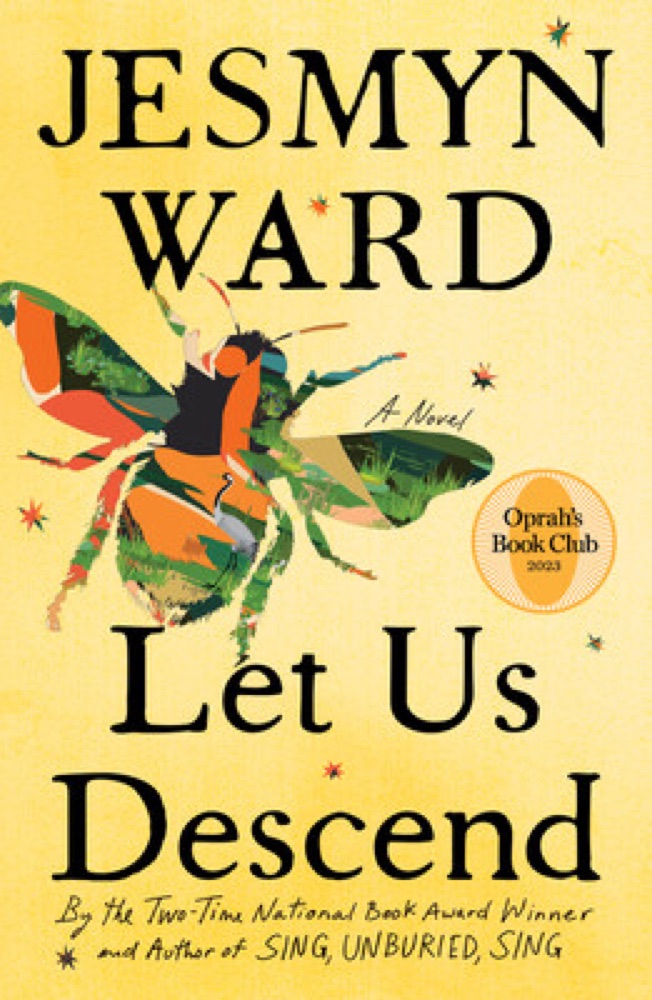
From Jesmyn Ward—the two-time National Book Award winner, youngest winner of the Library of Congress Prize for Fiction, and MacArthur Fellow—comes a haunting masterpiece, sure to be an instant classic, about an enslaved girl in the years before the Civil War.
“‘Let us descend,’ the poet now began, ‘and enter this blind world.’” — Inferno, Dante Alighieri
Let Us Descend is a reimagining of American slavery, as beautifully rendered as it is heart-wrenching. Searching, harrowing, replete with transcendent love, the novel is a journey from the rice fields of the Carolinas to the slave markets of New Orleans and into the fearsome heart of a Louisiana sugar plantation.
Annis, sold south by the white enslaver who fathered her, is the reader’s guide through this hellscape. As she struggles through the miles-long march, Annis turns inward, seeking comfort from memories of her mother and
Book details
- First published
- 2023
- Author
- Jesmyn Ward
- Genre
- Historical
- Goodreads rating
- 3.68 (39k ratings)
The buzz
- The New York TimesReview in The New York Timesprofessional review (via Book Marks)
- The Washington PostReview in The Washington Postprofessional review (via Book Marks)
- The GuardianReview in The Guardianprofessional review (via Book Marks)
- NPRReview in NPRprofessional review (via Book Marks)
- Kirkus ReviewsReview in Kirkus Reviewsprofessional review (via Book Marks)
- The Boston GlobeReview in The Boston Globeprofessional review (via Book Marks)
Keep reading
 Daughter of the Forest
 Betty
Betty
 A Mercy
 Morning in the Burned House: Poems
 The Heretic's Daughter
 The Carrying
 Crazy Brave
 Skyhunter
 All Out: The No-Longer-Secret Stories of Queer Teens throughout the Ages
 Beloved
 We Free the Stars
 The First Girl Child
 Dominicana
 Bestiary
 Sword & Citadel
 The Warrior's Path
 Incantation
 The Woman Warrior
 Her Body and Other Parties
 Broken Throne
 Into the Free
 A Day of Fallen Night
 Hamnet
 The Invention of Wings
 A River Enchanted
 Red Rising
 Son of the Shadows
 She Is a Haunting
 A Thousand Nights
 Clap When You Land
 St. Lucy's Home for Girls Raised by Wolves
 Heartwood
 Now Is the Time to Open Your Heart
 The Lion Women of Tehran
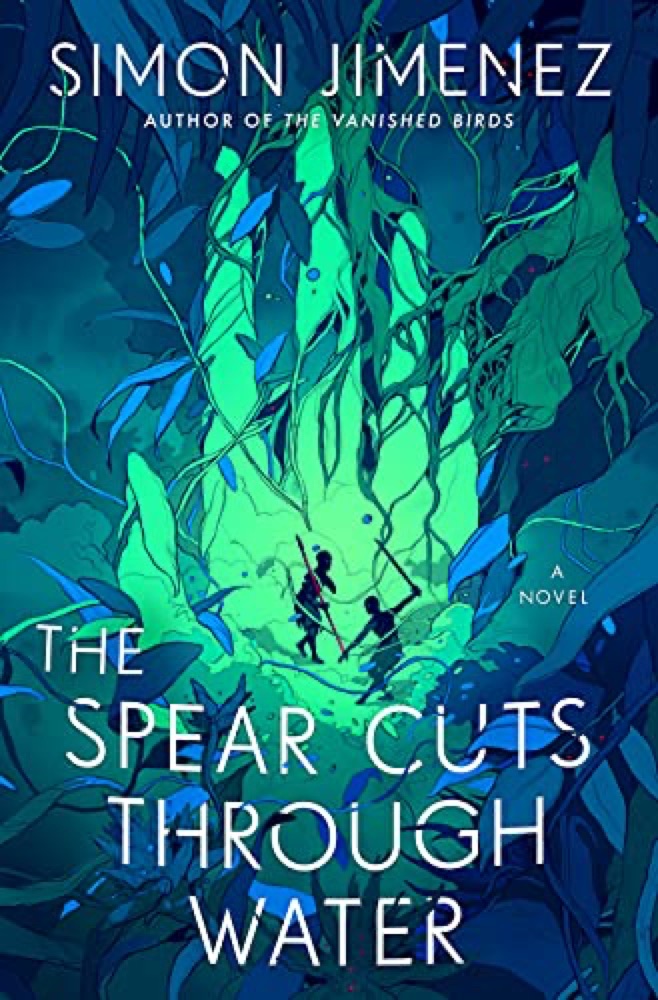 The Spear Cuts Through Water
 Wayfarer
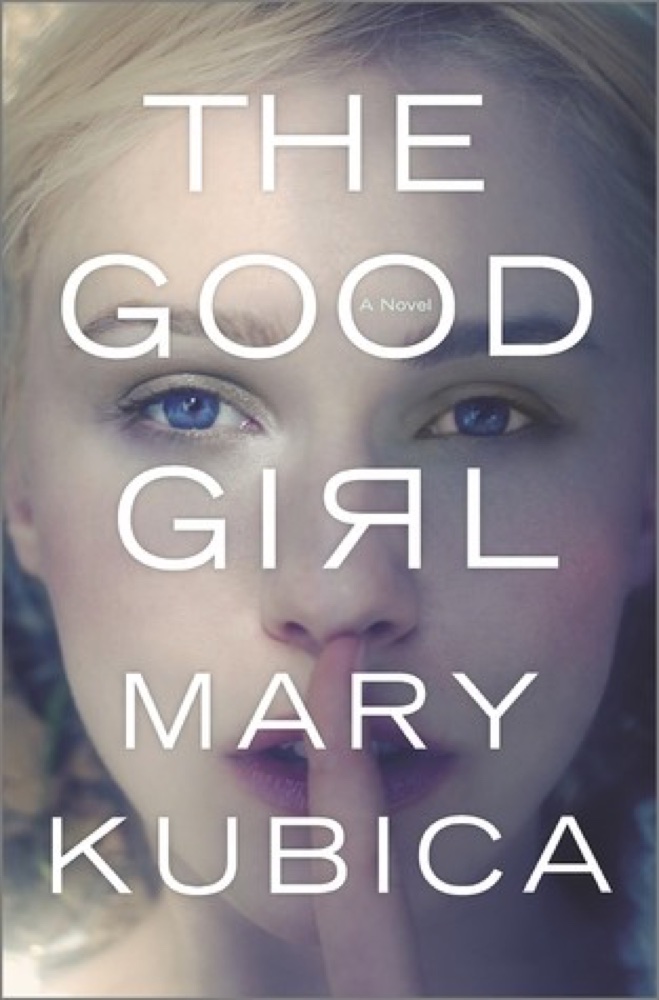 The Good Girl
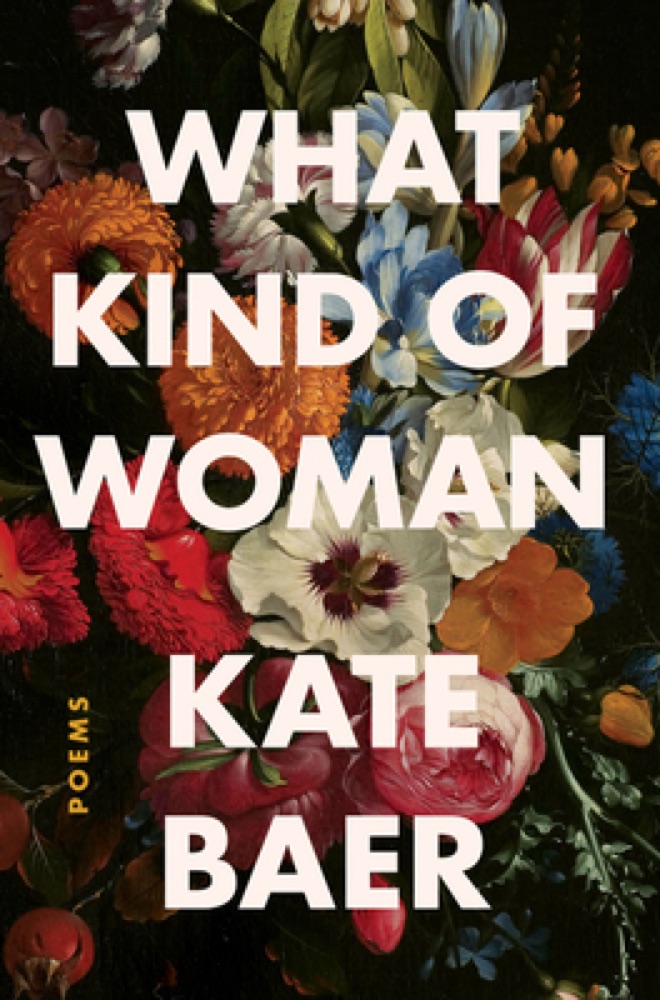 What Kind of Woman: Poems
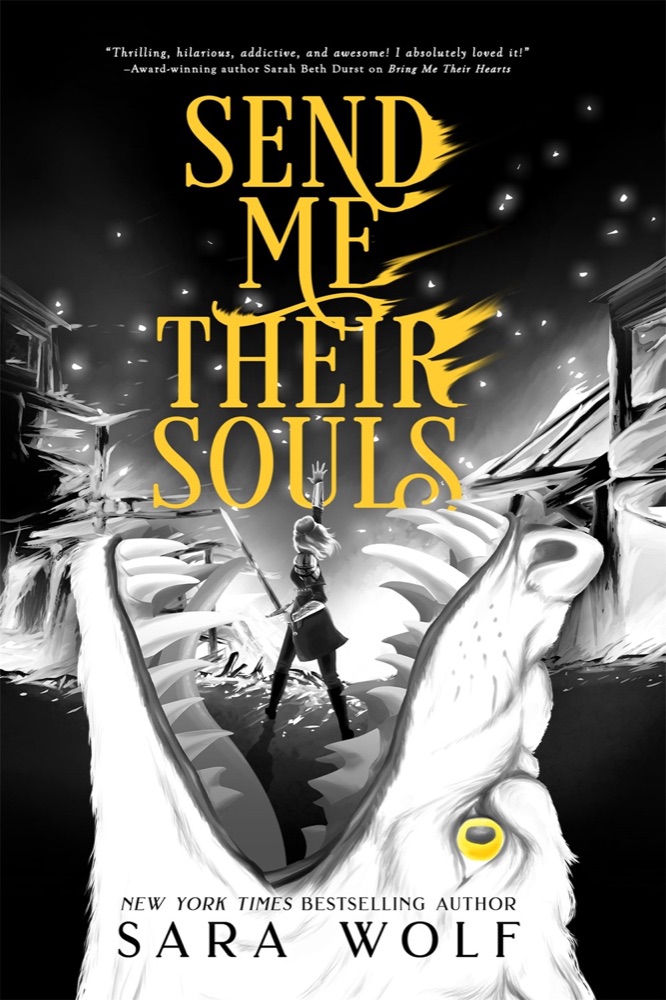 Send Me Their Souls
 Palimpsest
 A Conjuring of Light
 The Goose Girl
 Legendborn
 Tender Morsels
 Nightwood
 Night Sky with Exit Wounds
 The Serpent King
 Sheever's Journal, Diary of a Poison Master
 Teaching My Mother How to Give Birth
 The Nightingale
 Four Souls
 Bloodmarked
 What It Means When a Man Falls from the Sky
 A Reaper at the Gates
 Plainwater: Essays and Poetry
 Children of Virtue and Vengeance
 The Bitter Kingdom
 When the Elephants Dance
 March
March
 Getting the Girl