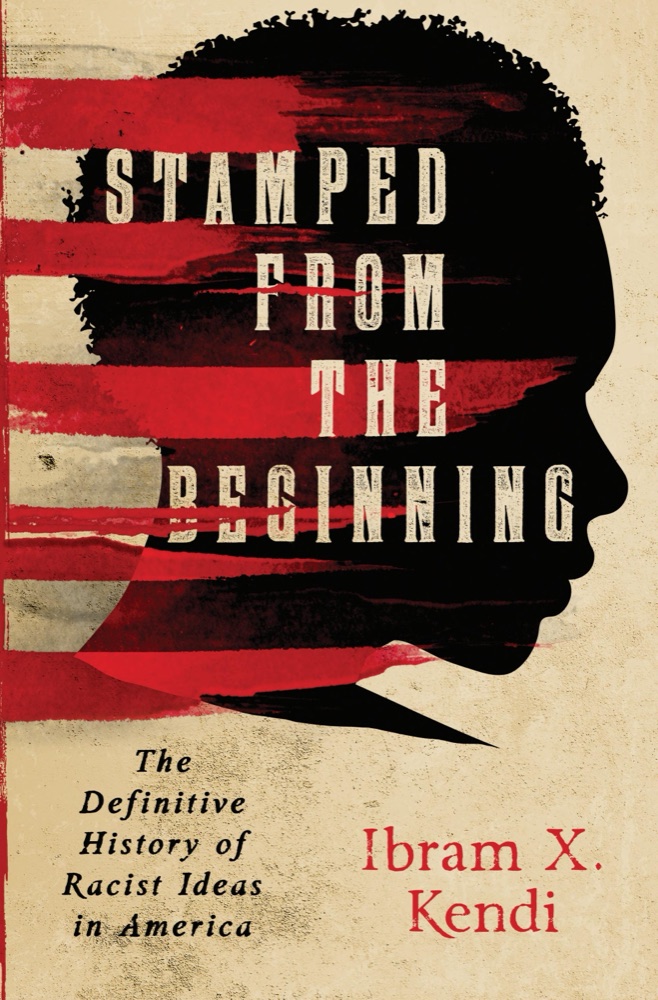
 Stamped from the Beginning: The Definitive History of Racist Ideas in America
Quotes from the Book
The most marvelous, unbelievable thing about Black people in America is that they exist. Every imaginable monstrosity that evil can conjure has been inflicted on this population, yet they have not been extinguished.
6
We’d like a list of what we lost Think of those who landed in the Atlantic The sharkiest of waters Bonnetheads and thrashers Spinners and blacktips We are made of so much water Bodies of water Bodies walking upright on the mud at the bottom The mud they must call nighttime Oh there was some survival Life After life on the Atlantic—this present grief So old we see through it So thick we can touch it And Jesus said of his wound Go on, touch it I don’t have the reach I’m not qualified I can’t swim or walk or handle a hoe I can’t kill a man Or write it down A list of what we lost The history of the wound The history of the wound That somebody bought them That somebody brought them To the shore of Virginia and then Inland Into the land of cliché I’d rather know their faces Their names My love yes you Whether you pray or not If I knew your name I’d ask you to help me Imagine even a single tooth I’d ask you to write that down But there’s not enough ink I’d like to write a list of what we lost. Think of those who landed in the Atlantic, Think of life after life on the Atlantic— Sweet Jesus. A grief so thick I could touch it. And Jesus said of his wound, Go on, touch it. But I don’t have the reach. I’m not qualified. And you? How’s your reach? Are you qualified? Don’t you know the history of the wound? Here is the history of the wound: Somebody brought them. Somebody bought them. Though I know who caught them, sold them, bought them, I’d rather focus on their faces, their names.
5
It seems that wherever the Black body is present, whether in solitary or a multitude, whites feel threatened, perhaps by the ghosts of their own sins for which they have never atoned.
4
When it comes to our democracy, and who we determine to have the right to vote--our most sacred of rights--patience is no virtue. We must never be patient when someone else's rights are in the balance. We cannot wait on laws, or elected officials, or anyone else. The only virtue when it comes to the right to vote is impatience.
3
Though slavery officially ended after the Civil War, the Christianity that blessed white supremacy did not go away. It doubled down on the Lost Cause, endorsed racial terrorism during the Redemption era, blessed the leaders of Jim Crow, and continues to endorse racist policies as traditional values under the guise of a "religious right." As a Christian minister myself, I understand why, for my entire ministry, the number of people who choose not to affiliate with any religious tradition has doubled each decade. An increasingly diverse America is tired of the old slaveholder religion. But this is why the freedom church that David George joined in the late 1760s is so important. We who speak out in public life to insist that God cares about love, justice, and mercy and to call people of faith to stand with the poor, the uninsured, the undocumented, and the incarcerated are often accused of preaching something new. But those who claim "traditional values" to defend unjust policies do not represent the tradition of David George, George Liele, and Brother Palmer. They do not represent the Black, white, and Tuscaroran people of Free Union, North Carolina, who taught my people for generations that there is no way to worship Jesus without being concerned about justice in the world.
3
Men talk of the Negro problem. There is no Negro problem,” Douglass declared in 1894, as the shadow of Jim Crow fell across the nation. “The problem is whether the American people have honesty enough, loyalty enough, honor enough, patriotism enough to live up to their Constitution.
3
Z is for zealotry: national pride like an infinite zipline, hyperdrive, the fastest way down.
2
Change does not occur without backlash--at least any change worth having--and that backlash is an indicator that the change is so powerful that the opposing forces resist that change with everything they have.
2
Many thought of the election of Barack Obama, not as the end of racism, but certainly as a turning point. And it was. But for many, President Obama's election was a turning point in a different direction. It spurred a backlash among white supremacists invested in maintaining the status quo. It can be no coincidence that the carnage of the Voting Rights Act so central to the Shelby decision occurred during the presidency of our first-ever Black president. It is no coincidence that in the decade since Obama's election, voter suppression has gained more momentum, velocity, and animosity than it had in the previous three elections combined. Since Shelby County v. Holder, voter suppression has taken on more pervasive and pernicious forms than ever before.
2
Barack Obama had cobbled together a mighty coalition of people young and old, Black and white. The diversity of the coalition that backed him demonstrated the future he sought, one where people of all backgrounds would come together and push our great nation forward. The power of that thought, the audacity of his imagination to dream of what a better, more inclusive country might look like, frightened many who saw their lives dependent on the continuation of a racial hierarchy.
2
The lexicon must make room for white patriarchy's specific way of disregarding the humanity of Black women in literal physical spaces like New Orleans during and after Katrina, and in the narratives and policy making that either created a pathway home or left them stranded. Every step of the Katrina response "depresenced" Black women, forced them to bear the weight of natural disaster while carrying the cellular memory of trauma one can imagine will pass through bloodlines like so many others. Unlike erasure, which requires one's presence to be recognized so it can be obliterated, depresencing never acknowledges presence at all. When deployed, people just look right through Black women as if they weren't there. As violent and silent as depresencing is, there's an antidote. The response to Hurricane Katrina was not the first time the U.S. government abandoned Black women, and it would not be the last. Black women resisted by showing up in the story of their lives, by loving, learning, and leading--despite the systemic barriers and humiliations designed to make them small enough to practically disappear. But Black women did not disappear, and they will not disappear because we know something established power does not: we are something.
2
Even today, American political conflicts are defined by the limits of American citizenship and who is allowed to claim it. In this sense, [Frederick] Douglass understood that until Black Americans could claim full citizenship, the nation he envisioned could not exist. "Men talk of the Negro problem. There is no Negro problem," Douglass declared in 1894, as the shadow of Jim Crow fell across the nation. "The problem is whether the American people have honesty enough, loyalty enough, honor enough, patriotism enough to live up to their Constitution." More than a century later, that problem is still with us.
2
While some nations vow never to forget, our American battle has always been over what we allow ourselves to remember. Our historical record, we know, is subjective. Not every account is written down. The distinction between equity and injustice, riot and uprising, hinges on whose hand holds the pen. So often, it seems, our history is hiding from us, preventing the possibility that we dare look back and tell the truth--afraid of what doing so may require of us now.
2
In the comfortingly distorted view of the past, American slavery came about in the passive sense. That's just the way things were back then. Slavery was an inherited reality, a long-standing if unsavory fact of trade and war. In reality, colonial legislatures consciously conceived American chattel slavery at the turn of the eighteenth century, and they spelled out its terms in painstaking regulatory detail. Virginia's slave codes contained forty-one sections and more than four thousand words. ... The slave codes of 1705 are among American history's most striking evidence that our nation's greatest sins were achieved with clear forethought and determined maintenance.
2
But if you start from the idea that Blacks are indeed human, then every commitment to equality after that will be unshakable. And that is the thing to be learned from the 1688 petition. Blacks do not need allies who fight for our inclusion; rather, we need people who are possessed of the basic belief that we are human and that any arguments that depend on rejecting that proposition are tyrannical, unjust, and to be fought.
2
True equality cannot be left to the whims of an electorate -- is the predicate for democracy and the vote, not their product.
1
The hypocrisy of white Christians who said their religion condemned darker-skinned people to perpetual slavery even as they worshiped a brown-skinned Jewish man who was put to death by an imperial power could hardly be starker, both then and now.
1
The good Lorde told us we weren't meant to survive, but we've always been good at going about our lives in factories and on our knees
1
Likewise, in this moment, when our collective memories about the past are hotly contested, it will be the work of like-minded people who will harness accurate histories of the past to better address our present.
1
It's a truism that we see the past as far more distant than it is in reality: my parents were adults before they could share bathrooms with white people; my grandmother was middle-aged before she could confidently enter a voting booth in Alabama. Yet these images fade easily into gentle sepia tones for me today. That's because it's safety, not wisdom, we're after when we look backward. We picture ugly things at a comfortable distance. But Americans distort the past in other ways, too. We see horrible people as exceptional, and their many accomplices as mere captives of their times. We tell ourselves we would contain such wickedness if it arose today, because now we know better. We've learned. In our illusory past, progress has come in decisive and irrevocable strokes.
1
Since no African slaves were brought to the Americas, but only Africans who were enslaved, it is safe to assume that among the arrivals in the 1620s were the usual human variety of personalities with an equally impressive number of character traits. Out of the cauldron that was developing under the hegemony of Europeans emerged several recognized types: the recorder of events, the interpreter of events, the creator of events, the advancer of events, the maintainer of events, and the memorializer of events.
1
Oppressed people must either reform or reject a religion that preaches spiritual salvation but has little to say about their physical and material conditions. The hypocrisy of white Christians who said their religion condemned darker-skinned people to perpetual slavery even as they worshipped a brown-skinned Jewish man who was put to death by an imperial power could hardly be starker, both then and now.
1
W.E.B. Du Bois called such erasure [of the first arrival of enslaved Africans to America] the propaganda of history. "It is propaganda like this that has led men in the past to insist that history is 'lies agreed upon'; and to point out the danger in such misinformation," he wrote in his influential treatise Black Reconstruction (1935). Du Bois argued that America had falsified the fact of its history "because the nation was ashamed.
1
He was whipped in front of an assembled audience of Black and white Virginians, to show everyone what the punishment would be for “abusing himself to the dishonor of God and shame of Christians, by defiling his body in lying with a negro.
1
Our historical record, we know, is subjective. Not every account is written down. The distinction between equity and injustice, riot and uprising, hinges on whose hand holds the pen. So often, it seems, our history is hiding from us, preventing the possibility that we dare look back and tell the truth—afraid of what doing so may require of us now.
The distinction between equity and injustice, riot and uprising, hinges on whose hand holds the pen.
At critical turning points throughout history, people made deliberate choices to construct and reinforce a racist America.
When we are creating a shared history, what we remember is just as revelatory as what we forget.
Watch on YouTube
About Ibram X. Kendi
We have collected 56 quotes from 2 books by Ibram X. Kendi on BookQuoters.
More about the author →More by Ibram X. Kendi
Stamped from the Beginning: The Definitive History of Racist Ideas in America
About the book
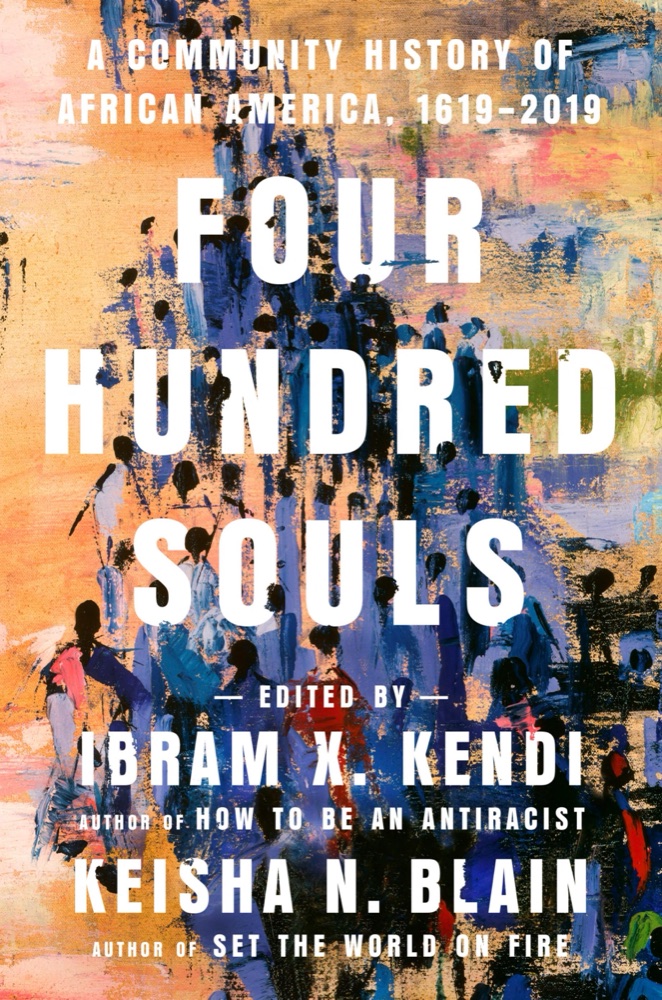
An epoch-defining history of African America, the first to appear in a generation, Four Hundred Souls is a chronological account of four hundred years of Black America as told by ninety of America's leading Black writers.Curated by Ibram X. Kendi, author of the number one bestseller How To Be an Antiracist, and fellow historian Keisha N. Blain, Four Hundred Souls begins with the arrival of twenty enslaved Ndongo people on the shores of the British colony in mainland America in 1619, the year before the arrival of the Mayflower. In eighty chronological chapters, the book charts the tragic and triumphant four-hundred-year history of Black American experience in a choral work of exceptional power and beauty. Contributors include some of the best-known scholars, writers, historians, journalists, lawyers, poets and activists of contemporary America who together bring to vivid life countless n
Book details
- First published
- 2021
- Author
- Ibram X. Kendi
- Genre
- Nonfiction
- Goodreads rating
- 4.55 (11k ratings)
The buzz
- Kirkus ReviewsReview in Kirkus Reviewsprofessional review (via Book Marks)
- Publishers WeeklyReview in Publishers Weeklyprofessional review (via Book Marks)
- LA Review of BooksReview in LA Review of Booksprofessional review (via Book Marks)
- BooklistReview in Booklistprofessional review (via Book Marks)
- TampabayReview in Tampabayprofessional review (via Book Marks)
Keep reading
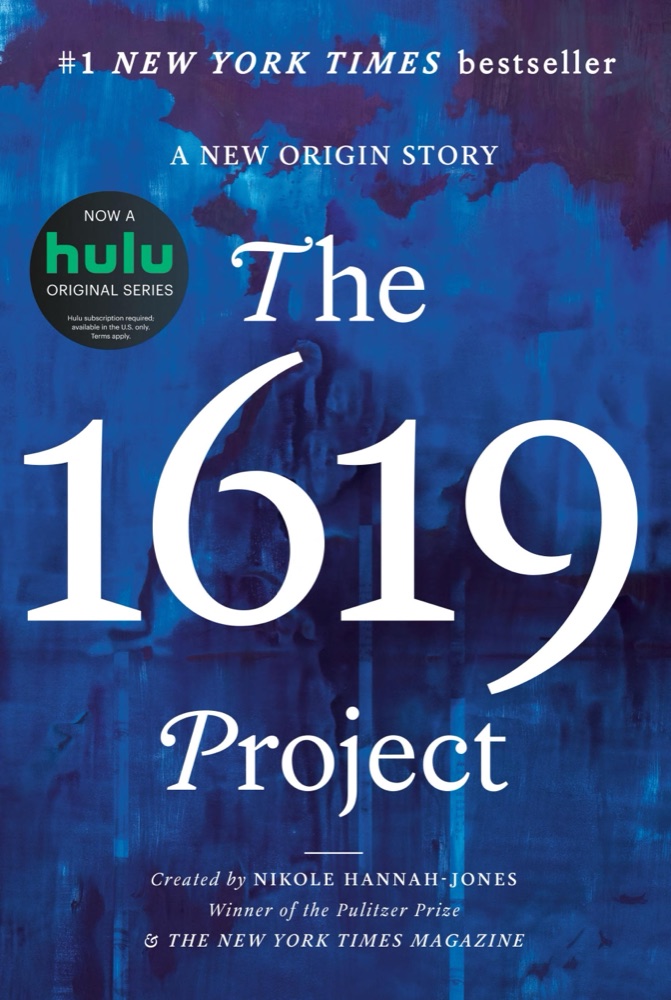 The 1619 Project: A New Origin Story
 We Were Eight Years in Power: An American Tragedy
 Stony the Road: Reconstruction, White Supremacy, and the Rise of Jim Crow
 Black AF History: The Un-Whitewashed Story of America
 Begin Again: James Baldwin's America and Its Urgent Lessons for Our Own
 Why We Can't Wait
 How the Word Is Passed: A Reckoning with the History of Slavery Across America
 Where Do We Go from Here: Chaos or Community?
 Blood Done Sign My Name: A True Story
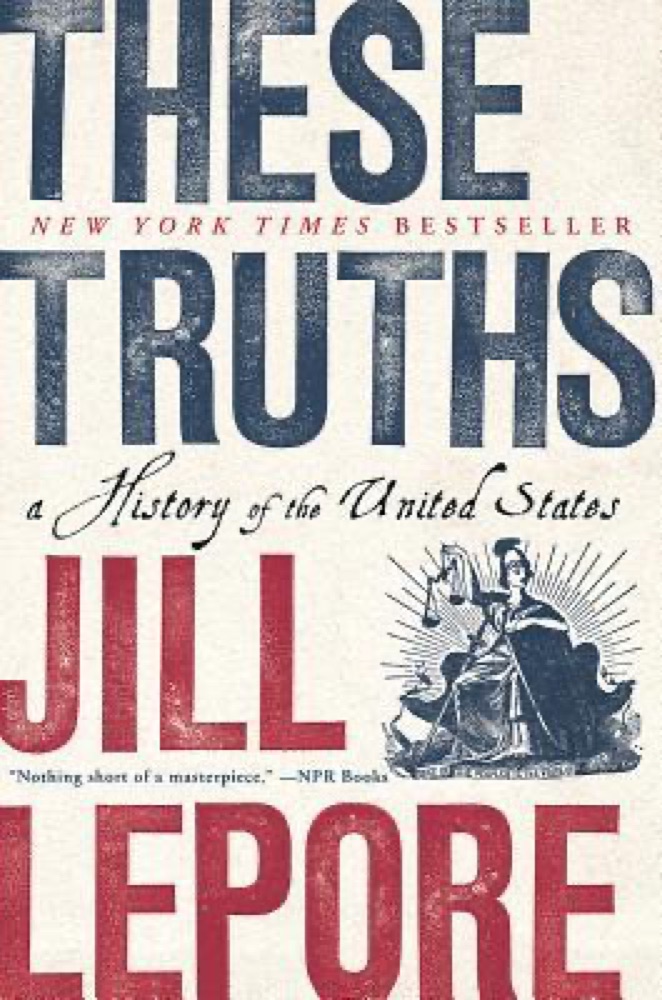 These Truths: A History of the United States
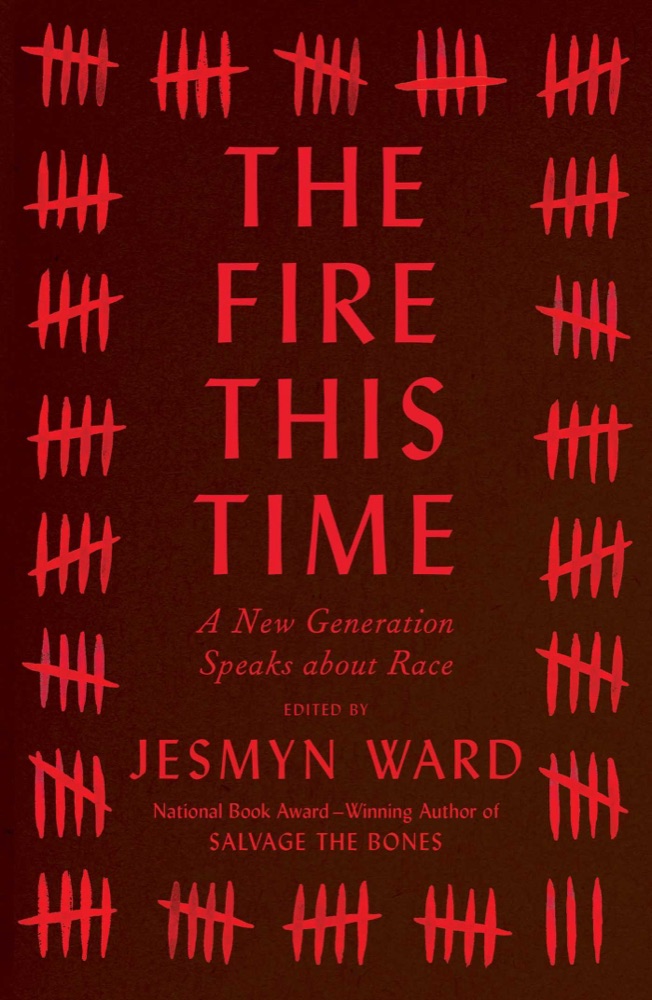 The Fire This Time: A New Generation Speaks About Race
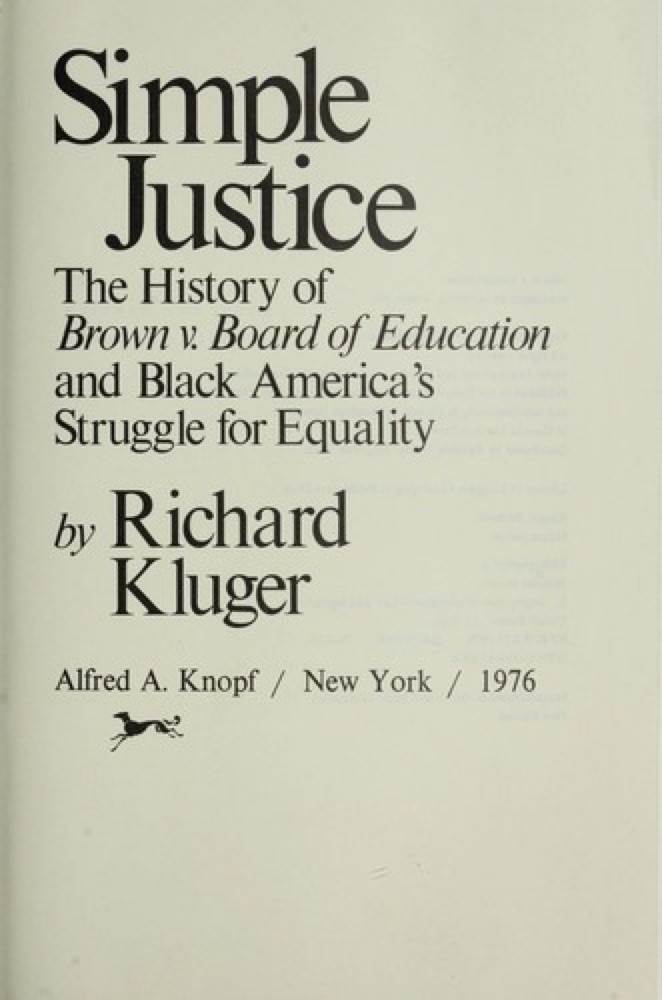 Simple Justice: The History of Brown v. Board of Education and Black America's Struggle for Equality
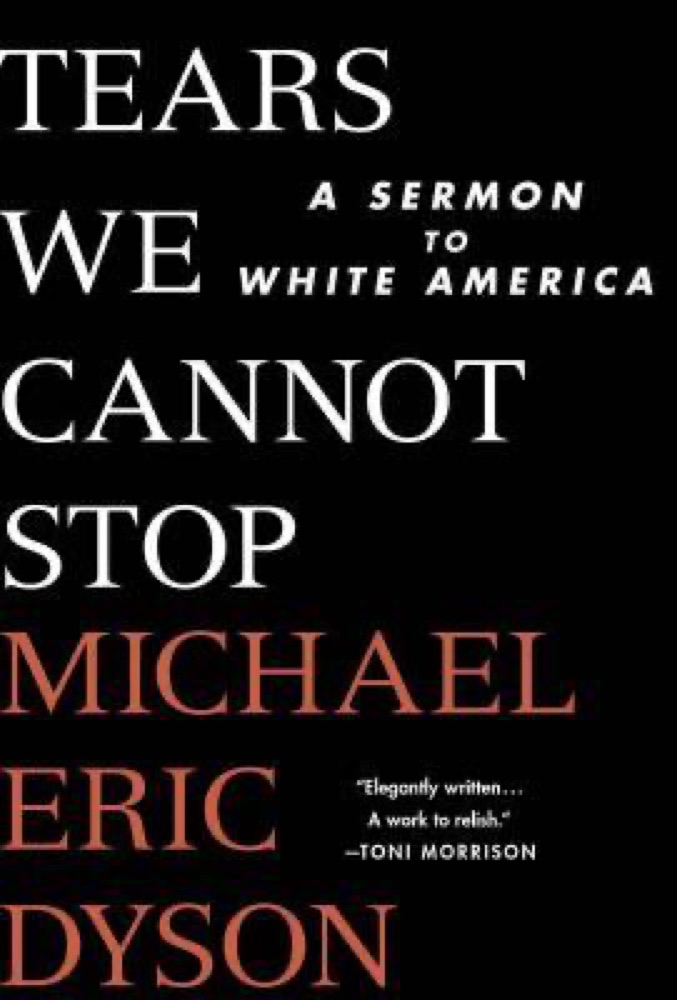 Tears We Cannot Stop: A Sermon to White America
Stamped from the Beginning: The Definitive History of Racist Ideas in America
Tears We Cannot Stop: A Sermon to White America
Stamped from the Beginning: The Definitive History of Racist Ideas in America
 No Name in the Street
 Black in Blues: How a Color Tells the Story of My People
 White Rage: The Unspoken Truth of Our Racial Divide
 Stamped: Racism, Antiracism, and You
 I'm Still Here: Black Dignity in a World Made for Whiteness
 Black Rednecks and White Liberals
 A People's History of the United States
 The Warmth of Other Suns: The Epic Story of America's Great Migration
 We Gon' Be Alright: Notes on Race and Resegregation
 The Hemingses of Monticello: An American Family
 Notes of a Native Son
 The Soul of America: The Battle for Our Better Angels
 Robert E. Lee and Me: A Southerner's Reckoning with the Myth of the Lost Cause
 Uncomfortable Conversations With a Black Man
 White Like Me: Reflections On Race From A Privileged Son
 Dark Days
 Edge of Eternity
 The Love Songs of W.E.B. Du Bois
 The Small and the Mighty: Twelve Unsung Americans Who Changed the Course of History, from the Founding to the Civil Rights Movement
 The Blood of Emmett Till
 The Sum of Us: What Racism Costs Everyone and How We Can Prosper Together
 The Disuniting of America: Reflections on a Multicultural Society
 The Souls of Black Folk
 Black Reconstruction in America 1860-1880
 White Trash: The 400-Year Untold History of Class in America
 The Message
 Letter from the Birmingham Jail
 Just Us: An American Conversation
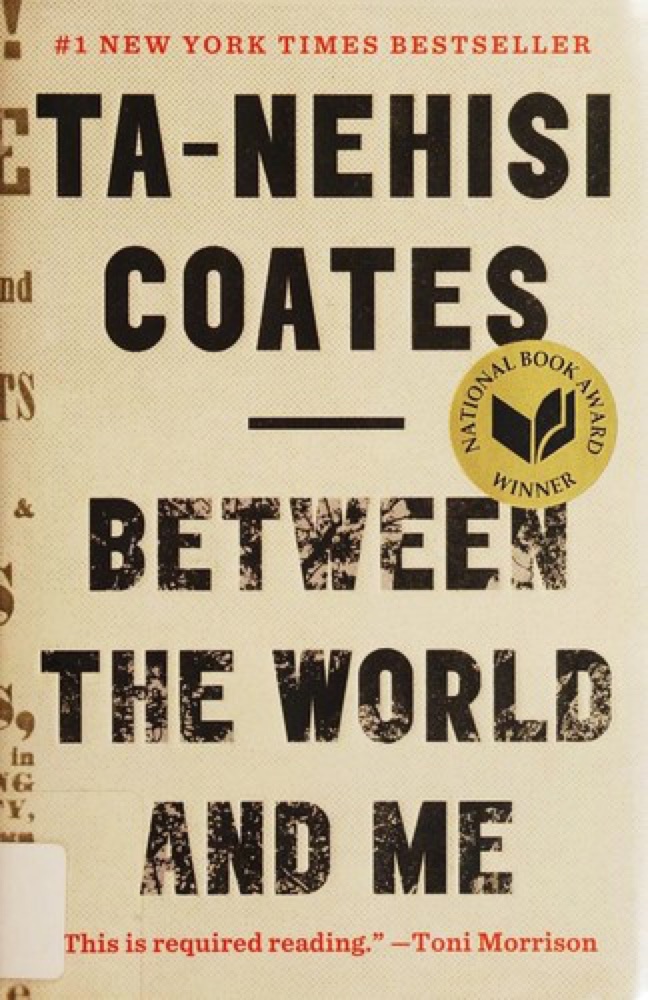 Between the World and Me
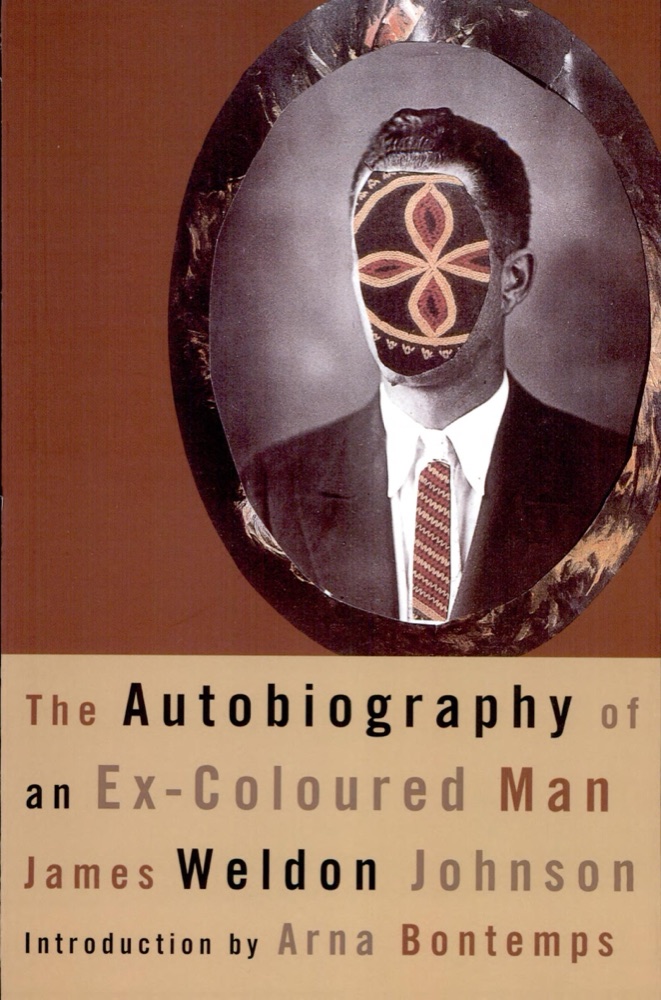 The Autobiography of an Ex-Coloured Man
 Across That Bridge: A Vision for Change and the Future of America
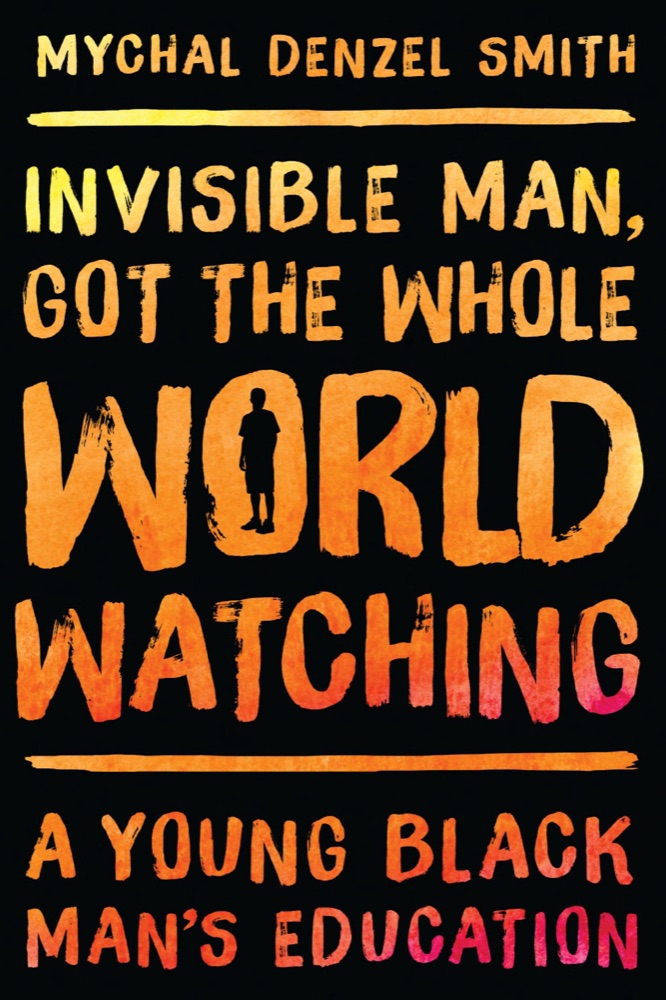 Invisible Man, Got the Whole World Watching: A Young Black Man's Education
 You Can't Be Neutral on a Moving Train: A Personal History of Our Times
 The Half Has Never Been Told: Slavery and the Making of American Capitalism
 Barracoon: The Story of the Last "Black Cargo"
 Myth America: Historians Take On the Biggest Legends and Lies About Our Past
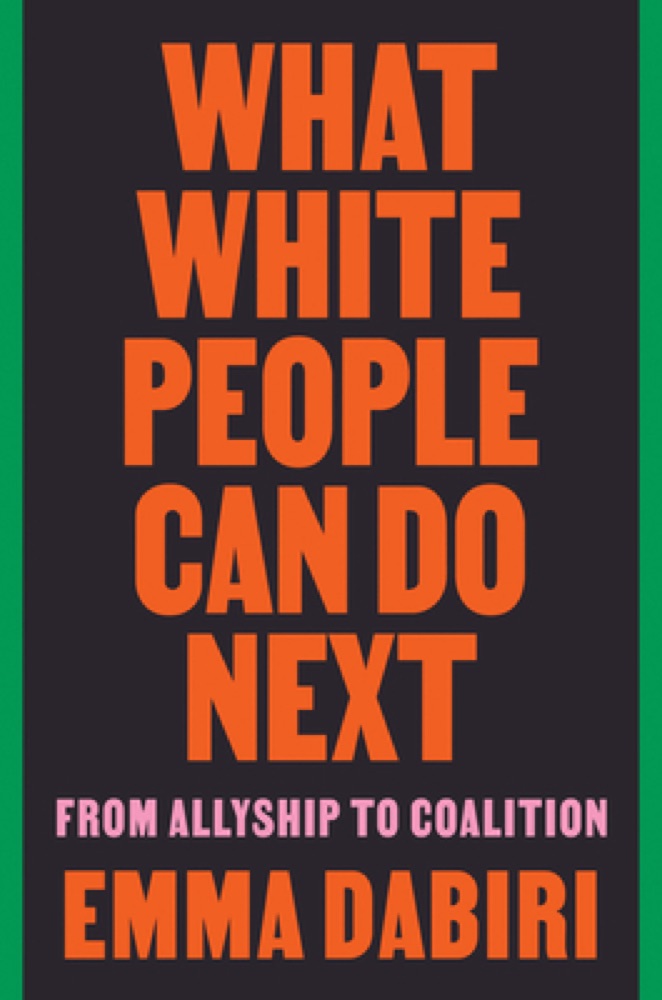 What White People Can Do Next: From Allyship to Coalition – An Empowering Guide to Interrogating Whiteness and Creating Justice
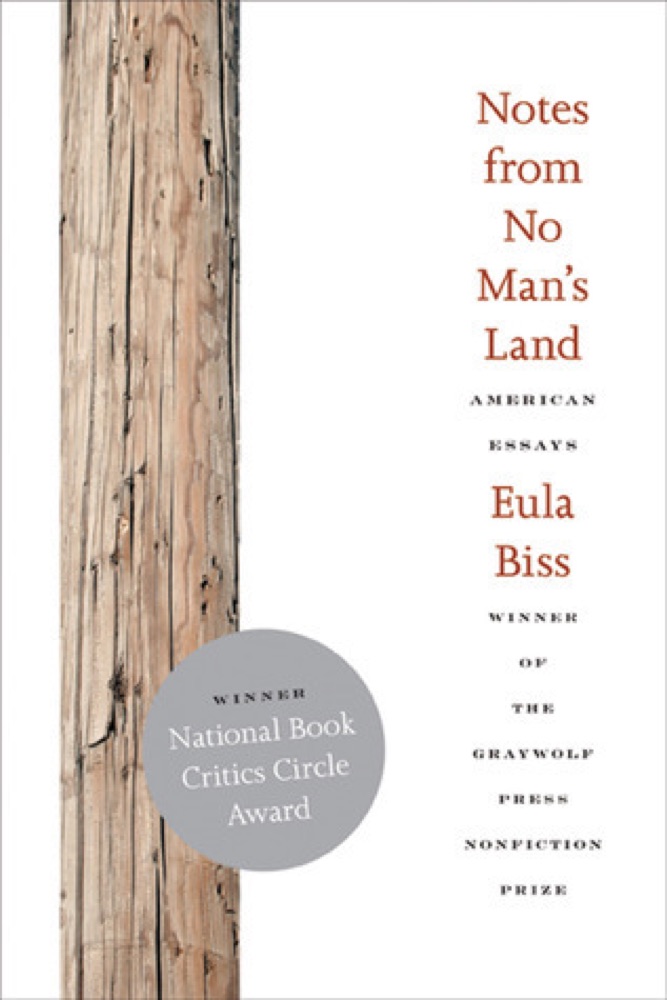 Notes from No Man's Land
 Lies My Teacher Told Me: Everything Your American History Textbook Got Wrong
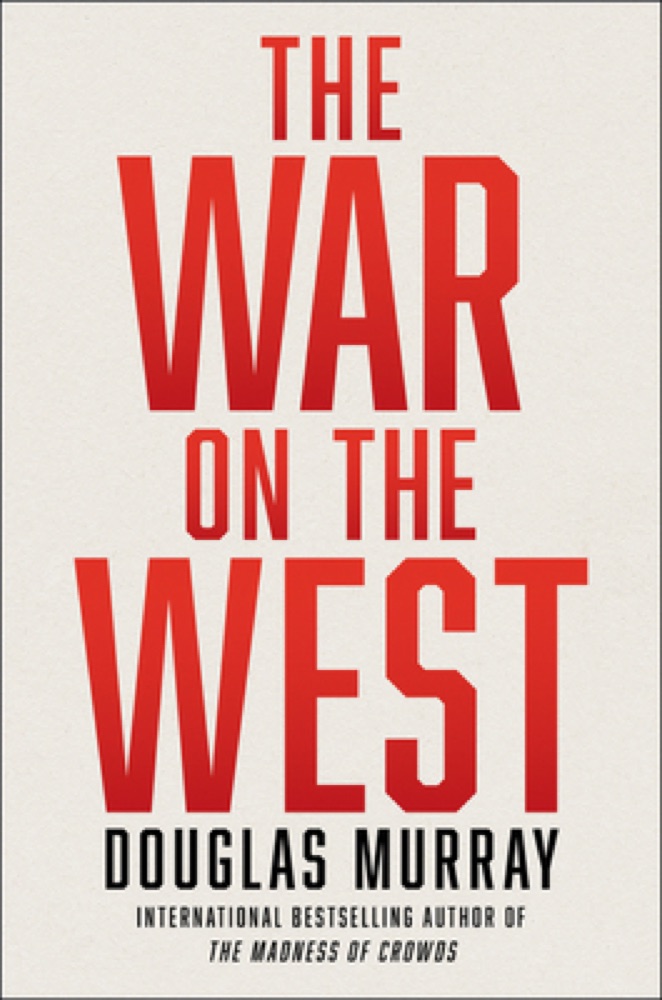 The War on the West: An Instant NYT Bestselling History of the Modern World
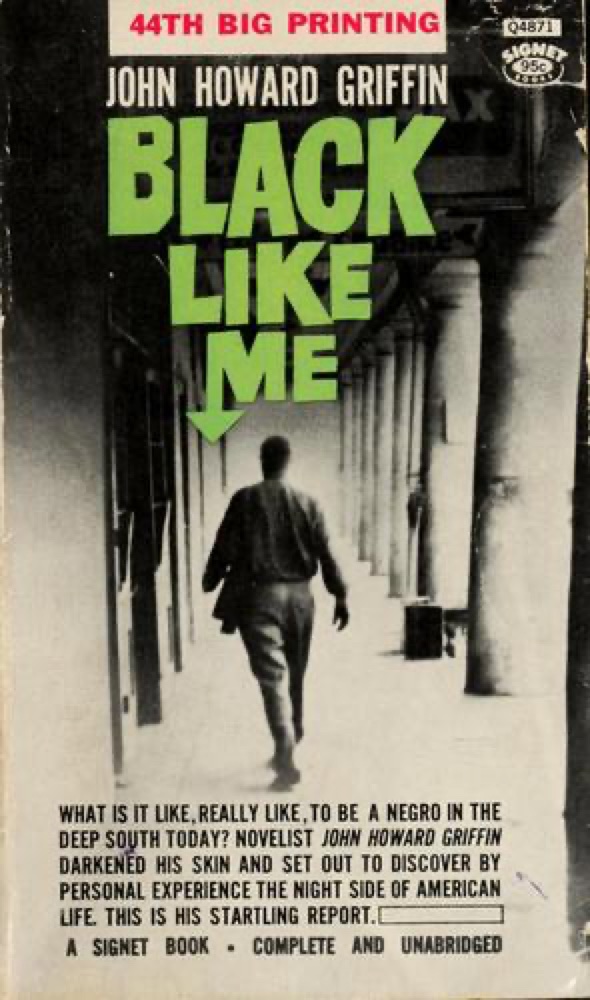 Black Like Me
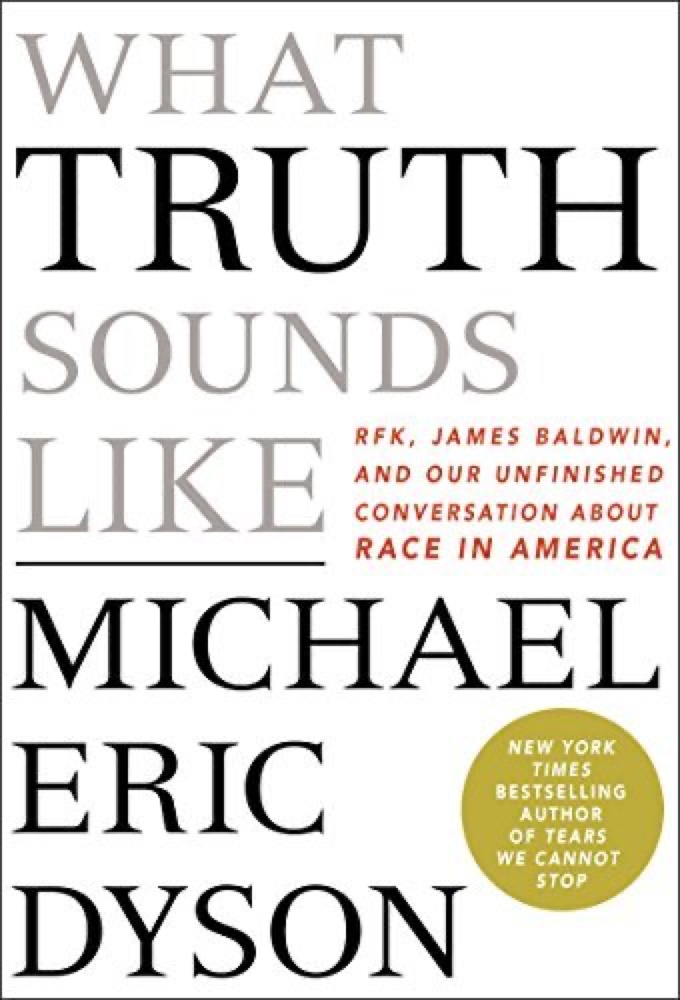 What Truth Sounds Like: Robert F. Kennedy, James Baldwin, and Our Unfinished Conversation About Race in America
 The American Spirit: Who We Are and What We Stand For
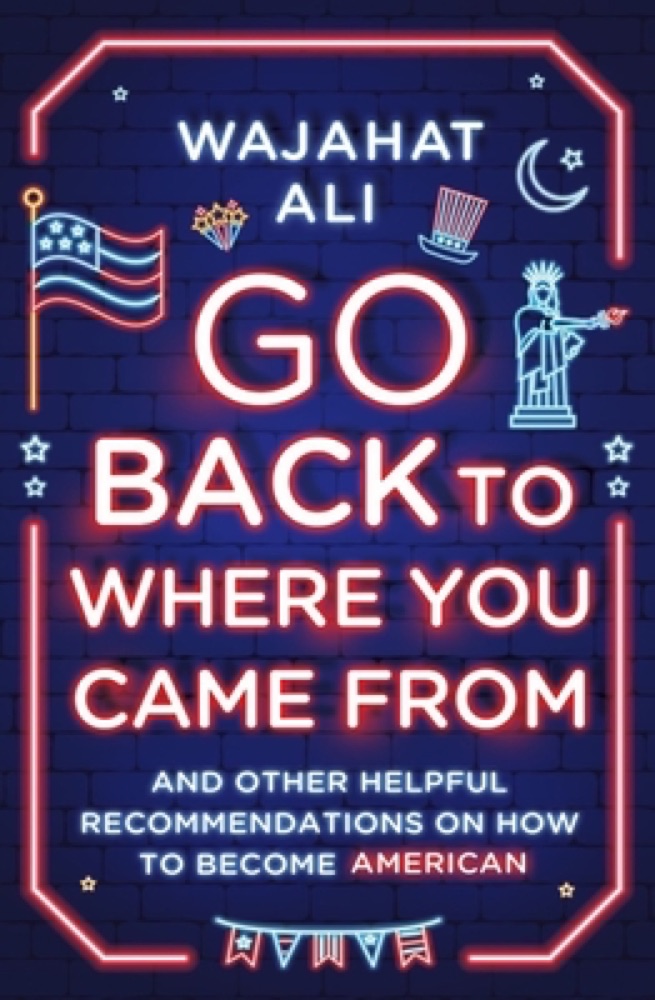 Go Back to Where You Came From: And Other Helpful Recommendations on How to Become American
 Assata: An Autobiography
 Arguably: Selected Essays