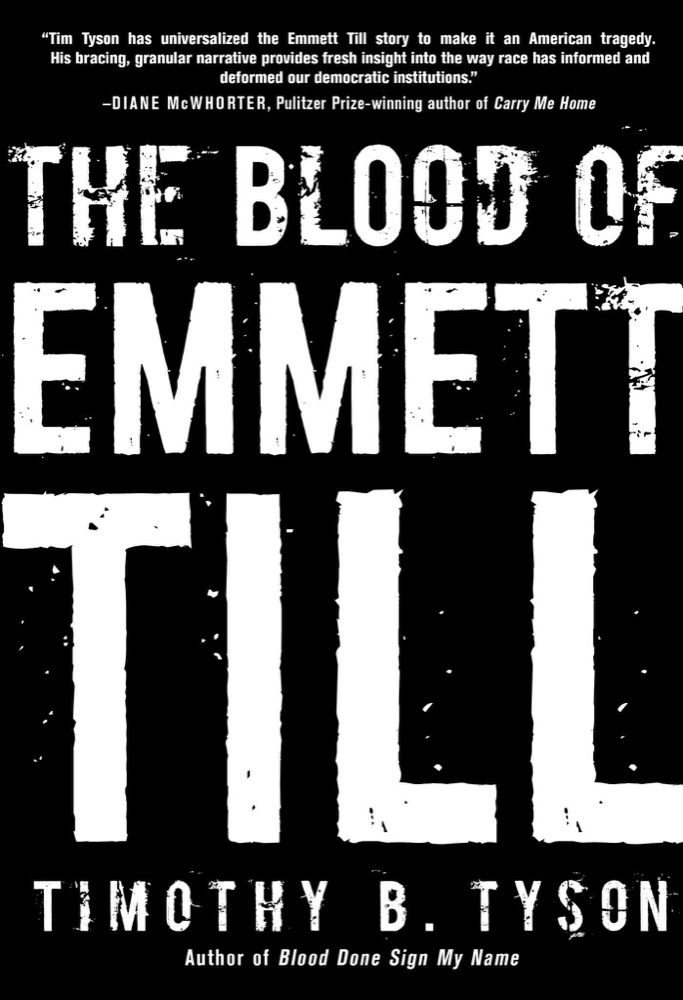

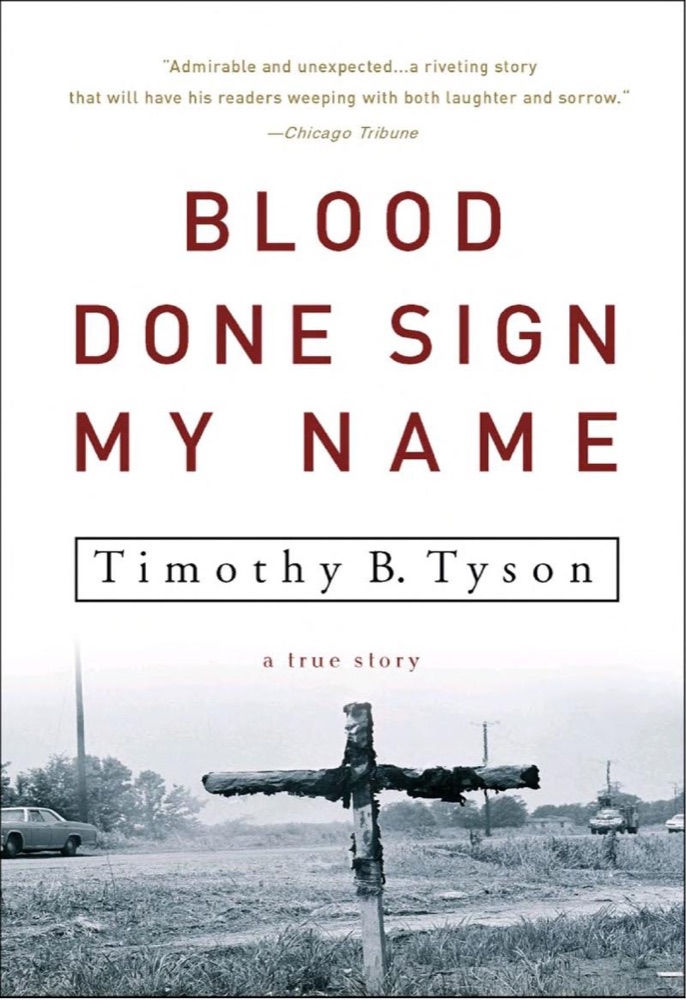
 Blood Done Sign My Name: A True Story
Quotes from the Book
Somewhere between the fact we know and the anxiety we feel is the reality we live.
14
Because if we in America have reached the point in our desperate culture where we must murder children, no matter for what reason or what color, we don’t deserve to survive and probably won’t.
6
Some things are worse than death... If a man lives, he must still live with himself.
4
The ruthless attack inflicted injuries almost certain to be fatal. They reveal a breathtaking level of savagery, a brutality that cannot be explained without considering rabid homicidal intent or a rage utterly beyond control. Affronted white supremacy drove every blow.
3
seeing that the lynching of Emmett Till was caused by the nature and history of America itself and by a social system that has changed over the decades, but not as much as we pretend. In “Letter from a Birmingham Jail,” Martin Luther King Jr. writes that his worst enemies are not the members of Citizens’ Councils or the Ku Klux Klan but “the white moderate” who claims to support the goals of the movement but deplores its methods of protest and deprecates its timetable for change: “We will have to repent in this generation not merely for the vitriolic words and actions of the bad people but for the appalling silence of the good people.
3
Emmett Till's death was an extreme example of the logic of America's national racial caste system. To look beneath the surface of these facts is to ask ourselves what our relationship is today to the legacies of that caste system - legacies that still end the lives of young African Americans for no reason other than the color of their American skin and the content of our national character. Recall that Faulkner, asked to comment on the Till case when he was sober, responded, 'If we in America have reached the point in our desperate culture where we must murder children, no matter for what reason or what color, we don't deserve to survive and probably won't.' Ask yourself whether America's predicament is really so different now.
3
Not everything that is faced can be changed,” Baldwin instructs, “but nothing can be changed until it is faced.
3
We are still killing black youth because we have not yet killed white supremacy.
2
The black novelist Chester Himes wrote a letter to the editor of the New York Post the day he heard the news of Milam’s and Bryant’s acquittals: “The real horror comes when your dead brain must face the fact that we as a nation don’t want it to stop. If we wanted to, we would.
2
When we blame those who brought about the brutal murder of Emmett Till, we have to count President Eisenhower, who did not consider the national honor at stake when white Southerners prevented African Americans from voting; who would not enforce the edicts of the highest court in the land, telling Chief Justice Earl Warren, 'All [opponents of desegregation] are concerned about is to see that their sweet little girls are not required to sit in schools alongside some big, overgrown Negroes.' We must count Attorney General Herbert Brownell Jr., who demurred that the federal government had no jurisdiction in the political assassinations of George Lee and Lamar Smith that summer, thus not only preventing African Americans from voting but also enabling Milam and Bryant to feel confident that they could murder a fourteen-year-old boy with impunity. Brownell, a creature of politics, likewise refused to intervene in the Till case. We must count the politicians who ran for office in Mississippi thumping the podium for segregation and whipping crowds into a frenzy about the terrifying prospects of school desegregation and black voting. This goes double for the Citizens' Councils, which deliberately created an environment in which they knew white terrorism was inevitable. We must count the jurors and the editors who provided cover for Milam, Bryant, and the rest. Above all, we have to count the millions of citizens of all colors and in all regions who knew about the rampant racial injustice in America and did nothing to end it. The black novelist Chester Himes wrote a letter to the New York Post the day he heard the news of Milam's and Bryant's acquittals: 'The real horror comes when your dead brain must face the fact that we as a nation don't want it to stop. If we wanted to, we would.
2
So here is another shard of truth, which we must accept if we are to make sense of the trial: faith in our courts and our laws, in the statement chiseled above the columns of the U.S. Supreme Court building - 'Equal Justice Under Law' - can obscure the obvious, particularly with the passage of time. There was no equal justice, no universal protection of law in the Mississippi Delta, certainly not in 1955.
2
Milam and Bryant were not on a political mission when they pounded on Moses Wright’s door, and they did not kidnap Emmett Till beneath the banner of states’ rights, racial integrity, or white supremacy. The white men carried out their brutal errand in an atmosphere created by the Citizens’ Councils, the Ku Klux Klan, and the mass of white public opinion, all of which demanded that African Americans remain the subservient mudsill of Mississippi—or die.
1
Lord you gave your only son to remedy a condition, but who knows but what the death of my only son might bring an end to lynching.
1
Mamie now envisioned God’s purpose for her life—and for her son’s life: “I took the privacy of my own grief and turned it into a public issue, a political issue, one which set in motion the dynamic force that ultimately led to a generation of social and legal progress for this country.
1
We must look at the facts squarely, not to flounder in a bitter nostalgia of pain but to redeem a democratic promise rooted in the living ingredients of our own history.
1
Frederick Sullens, editor of the Jackson Daily News, predicted, “If a decision is made to send Negroes to school with white children, there will be bloodshed. The stains of that bloodshed will be on the Supreme Court steps.
1
Chicago activist Saul Alinsky sardonically defined integration as “the period of time between the arrival of the first black and the departure of the last white.
1
What does it mean when you remember something that you know never happened?
1
I knew that I could talk for the rest of my life about what happened to my baby, I could explain it in great detail, I could describe what I saw laid out there on that slab at A. A. Rayner’s place, one piece, one inch, one body part at a time. I could do all of that and people would still not get the full impact. . . . They had to see what I had seen. The whole nation had to bear witness to this.
1
It was like watching a community you thought you knew reveal itself as something else.
1
The governor recently called a special session of the legislature to have the letters N, A, C and P removed from the alphabet and to have the words ‘integration’ and ‘desegregation’ stricken from the English language
We blame them to avoid seeing that the lynching of Emmett Till was caused by the nature and history of America itself and by a social system that has changed over the decades, but not as much as we pretend.
Black youngsters who walked through neighborhoods other than their own did so at their peril. Those searching for places to play, in parks and other public facilities, were especially vulnerable. These were lessons that black children growing up on the South Side learned with their ABCs.
[The undertaker] asked if [Mamie] wanted him to retouch Emmett's body and make him look a little more presentable, "No," [she] said. That was the way [she] wanted him presented. "Let the world see what I have seen.
And I kept screaming, as the cameras kept flashing," [Mamie] wrote, "in one long, explosive moment that would be captured for the morning editions.
The Dixiecrat revolt of 1948 captured the electoral votes of Mississippi, Louisiana, Alabama, and South Carolina and presaged the rise of a two-party South.8 Judge Brady was already a fuming Dixiecrat, calling for a new party “into whose ranks all true conservative Americans, Democrats and Republicans alike, will be welcomed” to battle “the radical elements of this country who call themselves liberals.” Senator James Eastland of Mississippi termed the Dixiecrat revolt “the opening phases of a fight” for conservative principles and white supremacy, and “a movement that will never die.
According to William Bradford Huie, Milam later justified Till’s lynching using the terms of violent racial and sexual politics: Just as long as I live and can do anything about it, niggers are going to stay in their place. Niggers ain’t gonna vote where I live. If they did, they’d control the government
They beat hell out of you for any reason or no reason. It’s the greatest pleasure of their lives.
After all, how do you give a crash course in hatred to a boy who has only known love?
Rather than arrest the assailant, white police officers hauled off a black bystander who objected to their inaction.
Watch on YouTube
About Timothy B. Tyson
We have collected 58 quotes from 2 books by Timothy B. Tyson on BookQuoters.
More about the author →More by Timothy B. Tyson
Blood Done Sign My Name: A True Story
About the book
In 1955, white men in the Mississippi Delta lynched a fourteen-year-old from Chicago named Emmett Till. His murder was part of a wave of white terrorism in the wake of the 1954 Supreme Court decision that declared public school segregation unconstitutional. Only weeks later, Rosa Parks thought about young Emmett as she refused to move to the back of a city bus in Montgomery, Alabama. Five years later, Black students who called themselves “the Emmett Till generation” launched sit-in campaigns that turned the struggle for civil rights into a mass movement. Till’s lynching became the most notorious hate crime in American history.
But what actually happened to Emmett Till—not the icon of injustice, but the flesh-and-blood boy? Part detective story, part political history, drawing on a wealth of new evidence, including a shocking admission of Till’s innocence from the woman in whose name h
Book details
- First published
- 2017
- Author
- Timothy B. Tyson
- Genre
- Nonfiction
- Goodreads rating
- 4.27 (9k ratings)
The buzz
- The New York TimesReview in The New York Timesprofessional review (via Book Marks)
- The Washington PostReview in The Washington Postprofessional review (via Book Marks)
- The AtlanticReview in The Atlanticprofessional review (via Book Marks)
- Los Angeles TimesReview in Los Angeles Timesprofessional review (via Book Marks)
- LA Review of BooksReview in LA Review of Booksprofessional review (via Book Marks)
- Toronto StarReview in Toronto Starprofessional review (via Book Marks)
Keep reading
Blood Done Sign My Name: A True Story
 Simple Justice: The History of Brown v. Board of Education and Black America's Struggle for Equality
 Why We Can't Wait
 Ghettoside: A True Story of Murder in America
 We Were Eight Years in Power: An American Tragedy
 Four Hundred Souls: A Community History of African America, 1619-2019
 White Rage: The Unspoken Truth of Our Racial Divide
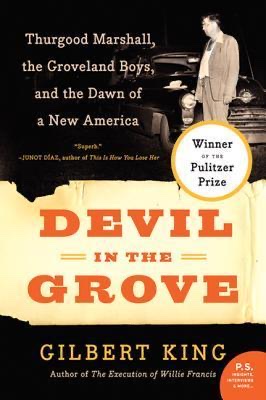 Devil in the Grove: Thurgood Marshall, the Groveland Boys, and the Dawn of a New America
 Dark Days
 The Fire This Time: A New Generation Speaks About Race
 The Confessions of Nat Turner
 The Heart of a Woman
 No Name in the Street
 The Trees
 Where Do We Go from Here: Chaos or Community?
 Between the World and Me
 Edge of Eternity
 Notes from No Man's Land
 Stony the Road: Reconstruction, White Supremacy, and the Rise of Jim Crow
 A Fever in the Heartland: The Ku Klux Klan's Plot to Take Over America, and the Woman Who Stopped Them
 The Warmth of Other Suns: The Epic Story of America's Great Migration
 The Nickel Boys
 Bearing the Cross: Martin Luther King, JR., and the Southern Christian Leadership Conference
 Robert E. Lee and Me: A Southerner's Reckoning with the Myth of the Lost Cause
 Assata: An Autobiography
 The Love Songs of W.E.B. Du Bois
 Notes of a Native Son
 Black AF History: The Un-Whitewashed Story of America
 Lovecraft Country
 Black Like Me
 Invisible Man, Got the Whole World Watching: A Young Black Man's Education
 Unthinkable: Trauma, Truth, and the Trials of American Democracy
 The Autobiography of an Ex-Coloured Man
 Say Nothing: A True Story of Murder and Memory in Northern Ireland
 Uncomfortable Conversations With a Black Man
 Homegoing
 Letter from the Birmingham Jail
 Native Son
 The Bone Tree
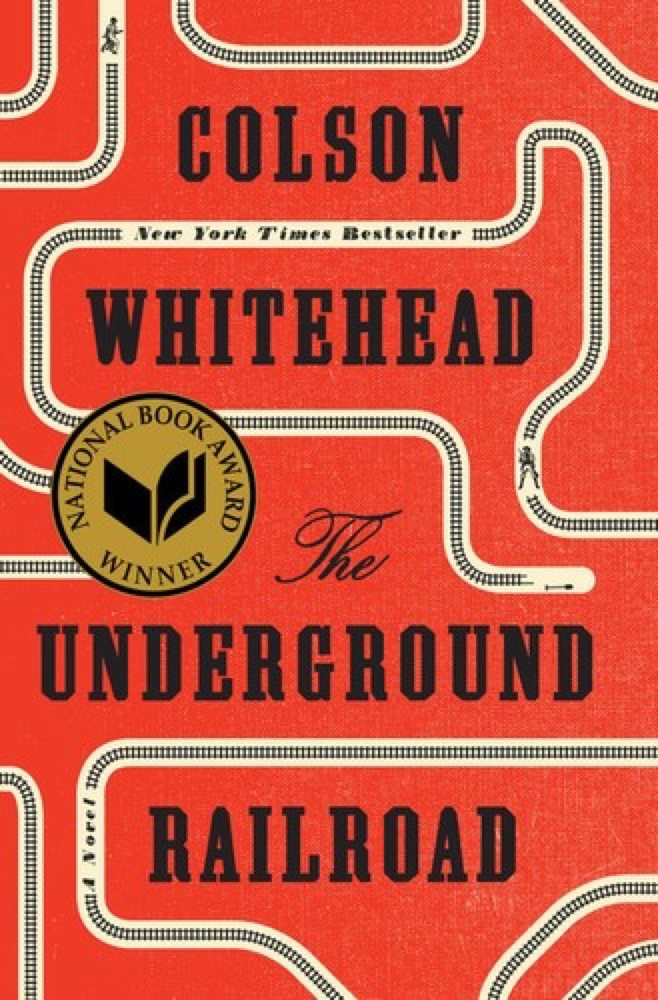 The Underground Railroad
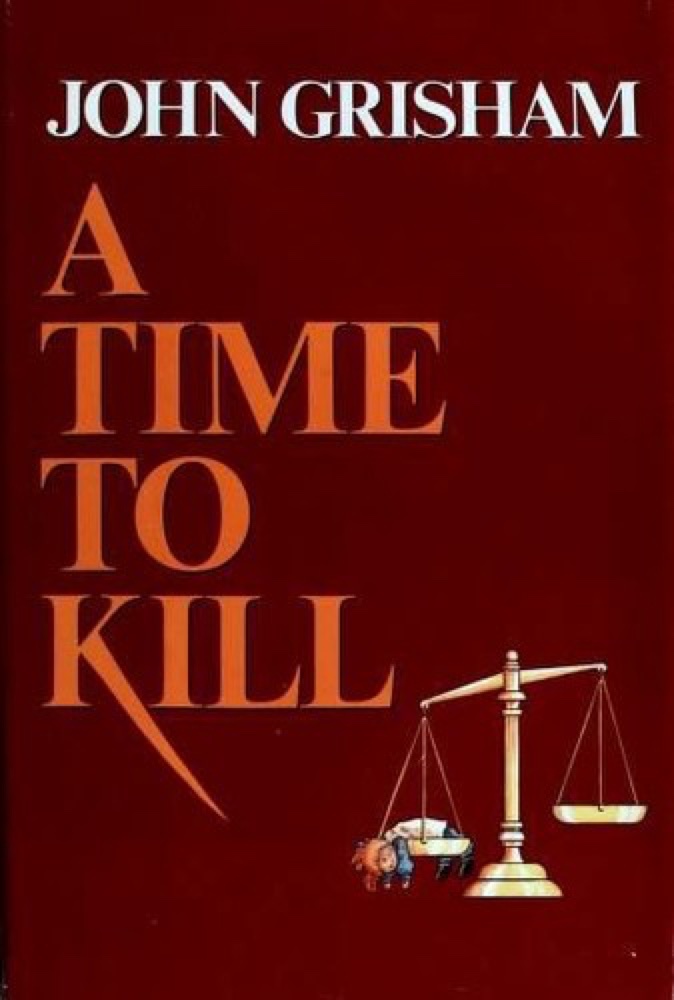 A Time to Kill
 Dreams from My Father: A Story of Race and Inheritance
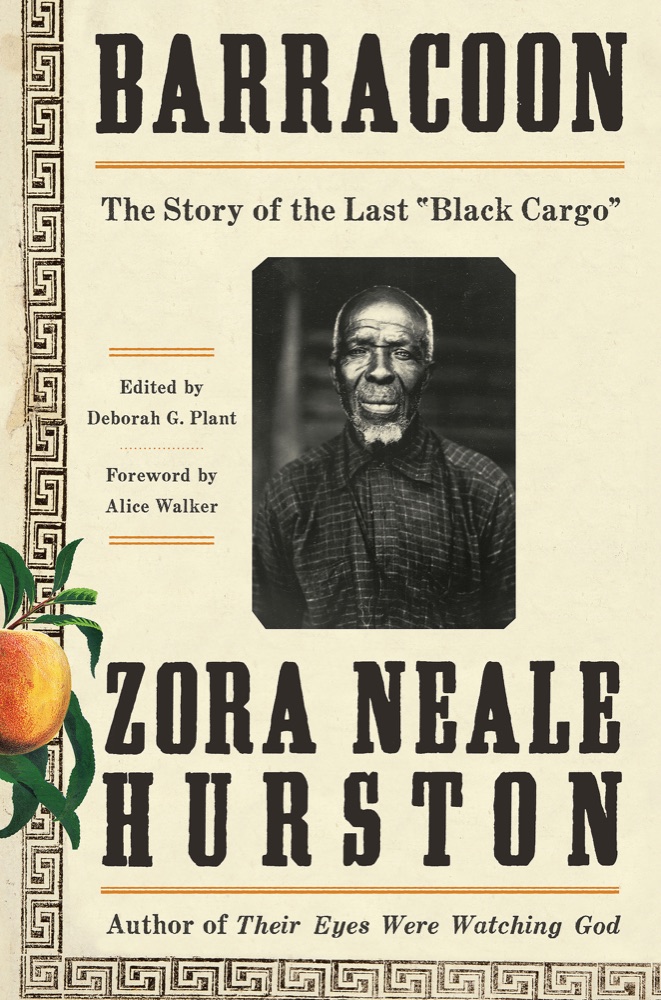 Barracoon: The Story of the Last "Black Cargo"
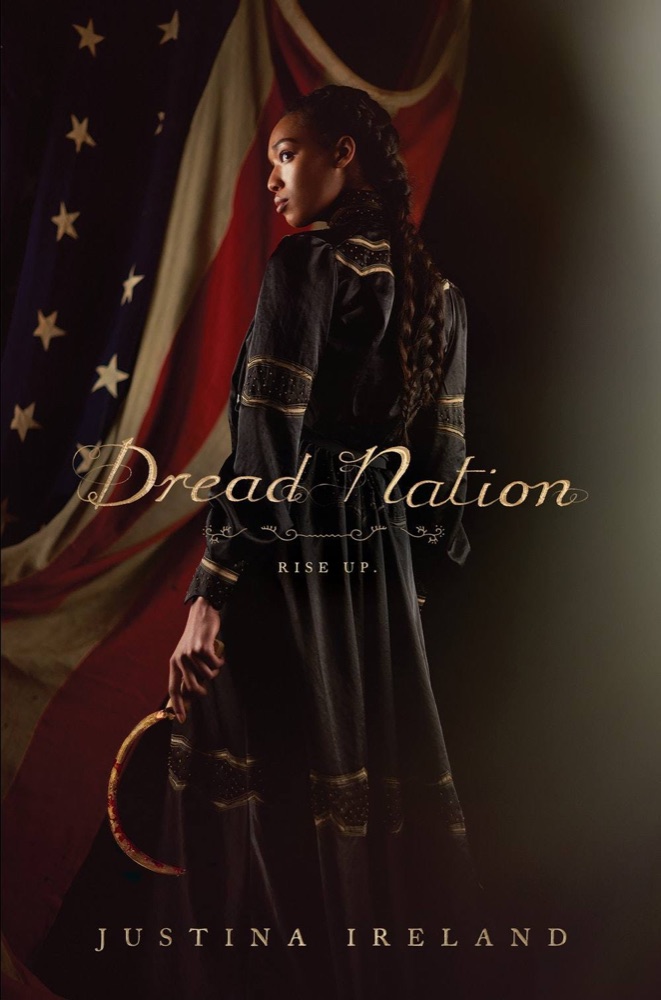 Dread Nation
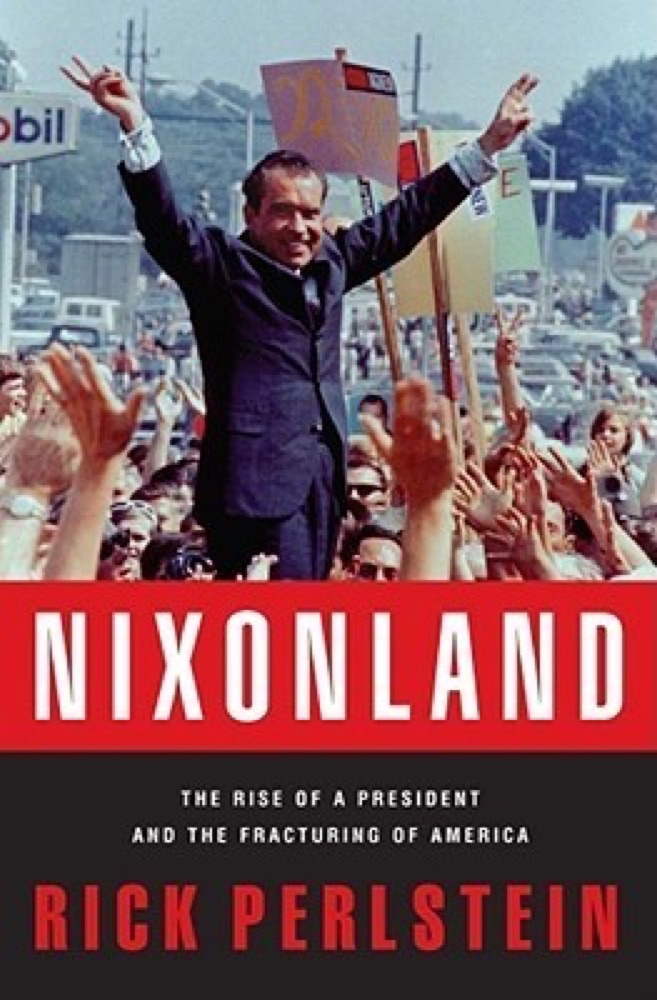 Nixonland: The Rise of a President and the Fracturing of America
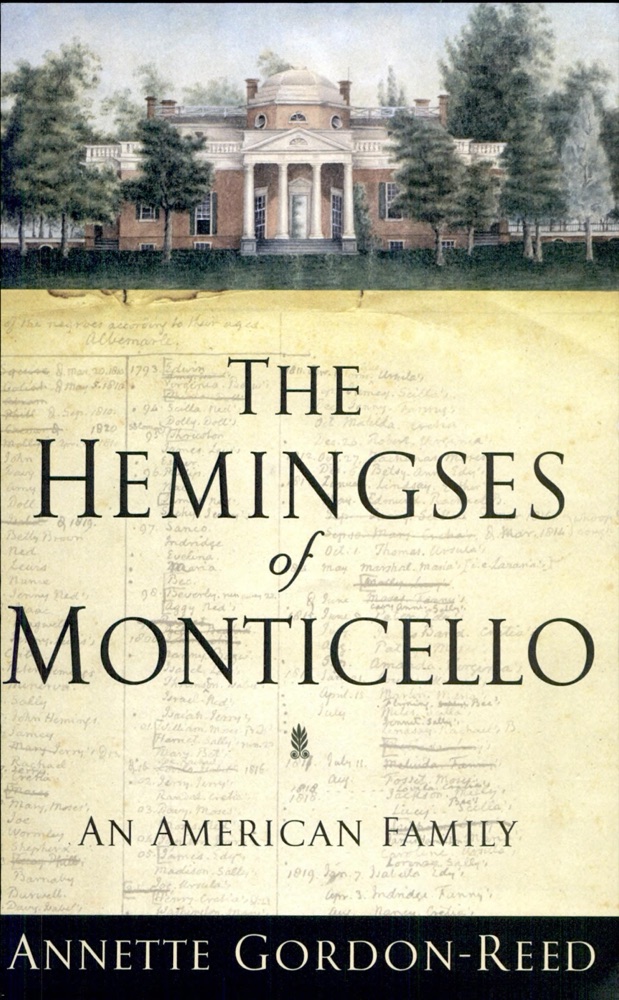 The Hemingses of Monticello: An American Family
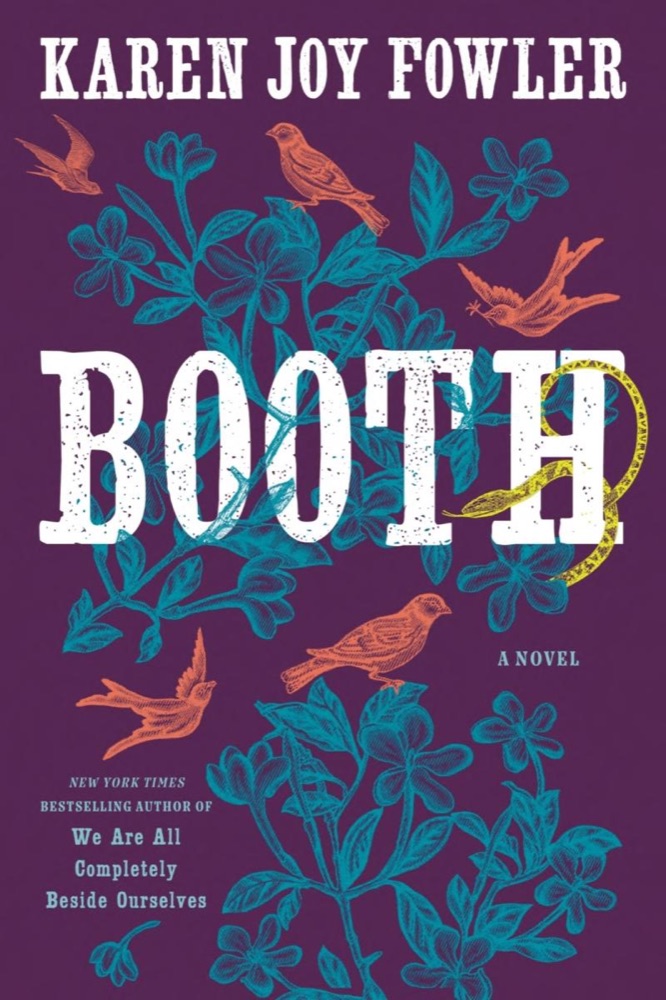 Booth
Booth
 The 1619 Project: A New Origin Story
 Stamped: Racism, Antiracism, and You
 All American Boys
 When They Call You a Terrorist: A Black Lives Matter Memoir
 I'm Still Here: Black Dignity in a World Made for Whiteness
 All God's Children Need Traveling Shoes
 Little Boy Lost
 Begin Again: James Baldwin's America and Its Urgent Lessons for Our Own
 A Knock at Midnight: A Story of Hope, Justice, and Freedom
 The Plot Against America
 A Colony in a Nation
 The Small and the Mighty: Twelve Unsung Americans Who Changed the Course of History, from the Founding to the Civil Rights Movement
 A People's History of the United States