 The 1619 Project: A New Origin Story
Quotes from the Book
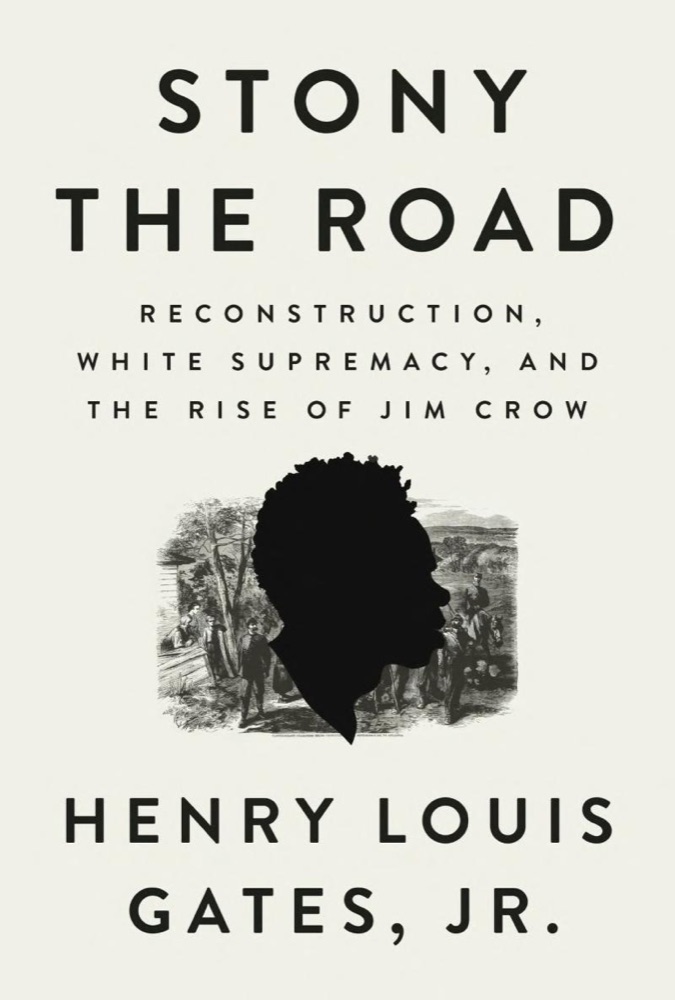
What possible rationale demanded this many debased representations of the recently freed Black people produced in the final third of the nineteenth century? How many ways can one call a woman or a man a "n*****" or a "c***"? How many watermelons does a person have to devour, how many chickens does an individual have to steal, to make the point that Black people are manifestly, by nature, both gluttons and thieves? Why in the world was it necessary to produce tens of thousands, perhaps hundreds of thousands, of these separate and distinct racist images to demean the status of the newly freed slaves in a set of fixed types and motifs, which reached their perverse apex with the characterizations of Black people during Reconstruction in The Birth of a Nation, in the figures of deracinated Black elected officials and, of course, the black male as rapist? The explanation comes in three words: justifying Jim Crow, or, in three different words, disenfranchising Black voters
4
the subliminal power of endless repetition.
2
Douglass argued for the fundamental humanity of African American people: “When men oppress their fellow-men, the oppressor ever finds, in the character of the oppressed, a full justification for his oppression.
2
Reconstruction revealed a fact that had been true but not always acknowledged even before the Civil War: that it was entirely possible for many in the country, even some abolitionists, to detest slavery to the extent that they would be willing to die for its abolition, yet at the same time to detest the enslaved and the formerly enslaved with equal passion. As Frederick Douglass said, “Opposing slavery and hating its victims has become a very common form of abolitionism.
2
Charting how white supremacy evolved during Reconstruction and Redemption is crucial to understanding in what forms it continues to manifest itself today.
2
A firm believer in white supremacy and a racial order that would find peace and harmony in black people being on the bottom and white people paternalistically looking after their best interests, Grady was not deluded, as many Lost Cause apologists were, about the fact that slavery was central to the sectional conflict that resulted in the Civil War. In 1882 he said: “There have been elaborate efforts made by so-called statesmen to cover up the real cause of the war, but there is not a man of common sense in the south to-day who is not aware of the fact that there would have been no war if there had been no slavery.
2
[S]lavery didn’t end in 1865; it just evolved.
1
The most magnificent drama in the last thousand years of human history is the transportation of ten million human beings out of the dark beauty of their mother continent into the new-found Eldorado of the West. They descended into Hell; and in the third century they arose from the dead, in the finest effort to achieve democracy for the working millions which this world had ever seen. It was a tragedy that beggared the Greek; it was an upheaval of humanity like the Reformation and the French Revolution. Yet we are blind and led by the blind. We discern in it no part of our labor movement; no part of our industrial triumph; no part of our religious experience. Before the dumb eyes of ten generations of ten million children, it is made mockery of and spit upon; a degradation of the eternal mother; a sneer at human effort; with aspiration and art deliberately and elaborately distorted. And why? Because in a day when the human mind aspired to a science of human action, a history and psychology of the mighty effort of the mightiest century, we fell under the leadership of those who would compromise with truth in the past in order to make peace in the present and guide policy in the future. —W. E. B. DU BOIS, Black Reconstruction in America, 1935
1
Virtually all of the former Confederate states threw out their Reconstruction-era constitutions—those that black people helped draft and which they voted to ratify—and wrote new ones that included disenfranchisement provisions, antimiscegenation provisions, and separate-but-equal Jim Crow provisions. Though “race neutral” in language, these new constitutions solidified Southern states as governed by legal segregation and discrimination.
1
In the end, it would turn out, just as Bishop Turner seemed to have forecast, that Black America did not need a New Negro; it needed the legal and political means to curtail the institutionalization of antiblack racism perpetuated against the Old Negro at every level in post-Reconstruction American society through an ideology gone rogue, the ideology of white supremacy. One can say that to thrive, the Old and New Negroes needed a New White Man.
1
The New Negro anthology by Locke in 1925, the Harlem Renaissance was officially launched for the white educated elite to see. Negro writers would liberate the race, at long last, from the demons of Redemption through art and culture, as Victoria Matthews had suggested some thirty years before. There was only one small problem with this: No people, in all of human history, has ever been liberated by the creation of art. None.
1
It was a heady goal, and these were heady times. Langston Hughes said that Negroes were creating art and literature as if their lives depended on it.
1
The eruption of the expression of white supremacist ideology in what increasingly appears to be a determined attempt to roll back the very phenomenon of a black presidency is just one reason that the rise and fall of Reconstruction - and the surge of white supremacy in the former Confederate states fallowing the end of the Civil War - are especially relevant subjects for Americans to reflect upon at this moment in the history of our democracy. In fact, I'd venture that few American historical periods are more relevant to understanding our contemporary racial politics than Reconstruction.
1
would long outlast the circumstances of its origin. I define the Redemption era as starting in 1877, when the last of the former Confederate states was reclaimed by Southern Democrats, and as reaching its zenith in horror—the highest point of the lowest low—with the screening by President Woodrow Wilson at the White House in 1915 of D. W. Griffith’s The Birth of a Nation.
Redemption, as the civil rights attorney Bryan Stevenson points out, essentially imposed a system of neo-enslavement on the South’s agricultural workers, who were the recently freed African Americans and their children
Looking back roughly two years after Donald J. Trump’s election, the idea that one black person’s occupancy of the White House—and a presidency as successful as his—could have augured the end of race and racism seems both naïve and ahistorical.
The hope engendered by the triumphant election of Barack Obama as the first black president of the United States
I realized then that even the descendants of black heroes of Reconstruction had lost the memory of their ancestors’ heroic achievements.
These images, deployed through time in the push and pull of revolution and reaction, were themselves weapons in the battle over the status of African Americans in post-slavery America, and some continue to be manufactured to this day. I offer them to readers here without comment in an effort to avoid detracting from the power they possess. They speak for themselves.
What confounds me is how much longer the rollback of Reconstruction was than Reconstruction itself;
Accordingly, this book is an intellectual and cultural history of black agency and the resistance to and institutionalization of white supremacy
I learned about Reconstruction and its odious alter ego in back-to-back assigned readings in our class.
Because in a day when the human mind aspired to a science of human action, a history and psychology of the mighty effort of the mightiest century, we fell under the leadership of those who would compromise with truth in the past in order to make peace in the present and guide policy in the future.
Slavery is indeed gone, but its shadow still lingers over the country and poisons more or less the moral atmosphere of all sections of the republic.
Out of the depths of slavery has come this prejudice and this color line.
We now know, thanks to developments in DNA analysis, that one in three African American males carries a Y-DNA signature inherited from a direct white male ancestor. Say, a great great great grandfather. And that the average African American autosomal admixture is about 25% European. These startling results could only reflect the frequency of the rape of black women by white men during slavery. The science is irrefutable and telling, and the creation of the stereotype of the black male as rapist can be seen as repression of the guilt and crime of rape projected onto black males.
Slavery didn’t end in 1865, it just evolved. The North won the Civil War, but the South won the narrative war
I actually think the great evil of American slavery wasn’t involuntary servitude and forced labor. The true evil of American slavery was the narrative we created to justify it. They made up this ideology of white supremacy that cannot be reconciled with our constitution. It cannot be reconciled with commitment to fair and just treatment of all people. They made it up so that they could feel comfortable while enslaving other people. Slavery didn’t end in 1865, it just evolved. The North won the Civil War, but the South won the narrative war
Watch on YouTube
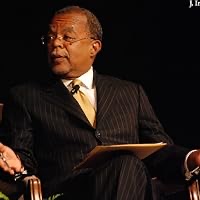
About Henry Louis Gates Jr.
We have collected 28 quotes from 1 book by Henry Louis Gates Jr. on BookQuoters.
More about the author →About the book
"Stony the Road presents a bracing alternative to Trump-era white nationalism. . . . In our current politics we recognize African-American history--the spot under our country's rug where the terrorism and injustices of white supremacy are habitually swept. Stony the Road lifts the rug. --Nell Irvin Painter, New York Times Book Review
A profound new rendering of the struggle by African-Americans for equality after the Civil War and the violent counter-revolution that resubjugated them, as seen through the prism of the war of images and ideas that have left an enduring racist stain on the American mind.
The abolition of slavery in the aftermath of the Civil War is a familiar story, as is the civil rights revolution that transformed the nation after World War II. But the century in between remains a mystery: if emancipation sparked a new birth of freedom in Lincoln's America, why was
Book details
- First published
- 2019
- Author
- Henry Louis Gates Jr.
- Genre
- History
- Goodreads rating
- 4.16 (4k ratings)
The buzz
- The New York TimesReview in The New York Timesprofessional review (via Book Marks)
- The New YorkerReview in The New Yorkerprofessional review (via Book Marks)
- The Washington PostReview in The Washington Postprofessional review (via Book Marks)
- NPRReview in NPRprofessional review (via Book Marks)
- LA Review of BooksReview in LA Review of Booksprofessional review (via Book Marks)
- The Boston GlobeReview in The Boston Globeprofessional review (via Book Marks)
Keep reading
The 1619 Project: A New Origin Story
 Four Hundred Souls: A Community History of African America, 1619-2019
 We Were Eight Years in Power: An American Tragedy
 Black Reconstruction in America 1860-1880
 Simple Justice: The History of Brown v. Board of Education and Black America's Struggle for Equality
 White Rage: The Unspoken Truth of Our Racial Divide
 Black AF History: The Un-Whitewashed Story of America
 Robert E. Lee and Me: A Southerner's Reckoning with the Myth of the Lost Cause
 The Half Has Never Been Told: Slavery and the Making of American Capitalism
 How the Word Is Passed: A Reckoning with the History of Slavery Across America
 Stamped from the Beginning: The Definitive History of Racist Ideas in America
 Why We Can't Wait
 The Warmth of Other Suns: The Epic Story of America's Great Migration
 Where Do We Go from Here: Chaos or Community?
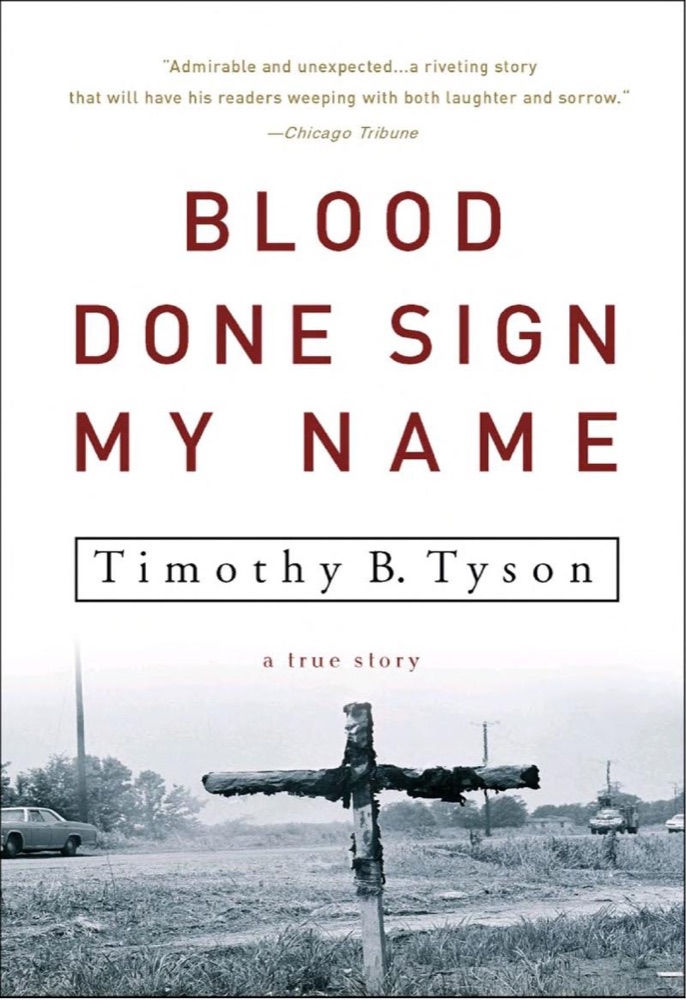 Blood Done Sign My Name: A True Story
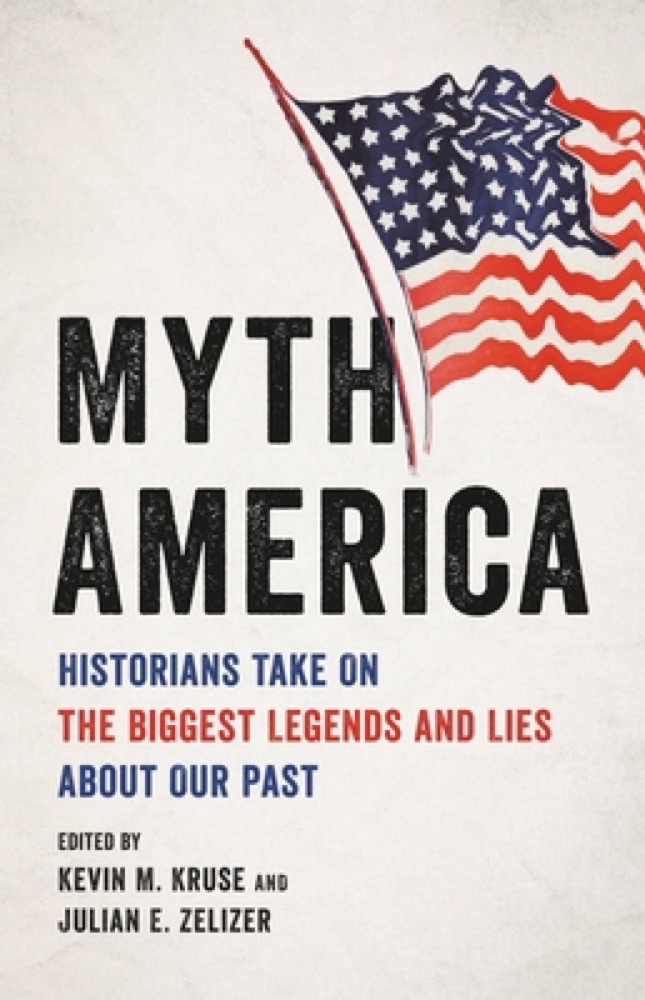 Myth America: Historians Take On the Biggest Legends and Lies About Our Past
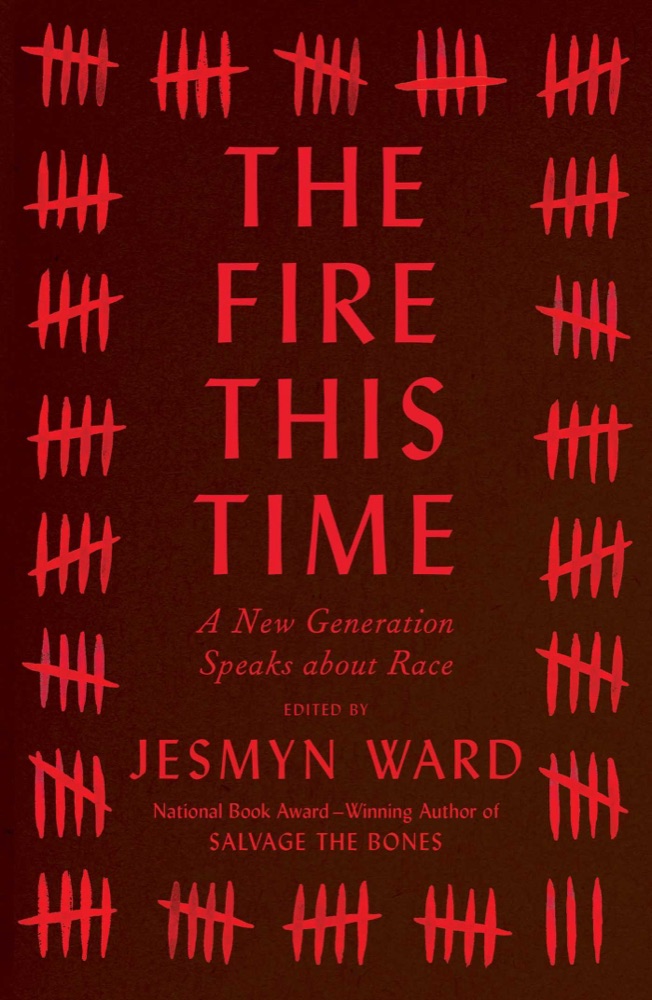 The Fire This Time: A New Generation Speaks About Race
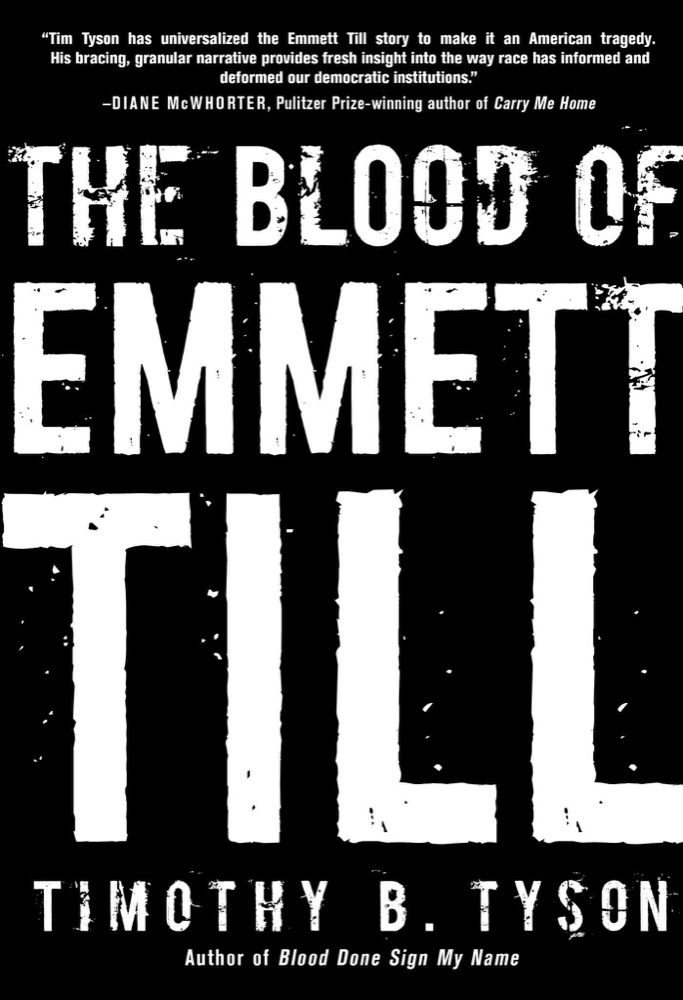 The Blood of Emmett Till
 The Hemingses of Monticello: An American Family
 Begin Again: James Baldwin's America and Its Urgent Lessons for Our Own
 We Gon' Be Alright: Notes on Race and Resegregation
 The End of the Myth: From the Frontier to the Border Wall in the Mind of America
 These Truths: A History of the United States
 Silent Covenants: Brown v. Board of Education and the Unfulfilled Hopes for Racial Reform
 Black Rednecks and White Liberals
 Tears We Cannot Stop: A Sermon to White America
 Dark Days
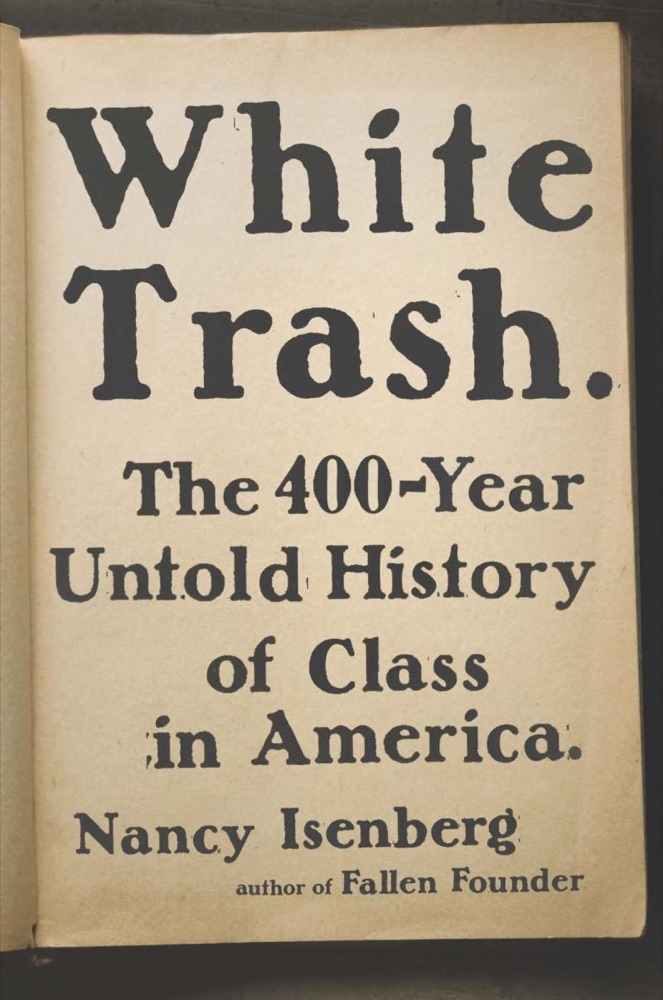 White Trash: The 400-Year Untold History of Class in America
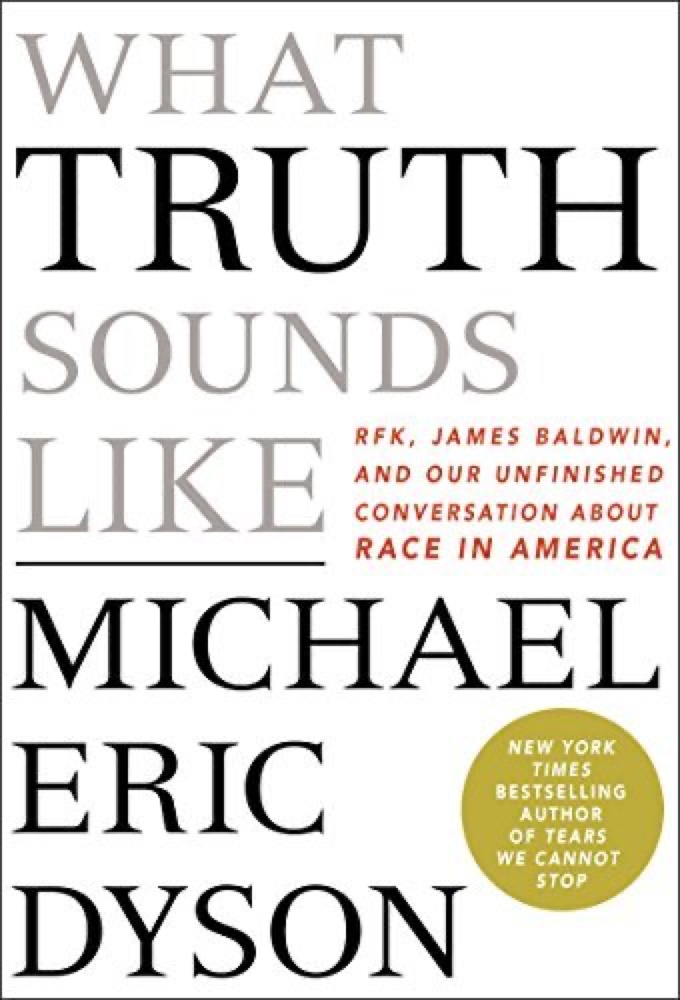 What Truth Sounds Like: Robert F. Kennedy, James Baldwin, and Our Unfinished Conversation About Race in America
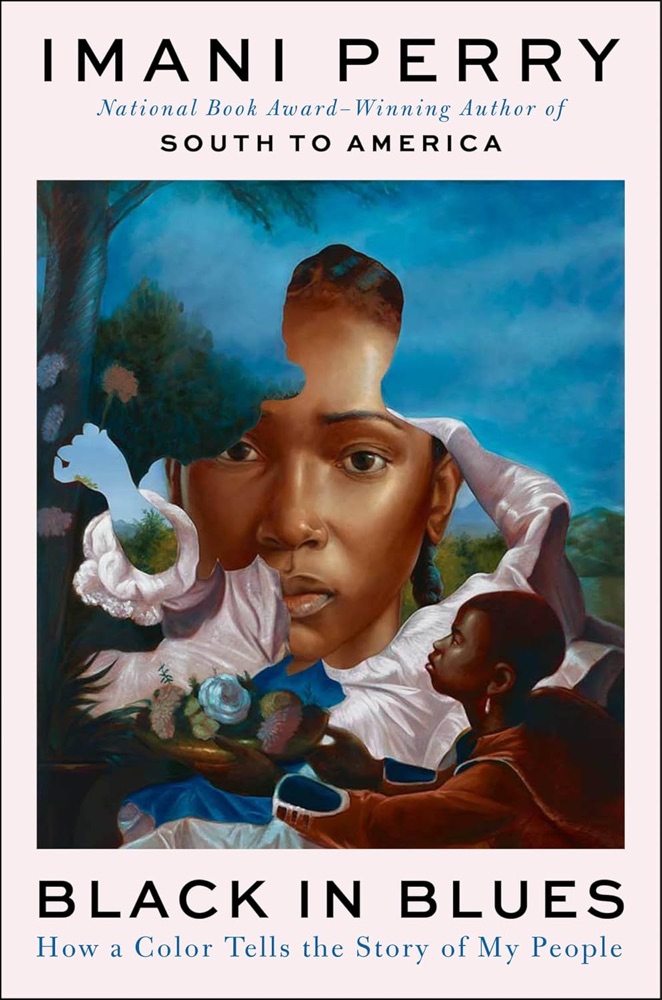 Black in Blues: How a Color Tells the Story of My People
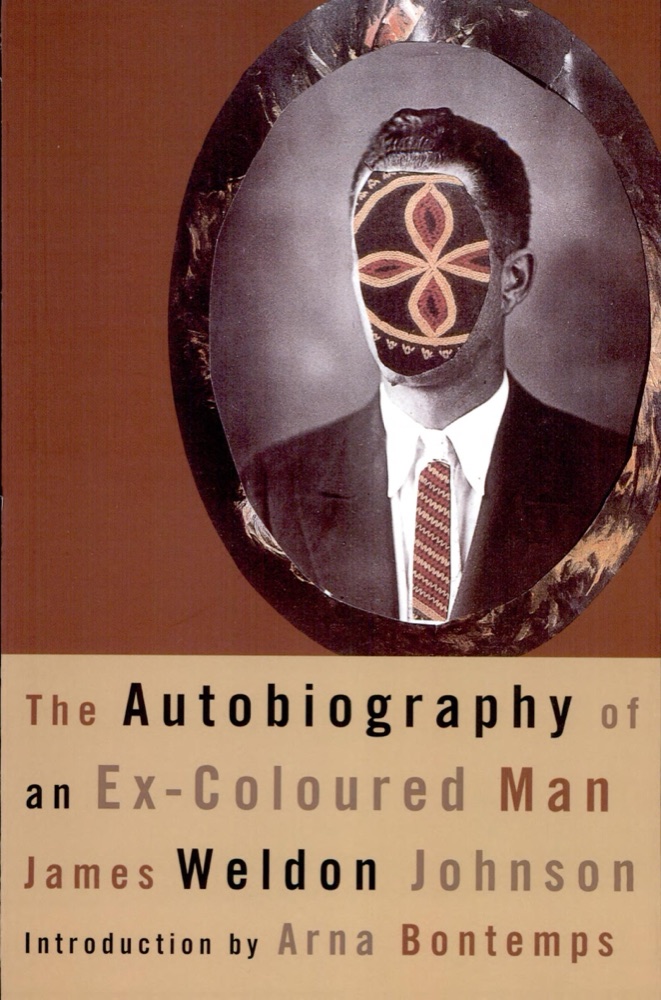 The Autobiography of an Ex-Coloured Man
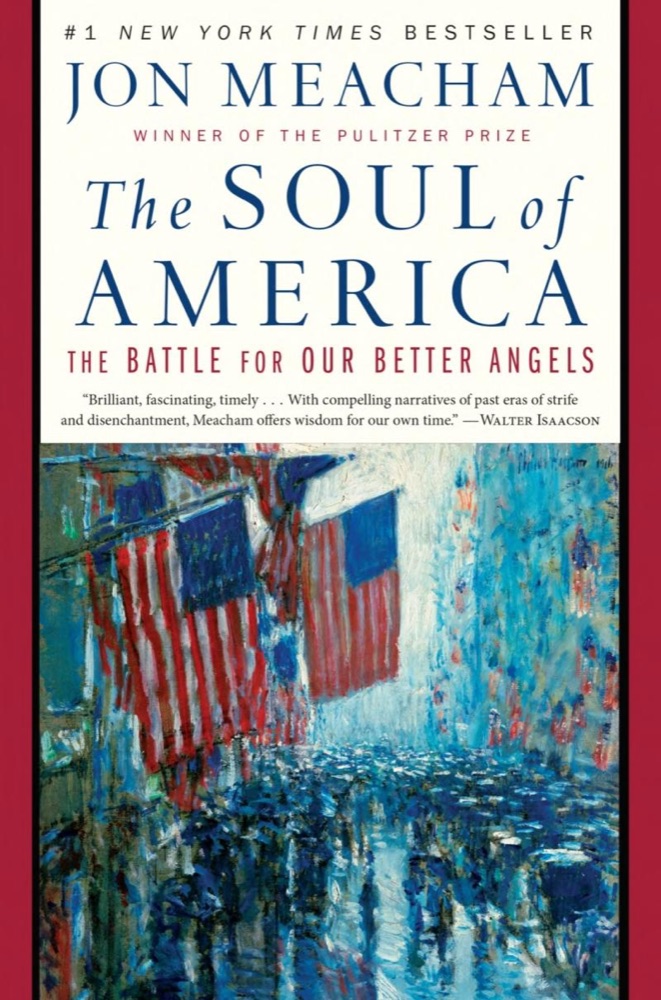 The Soul of America: The Battle for Our Better Angels
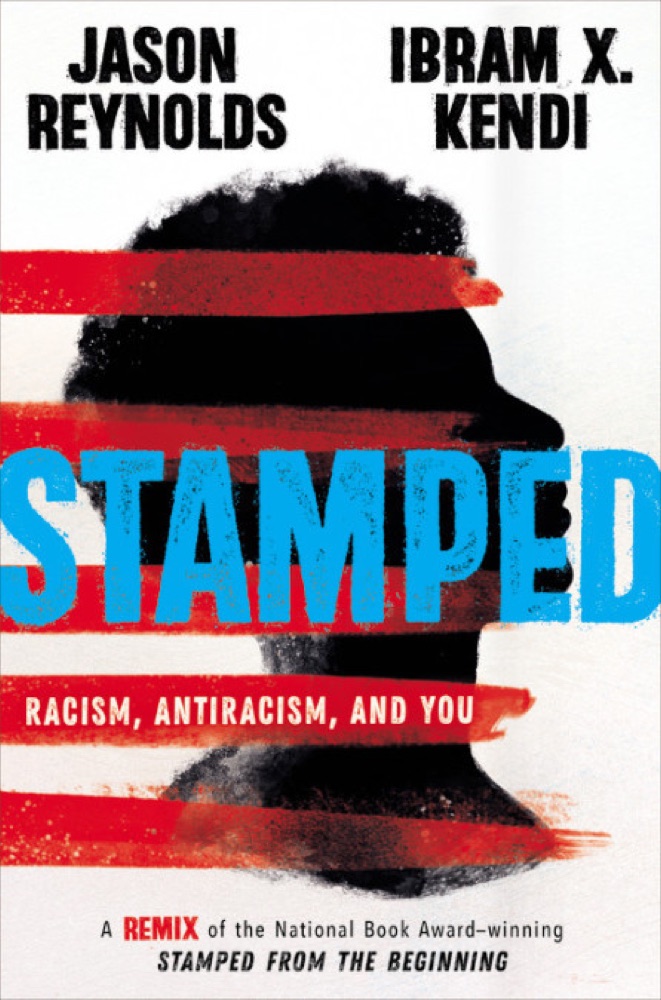 Stamped: Racism, Antiracism, and You
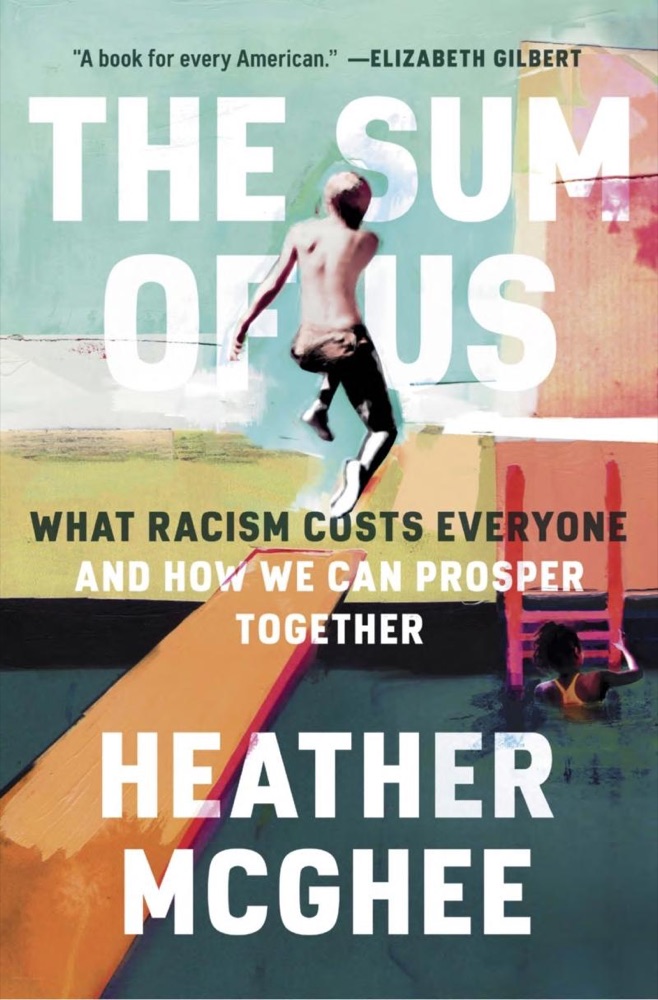 The Sum of Us: What Racism Costs Everyone and How We Can Prosper Together
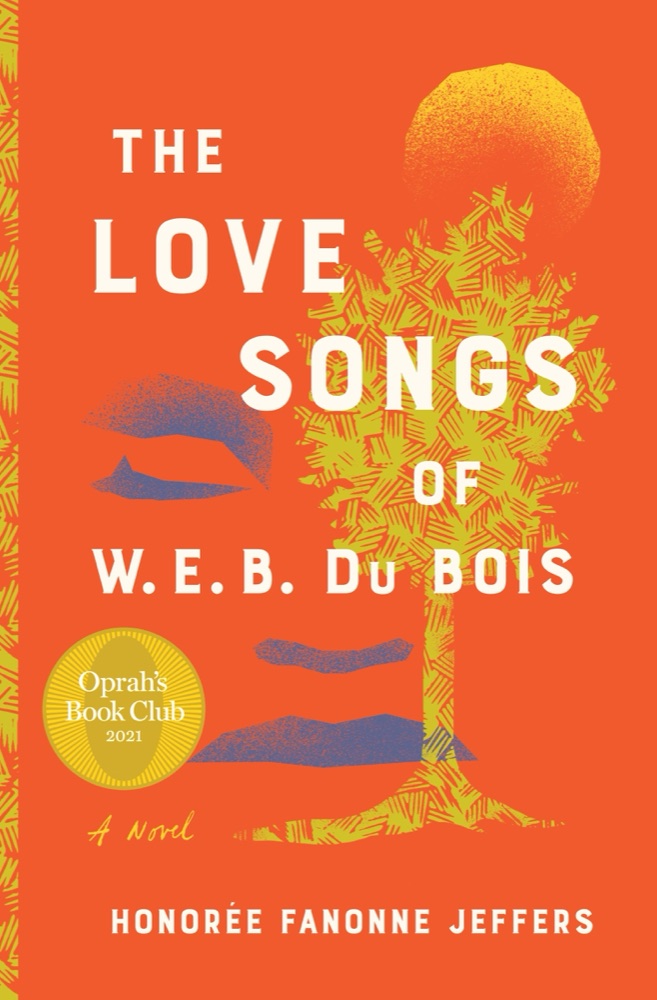 The Love Songs of W.E.B. Du Bois
 The Confessions of Nat Turner
 April 1865: The Month That Saved America
 The Disuniting of America: Reflections on a Multicultural Society
 A People's History of the United States
 I'm Still Here: Black Dignity in a World Made for Whiteness
 No Name in the Street
 Invisible Man, Got the Whole World Watching: A Young Black Man's Education
 The Souls of Black Folk
 Black No More
 The Black Jacobins: Toussaint L'Ouverture and the San Domingo Revolution
 A Fever in the Heartland: The Ku Klux Klan's Plot to Take Over America, and the Woman Who Stopped Them
 The Small and the Mighty: Twelve Unsung Americans Who Changed the Course of History, from the Founding to the Civil Rights Movement
 Nobody Knows My Name
 Uncomfortable Conversations With a Black Man
 Battle Cry of Freedom
 My Bondage and My Freedom
 White Like Me: Reflections On Race From A Privileged Son
 Barracoon: The Story of the Last "Black Cargo"
 The New Jim Crow: Mass Incarceration in the Age of Colorblindness
 We Refuse: A Forceful History of Black Resistance
 What White People Can Do Next: From Allyship to Coalition – An Empowering Guide to Interrogating Whiteness and Creating Justice
 The Message
 Edge of Eternity
 The End of Race Politics: Arguments for a Colorblind America
 A Colony in a Nation