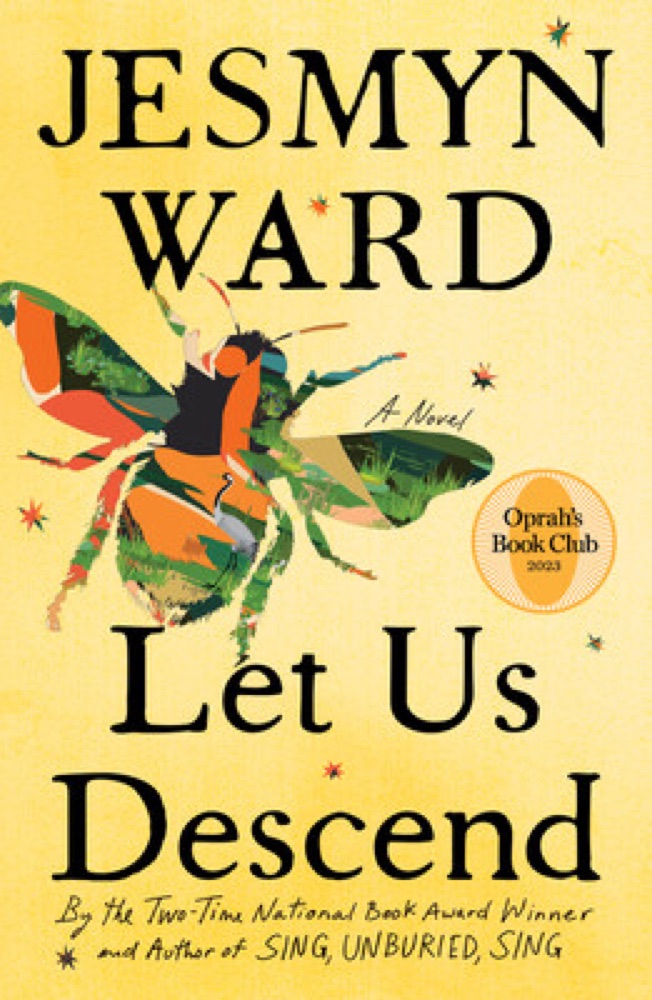
 Let Us Descend
Quotes from the Book
I think my love for books sprang from my need to escape the world I was born into, to slide into another where words were straightforward and honest, where there was clearly delineated good and evil, where I found girls who were strong and smart and creative and foolish enough to fight dragons, to run away from home to live in museums, to become child spies, to make new friends and build secret gardens.
We tried to outpace the thing that chased us, that said: You are nothing. We tried to ignore it, but sometimes we caught ourselves repeating what history said, mumbling along, brainwashed: I am nothing. We drank too much, smoked too much, were abusive to ourselves, to each other. We were bewildered. There is a great darkness bearing down on our lives, and no one acknowledges it.
Life is a hurricane, and we board up to save what we can and bow low to the earth to crouch in that small space above the dirt where the wind will not reach. We honor anniversaries of deaths by cleaning graves and sitting next to them before fires, sharing food with those who will not eat again. We raise children and tell them other things about who they can be and what they are worth: to us, everything. We love each other fiercely, while we live and after we die. We survive; we are savages.
We crawled through time like roaches through the linings of walls, the neglected spaces and hours, foolishly happy that we were still alive even as we did everything to die.
Because we trusted nothing, we endeavored to protect ourselves, boys becoming misogynistic and violent, girls turning duplicitous, all of us hopeless.
But I am not that eloquent, so I shut my mouth and smile.
After I left New York, I found the adage about time healing all wounds to be false: grief doesn't fade. Grief scabs over like scars and pulls into new, painful configurations as it knits. It hurts in new ways. We are never free from grief. We are never free from the feeling that we have failed. We are never free from self-loathing. We are never free from the feeling that something is wrong with us, not with the world that made this mess.
Both of us on the cusp of adulthood, and this is how my brother and I understood what it meant to be a woman: working, dour, full of worry. What it meant to be a man: resentful, angry, wanting life to be everything but what it was.
The land that the community park is built on, I recently learned, is designated to be used as burial sites so the graveyard can expand as we die; one day our graves will swallow up our playground.
By the numbers, by all the official records, here at the confluence of history, of racism, of poverty, and economic power, this is what our lives are worth: nothing.
But this grief, for all its awful weight, insists that he matters.
Men’s bodies litter my family history. The pain of the women they left behind pulls them from the beyond, makes them appear as ghosts. In death, they transcend he circumstances of this place that I love and hate all at once and become supernatural.
By the time we'd moved into that rambling, lopsided wooden house, I'd already fallen in love with reading. I think my love for books sprang from my need to escape the world I was born into, to slide into another where words were straightforward and honest, where there was clearly delineated good and evil, where I found girls who were strong and smart and creative and foolish enough to fight dragons, to run away from home to live in museums, to become child spies, to make new friends and build secret gardens.
Demond’s family history wasn’t so different from my own, did that mean we were living the same story over and over again, down through the generations? That the young and Black had always been dying, until all that was left were children and the few old, as in war?
own, did that mean we were living the same story over and over again, down through the generations? That the young and Black had always been dying, until all that was left were children and the few old, as in war?
I knew that I lived in a place where hope and a sense of possibility were as ephemeral as morning fog, but I did not see the despair at the heart of our drug use.
When people ask me about my hometown, I tell them it was called after a wolf before it was partially tamed and settled.
I didn't want them to look at me after saying something about Black people, didn't want to have to avert my eyes so they didn't see me studying them, studying the entitlement they wore like another piece of clothing.
I'm still ashamed that I did not step out of that dense grass, that I did not climb those steps and grab his hand and lead him down them as an elder sister should, that I did not say: Here I am, brother. I'm here.
Why figure out what will motivate this kid to learn if, statistically, he’s just another young Black male destined to drop out anyway? He was never referred to a counselor, never tested for a learning disorder, never given some sort of individual attention that might better equip him to navigate junior high school and high school.
Kids will take shots of white strong liquor, they will smoke weed wrapped in thick blunts, they will even take Ecstasy or prescription pain pills, but they will not casually pull out an eight-ball of coke and push it across the table at a house party. Why? Because the specter of the cousin or the uncle or aunt or the mother or father who couldn't stop partying, whose teeth are burned brown from the pipe, sits next to them at the table. Young people who do coke lie about it, attempt to hide it, and often fight it.
We saw the lightning and that was the guns; and then we heard the thunder and that was the big guns; and then we heard the rain falling and that was the blood falling; and when we came to get in the crops, it was dead men that we reaped. —Harriet Tubman Young
But my father could be dark too. He was attracted to violence, to the basic beauty of fighting, the way it turned his body and those he fought into meticulously constructed machines.
I found the adage about time healing all wounds to be false: grief doesn’t fade. Grief scabs over like my scars and pulls into new, painful configurations as it knits. It hurts in new ways. We are never free from grief. We are never free from the feeling that we have failed. We are never free from self-loathing. We are never free from the feeling that something is wrong with us, not with the world that made this mess. Death
Joshua looked through the screen and it was as if he saw me clearly with my soapy hands, my wrinkled fingers, my jaw grinding with frustration and self-abasement, and he hated me. Both of us on the cusp of adulthood, and this is how my brother and I understood what it meant to be a woman: working, dour, full of worry. What it meant to be a man: resentful, angry, wanting life to be everything but what it was.
In real life, I looked at my father and mother and understood dimly that it was harder to be a girl, that boys had it easier. Here, boys could buy and ride motorcycles and come and leave when they wanted to and exude a kind of cool while they stood shirtless at the edge of the street, talking and laughing with one another, passing a beer around, smoking cigarettes. Meanwhile, the women I knew were working even when they weren’t at work: cooking, washing loads of clothes, hanging them to dry, and cleaning the house. There was no time for them to just relax and be.
In the end, I understand his desire, the self’s desire to silence the self, and thus the world.
5
In real life, I looked at my father and mother and understood dimly that it was harder to be a girl, that boys had it easier. Here, boys could buy and ride motorcycles and come and leave when they wanted to and exude a kind of cool while they stood shirtless at the edge of the street, talking and laughing with one another, passing a beer around, smoking cigarettes. Meanwhile, the women I knew were working even when they weren’t at work: cooking, washing loads of clothes, hanging them to dry, and cleaning the house. There was no time for them to just relax and be. Even then I dimly knew there was some gendered differences between my brother and me, knew that what the world expected of us and allowed us would differ.
5
The burden of regret weighs heavily. It is relentless.
4
He taught me love is stronger than death
3
one day our graves will swallow up our playground. Where we live becomes where we sleep. Could anything we do make that accretion of graves a little slower? Our waking moments a little longer? The grief we bear, along with all the other burdens of our lives, all our other losses, sinks us, until we find ourselves in a red, sandy grave. In the end, our lives are our deaths.
3
It was easier and harder to be male; men were given more freedom but threatened with less freedom.
3
But in my grandmother’s generation, this changed. In the sixties, men and women began to divorce, and women who’d grown up with the expectation that they’d have partners to help them raise their children found themselves with none. They worked like men then, and raised their children the best they could, while their former husbands had relationships with other women and married them and then left them also, perhaps searching for a sense of freedom or a sense of power that being a Black man in the South denied them. If they were not called “sir” in public, at least they could be respected and feared and wanted by the women and children who loved them. They were devalued everywhere except in the home, and this is the place where they turned the paradigm on its head and devalued those in their thrall.
3
They never touched each other in anger, but the small things in that house suffered.
2
When I’d transferred to the Episcopalian school in sixth grade, I’d found irresistible the idea of a God who loved me unfailingly, scars and all. Here was a man who would never leave, I thought. Someone whom I would never disappoint. Later, I would fall away from the church when the rigidity of the doctrine and hypocrisy of some of the most devout Christian students I went to school with became apparent to me. In the end, I realized sometimes some people were forsaken.
2
What my mother left unsaid: I’ll keep working, supporting us all, while you try to live your dream. Her sacrifice remained unacknowledged.
2
She took what my grandfather left her with, and she built it into something more, and she survived.
2
How the privilege of my education, my eventual ascent into another class, was born in the inexorable push of my mother’s hands. How unfair it all seemed.
1
Nerissa, one year old then, was in the house with our parents, and she was crying. Joshua and I sat on the dark porch, and I held him around his thin shoulders. He was shaking, and I was shaking, but we could not cry. I hugged my brother in the dark. I was his big sister. My mother and father yelled at each other in the house, and as the bats fluttered overhead, dry as paper, I heard the sound of glass shattering, of wood splintering, of things breaking.
1
Watch on YouTube
About Jesmyn Ward
We have collected 96 quotes from 3 books by Jesmyn Ward on BookQuoters.
More about the author →More by Jesmyn Ward
Let Us Descend
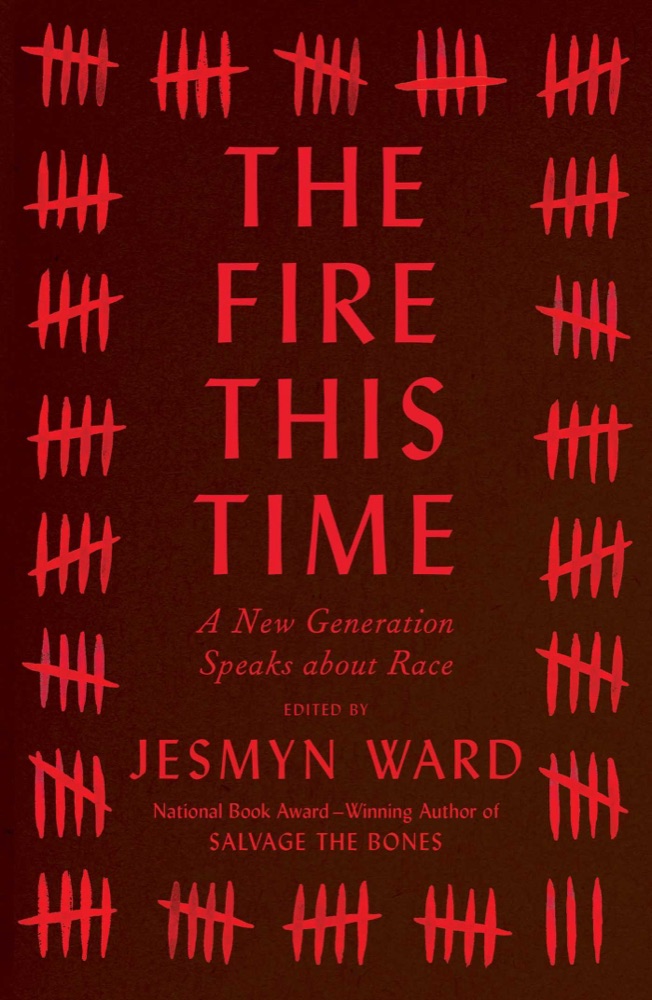 The Fire This Time: A New Generation Speaks About Race
About the book
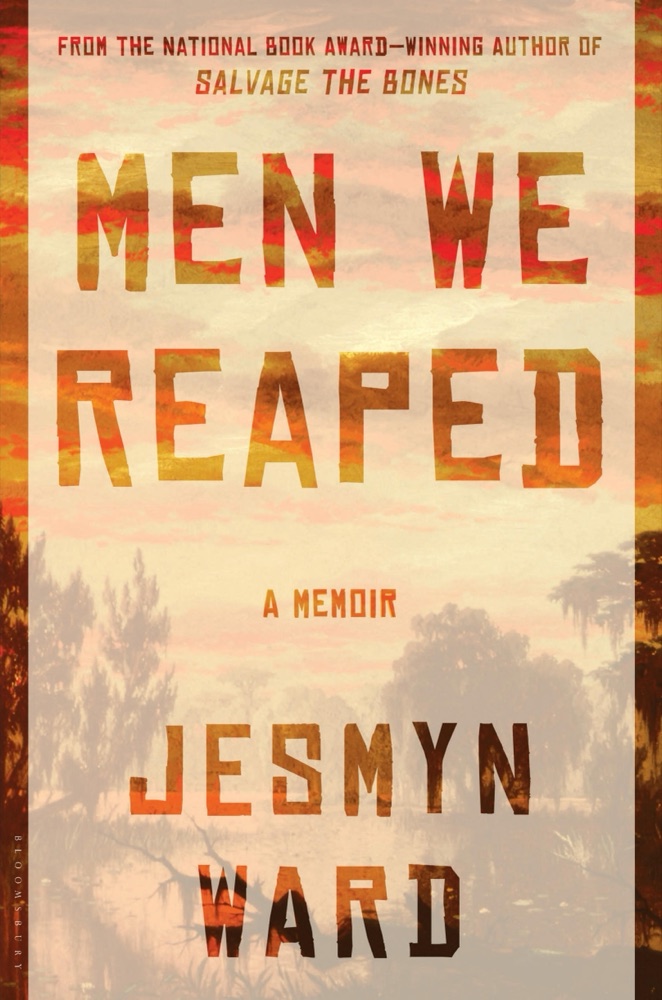
'...And then we heard the rain falling, and that was the drops of blood falling; and when we came to get the crops, it was dead men that we reaped.' Harriet TubmanIn five years, Jesmyn Ward lost five men in her life, to drugs, accidents, suicide, and the bad luck that can follow people who live in poverty, particularly black men. Dealing with these losses, one after another, made Jesmyn ask the question: why? And as she began to write about the experience of living through all the dying, she realized the truth--and it took her breath away. Her brother and her friends all died because of who they were and where they were from, because they lived with a history of racism and economic struggle that fostered drug addiction and the dissolution of family and relationships. Jesmyn says the answer was so obvious she felt stupid for not seeing it. But it nagged at her until she knew she had to wr
Book details
- First published
- 2013
- Author
- Jesmyn Ward
- Genre
- Nonfiction
- Goodreads rating
- 4.30 (30k ratings)
The buzz
- The New York TimesReview in The New York Timesprofessional review (via Book Marks)
- The Washington PostReview in The Washington Postprofessional review (via Book Marks)
- The GuardianReview in The Guardianprofessional review (via Book Marks)
- NPRReview in NPRprofessional review (via Book Marks)
- Los Angeles TimesReview in Los Angeles Timesprofessional review (via Book Marks)
- The Boston GlobeReview in The Boston Globeprofessional review (via Book Marks)
Keep reading
 How We Fight For Our Lives
 Women We Buried, Women We Burned: A Memoir
 Fire Shut Up in My Bones: A Memoir
 The Water Dancer
 Aftershocks
 The Beautiful Struggle: A Father, Two Sons and an Unlikely Road to Manhood
 Betty
Betty
 Heavy
Heavy
 All God's Children Need Traveling Shoes
 Indian Horse
 All But My Life: A Memoir
 Banyan Moon
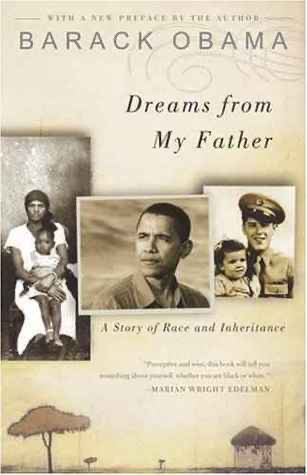 Dreams from My Father: A Story of Race and Inheritance
 The Girl Who Smiled Beads: A Story of War and What Comes After
 A Little Devil in America: Notes in Praise of Black Performance
 Scenes from My Life: A Memoir
 Homegoing
 The Fact of a Body: A Murder and a Memoir
 The Round House
 Em and The Big Hoom
 Afterparties
 Bastard Out of Carolina
 Four Souls
 Kindred
 Black Boy
 The Story of a New Name
 Bad Blood
 Notes on Your Sudden Disappearance
 All My Puny Sorrows
 Middlesex
 Dream Count
 The Seed Keeper
 Whiskey When We're Dry
 Chances Are...
 Legendborn
 Warlight
 A Rule Against Murder
 The Silence of Bones
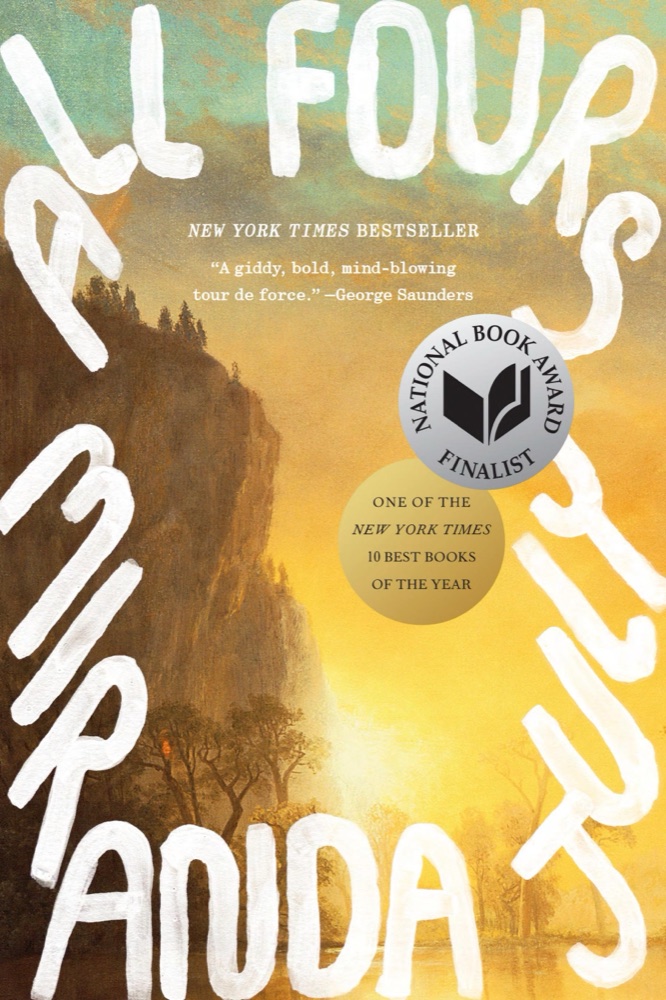 All Fours
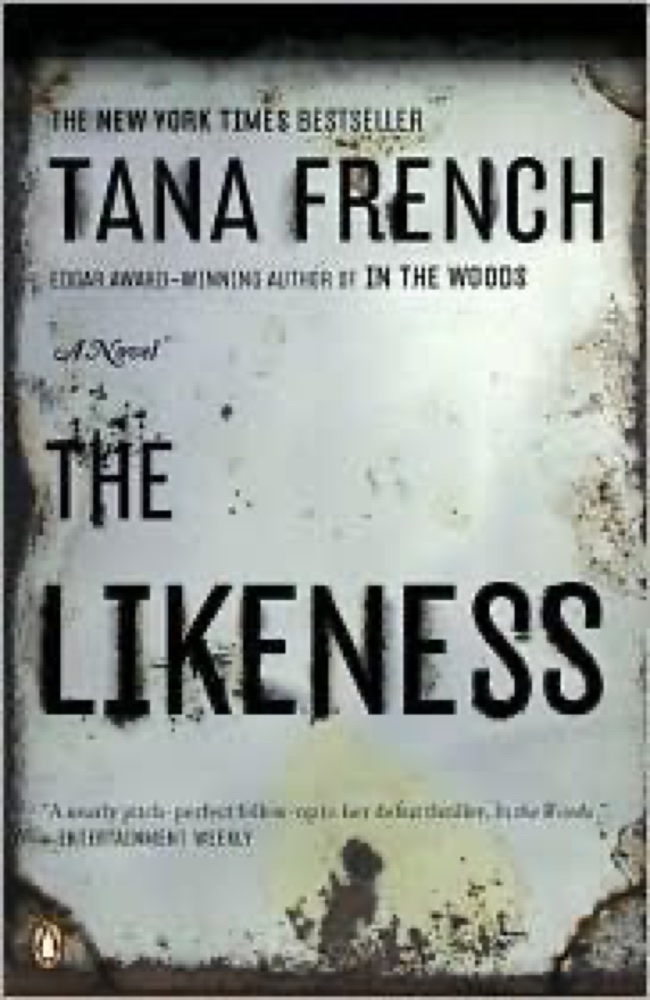 The Likeness
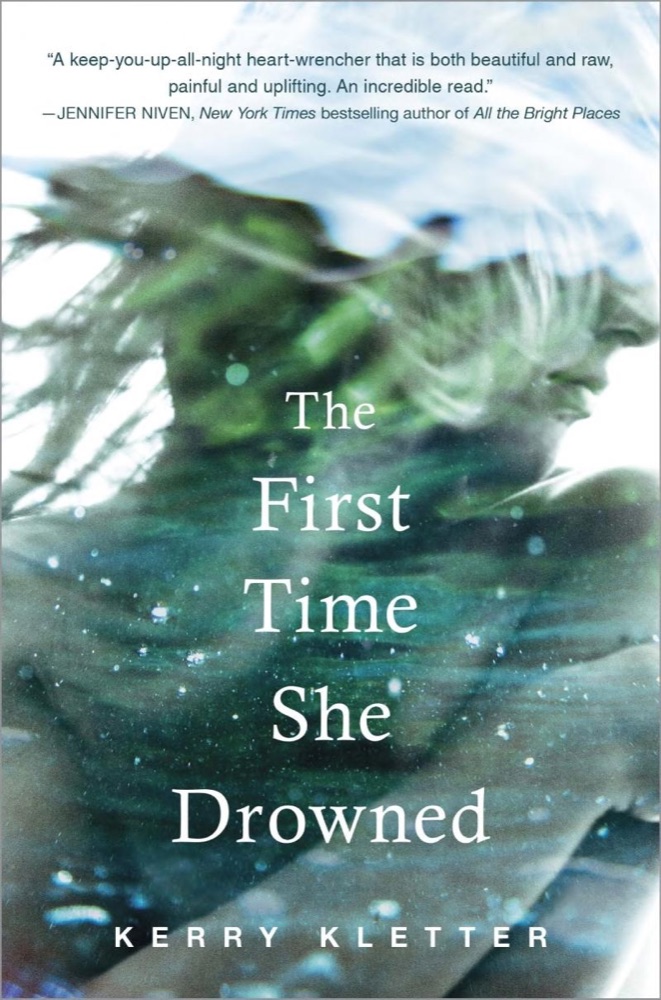 The First Time She Drowned
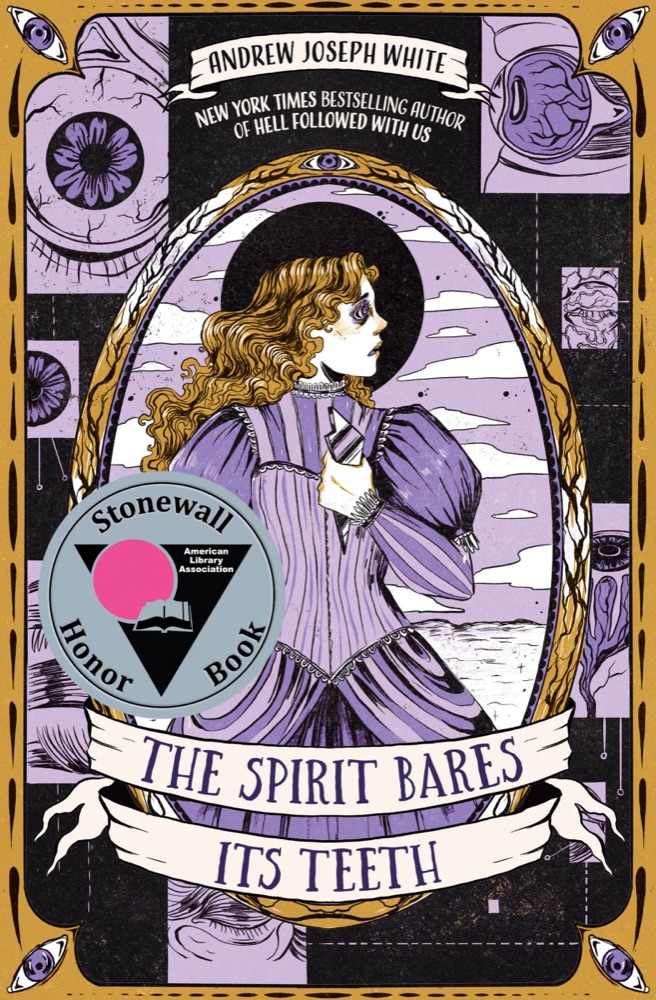 The Spirit Bares Its Teeth
 Rainbow Black
 The Burgess Boys
 The Tell: A Memoir
 Let's Take the Long Way Home: A Memoir of Friendship
 A Thousand Moons
 My Name Is Mahtob: The Story that Began the Global Phenomenon Not Without My Daughter Continues
 Leaving Before the Rains Come
 The Walls Around Us
 Spare
Spare
 The Death of Vivek Oji
 Midnight Is the Darkest Hour
 When God Was a Rabbit
 Uncultured: A Memoir
 X
X
 A Long Way Gone
 I Know This Much Is True
 The Lamb