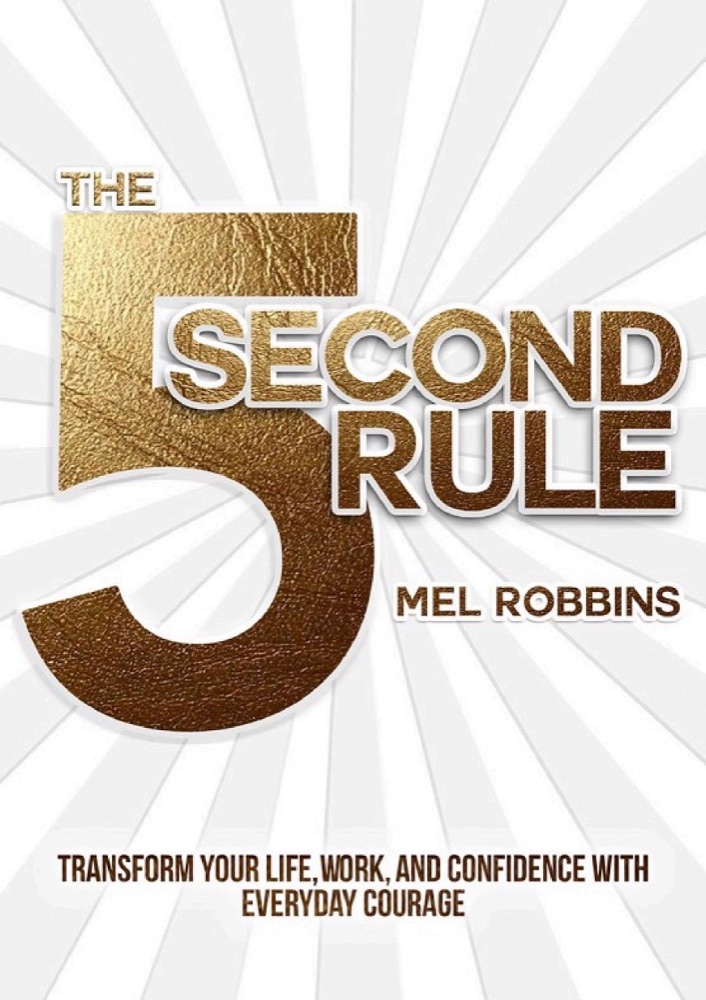
 The 5 Second Rule: Transform Your Life, Work, and Confidence with Everyday Courage
Quotes from the Book
TEN RULES FOR WINNING THE GAME OF CONFIDENCE The actions of confidence come first; the feelings of confidence come later. Genuine confidence is not the absence of fear; it is a transformed relationship with fear. Negative thoughts are normal. Don’t fight them; defuse them. Self-acceptance trumps self-esteem. True success is living by your values. Hold your values lightly, but pursue them vigorously. Don’t obsess about the outcome; get passionate about the process. Don’t fight your fear: allow it, befriend it, and channel it. Failure hurts—but if we’re willing to learn, it’s a wonderful teacher. The key to peak performance is total engagement in the task.
26
Rule 1: The actions of confidence come first; the feelings of confidence come later.
17
Fear is not your enemy. It is a powerful source of energy that can be harnessed and used for your benefit.
15
What holds you back is not fear, but your attitude towards it. The tighter you hold on to the attitude that fear is something ‘bad’ and you can’t do the things you want until it goes away, the more stuck you will be.
14
Rule 2: Genuine confidence is not the absence of fear; it is a transformed relationship with fear.
12
The world is full of people who are trying to purchase self-confidence, or manufacture it, or who simply posture it. But you can’t fake confidence, you have to earn it. If you ask me, the only way to do that is work. You have to do the work.
10
Acknowledge and appreciate these efforts, and give yourself a pat on the back for what you did right. This is absolutely essential for self-encouragement. It’s not enough to merely unhook from all our harsh criticisms and self-judgments; we need to actively appreciate our efforts, especially when we fail to achieve our goals. Each time we do this, we are learning how to be an effective coach. Ineffective coaches focus only on what went wrong, and do so in a harsh, judgmental manner. Effective coaches first acknowledge and appreciate what went right—and then, in a respectful, nonjudgmental manner, they acknowledge what went wrong and turn it into a useful learning experience.
8
How would you behave differently? How would you walk and talk differently? How would you play, work, and perform differently? How would you treat others differently: your friends, relatives, partner, parents, children, and work colleagues? How would you treat yourself differently? How would you treat your body? How would you talk to yourself? How would your character change? What sorts of things would you start doing? What would you stop doing? What goals would you set and work toward? What difference would your newfound confidence make in your closest relationships, and how would you behave differently around those people? What difference would your newfound confidence help you to make in the world?
2
There are three key mindfulness skills that will play a major role in your journey to genuine confidence. These are known as defusion, expansion, and engagement.
Get Out of Your Mind and Into Your Life
If you can take effective action, do so. If you can't, then make room for your discomfort, de-fuse from your worries, and engage in doing something meaningful, here, and now.
Watch on YouTube
About Russ Harris
We have collected 11 quotes from 1 book by Russ Harris on BookQuoters.
More about the author →About the book
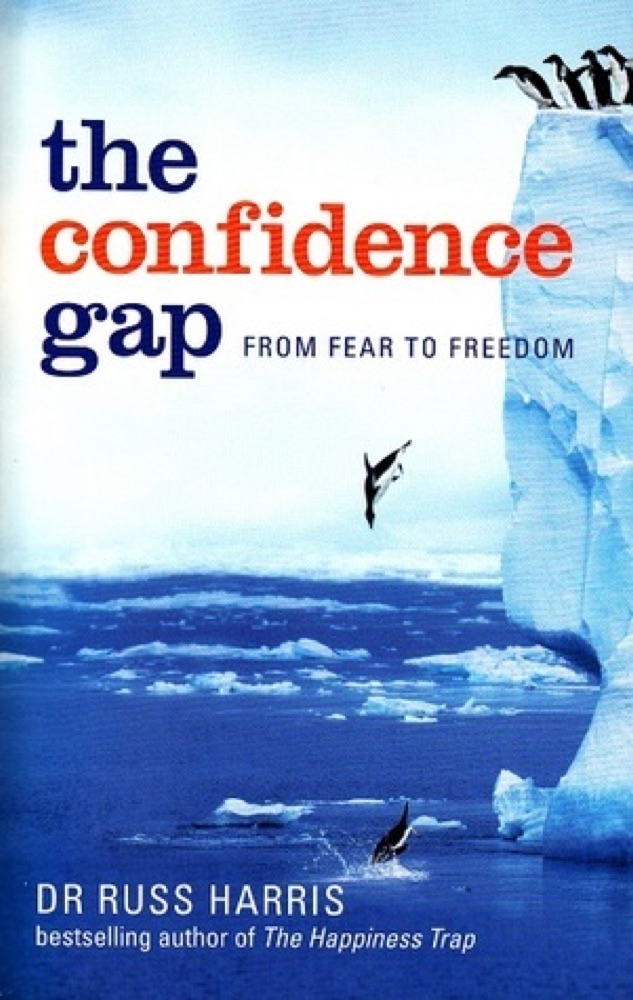
Too many of us miss out on opportunities in life because we lack self-confidence. Whether it's public speaking, taking on a leadership role, or asking someone for a date, there are situations in which we just don't feel equipped to handle the challenges we face.
Russ Harris offers a surprising solution to low self-confidence, shyness, and insecurity: rather than trying to "get over" our fears, he says, the secret is to form a new and wiser relationship with them. Paradoxically, it's only when we stop struggling against our fearfulness that we begin to find lasting freedom from it.
Drawing on the techniques of Acceptance and Commitment Therapy (ACT), a cutting-edge form of cognitive-behavioral therapy, The Confidence Gap explains how to
� Free yourself from common misconceptions about what confidence is and how to build it� Transform your relationship with fear and an
Book details
- First published
- 2010
- Author
- Russ Harris
- Genre
- Nonfiction
- Goodreads rating
- 4.04 (6k ratings)
Keep reading
The 5 Second Rule: Transform Your Life, Work, and Confidence with Everyday Courage
 The Confidence Code: The Science and Art of Self-Assurance – What Women Should Know
 Professional Troublemaker: The Fear-Fighter Manual
 The Mountain Is You: Transforming Self-Sabotage Into Self-Mastery
 The Dance of Fear: Rising Above Anxiety, Fear, and Shame to Be Your Best and Bravest Self
 The Power of Positive Thinking
 The Light We Carry: Overcoming in Uncertain Times
 Becoming Bulletproof: Protect Yourself, Read People, Influence Situations, and Live Fearlessly
 Feel the Fear and Do It Anyway
 The 50th Law
 Tribe Of Mentors: Transformative Wisdom From Icons and Innovators to Help You Navigate Life's Challenges
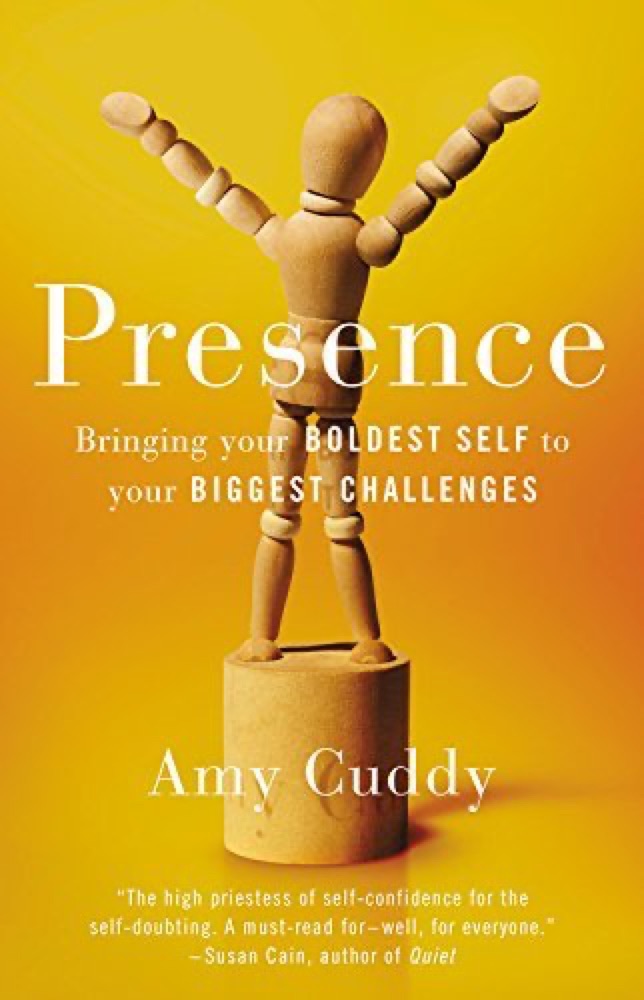 Presence: Bringing Your Boldest Self to Your Biggest Challenges
 Psycho-Cybernetics
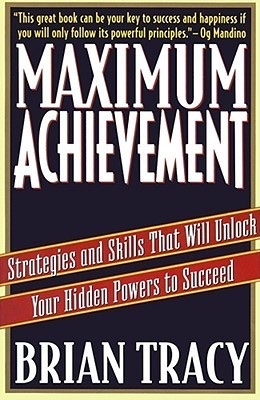 Maximum Achievement: Strategies and Skills That Will Unlock Your Hidden Powers to Succeed
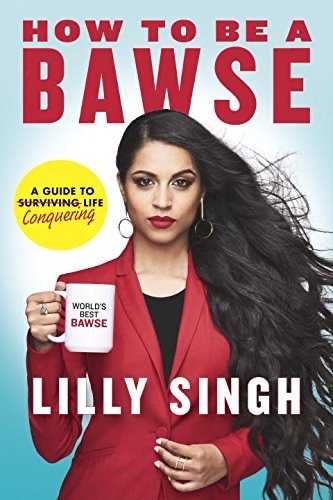 How to Be a Bawse: A Guide to Conquering Life
 On Confidence
 Your Erroneous Zones: Step-By-Step Advice for Escaping the Trap of Negative Thinking and Taking Control of Your Life
 Girl, Stop Apologizing: A Shame-Free Plan for Embracing and Achieving Your Goals
 Staying Strong: 365 Days a Year
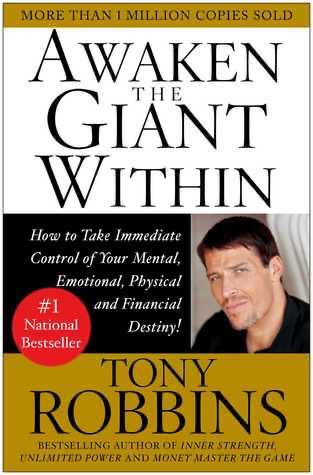 Awaken The Giant Within
 Fear: Essential Wisdom for Getting Through the Storm
 Discipline Equals Freedom: Field Manual
 The Success Principles: How to Get from Where You Are to Where You Want to Be
 The Daily Laws: 366 Meditations
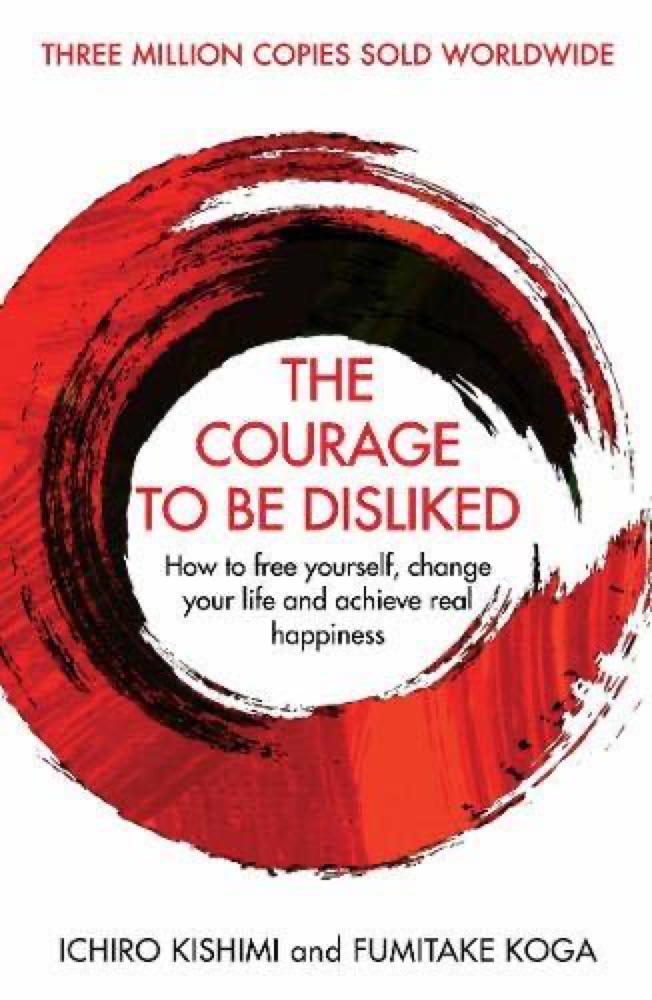 The Courage to Be Disliked: How to Free Yourself, Change Your Life and Achieve Real Happiness
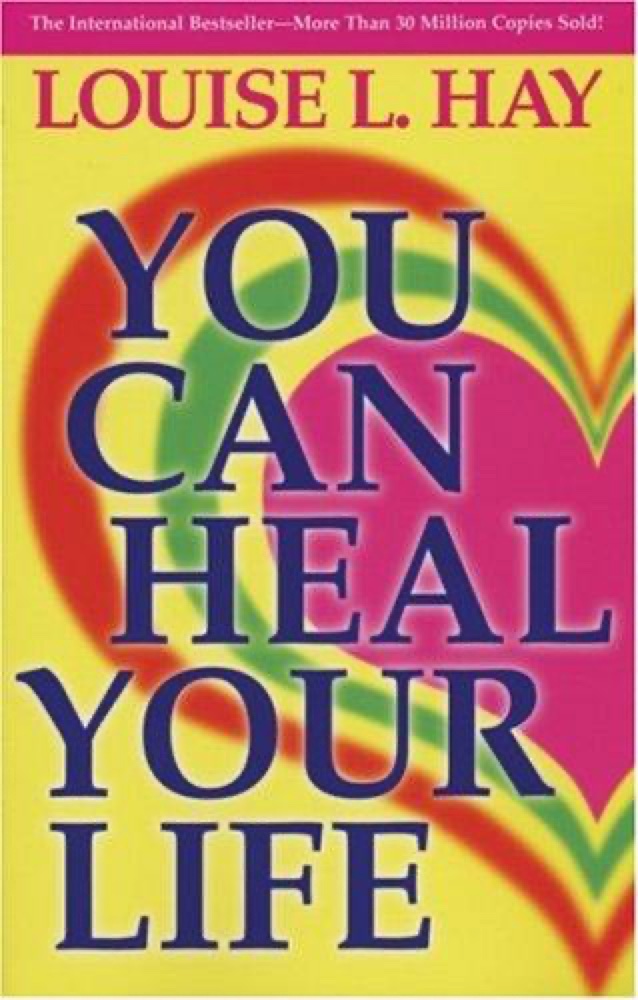 You Can Heal Your Life
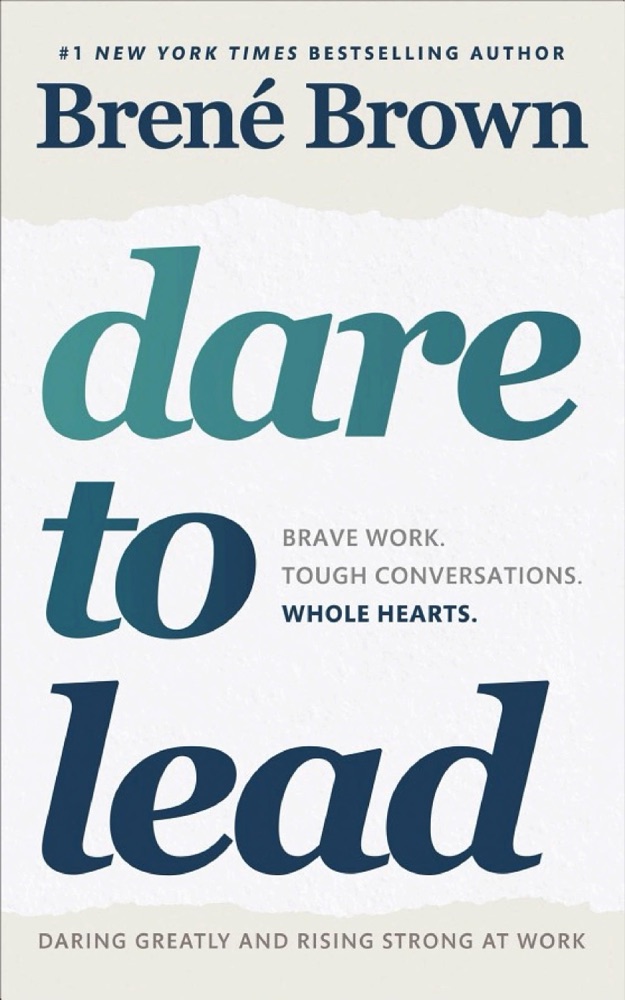 Dare to Lead
 Heart Talk: Poetic Wisdom for a Better Life
 The Flinch
 Six Pillars of Self-Esteem
 Magic of Thinking Big
 Brave Enough
 Courage: The Joy of Living Dangerously
 Mastering Your Mean Girl: The No-BS Guide to Silencing Your Inner Critic and Becoming Wildly Wealthy, Fabulously Healthy, and Bursting with Love
 How to Be Here: A Guide to Creating a Life Worth Living
 Keep Moving: Notes on Loss, Creativity, and Change
 101 Essays That Will Change The Way You Think
 Girl Code: Unlocking the Secrets to Success, Sanity, and Happiness for the Female Entrepreneur
 Why Has Nobody Told Me This Before?
 Never Finished: Unshackle Your Mind and Win the War Within
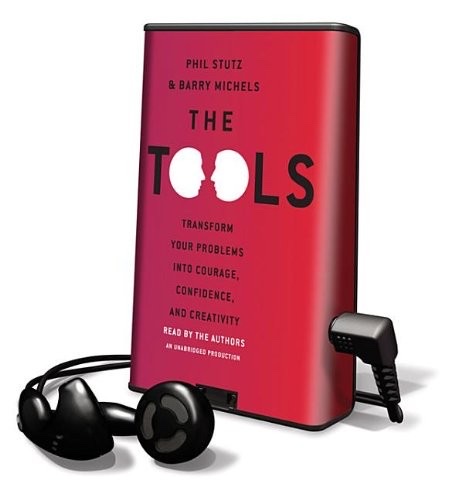 The Tools: Transform Your Problems into Courage, Confidence, and Creativity
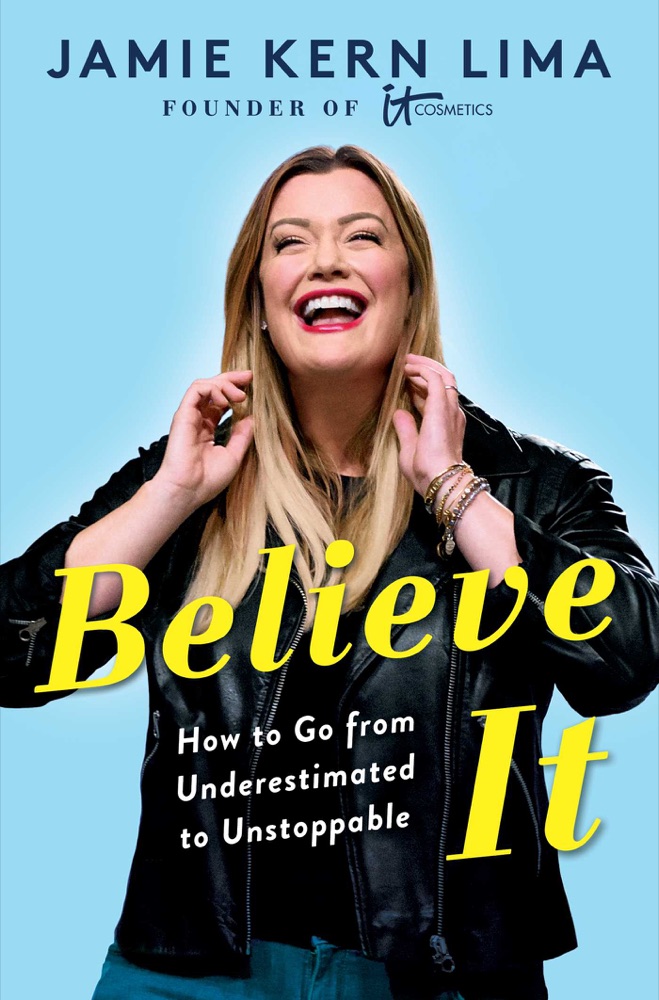 Believe It: How to Go from Underestimated to Unstoppable
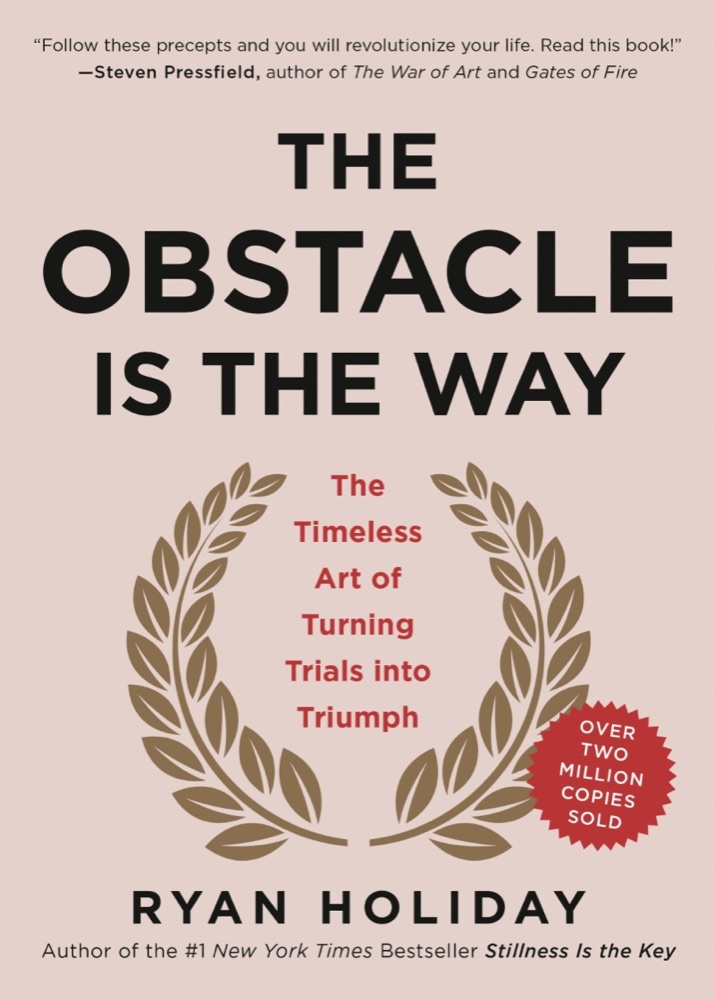 The Obstacle Is the Way: The Timeless Art of Turning Trials into Triumph
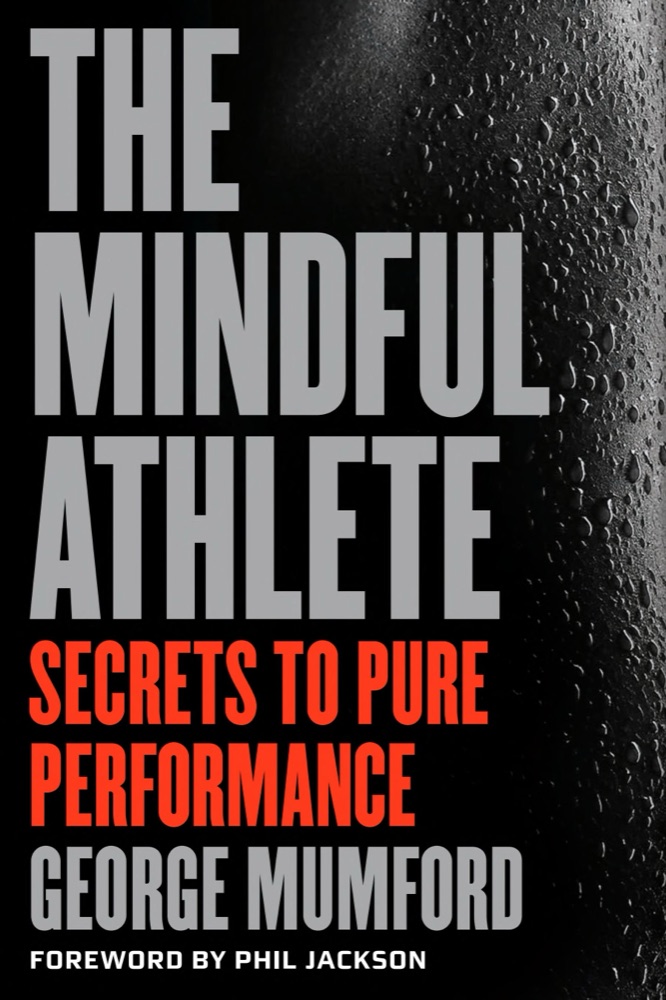 The Mindful Athlete: Secrets to Pure Performance
 The 7 Habits of Highly Effective People: Personal Workbook
 The Power of Focus
 Success Through a Positive Mental Attitude
 The Art of Living: The Classical Manual on Virtue, Happiness and Effectiveness
 Burnout: The Secret to Unlocking the Stress Cycle
 Letting Go: The Pathway To Surrender
 Happy: Finding Joy in Every Day and Letting Go of Perfect
 You Are a Badass: How to Stop Doubting Your Greatness and Start Living an Awesome Life
 The Compound Effect: Jumpstart Your Income, Your Life, Your Success
 Buy Yourself the Damn Flowers: The Self-Love Guide to Growing, Healing and Learning to Put Yourself First
 The Comfort Book
 The Vortex: Where the Law of Attraction Assembles All Cooperative Relationships
 Feeding the Soul (Because It's My Business): Finding Our Way to Joy, Love, and Freedom
 The Perfectionist's Guide to Losing Control: A Path to Peace and Power
 Be a People Person