

 The School of Life: An Emotional Education
Quotes from the Book
We are surrounded by stories that conspire to make success seem easier than it is, and therefore that unwittingly destroy the confidence we can muster in the face of our obstacles.
9
Furthermore, what fundamentally distinguishes adulthood from childhood is that the adult has access to a great many more sources of hope than the child.
4
way to greater confidence is not to reassure ourselves of our own dignity; it’s to come to peace with our inevitable ridiculousness.
2
Confidence isn't the belief that we won't meet obstacles: it is the recognition that difficulties are an inescapable part of all worthwhile contributions. We need to ensure we have plenty of narratives to hand that normalise the role of pain, anxiety and disappointment in even the best and most successful lives.
2
Confidence is a skill, not a gift from the gods.
1
It can be humbling to realise just how many great achievements have not been the result of superior talent or technical know-how, merely that strange buoyancy of the soul we call confidence.
1
There is a type of underconfidence that arises specifically when we grow too attached to our own dignity and become anxious around any situation that might seem to threaten it. We hold back from challenges in which there is any risk of ending up looking ridiculous – which comprises, of course, almost all the most interesting situations.
Our setbacks would take on a different meaning. Instead of looking like confidence-destroying evidence of our incapacities, they would much more readily strike us as proof that we were on the standard path to what we admire. We’d interpret our worries, reversals and troubles as unavoidable landmarks, not aberrations or fateful warnings. Confidence isn’t the belief that we won’t meet obstacles: it is the recognition that difficulties are an inescapable part of all worthwhile contributions.
Our diseases, public falls from grace and romantic abandonments will in time be as undeserved as our beauty, elevations and loving partners might now be. We should not worry so much about the latter, nor complain quite so bitterly about the former. We should accept from the start, with good grace and dark premonition, the sheer randomness and amorality of fate.
Unfortunately it isn't enough to be kind, interesting, intelligent and wise inside: we need to develop the skill that allows us to make our talents active in the world at large. Confidence is what translates theory into practice. It should never be thought of as the enemy of good things; it is their crucial and legitimate catalyst. We should allow ourselves to develop confidence in confidence.
We should take care not to dress up our base deficiencies as godly virtues.
Furthermore, our attraction to meekness may mask some cowardly resentment against self-assertion. We might not so much admire timidity as fear trying confidence.
Our attitude may also be unfair. Our negative view of confidence may be overly dependent on the quirks of our own histories, on the sort of people we first encountered confidence in who were not its best or most reliable representatives. Our real problem may not be confidence so much as a lack of other virtues such as manners, charm, wit and generosity. We may be wrongly diagnosing the root of our objections. There may be a few people at risk of growing into braggarts, self-seekers and blowhards. But confidence is in its essence entirely compatible with remaining sensitive, kind, witty and softly-spoken. It might be brutishness, confidence, that we hate.
We should come to terms with, and help others to see, just how hard and unnerving it can sometimes be to get close to the things we truly want.
We can use the whole world as an orchard in which to nurture a diversity of hopes that will always outstrip the inevitable, yet only ever occasional and survivable, crushing disappointment.
The solution is to remind ourselves that we can, despite our fears, survive the loss of hope. We are no longer those who suffered the disappointments responsible for our present timidity. The conditions that forged our caution are no longer those of adult reality. The unconscious mind may, as is its wont, be reading the present through the lenses of decades ago, but what we fear will happen, has, in truth, already happened; we are projecting into the future a catastrophe that belongs to a past we have not had the chance to fathom and mourn adequately.
Somewhere in our characters, a deep association has been forged between hope and danger, along with a corresponding preference to live quietly with disappointment rather than more freely with hope.
Armed with darker thoughts, the confident know that every decent and interesting person is going to accumulate a string of enemies as they make their way through life. It would be impossible for it to be otherwise, given human nature. The specific reasons will be varied and somewhat random: some of these enemies will flare up because they have vested interests in a status quo we are challenging; some may be uncomfortably reminded of their own renounced ambitions when they encounter our skills; some may find our achievements humiliating to their sense of self-worth; some are people who might have wanted to be our friends or even our lovers, and then turned sour when this proved impossible. We will constantly be the target of anger, but we don't have to believe ourselves to be its true cause.
You are loved in and of yourself because of what you are, not what you do. You aren't always admirable or even likeable, but you are always deserving of affection and charity of interpretation. It doesn't matter to me if you end up the president or the street cleaner. You will always be something more important: my child. If they don't have the wisdom to be kind, fuck them!' Without necessarily intending this, the parents set up a soothing voice that still plays on a loop in the recesses of the mind, especially at moments of greatest challenge. It is the voice of love.
Unsurprisingly, when enemies come on the horizon, we are quickly in deep trouble, for we have no ability to hold in our minds the concept that they might be wrong and we right; that our achievements are not our being, and that the failure of our actions does not presuppose failure of our entire selves. Rendered defenceless by our upbringing, we have no border post between inside and out. We are at the mercy of pretty much anyone who might decide to hate us.
But by hyping up the dangers of failure in action, we underrate the seriousness of the dangers lurking within passivity. In comparison with the horror of our final exit, the pains and troubles of our bolder moves and riskier ventures do not, in the end, seem so terrifying. We should learn to frighten ourselves a bit more in one area to be less scared in others.
The solution to the impostor syndrome lies in making a crucial leap of faith: that others' minds work in much the same way as ours do. Other people must be as anxious, uncertain and wayward as we are.
This childhood experience dovetails with a basic feature of the human condition. We know ourselves from the inside, but others only from the outside. We are aware of all of our anxieties and doubts from within, yet all we know of others is what they happen to do and tell us — a far narrower and more edited source of information.
You aren’t always admirable or even likeable, but you are always deserving of affection and charity of interpretation.
Watch on YouTube
About The School of Life
We have collected 24 quotes from 1 book by The School of Life on BookQuoters.
More about the author →About the book
The difference between success and failure often hangs on a concept that our standard education system never touches: confidence. On Confidence walks us around the key issues that stop us from making more of our potential. We hear about the impostor syndrome, the wisdom of imagining the great in their bathrooms, and what Nietzsche and Montaigne (among others) have to tell us about resilience and courage. We often stay stuck with the level of confidence we have because we regard being confident as a matter of good luck. In fact, the opposite is true: confidence is a skill based on ideas about our place in the world, and its secrets can be learnt.
Book details
- First published
- 2017
- Author
- The School of Life
- Genre
- Nonfiction
- Goodreads rating
- 3.91 (4k ratings)
Keep reading
The School of Life: An Emotional Education
 The Confidence Code: The Science and Art of Self-Assurance – What Women Should Know
 Ego Is the Enemy
 David and Goliath: Underdogs, Misfits, and the Art of Battling Giants
 Six Pillars of Self-Esteem
 The Courage to Be Disliked: How to Free Yourself, Change Your Life and Achieve Real Happiness
 The Dance of Fear: Rising Above Anxiety, Fear, and Shame to Be Your Best and Bravest Self
 Dare to Lead
 Status Anxiety
 Rising Strong
 When Things Fall Apart: Heart Advice for Difficult Times
 The Consolations of Philosophy
 The Laws of Human Nature
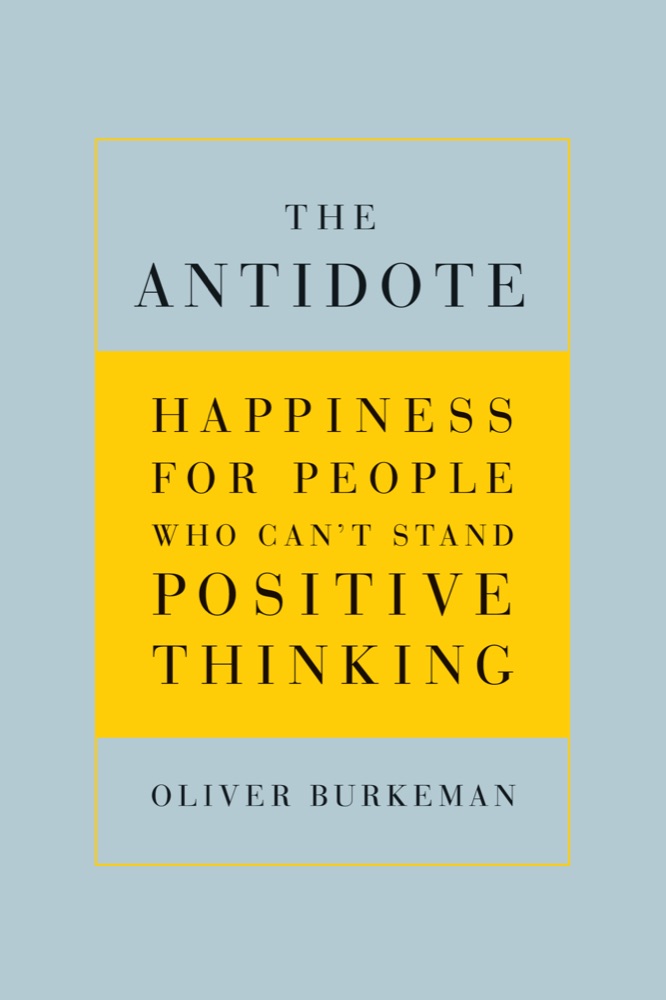 The Antidote: Happiness for People Who Can't Stand Positive Thinking
 Psycho-Cybernetics
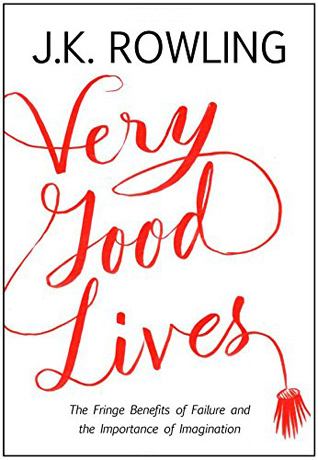 Very Good Lives: The Fringe Benefits of Failure and the Importance of Imagination
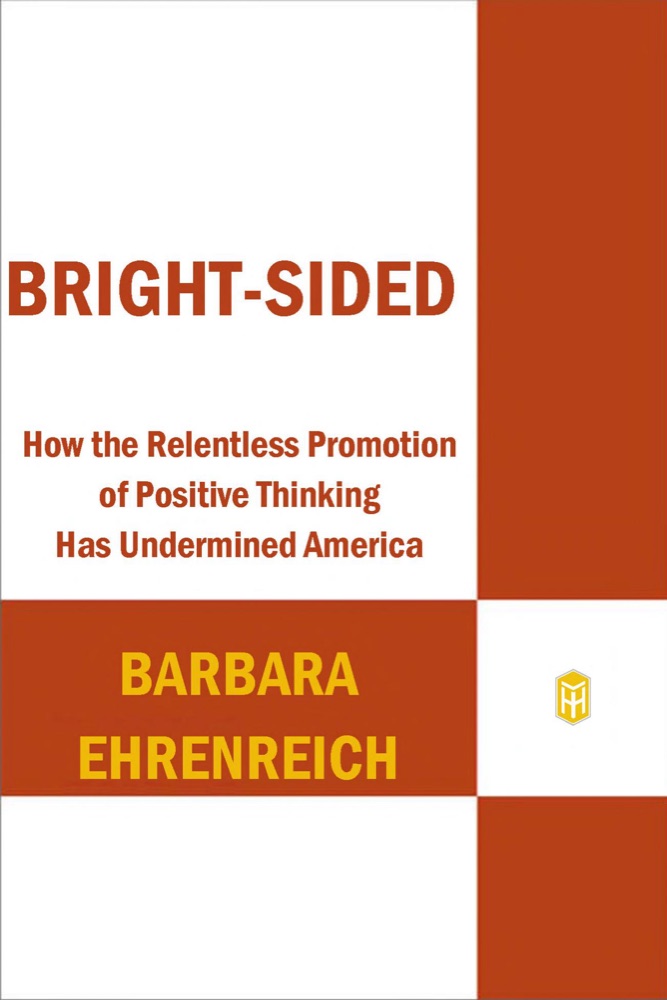 Bright-Sided: How the Relentless Promotion of Positive Thinking Has Undermined America
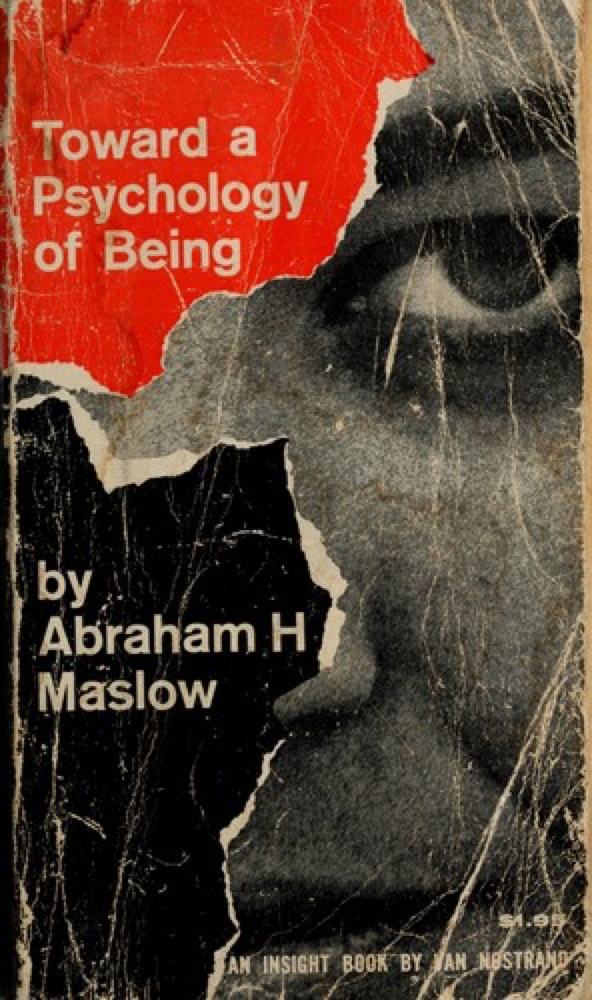 Toward a Psychology of Being
 The Light We Carry: Overcoming in Uncertain Times
 The Obstacle Is the Way: The Timeless Art of Turning Trials into Triumph
 The 50th Law
 The Subtle Art of Not Giving a F*ck: A Counterintuitive Approach to Living a Good Life
 The Comfort Book
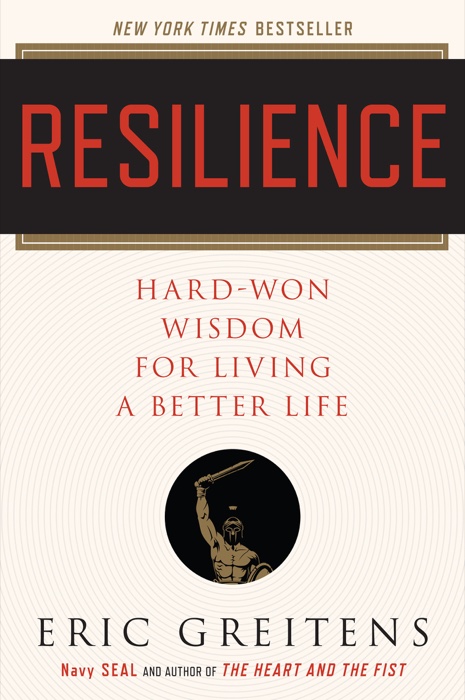 Resilience: Hard-Won Wisdom for Living a Better Life
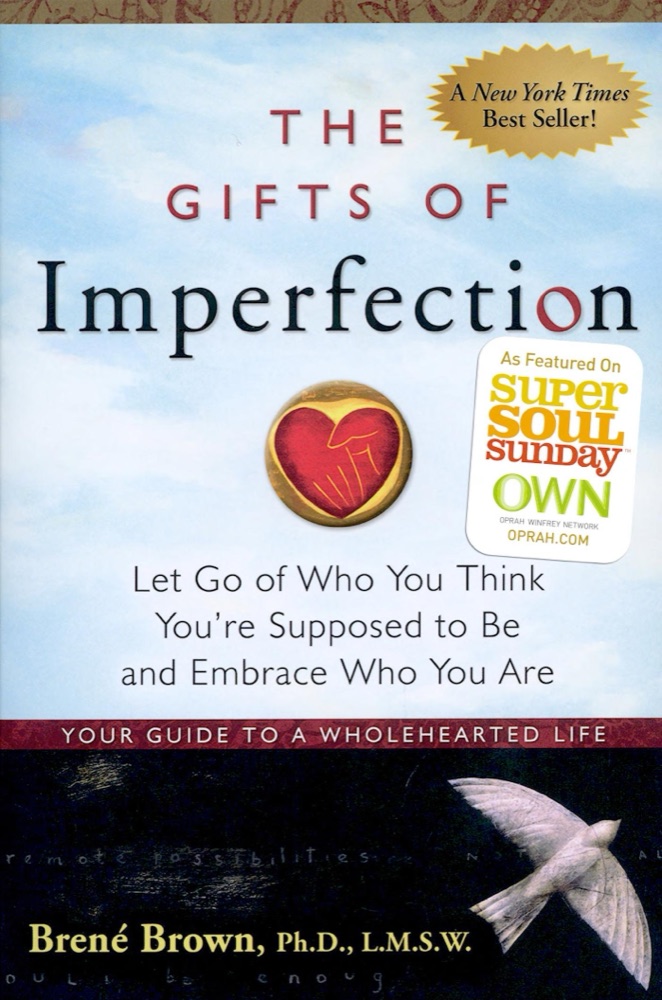 The Gifts of Imperfection
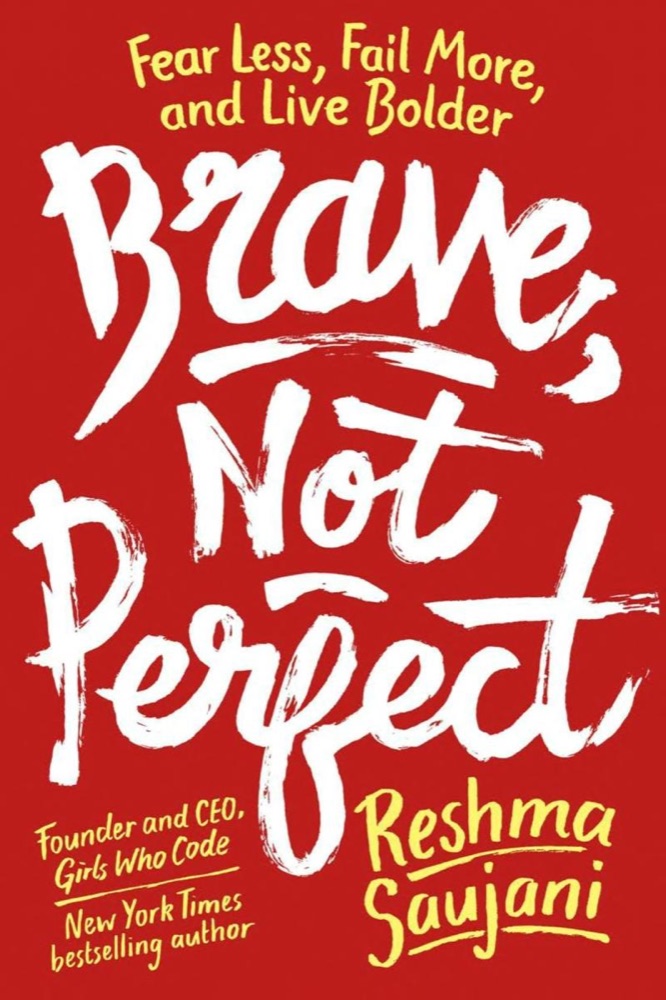 Brave, Not Perfect: Fear Less, Fail More, and Live Bolder
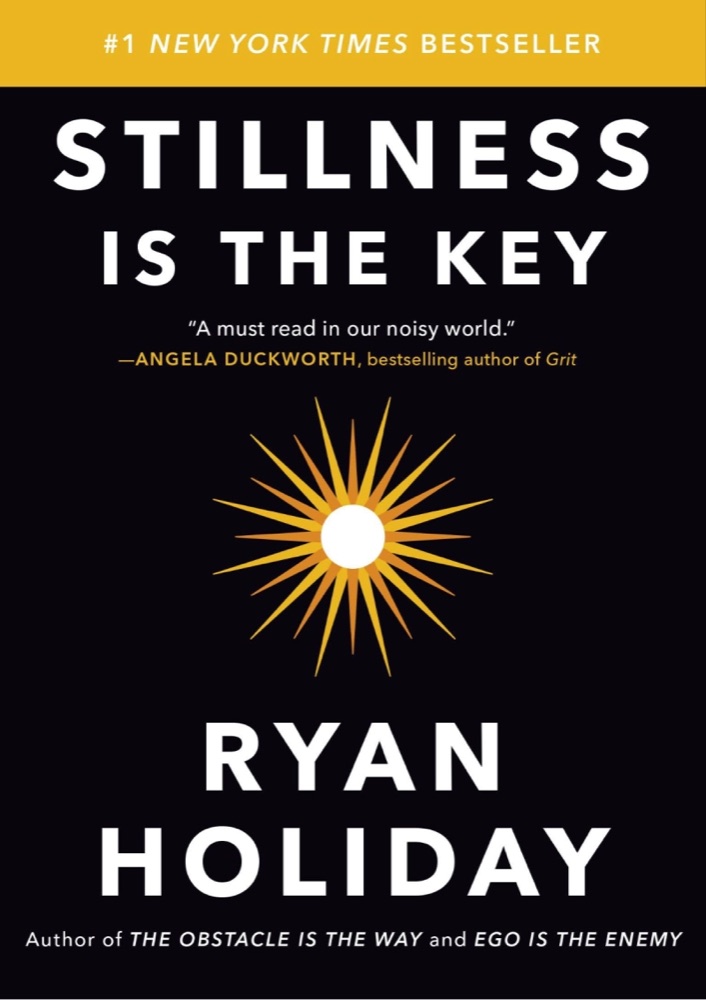 Stillness Is the Key
 You Learn by Living: Eleven Keys for a More Fulfilling Life
 Everything Is F*cked: A Book About Hope
 The New Psycho-Cybernetics: The Original Science of Self-Improvement and Success That Has Changed the Lives of 30 Million People
 We Learn Nothing
 The Tools: Transform Your Problems into Courage, Confidence, and Creativity
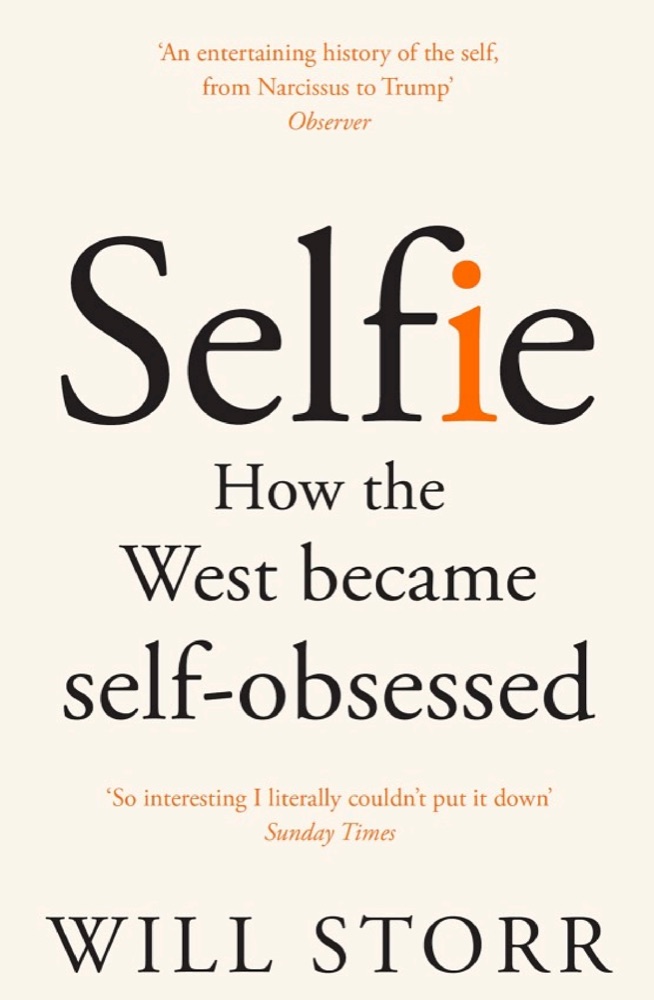 Selfie: How the West Became Self-Obsessed
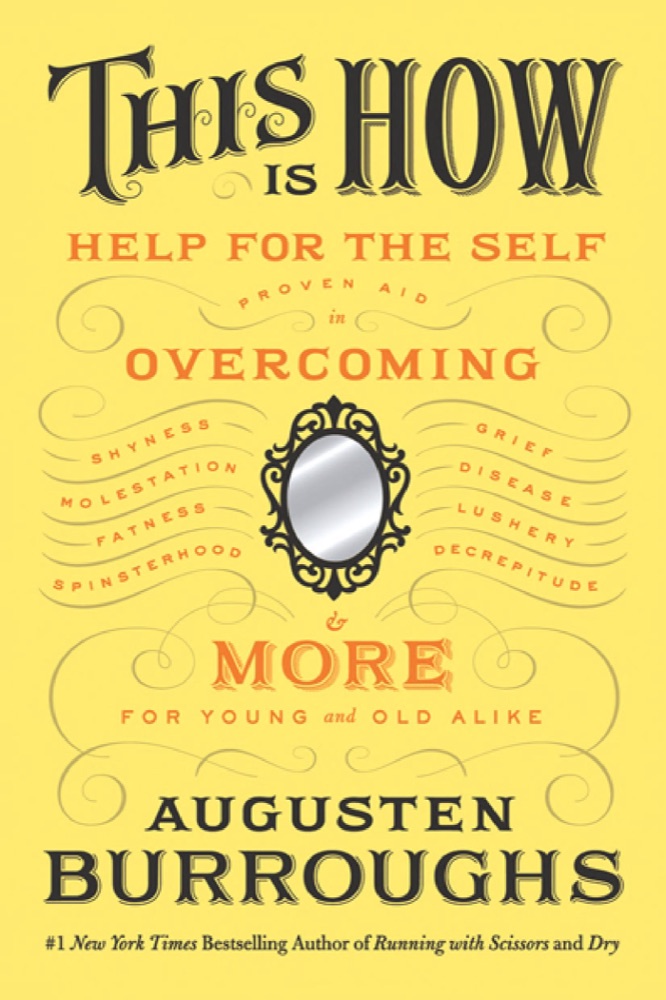 This Is How: Proven Aid in Overcoming Shyness, Molestation, Fatness, Spinsterhood, Grief, Disease, Lushery, Decrepitude & More. For Young and Old Alike.
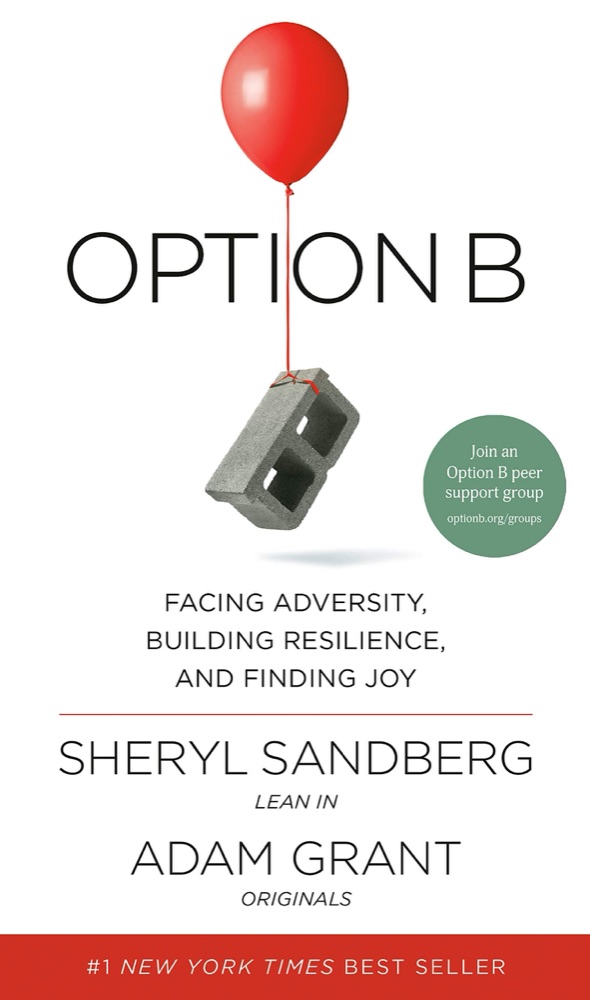 Option B: Facing Adversity, Building Resilience, and Finding Joy
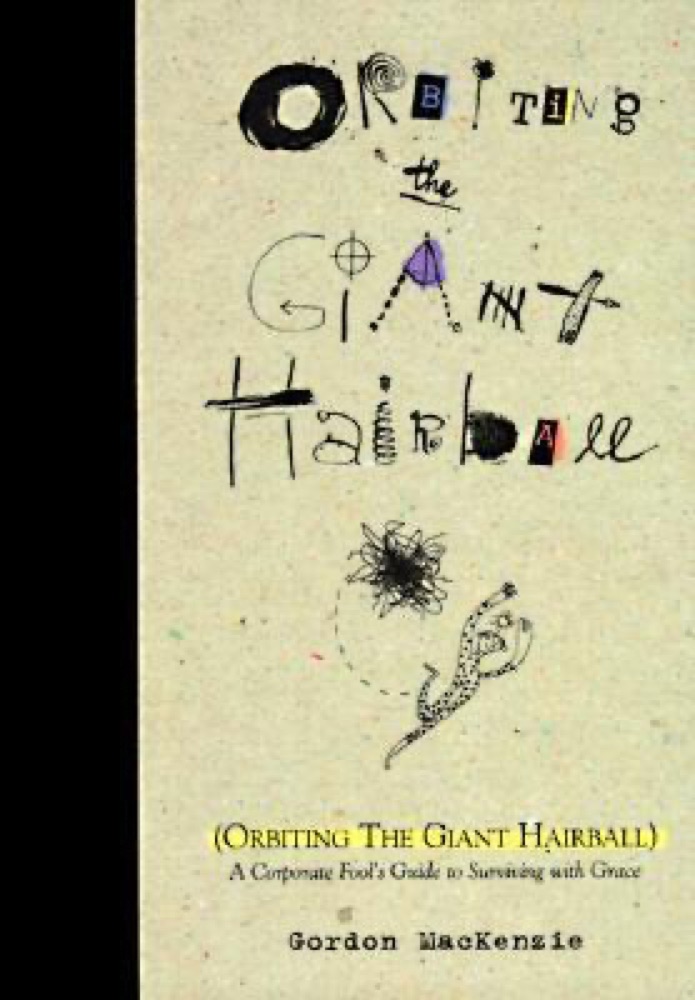 Orbiting the Giant Hairball: A Corporate Fool's Guide to Surviving with Grace
 The Wisdom of Insecurity: A Message for an Age of Anxiety
 The Examined Life: How We Lose and Find Ourselves
 Think Again: The Power of Knowing What You Don't Know
 Professional Troublemaker: The Fear-Fighter Manual
 Think and Grow Rich
 Why Has Nobody Told Me This Before?
 Lead from the Outside: How to Build Your Future and Make Real Change
 Notes on a Nervous Planet
 Be a People Person
 Man's Search for Himself
 Will
Will
 Kitchen Table Wisdom: Stories that Heal
 The World According to Mister Rogers: Important Things to Remember
 Don't Sweat the Small Stuff ... and it's all small stuff: Simple Ways to Keep the Little Things from Taking Over Your Life
 Mastery
 The Power of Positive Thinking
 Letting Go: The Pathway To Surrender
 My Beloved World
 Maybe You Should Talk to Someone: A Therapist, Her Therapist, and Our Lives Revealed
 101 Essays That Will Change The Way You Think
 Finding Meaning in the Second Half of Life: How to Finally, Really Grow Up
 12 Rules for Life: An Antidote to Chaos
 The Black Swan: The Impact of the Highly Improbable
 Outwitting the Devil: The Secret to Freedom and Success