
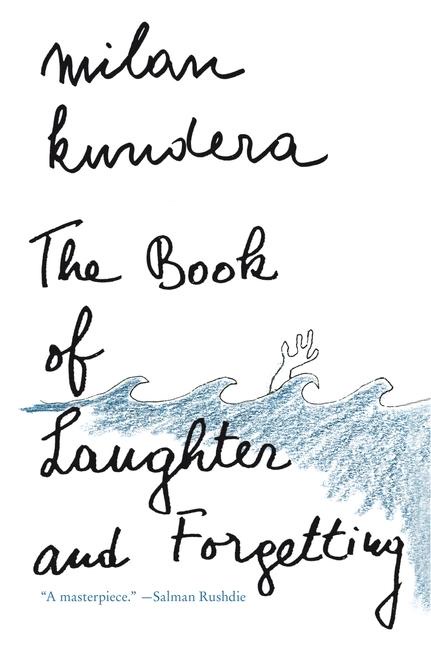
 The Book of Laughter and Forgetting
Quotes from the Book
I think, therefore I am is the statement of an intellectual who underrates toothaches. I feel, therefore I am is a truth much more universally valid, and it applies to everything that's alive. My self does not differ substantially from yours in terms of its thought. Many people, few ideas: we all think more or less the same, and we exchange, borrow, steal thoughts from one another. However, when someone steps on my foot, only I feel the pain. The basis of the self is not thought but suffering, which is the most fundamental of all feelings. While it suffers, not even a cat can doubt its unique and uninterchangeable self. In intense suffering the world disappears and each of us is alone with his self. Suffering is the university of egocentrism.
Just imagine living in a world without mirrors. You'd dream about your face and imagine it as an outer reflection of what is inside you. And then, when you reached forty, someone put a mirror before you for the first time in your life. Imagine your fright! You'd see the face of a stranger. And you'd know quite clearly what you are unable to grasp: your face is not you.
I have a strong will to love you for eternity.
Perhaps we become aware of our age only at exceptional moments and most of the time we are ageless.
I cannot hate them because nothing binds me to them; I have nothing in common with them.
The basis of shame is not some personal mistake of ours, but the ignominy, the humiliation we feel that we must be what we are without any choice in the matter, and that this humiliation is seen by everyone.
To be mortal is the most basic human experience, and yet man has never been able to accept it, grasp it, and behave accordingly. Man doesn't know how to be mortal. And when he dies, he doesn't even know how to be dead.
The purpose of the poetry is not to dazzle us with an astonishing thought, but to make one moment of existence unforgettable and worthy of unbearable nostalgia.
Living, there is no happiness in that. Living: carrying one’s painful self through the world. But being, being is happiness. Being: Becoming a fountain, a fountain on which the universe falls like warm rain.
Hate traps us by binding us too tightly to our adversary.
A person is nothing but his image. Philosophers can tell us that it doesn't matter what the world thinks of us, that nothing matters but what we really are. But philosophers don't understand anything. As long as we live with other people, we are only what other people consider us to be. Thinking about how others see us and trying to make our image as attractive as possible is considered a kind of dissembling or cheating. But does there exist another kind of direct contact between my self and their selves except through the mediation of the eyes? Can we possibly imagine love without anxiously following our image in the mind of the beloved? When we are no longer interested in how we are seen by the person we love, it means we no longer love.
I think, therefore I am' is the statement of an intellectual who underrates toothaches.
Man reckons with immortality, and forgets to reckon with death.
The serial number of a human specimen is the face, that accidental and unrepeatable combination of features. It reflects neither character nor soul, nor what we call the self. The face is only the serial number of a specimen
The basis of the self is not thought but suffering, which is the most fundamental of all feelings. While it suffers, not even a cat can doubt its unique and uninterchangeable self. In intense suffering the world disappears and each of us is alone with his self. Suffering is the university of ego-centrism.
Yes, the essence of every love is a child, and it makes no difference at all whether it has ever actually been conceived or born. In the algebra of love a child is the symbol of the magical sum of two beings.
She blushed. It is a beautiful thing when a woman blushes; at that instant her body no longer belongs to her; she doesn't control it; she is at its mercy; oh, can there be anything more beautiful than the sight of a woman violated by her own body!
But then he told himself: What does it really mean to be useful? Today's world, just as it is, contains the sum of the utility of all people of all times. Which implies: The highest morality consists in being useless.
I am not worthy of my suffering. A great sentence. It suggests not only that suffering is the basis of the self, its sole indubitable ontological proof, but also that it is the one feeling most worthy of respect; the value of all values.
A person is nothing but his image. Philosophers can tell us that it doesn't matter what the world thinks of us, that nothing matters but what we really are. But philosophers don't understand anything. As long as we live with other people, we are only what other people consider us to be. Thinkingabout how others see us and trying to make our image as attractive as possible is considered a kind of dissembling or cheating. But doesthere exist another kind of direct contact between my self and their selves except through the mediation of the eyes? Can we possiblyimagine love without anxiously following our image in the mind of the beloved? When we are no longer interested in how we are seen bythe person we love, it means we no longer love.
If we cannot accept the importance of the world, which considers itself important, if in the midst of that world our laughter finds no echo, we have but one choice: to take the world as a whole and make it the object of our game; to turn it into a toy
A gesture cannot be regarded as the expression of an individual, as his creation (because no individual is capable of creating a fully original gesture, belonging to nobody else), nor can it even be regarded as that person's instrument; on the contrary, it is gestures that use us as their instruments, as their bearers and incarnations
Watch on YouTube
About Milan Kundera
We have collected 272 quotes from 13 books by Milan Kundera on BookQuoters.
More about the author →More by Milan Kundera
All books by Milan Kundera →
Book details
- Author
- Milan Kundera
- Genre
- Literature
- Goodreads rating
- 4.14 (44k ratings) →
Keep reading
 The Book: On the Taboo Against Knowing Who You Are
 The World as Will and Representation, Vol 1
 The Fountainhead
 When Nietzsche Wept
 Either/Or: A Fragment of Life
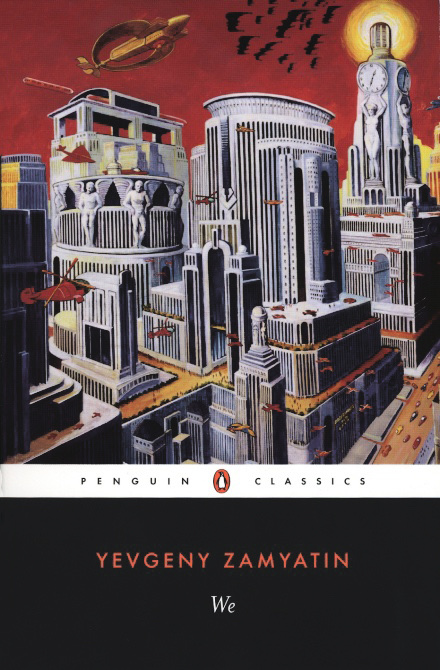 We
We
 The Magus
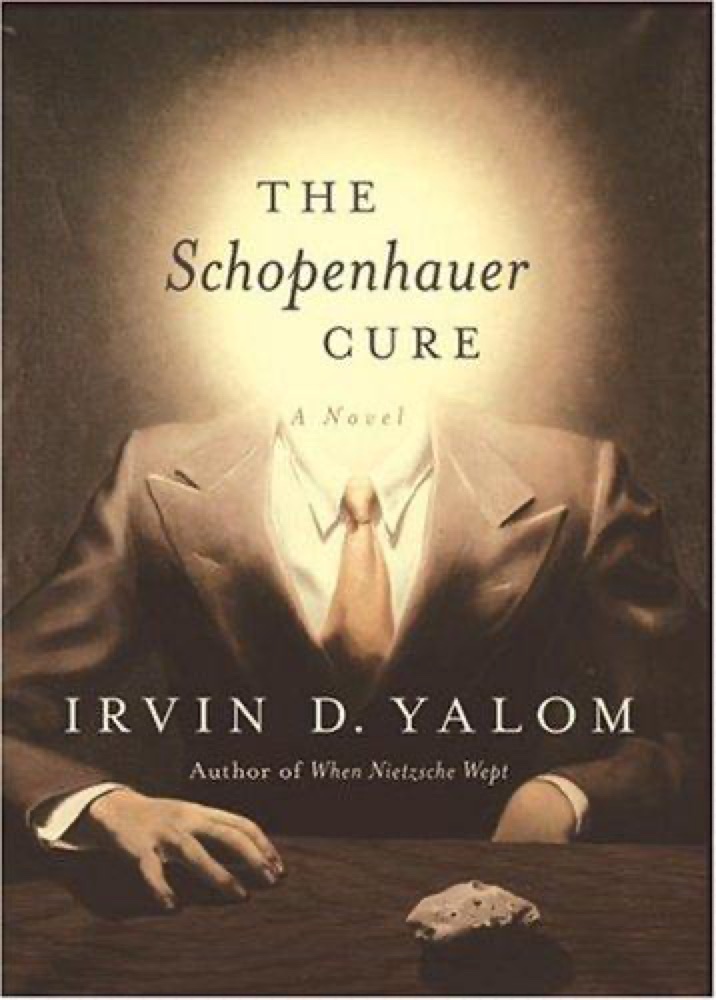 The Schopenhauer Cure
 The Unbearable Lightness of Being
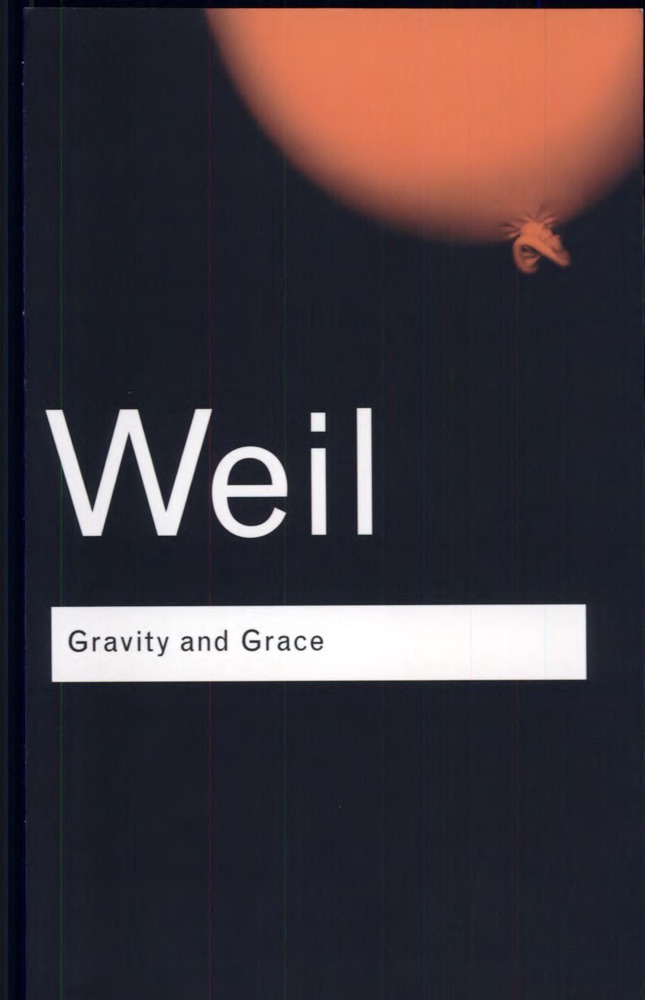 Gravity and Grace
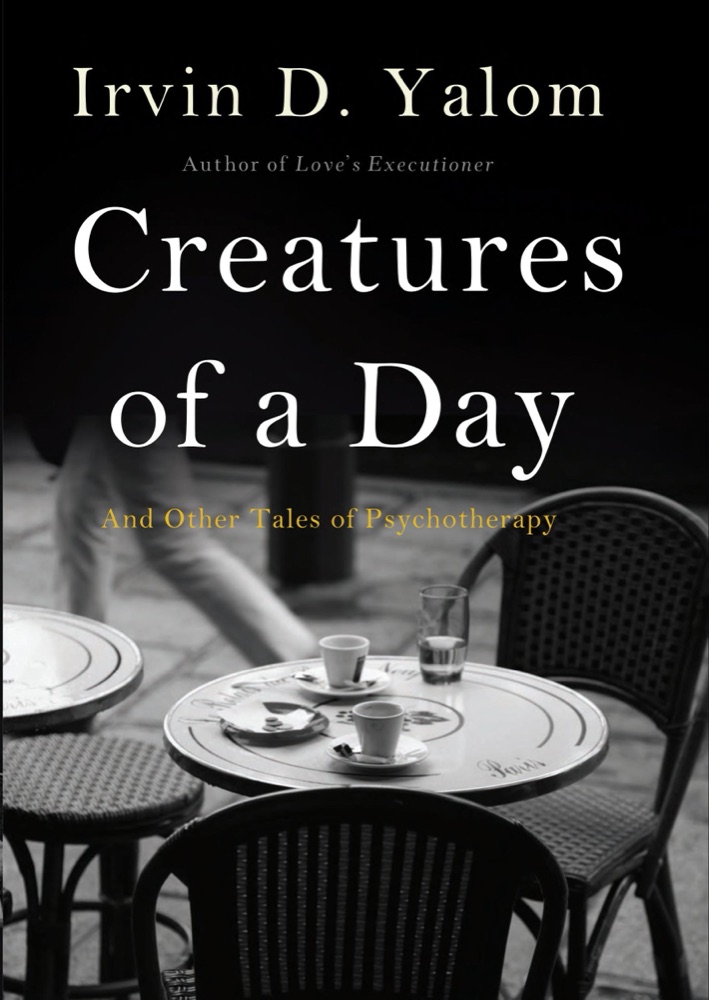 Creatures of a Day: And Other Tales of Psychotherapy
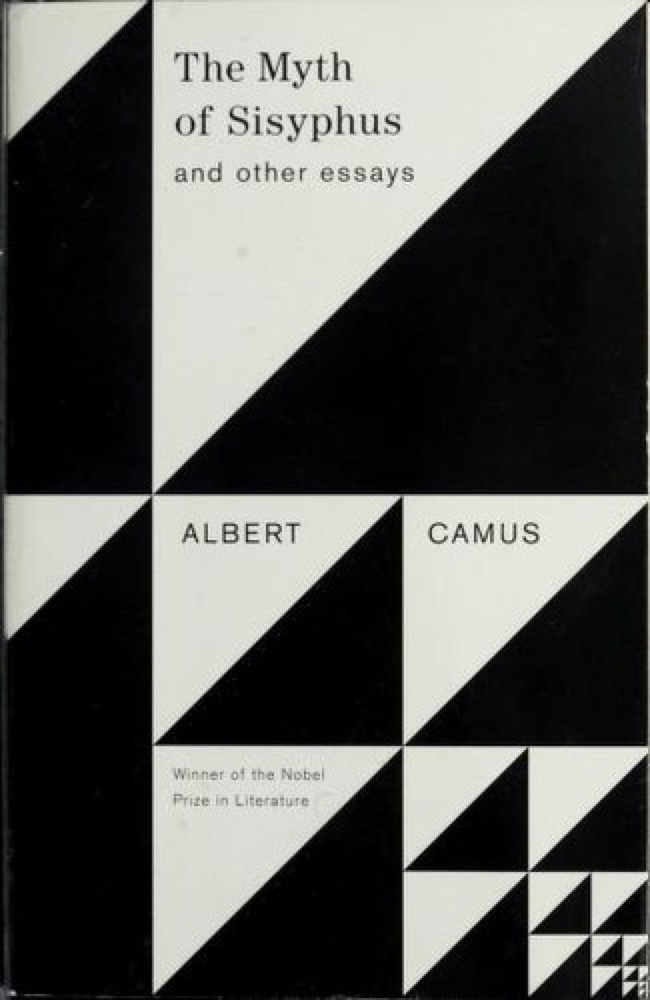 The Myth of Sisyphus and Other Essays
 Doctor Zhivago
 East of Eden
 The Humans
 On the Heights of Despair
 On the Suffering of the World
 Tragic Sense of Life
 The Fall
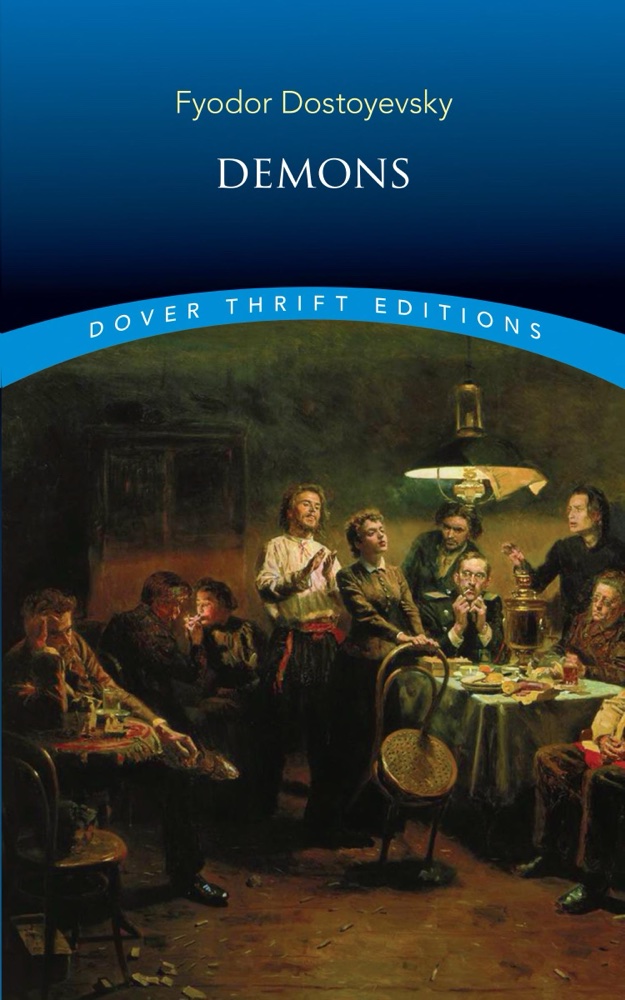 Demons
 Embers
 Man's Search for Meaning
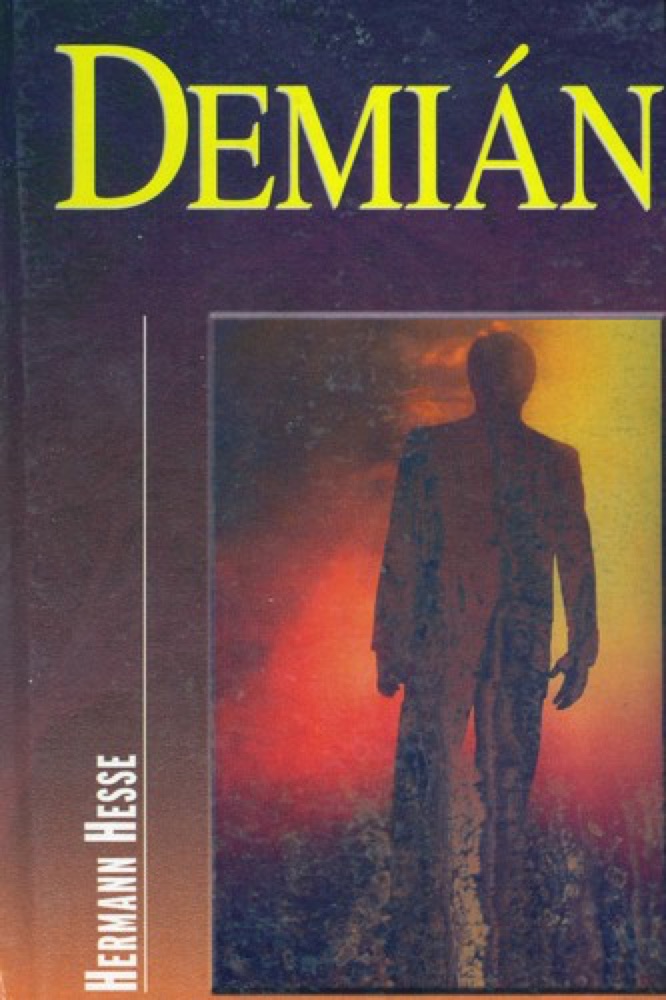 Demian
 The Gay Science
 Twilight of the Idols/The Anti-Christ
 The Myth of Sisyphus
 Pensées
 De Profundis
 The Power of Myth
 Nutshell
 The Brothers Karamazov
 The Ego and Its Own
 The Wisdom of Insecurity: A Message for an Age of Anxiety
 Point Counter Point
 The Setting Sun
 The First Fifteen Lives of Harry August
 The Ethics of Ambiguity
 The Art of Being
 Eyeless in Gaza
 Nothing to Be Frightened Of
 The Joke
 Being and Nothingness
 Daybreak: Thoughts on the Prejudices of Morality
 Here I Am
 Six Characters in Search of an Author
 The Idiot
 Children of the Mind
 Zeno's Conscience
 Genesis
 The Conspiracy Against the Human Race
 Life of Pi
 A Joseph Campbell Companion: Reflections on the Art of Living
 The Children of Men
 The Elegance of the Hedgehog
 Seth Speaks: The Eternal Validity of the Soul
 We the Living
 Identity
 Toward Eternity
 Buddhism Plain & Simple: The Practice of Being Aware, Right Now, Every Day
 Conversations with God: An Uncommon Dialogue, Book 1