
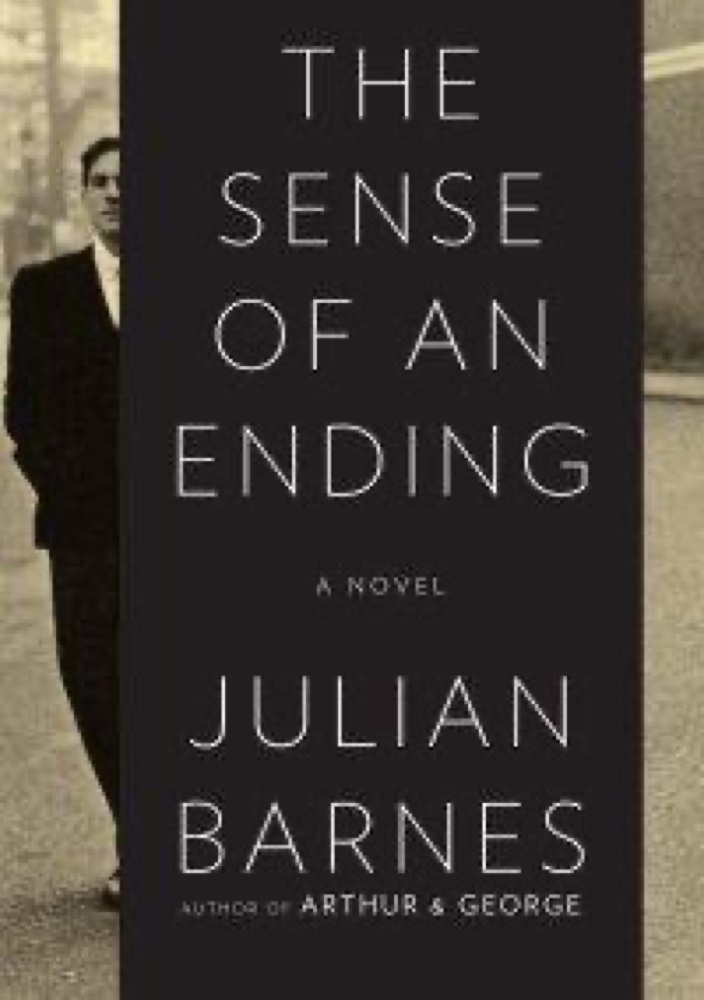
 The Sense of an Ending
Quotes from the Book
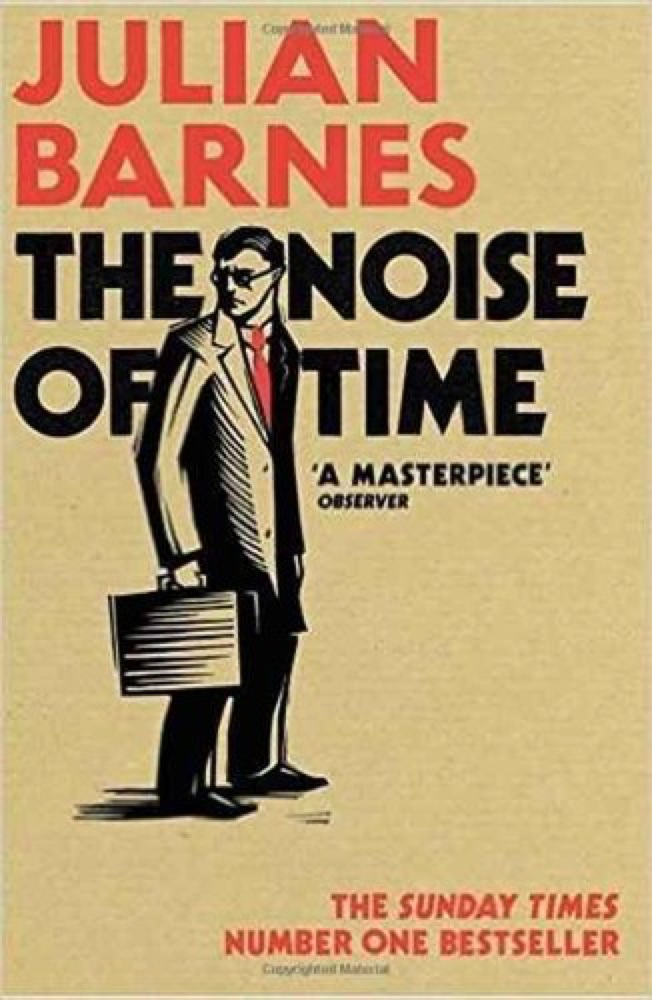
Art belongs to everybody and nobody. Art belongs to all time and no time. Art belongs to those who create it and those who savour it. Art no more belongs to the People and the Party than it once belonged to the aristocracy and the patron. Art is the whisper of history, heard above the noise of time. Art does not exist for art’s sake: it exists for people’s sake.
Art is the whisper of history, heard above the noise of time.
Perhaps this was one of the tragedies life plots for us: it is our destiny to become in old age what in youth we would have most despised.
It had been a slow and painful business, discovering that the theory of love did not match the reality of life. It was like expecting to be able to write a symphony because you had once read a handbook of composition.
In an ideal world, a young man should not be an ironical person. At that age, irony prevents growth, stunts the imagination. It is best to start life in a cheerful and open state of mind, believing in others, being optimistic, being frank with everyone about everything. And then, as one comes to understand things and people better, to develop a sense of irony. The natural progression of human life is from optimism to pessimism; and a sense of irony helps temper pessimism, helps produce balance, harmony. But
Being a hero was much easier than being a coward. To be a hero, you only had to be brave for a moment - when you took out the gun, threw the bomb, pressed the detonator, did away with the tyrant, and away with yourself as well. But to be a coward was to embark on a career that lasted a lifetime. You couldn't ever relax. You had to anticipate the next occasion when you would have to make excuses for yourself, dither, cringe, reacquaint yourself with the taste of rubber boots and the state of your own fallen, abject character. Being a coward required pertinacity, persistence, a refusal to change - which made it, in a way, a kind of courage.
The strong cannot help confronting; the less strong cannot help evading.
History was repeating itself: the first time as farce, the second time as tragedy.
Rather, what happened to human illusions was that they crumbled, they withered away. It was a long and wearisome process, like a toothache reaching far into the soul. But you can pull out a tooth and it will be gone. Illusions, however, even when dead, continue to rot and stink within us. We cannot escape their taste and smell. We carry them around with us all the time.
Sarcasm was dangerous to its user, identifiable as the language of the wrecker and the saboteur. But irony – perhaps, sometimes, so he hoped – might enable you to preserve what you valued, even as the noise of time became loud enough to knock out window-panes.
Art is the whisper of history, heard above the noise of time. Art does not exist for art's sake: it exists for people's sake.
How easy it was to be a Communist when you weren’t living under Communism!
...and who's to say what would have been for the best? You only found out afterwards, when it was too late.
Those in favour rarely stayed in favour; it was just a question of when they fell.
Music — good music, great music — had a hard, irreducible purity to it. It might be bitter and despairing and pessimistic, but it could never be cynical. If music is tragic, those with asses’ ears accuse it of being cynical. But when a composer is bitter, or in despair, or pessimistic, that still means he believes in something.
If you turned your back on irony, it curdled into sarcasm. And what good was it then? Sarcasm was irony which had lost its soul.
The engineers of human souls'. There were two main problems. The first was that many people did not want their souls to be egineered, thank you very much. They were content with their souls being left as they were when they had come into this world; and when you tried to lead them, they resisted. Come to this free open-air concert, comrade. Oh, we really think you should attend. Yes, of course, it is voluntary, but it might be a mistake if you didn't show your face... And the second problem with engineering human souls was more basic. It was this: who engineers the engineers?
In Jewish folk music, despair is disguised as the dance. And so, truth’s disguise was irony.
It had all begun, very precisely, he told his mind, on the morning of the 28th of January 1936, at Arkhangelsk railway station. No, his mind responded, nothing begins just like that, on a certain date at a certain place. It all began in many places, and at many times, some even before you were born, in foreign countries, and in the minds of others. —
It seemed such a brief while ago that they were all laughing at Professor Nikolayev's definition of a musicologist. Imagine we are eating scrambled eggs, the Professor used to say. My cook, Pasha, has prepared them, and you and I are eating them. Along comes a man who has not prepared them and is not eating them, but he talks about them as if he knows everything about them - that is a musicologist.
Music escapes from words: that is its purpose, and its majesty.
between the principle and its implementation often lay some anguish.
And in these times, people were always in danger of becoming less than fully themselves. If you terrorised them enough, they became something else, something diminished and reduced: mere techniques for survival. And so, it was not just an anxiety, but often a brute fear that he experienced: the fear that love's last days had come.
Theories were clean and convincing and comprehensible. Life was messy and full of nonsense.
Apart from these parental physical jerks, he did not train his body; he merely inhabited it. A friend had once shown what he called gymnastics for the intelligentsia. You took a box of matches and threw its contents on the floor, then bent down and picked them up, one by one. The first time he tried it himself, he lost patience and stuffed all the matches back in handfuls. He persevered, but the next time, just as he was bending down, the telephone went, and he was needed at once; so the housekeeper was detailed to pick up the matches instead.
I am a worm in comparison with His Excellency. I am a worm.’ ‘Yes, that’s just it, you are a worm indeed.
Watch on YouTube
About Julian Barnes
We have collected 269 quotes from 12 books by Julian Barnes on BookQuoters.
More about the author →More by Julian Barnes
All books by Julian Barnes →
Book details
- Author
- Julian Barnes
- Genre
- Fiction
- Goodreads rating
- 3.75 (27k ratings) →
The buzz
- The New York TimesReview in The New York Timesprofessional review (via Book Marks)
- The New YorkerReview in The New Yorkerprofessional review (via Book Marks)
- The Washington PostReview in The Washington Postprofessional review (via Book Marks)
- The Wall Street JournalReview in The Wall Street Journalprofessional review (via Book Marks)
- NPRReview in NPRprofessional review (via Book Marks)
- The Boston GlobeReview in The Boston Globeprofessional review (via Book Marks)
Keep reading
 The Magic Mountain
 The Secret History
 V.
V.
 Europe Central
 The Fall of Babel
 The Recognitions
 Arm of the Sphinx
 Ragtime
 The Eighth Life
 The Sound and the Fury
 The Enchantress of Florence
 The Elementary Particles
 Soul Music
 Skinny Legs and All
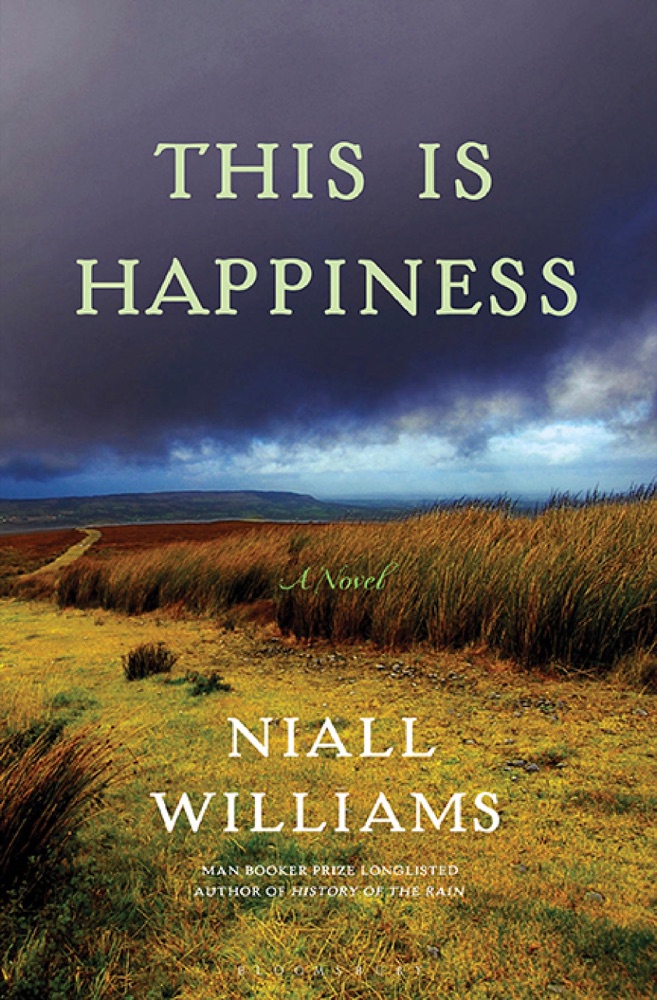 This Is Happiness
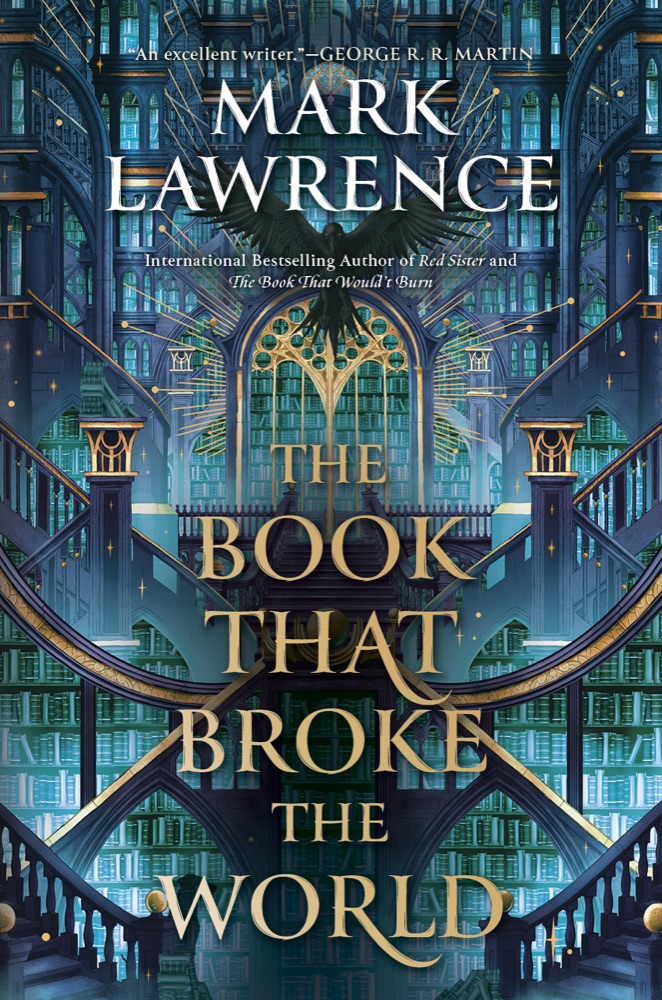 The Book That Broke the World
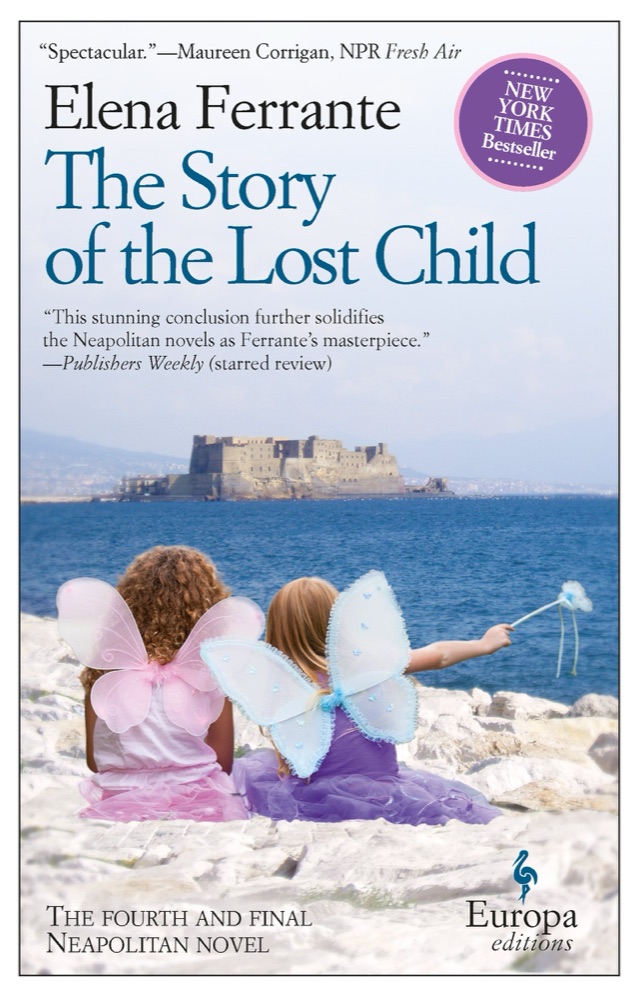 The Story of the Lost Child
The Sense of an Ending
The Story of the Lost Child
The Sense of an Ending
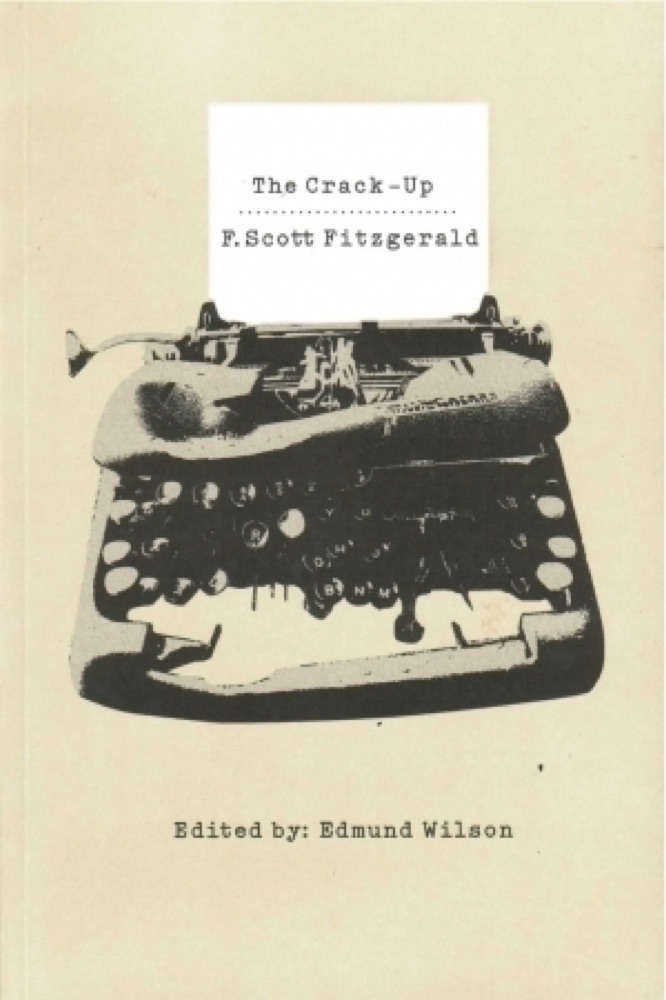 The Crack-Up
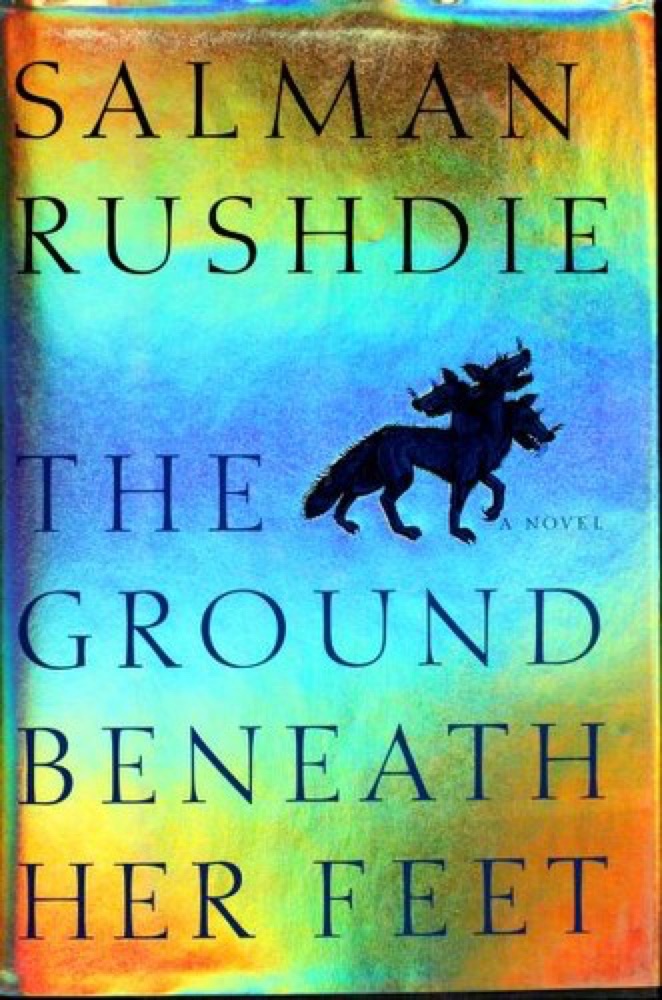 The Ground Beneath Her Feet
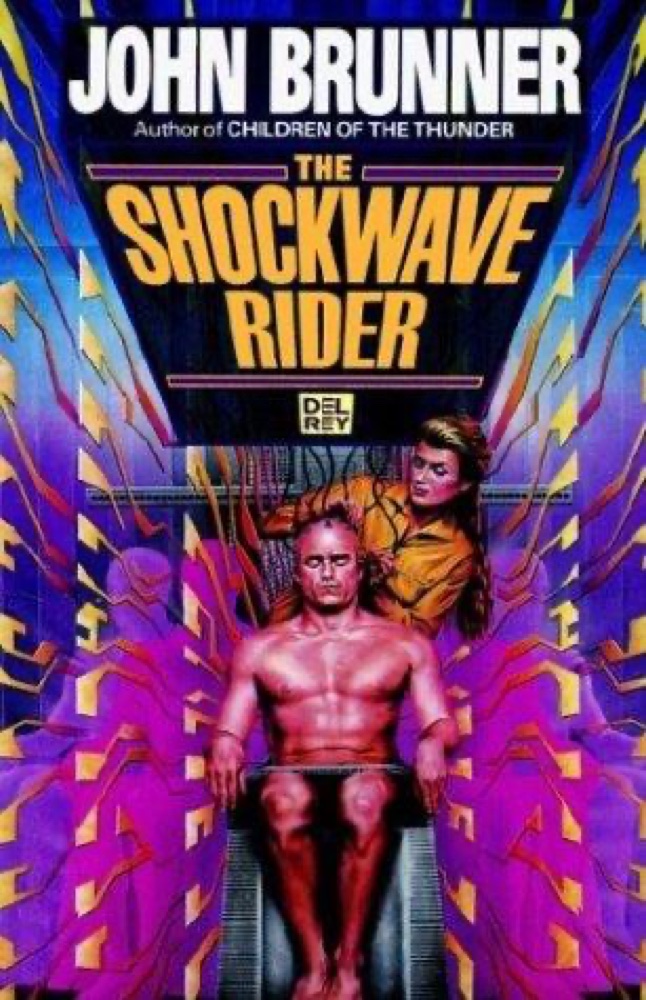 The Shockwave Rider
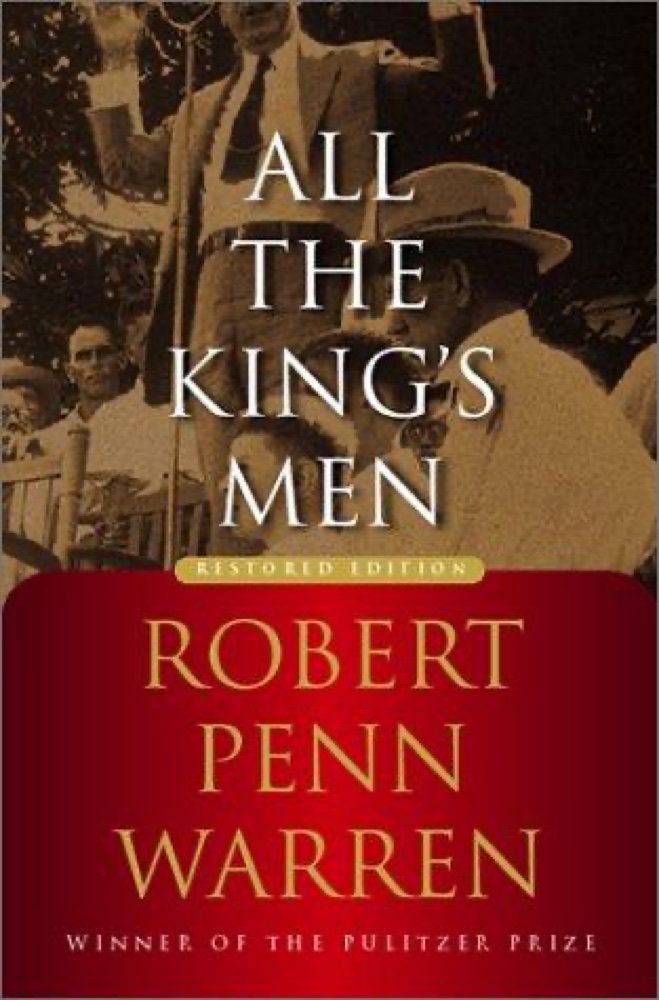 All the King's Men
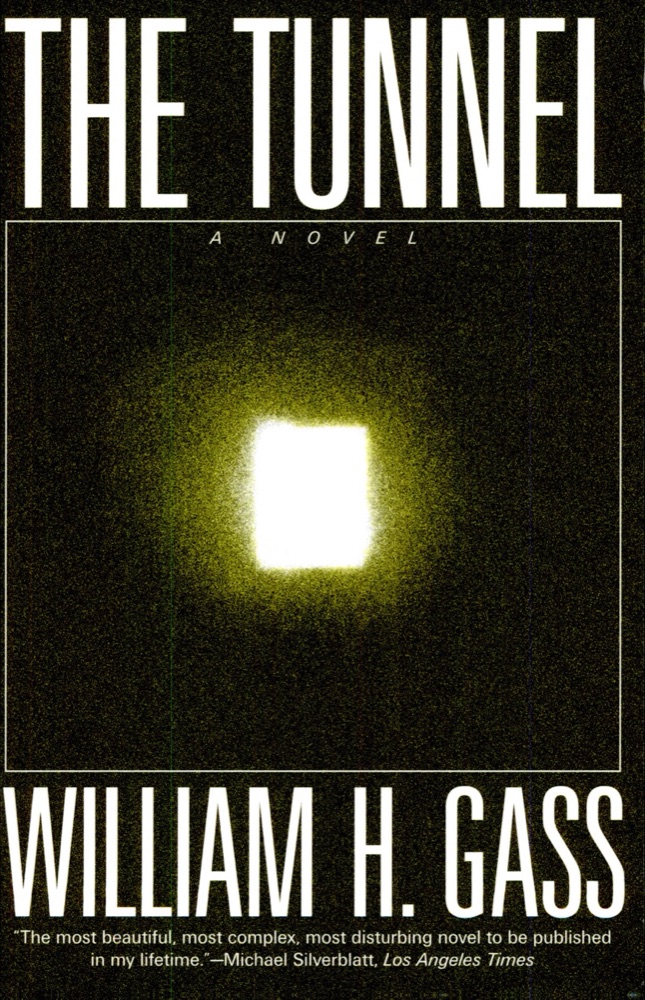 The Tunnel
 The Great Mistake
 Antic Hay
 Humboldt's Gift
 The Rebel Angels
 The Story of a New Name
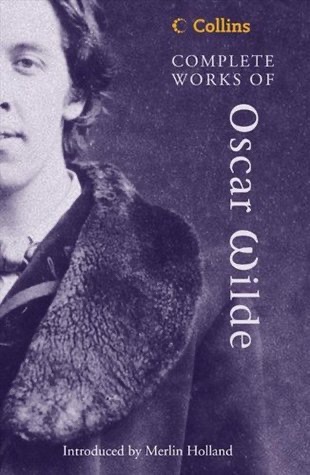 Complete Works of Oscar Wilde
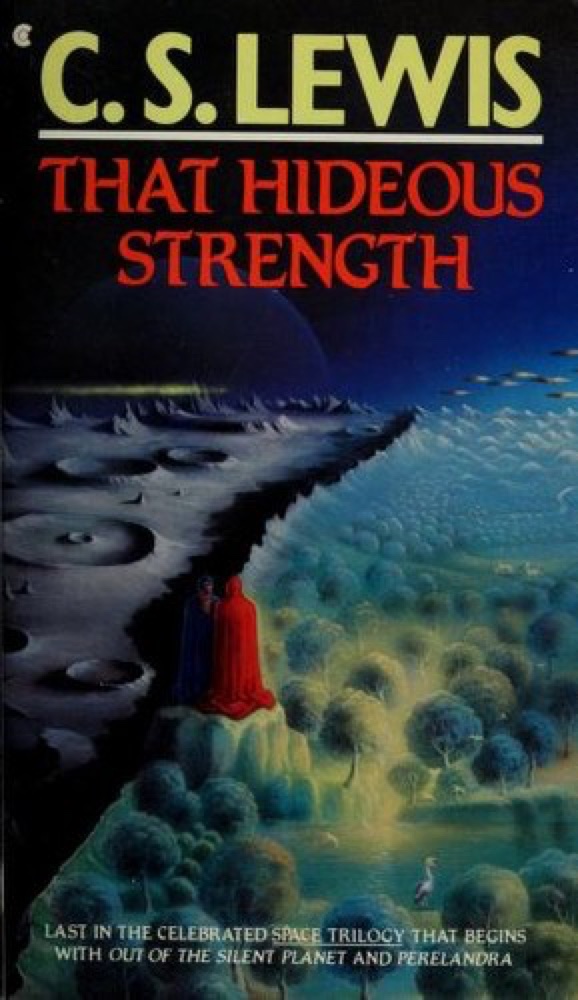 That Hideous Strength
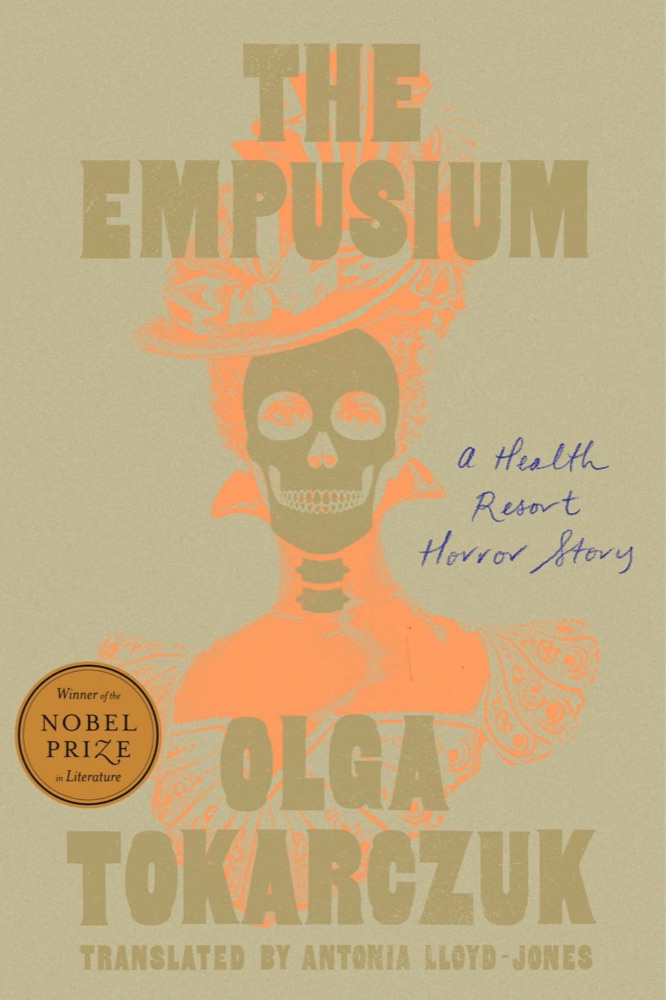 The Empusium
 The Age of Miracles
 The Darkness That Comes Before
 Flaubert's Parrot
 The Stories of Vladimir Nabokov
 A Fine Balance
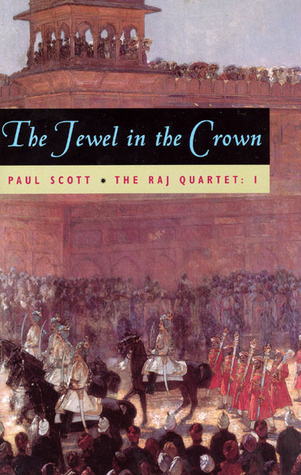 The Jewel in the Crown
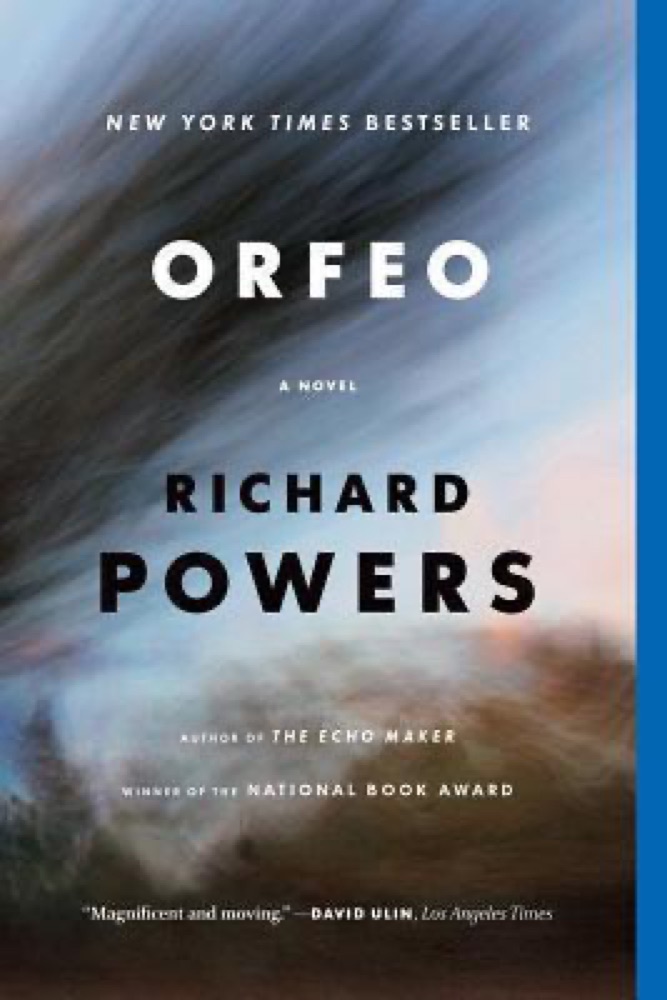 Orfeo
Orfeo
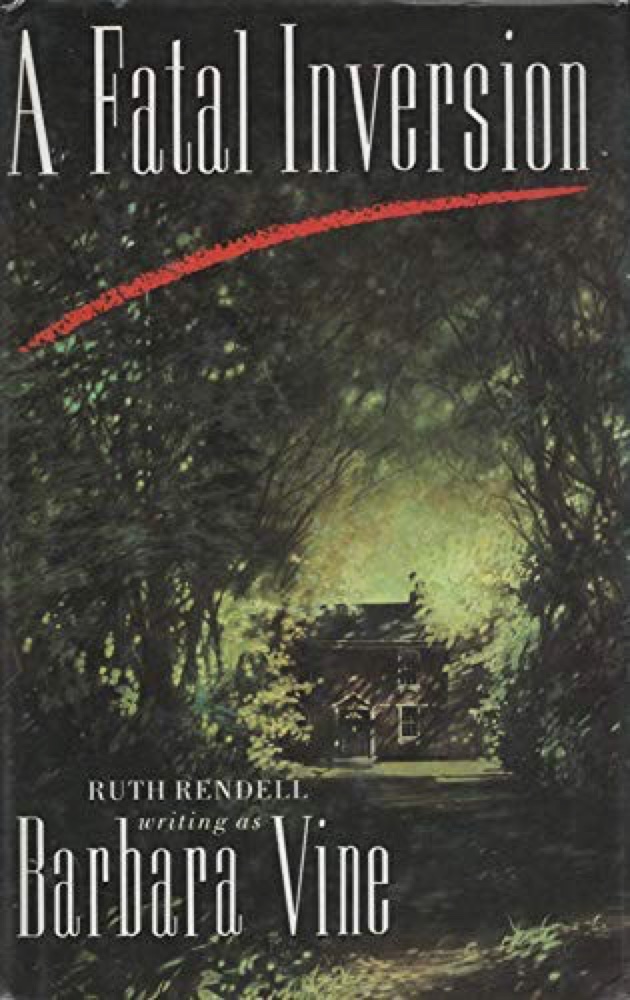 A Fatal Inversion
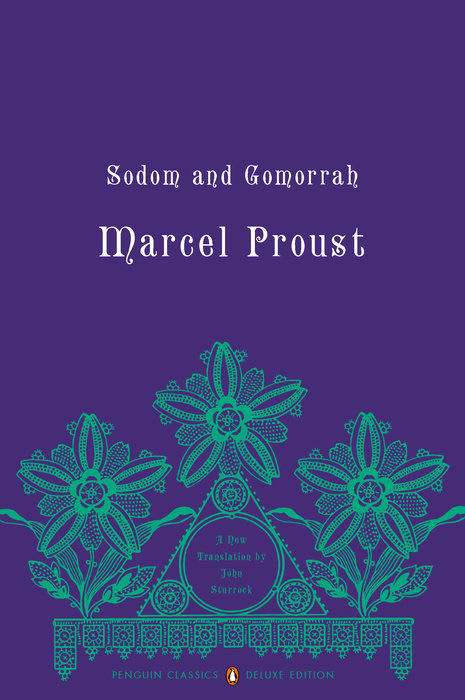 Sodom and Gomorrah
 Genesis
 Elizabeth I
 Red Mars
 Ilustrado
 Asymmetry
 The Joke
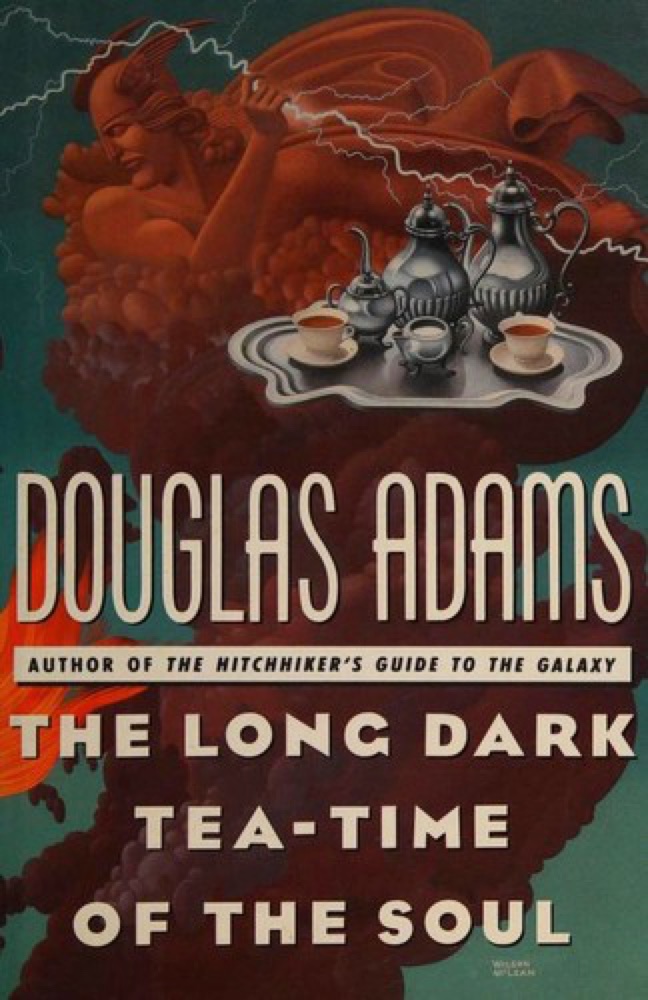 The Long Dark Tea-Time of the Soul
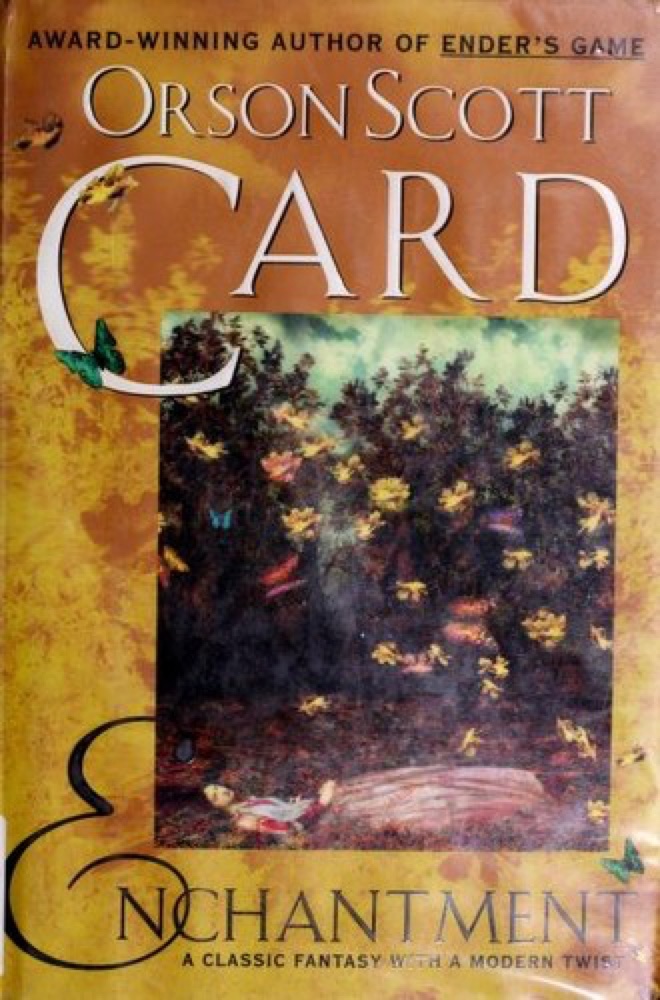 Enchantment
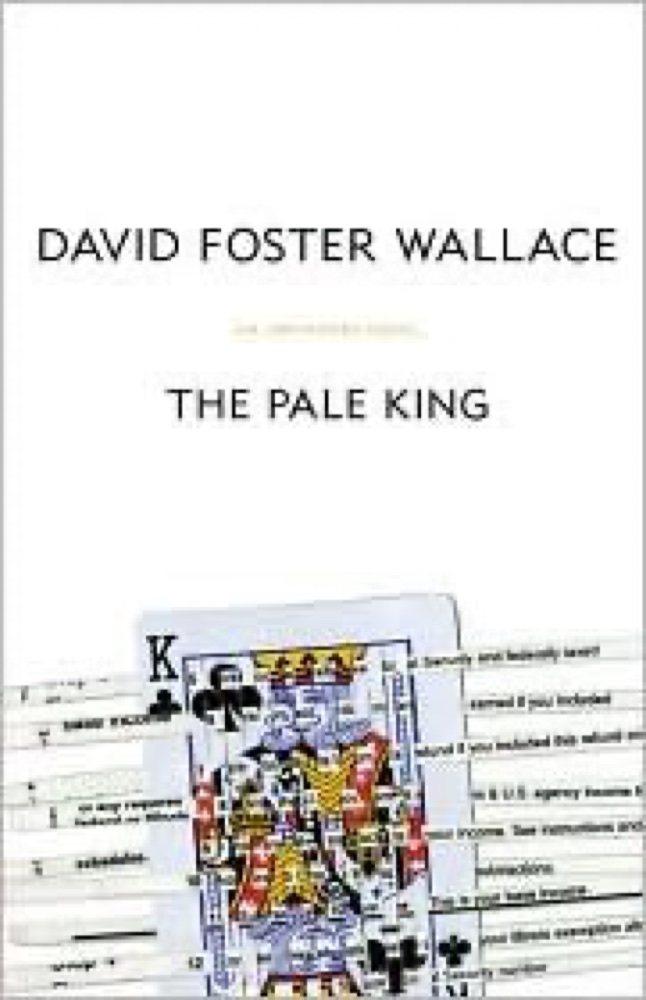 The Pale King
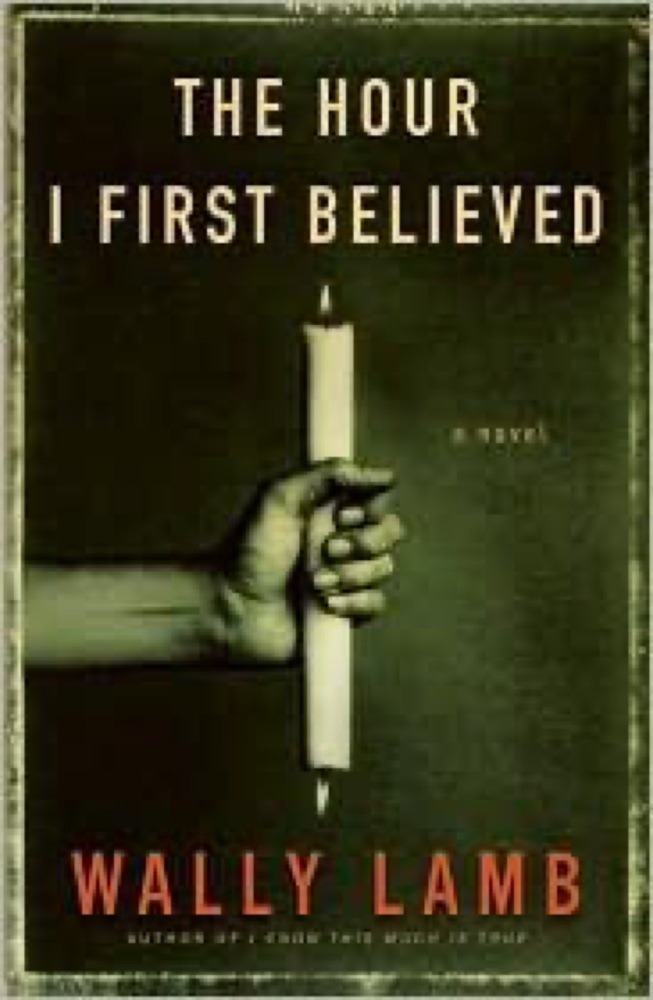 The Hour I First Believed
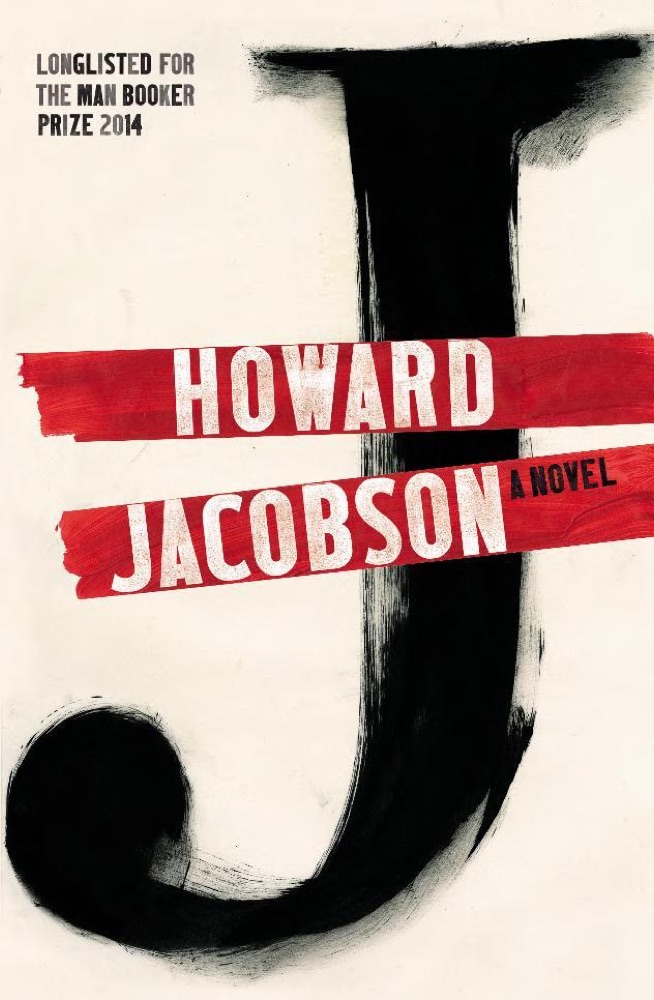 J
J
 The Map of Time
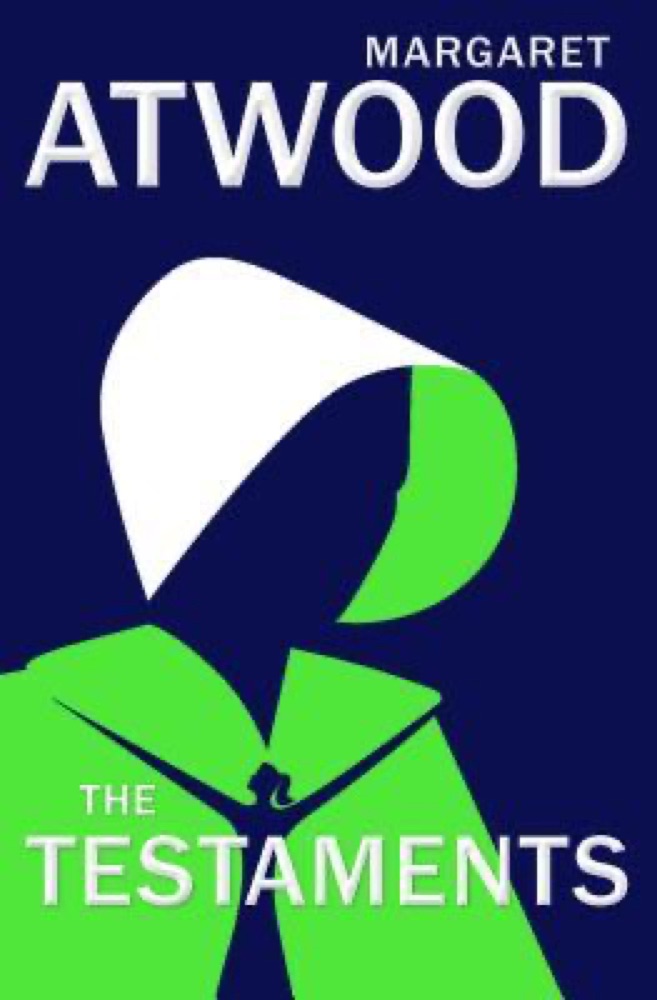 The Testaments
 Ninety-Three
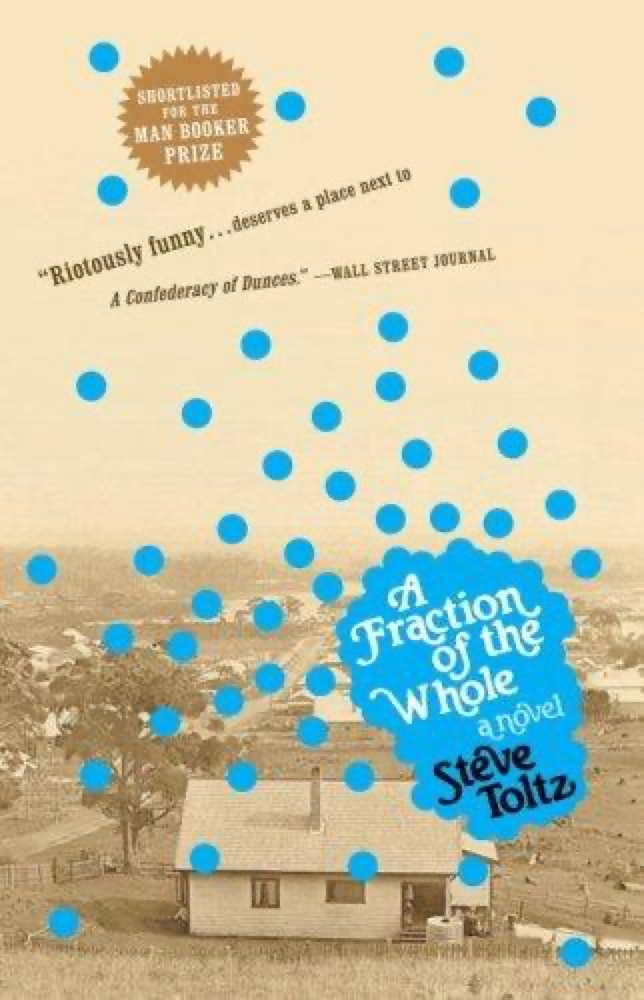 A Fraction of the Whole
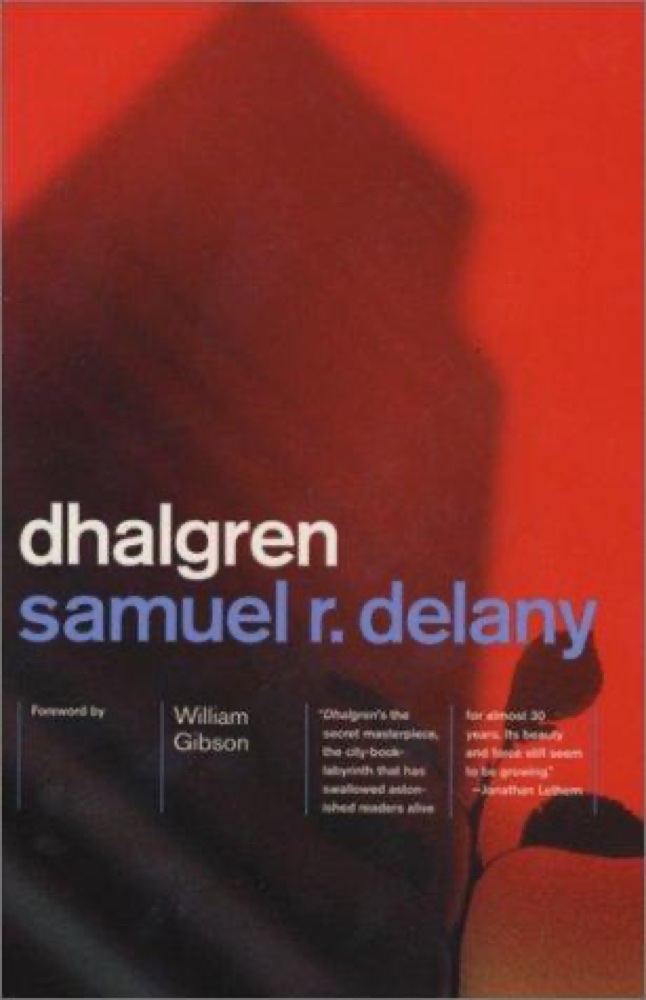 Dhalgren
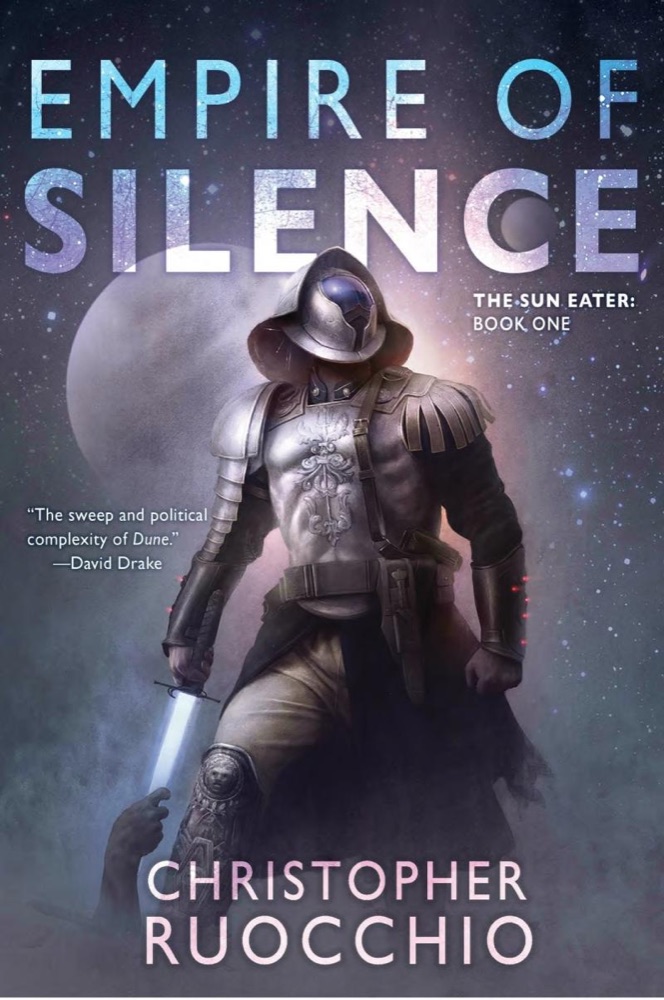 Empire of Silence
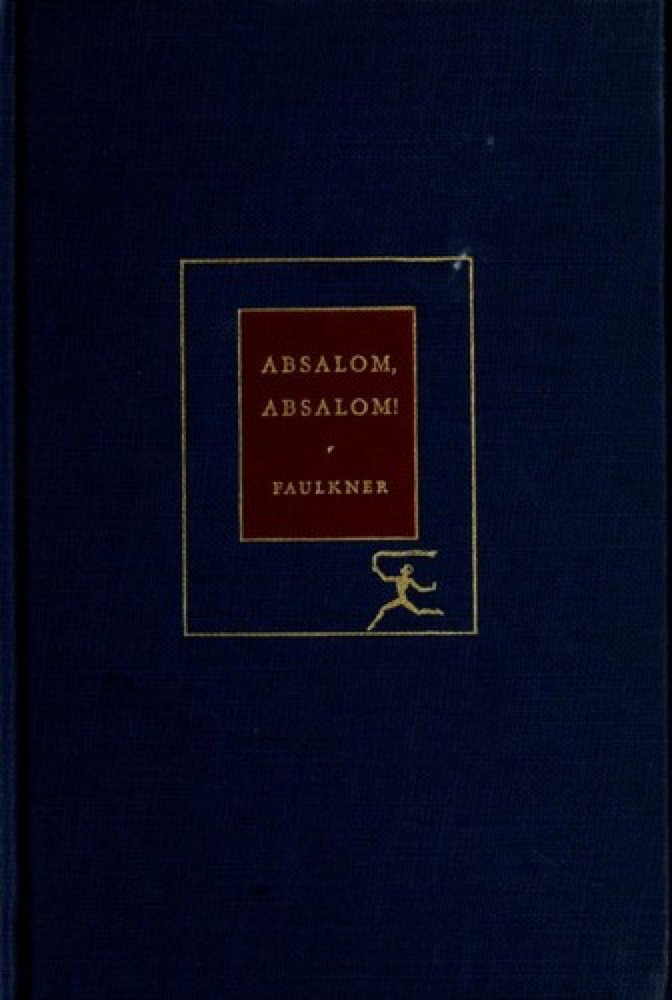 Absalom, Absalom!
 Another Roadside Attraction
 TransAtlantic