
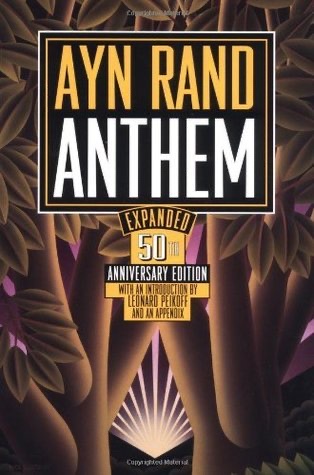
 Anthem
Quotes from the Book
The pursuit of truth is not important. The pursuit of that truth is important which helps you in reaching your goal that is provided you have one.
9
Love is a response to values. It is with a person’s sense of life that one falls in love—with that essential sum, that fundamental stand or way of facing existence, which is the essence of a personality.
8
One falls in love with the embodiment of the values that formed a person’s character, which are reflected in his widest goals or smallest gestures, which create the style of his soul—the individual style of a unique, unrepeatable, irreplaceable consciousness.
6
There are two aspects of man’s existence which are the special province and expression of his sense of life: love and art.
6
Hence the sterile, uninspiring futility of a great many theoretical discussions of ethics, and the resentment which many people feel towards such discussions: moral principles remain in their minds as floating abstractions, offering them a goal they cannot grasp and demanding that they reshape their souls in its image, thus leaving them with a burden of undefinable moral guilt.
6
It [ballet] is a perfect medium for the expression of spiritual love.
5
The basic purpose of art is not to teach, but to show—to hold up to man a concretized image of his nature and his place in the universe.
5
The writer who develops a beautiful style, but has nothing to say, represents a kind of arrested esthetic development; he is like a pianist who acquires a brilliant technique by playing finger-exercises, but never gives a concert.
4
As a re-creation of reality, a work of art has to be representational; its freedom of stylization is limited by the requirement of intelligibility; if it does not present an intelligible subject, it ceases to be art.
4
The integrated sum of a man’s basic values is his sense of life.
3
Romanticism demands mastery of the primary element of fiction: the art of storytelling—which requires three cardinal qualities: ingenuity, imagination, a sense of drama.
3
The position of an art in the scale of human knowledge is, perhaps, the most eloquent symptom of the gulf between man's progress in the physical sciences and his stagnation (or, today, his retrogression) in the humanities.
3
The novelist must discover the potential, the gold mine, of man’s soul, must extract the gold and then fashion as magnificent a crown as his ability and vision permit.
2
The course of mankind's progress is not a straight, automatic line, but a tortuous struggle, with long detours or relapses into the stagnant night of the irrational. Mankind moves forward by the grace of those human bridges who are able to grasp and transmit, across years or centuries, the achievements men had reached--and to carry them further. Thomas Aquinas is one illustrious example: he was the bridge between Aristotle and the Renaissance, spanning the infamous detour of the Dark and Middle Ages.
2
A gracefully effortless floating, flowing and flying are the essentials of the ballet’s image of man.
2
The key concept, in the formation of a sense of life, is the term ‘important’. It is a concept that belongs to the realm of values since it implies an answer to the question: Important – to whom?... It is only those values which he regards or grows to regard as ‘important,’ those which represent his implicit view of reality that remain in a man’s subconscious and form his sense of life.
1
The dance is the silent partner of music and participates in a division of labor: music presents a stylized version of man’s consciousness in action—the dance presents a stylized version of man’s body in action.
1
A cardinal principle of good fiction [is]: the theme and the plot of a novel must be integrated—as thoroughly integrated as mind and body or thought and action in a rational view of man.
1
In art, and in literature, the end and the means, or the subject and the style, must be worthy of each other. That which is not worth contemplating in life, is not worth re-creating in art.
1
Many errors and tragic disillusionments are possible in this process of emotional recognition, since a sense of life, by itself, is not a reliable cognitive guide. And if there are degrees of evil, then one of the most evil consequences of mysticism—in terms of human suffering—is the belief that love is a matter of “the heart,” not the mind, that love is an emotion independent of reason, that love is blind and impervious to the power of philosophy.
1
Philosophically, Romanticism is a crusade to glorify man’s existence; psychologically, it is experienced simply as the desire to make life interesting.
1
The Romanticists did not present a hero as a statistical average, but as an abstraction of man’s best and highest potentiality, applicable to and achievable by all men, in various degrees, according to their individual choices.
1
As to the role of emotions in art and the subconscious mechanism that serves as the integrating factor both in artistic creation and in man’s response to art, they involve a psychological phenomenon which we call a sense of life. A sense of life is a pre-conceptual equivalent of metaphysics, an emotional, subconsciously integrated appraisal of man and of existence.
1
Just as man’s physical survival depends on his own effort, so does his psychological survival. Man faces two corollary, interdependent fields of action in which a constant exercise of choice and a constant creative process are demanded of him: the world around him and his own soul (by “soul,” I mean his consciousness). Just as he has to produce the material values he needs to sustain his life, so he has to acquire the values of character that enable him to sustain it and that make his life worth living. He is born without the knowledge of either. He has to discover both—and translate them into reality—and survive by shaping the world and himself in the image of his values.
To a Romanticist, a background is a background, not a theme. His vision is always focused on man—on the fundamentals of man’s nature, on those problems and those aspects of his character which apply to any age and any country. The theme of Ninety-Three—which is played in brilliantly unexpected variations in all the key incidents of the story, and which is the motive power of all the characters and events, integrating them into an inevitable progression toward a magnificent climax—is: man’s loyalty to values.
so by way of providing an intellectual first-aid kit, I would suggest the following: Do not look for familiar landmarks-you won't find them; you are not entering the backyard of your neighbors, but a universe you did not know existed. Do not look for familiar faces - you are about to meet a race of giants, who might have and ought to have been your neighbors. Do not say that these giants are "unreal" because you have never seen them before - check your eyesight, not Hugo's, and your premises, not his; it was not his purpose to show you what you had seen a thousand times before. Do not say the actions of these giants are "impossible" because they are heroic, noble, intelligent, beautiful - remember that the cowardly, the depraved, the mindless, the ugly are not all that is possible to man. Do not say that this glowing new universe is an "escape" - you will witness harder, more demanding, more tragic battles than any you have seen on poolroom street corners; Do not say that "life is not like that" - ask yourself WHOSE life?
A sense of life is a pre-conceptual equivalent of metaphysics, an emotional, subconsciously integrated appraisal of man and of existence. It sets the nature of a man’s emotional responses and the essence of his character… a sense of life always retains a profoundly personal quality; it reflects a man’s deepest values; it is experience by him as a sense of his own identity.
As a child, I saw a glimpse of the pre-World War I world, the last afterglow of the most radiant cultural atmosphere in human history (achieved not by Russian, but by Western culture)… Such was the level of the public’s intellectual concerns and standards. If one has glimpsed that kind of art— and wider: the possibility of that kind of culture— one is unable to be satisfied with anything less... Its art projected an overwhelming sense of intellectual freedom, of depth, i.e., concern with fundamental problems, of demanding standards, of inexhaustible originality, of unlimited possibilities and, above all, of profound respect for man. The existential atmosphere (which was then being destroyed by Europe’s philosophical trends and political systems) still held a benevolence that would be incredible to the men of today, i.e., a smiling, confident good will of man to man, and of man to life.
Watch on YouTube
About Ayn Rand
We have collected 218 quotes from 8 books by Ayn Rand on BookQuoters.
More about the author →More by Ayn Rand
All books by Ayn Rand →
About the book
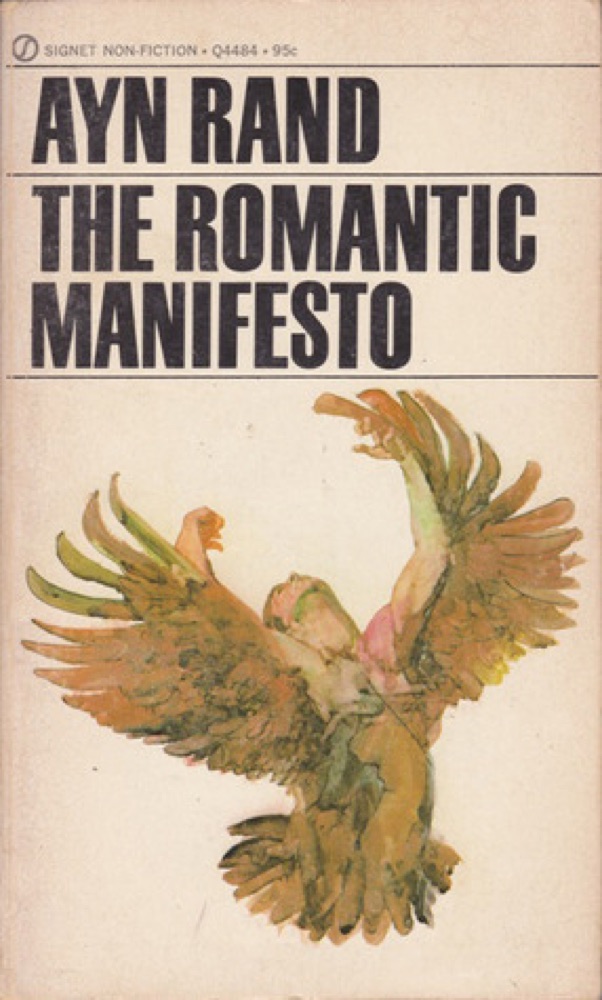
In her ethics Ayn Rand extolled the virtue of selfishness—and in her theory of art she was no less radical. Piercing the fog of mysticism and sentimentality that engulfs art, the essays in The Romantic Manifesto explain why, since time immemorial, man has created and consumed works of art.
Ayn Rand argues that objective standards in art are possible because art is not a subjective luxury, but rather a critical need of human life—not a material need, but a need of man’s rational mind, the faculty on which his material survival depends.
Ayn Rand explains the indispensable function of art in man’s life (ch. 1), the objective source of man’s deeply personal, emotional response to art (ch. 2), and how an artist’s fundamental, often unstated view of man and of the world shapes his creations (ch. 3).
Turning to her own field of artistic creation, Rand elaborates (ch. 5) on her distinct
Book details
- First published
- 1969
- Author
- Ayn Rand
- Genre
- Philosophy
- Goodreads rating
- 3.75 (4k ratings)
Keep reading
 Irrational Man: A Study in Existential Philosophy
 What Is Art?
 Sculpting in Time
 The Art of the Novel
 The World as Will and Representation, Vol 1
 The Courage to Create
 Modern Man in Search of a Soul
 The Birth of Tragedy
 On Truth and Lies in a Nonmoral Sense
 The Will to Power
 A Philosophical Enquiry into the Origin of Our Ideas of the Sublime and Beautiful
 Art as Therapy
 The Human Condition
 The Myth of Sisyphus and Other Essays
 The Ethics of Ambiguity
 Truth and Method
 Aspects of the Novel
 Care of the Soul: A Guide for Cultivating Depth and Sacredness in Everyday Life
 The Secret Teachings of All Ages
 The Essential Writings of Ralph Waldo Emerson
 Beauty
 The Occult
 The Varieties of Religious Experience
 On the Suffering of the World
 The Myth of Sisyphus
 Figuring
 Existentialism from Dostoevsky to Sartre
 Death in Venice and Other Tales
 Critique of Judgment
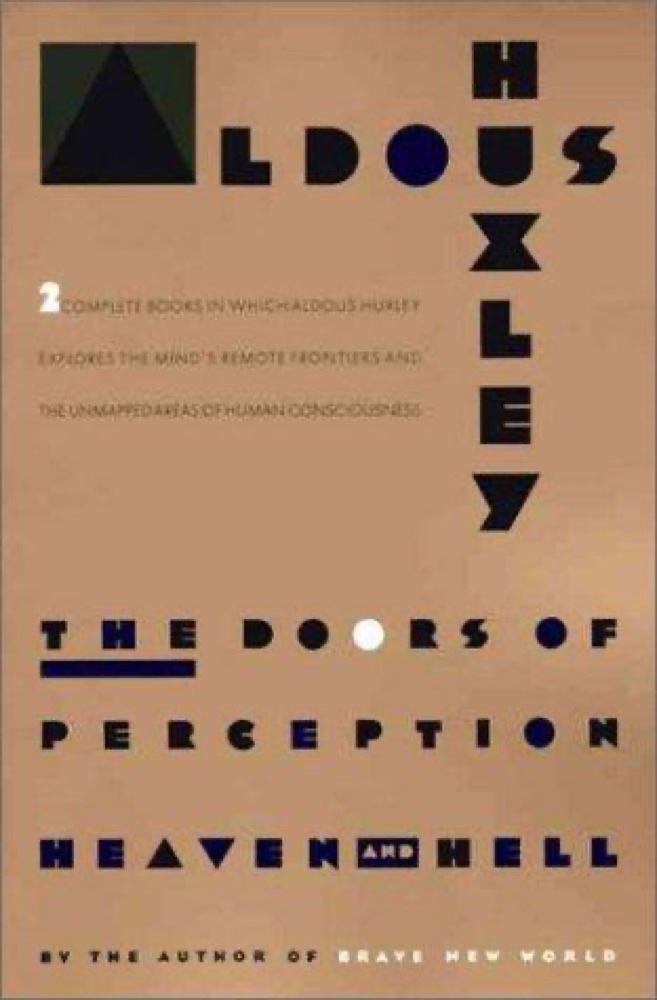 The Doors of Perception & Heaven and Hell
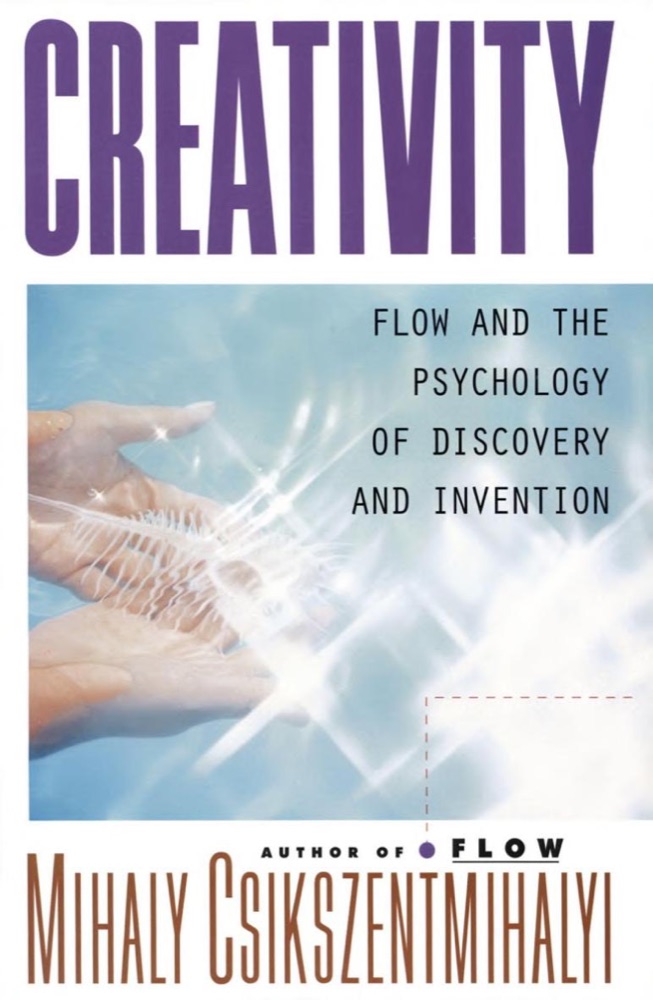 Creativity: Flow and the Psychology of Discovery and Invention
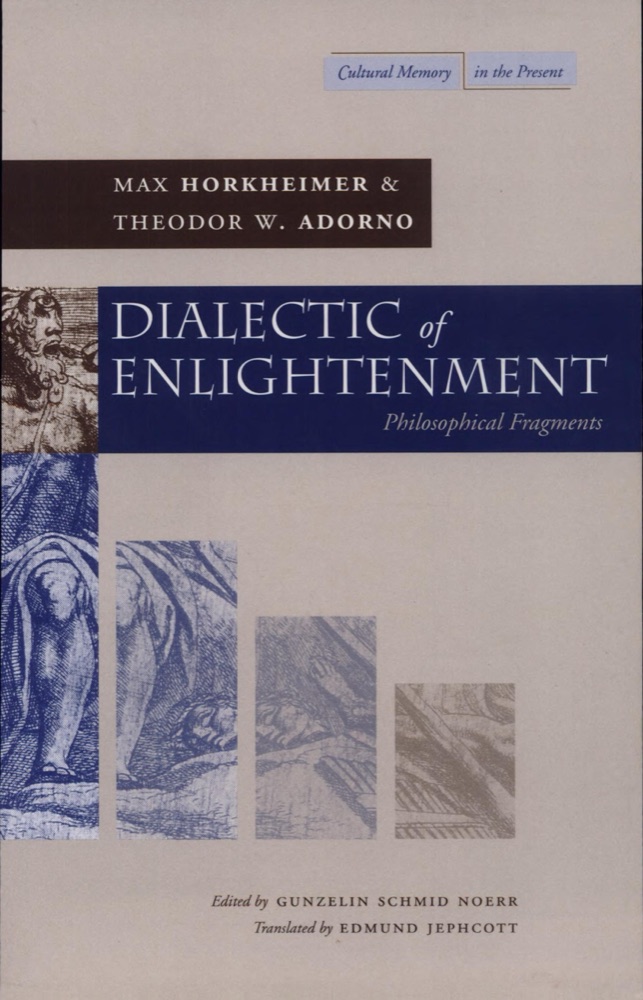 Dialectic of Enlightenment: Philosophical Fragments
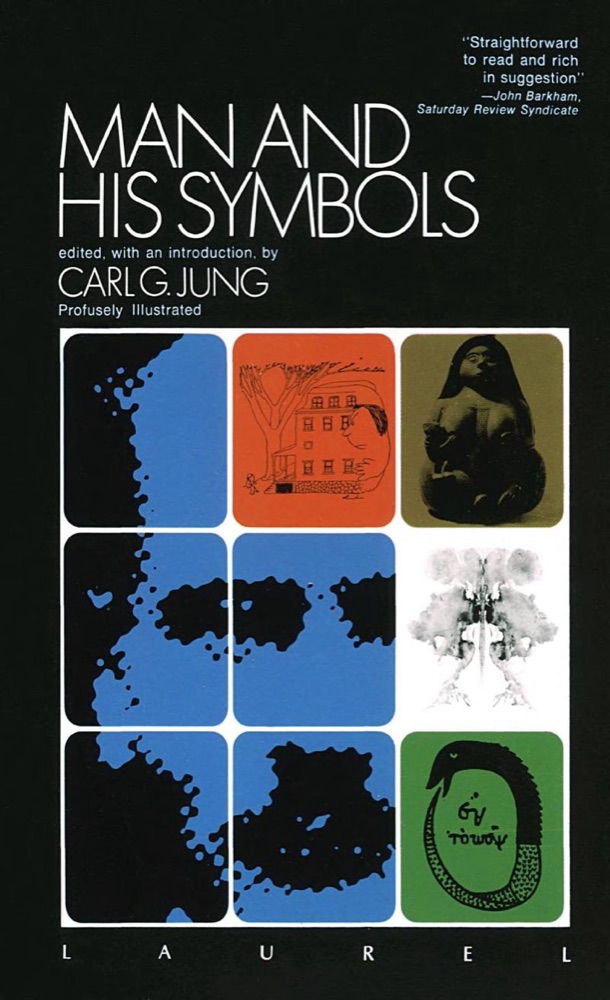 Man and His Symbols
 The Man Without Qualities
 Time Regained
 Love and Will
 In Search of Lost Time
 The Common Reader
 A History of Western Philosophy
 The Rebel: An Essay on Man in Revolt
 The Perennial Philosophy
 The Discovery of India
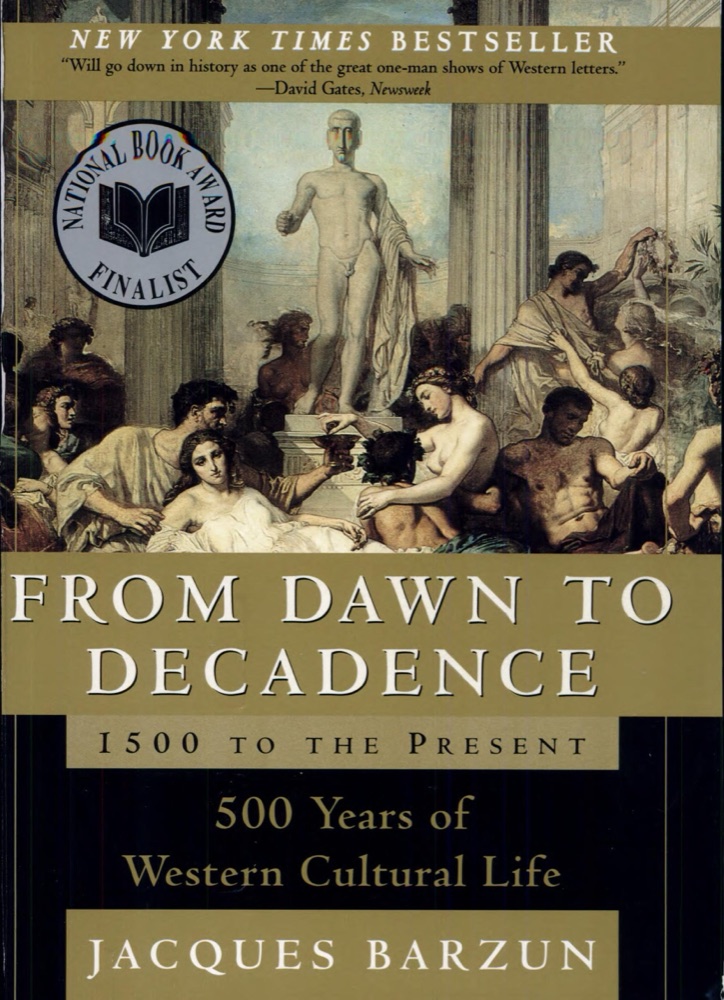 From Dawn to Decadence: 500 Years of Western Cultural Life, 1500 to the Present
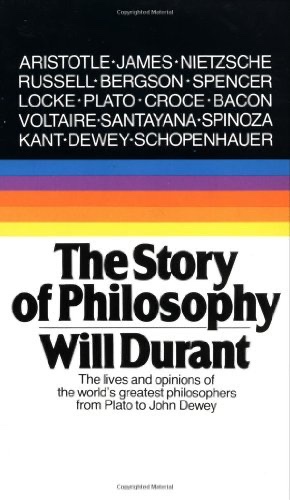 The Story of Philosophy: The Lives and Opinions of the World's Greatest Philosophers
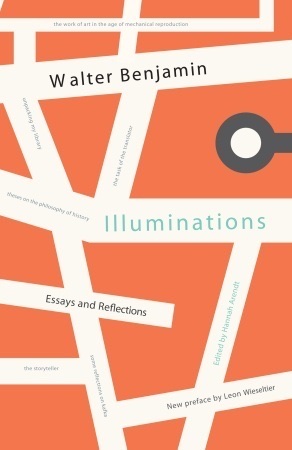 Illuminations: Essays and Reflections
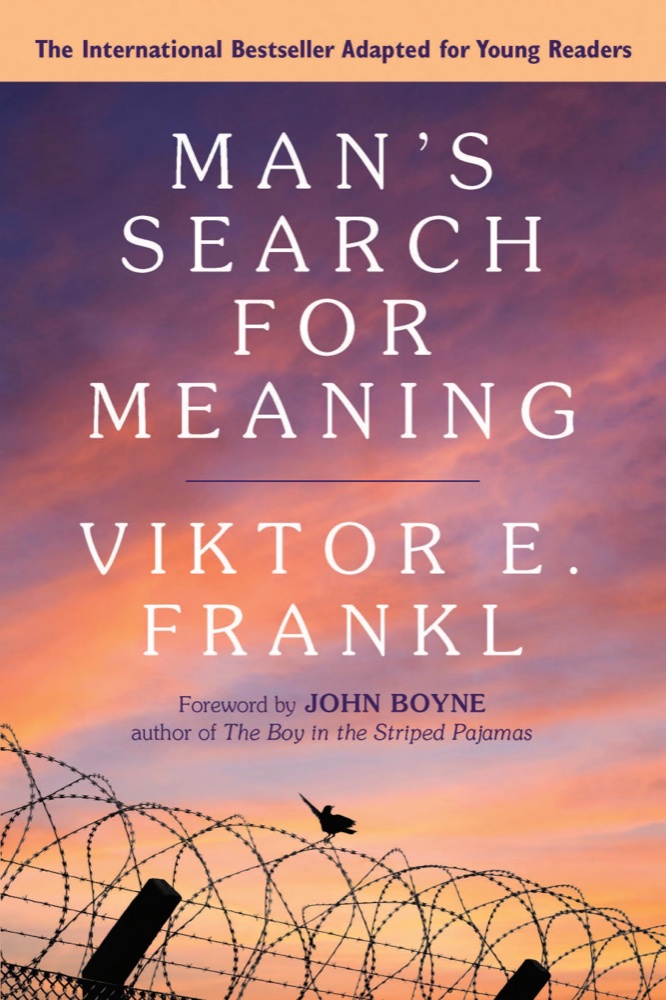 Man's Search for Meaning
 Phenomenology of Perception
 Philosophy: Who Needs It
 The Essays of Ralph Waldo Emerson
 Gravity and Grace
 Ethics
 Last and First Men
 The Wisdom of Life
 The Hero's Journey: Joseph Campbell on His Life & Work
 A Treatise of Human Nature
 Minima Moralia: Reflections on a Damaged Life
 The Intellectual Life: Its Spirit, Conditions, Methods
 How Proust Can Change Your Life
 The Glass Bead Game