 The Great Mistake
Quotes from the Book
Fitzgerald could sense that America was poised on the edge of a vast transformation, and wrote a novel bridging his moment and ours. The Great Gatsby made manifest precisely what Fitzgerald’s contemporaries couldn’t bear to see, and thus it is not only the Jazz Age novel par excellence, but also the harbinger of its decline and fall.
4
Art cannot, perhaps, impose order on life—but it teaches us to admire even the unruliest of revelations.
3
The artist, wrote Joseph Conrad, “speaks to our capacity for delight and wonder, to the sense of mystery surrounding our lives.” That was the art that Scott Fitzgerald would find, reminding us that a mirage may be more marvelous in its way than an oasis in the desert. Gatsby’s great error is his belief in the reality of the mirage; Fitzgerald’s great gift was his belief in the mirage as a mirage. “Splendor,” Fitzgerald came to understand, “was something in the heart.
2
young people no longer “believe in the old standards and authorities, and they’re not intelligent enough, many of them, to put a code of morals and conduct in place of the sanctions that have been destroyed for them.
2
This is a conjuring trick, enabling Fitzgerald to have it both ways. The insufficiency of language becomes, in his hands, not a tragedy of human inarticulacy, but a romance of possibility.
1
Ultimately Fitzgerald chose not to use the word "America" at all in the novel's concluding passage. America remains an emblem -- not quite a metaphor, but a symbol, a figure, the fact as colossal as a continent -- and what it represents is not a specific nation but a human capacity, our capacity for hope, for wonder, for discovery. It represents the corruption of that capacity into a faith in the material world, rather than the ideal one. And it reminds us, too of our careless habit of losing our paradises.
1
Years later Fitzgerald inscribed a copy of Gatsby with what he perceived at the time to be its failings: “Gatsby was never quite real to me. His original served for a good enough exterior until about the middle of the book he grew thin and I began to fill him with my own emotional life. So he’s synthetic—and that’s one of the flaws of the book.
1
America was invented out of a desire for rebirth, for fresh starts. It was the place where a man could be the author of himself, reinventing himself as an aristocrat, but somehow these stories of renaissance kept ending in murder.
1
The difference between old and new money is, after all, purely relative: it just depends on when you start counting.
1
The Volstead Act, prohibiting the production, sale, and transport of “intoxicating liquors,” became law on January 17, 1920. Prohibition didn’t prohibit much, and incited a great deal. By September 1922 it was already obvious that prohibition, known with varying degrees of irony as the Great Experiment, was experimenting mostly with the laws of unintended consequences. Its greatest success was in loosening the nation’s inhibitions with bathtub gin—what they called “synthetic” liquor.
1
They thought Bacchus was presiding over the festivities, until Nemisis appeared - the retributive goddess whom the Romans aptly called Invidia. Nothing would surive but the stories, the tales of a quest for lasting pleasure, which left a trace of beauty: the disarray of falling stars didn't come to naught after all.
The problem with unreliable narrators is that sometimes they tell the truth - it's just difficult to know when.
The Great Gatsby emerges from a world strewn with wreckage and that debris is the novel's material - sullied, but with the hope of something redeemable glinting among the ash heaps.
Drinking was a great leveller, not because it made everyone equally drunk but because it made everyone equally guilty.
In fact, Mott had not been forced to believe anything: the willing lies of fiction depend upon willing believers. Like love, belief is an act of volition.
Art, Eliot wrote, is a guide to perception. It shows us how to look—or where to look—and then leaves us, as Virgil left Dante, to go beyond where the guide can take us.
Desire just cheats you,” laments Anthony Patch in The Beautiful and Damned. “It’s like a sunbeam skipping here and there about a room. It stops and gilds some inconsequential object, and we poor fools try to grasp it—but when we do the sunbeam moves on to something else, and you’ve got the inconsequential part, but the glitter that made you want it is gone.
History resembles a guest list, in that sense, of the invited and the gate-crashers, the people, for whom we have been waiting, and those whose presence takes us unawares. Sometimes the gate-crashers prove to be the life of the party.
Watch on YouTube
About Sarah Churchwell
About the book
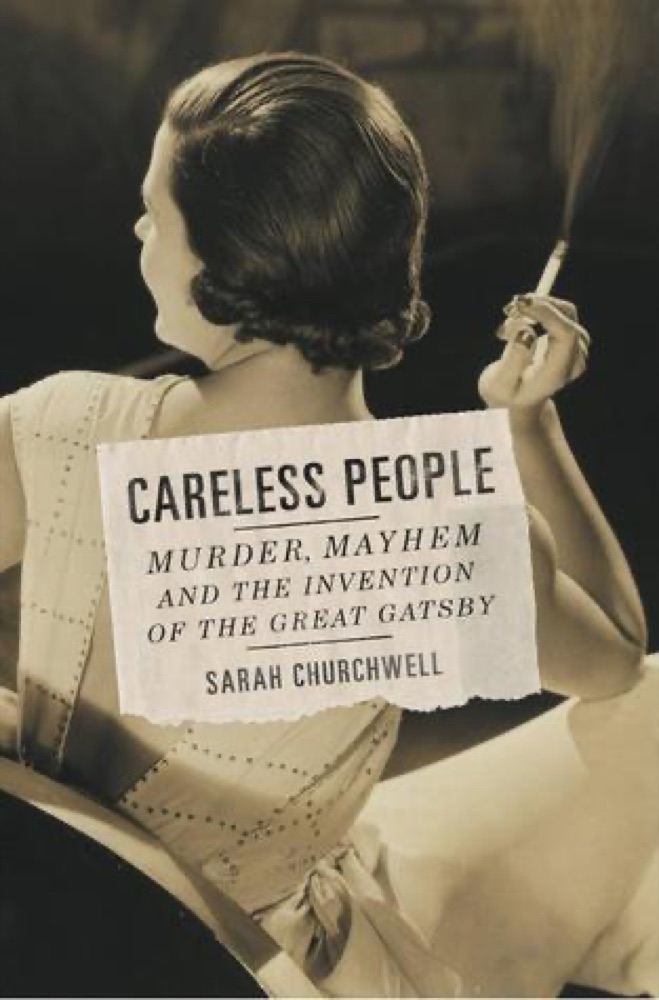
Tracing the genesis of a masterpiece, a Fitzgerald scholar follows the novelist as he begins work on The Great Gatsby. The autumn of 1922 found F. Scott Fitzgerald at the height of his fame, days from turning twenty-six years old, and returning to New York for the publication of his fourth book, Tales of the Jazz Age. A spokesman for America’s carefree younger generation, Fitzgerald found a home in the glamorous and reckless streets of New York. Here, in the final incredible months of 1922, Scott and Zelda Fitzgerald drank and quarreled and partied amid financial scandals, literary milestones, car crashes, and celebrity disgraces. Yet the Fitzgeralds’ triumphant return to New York coincided with another event: the discovery of a brutal double murder in nearby New Jersey, a crime made all the more horrible by the farce of a police investigation—which failed to accomplish anything beyond
Book details
- First published
- 2013
- Author
- Sarah Churchwell
- Genre
- Nonfiction
- Goodreads rating
- 3.63 (2k ratings)
Keep reading
The Great Mistake
 Mystery and Manners: Occasional Prose
 The Golden House
 The Noise of Time
 The Fifth Heart
 The Volcano Lover: A Romance
 Asymmetry
 Aspects of the Novel
 Skinny Legs and All
 Too Like the Lightning
 Flaubert's Parrot
 The Magnificent Ambersons
 Illuminations: Essays and Reflections
 Julian Comstock: A Story of 22nd-Century America
 The Lincoln Highway
 Ragtime
 Two Years Eight Months and Twenty-Eight Nights
 Monday or Tuesday
 The Essays of Ralph Waldo Emerson
 TransAtlantic
 The Fall of Babel
 The Curtain: An Essay in Seven Parts
 In Search of Lost Time
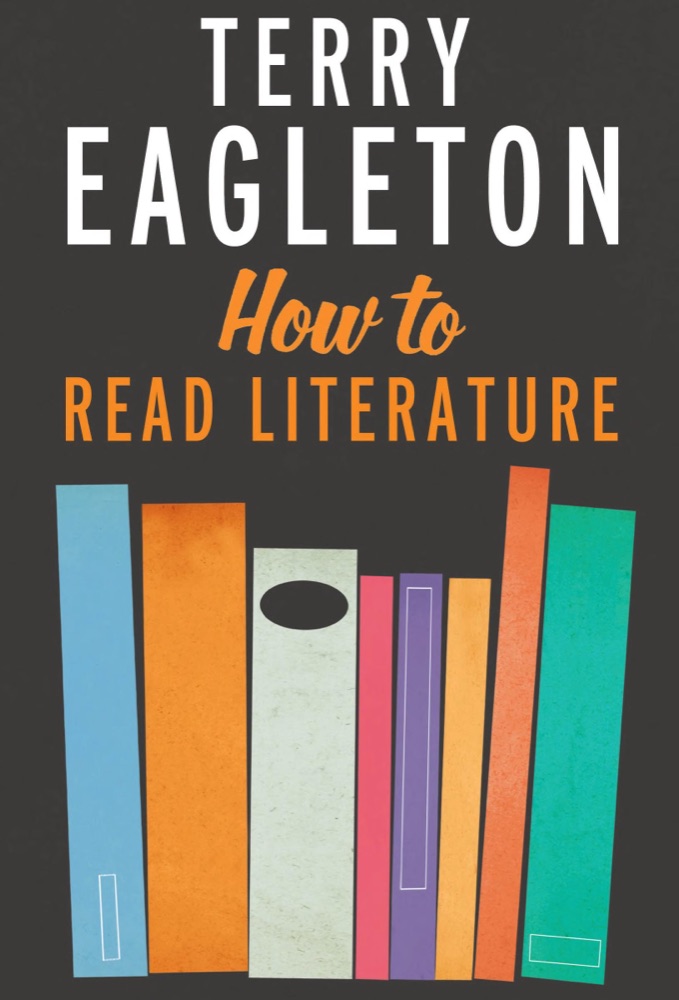 How to Read Literature
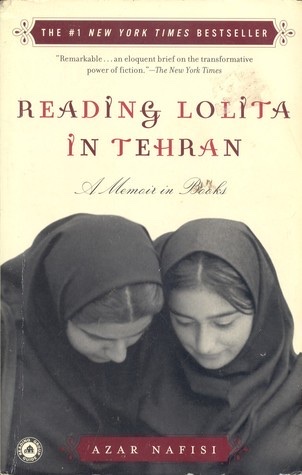 Reading Lolita in Tehran: A Memoir in Books
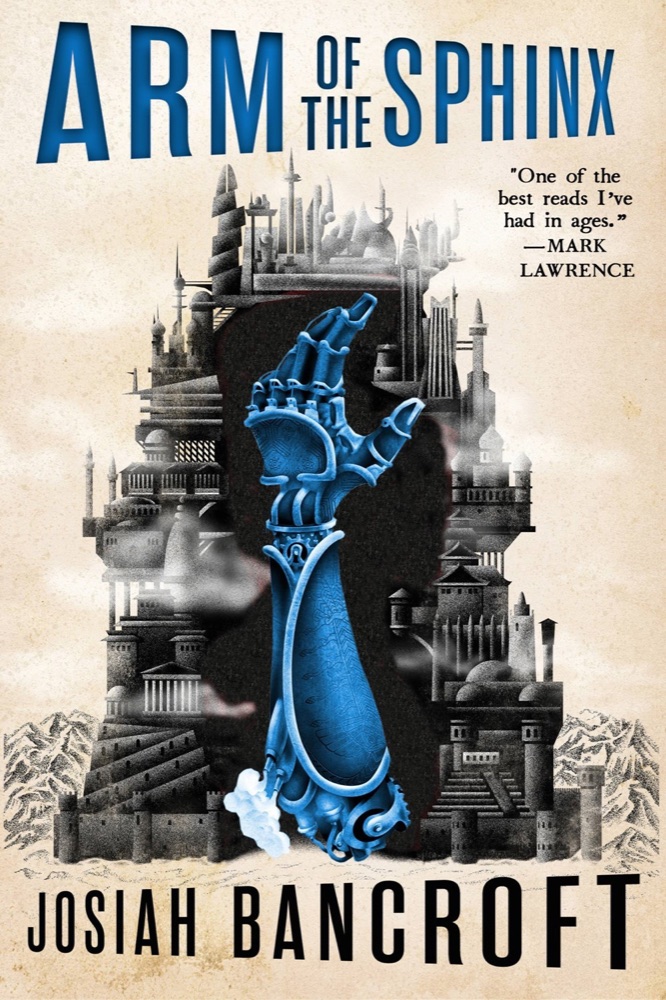 Arm of the Sphinx
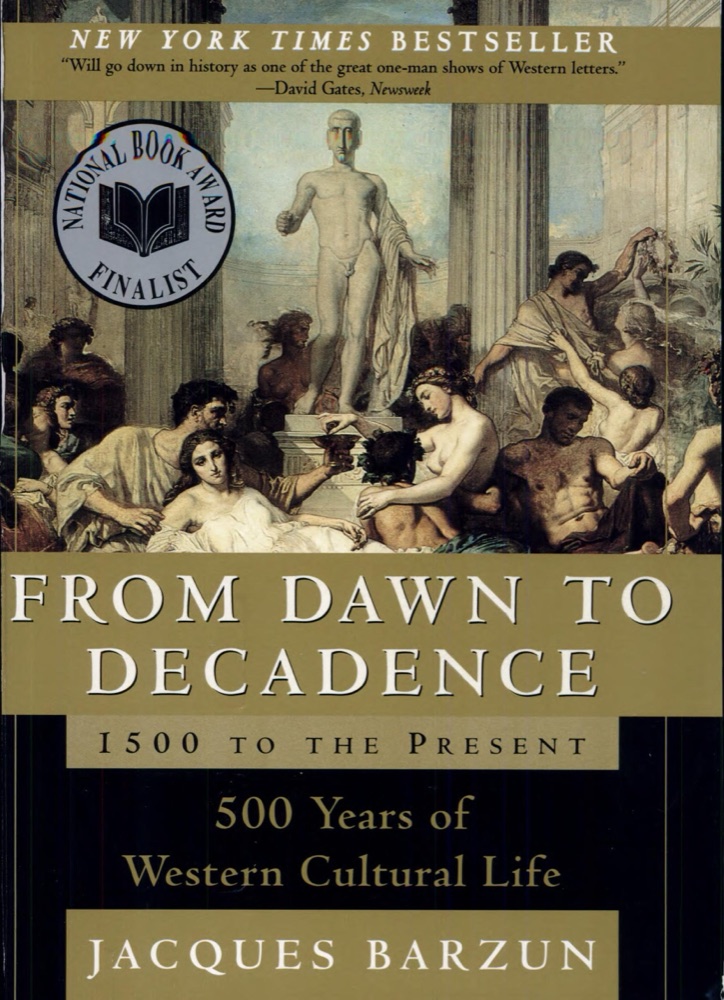 From Dawn to Decadence: 500 Years of Western Cultural Life, 1500 to the Present
 Time Regained
 Death in Venice and Other Tales
 One of Ours
 The Book of Air and Shadows
 The Crack-Up
 Miss Lonelyhearts
 The Discovery of India
 This Is Happiness
 You Can't Go Home Again
 Winter's Tale
 The Devil in the White City: Murder, Magic, and Madness at the Fair That Changed America
 The Rise of Silas Lapham
 V.
V.
 Human, All Too Human
 The Clockmaker's Daughter
 How Proust Can Change Your Life
 The Magic Mountain
 Half Asleep in Frog Pajamas
 The Summer Without Men
 Gnomon
 Villa Incognito
 The Story of the Lost Child
 City of Glass
 The Accursed
 The Eyre Affair
 Complete Works of Oscar Wilde
 Sometimes a Great Notion
 Warlock
 The Recognitions
 Ninety-Three
 Table for Two
 The White Album
 The Art of the Novel