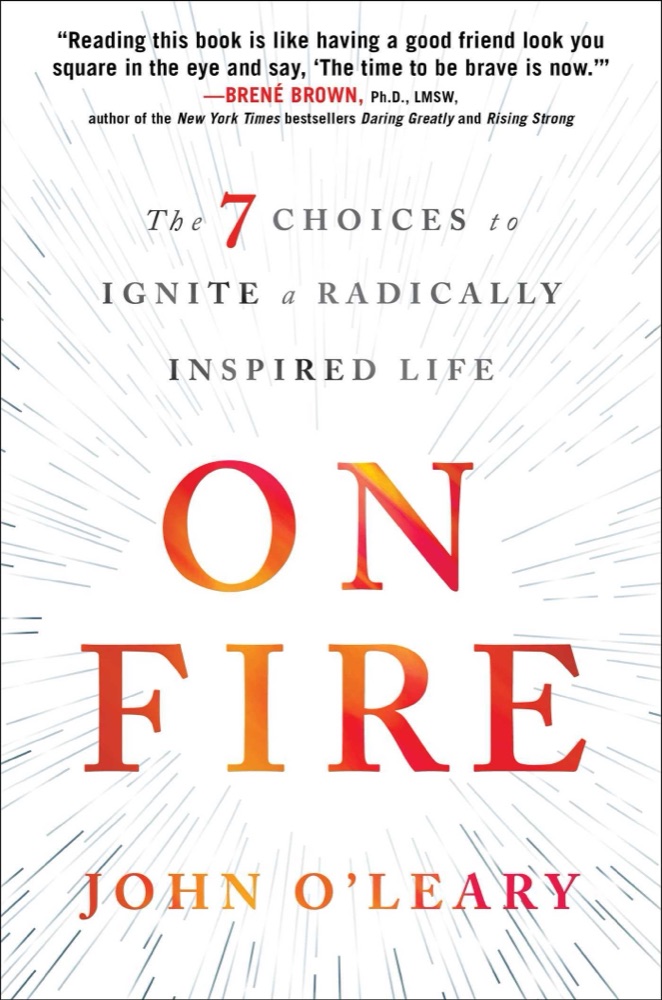
 On Fire: The 7 Choices to Ignite a Radically Inspired Life
Quotes from the Book
Our painful experiences aren’t a liability—they’re a gift. They give us perspective and meaning, an opportunity to find our unique purpose and our strength.
186
Time doesn't heal. It’s what you do with the time. Healing is possible when we choose to take responsibility, when we choose to take risks, and finally, when we choose to release the wound, to let go of the past or the grief.
172
We don’t know where we’re going, we don’t know what’s going to happen, but no one can take away from you what you put in your own mind.
143
To be passive is to let others decide for you. To be aggressive is to decide for others. To be assertive is to decide for yourself. And to trust that there is enough, that you are enough.
105
To forgive is to grieve—for what happened, for what didn’t happen—and to give up the need for a different past.
100
Perfectionism is the belief that something is broken - you. So you dress up your brokenness with degrees, achievements, accolades, pieces of paper, none of which can fix what you think you are fixing.
90
Here you are! In the sacred present. I can’t heal you—or anyone—but I can celebrate your choice to dismantle the prison in your mind, brick by brick. You can’t change what happened, you can’t change what you did or what was done to you. But you can choose how you live now. My precious, you can choose to be free.
66
It’s the first time I see that we have a choice: to pay attention to what we’ve lost or to pay attention to what we still have.
63
When we seek revenge, even non-violent revenge, we are revolving, not evolving.
60
...(S)uffering is universal. But victimhood is optional. There is a difference between victimization and victimhood. We are all likely to victimized in some way in the course of our lives. At some point we will suffer some kind of affliction or calamity or abuse, caused by circumstances or people or institutions over which we have little or no control. This is life. And this is victimization. It comes from outside. It's the neighborhood bully, the boss who rages, the spouse who hits, the lover who cheats, the discriminatory law, the accident that lands you in the hospital. In contrast, victimhood comes from the inside. No one can make you a victim but you. We become victims not because of what happens to us but when we choose to hold on to our victimization. We develop a victim's mind -- a way of thinking and being that is rigid, blaming, pessimistic, stuck in the past, unforgiving, punitive, and without healthy limits or boundaries. We become our own jailors when we choose the confines of the victim's mind.
58
The only place where we can exercise our freedom of choice is in the present.
58
Just remember,” she says, “no one can take away from you what you’ve put in your mind.
55
...By the time I would finish school I'll be fifty? He smiled. "You're going to be fifty anyhow
49
Change is about noticing what’s no longer working and stepping out of the familiar, imprisoning patterns.
48
There is no hierarchy of suffering. There's nothing that makes my pain worse or better than yours.
47
Answer the most important questions at the start of any journey towards freedom: What am I doing now? Is it working? Is it bringing me closer to my goals, or farther away?
39
You can live to avenge the past, or you can live to enrich the present.
37
Survivors don't have time to ask, "Why me?" For survivors, the only relevant question is, "What now?
37
We cannot choose to have a life free of hurt. But we can choose to be free, to escape the past, no matter what befalls us, and to embrace the possible.
32
How easily a life can become a litany of guilt and regret, a song that keeps echoing with the same chorus, with the inability to forgive ourselves. How easily the life we didn’t live becomes the only life we prize. How easily we are seduced by the fantasy that we are in control, that we were ever in control, that the things we could or should have doneor said have the power, if only we had done or said them, to cure pain, to erase suffering, to vanish loss. How easily we can cling to – worship – the choice we think we could or should have made.
29
A good definition of being a victim is when you keep the focus outside yourself, when you look outside yourself for someone to blame for your present circumstances, or to determine your purpose, fate, or worth.
27
The hardest person to forgive is someone I’ve still to confront: myself.
27
When we abdicate taking responsibility for ourselves, we are giving up our ability to create and discover meaning. In other words, we give up on life.
24
the willingness to take absolute responsibility for your life; the willingness to risk; the willingness to release yourself from judgment and reclaim your innocence, accepting and loving yourself for who you really are—human, imperfect, and whole.
24
But over time I learned that I can choose how to respond to the past. I can be miserable, or I can be hopeful—I can be depressed, or I can be happy. We always have that choice, that opportunity for control. I’m here, this is now, I have learned to tell myself, over and over, until the panicky feeling begins to ease.
23
We can’t choose to vanish the dark, but we can choose to kindle the light.
23
Taking risks doesn’t mean throwing ourselves blindly into danger. But it means embracing our fears so that we aren’t imprisoned by them.
22
What are you going to do about it? I believe in the power of positive thinking—but change and freedom also require positive action. Anything we practice, we become better at.
20
In my first weeks at Auschwitz I learn the rules of survival. If you can steal a piece of bread from the guards, you are a hero, but if you steal from an inmate, you are disgraced, you die; competition and domination get you nowhere, cooperation is the name of the game; to survive is to transcend your own needs and commit yourself to someone or something outside yourself.
20
Time doesn’t heal. It’s what you do with the time.
19
Did you know?
- Edith Eger was a trained ballet dancer and gymnast, and at Auschwitz she was forced to dance for the Nazi physician Josef Mengele.
- Her path toward healing was shaped by reading Viktor Frankl's Man's Search for Meaning, and she later struck up a correspondence and friendship with Frankl.
- She received her PhD in clinical psychology from the University of Texas at El Paso in 1978.
- The Choice was published by Scribner on September 5, 2017, and became an international bestseller.
- Archbishop Desmond Tutu praised the book, writing that Eger's life reveals our capacity to transcend even the greatest of horrors.
About Edith Eger
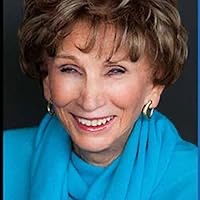
Dr. Edith Eva Eger (born 1927 in Kosice, then Czechoslovakia) was a Holocaust survivor who endured Auschwitz as a teenager and later became a clinical psychologist specializing in the treatment of post-traumatic stress disorder. She earned her PhD from the University of Texas at El Paso and became an internationally known author and speaker on trauma and healing.
More about the author →About the book
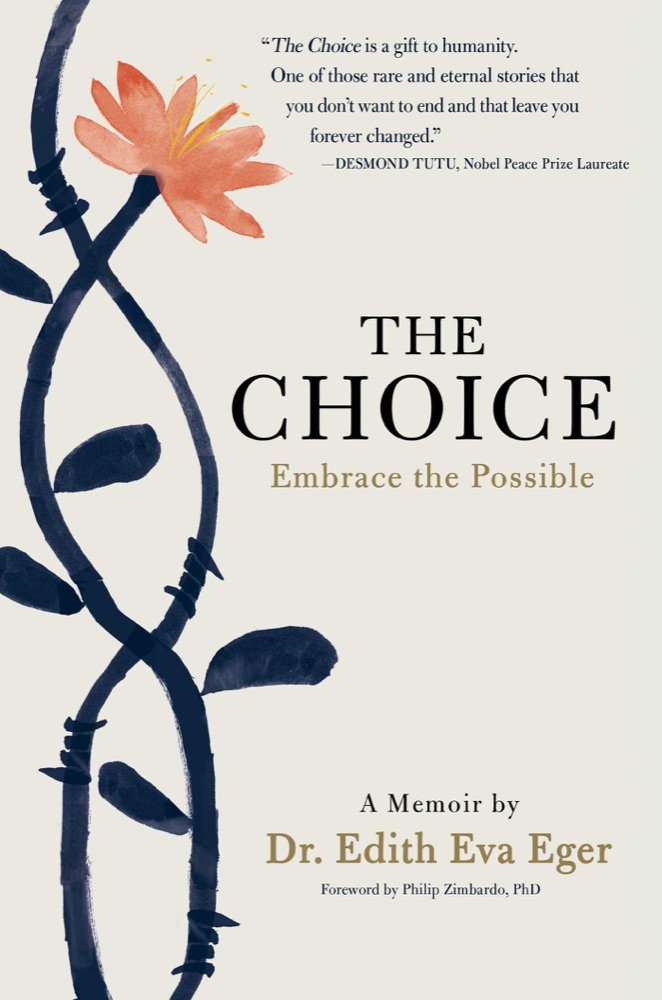
The Choice: Embrace the Possible is a 2017 memoir by Dr. Edith Eva Eger, a Hungarian-born clinical psychologist and Holocaust survivor. The book recounts how, at sixteen, Eger and her Jewish family were deported from their hometown to Auschwitz, where her parents were murdered shortly after arrival. It then follows her survival, liberation, emigration to the United States, and her eventual career as a psychotherapist, weaving her own story together with case studies from the patients she has treated.
Eger's central argument is that while suffering is universal and unavoidable, victimhood is a mindset one can choose to leave behind. Drawing on her friendship with and the influence of Viktor Frankl, she explores trauma, healing, forgiveness, and the freedom that comes from facing rather than fleeing the past. The book functions both as personal testimony and as a practical guide to psychological recovery.
The memoir became an international bestseller and was widely praised, with Kirkus Reviews calling it 'a searing, astute study of intensive healing and self-acceptance.' It drew comparisons to the writings of Anne Frank and Viktor Frankl, and earned an endorsement from Archbishop Desmond Tutu, helping establish Eger as a prominent voice on resilience and trauma.
Book details
- First published
- 2017
- Length
- 304 pages
- Reading time
- 6 hours
- Author
- Edith Eger
- Genre
- Nonfiction
- Goodreads rating
- 4.57 (137k ratings)
Critical reception
- Kirkus Reviews described the memoir as 'a searing, astute study of intensive healing and self-acceptance.'
- The book became an international bestseller after its 2017 publication.
- Reviewers compared Eger's testimony to the works of Anne Frank and Viktor Frankl.
- Nobel Peace Prize laureate Desmond Tutu endorsed the book, praising Eger's capacity for forgiveness and transcendence.
Keep reading
On Fire: The 7 Choices to Ignite a Radically Inspired Life
 Option B: Facing Adversity, Building Resilience, and Finding Joy
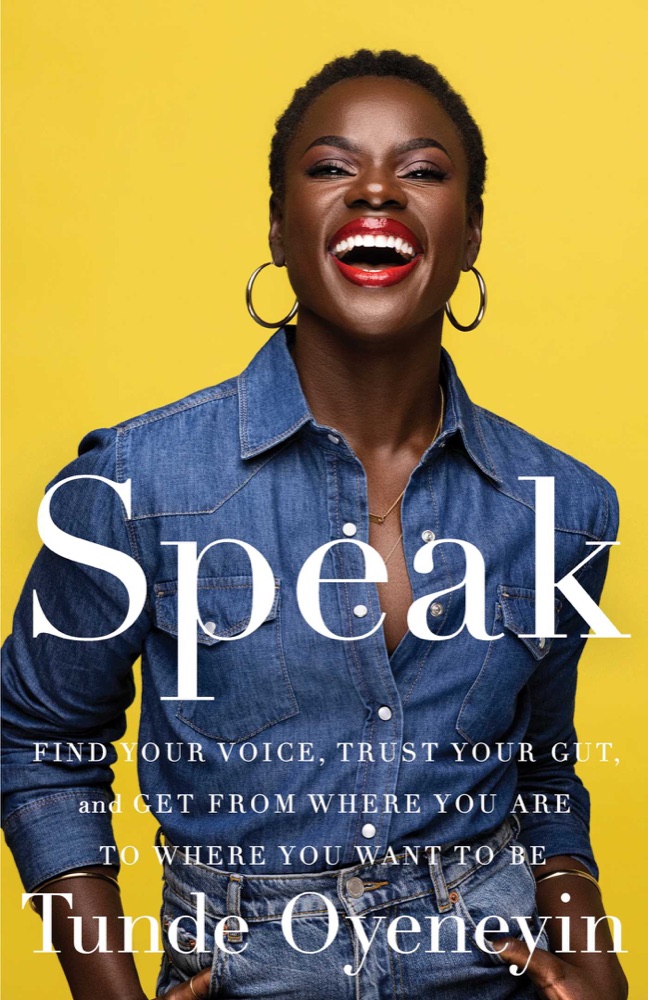 Speak: Find Your Voice, Trust Your Gut, and Get from Where You Are to Where You Want to Be
 Brave Enough
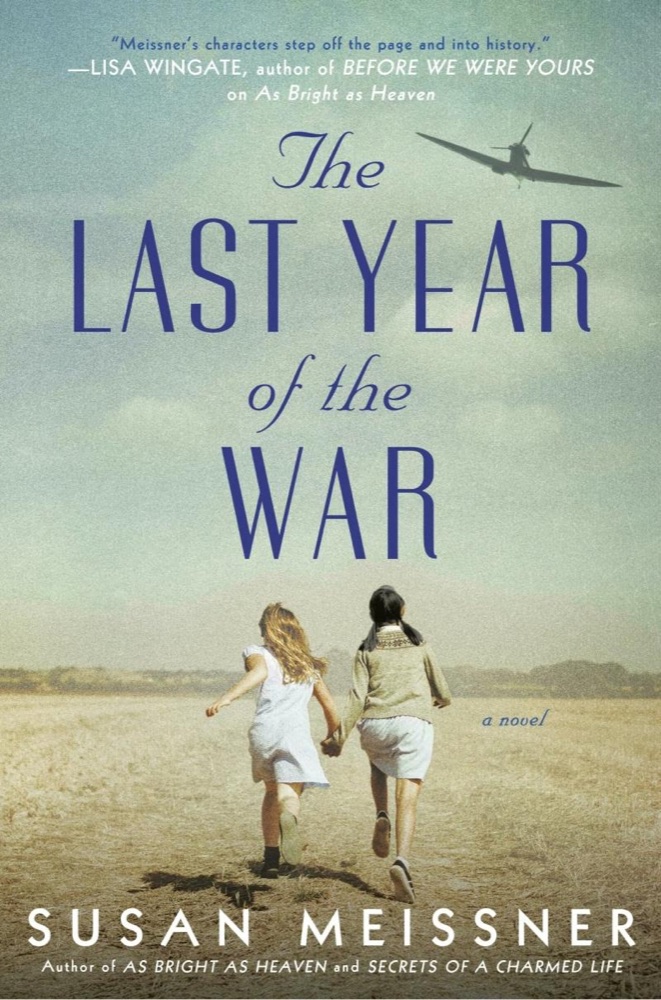 The Last Year of the War
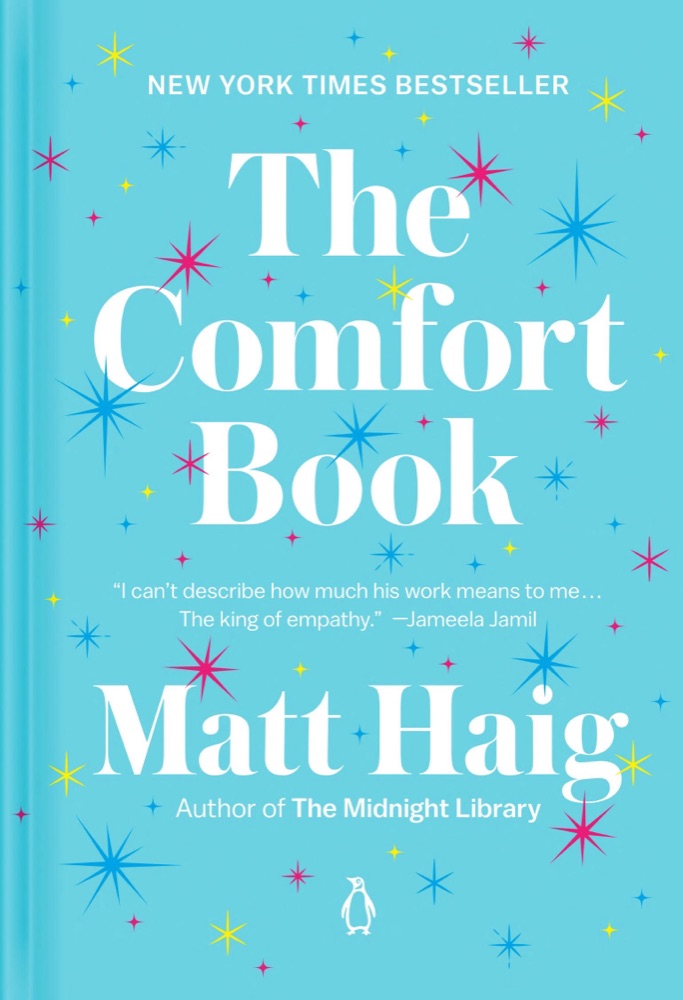 The Comfort Book
 Maybe You Should Talk to Someone: A Therapist, Her Therapist, and Our Lives Revealed
 We Are the Luckiest: The Surprising Magic of a Sober Life
 Greenlights
 It's Not about the Bike: My Journey Back to Life
 Letting Go of the Person You Used to Be: Lessons on Change, Loss, and Spiritual Transformation
 Untamed
 The Zahir
 One
One
 When Things Fall Apart: Heart Advice for Difficult Times
 A Stolen Life
 The Language of Letting Go: Daily Meditations on Codependency
 The Walk
 You Can Heal Your Life
 The Sun Does Shine: How I Found Life and Freedom on Death Row
 Good Dirt
 The Witch of Portobello
 The Book of Awakening: Having the Life You Want by Being Present to the Life You Have
 The Gap of Time
 Loving What Is: Four Questions That Can Change Your Life
 This Is Me Letting You Go
 Girl Wash your Face
 No Cure for Being Human: And Other Truths I Need to Hear
 Like Streams to the Ocean: Notes on Ego, Love, and the Things That Make Us Who We Are
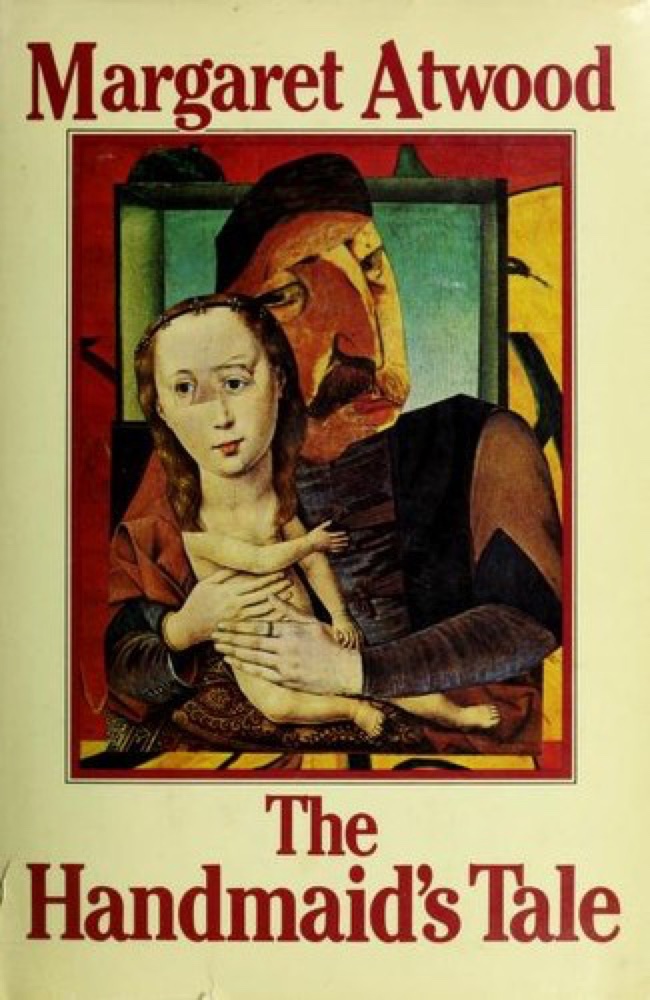 The Handmaid's Tale
 The Last Flight
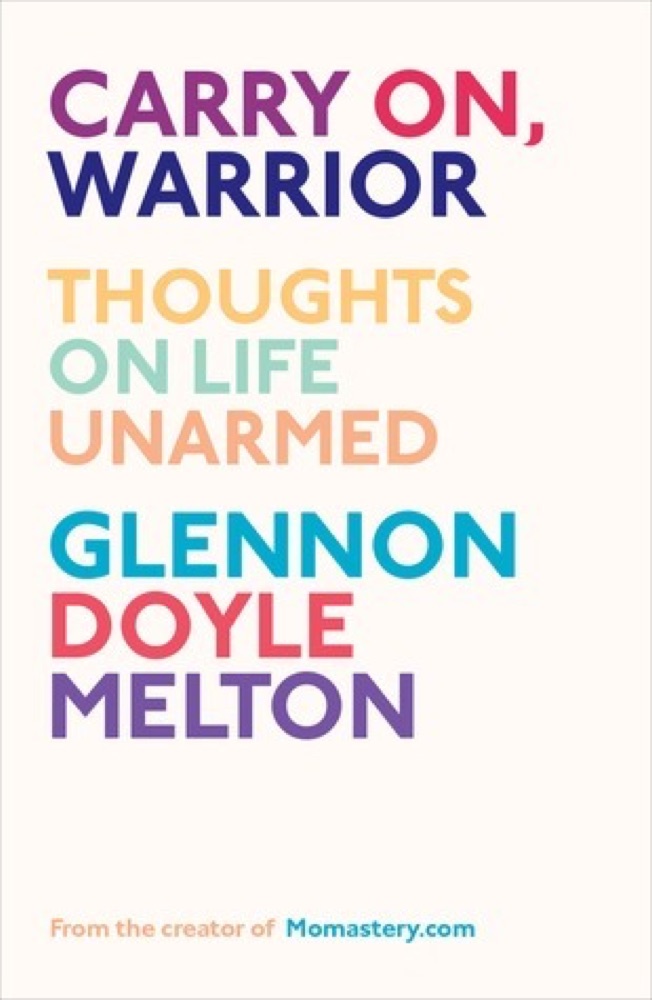 Carry On, Warrior: Thoughts on Life Unarmed
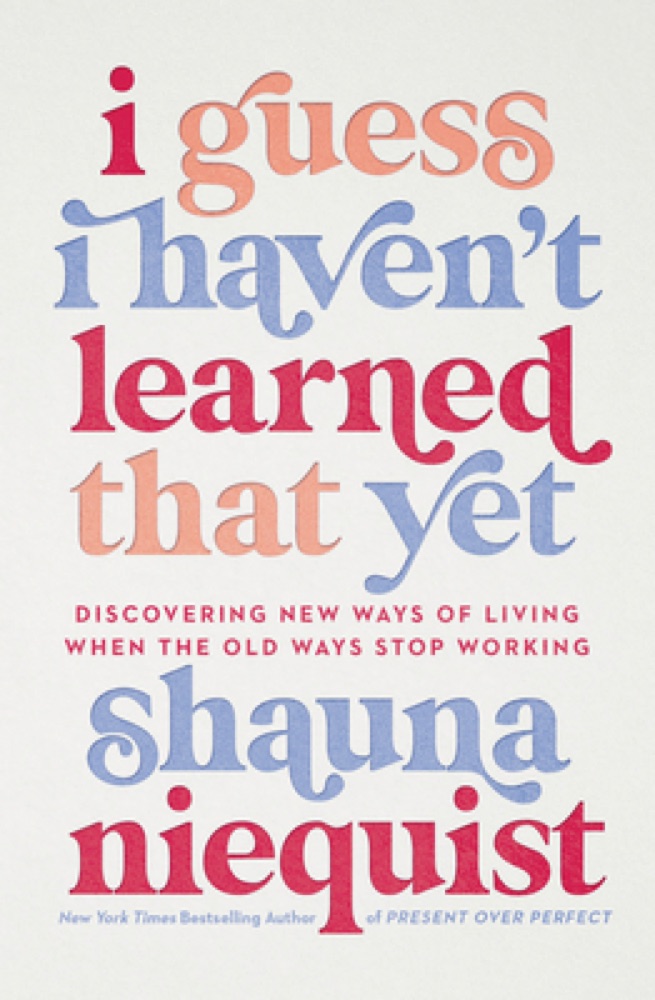 I Guess I Haven't Learned That Yet: Discovering New Ways of Living When the Old Ways Stop Working
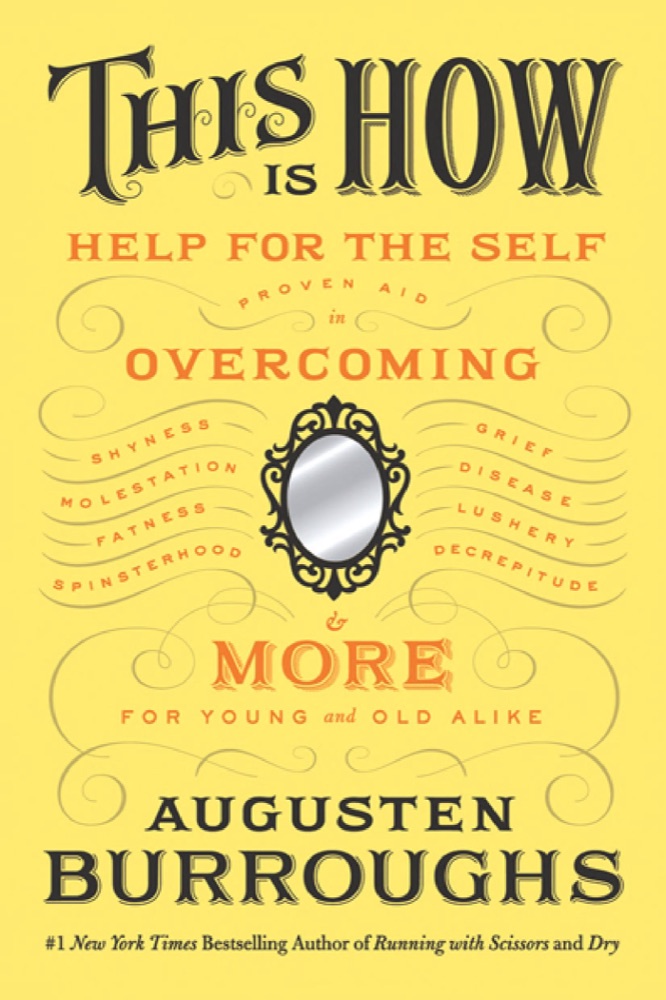 This Is How: Proven Aid in Overcoming Shyness, Molestation, Fatness, Spinsterhood, Grief, Disease, Lushery, Decrepitude & More. For Young and Old Alike.
 Varina
 Tell Me What You Did
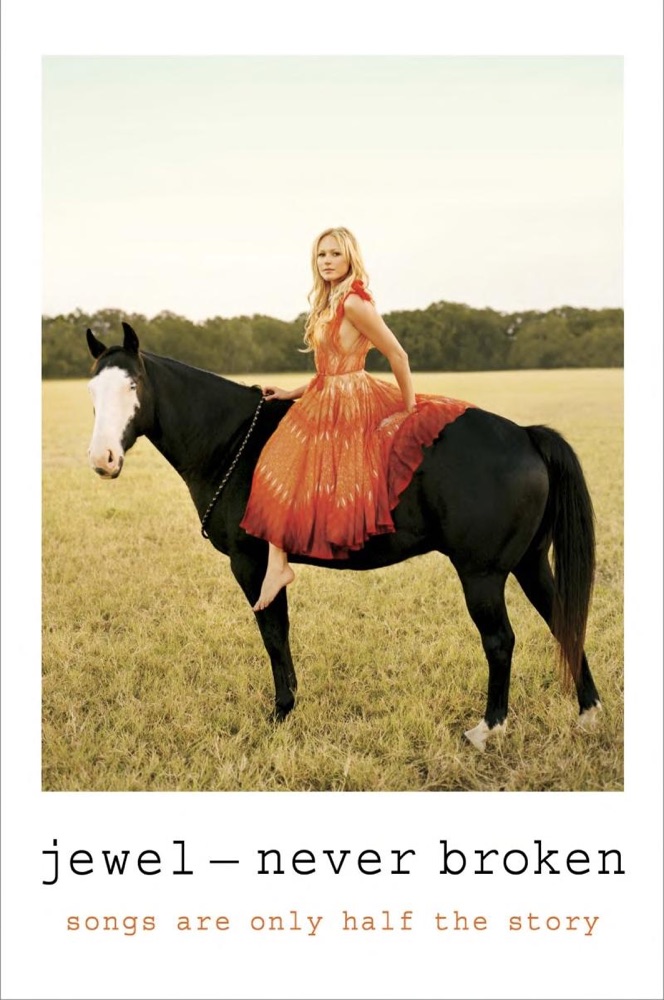 Never Broken: Songs Are Only Half the Story
 God Never Blinks: 50 Lessons for Life's Little Detours
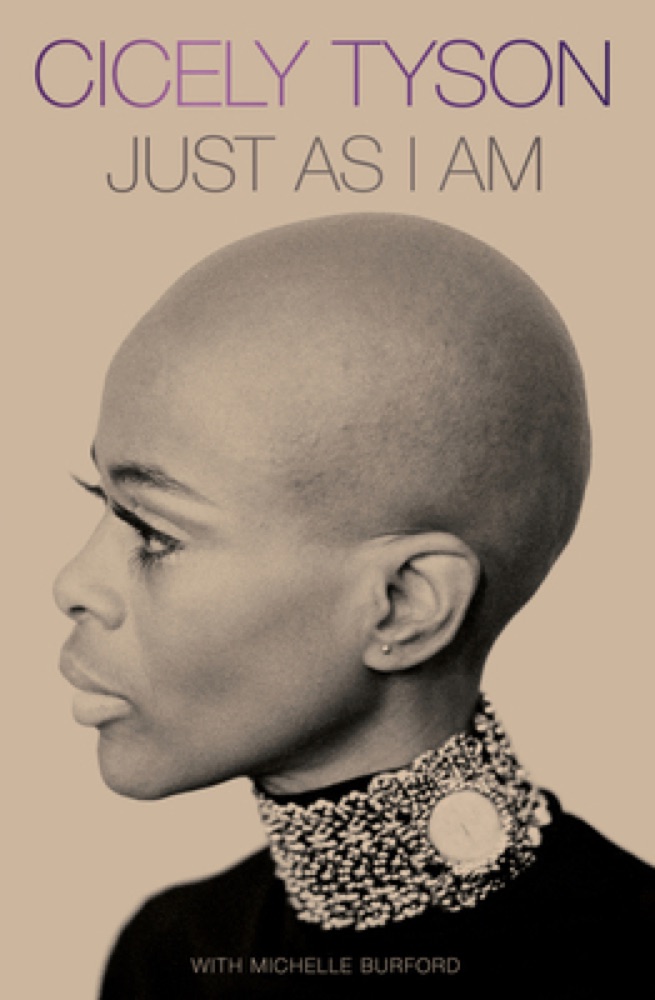 Just as I Am
 The Girl and the Goddess: Stories and Poems of Divine Wisdom
 One Italian Summer
 Wishtress
 The Four Agreements: A Practical Guide to Personal Freedom
 Consequences
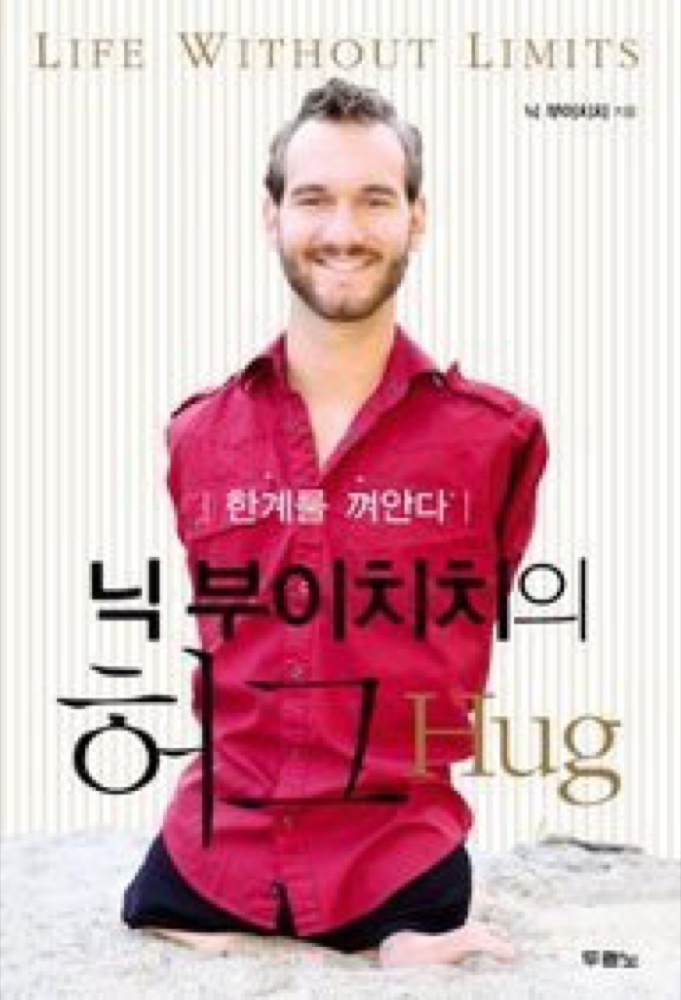 Life Without Limits
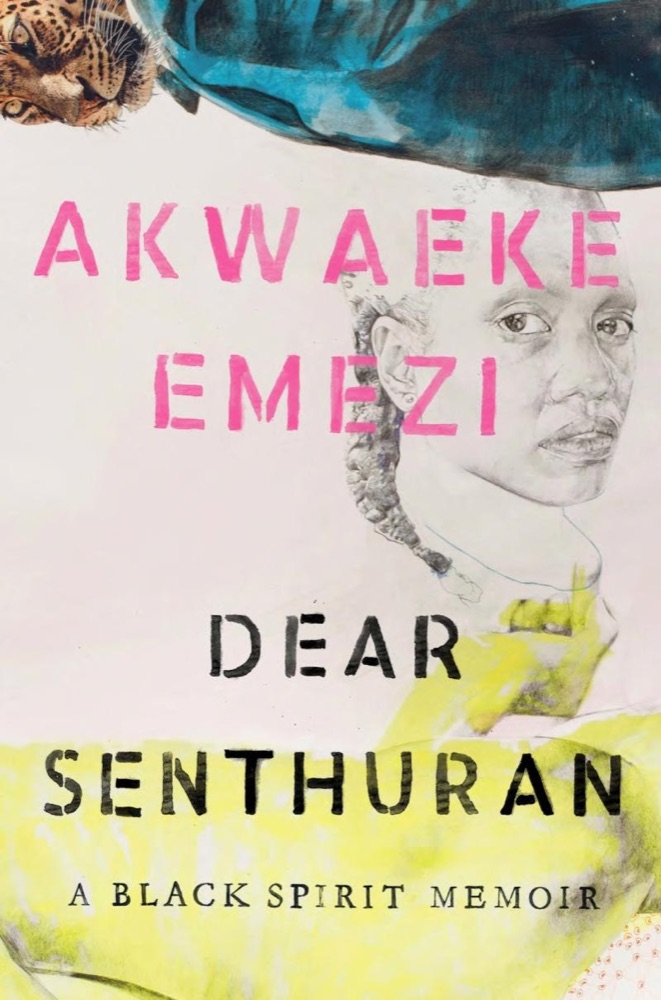 Dear Senthuran: A Black Spirit Memoir
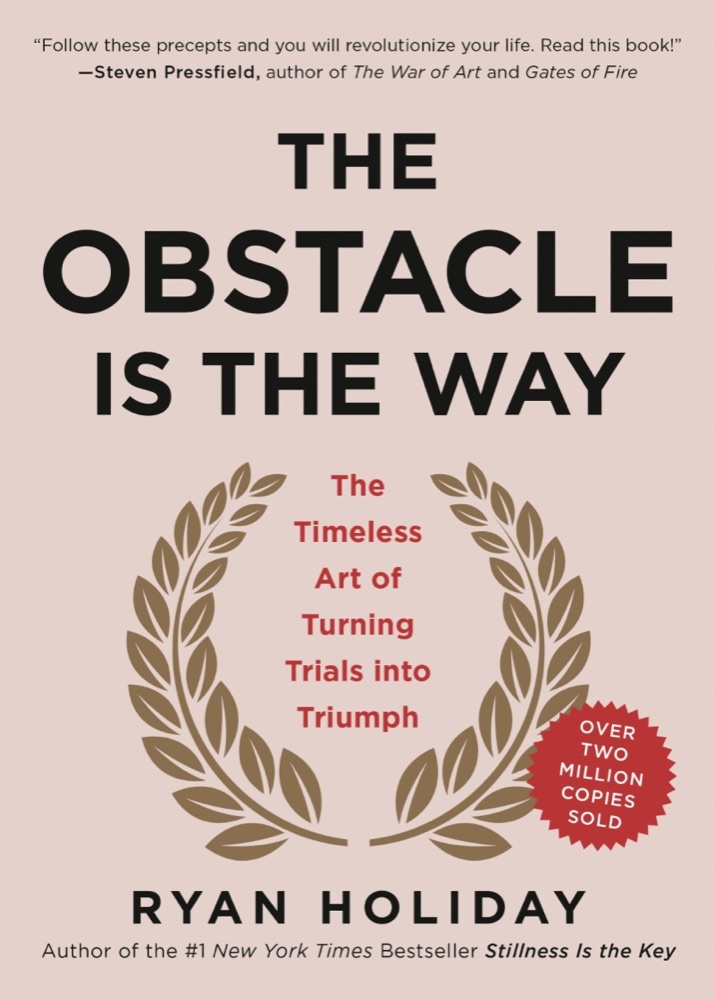 The Obstacle Is the Way: The Timeless Art of Turning Trials into Triumph
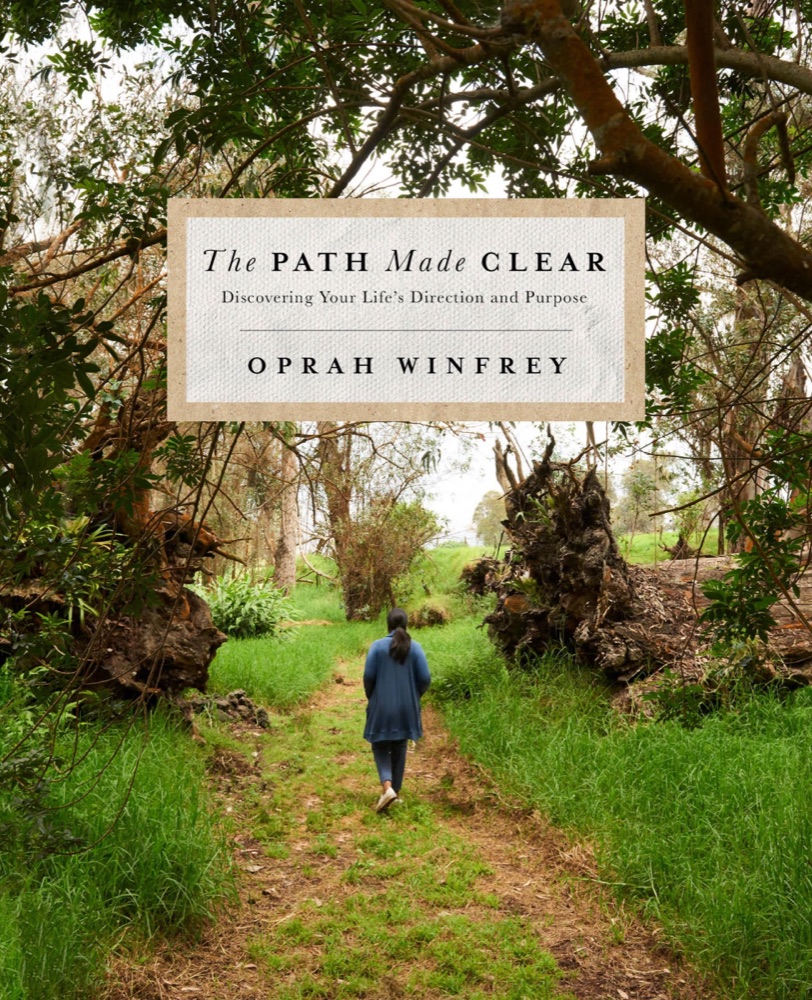 The Path Made Clear: Discovering Your Life's Direction and Purpose
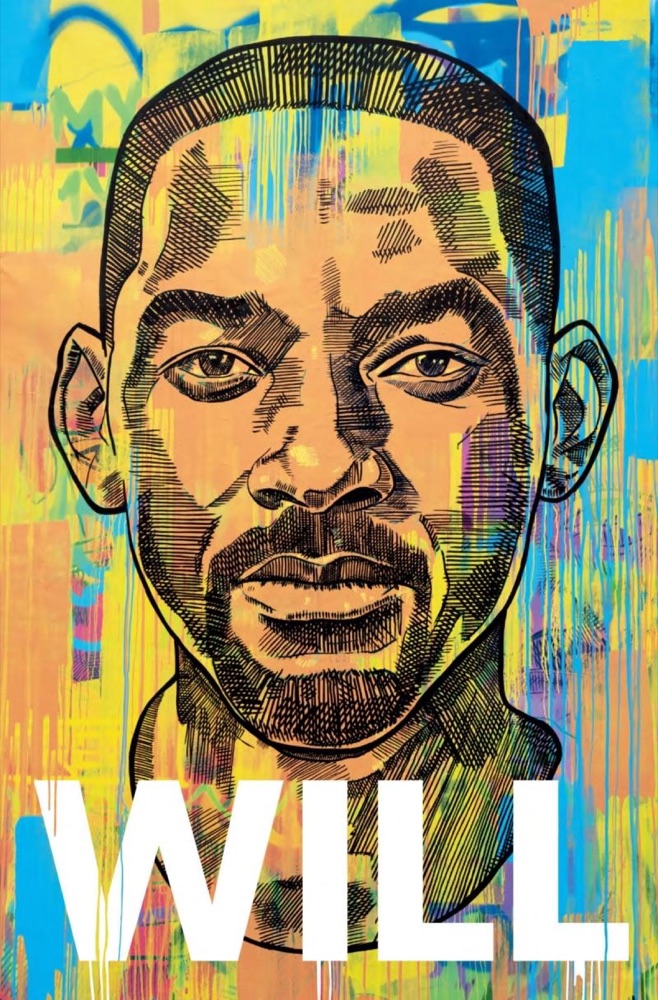 Will
Will
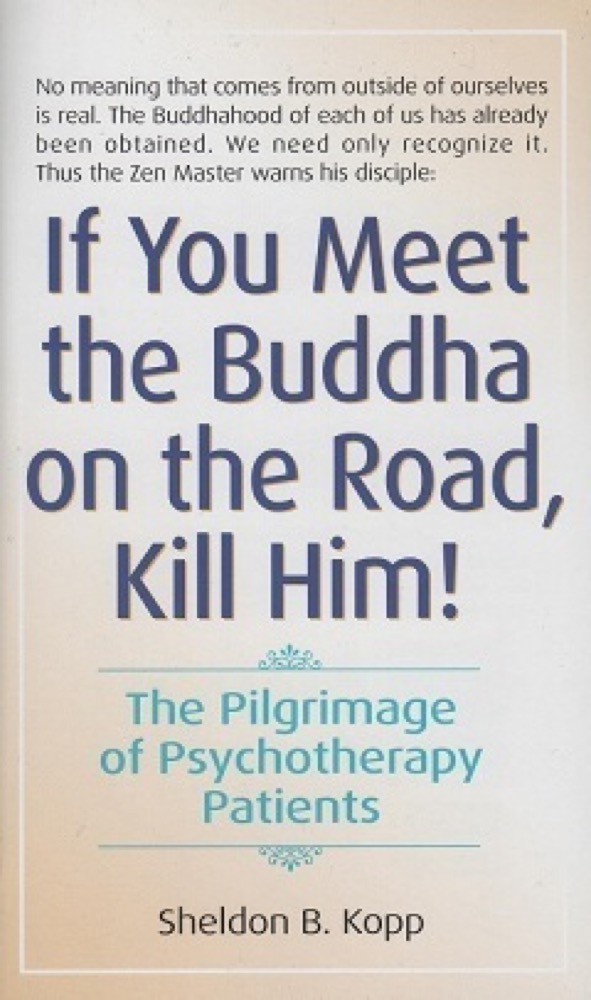 If You Meet the Buddha on the Road, Kill Him! The Pilgrimage of Psychotherapy Patients
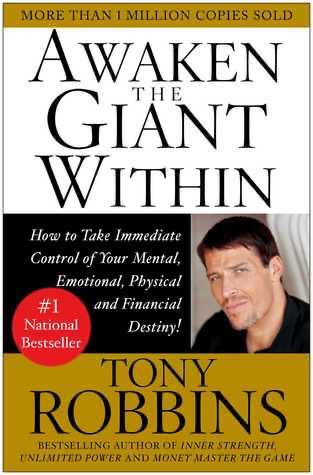 Awaken The Giant Within
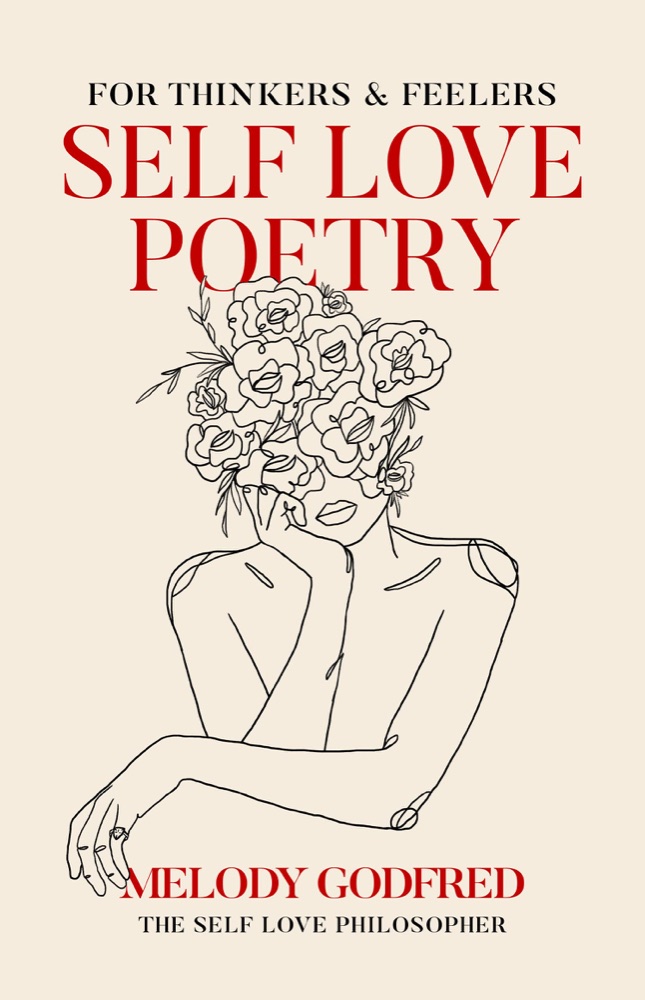 Self Love Poetry: For Thinkers & Feelers
 We Can Do Hard Things: Answers to Life's 20 Questions
 Rising Strong
 How to Be Here: A Guide to Creating a Life Worth Living
 These Silent Woods
 On Being Human: A Memoir of Waking Up, Living Real, and Listening Hard
 Why Be Happy When You Could Be Normal?