
 The Resurrection of the Son of God
Quotes from the Book
Don’t misunderstand me. The terrorist actions of Al-Qaeda were and are unmitigatedly evil. But the astonishing naivety which decreed that America as a whole was a pure, innocent victim, so that the world could be neatly divided up into evil people (particularly Arabs) and good people (particularly Americans and Israelis), and that the latter had a responsibility now to punish the former, is a large-scale example of what I’m talking about - just as it is immature and naive to suggest the mirror image of this view, namely that the western world is guilty in all respects and that all protestors and terrorists are therefore completely justified in what they do. In the same way, to suggest that all who possess guns should be locked up, or (the American mirror-image of this view) that everyone should carry guns so that good people can shoot bad ones before they can get up to their tricks, is simply a failure to think into the depths of what’s going on.
35
The call of the gospel is for the church to implement the victory of God in the world through suffering love.
4
Forgiveness doesn’t mean that we don’t take evil seriously after all; it means that we do.
2
God's justice is a saving, healing, restorative justice, because the God to whom justice belongs is the Creator God who has yet to complete his original plan for creation and whose justice is designed not simply to restore balance to a world out of kilter but to bring to glorious completion and fruition the creation, teeming with life and possibility, that he made in the first place.
2
The point we desperately need to grasp is that forgiveness is not the same thing as tolerance. We are told again and again today that we must be "inclusive"; that Jesus welcomed all kinds of people just as they were; that the church believes in forgiveness and therefore we should remarry divorcees without question, reinstate employees who were sacked for dishonesty, allow convicted pedophiles back into children's work-actually, we don't normally say the last of these, which shows that we have retained at least some vestiges of common sense. But forgiveness is not the same as tolerance. It is not the same as inclusivity. It is not the same as indifference, whether personal or moral. Forgiveness doesn't mean that we don't take evil seriously after all; it means that we do.
2
The personal message of Good Friday, expressed in so many hymns and prayers which draw on the tradition of the Suffering Servant (Isaiah 53) and its New Testament outworking, comes down to this: "See all your sins on Jesus laid"; "The Son of God loved me and gave himself for me"; or, in the words which Jesus spoke at the Supper but which God spoke on Good Friday itself: "This is my body, given for you." When we apply this as individuals to today's and tomorrow's sins, the result is not that we are given license to sin because it's all been dealt with anyway but rather that we are summoned by the most powerful love in the world to live by the pattern of death and resurrection, repentance and forgiveness, in daily Christian living, in sure hope of eventual victory. The "problem of evil" is not simply or purely a "cosmic" thing; it is also a problem about me. And God has dealt with that problem on the cross of his Son, the Messiah. That is why some Christian traditions venerate the cross itself, just as we speak of worshiping the ground on which our beloved is walking. The cross is the place where, and the means by which, God loved us to the uttermost. We shall explore the significance of
2
The church is never more in danger than when it sees itself simply as the solution-bearer and forgets that every day it too must say, "Lord, have mercy on me, a sinner," and allow that confession to work its way into genuine humility even as it stands boldly before the world and its crazy empires. In particular, it is a problem if and when a "Christian" empire seeks to impose its will dualistically on the world by labeling other parts of the world "evil" while seeing itself as the avenging army of God. That is more or less exactly what Jesus found in the Israel of his day. The cross was and remains a call to a different vocation, a new way of dealing with evil and ultimately a new vision of God.
2
The fact is that when we forgive someone we not only release them from the burden of our anger and its possible consequences; we release ourselves from the burden of whatever it was they had done to us, and from the crippled emotional state in which we shall go on living if we don't forgive them and instead cling to our anger and bitterness.
1
I did mind and it did matter, otherwise there wouldn’t be anything to forgive at all,
Forgiveness doesn’t mean “I didn’t really mind” or “it didn’t really matter.
We cannot and must not soften the blow; we cannot and must not pretend that evil isn't that bad after all.
Watch on YouTube
About N.T. Wright
We have collected 212 quotes from 9 books by N.T. Wright on BookQuoters.
More about the author →More by N.T. Wright
The Resurrection of the Son of God
 Simply Christian
 Surprised by Hope: A Study of Christian Hope and Resurrection
 The Challenge of Jesus: Rediscovering Who Jesus Was & Is
About the book
Merit Award, 2007 Christianity Today Theology/Ethics Book With every earthquake and war, understanding the nature of evil and our response to it becomes more urgent. Evil is no longer the concern just of ministers and theologians but also of politicians and the media. We hear of child abuse, ethnic cleansing, AIDS, torture and terrorism, and rightfully we are shocked. But, N. T. Wright says, we should not be surprised. For too long we have naively believed in the modern idea of human progress. In contrast, postmodern thinkers have rightly argued that evil is real, powerful and important, but they give no real clue as to what we should do about it. In fact, evil is more serious than either our culture or our theology has supposed. How then might Jesus' death be the culmination of the Old Testament solution to evil but on a wider and deeper scale than most imagine? Can we possibly envision
Book details
- First published
- 2006
- Author
- N.T. Wright
- Genre
- Nonfiction
- Goodreads rating
- 4.03 (2k ratings)
Keep reading
 The Cross of Christ
 Letters and Papers from Prison
 The Case for Faith: A Journalist Investigates the Toughest Objections to Christianity
 The Prodigal God: Recovering the Heart of the Christian Faith
 Sinners in the Hands of a Loving God: The Scandalous Truth of the Very Good News
 The Book of Forgiving: The Fourfold Path for Healing Ourselves and Our World
 The Name of God is Mercy
 Toxic Empathy: How Progressives Exploit Christian Compassion
 The Secret Thoughts of an Unlikely Convert: An English Professor's Journey Into Christian Faith
 Ethics
 Pastrix: The Cranky, Beautiful Faith of a Sinner & Saint
 The Holy Longing: The Search for a Christian Spirituality
 The Bait Of Satan: Living Free from the Deadly Trap of Offense
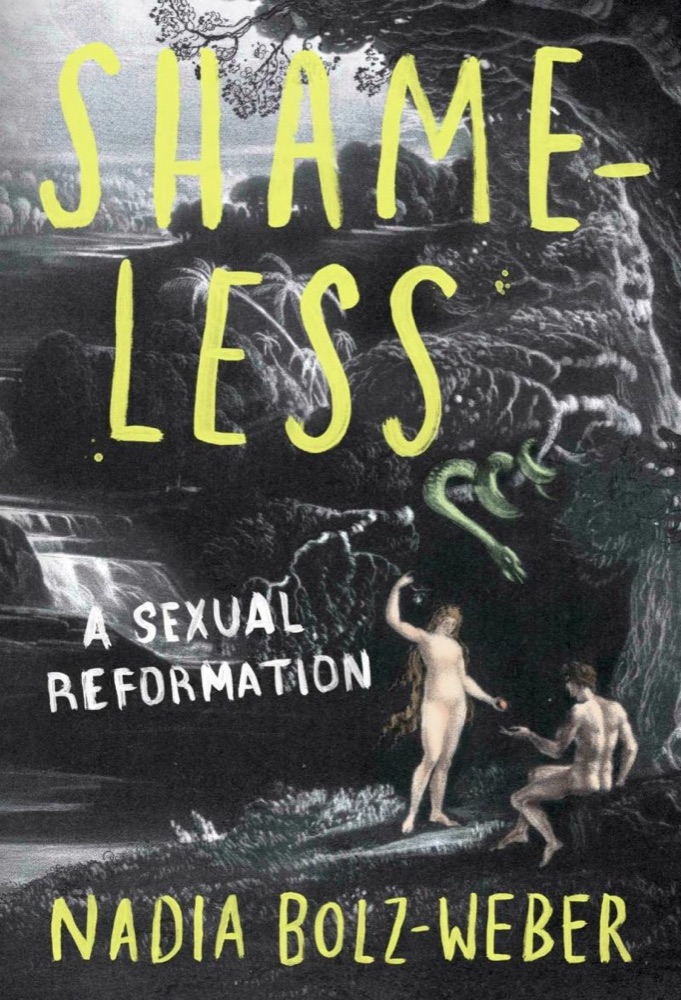 Shameless: A Case for Not Feeling Bad About Feeling Good
 The Reason for God: Belief in an Age of Skepticism
 Instruments in the Redeemer's Hands: People in Need of Change Helping People in Need of Change
 Just Mercy
 Life Together: The Classic Exploration of Christian Community
 When Bad Things Happen to Good People
 Be the Bridge: Pursuing God's Heart for Racial Reconciliation
 The Crucible of Doubt: Reflections On the Quest for Faith
 What's So Amazing About Grace?
 The Problem of Pain
 Life of Christ
 Erasing Hell: What God Said About Eternity, and the Things We've Made Up
 The Infinite Atonement
 Hallelujah Anyway: Rediscovering Mercy
 Emotionally Healthy Spirituality: Unleash A Revolution In Your Life in Christ
 The Orthodox Way
 The Explicit Gospel
 Barking to the Choir: The Power of Radical Kinship
 The Holiness of God
 Twelve Steps to a Compassionate Life
 Letter from the Birmingham Jail
 The Bible Jesus Read
 King's Cross: The Story of the World in the Life of Jesus
 Amazing Grace: A Vocabulary of Faith
 Jesus for President: Politics for Ordinary Radicals
 Love Wins Low Price CD: Love Wins Low Price CD
 Just Like Jesus: Learning to Have a Heart Like His
 Searching for God Knows What
 Tattoos on the Heart: The Power of Boundless Compassion
 Breathing Underwater: Spirituality and the 12 Steps
 If Life Were Easy, It Wouldn't Be Hard: And Other Reassuring Truths
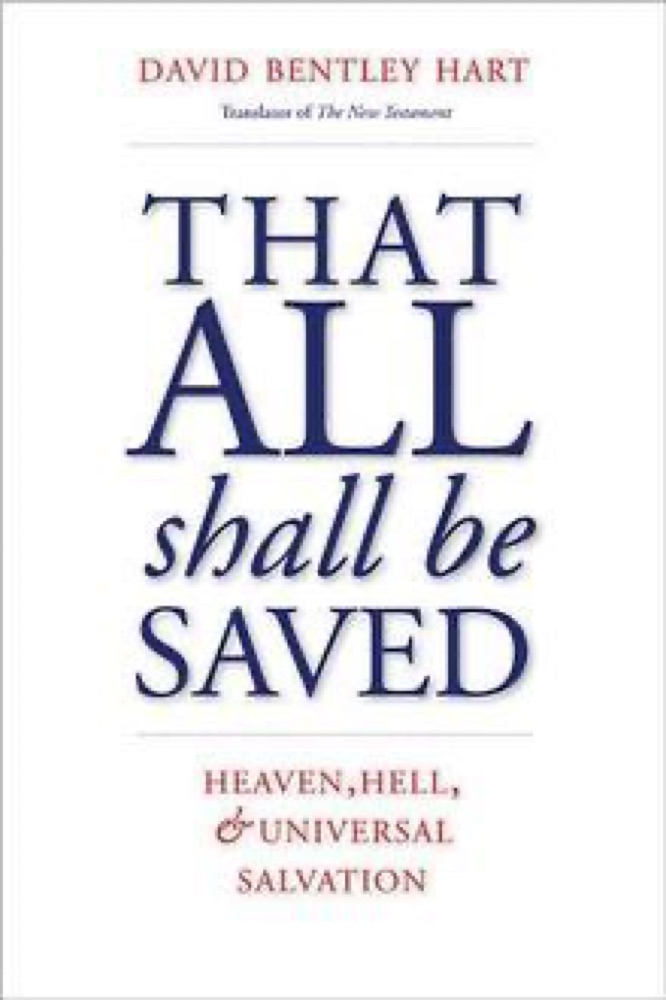 That All Shall Be Saved: Heaven, Hell, and Universal Salvation
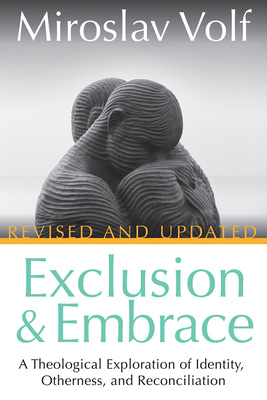 Exclusion & Embrace: A Theological Exploration of Identity, Otherness, and Reconciliation
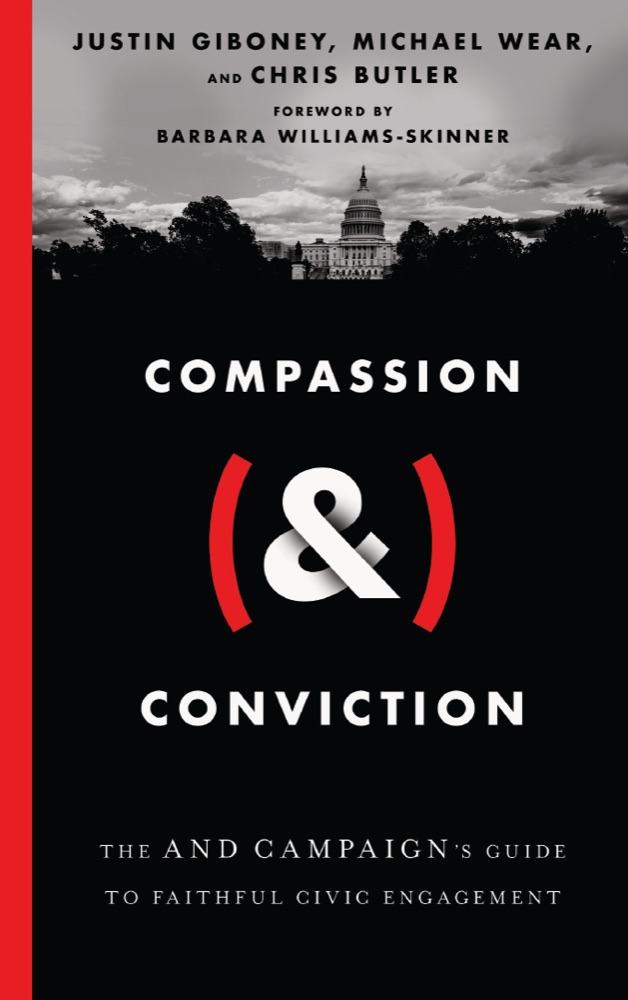 Compassion (&) Conviction: The AND Campaign's Guide to Faithful Civic Engagement
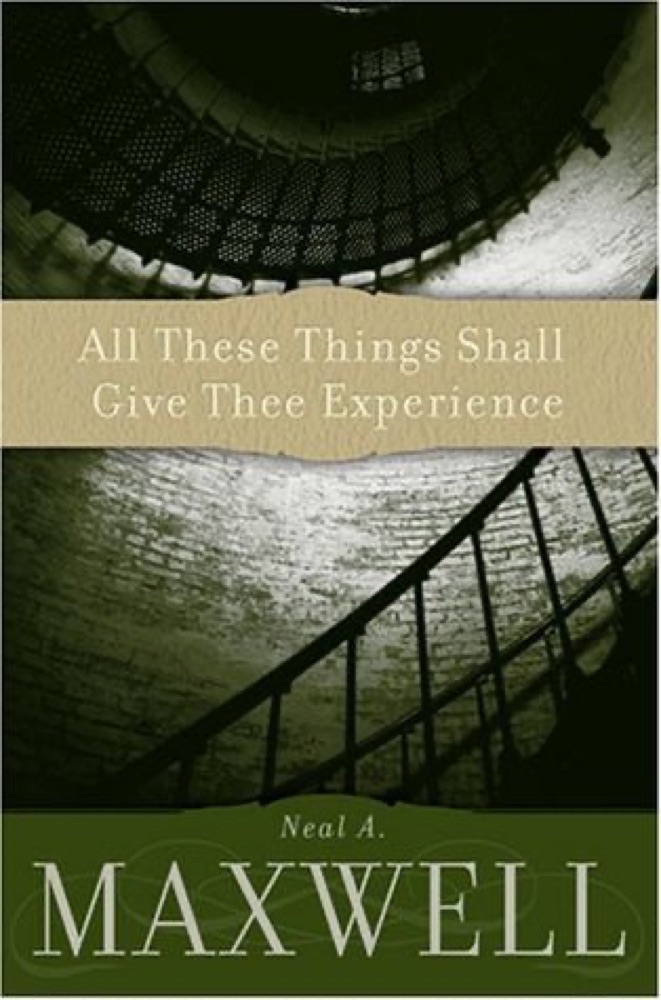 All These Things Shall Give Thee Experience
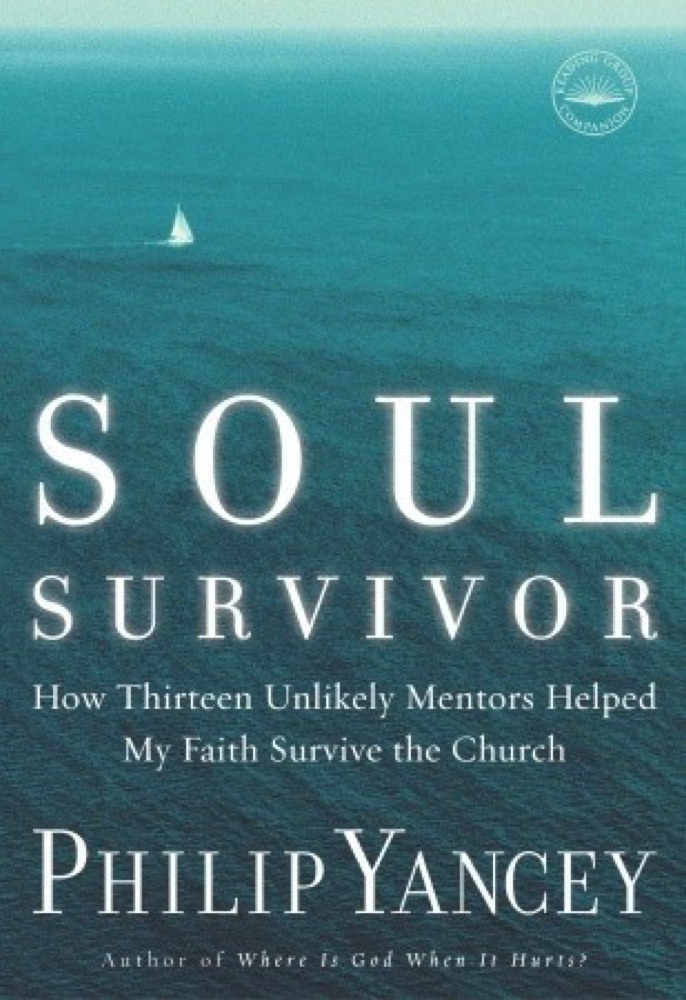 Soul Survivor: How Thirteen Unlikely Mentors Helped My Faith Survive the Church
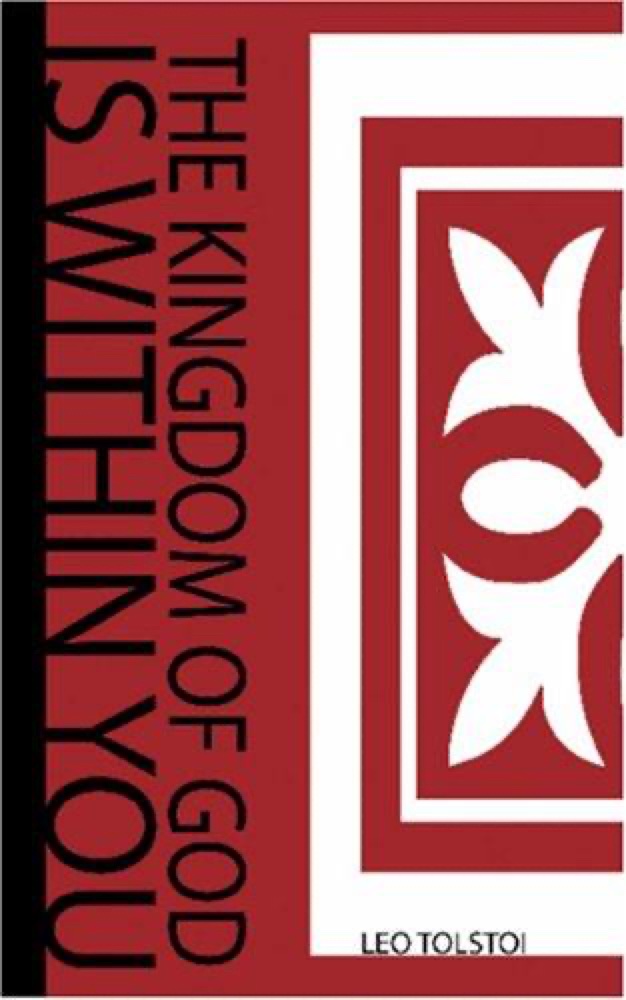 The Kingdom of God Is Within You
 Hope for the Troubled Heart: Finding God in the Midst of Pain
 The Shack
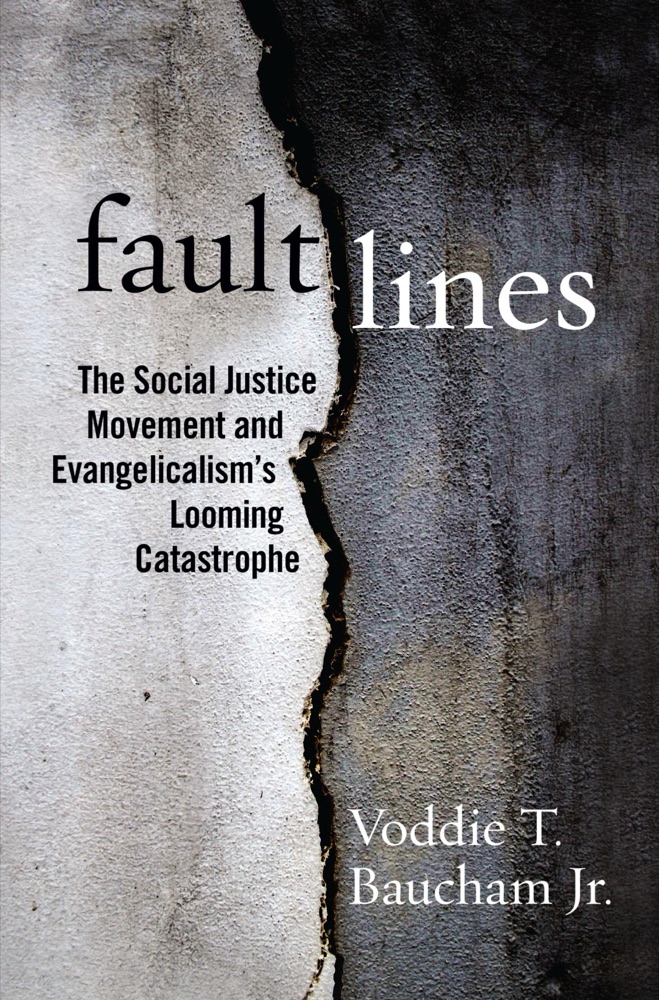 Fault Lines: The Social Justice Movement and Evangelicalism's Looming Catastrophe
 Evangelism & the Sovereignty of God
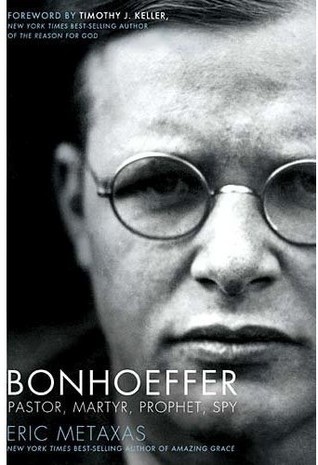 Bonhoeffer: Pastor, Martyr, Prophet, Spy
 Jesus Over Everything: Uncomplicating the Daily Struggle to Put Jesus First
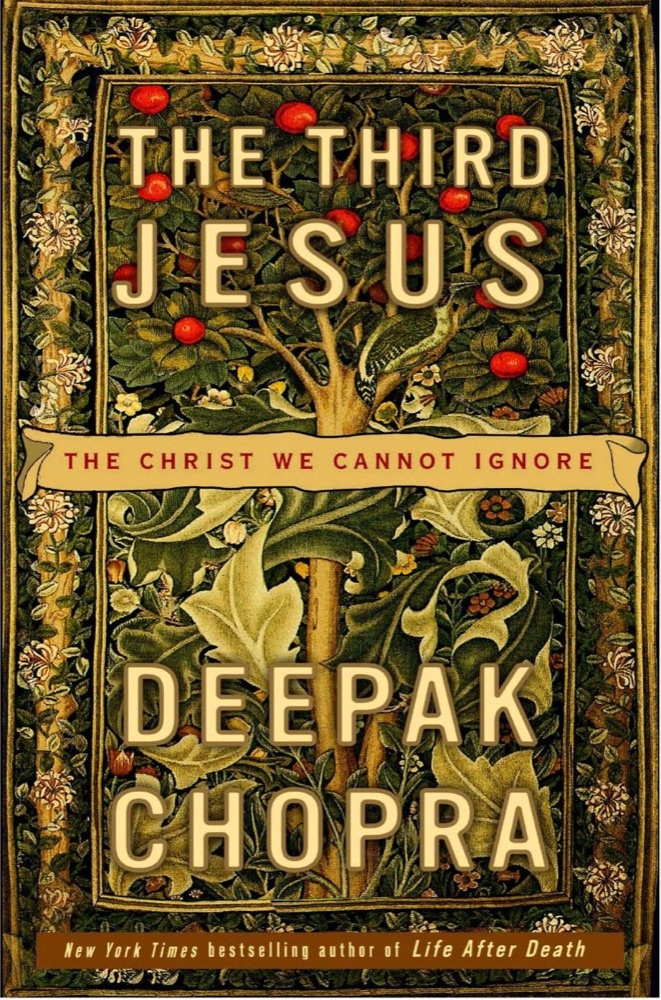 The Third Jesus: The Christ We Cannot Ignore
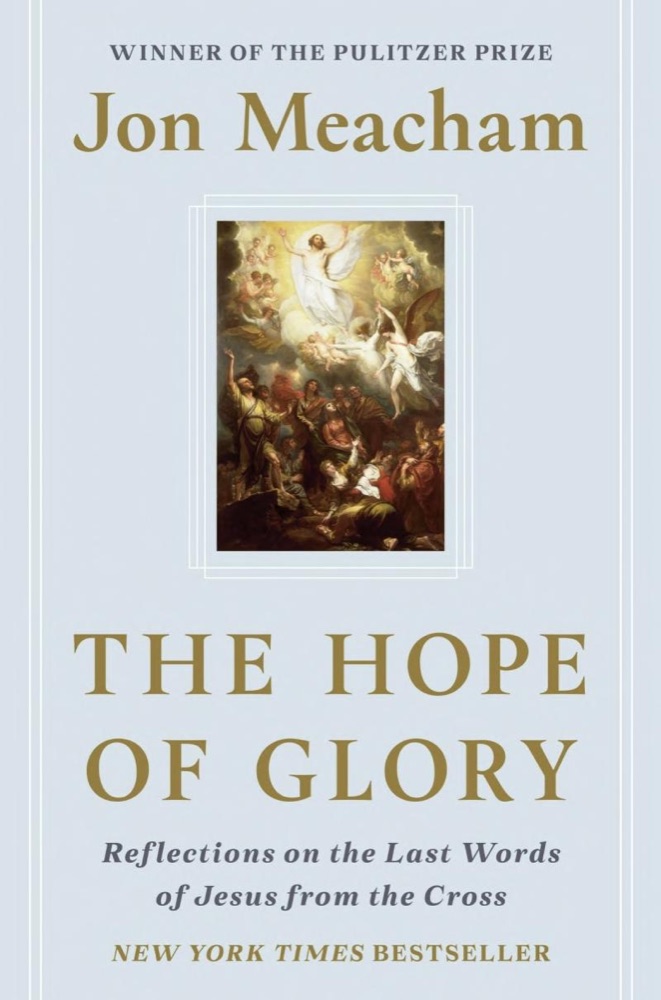 The Hope of Glory: Reflections on the Last Words of Jesus from the Cross
 The Miracle of Forgiveness
 We Who Wrestle with God: Perceptions of the Divine