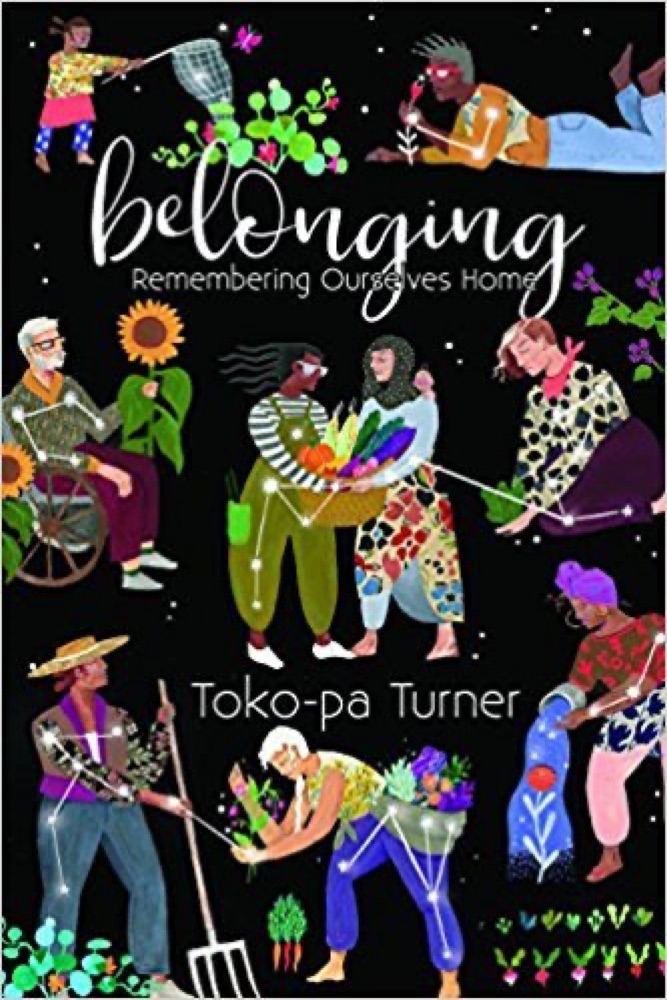
 Belonging: Remembering Ourselves Home
Quotes from the Book
it’s through an orientation toward healing and repair for ourselves and others that we recover our capacity for feeling, for relationship, and, with that, the ability to strengthen our bonds and work together.
6
There is a difference between visions that come out of the most individualistic tendencies and those that arise when we are able to admit that we need other people.
5
When we are courageous, we can do the unexpected and start to mold the world around a vision bigger than one produced by fear. Every inch of progress, every ounce of love, every truly meaningful action from here on out will happen through courage, not comfort.
5
To what and to whom are you committed? What do you long for? And what is worth traveling through the unknown to reach?
3
To deny the life of our emotions and the process of feeling is to deny how alive we are and how inseparably bound up we are with one another.
3
To belong is to rest into the collective, to be woven into the all. It’s the feeling that the group has found meaning and usefulness in your presence.
3
...the people who came to see me each week needed the world to change , and not just how they felt about it. It's hard to heal when you're still being hurt.
2
Designations of innocence and guilt too often get in the way of repair.
1
I had learned to seek connection at the expense of my bodily safety, to lose my own limits in order to belong. Eventually, transgression became familiar, a fact of relationship.
1
Reactivity is the mechanism of time travel that I discussed in the last chapter, taking us, though not consciously, out of this time. The more we are jolted into reactivity, the more we lose our grounding in the present moment as we respond to the vestiges of the past.
1
We commit to our own healing in part because the realization of what we are dreaming of rests on it. It is our responsibility to one another to do our internal work, not so that we feel good alone but to stay an active part of the whole and to refuse to pass down to the next generation what pain we've accrued.
1
Malcolm X is this: “We need more light about each other. Light creates understanding, understanding creates love, love creates patience, and patience creates unity.
One night, I caught myself in the rearview mirror and for the first time in forever I saw someone who was not flawed or broken, someone with an awkward beauty, someone who tried. I could see there was nothing to be ashamed about in my mistakes except perhaps how I denied them and tried to cover them up. I was no less or more lovable than my favorite people or anyone else in the world.
Our ability to dream of something different, to name longing, to articulate a vision and commit to it, directly correlates to the likelihood that we will experience it, that it will be realized. It’s the way we bring about change for ourselves, and for the world.
We need visions within us that make our stomach quiver and cause us to come alive. Then we can show up more authentically, reshape the contours of our community, rework the structures of our world.
In the time Saul and I spent together, we thawed some of what was frozen in him, finding layers of rage, regret, grief, and, at his core, a very small boy who needed to feel protected. Before we got there, we named the longing for what his life could be, something that might be a powerful enough conjuring to allow him to feel what had felt too painful or unsafe in the past. “I want to be a vulnerable leader and a present father to my kids,” he said. “I want to know that I am worthy and that I can inspire the people I work with to believe in their own worthiness.” How would he have known before that this could be true? This statement became the basis for our work together, for every session, and for his future. It guided him from then on, shaping his relationships, his time with his kids, and moved him toward a place he had never before dreamed was possible.
Boundaries require us to rework and restructure our relationships for the sake of connection, for deep mutuality.
Ruptures should inform the shape of relationships going forward. we should relate differently based on what's happened, now that we've learned something about who the other actually is and who we are. if not, we risk falling into the same patterns that didn't work before.
Did you know?
- The book was a national bestseller.
- Prentis Hemphill founded the Embodiment Institute and the Black Embodiment Initiative.
- Hemphill hosts the podcast Finding Our Way.
- A central claim of the book is that 'healing is done in community' rather than in isolation.
- The book draws on Hemphill's experience as both a trauma survivor and a social-movement organizer.
- It received endorsements from Bessel van der Kolk, Brené Brown, Tarana Burke, adrienne maree brown, and Resmaa Menakem.
Watch on YouTube
About Prentis Hemphill
About the book
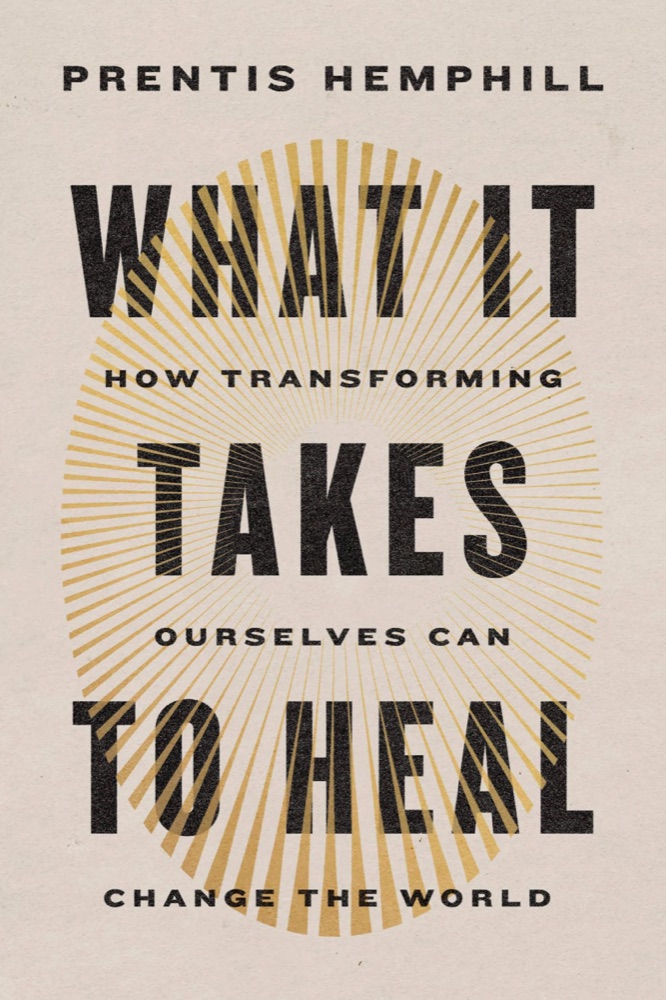
What It Takes to Heal is Prentis Hemphill's argument that healing is not a private, solitary project but a relational and embodied one. Drawing on their work as a therapist, embodiment facilitator, and movement organizer, Hemphill makes the case that real transformation begins in the body, by learning to notice our sensations, habits, and the underlying beliefs that shape how we move through the world.
The book braids together personal narrative, clinical insight, and lessons from social-movement work to develop its central idea: that healing done in community can extend outward into the institutions and movements we build. Recurring themes include embodiment, trauma recovery, the limits of individual self-help, and the link between personal liberation and collective justice.
Published in 2024, the book became a national bestseller and drew praise from figures across therapy and organizing worlds, including Bessel van der Kolk, Brené Brown, Tarana Burke, adrienne maree brown, and Resmaa Menakem. It was widely received as a bridge between somatic healing practices and broader conversations about social change.
Book details
- First published
- 2024
- Length
- 272 pages
- Reading time
- 5 hours
- Author
- Prentis Hemphill
- Genre
- Nonfiction
- Goodreads rating
- 4.48 (2k ratings)
Critical reception
- Became a national bestseller.
- Praised by Bessel van der Kolk, author of The Body Keeps the Score, as 'a visionary, personal, compassionate, empowering guide for our healing.'
- Brené Brown described it as 'beautifully intimate and wildly expansive at the same time.'
- Endorsed by activists and writers including Tarana Burke, adrienne maree brown, and Resmaa Menakem.
The buzz
- AudibleIs collective healing the key to a brighter future?2024Interview framing communal healing against mainstream self-help.
If you liked this, read…
- 1The Body Keeps the ScoreFoundational text on trauma and the body that informs Hemphill's somatic approach.
- 2My Grandmother's HandsResmaa Menakem's work links bodily trauma and racial healing in a similar register.
- 3Emergent Strategyadrienne maree brown connects personal transformation to collective social change.
- 4Atlas of the HeartBrené Brown's emotionally grounded approach to self-understanding overlaps in spirit.
Keep reading
Belonging: Remembering Ourselves Home
 See No Stranger: A Memoir and Manifesto of Revolutionary Love
 On Connection
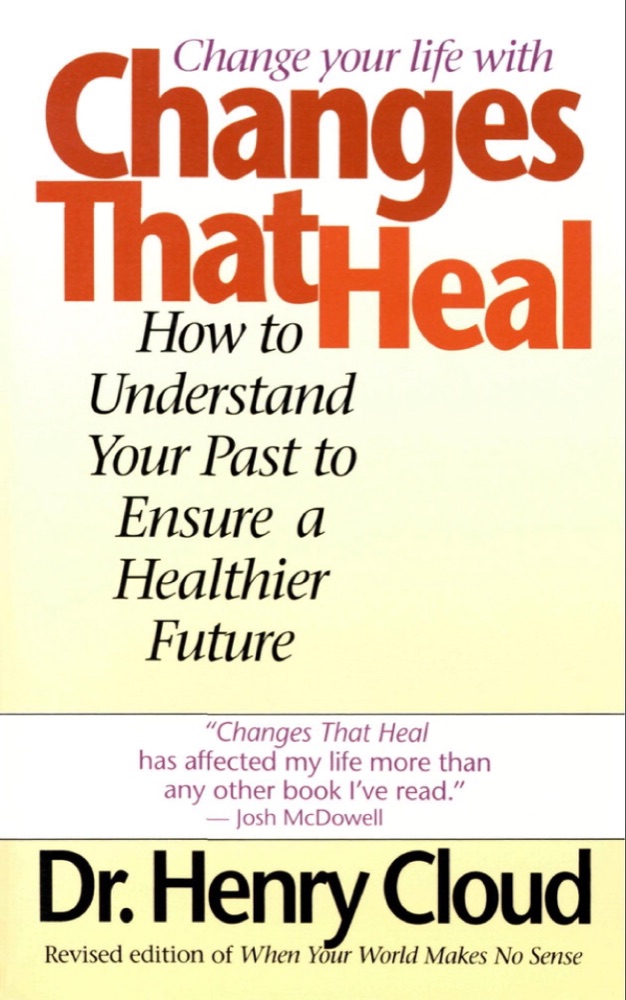 Changes That Heal: How to Understand the Past to Ensure a Healthier Future
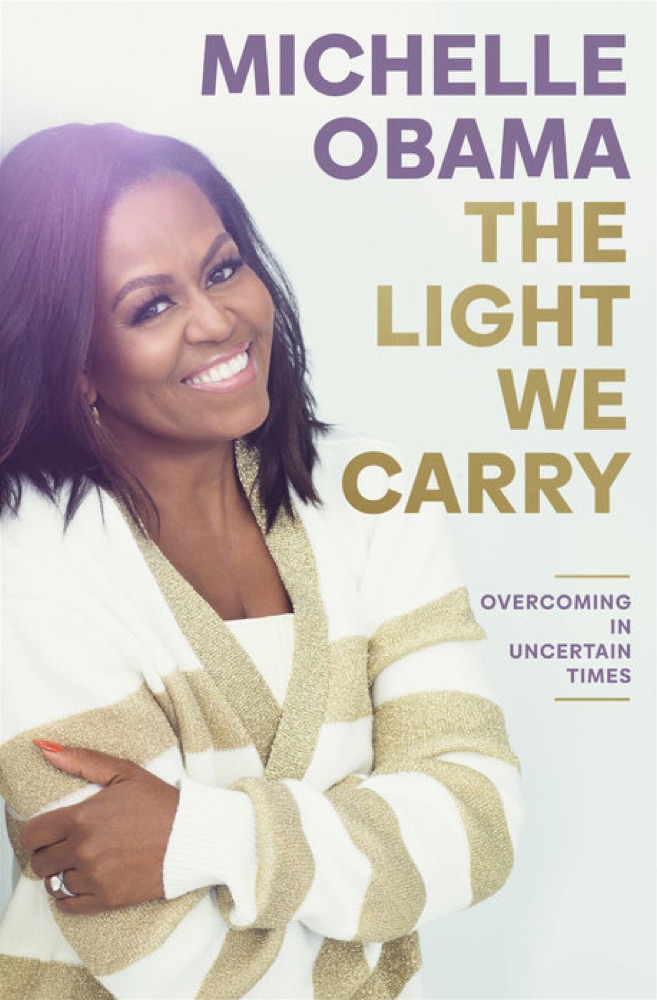 The Light We Carry: Overcoming in Uncertain Times
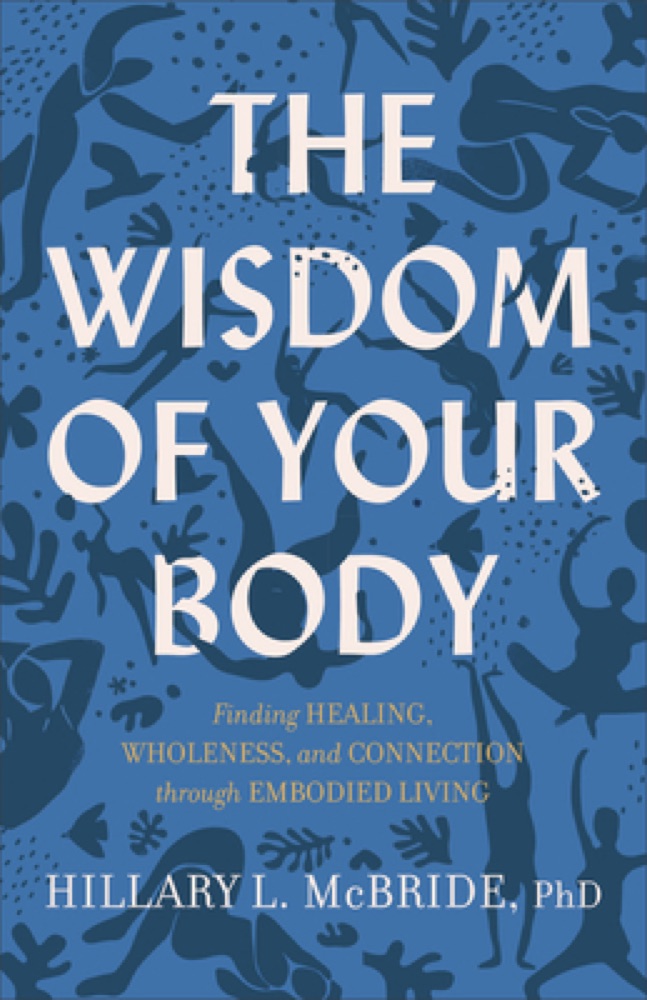 The Wisdom of Your Body: Finding Healing, Wholeness, and Connection through Embodied Living
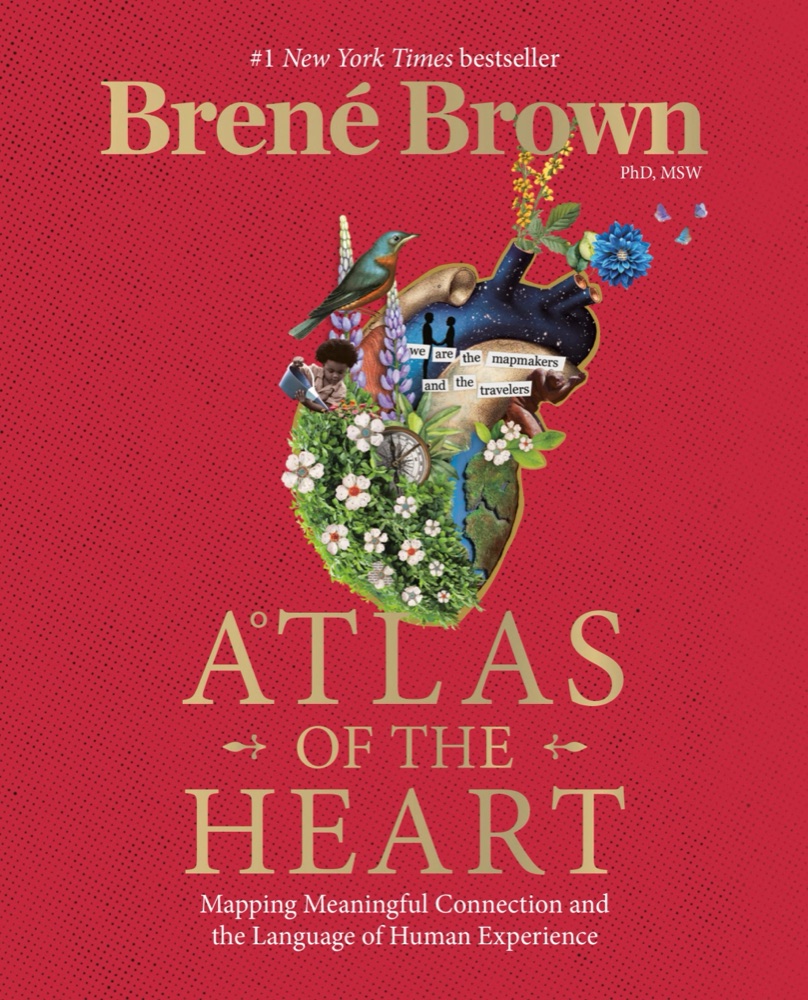 Atlas of the Heart: Mapping Meaningful Connection and the Language of Human Experience
 Daring Greatly: How the Courage to Be Vulnerable Transforms the Way We Live, Love, Parent, and Lead
 The Book of Awakening: Having the Life You Want by Being Present to the Life You Have
 Kitchen Table Wisdom: Stories that Heal
 Becoming Human
 A Hidden Wholeness: The Journey Toward an Undivided Life : Welcoming the soul and weaving community in a wounded world
 Letting Go of the Person You Used to Be: Lessons on Change, Loss, and Spiritual Transformation
 Like Streams to the Ocean: Notes on Ego, Love, and the Things That Make Us Who We Are
 If the Buddha Dated: A Handbook for Finding Love on a Spiritual Path
 The Stories We Tell: Every Piece of Your Story Matters
 A Return to Love: Reflections on the Principles of "A Course in Miracles"
 Be Not Afraid of Love: Lessons on Fear, Intimacy, and Connection
 Emergent Strategy: Shaping Change, Changing Worlds
 How to Be an Adult in Relationships: The Five Keys to Mindful Loving
 I Guess I Haven't Learned That Yet: Discovering New Ways of Living When the Old Ways Stop Working
 Braving the Wilderness
 Clarity & Connection
 Make It Scream, Make It Burn
 Present Over Perfect: Leaving Behind Frantic for a Simpler, More Soulful Way of Living
 Option B: Facing Adversity, Building Resilience, and Finding Joy
 Mating in Captivity: Reconciling the Erotic and the Domestic
 Consolations: The Solace, Nourishment and Underlying Meaning of Everyday Words
 We Can Do Hard Things: Answers to Life's 20 Questions
 Us: Getting Past You and Me to Build a More Loving Relationship
 Becoming Wise: An Inquiry into the Mystery and Art of Living
 The World According to Mister Rogers: Important Things to Remember
 Conversations on Love
 What Happened To You?: Conversations on Trauma, Resilience, and Healing
 101 Essays That Will Change The Way You Think
 True Refuge: Finding Peace and Freedom in Your Own Awakened Heart
 Dusk, Night, Dawn: On Revival and Courage
 Going to Pieces without Falling Apart: A Buddhist Perspective on Wholeness
 Real Love: The Art of Mindful Connection
 When Things Fall Apart: Heart Advice for Difficult Times
 Stitches: A Handbook on Meaning, Hope, and Repair
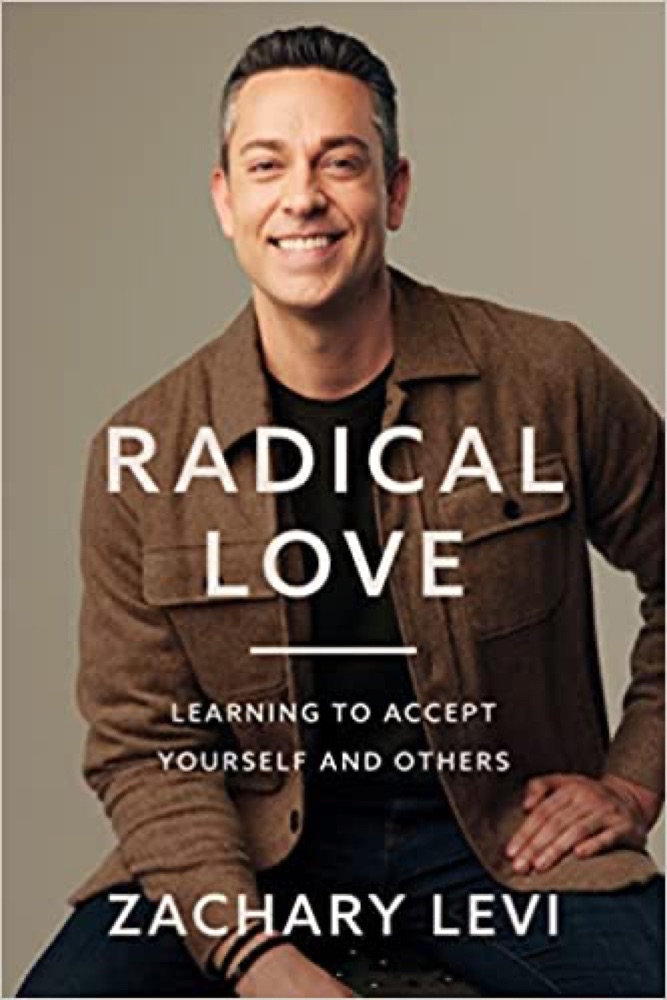 Radical Love: Learning to Accept Yourself and Others
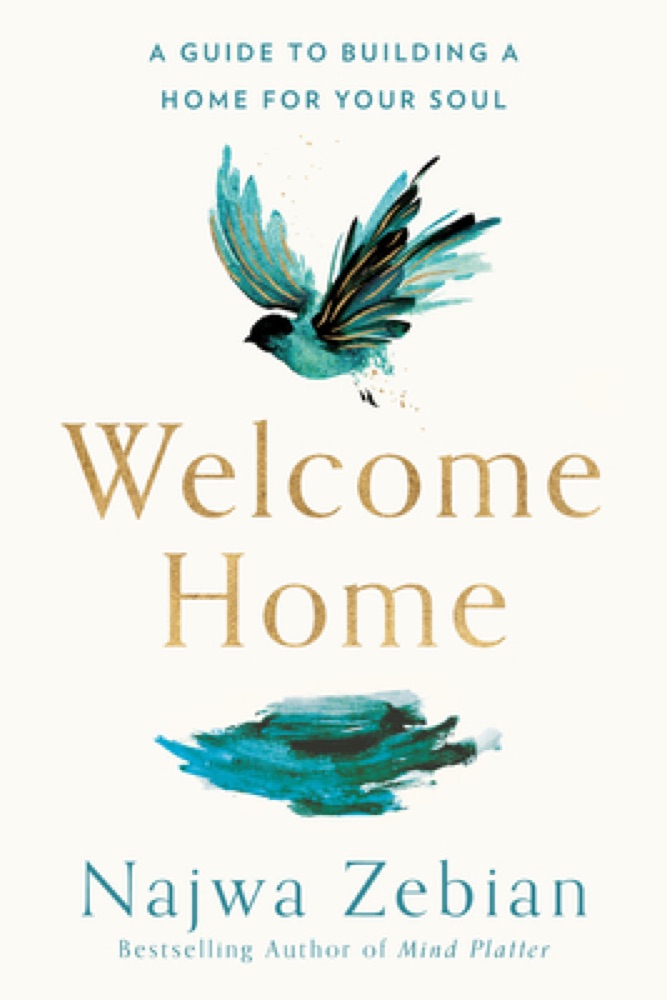 Welcome Home: A Guide to Building a Home for Your Soul
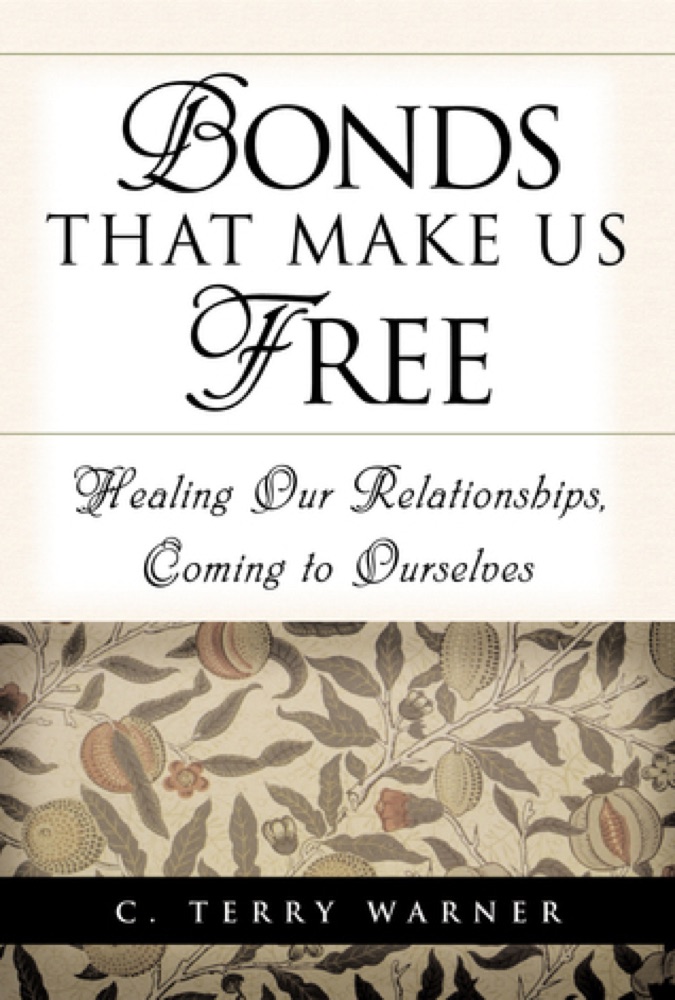 Bonds That Make Us Free: Healing Our Relationship, Coming to Ourselves
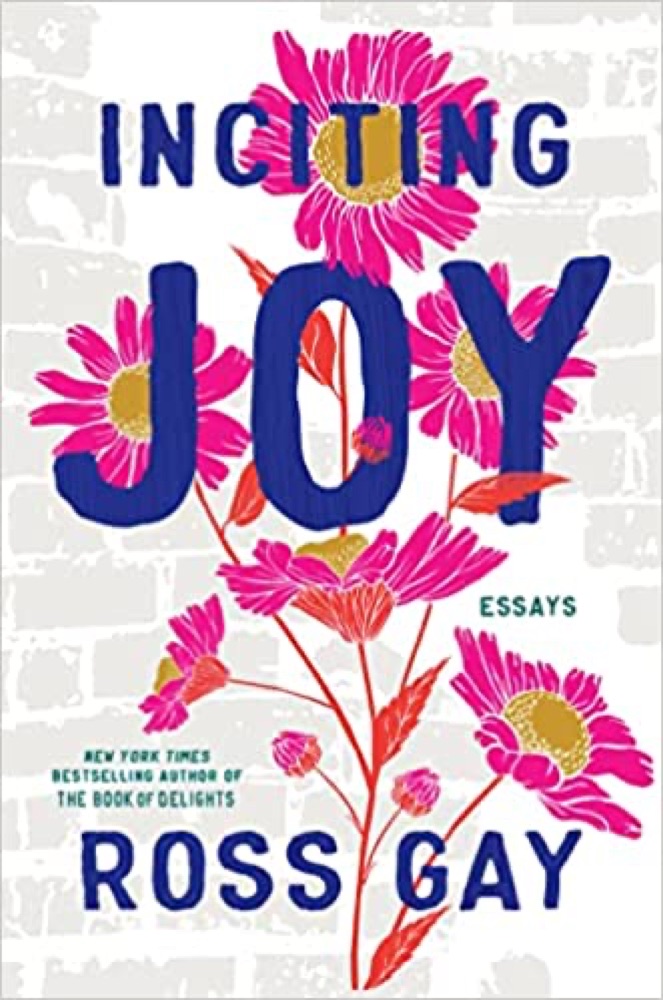 Inciting Joy: Essays
 Brave Enough
 Heart Talk: Poetic Wisdom for a Better Life
 The Invitation
 Maybe You Should Talk to Someone: A Therapist, Her Therapist, and Our Lives Revealed
 Pleasure Activism: The Politics of Feeling Good
 Untamed
 Together: Why Social Connection Holds the Key to Better Health, Higher Performance, and Greater Happiness
 Karamo: My Story of Embracing Purpose, Healing, and Hope
 How to Stay Sane in an Age of Division
 In Shock: My Journey from Death to Recovery and the Redemptive Power of Hope
 The Buddha Walks into a Bar . . .: A Guide to Life for a New Generation
 Single On Purpose: Redefine Everything. Find Yourself First.
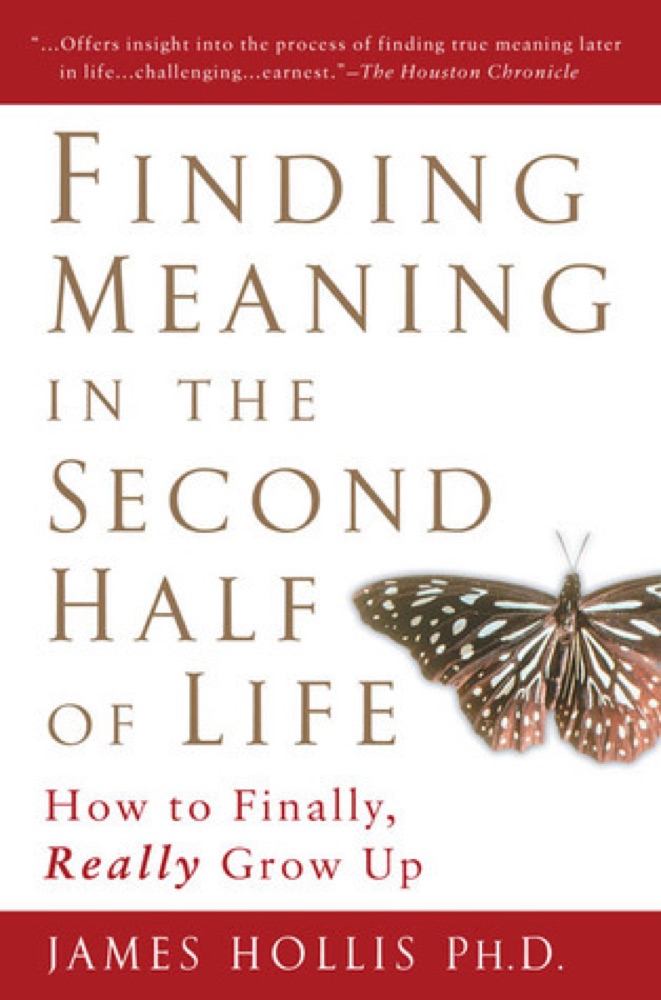 Finding Meaning in the Second Half of Life: How to Finally, Really Grow Up