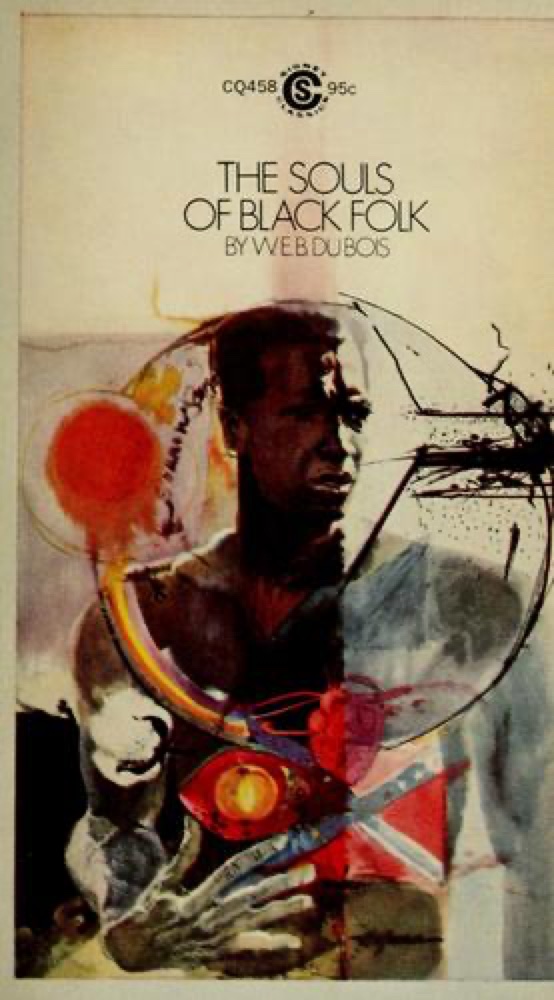
 The Souls of Black Folk
Quotes from the Book
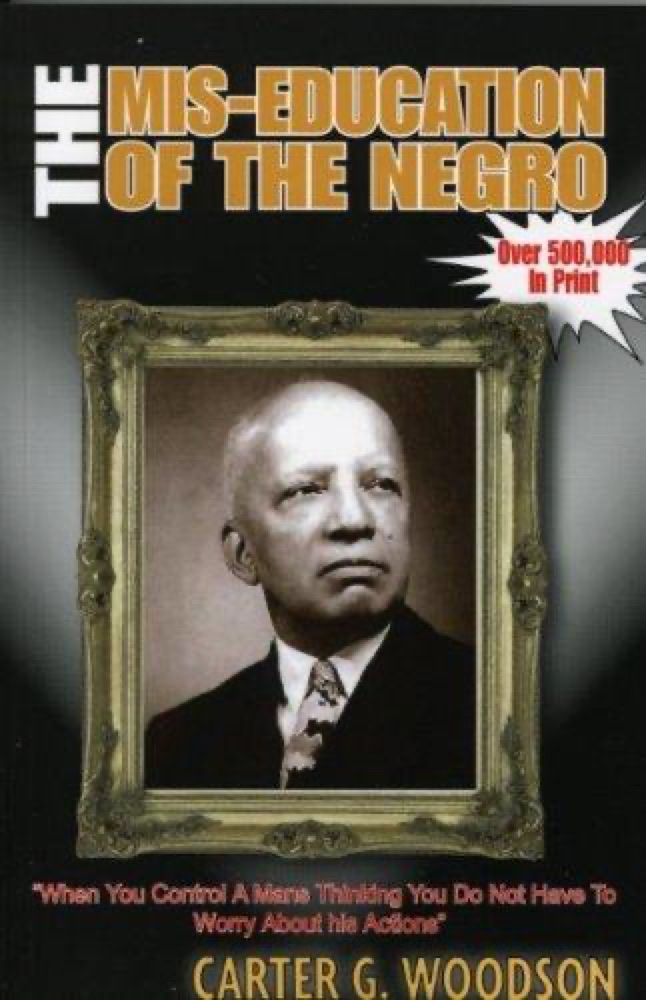
If you can control a man's thinking you do not have to worry about his action. When you determine what a man shall think you do not have to concern yourself about what he will do. If you make a man feel that he is inferior, you do not have to compel him to accept an inferior status, for he will seek it himself. If you make a man think that he is justly an outcast, you do not have to order him to the back door. He will go without being told; and if there is no back door, his very nature will demand one.
History shows that it does not matter who is in power or what revolutionary forces take over the government, those who have not learned to do for themselves and have to depend solely on others never obtain any more rights or privileges in the end than they had in the beginning.
Philosophers have long conceded, however, that every man has two educators: 'that which is given to him, and the other that which he gives himself. Of the two kinds the latter is by far the more desirable. Indeed all that is most worthy in man he must work out and conquer for himself. It is that which constitutes our real and best nourishment. What we are merely taught seldom nourishes the mind like that which we teach ourselves.
When you control a man's thinking you do not have to worry about his actions. You do not have to tell him not to stand here or go yonder. He will find his 'proper place' and will stay in it. You do not need to send him to the back door. He will go without being told. In fact, if there is no back door, he will cut one for his special benefit. His education makes it necessary.
No man knows what he can do until he tries.
As another has well said, to handicap a student by teaching him that his black face is a curse and that his struggle to change his condition is hopeless is the worst sort of lynching.
The oppressor has always indoctrinated the weak with his interpretation of the crimes of the strong.
If you teach the Negro that he has accomplished as much good as any other race he will aspire to equality and justice without regard to race. Such an effort would upset the program of the oppressor in Africa and America. Play up before the Negro, then, his crimes and shortcomings. Let him learn to admire the Hebrew, the Greek, the Latin and the Teuton. Lead the Negro to detest the man of African blood--to hate himself.
It may be well to repeat here the saying that old men talk of what they have done, young men of what they are doing, and fools of what they expect to do. The Negro race has a rather large share of the last mentioned class.
When you control a man’s thinking you do not have to worry about his actions. You do not have to tell him not to stand here or go yonder. He will find his “proper place” and will stay in it.
The bondage of the Negro brought captive from Africa is one of the greatest dramas in history, and the writer who merely sees in that ordeal something to approve or condemn fails to understand the evolution of the human race.
THE "educated Negroes" have the attitude of contempt toward their own people because in their own as well as in their mixed schools Negroes are taught to admire the Hebrew, the Greek, the Latin and the Teuton and to despise the African. Of the hundreds of Negro high schools recently examined by an expert in the United States Bureau of Education only eighteen offer a course taking up the history of the Negro,
Real education means to inspire people to live more abundantly, to learn to begin with life as they find it and make it better,
the so-called radical Negroes who have read and misunderstood Karl Marx and his disciples and would solve the political as well as the economic problems of the race by an immediate application of these principles. History shows that although large numbers of people have actually tried to realize such pleasant dreams, they have in the final analysis come back to a social program based on competition.
In the schools of business administration Negroes are trained exclusively in the psychology and economics of Wall Street and are, therefore, made to despise the opportunities to run ice wagons, push banana carts, and sell peanuts among their own people. Foreigners, who have not studied economics but have studied Negroes, take up this business and grow rich.
By their peculiar “reasoning,” too, theologians have sanctioned most of the ills of the ages. They justified the Inquisition, serfdom, and slavery. Theologians of our time defend segregation and the annihilation of one race by the other. They have drifted away from righteousness into an effort to make wrong seem to be right.
When a white man sees persons of his own race tending downward to a level of disgrace he does not rest until he works out some plan to lift such unfortunates to higher ground; but the Negro forgets the delinquents of his race and goes his way to feather his own nest, as he has done in leaving the masses in the popular churches.
Some of the American whites, moreover, are just as far behind in this respect as are the Negroes who have had less opportunity to learn better.
It has been said that the Negroes do not connect morals with religion. The historian would like to know what race or nation does such a thing. Certainly the whites with whom the Negroes have come into contact have not done so.
Cooperation implies equality of the participants in the particular task at hand.
They are anxious to have everything the white man has even if it is harmful.
No people can go forward when the majority of those who should know better have chosen to go backward, but this is exactly what most of our misleaders do.
The same educational process which inspires and stimulates the oppressor with the thought that he is everything and has accomplished everything worth while, depresses
Of the hundreds of Negro high schools recently examined by an expert in the United States Bureau of Education only eighteen offer a course taking up the history of the Negro, and in most of the Negro colleges and universities where the Negro is thought of, the race is studied only as a problem or dismissed as of little consequence. For example, an officer of a Negro university, thinking that an additional course on the Negro should be given there, called upon a Negro Doctor of Philosophy of the faculty to offer such work. He promptly informed the officer that he knew nothing about the Negro. He did not go to school to waste his time that way. He went to be educated in a system which dismisses the Negro as a nonentity.
The education of the Negroes, then, the most important thing in the uplift of the Negroes, is almost entirely in the hands of those who have enslaved them and now segregate them.
If you can control a man’s thinking you do not have to worry about his action. “When you determine what a man shall think you do not have to concern yourself about what he will do. If you make a man feel that he is inferior, you do not have to compel him to accept an inferior status, for he will seek it himself. If you make a man think that he is justly an outcast, you do not have to order him to the back door. He will go without being told; and if there is no back door, his very nature will demand one.
The differentness of races, moreover, is no evidence of superiority or of inferiority. This merely indicates that each race has certain gifts which the others do not possess. It is by the development of these gifts that every race must justify its right to exist.
Why not exploit, enslave, or exterminate a class that everybody is taught to regard as inferior?
HISTORY shows, then, that as a result of these unusual forces in the education of the Negro he easily learns to follow the line of least resistance rather than battle against odds for what real history has shown to be the right course.
Our most widely known scholars have been trained in universities outside of the South. Northern and Western institutions, however, have had no time to deal with matters which concern the Negro especially. They must direct their attention to the problems of the majority of their constituents, and too often they have stimulated their prejudices by referring to the Negro as unworthy of consideration.
Watch on YouTube
About Carter G. Woodson
We have collected 30 quotes from 1 book by Carter G. Woodson on BookQuoters.
More about the author →Book details
- First published
- 1933
- Author
- Carter G. Woodson
- Genre
- Classics
- Goodreads rating
- 4.49 (10k ratings) →
Keep reading
The Souls of Black Folk
 The Autobiography of an Ex-Coloured Man
 Simple Justice: The History of Brown v. Board of Education and Black America's Struggle for Equality
 Silent Covenants: Brown v. Board of Education and the Unfulfilled Hopes for Racial Reform
 Nobody Knows My Name
 Why We Can't Wait
 Up from Slavery
 Black Skin, White Masks
 We Were Eight Years in Power: An American Tragedy
 Black Like Me
 Where Do We Go from Here: Chaos or Community?
 Stamped from the Beginning: The Definitive History of Racist Ideas in America
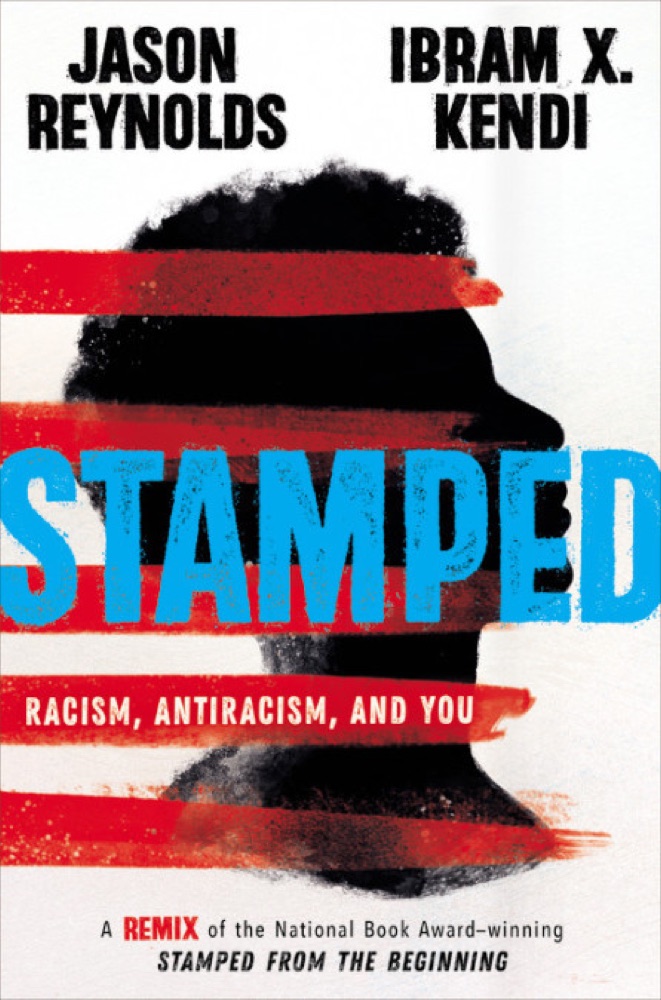 Stamped: Racism, Antiracism, and You
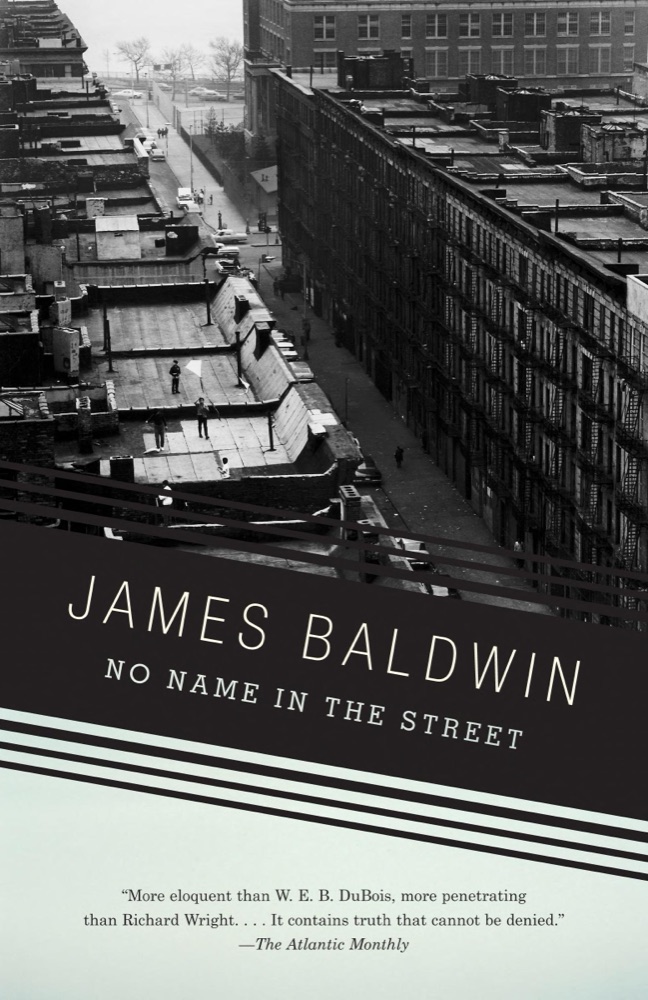 No Name in the Street
 Edge of Eternity
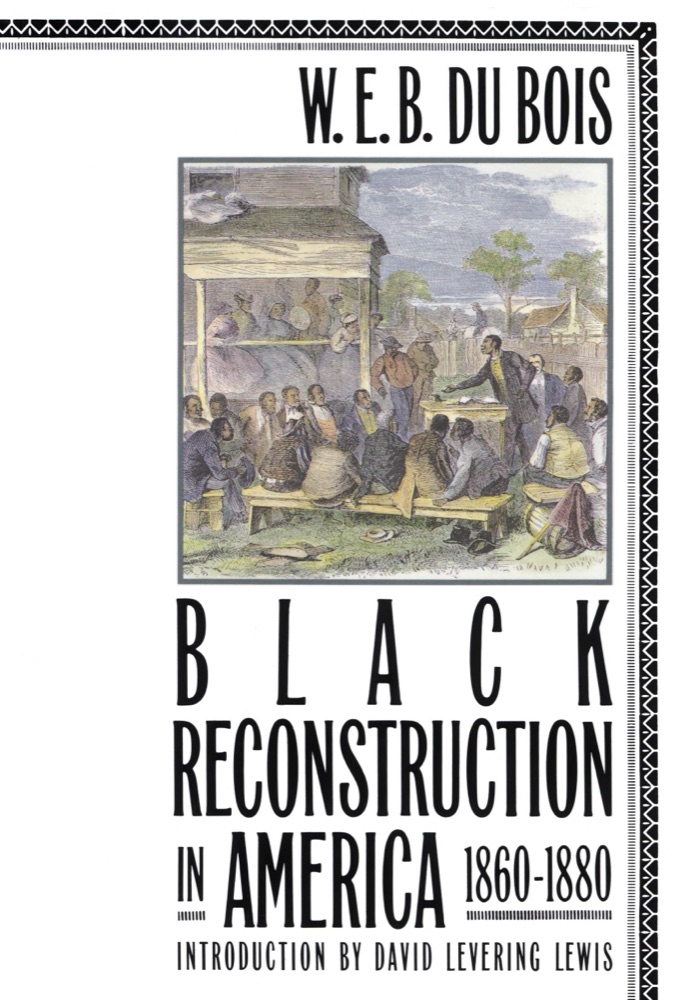 Black Reconstruction in America 1860-1880
 Emile or On Education
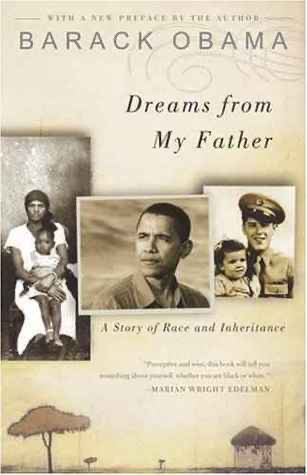 Dreams from My Father: A Story of Race and Inheritance
 Pedagogy of the Oppressed
 Invisible Man, Got the Whole World Watching: A Young Black Man's Education
 I Am Not Your Negro
 Why Are All The Black Kids Sitting Together in the Cafeteria?
 White Like Me: Reflections On Race From A Privileged Son
 Blood Done Sign My Name: A True Story
 The Confessions of Nat Turner
 A People's History of the United States
 Uncomfortable Conversations With a Black Man
 Four Hundred Souls: A Community History of African America, 1619-2019
 Black Rednecks and White Liberals
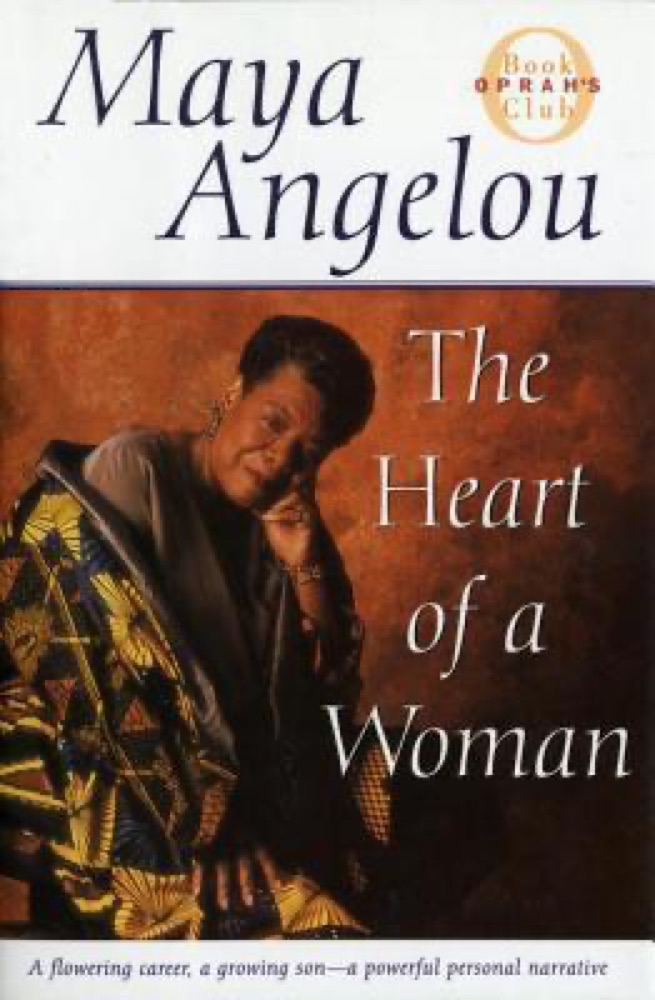 The Heart of a Woman
 The Warmth of Other Suns: The Epic Story of America's Great Migration
 The Wretched of the Earth
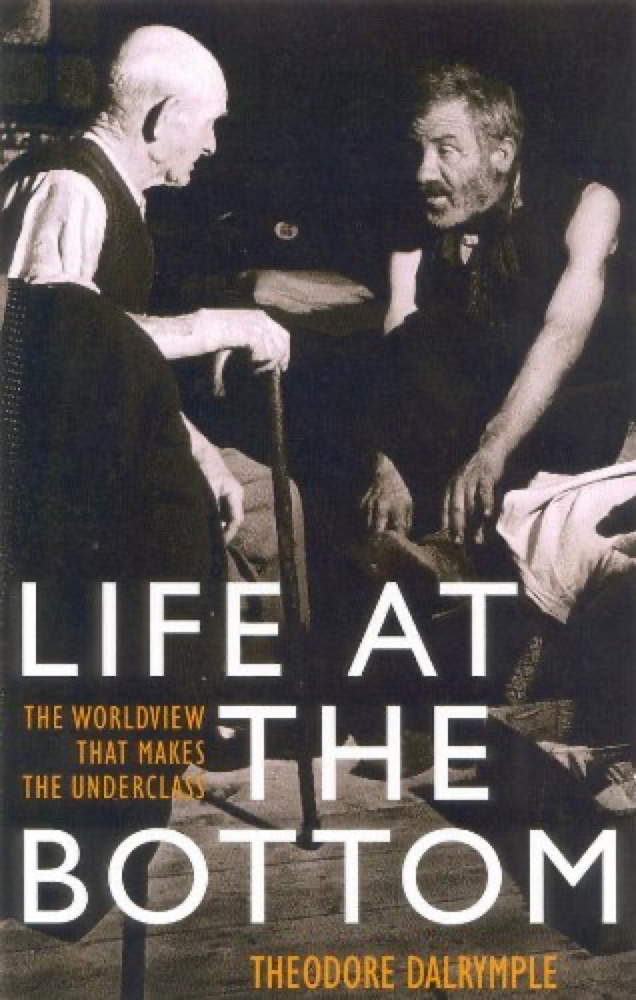 Life at the Bottom: The Worldview That Makes the Underclass
 Letter from the Birmingham Jail
 On Liberty
 The Republic
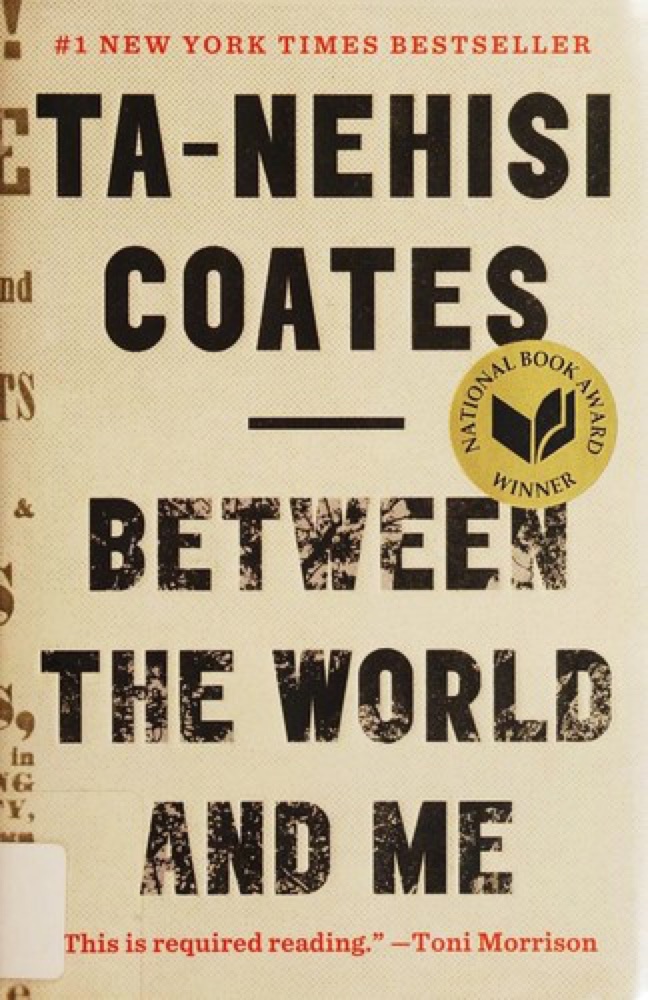 Between the World and Me
 Black No More
 The Disuniting of America: Reflections on a Multicultural Society
 Walden Two
 The Hemingses of Monticello: An American Family
 How to Argue With a Racist: What Our Genes Do (and Don't) Say About Human Difference
 Tears We Cannot Stop: A Sermon to White America
 Lila: An Inquiry Into Morals
 The Sum of Us: What Racism Costs Everyone and How We Can Prosper Together
 Behold a Pale Horse
 Black AF History: The Un-Whitewashed Story of America
 To Be Young, Gifted, and Black: An Informal Autobiography
 The Laws of Plato
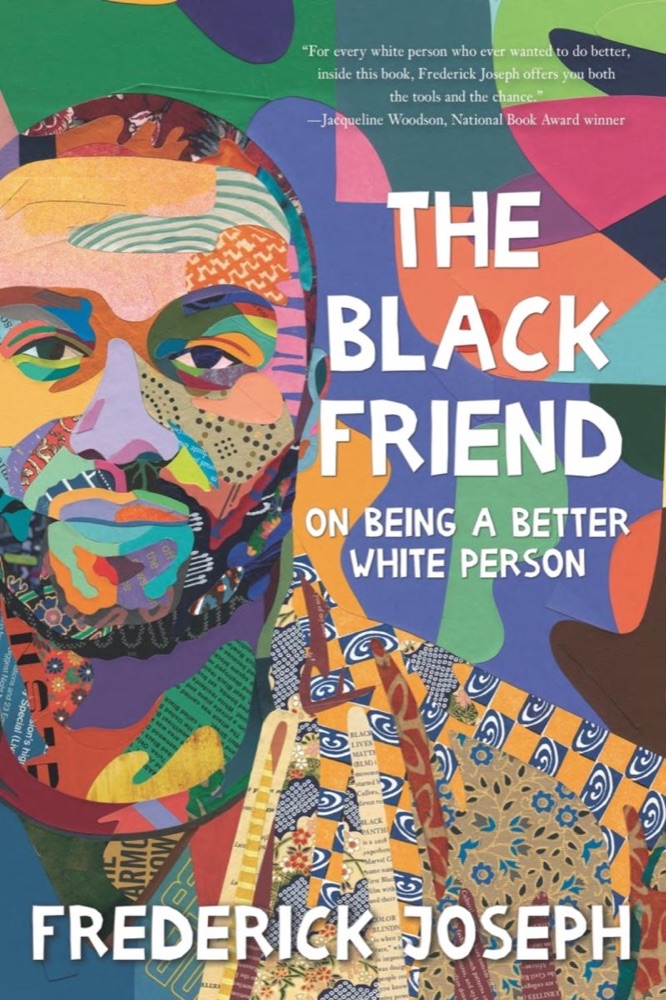 The Black Friend: On Being a Better White Person
 Mediocre: The Dangerous Legacy of White Male America
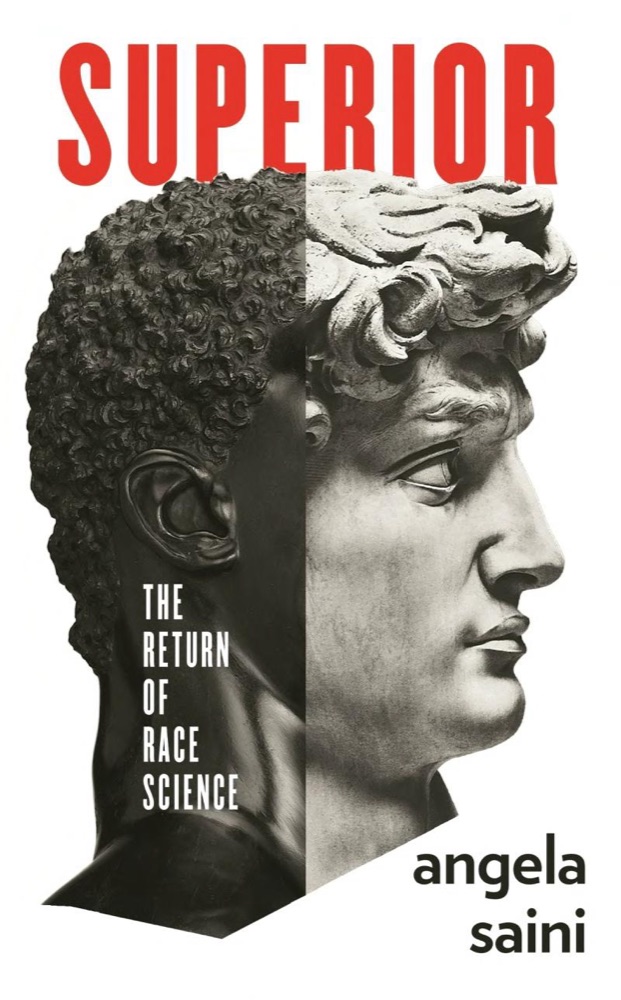 Superior: The Return of Race Science
 The Lessons of History
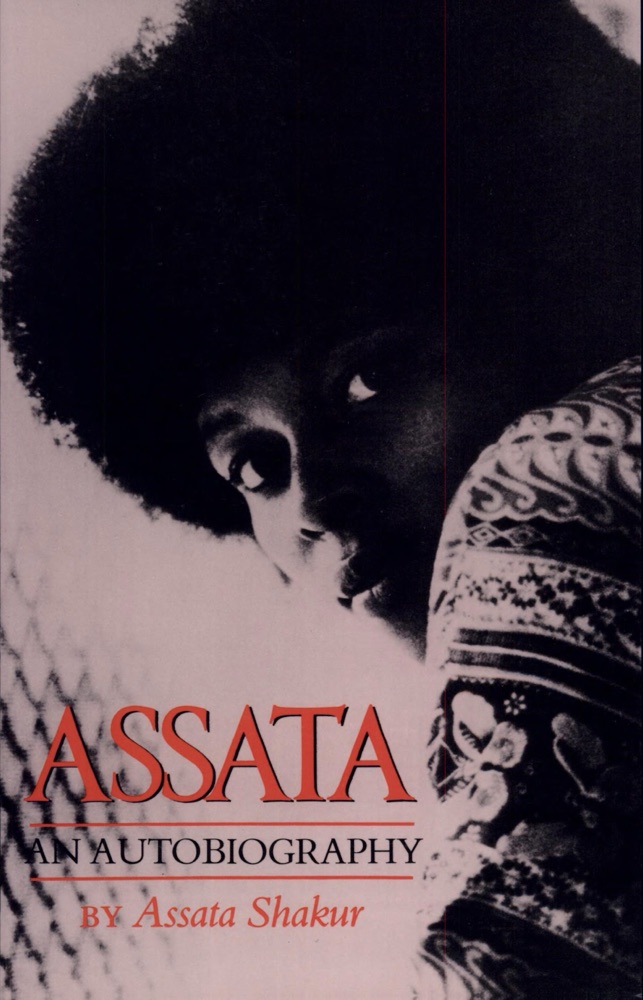 Assata: An Autobiography
 Stony the Road: Reconstruction, White Supremacy, and the Rise of Jim Crow
 The Autobiography of Malcolm X
 Homegoing
 Long Walk to Freedom
 Waking Up White: And Finding Myself in the Story of Race
 Discourse on Colonialism