
 Four Hundred Souls: A Community History of African America, 1619-2019
Quotes from the Book
Laws are sometimes put on the books not for purposes of strict enforcement but as statements about the community’s values.
7
American slavery at its beginnings—obscure, distant, and tragic—is probably for most people a less attractive point of focus than the story of the discovery and political founding of the American nation. If you like your history heroic—and many people seem to—the story of slavery in the early American period is simply not the place to go looking for heroes, at least not among the people most commonly written about. Second,
4
By the beginning of the eighteenth century, the Virginia elites had taken the best land for themselves, leaving the former indentured servants land poor and resentful. Inequalities of class proved the source of great tension in the colony, fostering instances of rebellion great and small. These tensions were buried when race entered the picture as the prime dividing line for status within the colony. There would be no alliance between blacks and lower-class whites, who each in their own way had legitimate grievances against their overlords. Instead, poor whites, encouraged by the policies of the elites, took refuge in their whiteness and the dream that one day they, too, could become slave owners, though only a relative handful could ever hope to amass the land, wealth, and social position of the most prominent members of the Virginia gentry, who gained their place early on and would keep it for decades to come.
3
Love has been many things throughout history: the simple comfort of the familiar, having a person to know and being known by that person in return; a connection born of shared experiences, an irrational joy in another's presence; a particular calming influence that one member of the couple may exert on the other, or that they both provide to one another. A combination of all these and myriad other things can go into making one person wish to stay tied to another. Anyone who is not in the couple--that is, everyone else in the world--will not understand precisely how or why it works for two people.
3
In the end, right answers and true stories have a positive cascading effect because they illuminate. They enable one to notice and make sense of things that one might have ignored or thought incomprehensible without them, thus allowing for a clearer picture of the world one is surveying. Wrong answers and false stories obscure matters and have little or no explanatory power. They shed no light on the facts, circumstances, or actions in the world they purport to describe, because they are not really of that world, and thus cannot help explain it. Instead, they tend to make matters more confusing, by creating their own negative cascading effect, as other bad answers, weak, illogical, and/or simply false stories must be offered to shore up the original wrong answer’s deficiencies.
2
Thousands of people who had been living in Paris and its countryside were barely able to hold on. Social life began to break down under the weight of the unremitting deep freeze, starvation, poor housing, and a political system that was ill equipped to handle the crisis. Beggars, always a part of the city’s life, filled public spaces in even greater numbers, giving evidence of social deterioration to all who traveled the city’s streets. The “people,” however, were not merely helpless supplicants. They were angry. The desperately poor, along with the faltering working and small middle classes, came out in great numbers to protest the government’s failures to deal effectively with the shortages, developing a political critique along the way that would escalate into a full-fledged revolution by midsummer.
2
White supremacy does not demand deep conviction. Ruthless self-interest, not sincere belief, is the signature feature of the doctrine. It finds its greatest expression, and most devastating effect, in the determination to state, live by, and act on the basis of ideas one knows are untrue when doing so will yield important benefits and privileges that one does not care to relinquish.
2
Founder’s Chic: Our Reverence for the Founding Fathers Has Gotten out of Hand," Atlantic Monthly, Sept. 2003.
1
Yet we would never expect law and even extreme social opprobrium to remove from a population jealousy, hatred, greed, sympathy, mirth, possessiveness—the entire palette of human emotions.
1
Calling such people “mulattoes,” from the Spanish word meaning “mule,” insinuated that blacks and whites, though related, were close to being separate species, as a mule is the offspring of a horse and a donkey.
1
Even white males who owned no slaves could contribute to the problem by producing, with enslaved black women, children who would be born free, thus destroying a critical component of the master’s property right: the ability to capture the value of the “increase” when female slaves gave birth.
1
Inventing the rules of slavery, in 1662, Virginians decided to adopt the Roman rule partus sequitur ventrem, which says that you were what your mother was. 14
1
The Church of England shut down that avenue of emancipation when it confirmed that baptism of a slave into the Christian faith did not require the emancipation of that slave, an understanding that Virginia codified in law. Christians could,
1
Even if Africans chose to adopt the mores of the English, they could never overcome the powerful view that the differences between the groups were elemental and largely insurmountable.
1
Being powerful and successful on earth through evildoing was not a true mark of superiority.
1
Some have cited race and religion as the deciding factors, allowing men who jealously guarded their liberty to obliterate the liberty of others who were of a different color and different faiths.
1
We would consider the nearly twelve-year-old a child. By the standards of Elizabeth’s day, twelve marked the beginning of the end of childhood for most females, but particularly for female slaves whose status as property made the designation “child” short-lived.
1
amiable one, and he had a great ability,
one observer has noted, “Jefferson valued above all else amiability—‘good humor,’ as he called it—in a friend rating it above integrity, industry, and science.” Jefferson said that if he had to choose, he and most people would prefer to associate “with a good-humoured, light principled man, than with an ill-tempered rigorist in morality.”6 Abundant evidence shows that he had similar preference for amiable women,
Jefferson’s greatest illusions in politics…proceeded from a most amiable error on his part; having too favorable opinion of the animal called Man.
But then, when one is in the grips of a deep irrationality as the commission members were—in their case, racism—one is by definition unable to think straight and see and accept things as they are.
This is what it had come to. The people who had nursed him from the beginning of his life, whose energies he had harnessed for his own use up until this moment, were now called upon to care for him as he faced his last days on earth—sitting up with him at night, sleeping on pallets around his bed to be ready to hear when he called out in need, in fear, or out of simple loneliness. These African Americans, whom he had sentimentalized as having the best hearts of any people in the world, had given their lives to him—followed him about, cleaned up after him, no doubt worried about him, for his sake and their own—slept with him, and borne him children. He had held them as chattel, trying, in the case of the Hemingses, to soften a reality that could never be made soft. While he claimed to know and respect the quality of their hearts, he could never truly see them as human beings separate from him and his own needs, desires, and fears. In the end, all he really knew of their hearts was what they were willing to show him, and they carried enough knowledge in their heads to know his limitations and the perils of giving too much of themselves in the context of their society.
Randolph’s postwar statement dovetails with the prewar assessment of his grandfather Thomas Jefferson’s close friend John Hartwell Cocke, who spoke frankly of the ways and preferences of white men in the Old South. Commenting upon Jefferson’s relationship with Sally Hemings in a private diary, Cocke said that Jefferson’s situation was common in Virginia: “bachelor and widowed slave owners” often took a slave woman as a “substitute for a wife.”16 There was no suggestion that unmarried men lost caste for doing this. His was simply a resigned statement about the way men lived in Virginia’s slave society, as they have in every one that has ever existed. John Wayles had done exactly what Cocke described
The pervasive doctrine of white supremacy supposedly inoculated whites against the will to interracial mixing, but that doctrine proved to be unreliable when matched against the force of human sexuality. People are prone to having sex, especially when they are in daily contact with potential objects of sexual attraction. That inclination has permeated every slave society, every frontier society, and every colonial society that has ever existed.
Certain truths had to be overridden (or rationalized) when they bumped up against an extreme self-interest that did not rest comfortably with the implications of those truths.
When a presumptively heterosexual man makes gratuitous transfers of money to a woman who is not his wife or daughter, it raises, fairly or not, questions about the man's motivations.
Watch on YouTube
About Annette Gordon-Reed
We have collected 26 quotes from 1 book by Annette Gordon-Reed on BookQuoters.
More about the author →About the book
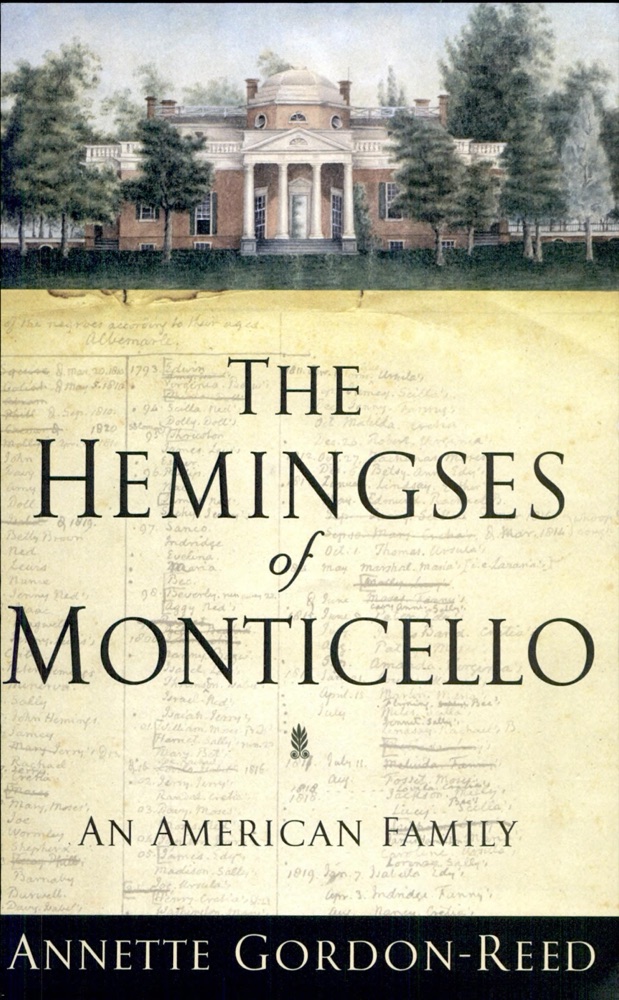
This epic work tells the story of the Hemingses, whose close blood ties to our third president had been systematically expunged from American history until very recently. Now, historian and legal scholar Annette Gordon-Reed traces the Hemings family from its origins in Virginia in the 1700s to the family’s dispersal after Jefferson’s death in 1826.
In the mid-1700s the English captain of a trading ship that made runs between England and the Virginia colony fathered a child by an enslaved woman living near Williamsburg. The woman, whose name is unknown and who is believed to have been born in Africa, was owned by the Eppeses, a prominent Virginia family. The captain, whose surname was Hemings, and the woman had a daughter. They named her Elizabeth.
So begins The Hemingses of Monticello, Annette Gordon-Reed’s “riveting history” of the Hemings family, whose story comes to vivid life i
Book details
- First published
- 2008
- Author
- Annette Gordon-Reed
- Genre
- History
- Goodreads rating
- 4.02 (7k ratings)
Keep reading
Four Hundred Souls: A Community History of African America, 1619-2019
 Black AF History: The Un-Whitewashed Story of America
 Blood Done Sign My Name: A True Story
 Simple Justice: The History of Brown v. Board of Education and Black America's Struggle for Equality
 The Love Songs of W.E.B. Du Bois
 Edge of Eternity
 These Truths: A History of the United States
 Chesapeake
 Founding Brothers: The Revolutionary Generation
 My Bondage and My Freedom
 We Were Eight Years in Power: An American Tragedy
 The 1619 Project: A New Origin Story
 The Warmth of Other Suns: The Epic Story of America's Great Migration
 No Name in the Street
 A People's History of the United States
 Dark Days
 Nobody Knows My Name
 Homegoing
 The Autobiography of an Ex-Coloured Man
 How the Word Is Passed: A Reckoning with the History of Slavery Across America
 Stony the Road: Reconstruction, White Supremacy, and the Rise of Jim Crow
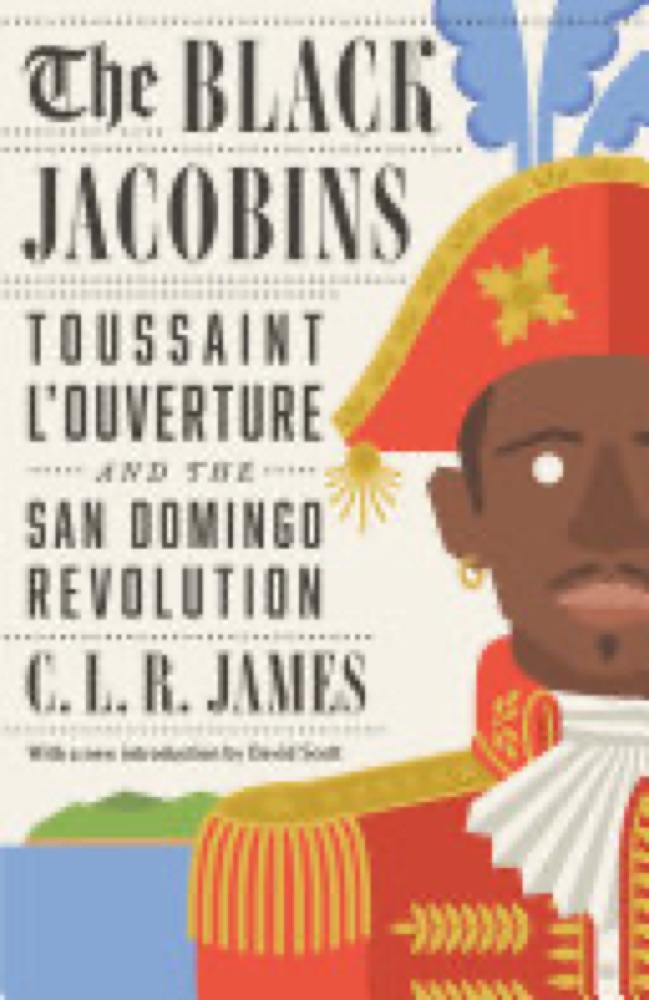 The Black Jacobins: Toussaint L'Ouverture and the San Domingo Revolution
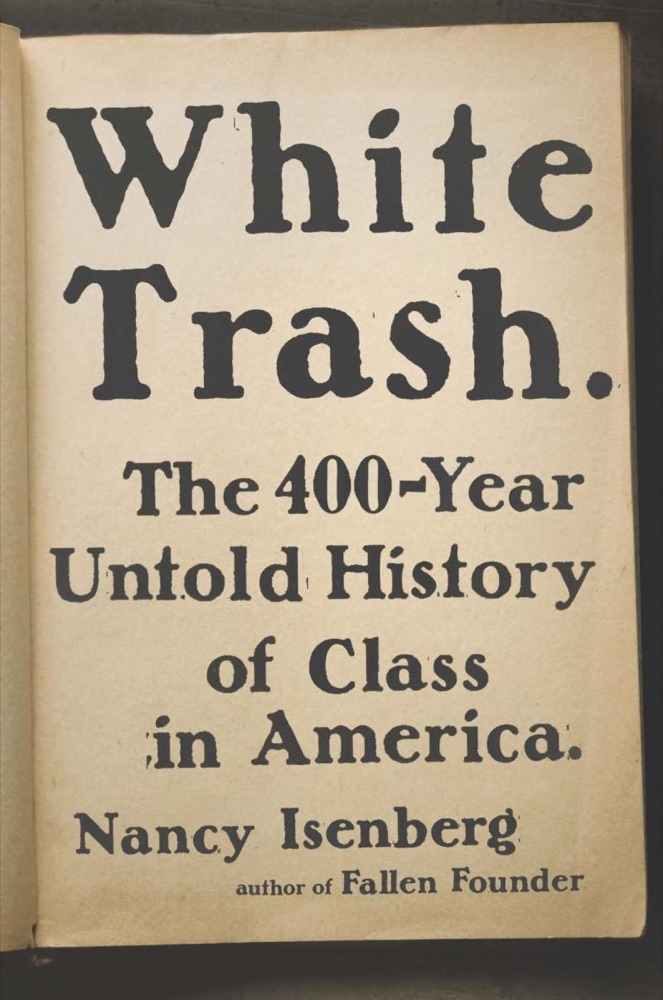 White Trash: The 400-Year Untold History of Class in America
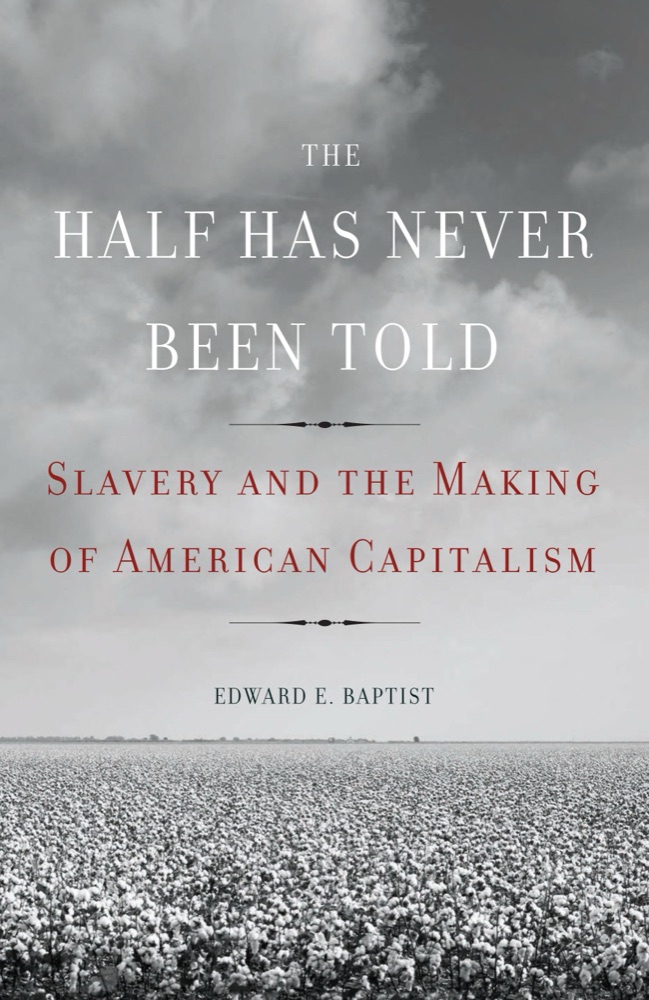 The Half Has Never Been Told: Slavery and the Making of American Capitalism
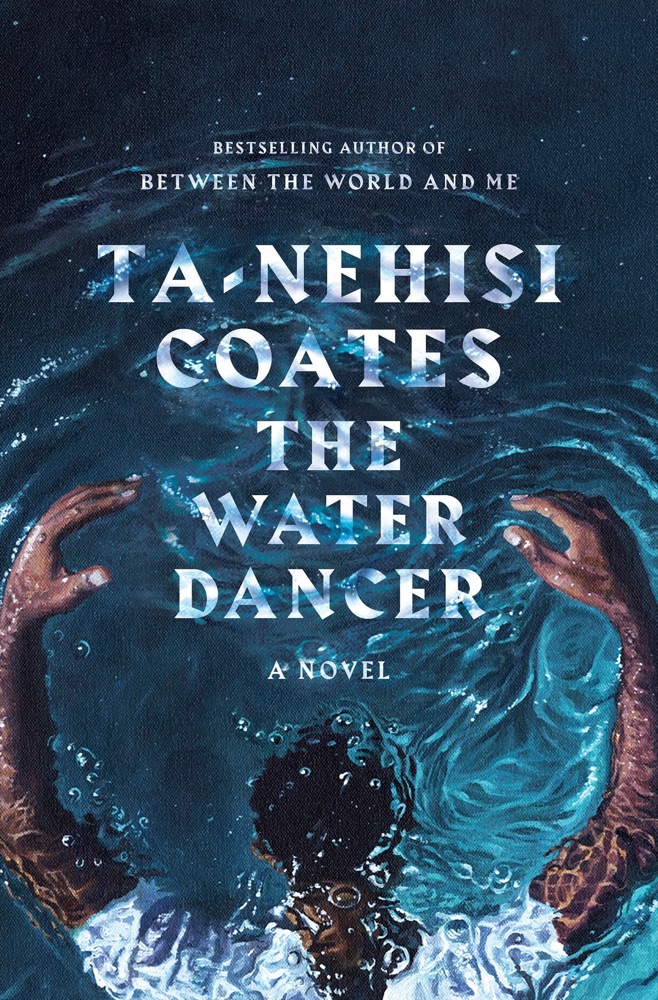 The Water Dancer
 Why We Can't Wait
 Dreams from My Father: A Story of Race and Inheritance
 Black Rednecks and White Liberals
 Black Reconstruction in America 1860-1880
 The Autobiography of Eleanor Roosevelt
 Arguably: Selected Essays
 Where Do We Go from Here: Chaos or Community?
 The Small and the Mighty: Twelve Unsung Americans Who Changed the Course of History, from the Founding to the Civil Rights Movement
 J
J
 Reflections on the Revolution in France
 The Radicalism of the American Revolution
 The Confessions of Nat Turner
 Black Like Me
 Robert E. Lee and Me: A Southerner's Reckoning with the Myth of the Lost Cause
 The Souls of Black Folk
 Shaman
 Black in Blues: How a Color Tells the Story of My People
 Burr
Burr
 The First Salute : View of the American Revolution
 The Reivers
 You Can't Be Neutral on a Moving Train: A Personal History of Our Times
 Varina
 American Colossus: The Triumph of Capitalism, 1865-1900
 Green Mars
 Notes from No Man's Land
 American Lion: Andrew Jackson in the White House
 Destiny of the Republic: A Tale of Madness, Medicine and the Murder of a President
 Persian Letters
 The Underground Railroad
 The Golden House
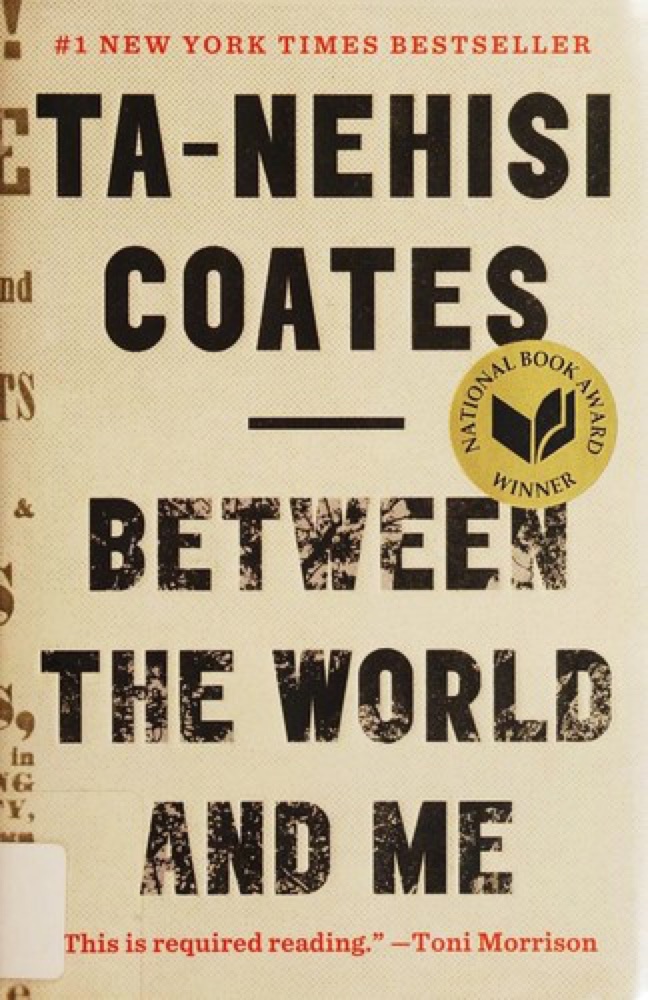 Between the World and Me
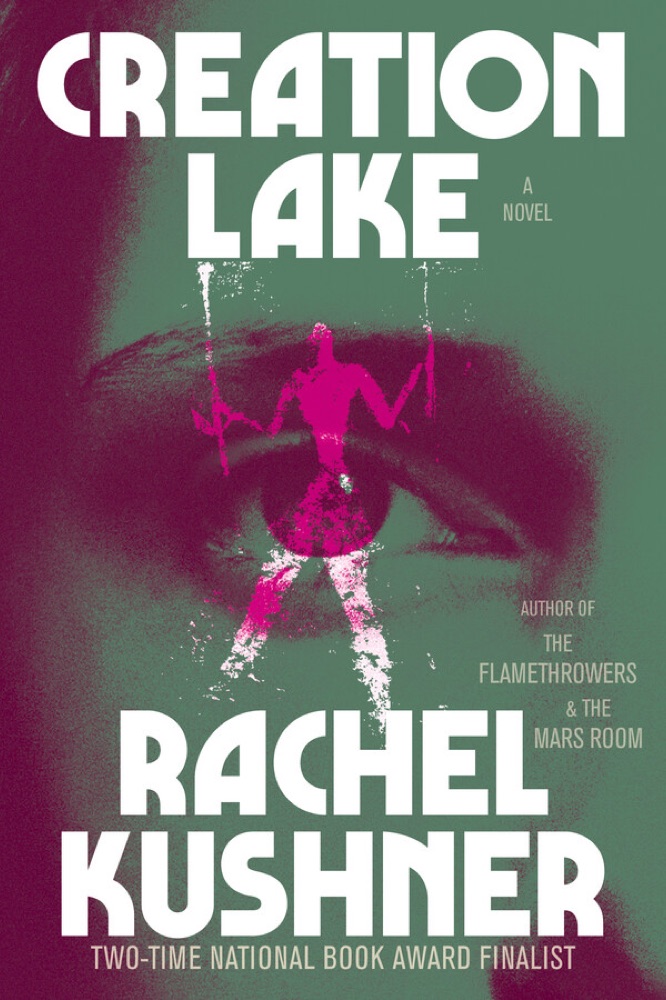 Creation Lake
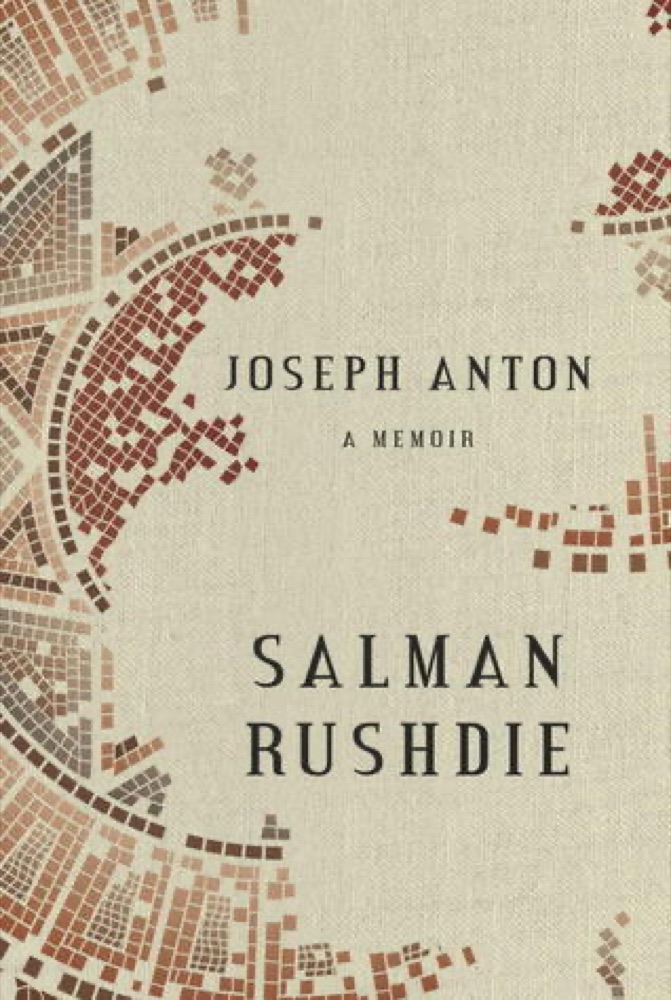 Joseph Anton: A Memoir
 April 1865: The Month That Saved America