
 One Person, No Vote: How Voter Suppression Is Destroying Our Democracy
Quotes from the Book
The truth is that the hard-fought victories of the Civil Rights Movement caused a reaction that stripped Brown of its power, severed the jugular of the Voting Rights Act, closed off access to higher education, poured crack cocaine into the inner cities, and locked up more black men proportionally than even apartheid-era South Africa.
22
Imagine if Reconstruction had actually honored the citizenship of four million freedpeople—provided the education, political autonomy, and economic wherewithal warranted by their and their ancestors’ hundreds of years of free labor. If, instead of continually re-fighting the Civil War, we had actually moved on to rebuilding a strong, viable South, a South where poor whites, too—for they had been left out as well—could gain access to proper education. Imagine
21
The trigger for white rage, inevitably, is black advancement. It is not the mere presence of black people that is the problem; rather, it is blackness with ambition, with drive, with purpose, with aspirations, and with demands for full and equal citizenship. It is blackness that refuses to accept subjugation, to give up. A formidable array of policy assaults and legal contortions has consistently punished black resilience, black resolve.9 And
18
Black respectability or “appropriate” behavior doesn’t seem to matter. If anything, black achievement, black aspirations, and black success are construed as direct threats. Obama’s presidency made that clear. Aspirations and the achievement of these aspirations provide no protection. Not even to the God-fearing. On
14
White rage is not about visible violence, but rather it works its way through the courts, the legislatures, and a range of government bureaucracies. It wreaks havoc subtly, almost imperceptibly. Too imperceptibly, certainly, for a nation consistently drawn to the spectacular—to what it can see. It’s not the Klan. White rage doesn’t have to wear sheets, burn crosses, or take to the streets. Working the halls of power, it can achieve its ends far more effectively, far more destructively.
10
The truth is, white rage has undermined democracy, warped the Constitution, weakened the nation’s ability to compete economically, squandered billions of dollars on baseless incarceration, rendered an entire region sick, poor, and woefully undereducated, and left cities nothing less than decimated. All this havoc has been wreaked simply because African Americans wanted to work, get an education, live in decent communities, raise their families, and vote. Because they were unwilling to take no for an answer.
5
The second key maneuver, which flowed naturally from the first, was to redefine racism itself. Confronted with civil rights headlines depicting unflattering portrayals of KKK rallies and jackbooted sheriffs, white authority transformed those damning images of white supremacy into the sole definition of racism. This simple but wickedly brilliant conceptual and linguistic shift served multiple purposes. First and foremost, it was conscience soothing. The whittling down of racism to sheet-wearing goons allowed a cloud of racial innocence to cover many whites who, although 'resentful of black progress' and determined to ensure that racial inequality remained untouched, could see and project themselves as the 'kind of upstanding white citizen(s)' who were 'positively outraged at the tactics of the Ku Klux Klan". The focus on the Klan also helped to designate racism as an individual aberration rather than something systemic, institutional and pervasive.
5
Black gains, it was assumed, could come only at the expense of whites.21 Not surprisingly, polls showed that as African Americans achieved greater access to their citizenship rights, white discomfort and unease mounted.
4
Not even a full month after Dylann Roof gunned down nine African Americans at Emanuel AME Church in Charleston, South Carolina, Republican presidential front-runner Donald Trump fired up his “silent majority” audience of thousands in July 2015 with a macabre promise: “Don’t worry, we’ll take our country back.
4
What the paper failed to recognize was that black people’s willingness to work had never been the problem. Having to work for free, under backbreaking conditions and the threat of the lash, was the real issue.
3
And so, at a December 1981 meeting, Contra leaders, whom Reagan referred to as the “moral equivalent of the Founding Fathers,” floated the idea that trafficking cocaine into California would provide enough profits to arm and train the anti-Sandinista guerrillas.108 With most of the network already established, the plan was rather straightforward: There were the Medellín and Cali cartels in Colombia; the airports and money laundering in Panama run by President Manuel Noriega; the well-known lack of radar detection that made landing strips in Costa Rica prime transport depots; and weapons and drug warehouses at Ilopango air base outside San Salvador. The problem had been U.S. law enforcement guarding key entry points into a lucrative market. But with the CIA and the National Security Council now ready to run interference and keep the FBI, the U.S. Customs Service,
3
The truth is that, despite all this, a black man was elected president of the United States: the ultimate advancement, and thus the ultimate affront. Perhaps not surprisingly, voting rights were severely curtailed, the federal government was shut down, and more than once the Office of the President was shockingly, openly, and publicly disrespected by other elected officials. And as the judicial system in state after state turned free those who had decided a neighborhood’s “safety” meant killing first and asking questions later, a very real warning was sent that black lives don’t matter.
3
Sadly, the ascent of a black man to the presidency of the United States did not, despite all the talk of hope and a post-racial society, signal progress. Instead, it has led to a situation, not so unlike the era of Jim Crow, where a sense of physical vulnerability is shared across classes in the black community.
3
The point, longtime aide John Ehrlichman explained, was to present a position on crime, education, or public housing in such a way that a voter could “avoid admitting to himself that he was attracted by a racist appeal.
2
The Supreme Court thus identified states as the ultimate defenders of rights, although Southern states had repeatedly proven themselves the ultimate violators of those rights.
2
A program that stops and frisks predominantly those who are the least likely to have illegal contraband is not law enforcement.80 A war on drugs that uses race and ethnicity as the litmus test for crime is not justice.81 Millions of black citizens recognize this and, therefore, question the very legitimacy of this key pillar in American democracy.82 Meanwhile, state budgets have cracked under the strain of bloated, unsustainable prison systems.83 Mayors worry that their cities will ignite when yet another black person, who is more likely than not unarmed, is killed by police.84 The costs of the continued misuse of the criminal justice system are more than the United States can bear—morally, politically, and financially. It is time to rethink America.
2
Wisconsin took another tack when Republican governor Scott Walker championed a bill requiring a government-issued photo ID to vote, and then proceeded to close the Department of Motor Vehicles in areas with Democratic voters while simultaneously extending the hours in Republican strongholds.
2
The Brennan Center for Justice estimates that as “many as 12 percent of eligible voters nationwide may not have government-issued photo ID,” and that “percentage is likely even higher for students, seniors and people of color.
2
Full voting rights for American citizens, funding and additional resources for quality schools, and policing and court systems in which racial bias is not sanctioned by law—all these are well within our grasp. Visionaries, activists, judges, and politicians before us saw what America could be and fought hard for that kind of nation. This is the moment now when all of us—black, white, Latino, Native American, Asian American—must step out of the shadow of white rage, deny its power, understand its unseemly goals, and refuse to be seduced by its buzzwords, dog whistles, and sophistry. This is when we choose a different future.
2
Since the days of enslavement, African Americans have fought to gain access to quality education. Education can be transformative. It reshapes the health outcomes of a people; it breaks the cycle of poverty; it improves housing conditions; it raises the standard of living. Perhaps, most meaningfully, educational attainment significantly increases voter participation.135 In short, education strengthens a democracy. As
2
According to Human Rights Watch, “the proportion of blacks in prison populations exceeds the proportion among state residents in every single state.
1
The whittling down of racism to sheet-wearing goons allowed a cloud of racial innocence to cover many whites who, although “resentful of black progress” and determined to ensure that racial inequality remained untouched, could see and project themselves as the “kind of upstanding white citizen[s]” who were “positively outraged at the tactics of the Ku Klux Klan.
1
if somebody didn’t have a problem with their daddy being employed by the federal government, and didn’t have a problem with the Tennessee Valley Authority electrifying certain communities, and didn’t have a problem with the interstate highway system being built, and didn’t have a problem with the [Federal Housing Administration] subsidizing the suburbanization of America, and that all helped you build wealth and create a middle class—and then suddenly as soon as African Americans or Latinos are interested in availing themselves of the same mechanisms as ladders into the middle class, you now have a violent opposition to them—then I think you at least have to ask yourself the question of how consistent you are, and what’s different, and what’s changed.
1
The focus on the Klan also helped to designate racism as an individual aberration rather than something systemic, institutional, and pervasive.
1
Georgia’s legislature even went so far as to pass a resolution to “repeal the 13th, 14th, and 15th amendments to the Constitution of the United States of America and to impeach the members of the Supreme Court.”57 On July 1, 1956, the state adopted a new flag, designed by segregationist John Sammons Bell, which “featured a prominent confederate battle flag. It was Georgia’s way of letting the NAACP and the rest of the nation know that white Georgians, once willing to die to protect slavery, were also willing to die to protect segregation
1
First, within weeks after taking office, Johnson pardoned scores of former Confederates, ignoring Congress’s 1862 Ironclad Test Oath that expressly forbade him to do so, and handed out full amnesty to thousands whom, just the year before, he had called “guerrillas and cut-throats” and “traitors … [who] ought to be hung.
1
But as sociologist Tressie McMillan Cottom observed, “Whiteness defends itself. Against change, against progress, against hope, against black dignity, against black lives, against reason, against truth, against facts, against native claims, and against its own laws and customs.
1
to create the full-blown security apparatus to suppress what will eventually be the bulk of a nation’s population and to find a continuous substantial flow of foreign capital to offset the inordinate expense—means that it is destined to fail.
1
Comprising 13 percent of the electorate, African Americans stood as the firewall between a democracy continuing to evolve and one threatened by the corrosion of a Trump presidency tainted with the “drip, drip, drip of scandal,” ethics violations, foreign intrigue, and authoritarianism.
1
Watch on YouTube
About Carol Anderson
We have collected 55 quotes from 2 books by Carol Anderson on BookQuoters.
More about the author →More by Carol Anderson
One Person, No Vote: How Voter Suppression Is Destroying Our Democracy
About the book
From the Civil War to our combustible present, White Rage reframes our continuing conversation about race, chronicling the powerful forces opposed to black progress in America--now in paperback with a new afterword by the author, acclaimed historian Carol Anderson.
As Ferguson, Missouri, erupted in August 2014, and media commentators across the ideological spectrum referred to the angry response of African Americans as “black rage,” historian Carol Anderson wrote a remarkable op-ed in The Washington Post suggesting that this was, instead, "white rage at work. With so much attention on the flames," she argued, "everyone had ignored the kindling."
Since 1865 and the passage of the Thirteenth Amendment, every time African Americans have made advances towards full participation in our democracy, white reaction has fueled a deliberate and relentless rollback of their gains. The end of t
Book details
- First published
- 2016
- Author
- Carol Anderson
- Genre
- Nonfiction
- Goodreads rating
- 4.46 (15k ratings)
Keep reading
 We Were Eight Years in Power: An American Tragedy
 Stony the Road: Reconstruction, White Supremacy, and the Rise of Jim Crow
 Simple Justice: The History of Brown v. Board of Education and Black America's Struggle for Equality
 Silent Covenants: Brown v. Board of Education and the Unfulfilled Hopes for Racial Reform
 Four Hundred Souls: A Community History of African America, 1619-2019
 The Sum of Us: What Racism Costs Everyone and How We Can Prosper Together
 Uncomfortable Conversations With a Black Man
One Person, No Vote: How Voter Suppression Is Destroying Our Democracy
Uncomfortable Conversations With a Black Man
One Person, No Vote: How Voter Suppression Is Destroying Our Democracy
 We Gon' Be Alright: Notes on Race and Resegregation
 Tears We Cannot Stop: A Sermon to White America
 The New Jim Crow: Mass Incarceration in the Age of Colorblindness
 Stamped from the Beginning: The Definitive History of Racist Ideas in America
 Why We Can't Wait
 Where Do We Go from Here: Chaos or Community?
 The 1619 Project: A New Origin Story
 The Blood of Emmett Till
 A Colony in a Nation
 Myth America: Historians Take On the Biggest Legends and Lies About Our Past
 The Fire This Time: A New Generation Speaks About Race
 Becoming Abolitionists: Police, Protests, and the Pursuit of Freedom
 Black AF History: The Un-Whitewashed Story of America
 A Fever in the Heartland: The Ku Klux Klan's Plot to Take Over America, and the Woman Who Stopped Them
 The Color of Law: A Forgotten History of How Our Government Segregated America
 The Warmth of Other Suns: The Epic Story of America's Great Migration
 We Refuse: A Forceful History of Black Resistance
 Dark Days
 What Truth Sounds Like: Robert F. Kennedy, James Baldwin, and Our Unfinished Conversation About Race in America
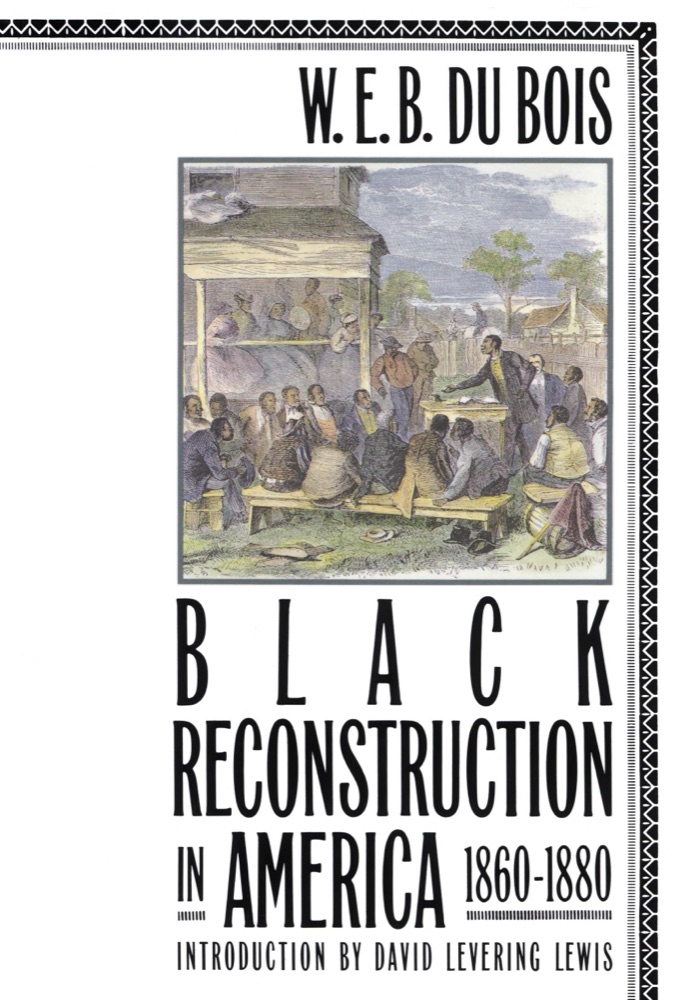 Black Reconstruction in America 1860-1880
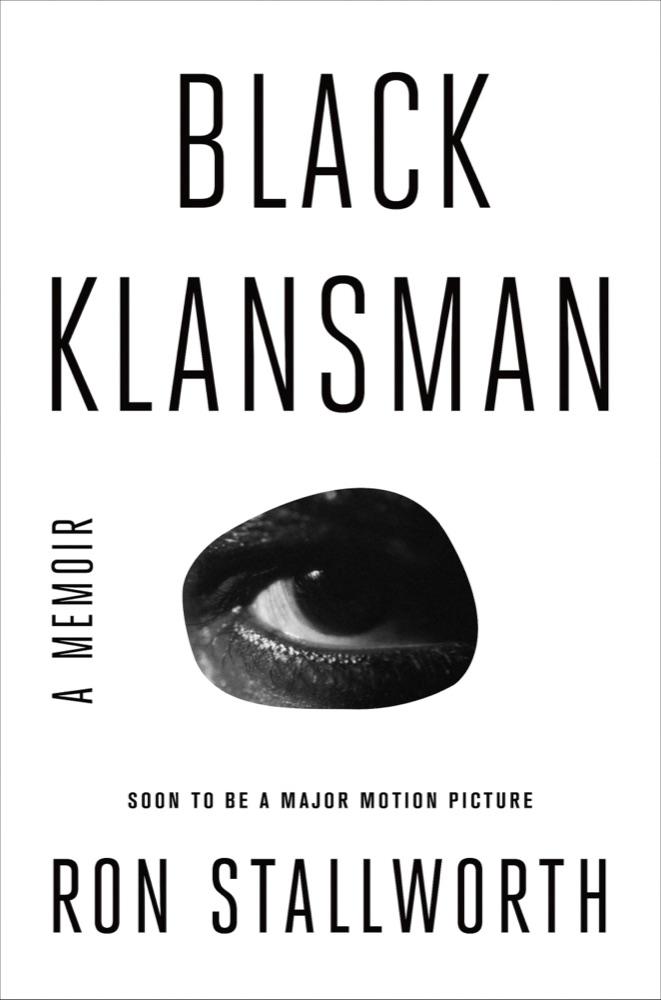 Black Klansman: A Memoir
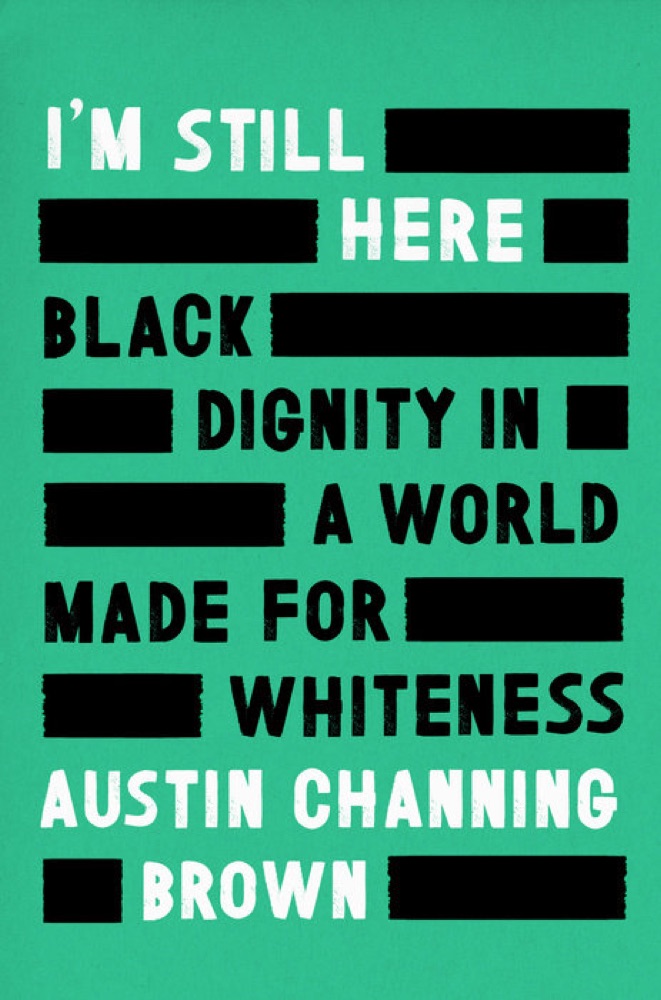 I'm Still Here: Black Dignity in a World Made for Whiteness
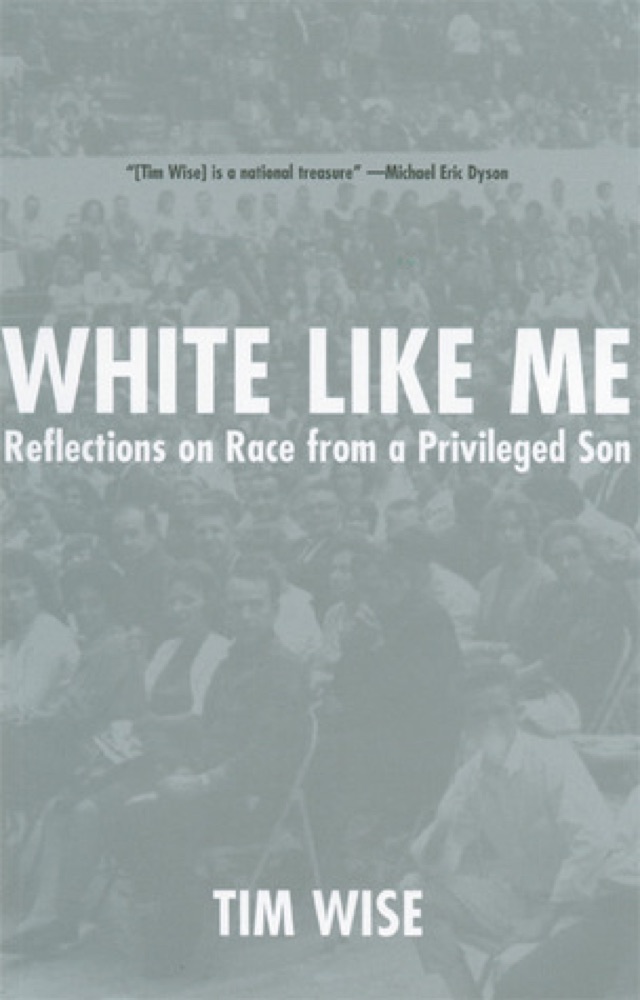 White Like Me: Reflections On Race From A Privileged Son
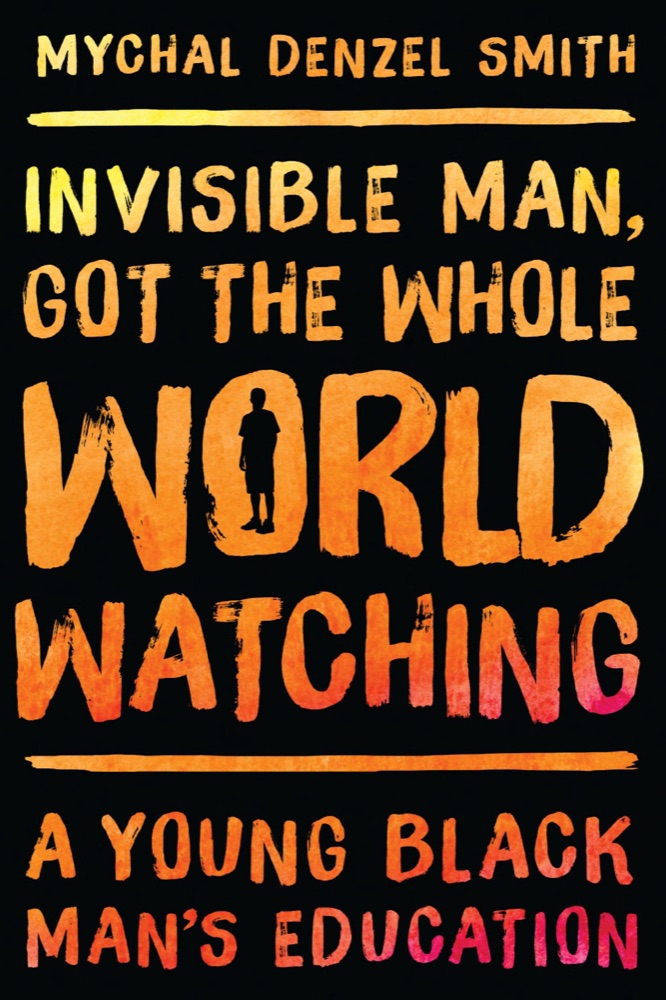 Invisible Man, Got the Whole World Watching: A Young Black Man's Education
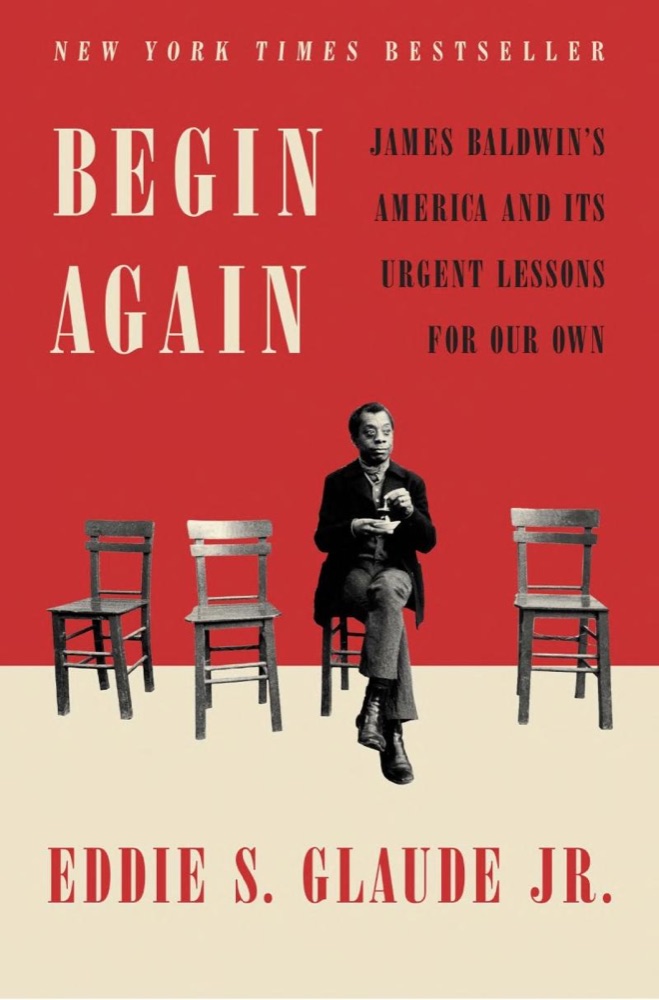 Begin Again: James Baldwin's America and Its Urgent Lessons for Our Own
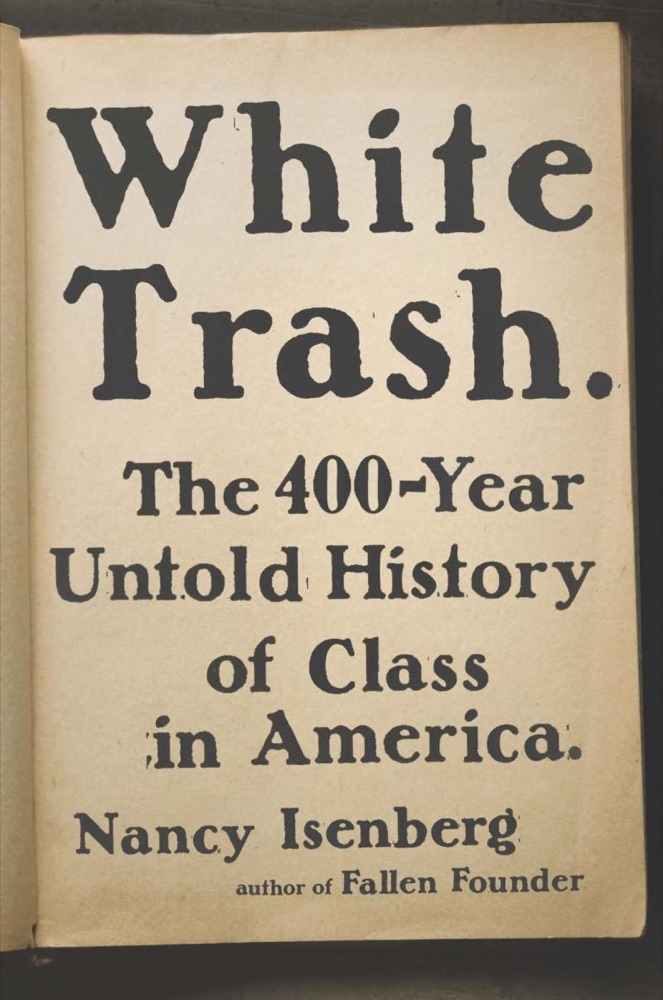 White Trash: The 400-Year Untold History of Class in America
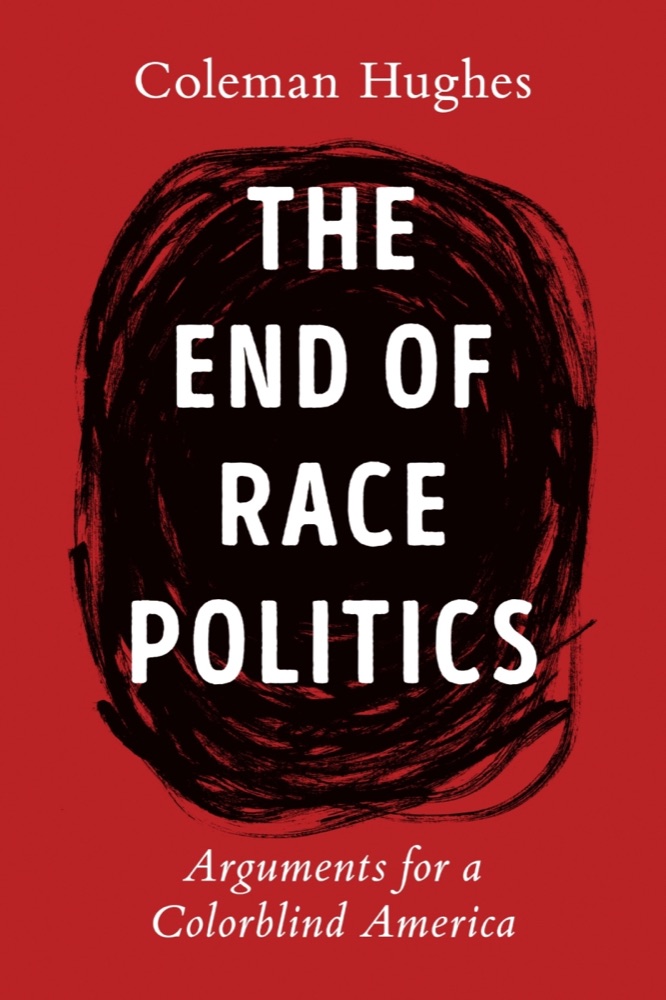 The End of Race Politics: Arguments for a Colorblind America
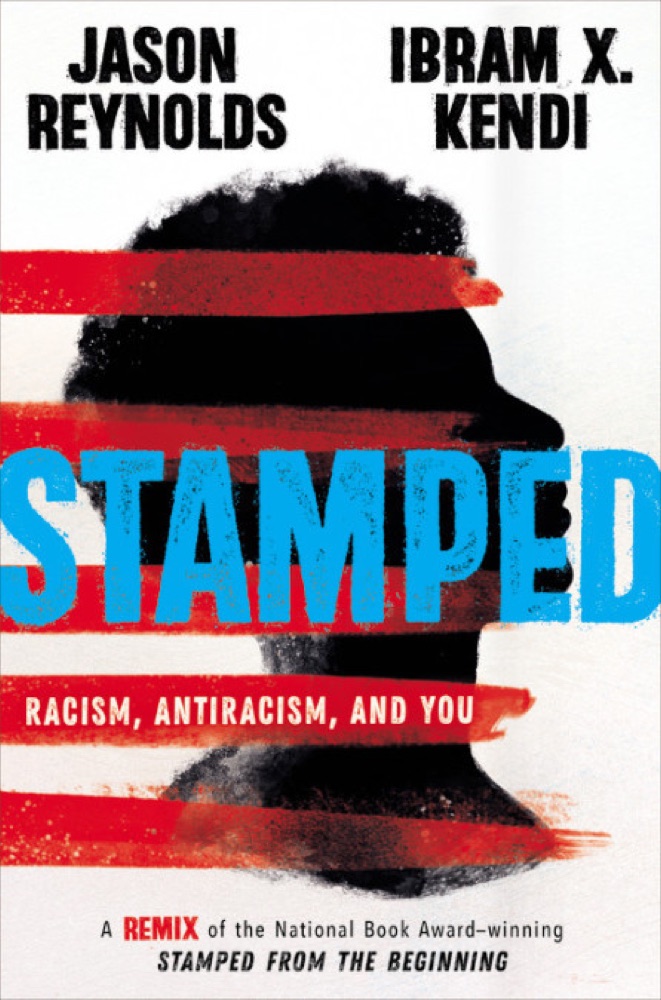 Stamped: Racism, Antiracism, and You
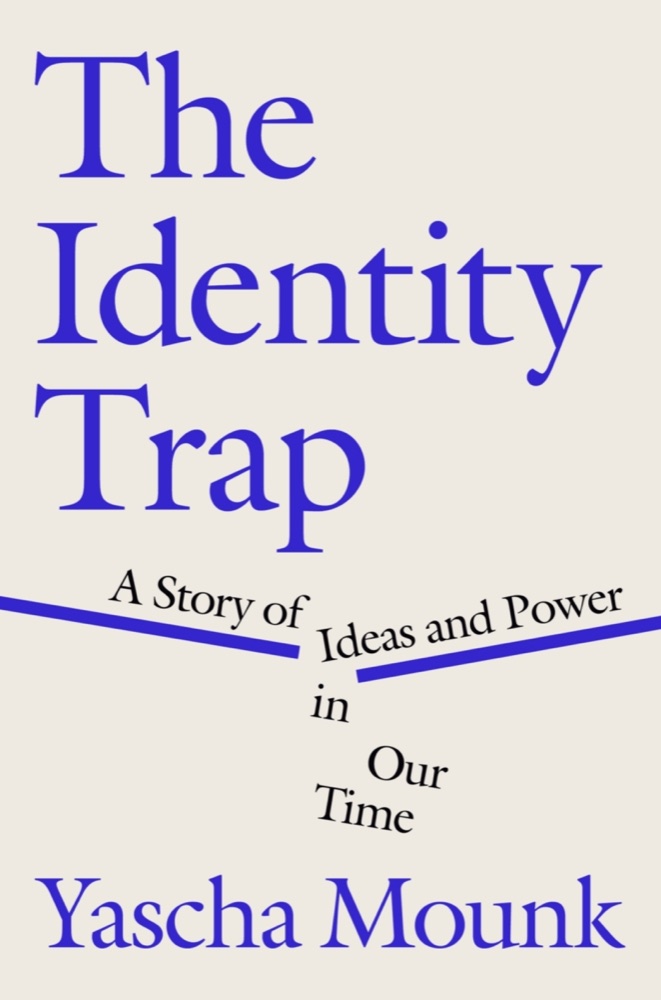 The Identity Trap: A Story of Ideas and Power in Our Time
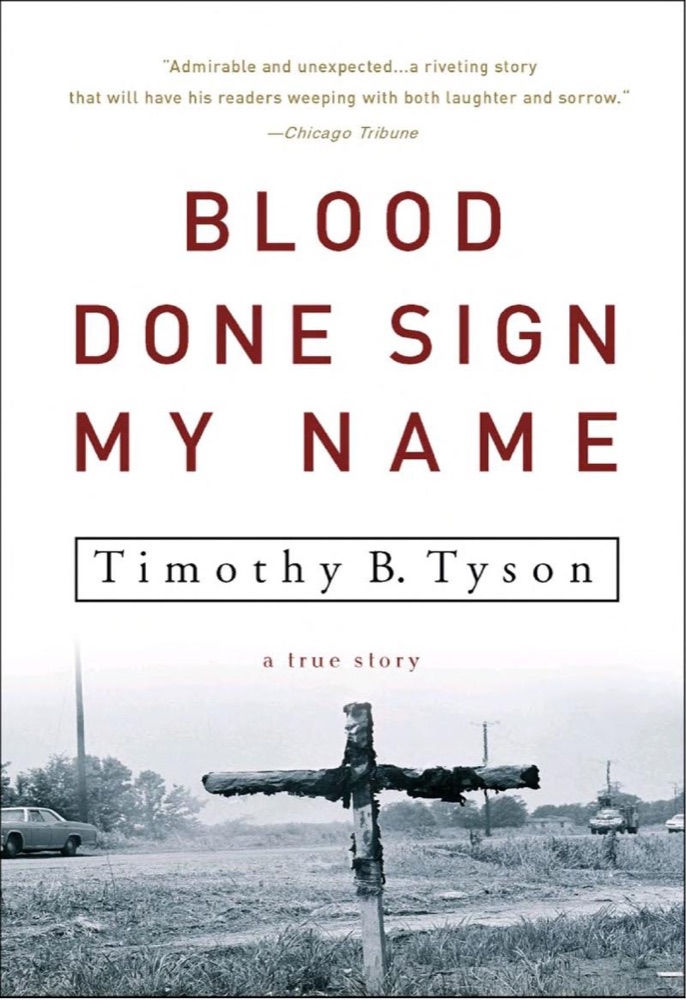 Blood Done Sign My Name: A True Story
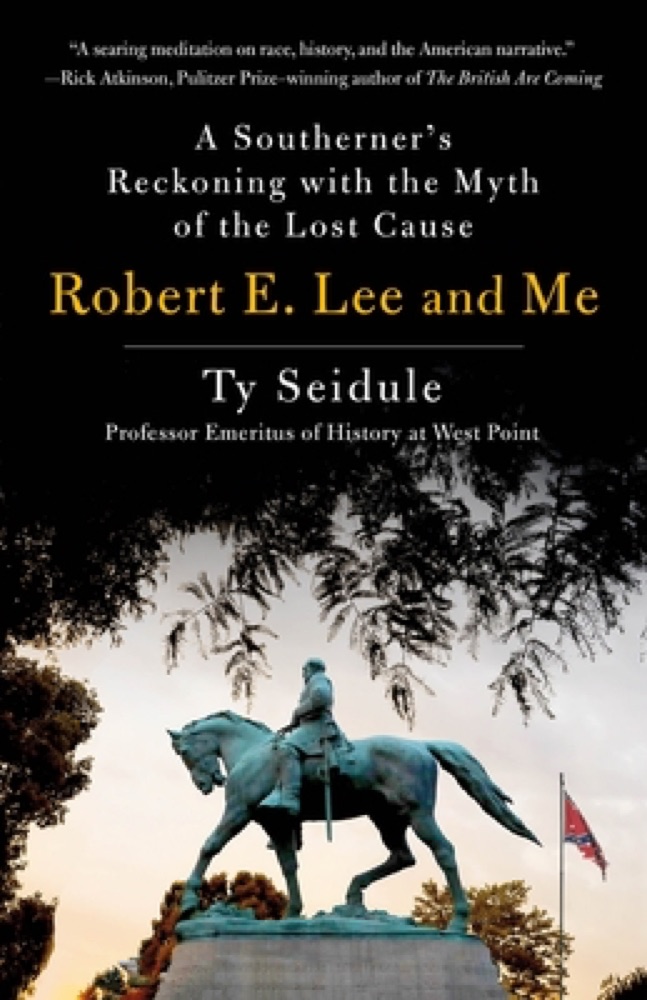 Robert E. Lee and Me: A Southerner's Reckoning with the Myth of the Lost Cause
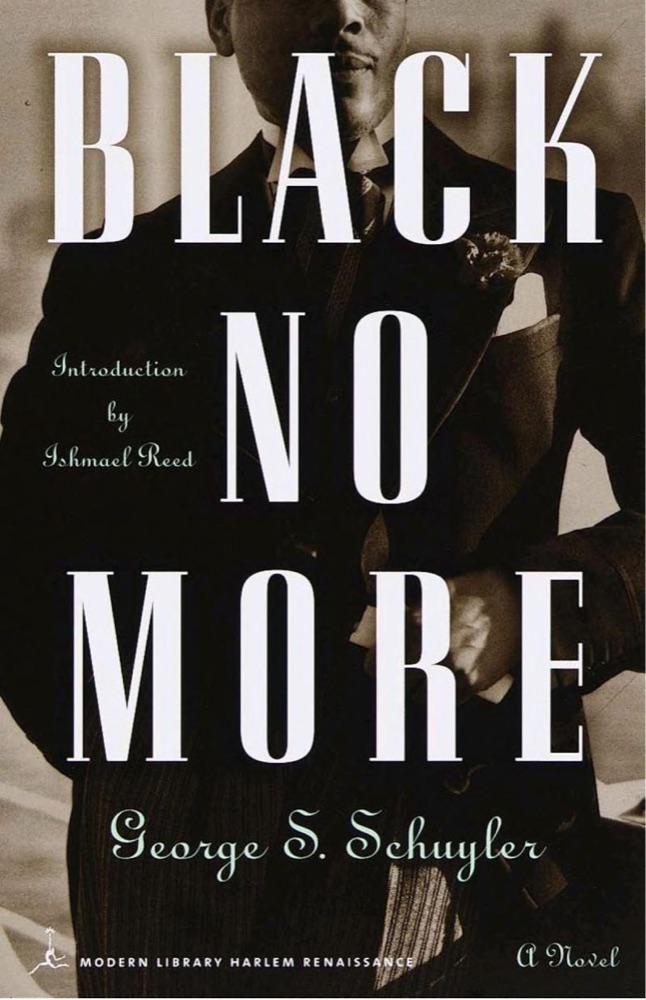 Black No More
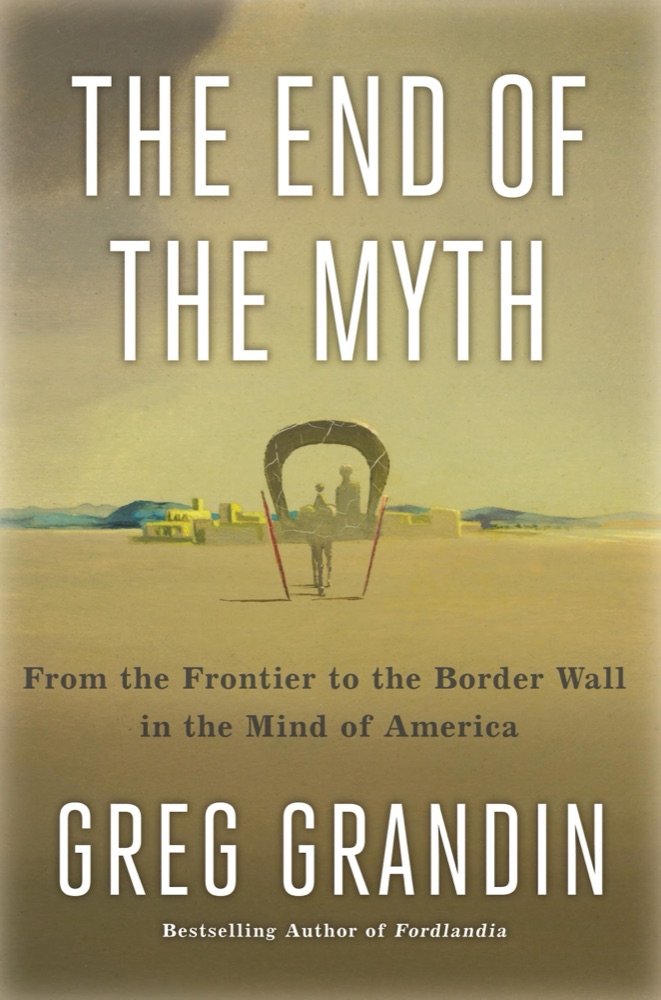 The End of the Myth: From the Frontier to the Border Wall in the Mind of America
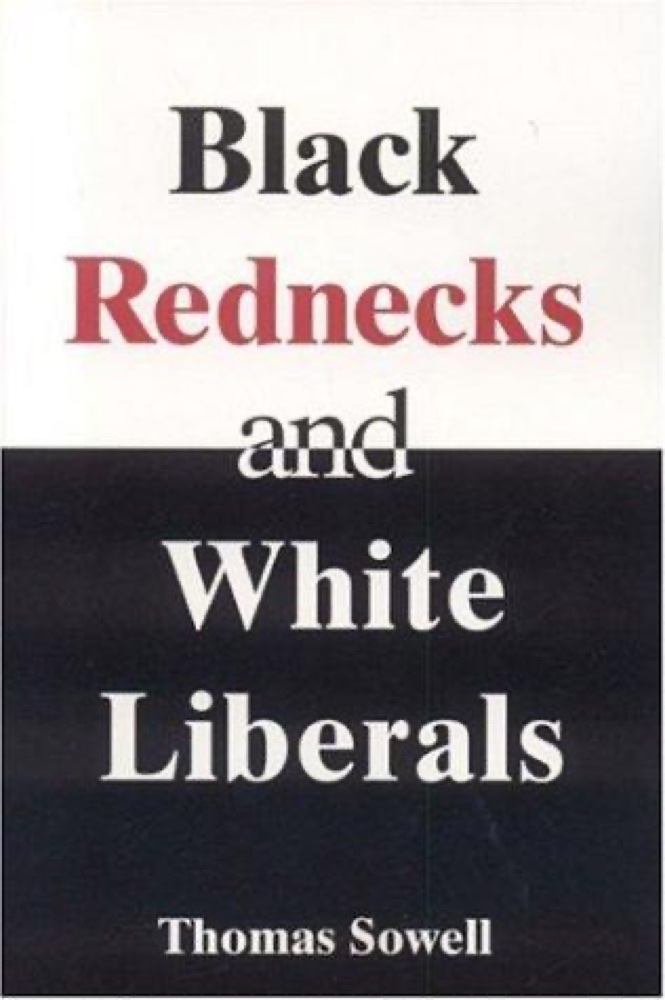 Black Rednecks and White Liberals
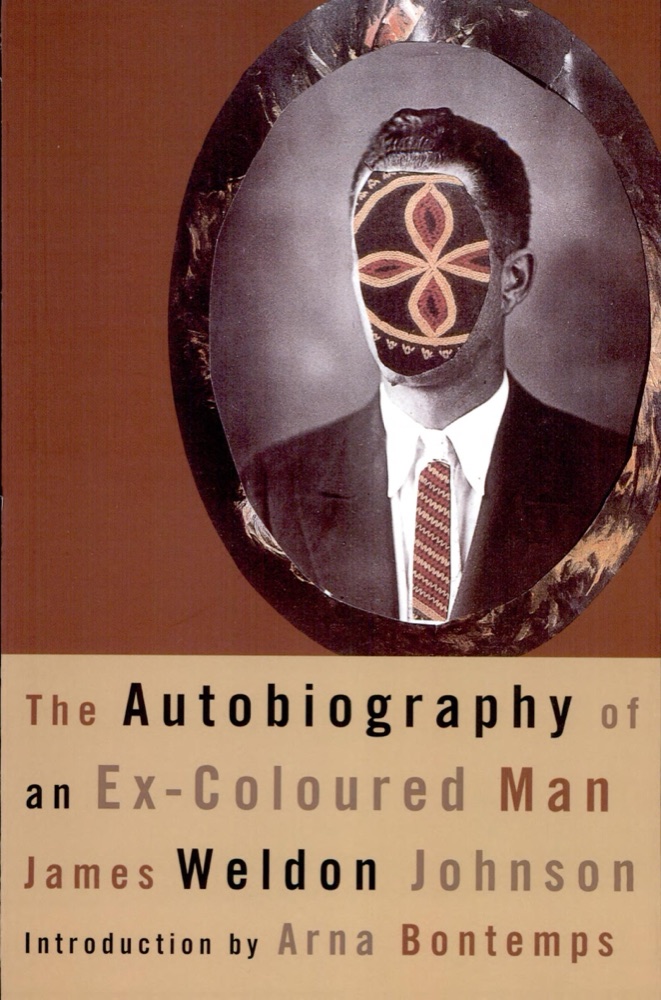 The Autobiography of an Ex-Coloured Man
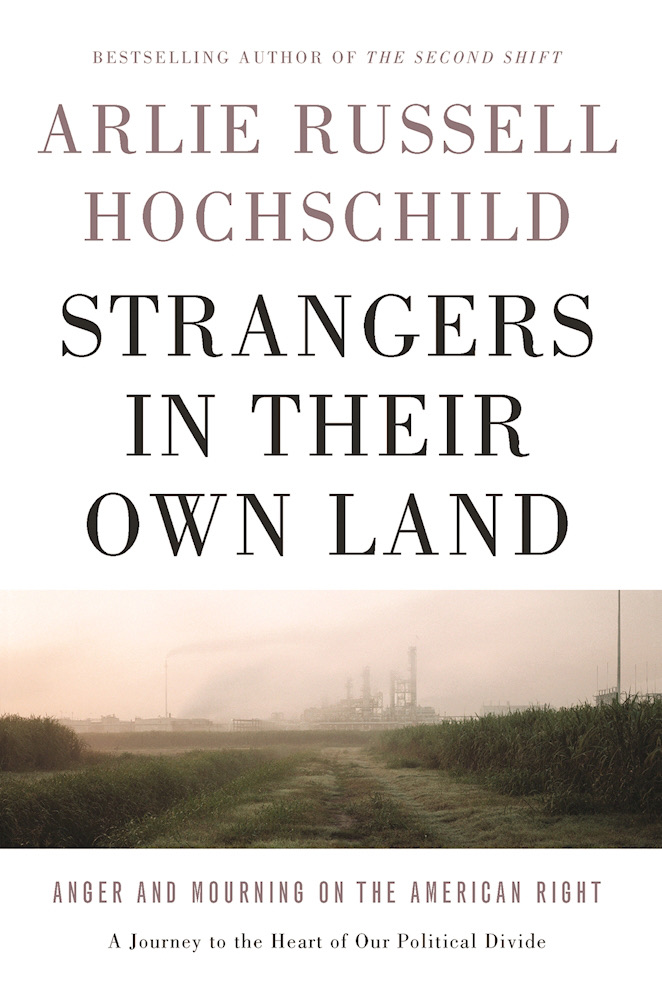 Strangers in Their Own Land: Anger and Mourning on the American Right
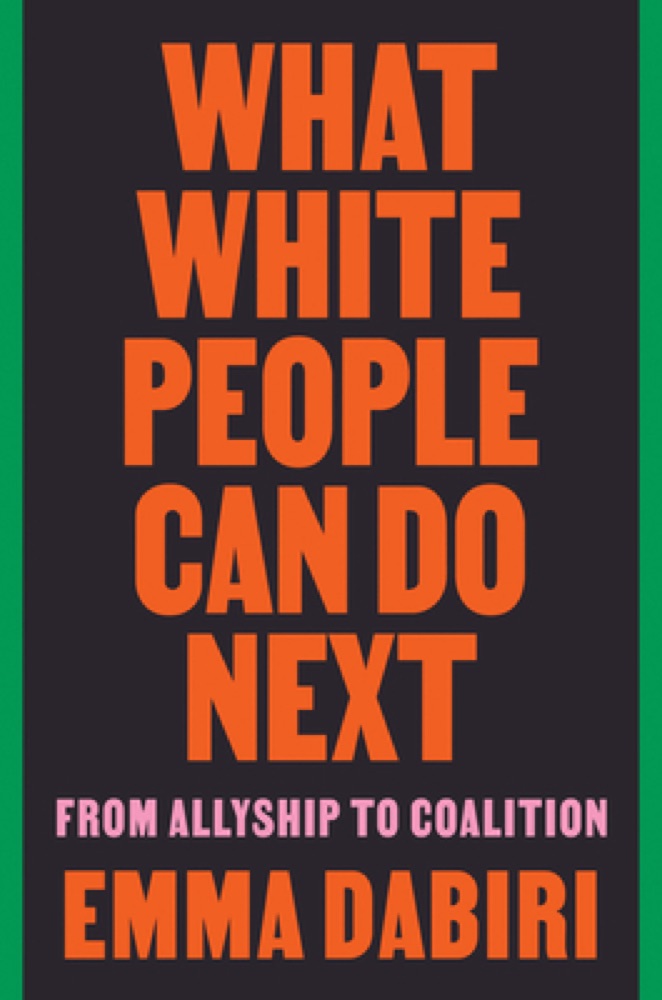 What White People Can Do Next: From Allyship to Coalition – An Empowering Guide to Interrogating Whiteness and Creating Justice
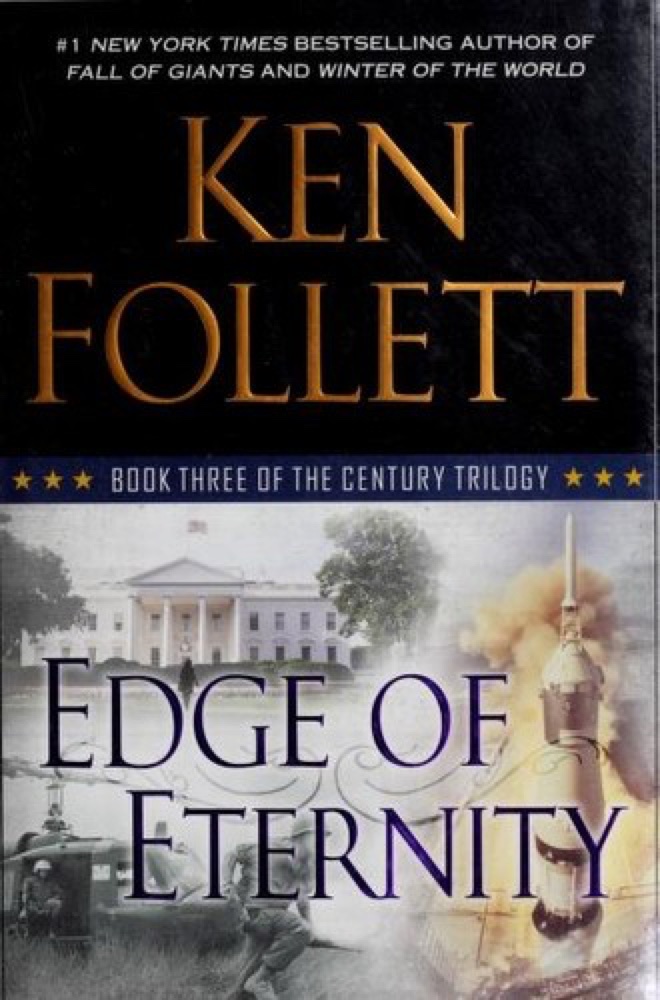 Edge of Eternity
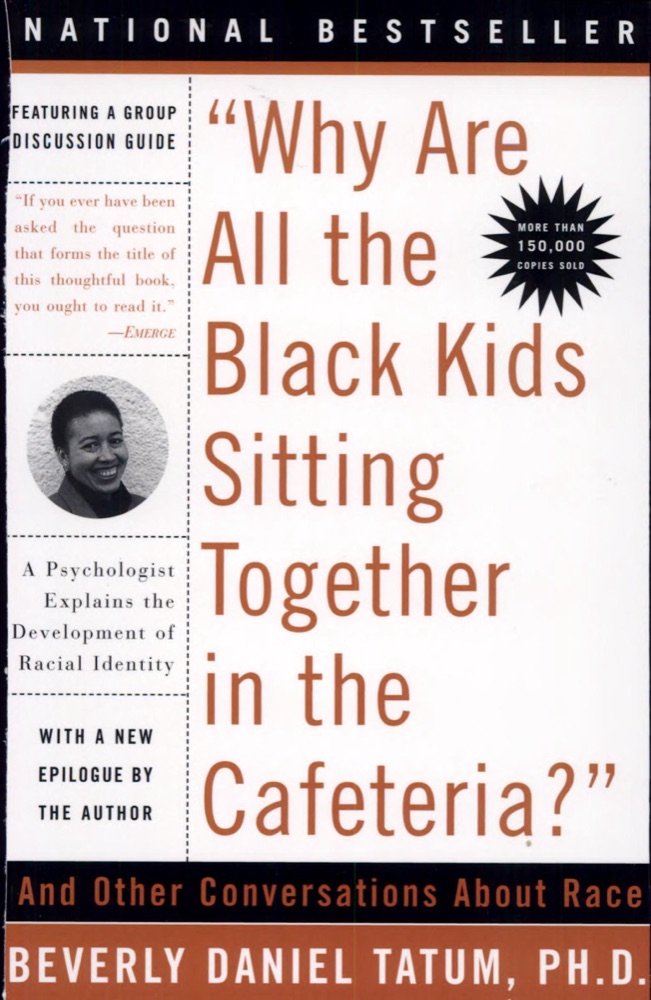 Why Are All The Black Kids Sitting Together in the Cafeteria?
 Just Us: An American Conversation
 The Soul of America: The Battle for Our Better Angels
 Devil in the Grove: Thurgood Marshall, the Groveland Boys, and the Dawn of a New America
 The Hemingses of Monticello: An American Family
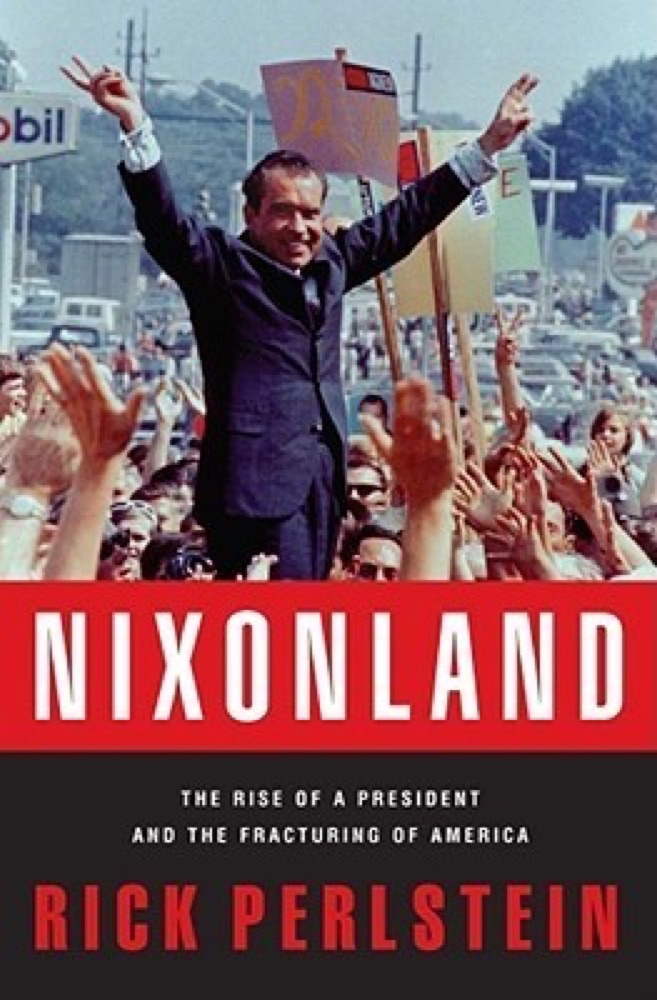 Nixonland: The Rise of a President and the Fracturing of America
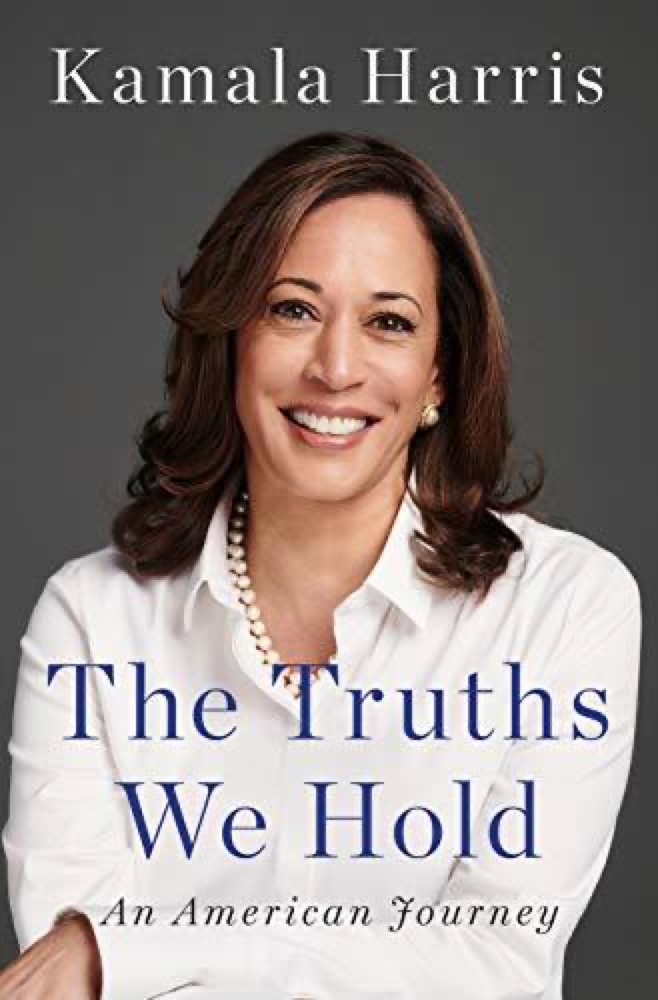 The Truths We Hold: An American Journey
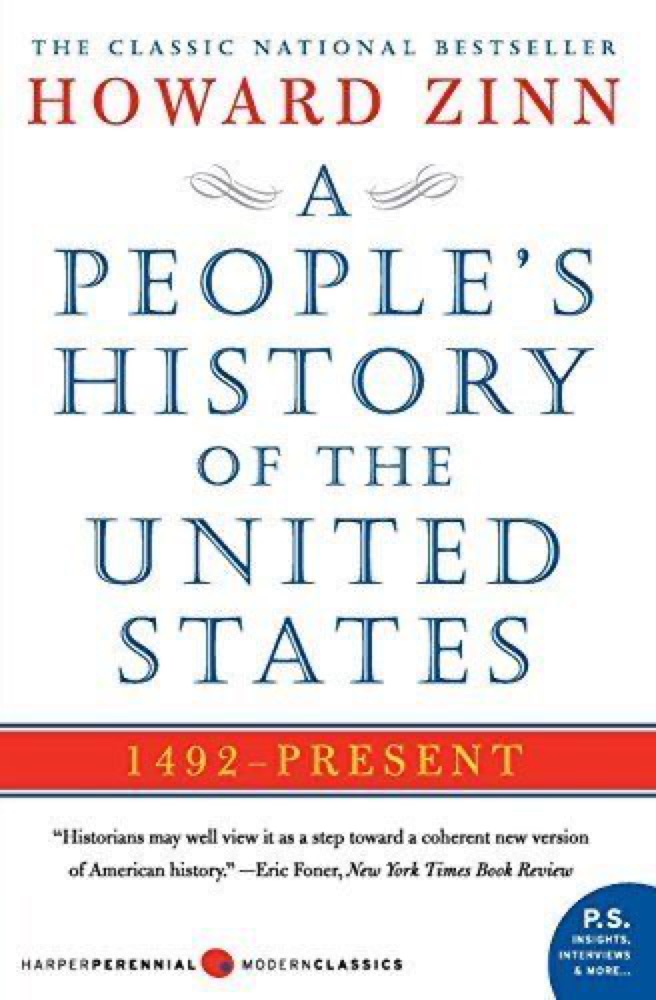 A People's History of the United States
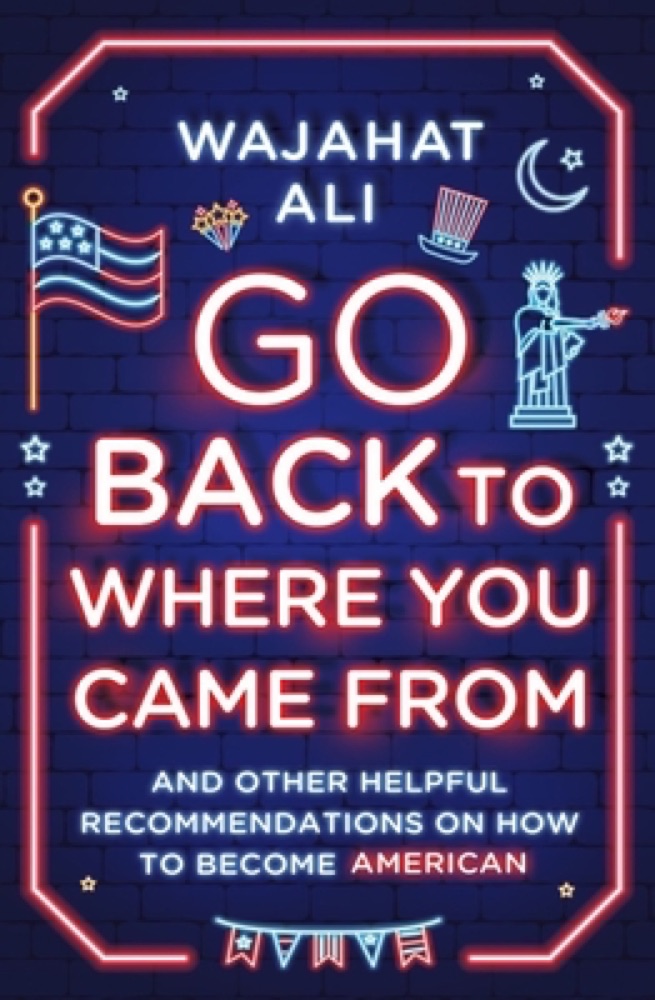 Go Back to Where You Came From: And Other Helpful Recommendations on How to Become American
 Nobody Knows My Name
 The Disuniting of America: Reflections on a Multicultural Society
 Stamped (For Kids): Racism, Antiracism, and You
 The Half Has Never Been Told: Slavery and the Making of American Capitalism
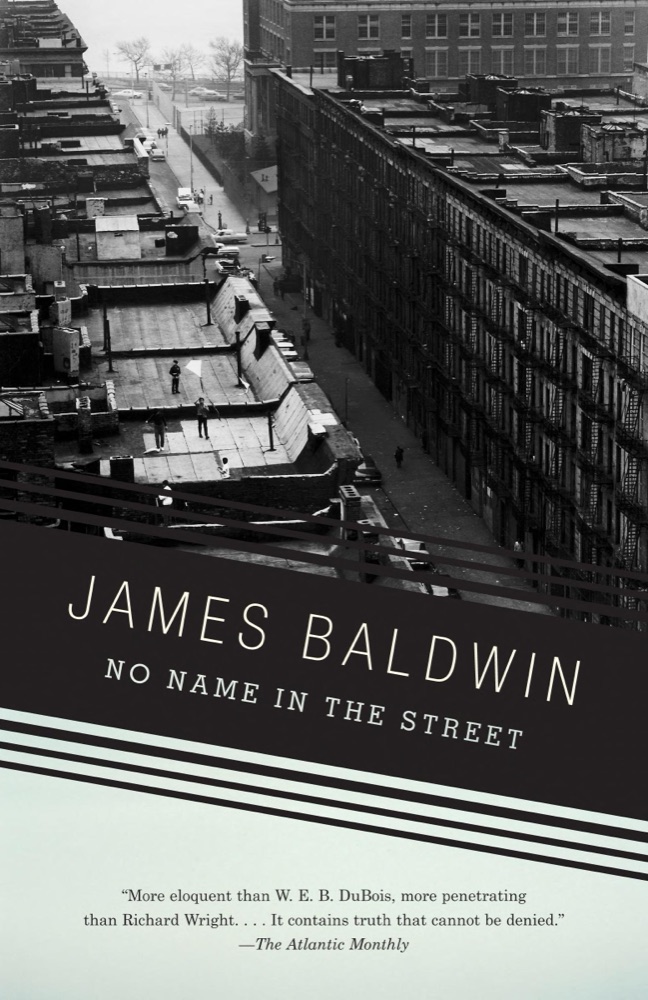 No Name in the Street