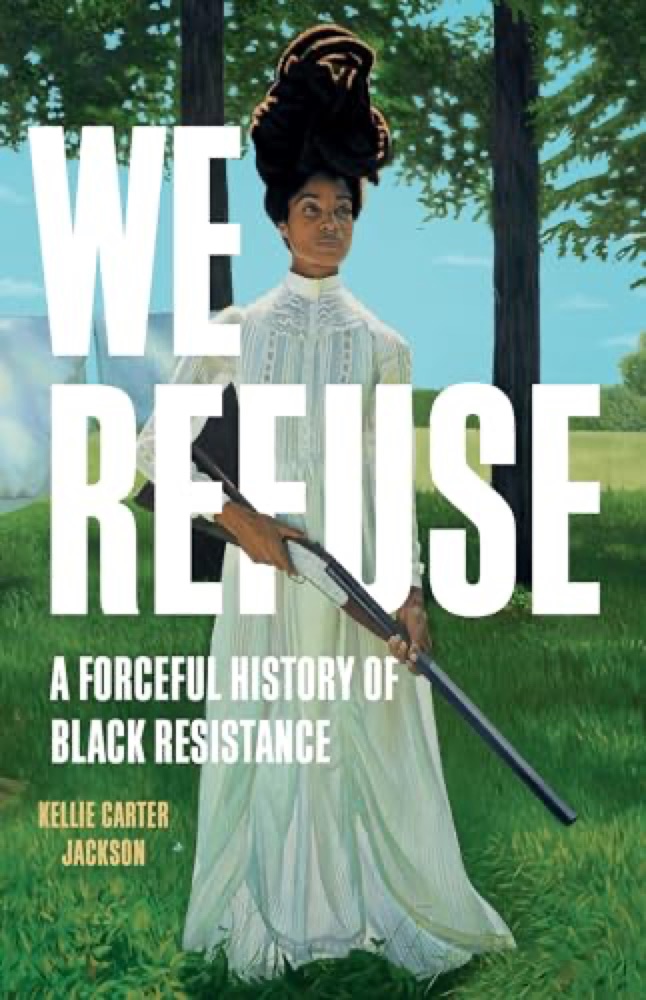

 Why We Can't Wait
Quotes from the Book
There is no form of protest white supremacy will approve. Whether Black people take a knee or burn down the QuikTrip, the backlash will always be the same. Appeasing white power structures will not work. And when nonviolence is not successful, it is likely because nonviolence is being used as a tool to suppress change. Only by force can freedom be gained.
1
Gun rights mattered, but protection attended to the whole body, the whole person. True liberation makes guns obsolete because when everyone is cared for there is no need to conquer, and certainly there is no need to hoard.
1
Ordinary people without political, economic, or social power have always found empowerment in defending their lives and the lives of others. Collective protection is powerful. It not only saved lives, but compelled people to reckon with the reasons for needing it. ... The answers should haunt us. Protection was a constant response to white supremacy. White power had become synonymous with violence.
1
Much of the hard work in protection is about proving that a double standard exists in terms of who is awarded rights, citizenship, and humanity, and preventing the double standard from causing harm. Until Black and oppressed peoples are able to be and belong, protective collective action will be required.
1
For Black Americans, the [American] Revolution replaced a distant white supremacist tyrant supportive of Black enslavement with local and electable white supremacist tyrants empowered to preserve the existing social, political, and economic order, which was grounded in slavery and anti-Blackness. The Revolution was not merely imperfect; it was not true.
1
The violence of white supremacy is also bound up in forgetting. That Black revolutionary victories have been marginalized and forgotten is not accidental. The French did not just want to eliminate Black leadership; they sought to erase Black history because history often serves as a road map to a possible future. In marginalizing the past, white people were attempting to make Black people beholden to an identity stuck in subordination.
1
Peaceful resistance during apartheid is nonsense, even to a child. Tutu recalled a moment when he was speaking in a meeting about peaceful change. After the meeting, a twelve-year-old boy approached him. 'Bishop Tutu, I heard what you said. Do you believe it?' Tutu said he began to hem and haw and evade the question. The boy, sensing his inability to answer him straight on, issued a challenge: 'Can you people, with your eloquent talk about peaceful change, show us what you have achieved with your talk? And we will show you what we have gained with a few stones.' The boy was referring to the Soweto Uprising of 1976, in which over twenty thousand South African schoolchildren protested the introduction of Afrikaans as the language of instruction in Black and Bantu schools. Hundreds of children were shot at or wounded, and sixteen were killed, by the police. The violence went on for three days and drew international attention. Thousands of children were harmed, but even though they were outmatched by police forces, they physically fought back and won the world’s support. Tutu admitted that he did not have any evidence to show him. Yet the boy could point to the fact that Afrikaans was no longer the compulsory language of instruction. He could point to new school buildings that the South African government had put up as a result of all their activism. He could point to the fact that the South African government was putting more money into Black education than they had before, largely in response to what the young people had done. Tutu conceded, 'And so in some ways, he was right.' Even a child understood the efficacy of force and the limitations of nonviolence.
No white people in the Western world could imagine their own revolutions without the suppression of Black people.
Nearly every African American could teach a master class in refusing the terms in our degradation.
Watch on YouTube
About Kellie Carter Jackson
We have collected 9 quotes from 1 book by Kellie Carter Jackson on BookQuoters.
More about the author →About the book
A radical reframing of the past and present of Black resistance—both nonviolent and violent—to white supremacy.
Black resistance to white supremacy is often reduced to a simple binary, between Dr. Martin Luther King Jr.’s nonviolence and Malcolm X’s “by any means necessary.” In We Refuse, historian Kellie Carter Jackson urges us to move past this false choice, offering an unflinching examination of the breadth of Black responses to white oppression, particularly those pioneered by Black women.
The dismissal of “Black violence” as an illegitimate form of resistance is itself a manifestation of white supremacy, a distraction from the insidious, unrelenting violence of structural racism. Force—from work stoppages and property destruction to armed revolt—has played a pivotal part in securing freedom and justice for Black people since the days of the American and Haitian Revolutions. Bu
Book details
- First published
- 2024
- Author
- Kellie Carter Jackson
- Genre
- History
- Goodreads rating
- 4.48 (2k ratings)
The buzz
- The New York TimesReview in The New York Timesprofessional review (via Book Marks)
- Kirkus ReviewsReview in Kirkus Reviewsprofessional review (via Book Marks)
- Publishers WeeklyReview in Publishers Weeklyprofessional review (via Book Marks)
- Star TribuneReview in Star Tribuneprofessional review (via Book Marks)
Keep reading
Why We Can't Wait
 Where Do We Go from Here: Chaos or Community?
 White Rage: The Unspoken Truth of Our Racial Divide
 Uncomfortable Conversations With a Black Man
 Tears We Cannot Stop: A Sermon to White America
 We Were Eight Years in Power: An American Tragedy
 Four Hundred Souls: A Community History of African America, 1619-2019
 We Gon' Be Alright: Notes on Race and Resegregation
 Becoming Abolitionists: Police, Protests, and the Pursuit of Freedom
 Stony the Road: Reconstruction, White Supremacy, and the Rise of Jim Crow
 Stamped from the Beginning: The Definitive History of Racist Ideas in America
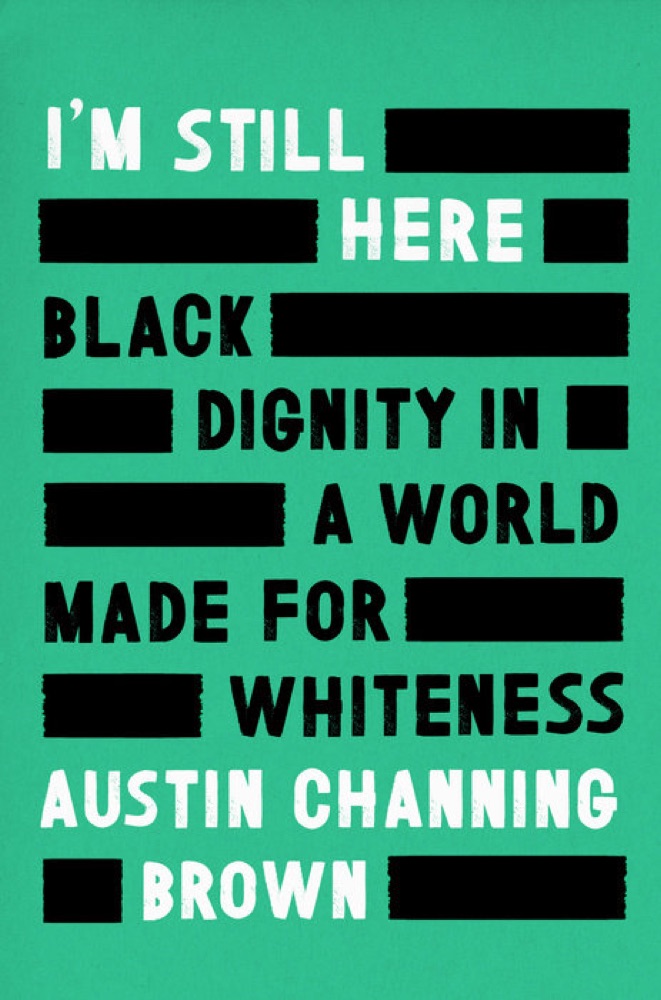 I'm Still Here: Black Dignity in a World Made for Whiteness
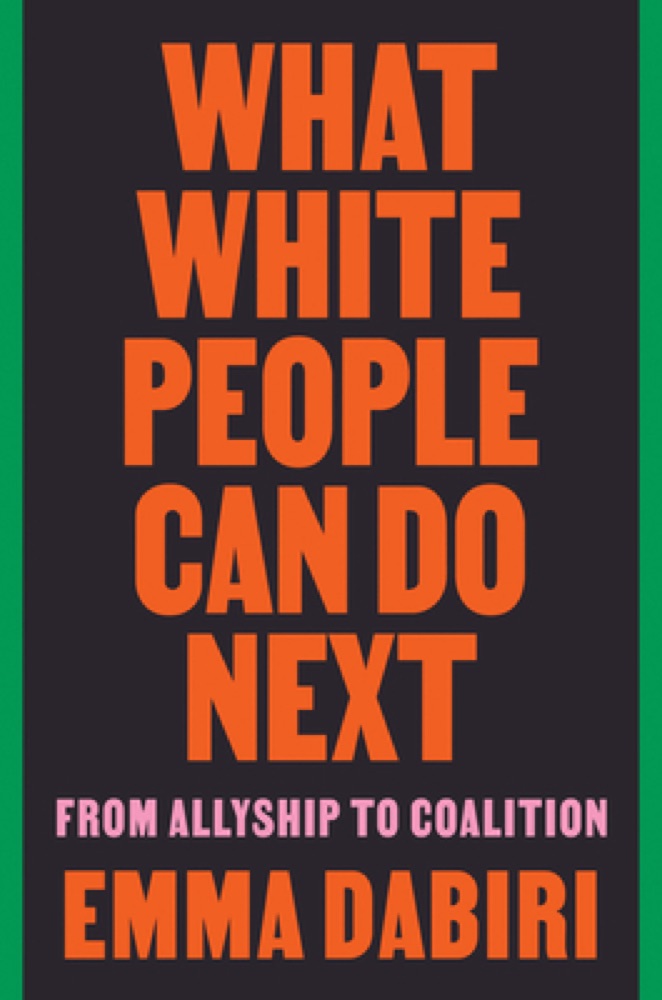 What White People Can Do Next: From Allyship to Coalition – An Empowering Guide to Interrogating Whiteness and Creating Justice
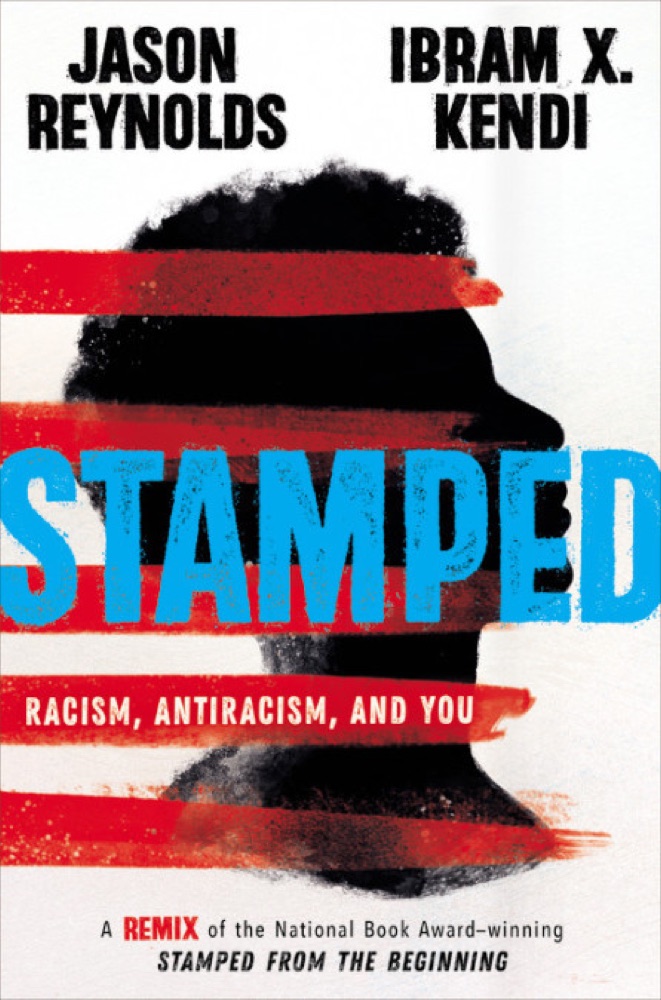 Stamped: Racism, Antiracism, and You
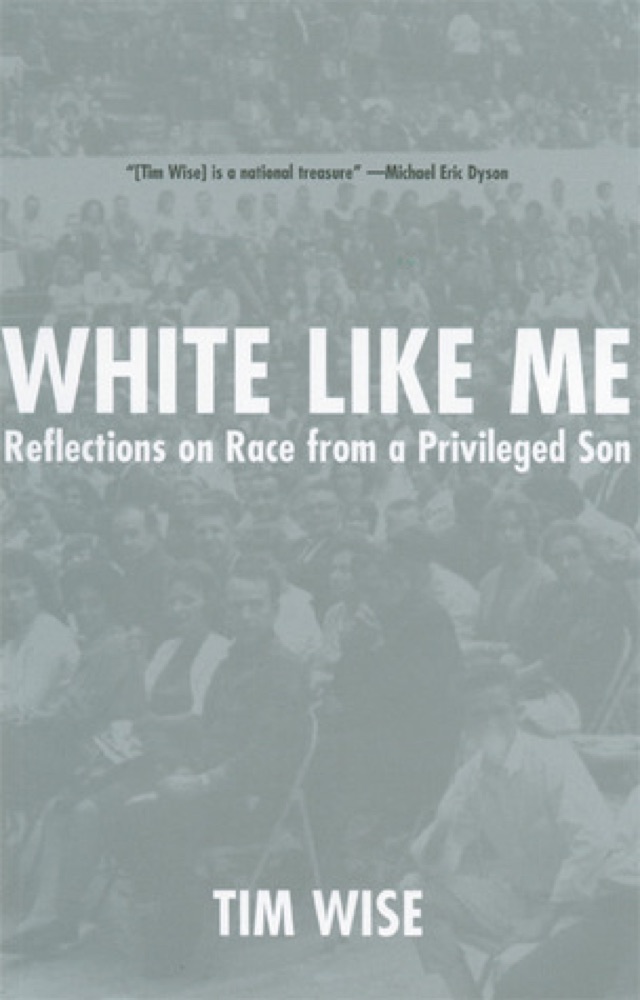 White Like Me: Reflections On Race From A Privileged Son
 Invisible Man, Got the Whole World Watching: A Young Black Man's Education
 The Fire This Time: A New Generation Speaks About Race
 Black AF History: The Un-Whitewashed Story of America
 Simple Justice: The History of Brown v. Board of Education and Black America's Struggle for Equality
 The 1619 Project: A New Origin Story
 Silent Covenants: Brown v. Board of Education and the Unfulfilled Hopes for Racial Reform
 A People's History of the United States
 Malcolm X Speaks: Selected Speeches and Statements
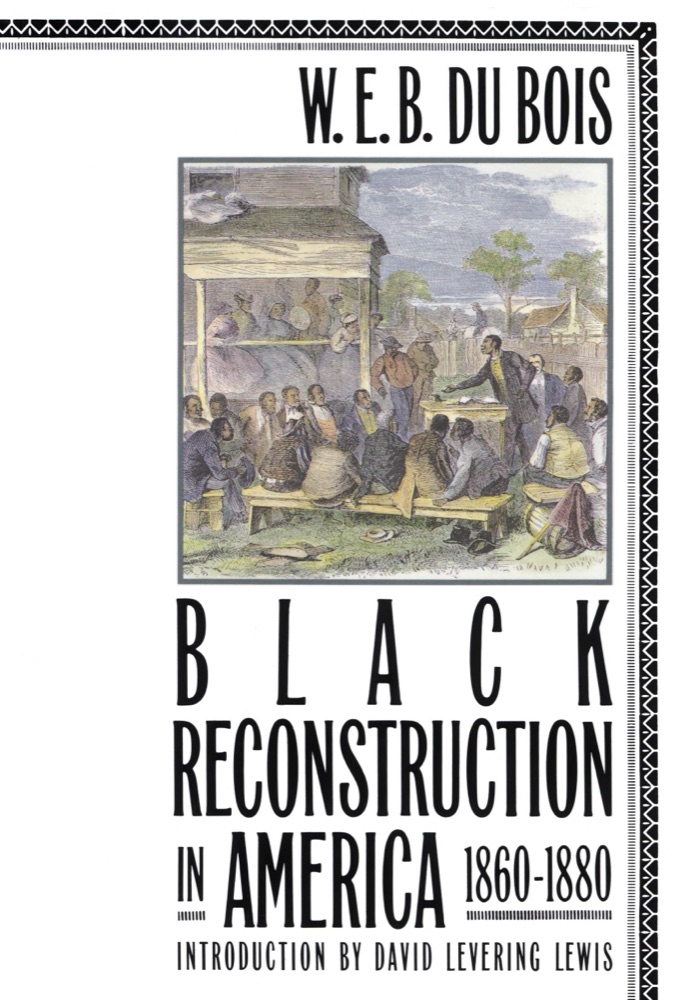 Black Reconstruction in America 1860-1880
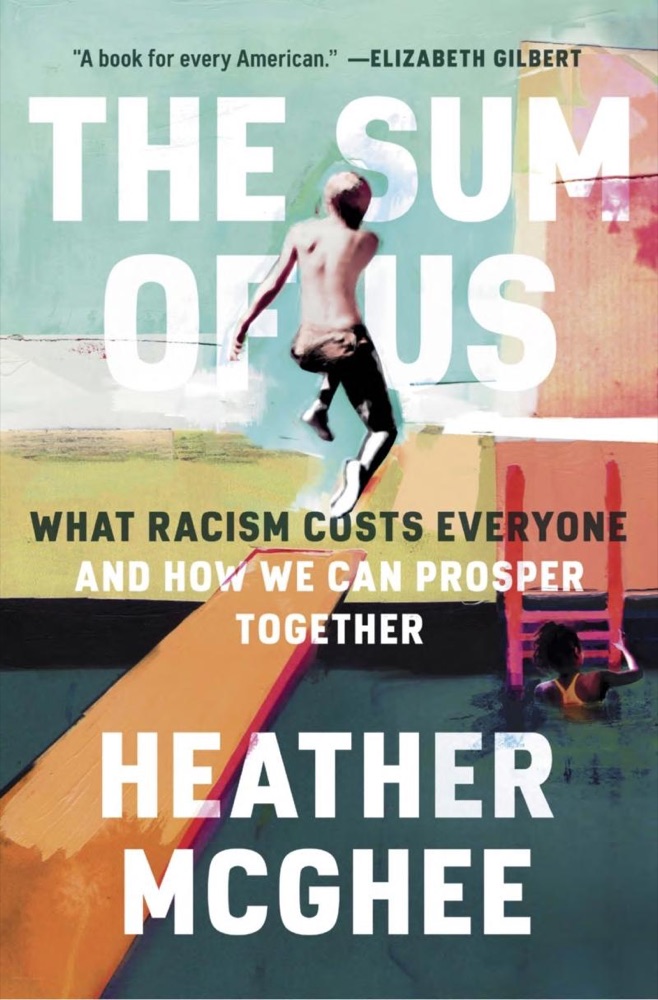 The Sum of Us: What Racism Costs Everyone and How We Can Prosper Together
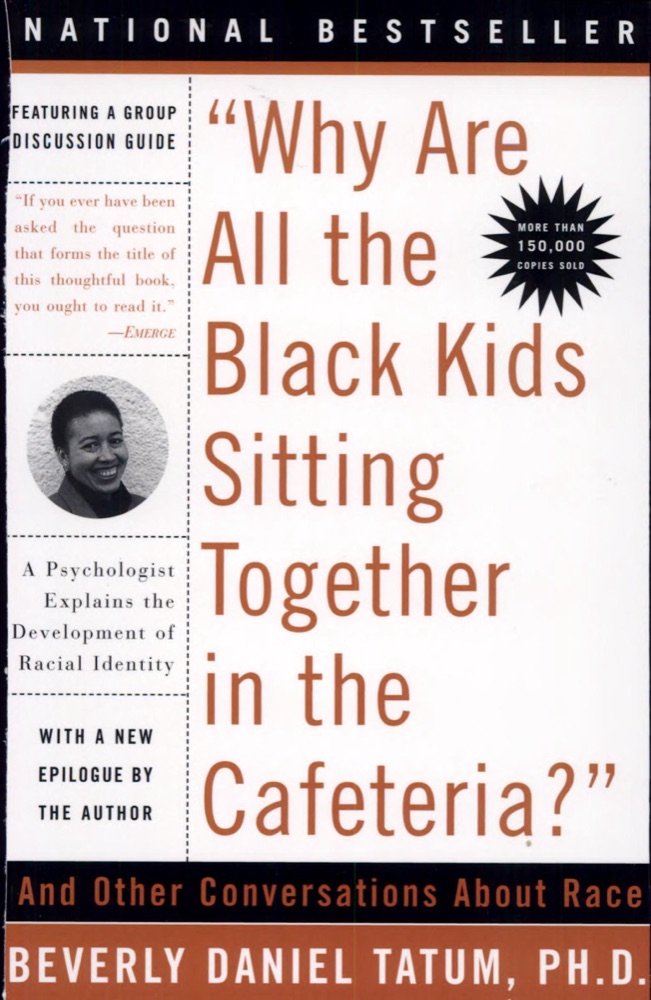 Why Are All The Black Kids Sitting Together in the Cafeteria?
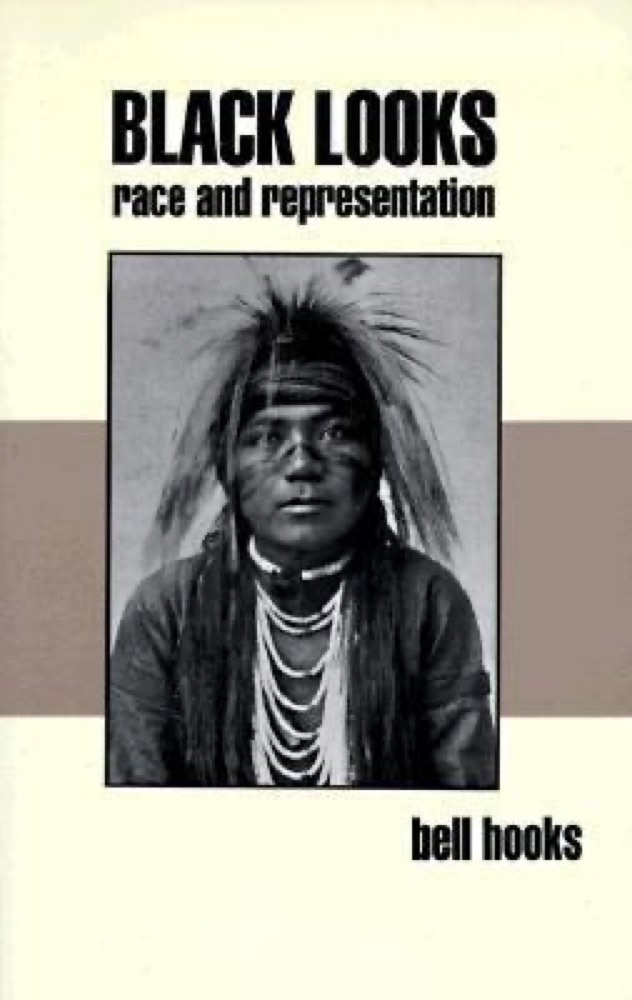 Black Looks: Race and Representation
 No Name in the Street
 The Blood of Emmett Till
 Begin Again: James Baldwin's America and Its Urgent Lessons for Our Own
 Dark Days
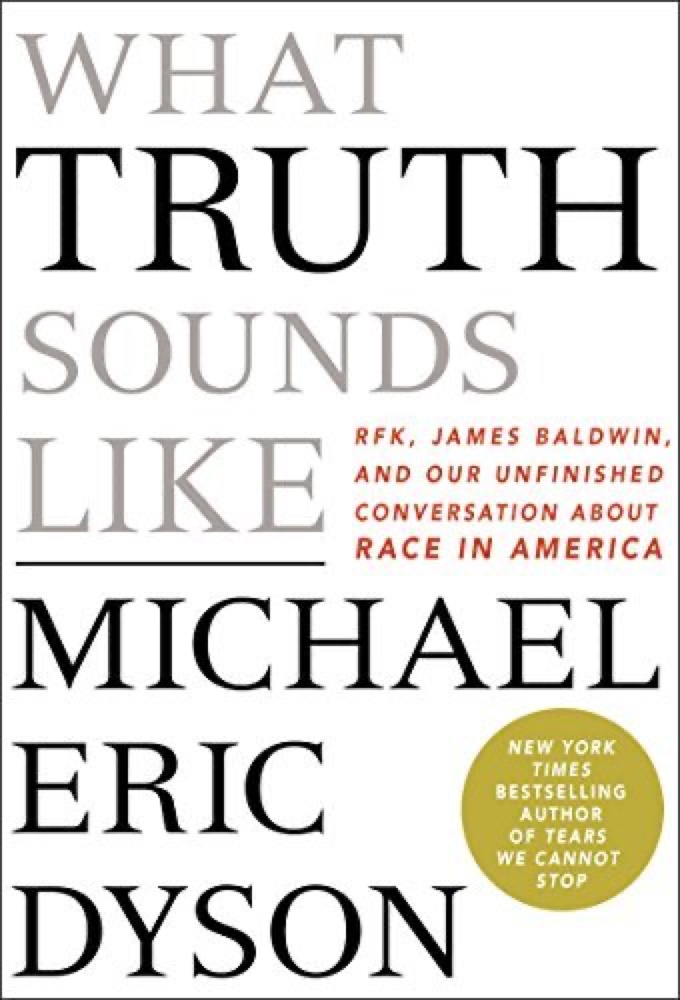 What Truth Sounds Like: Robert F. Kennedy, James Baldwin, and Our Unfinished Conversation About Race in America
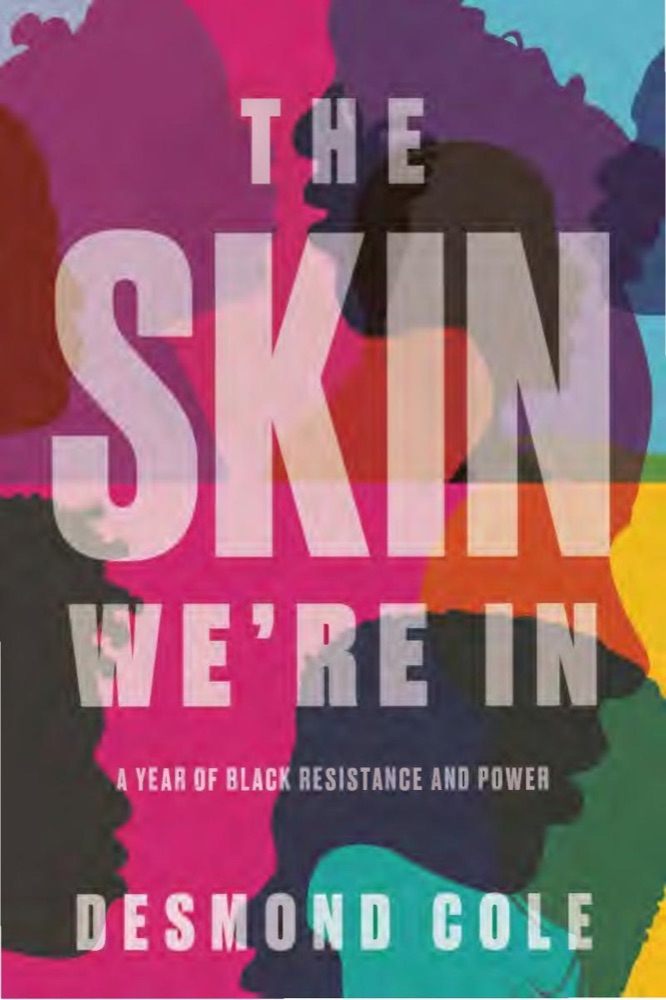 The Skin We're In: A Year of Black Resistance and Power
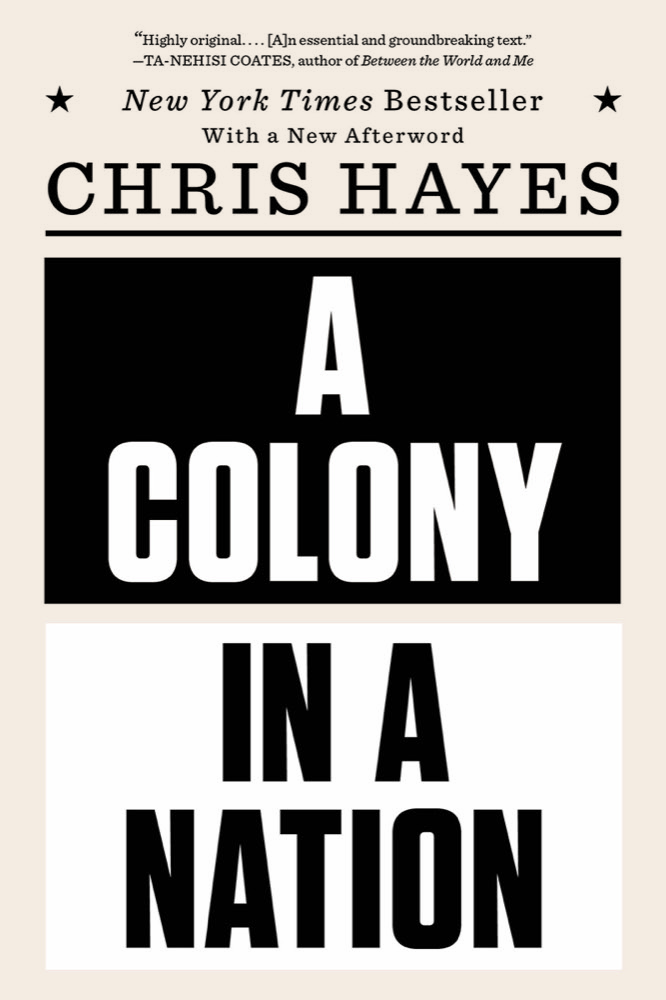 A Colony in a Nation
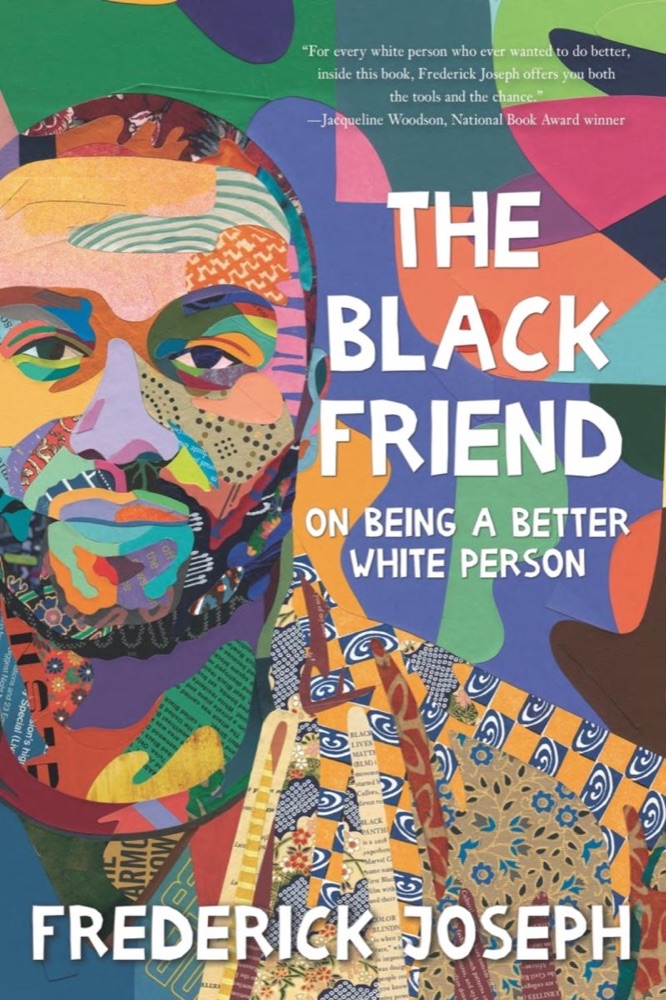 The Black Friend: On Being a Better White Person
 Why I'm No Longer Talking to White People About Race
 Just Us: An American Conversation
 Between the World and Me
 Black Rednecks and White Liberals
 Across That Bridge: A Vision for Change and the Future of America
 Assata: An Autobiography
 Stamped (For Kids): Racism, Antiracism, and You
 Nobody Knows My Name
 We Do This 'til We Free Us: Abolitionist Organizing and Transforming Justice
 The Black Jacobins: Toussaint L'Ouverture and the San Domingo Revolution
 When They Call You a Terrorist: A Black Lives Matter Memoir
 Blood Done Sign My Name: A True Story
 The Small and the Mighty: Twelve Unsung Americans Who Changed the Course of History, from the Founding to the Civil Rights Movement
 Playing the Enemy: Nelson Mandela and the Game That Made a Nation
 The Disuniting of America: Reflections on a Multicultural Society
 Black in Blues: How a Color Tells the Story of My People
 The Autobiography of Martin Luther King, Jr.
 Pedagogy of the Oppressed
 Bearing the Cross: Martin Luther King, JR., and the Southern Christian Leadership Conference
 You Can't Be Neutral on a Moving Train: A Personal History of Our Times
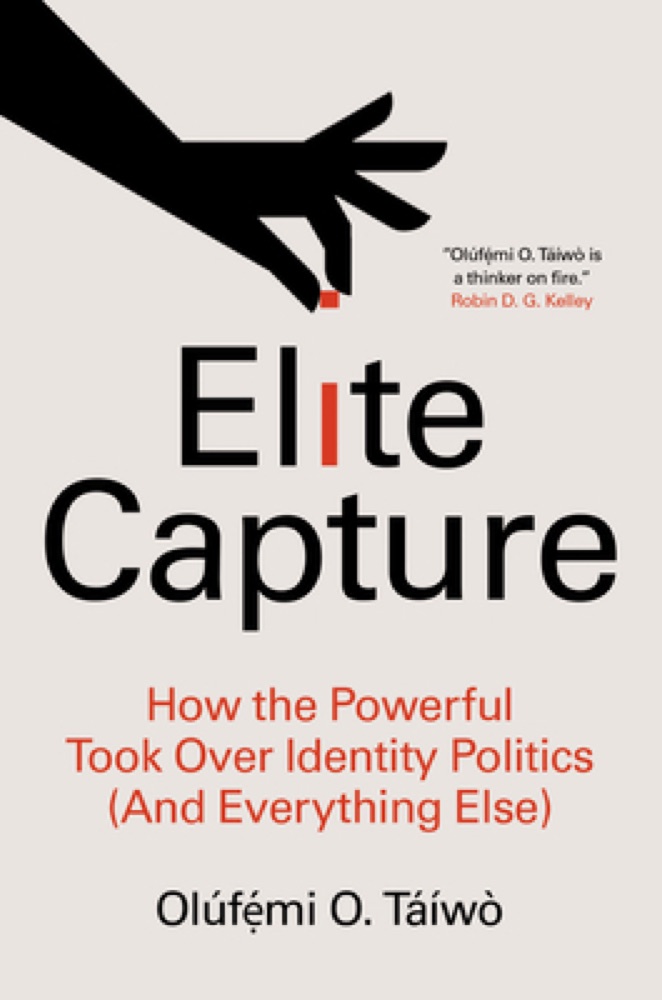 Elite Capture: How the Powerful Took Over Identity Politics
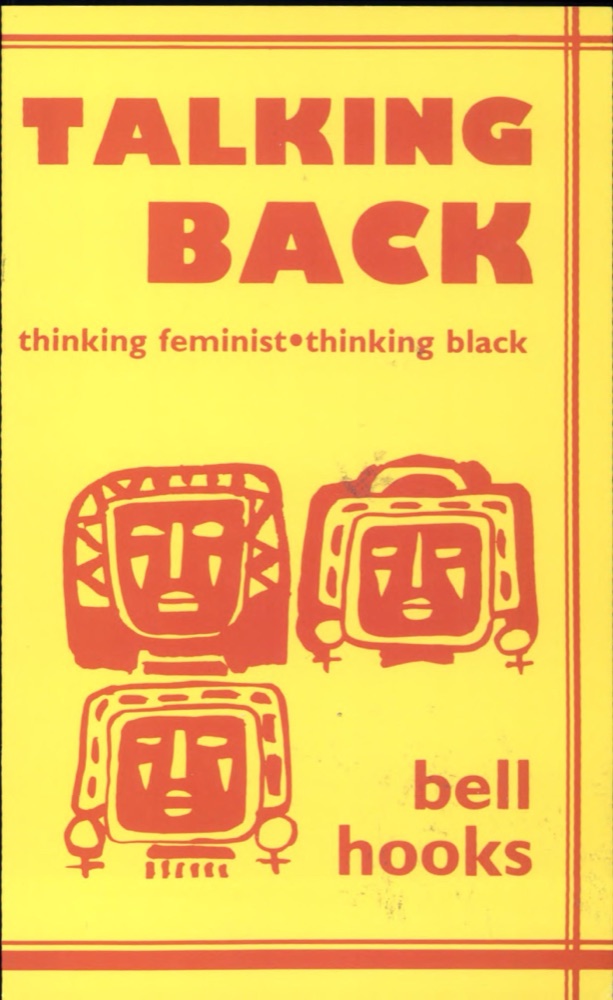 Talking Back: Thinking Feminist, Thinking Black
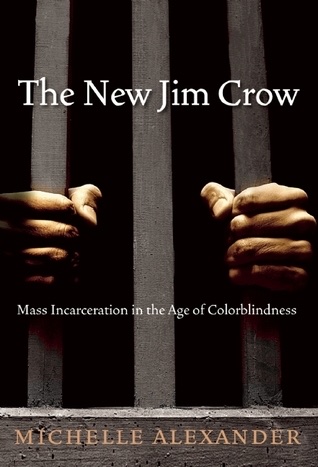 The New Jim Crow: Mass Incarceration in the Age of Colorblindness
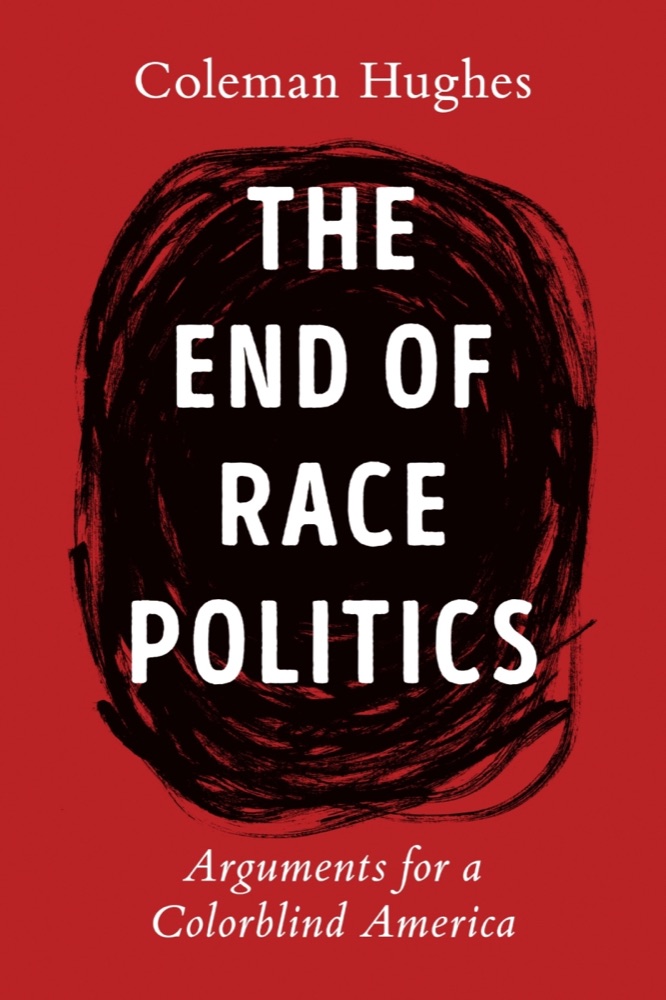 The End of Race Politics: Arguments for a Colorblind America
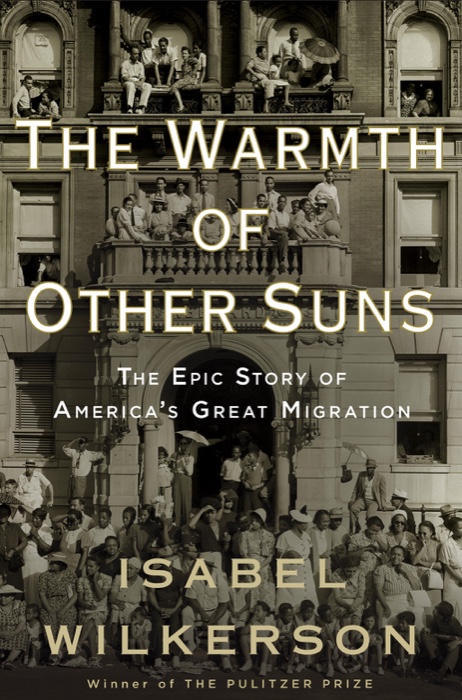 The Warmth of Other Suns: The Epic Story of America's Great Migration