 The 1619 Project: A New Origin Story
Quotes from the Book
Racism is the virus in the American dirt, infecting everything and everyone. To combat racism, we must do more than acknowledge the long history of white supremacy. Policies must change. Yet, an understanding of history remains the foundation. The only way to prevent a racist future is to first understand our racist past.
9
During the bloodiest war in American history, Lee and his comrades killed more U.S. Army soldiers than any other enemy, ever. And they did it for the worst reason possible: to create a nation dedicated to exploit enslaved men, women, and children, forever.
8
History is dangerous. It forms our identity, our shared story. If someone challenges a sacred myth, the reaction can be ferocious.
4
When we identify our history, we can change the narrative.
4
The only way to argue for slavery, then or now, is to believe that the enslaved weren’t real human beings.
4
I grew up with a series of lies that helped further white supremacy. That's uncomfortable. To see real agony, think about the millions of people who lived their entire lives enslaved, knowing that enslavement would be the future of their children and their children's children. Think of living with the violence of the Jim Crow era as an African American.
3
Nothing I could say would refute his upbringing, his feelings, and his history. Then I realized evidence didn't matter; he had chosen his own facts based on his culture.
3
When people have no political outlet nor means of changing a racist society, rioting is their only voice.
3
History is always changing. We link the past to our conception of the present and we always have.
3
The only way to prevent our racist future is to understand our racist past.
3
It bears repeating. Georgia was a racial police state, not a democracy.
3
Racism is not only morally wrong, but fiscally stupid.
3
In the aftermath of the war, Virginia led the South in creating and maintaining a police state based on racial control.
3
Officers like Braxton Bragg and Jefferson Davis left the army to seek their fortunes with enslaved labor farms, but Lee was the only senior officer who was actually in charge of hundreds of enslaved workers and in the U.S. Army in 1861. By the time he chose succession, Lee identified far more with the southern slaveholding class than he did with his fellow officers. He certainly spent more time managing enslaved workers than he did leading soldiers.
2
To those who say I am trying to change history, they should realize that the history of Confederate monuments represents a racist legacy all people should abhor. Moreover, many people did protest their construction. In 1900, Georgia's population was 46.7 percent African American and Virginia's was 35.6 percent, but Black people had been purged form the voting rolls and had no voice on the use of public land or money.
1
My job is not to tell communities if they should remove memorials to Lee, but they should study the circumstances that led to their creation. Everyone must understand what those monuments represent. A monument tells historians more about who emplaced it than it does the figure memorialized.
1
Eleven southern states seceded to protect and expand an African American slave labor system. Unwilling to accept the results of a fair, democratic election, they illegally seized U.S. territory, violently. Together, they formed a new 'Confederacy,' in contravention of the U.S. Constitution. Then West Point graduates like Robert E. Lee resigned their commissions, abrogating an oath sworn to God to defend the United States. During the bloodiest war in American history, Lee and his comrades killed more U.S. Army soldiers than any other enemy, ever. And they did it for the worst reason possible; to create a nation dedicated to exploit enslaved men, women, and children, forever.
1
Few choices are more fraught for people than who decides which stories are told to children—or to college students.
1
With the number of accusations of harassment and assault leveled at Washington College men, Lee used a light disciplinary touch around racial intimidation, attacks, and sexual violence, even though he was known for a heavy hand in less serious incidents. Lee did not consider African Americans worthy of protection.
1
Whenever Lee made a decision regarding enslaved people he chose profit over human decency.
1
While Lee believed in slavery, he also profited from it far more than other army colonels. At the age of twenty-four, two years after graduating from West Point, Lee married Mary Custis, the only child of George Washington Parke Custis, the adopted son of George Washington. Custis earned his money through inheritance, and that inherited wealth derived from the work of enslaved labor. Enslaved labor created much of his wealth including the prestigious, Doric-columned Arlington House with its commanding view of the capital. Custis owned two other enslaved labor farms—Romancoke and White House. A year after marrying Mary Custis, Lee inherited enslaved workers from his mother’s estate. During his many years in the army, Lee hired out those enslaved workers and pocketed the profit, creating wealth. By the time he wrote his only will as a U.S. Army officer in 1846 as he headed to fight in Mexico, he estimated his net worth at $40,000 in stocks, bonds, and property, including enslaved workers, or more than $1.3 million today.
1
It is no coincidence that most Confederate monuments went up between 1890 and 1920, the same period that lynching peaked in the South.
1
The military doesn’t practice democracy; the military enforces democracy.
An officer who graduated in 1841 wrote that the Military Academy “taught that he belongs no longer to section or party but, in his life and all his faculties, to his country.”28 Another West Point graduate wrote that the academy taught all cadets the “doctrine of perpetual nationality.
While the U.S. Army has superb infantry and incredible tankers, our true claim to fame is logistics.
The real question is, who chooses the history? Is it Jubal Early? The United Daughters of the Confederacy? Politicians? Few choices are more fraught for people than who decides which stories are told to children—or to college students.
The great Mississippi writer William Faulkner, who knew a thing or two about southern identity, spent a year as a writer in residence at the University of Virginia in 1957. He returned to Charlottesville often to visit his daughter, who married a Virginia lawyer. Asked if he liked his stay, the Nobel laureate said, “I like Virginia and I like Virginians because Virginians are all snobs, and I like snobs. A snob has to spend so much time being a snob he has little left to meddle with you, and so it is very pleasant here.
All officers learn that if they obey an unlawful order, an order in contravention of the Constitution or against the laws of war, they will go to jail.
The Lost Cause created a flawed memory of the Civil War, a lie that formed the ideological foundation for white supremacy and Jim Crow laws, which used violent terror and de jure segregation to enforce racial control.
Watch on YouTube
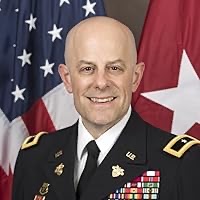
About Ty Seidule
We have collected 29 quotes from 1 book by Ty Seidule on BookQuoters.
More about the author →About the book
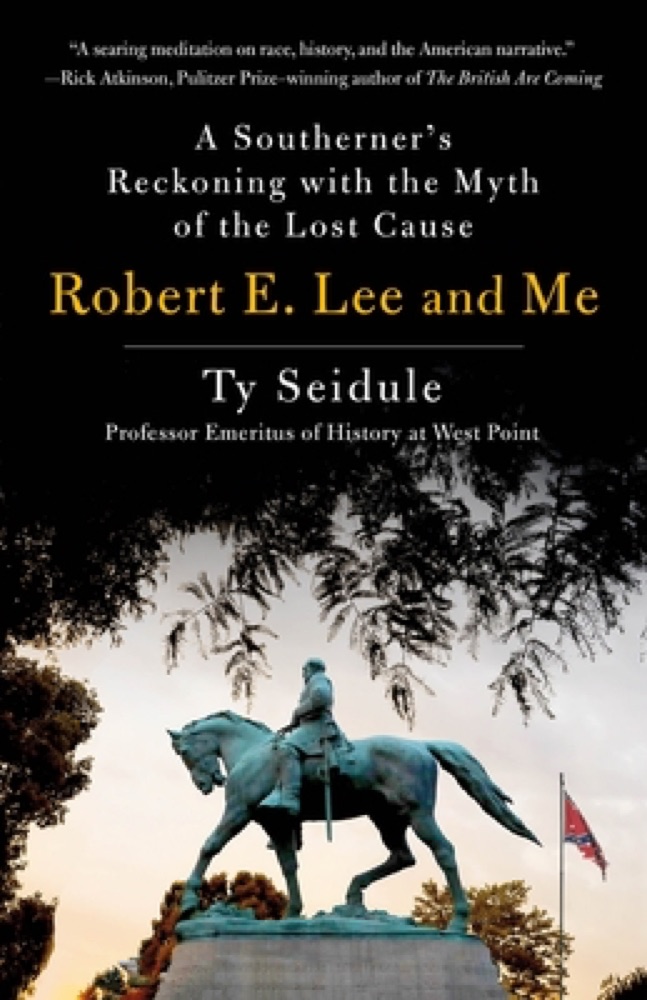
In a forceful but humane narrative, former soldier and head of the West Point history department Ty Seidule's Robert E. Lee and Me challenges the myths and lies of the Confederate legacy—and explores why some of this country’s oldest wounds have never healed.Ty Seidule grew up revering Robert E. Lee. From his southern childhood to his service in the U.S. Army, every part of his life reinforced the Lost Cause myth: that Lee was the greatest man who ever lived, and that the Confederates were underdogs who lost the Civil War with honor. Now, as a retired brigadier general and Professor Emeritus of History at West Point, his view has radically changed. From a soldier, a scholar, and a southerner, Ty Seidule believes that American history demands a reckoning.In a unique blend of history and reflection, Seidule deconstructs the truth about the Confederacy—that its undisputed primary goal was t
Book details
- First published
- 2021
- Author
- Ty Seidule
- Genre
- History
- Goodreads rating
- 4.40 (6k ratings)
The buzz
- Publishers WeeklyReview in Publishers Weeklyprofessional review (via Book Marks)
- LA Review of BooksReview in LA Review of Booksprofessional review (via Book Marks)
- Washington Independent Review of BooksReview in Washington Independent Review of Booksprofessional review (via Book Marks)
- LibraryjournalReview in Libraryjournalprofessional review (via Book Marks)
- CsmonitorReview in Csmonitorprofessional review (via Book Marks)
Keep reading
The 1619 Project: A New Origin Story
 Stony the Road: Reconstruction, White Supremacy, and the Rise of Jim Crow
 How the Word Is Passed: A Reckoning with the History of Slavery Across America
 Four Hundred Souls: A Community History of African America, 1619-2019
 Black AF History: The Un-Whitewashed Story of America
 We Were Eight Years in Power: An American Tragedy
 Simple Justice: The History of Brown v. Board of Education and Black America's Struggle for Equality
 The Blood of Emmett Till
 Blood Done Sign My Name: A True Story
 The Hemingses of Monticello: An American Family
 Lies My Teacher Told Me: Everything Your American History Textbook Got Wrong
 Myth America: Historians Take On the Biggest Legends and Lies About Our Past
 These Truths: A History of the United States
 April 1865: The Month That Saved America
 A People's History of the United States
 Black Reconstruction in America 1860-1880
 White Rage: The Unspoken Truth of Our Racial Divide
 The Half Has Never Been Told: Slavery and the Making of American Capitalism
 Stamped from the Beginning: The Definitive History of Racist Ideas in America
 Why We Can't Wait
 Confederates in the Attic: Dispatches from the Unfinished Civil War
 The Warmth of Other Suns: The Epic Story of America's Great Migration
 The Untold History of The United States
 Begin Again: James Baldwin's America and Its Urgent Lessons for Our Own
 Edge of Eternity
 Battle Cry of Freedom
 Assata: An Autobiography
 Dark Days
 The Small and the Mighty: Twelve Unsung Americans Who Changed the Course of History, from the Founding to the Civil Rights Movement
 The Autobiography of an Ex-Coloured Man
 A Fever in the Heartland: The Ku Klux Klan's Plot to Take Over America, and the Woman Who Stopped Them
 Devil in the Grove: Thurgood Marshall, the Groveland Boys, and the Dawn of a New America
 White Trash: The 400-Year Untold History of Class in America
 No Name in the Street
 The Message
 The Sum of Us: What Racism Costs Everyone and How We Can Prosper Together
 Black Rednecks and White Liberals
 Uncomfortable Conversations With a Black Man
 Tears We Cannot Stop: A Sermon to White America
 The Soul of America: The Battle for Our Better Angels
 Stamped: Racism, Antiracism, and You
 The Love Songs of W.E.B. Du Bois
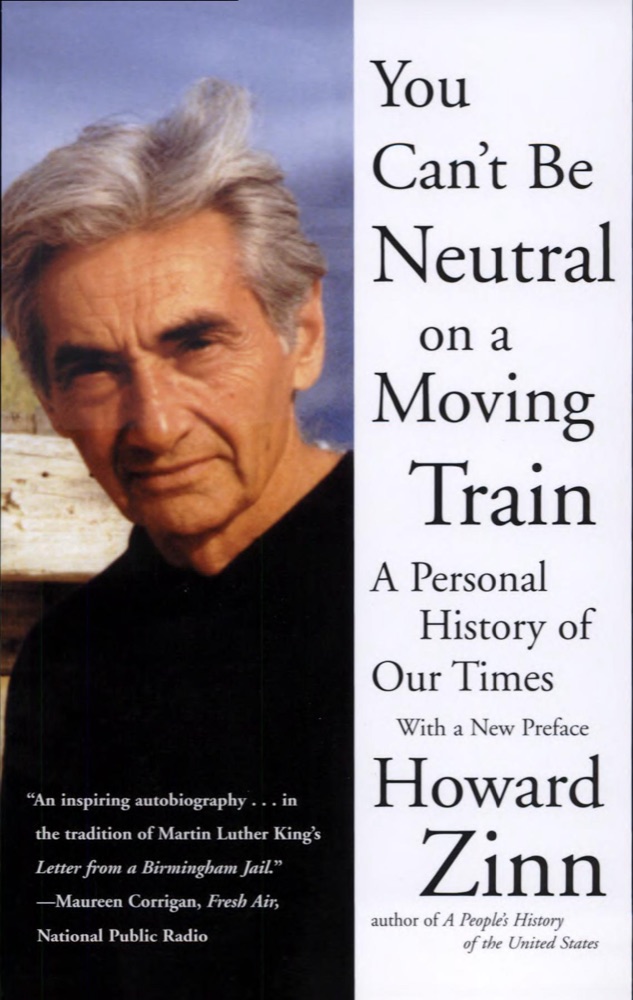 You Can't Be Neutral on a Moving Train: A Personal History of Our Times
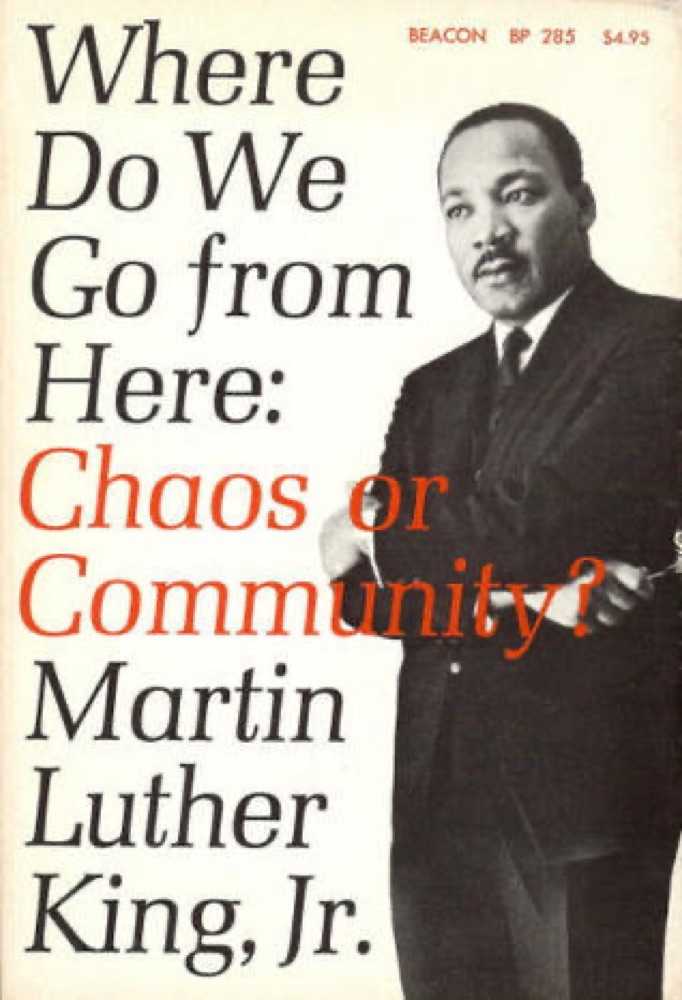 Where Do We Go from Here: Chaos or Community?
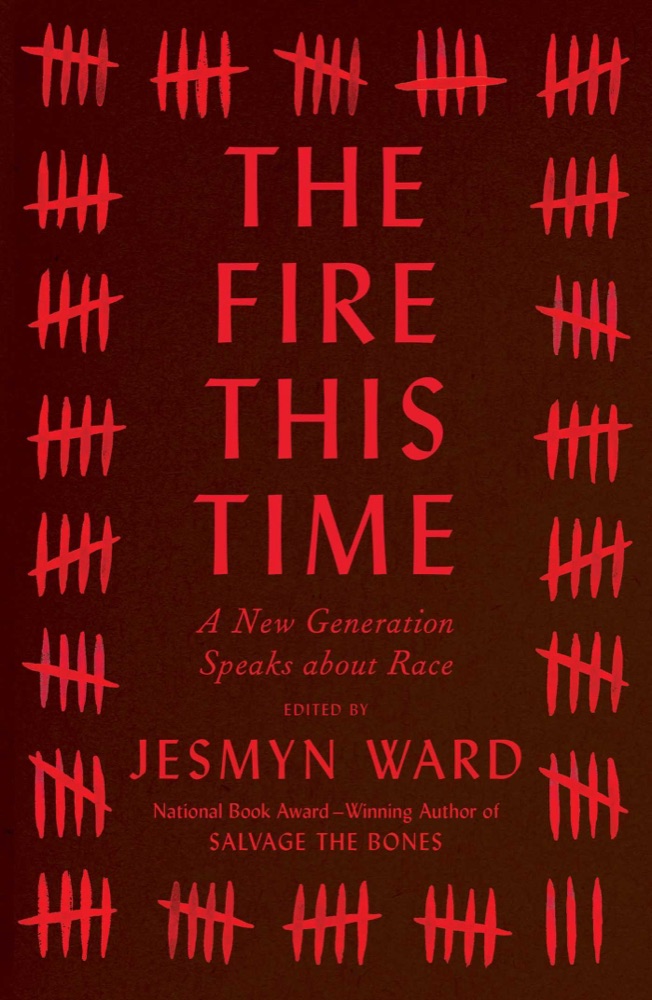 The Fire This Time: A New Generation Speaks About Race
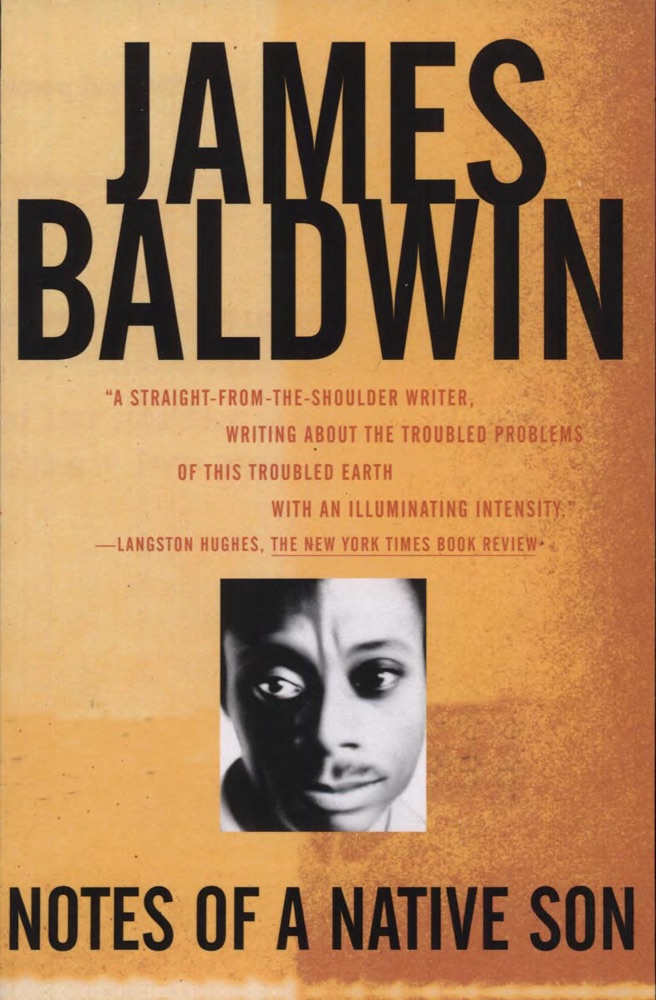 Notes of a Native Son
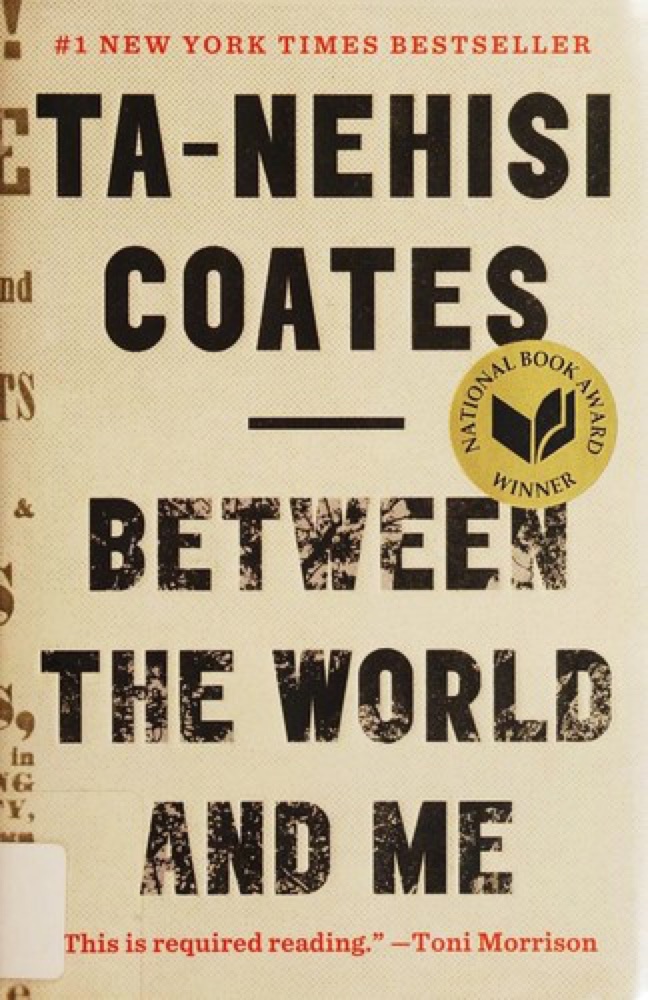 Between the World and Me
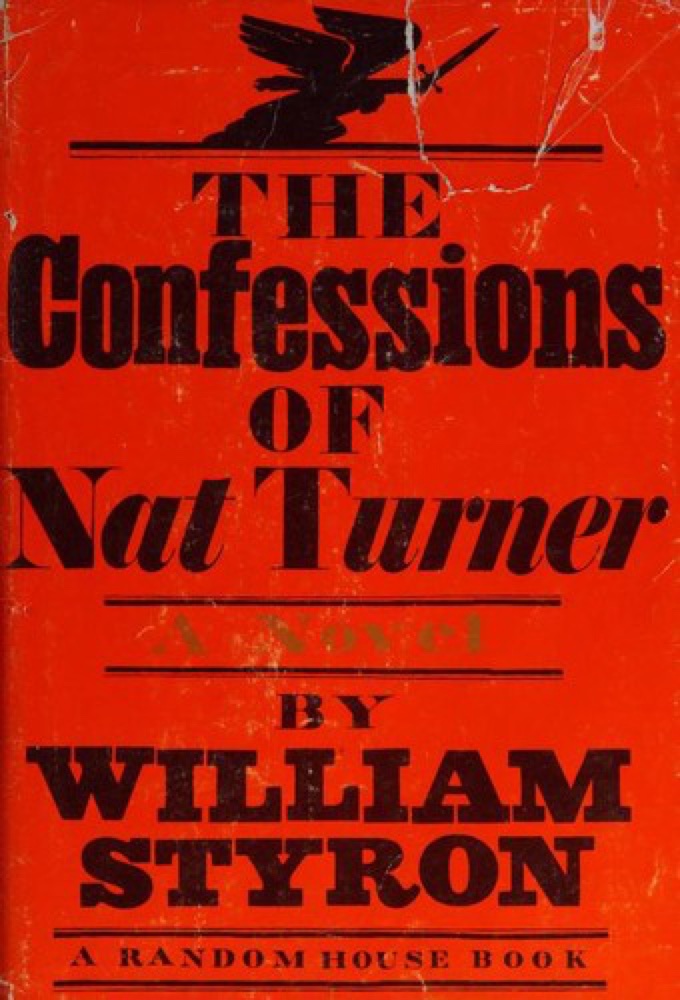 The Confessions of Nat Turner
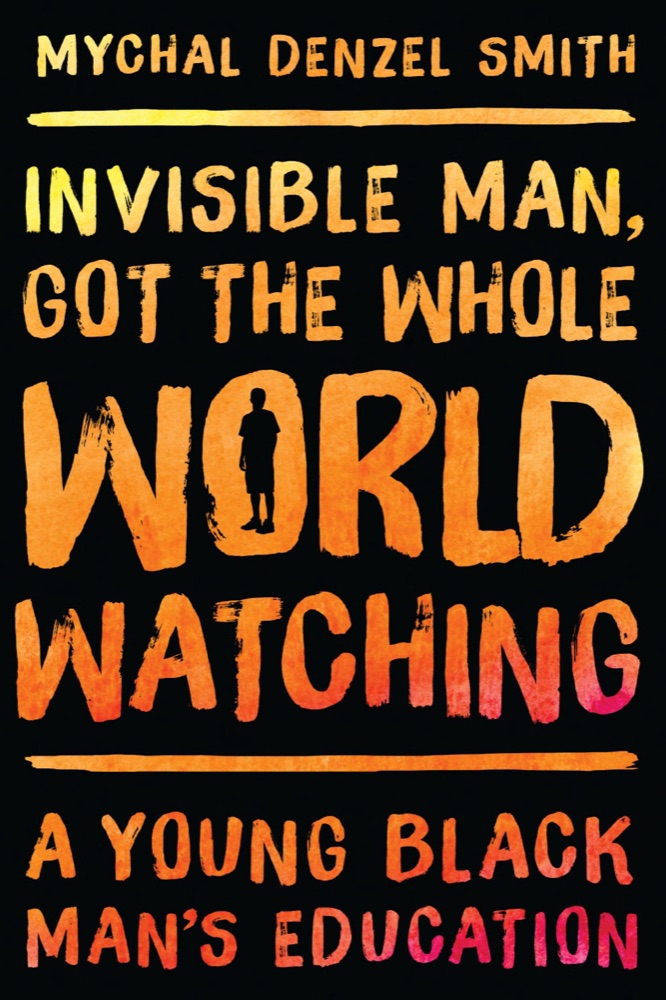 Invisible Man, Got the Whole World Watching: A Young Black Man's Education
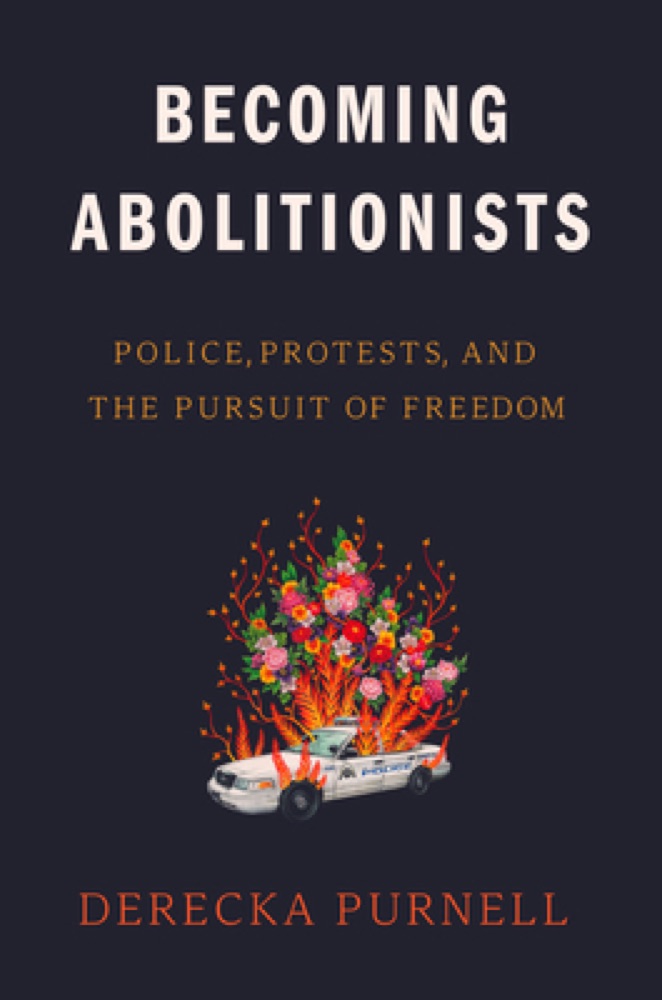 Becoming Abolitionists: Police, Protests, and the Pursuit of Freedom
 The Disuniting of America: Reflections on a Multicultural Society
 We Gon' Be Alright: Notes on Race and Resegregation
 The Civil War, Vol. 3: Red River to Appomattox
 A Colony in a Nation
 White Like Me: Reflections On Race From A Privileged Son
 Unthinkable: Trauma, Truth, and the Trials of American Democracy
 Burn Down Master's House
 The End of the Myth: From the Frontier to the Border Wall in the Mind of America
 Mr. Lincoln's Army
 Notes from No Man's Land