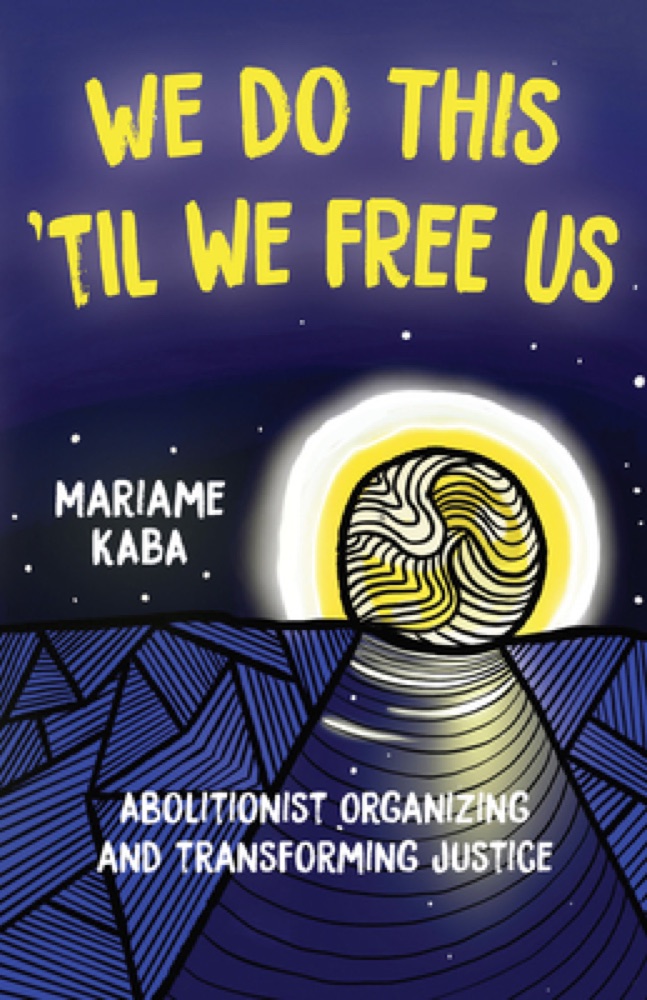
 We Do This 'til We Free Us: Abolitionist Organizing and Transforming Justice
Quotes from the Book
The systems responsible for our oppression cannot be the same systems responsible for our liberation.
12
Most Black people I know trust the police—they trust them to be exactly what they have always been: violent.
4
Abolition, I have learned, is a bigger idea than firing cops and closing prisons; it includes eliminating the reasons people think they need cops and prisons in the first place.
4
Capitalism fosters sexual violence by creating categories of people who cannot leave abusive relationships, classrooms, and jobs because they do not have resources to sustain themselves.
2
Police manage inequality by keeping the dispossessed from the owners, the Black from the white, the homeless from the housed, the beggars from the employed. Reforms only make police polite managers of inequality. Abolition makes police and inequality obsolete.
2
I was inspired by their intergenerational relationships and annoyed that in the US, many of our elder Black liberals in the mainstream media condemned our music for its profane language, and young Black people too easily dismissed the messy yet rich traditions that made us possible. For many of us in the beginning, “Black Lives Matter” was a response to violence or a non-indictment; South Africa demonstrated that we deserved much more. I felt completely politically undone and inadequate. I’d been reading so much history but had not quite yet developed a political analysis connected to any tradition of organizing. I was getting smarter, not necessarily getting free.
1
Slavery started threatening the profits in the North’s industrial sectors and had to be stopped. Northern industry’s promise of expansion prevailed over slavery’s proven longevity, and large capitalists wanted to abolish slavery so that they could exploit the labor of free Blacks alongside poor and working-class whites. It was more profitable for companies if they hired workers and paid them a wage because workers sell their labor for income, and then use that income to purchase goods and services. Slaves had no income and could not purchase anything. Black people were a reservoir of laborers and potential consumers.
1
I think about capitalism as a political and economic system that categorizes groups of people for the purposes of exploiting, excluding, and extracting their labor toward the profit of another group. Those categories can consist of race, gender, disability, sexuality, immigration status, and much more.
1
Constitutional policing is a problem too. As the legal scholar Paul Butler explains, the overwhelming majority of police violence is constitutional. Stops, frisks, and most of the police killings that turn our stomachs are protected by Congress and the Supreme Court. I believe that people began chanting “defund the police” precisely for these reasons. Reforms cannot fix a policing system that is not broken.
1
Jesus and the Disinherited,
The difference between what’s legal and illegal is not the behavior of the lawbreaker; it is the interests of the powerful people who create the law /and/ have control of the police to enforce it.
The difference between what’s legal and legal is not the behavior of the lawbreaker; it is the interests of the powerful people who create the law and have control of the police to enforce it.
Campus police and street police are different strands of the same supremacy that plague our resistance.
Policing is among the vestiges of slavery, colonialism, and genocide, tailored in America to suppress slave revolts, catch runaways, and repress labor organizing.
White people in America love telling Black people to ‘go back to Africa.’ I might let these racists start fundraising to send me.” He laughed and answered, “Please keep it a secret. The first white people who found out about its beauty did not leave.
Marques was one of the few people who would run toward the fires to help others. Because of courageous people like Marques, I stopped praying to be fearless and started praying to be relentless, so that even when I am afraid, I try to move to closer to freedom.
The elder Vashon was the first Black graduate of Oberlin College, an abolitionist, and the first African American to practice law in New York.
The Department of Justice issued more than $750 million to police agencies which paid for almost seven thousand additional school cops between 1999 and 2005.
After Missouri required the police to suppress educational and religious gatherings for enslaved and free Black people in the 1840s, Black Baptist minister John Berry Meachum moved his freedom school to a steamboat on the Mississippi River where the police lacked jurisdiction to enforce state
The people who chose the police were the same people who drafted the Constitution, who started the wars, who owned slaves, who possessed property, who had the most to lose if oppressed people ever decided to revolt: wealthy white men. And rather than unifying and organizing against the concentrated wealth of this class, the rest of us have been tricked into demanding that the police protect us, too. They cannot.
Rather, police and rangers participated in mass genocide and war against Indigenous people in creating artificial borders called “states.
By solely focusing on a single alternative, we fail to examine and eradicate the harm that gives rise to what we fear. And, we deserve options. “Option” stems from the Latin optare, meaning to “choose.” Police and prisons—the default responses today—are woefully insufficient because they don’t solve harm, they simply react to it.
but I know it when I feel it. It’s the immeasurable and forced removal of our body parts, ideas, and emotions that accompanies capitalism. It’s forcing someone to work fifteen-hour days picking cotton so that you can spend your time doing what you wish. It’s the two-hour public bus rides that Amazon factory workers take so that the owner, Jeff Bezos, can travel between cities in an hour by a private jet.
Ironically, slavery became a tense debate among capitalists because slaves performed work that white people could have been paid to perform. But instead, poor white people were paid to manage enslaved Black people, as overseers, slave patrols, police, wardens, sheriffs, and prison guards. Today, the criminal legal system continues to manage people who are excluded from labor markets, education, health care, and quality housing—all of the things we need to reduce harm, and all of the things that cities and the feds choose not to fund when we can.
This is an invitation to share what I have been pushed to learn in developing the politics of abolition; this is an invitation to love, study, struggle, search, and imagine what we have around us to make this possible, today. This book’s purpose is to share the freedom dreams and real contradictions of a movement that I, that many abolitionists, hold dear, and to share how those dreams and contradictions and opportunities inspire me.
becoming abolitionists started to think about it as an invitation to create and support a range of answers to the problem of harm in society, and, most exciting perhaps, as an opportunity to reduce and eliminate harm in the first place.
After each video of a police killing goes viral, popular reforms go on tour: banning chokeholds, investing in community policing, diversifying departments—none of which would have saved Floyd or most other police victims.
Watch on YouTube
About Derecka Purnell
About the book
For more than a century, activists in the United States have tried to reform the police. From community policing initiatives to increasing diversity, none of it has stopped the police from killing about three people a day. Millions of people continue to protest police violence because these "solutions" do not match the problem: the police cannot be reformed.
In Becoming Abolitionists, Purnell draws from her experiences as a lawyer, writer, and organizer initially skeptical about police abolition. She saw too much sexual violence and buried too many friends to consider getting rid of police in her hometown of St. Louis, let alone the nation. But the police were a placebo. Calling them felt like something, and something feels like everything when the other option seems like nothing.
Purnell details how multi-racial social movements rooted in rebellion, risk-taking, and revolutionary
Book details
- First published
- 2021
- Author
- Derecka Purnell
- Genre
- Nonfiction
- Goodreads rating
- 4.43 (2k ratings)
The buzz
- Kirkus ReviewsReview in Kirkus Reviewsprofessional review (via Book Marks)
- Publishers WeeklyReview in Publishers Weeklyprofessional review (via Book Marks)
- BooklistReview in Booklistprofessional review (via Book Marks)
Keep reading
We Do This 'til We Free Us: Abolitionist Organizing and Transforming Justice
 A Colony in a Nation
 The New Jim Crow: Mass Incarceration in the Age of Colorblindness
 Uncomfortable Conversations With a Black Man
 Assata: An Autobiography
 White Rage: The Unspoken Truth of Our Racial Divide
 Why We Can't Wait
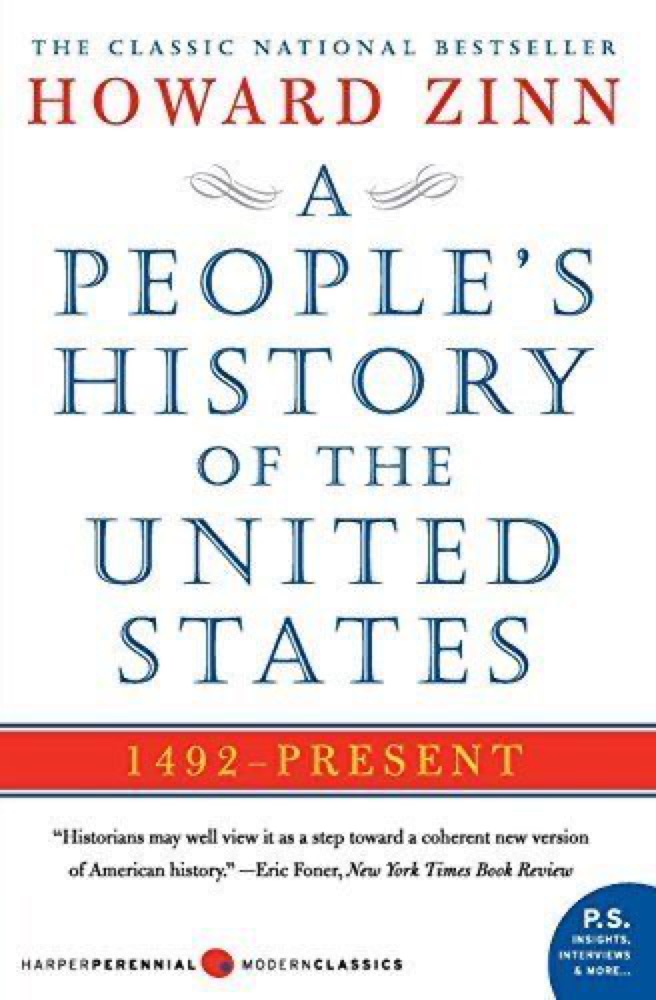 A People's History of the United States
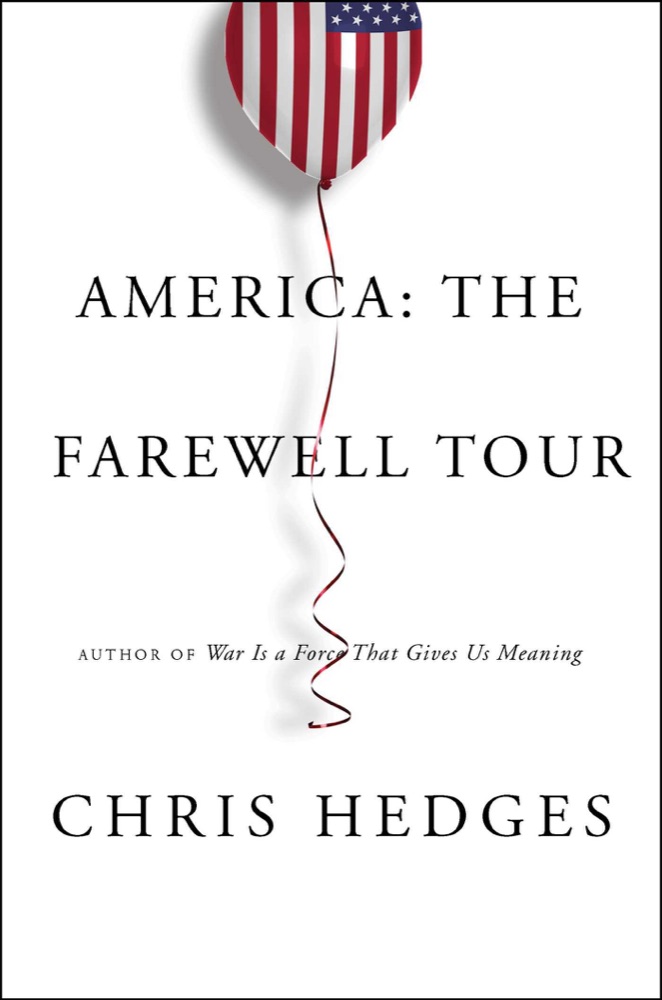 America: The Farewell Tour
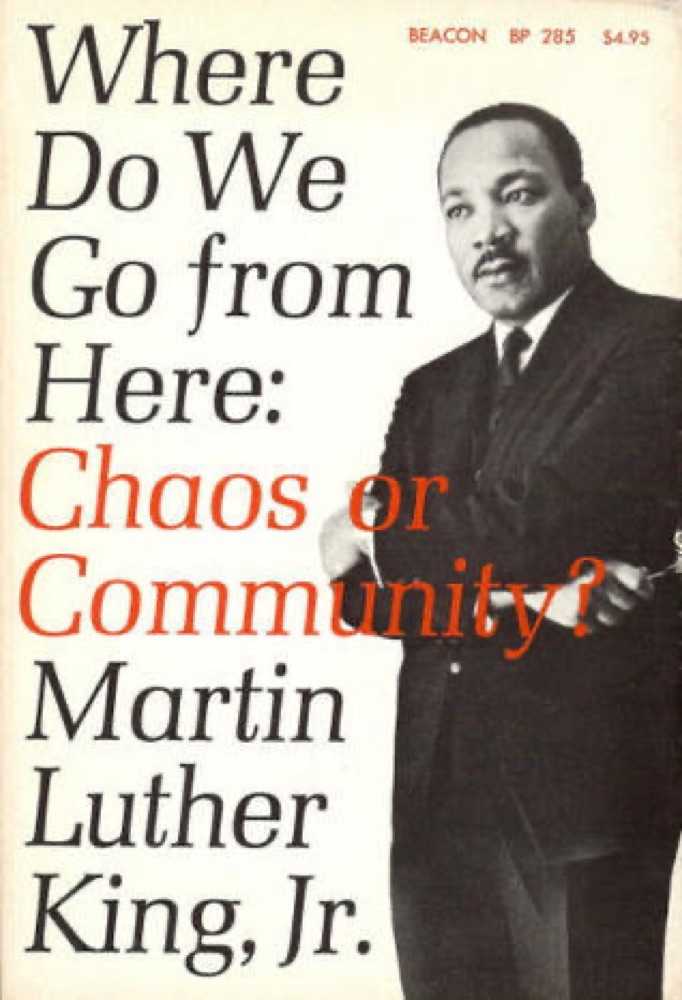 Where Do We Go from Here: Chaos or Community?
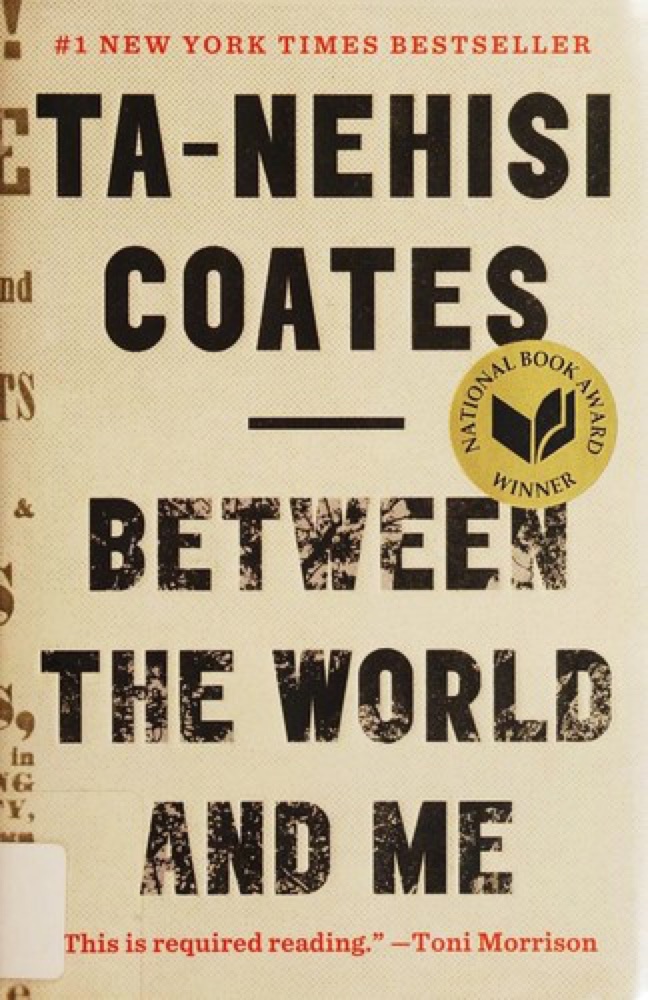 Between the World and Me
 Elite Capture: How the Powerful Took Over Identity Politics
 You Can't Be Neutral on a Moving Train: A Personal History of Our Times
 We Were Eight Years in Power: An American Tragedy
 We Gon' Be Alright: Notes on Race and Resegregation
 When They Call You a Terrorist: A Black Lives Matter Memoir
 Stamped: Racism, Antiracism, and You
 What White People Can Do Next: From Allyship to Coalition – An Empowering Guide to Interrogating Whiteness and Creating Justice
 Four Hundred Souls: A Community History of African America, 1619-2019
 The Truths We Hold: An American Journey
 The Sum of Us: What Racism Costs Everyone and How We Can Prosper Together
 Solitary: Unbroken by Four Decades in Solitary Confinement
 Stamped from the Beginning: The Definitive History of Racist Ideas in America
 Are Prisons Obsolete?
 Letter from the Birmingham Jail
 The View From Flyover Country: Essays by Sarah Kendzior
 No Name in the Street
 The Small and the Mighty: Twelve Unsung Americans Who Changed the Course of History, from the Founding to the Civil Rights Movement
 Ghettoside: A True Story of Murder in America
 On the Other Side of Freedom: The Case for Hope
 We Refuse: A Forceful History of Black Resistance
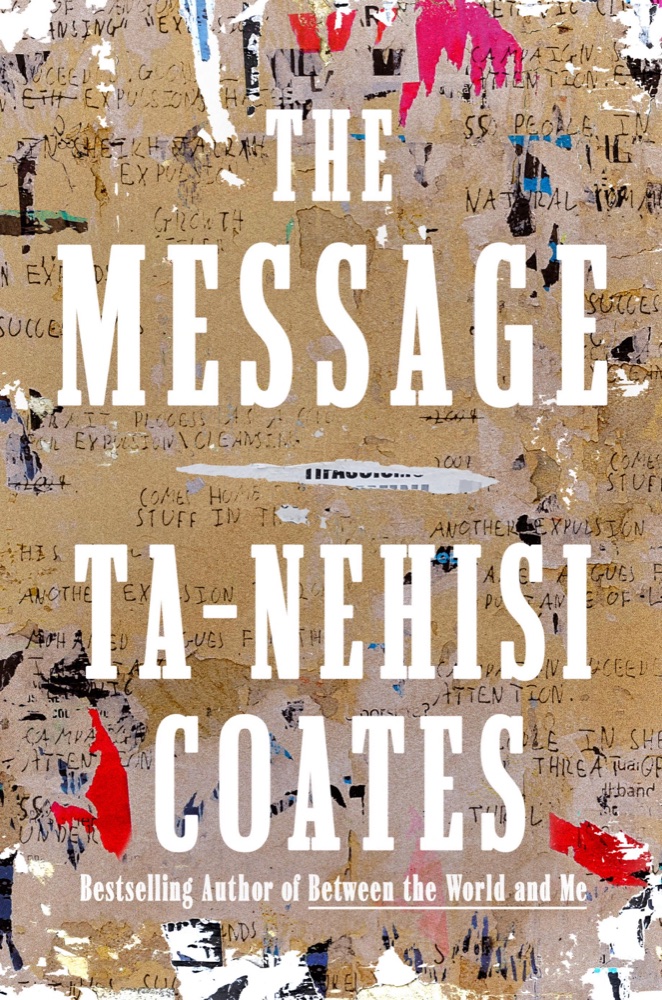 The Message
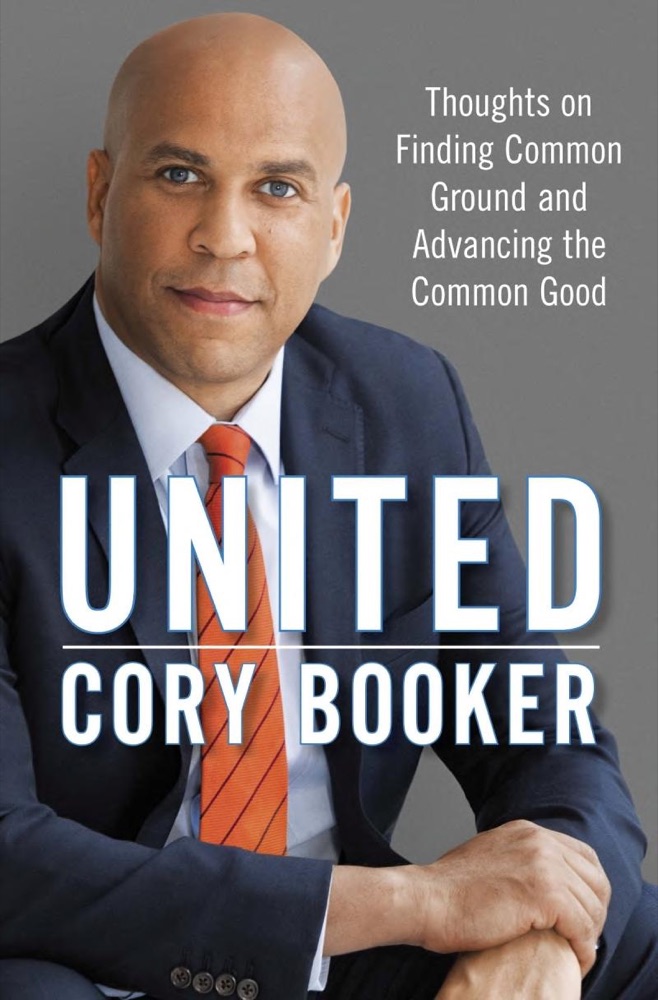 United: Thoughts on Finding Common Ground and Advancing the Common Good
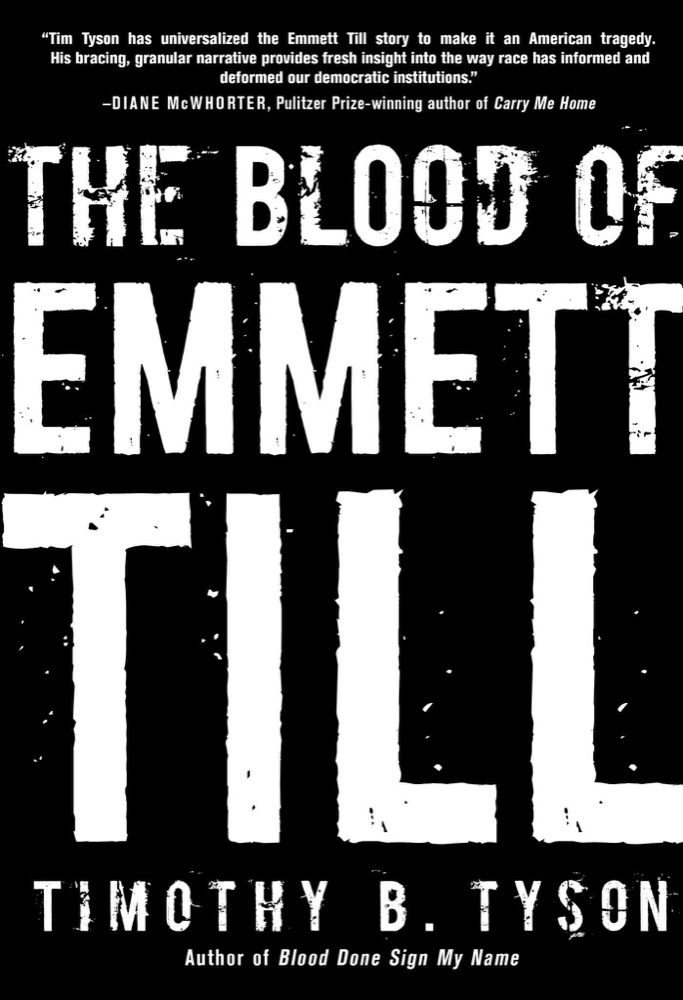 The Blood of Emmett Till
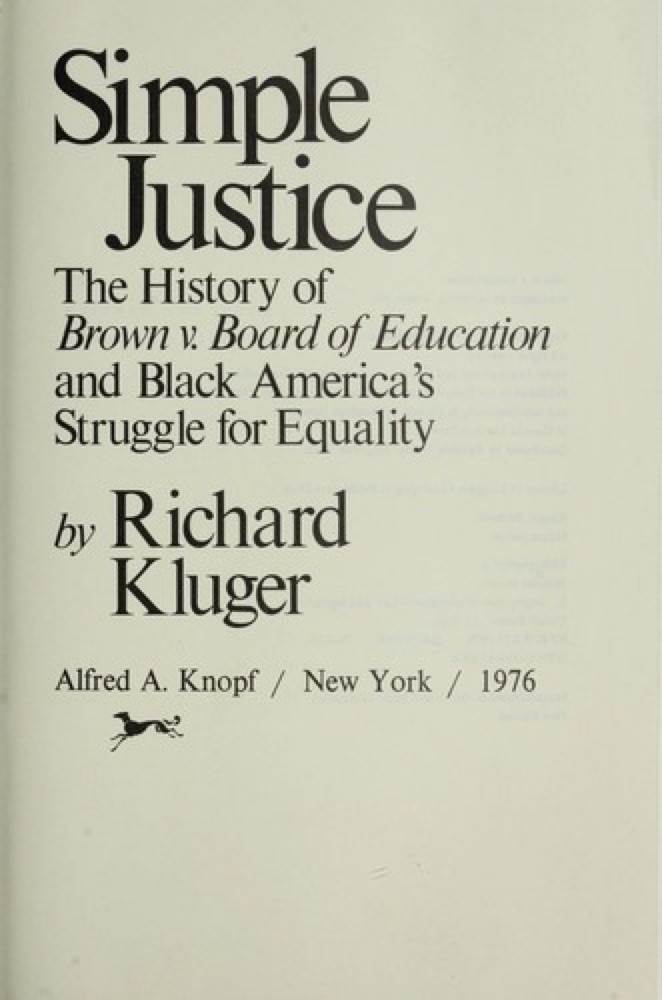 Simple Justice: The History of Brown v. Board of Education and Black America's Struggle for Equality
 The 1619 Project: A New Origin Story
 The Utopia of Rules: On Technology, Stupidity, and the Secret Joys of Bureaucracy
 Stony the Road: Reconstruction, White Supremacy, and the Rise of Jim Crow
 Persist
 White Like Me: Reflections On Race From A Privileged Son
 Blood Done Sign My Name: A True Story
 Tears We Cannot Stop: A Sermon to White America
 Black Rednecks and White Liberals
 Across That Bridge: A Vision for Change and the Future of America
 Pathologies of Power: Health, Human Rights, and the New War on the Poor
 Invisible Man, Got the Whole World Watching: A Young Black Man's Education
 Notes from No Man's Land
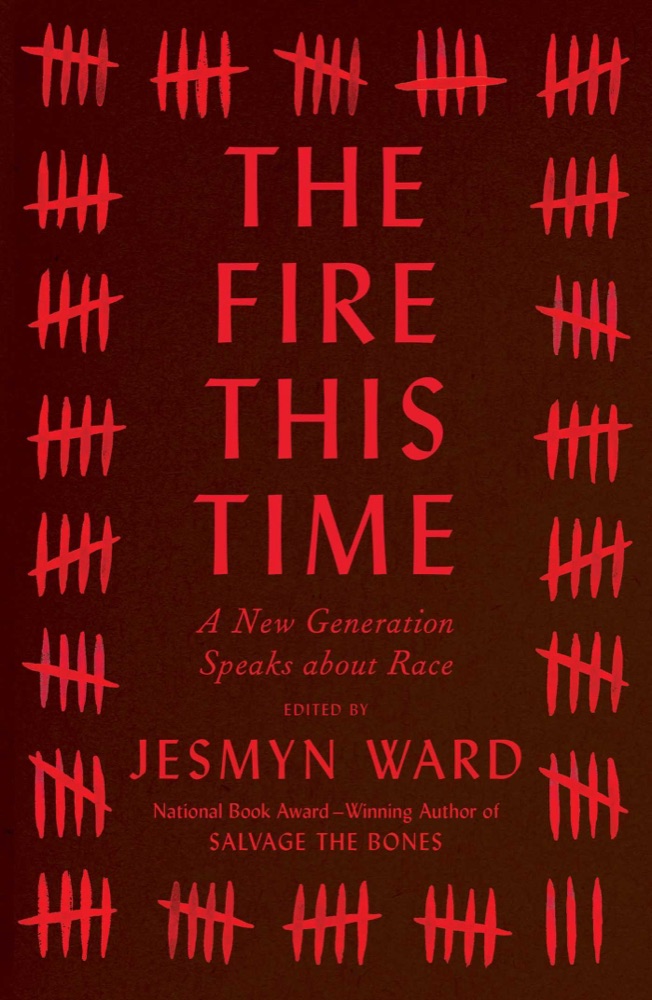 The Fire This Time: A New Generation Speaks About Race
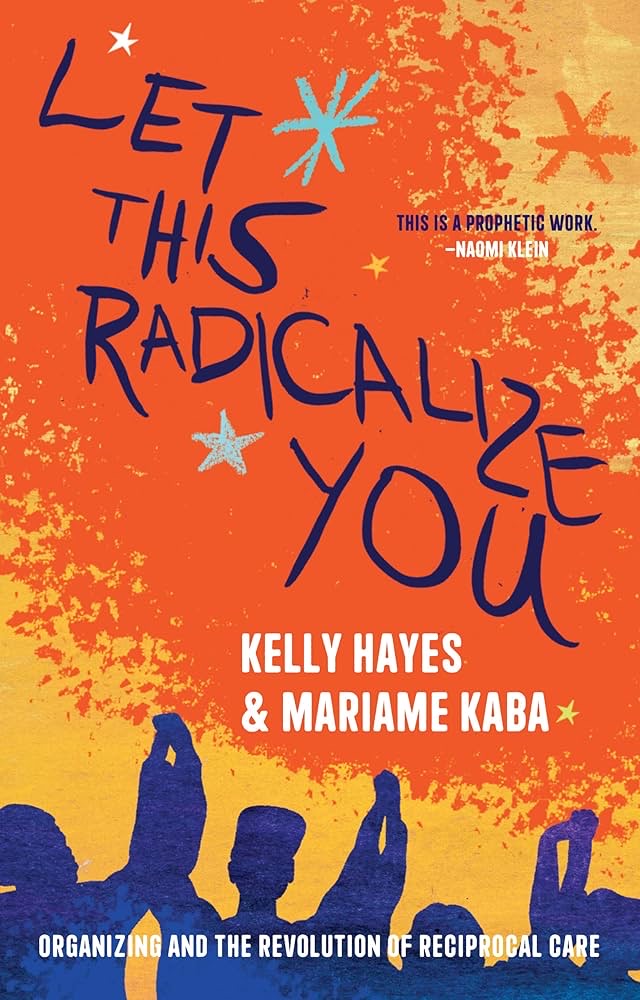 Let This Radicalize You: Organizing and the Revolution of Reciprocal Care
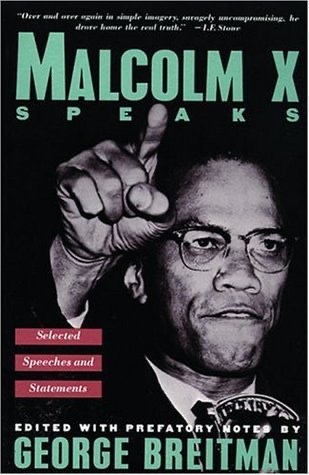 Malcolm X Speaks: Selected Speeches and Statements
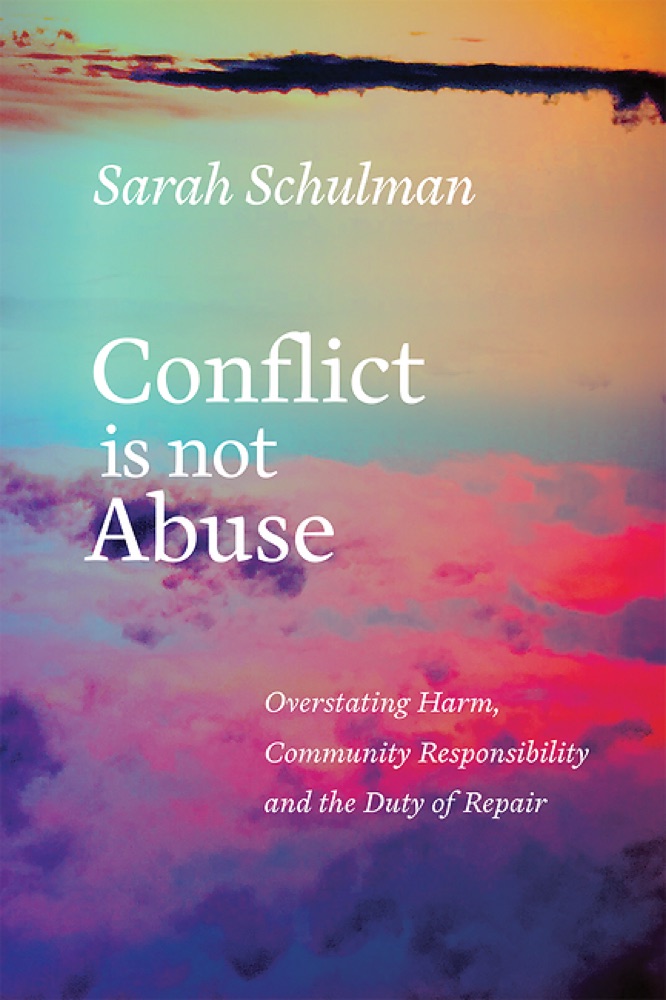 Conflict Is Not Abuse: Overstating Harm, Community Responsibility, and the Duty of Repair
 Dark Days
 Unmasked: Inside Antifa's Radical Plan to Destroy Democracy
 Behold a Pale Horse
 A Knock at Midnight: A Story of Hope, Justice, and Freedom
 I'm Still Here: Black Dignity in a World Made for Whiteness
 Chomsky On Anarchism
 Black Reconstruction in America 1860-1880
 Freedom
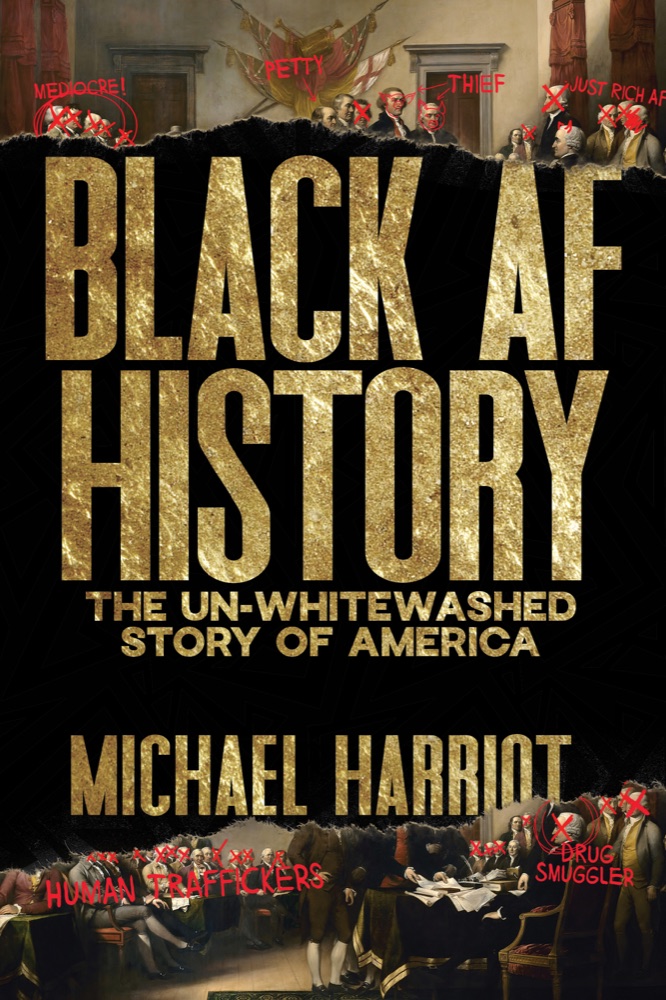 Black AF History: The Un-Whitewashed Story of America