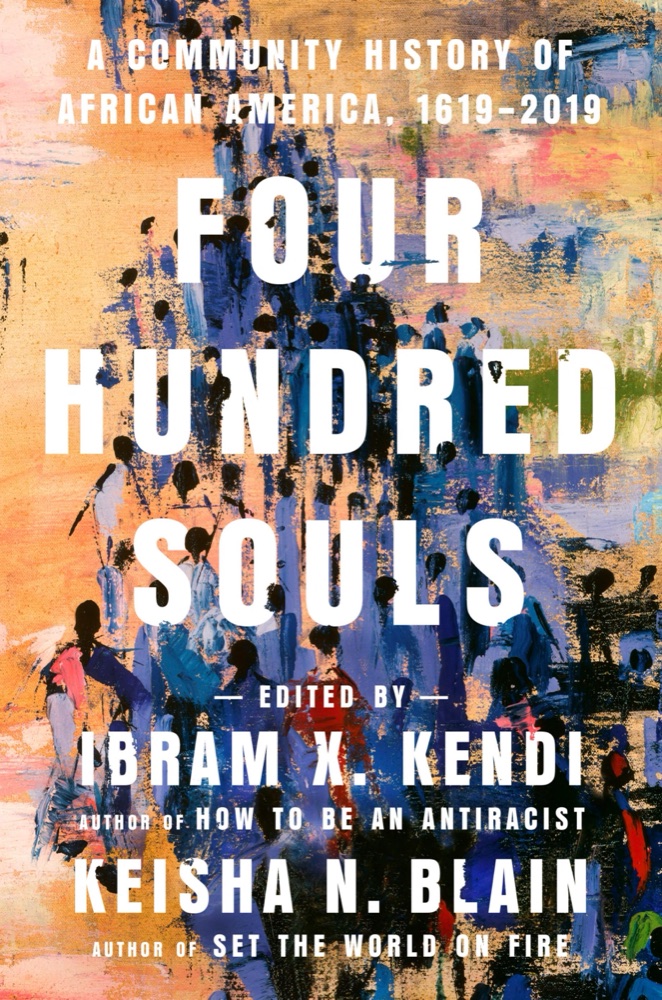
 Four Hundred Souls: A Community History of African America, 1619-2019
Quotes from the Book
White Americans desire to be free of a past they do not want to remember, while Black Americans remain bound to a past they can never forget.
17
While history is what happened, it is also, just as important, how we think about what happened and what we unearth and choose to remember about what happened
15
If we are truly a great nation, the truth cannot destroy us.
10
James Baldwin famously said, “Not everything that is faced can be changed, but nothing can be changed unless it is faced.
7
For a nation steeped in this self-image, it is embarrassing, guilt-producing, and disillusioning to consider the role that race and slavery played in shaping the national narrative.”38 To address these discomfiting facts, we have created a founding mythology that teaches us to think of the “free” and “abolitionist” North as the heart of the American Revolution. Schoolchildren learn that the Boston Tea Party sparked the Revolution and that Philadelphia was home to the Continental Congress, the place where intrepid men penned the Declaration and Constitution. But while our nation’s founding documents were written in Philadelphia, they were mainly written by Virginians.
6
Reparations amount to a societal obligation in a nation where our Constitution sanctioned slavery, Congress passed laws protecting it, and our federal government initiated, condoned, and practiced legal racial segregation and discrimination against Black Americans until half a century ago. And so it is the federal government that would pay [reparations].
6
The racism we are fighting today was originally conjured to justify working unfree Black people, often until death, to generate extravagant riches for ... all the ancillary white people ... who earned their living and built their wealth from that free Black labor.
6
Our myths have not served us well. We are the most unequal of the Western democracies. We incarcerate our citizens at the highest rates. We suffer the greatest income inequality. Americans’ life spans are shorter than those of the people in the nations we compare ourselves to.
6
A racist capitalism that ignores the fact that slavery didn't just deny Black freedom but built white fortunes.
5
As a source of the fledgling nation's financial might, slavery shaped our political institutions and founding documents, our laws governing private property and financial regulation, our management techniques and accounting systems, and our economic systems and labor unions.
5
America has a way of dancing with its own delusion.
4
Sovereignty soldiers, Black refugees, self-abolitionists, fighting through America’s history, marooned in a land they made their own, acre after acre, plot after plot, war after war, life after life.
4
Slavery persisted, and grew, protected by the argument that it was going away.
4
But it would be historically inaccurate to reduce the contributions of Black people to the vast material wealth created by our bondage. Black Americans have also been, and continue to be, foundational to the idea of American freedom. More than any other group in this country’s history, we have served, generation after generation, in an overlooked but vital role: it is we who have been the perfecters of this democracy.
4
Even as a teenager, I understood that the absence of 1619 from mainstream history was intentional. People had made the choice not to teach us the significance of the year. And it followed that many other facts of history had been ignored or suppressed as well. What else hadn’t we been taught? I was starting to figure out that the histories we learn in school or, more casually, through popular culture, monuments, and political speeches rarely teach us the facts but only certain facts.
4
This quantum leap served to wrap the Black experience up in a few paragraphs and a tidy bow, never really explaining why, one hundred years after the abolition of slavery, King had to lead the March on Washington in the first place. We were not actors but acted upon. We were not contributors, just recipients. White people enslaved us, and white people freed us. Black people could choose either to take advantage of that freedom or to squander it, as our depictions in the media seemed to suggest so many of us were doing.
4
I am the American heartbreak— The rock on which Freedom Stumped its toe— The great mistake That Jamestown made Long ago. —Langston Hughes, “American Heartbreak: 1619
3
Negro poverty is not white poverty…. These differences are not racial differences. They are solely and simply the consequence of ancient brutality, past injustice and present prejudice. They are anguishing to observe. For the Negro they are a constant reminder of oppression. For the white they are a constant reminder of guilt. But they must be faced, and they must be dealt with, and they must be overcome; if we are ever to reach the time when the only difference between Negroes and whites is the color of their skin.
3
Something about white America's desire for Blackness warps and perverts its source, lampoons and cheapens it even in adoration. Loving Black culture has never demanded a corresponding love of Black people. And loving Black culture has tended to result in loving the life out of it.
3
By the eve of the Civil War, the Mississippi Valley was home to more millionaires per capita than anywhere else in the United States.
3
Given the choice between parity with Black people—by inviting them into unified unions—and poverty, white workers chose poverty, spoiling the development of a multiracial mass labor movement in America.
2
Black people have seen the worst of America, yet, somehow, we still believe in its best.
2
Until Americans replace mythology with history, until Americans unveil and halt the progression of racism, an arc of the American universe will keep bending toward injustice.
2
Americans in both the North and the South came to see slavery as a necessary evil, the only way to pay off their debts and build the new nation.
2
In 1785, he led a delegation of abolitionists to Mount Vernon to convince the future first president of the United States to join their movement. But George Washington declined to sign the petition or publicly support the Methodists’ anti-slavery efforts, on the premise that “it would be dangerous to make a frontal attack on a prejudice which is beginning to decrease.
2
Americans built a culture of speculation unique in its abandon,” writes the historian Joshua Rothman in his book Flush Times and Fever Dreams. That culture would drive cotton production up to the Civil War, and it has been a defining characteristic of American capitalism ever since. It is the culture of acquiring wealth without work, growing at all costs, and abusing the powerless. It is the culture that brought us catastrophic downturns, like the Panic of 1837, the stock market crash of 1929, and the recession of 2008.
2
School curricula generally treat slavery as an aberration in a free society, and textbooks largely ignore the way that many prominent men, women, industries, and institutions profited from and protected slavery.
2
In exposing our nation’s troubled roots, the 1619 Project challenges us to think about a country whose exceptionalism we treat as the unquestioned truth. It asks us to consider who sets and shapes our shared national memory and what and who gets left out. As the Pulitzer Prize–winning historian David W. Blight writes in Race and Reunion: The Civil War in American Memory, our nation’s “glorious remembrance” is “all but overwhelmed by an even more glorious forgetting.
2
We were not actors but acted upon. We were not contributors, just recipients. White people enslaved us, and white people freed us. Black people could choose either to take advantage of that freedom or to squander it, as our depictions in the media seemed to suggest so many of us were doing.
2
Minstrelsy's grotesquerie deluded white audiences into feeling better about themselves. It induced a bearable cognitive dissonance that outlasted enslavement. The caricatures of Black people as extravagantly lazy, licentious, vulgar, disheveled, and abject always drew a comforting contrast with a white person's sense of honor and civility, with a white person's simply being white.
2
Watch on YouTube
About Nikole Hannah-Jones
We have collected 30 quotes from 1 book by Nikole Hannah-Jones on BookQuoters.
More about the author →About the book
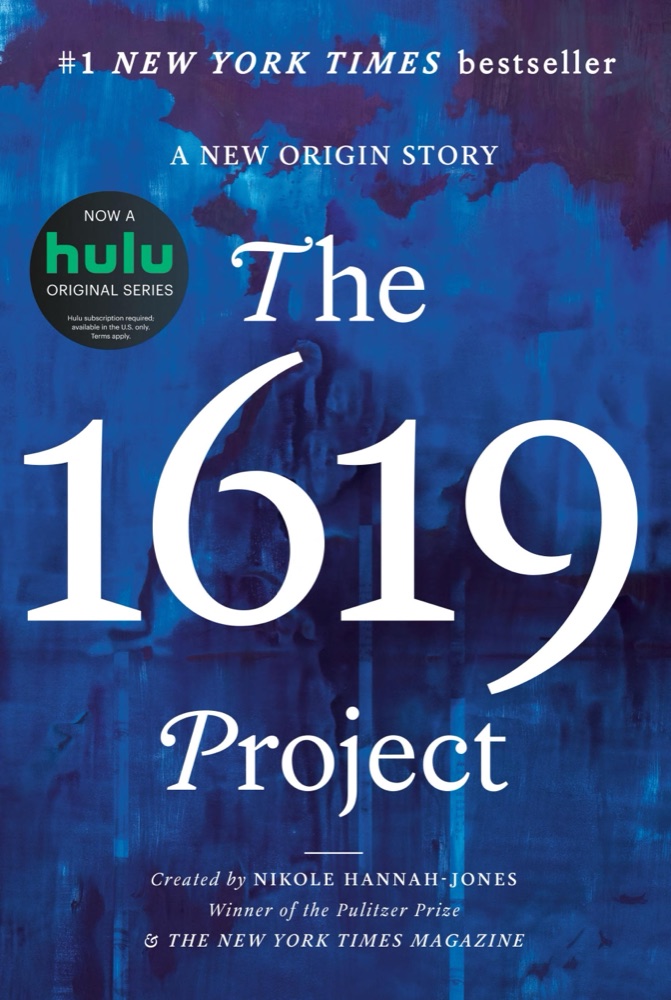
The 1619 Project: A New Origin Story offers a revealing vision of the American past and present.
In late August 1619, a ship arrived in the British colony of Virginia bearing a cargo of twenty to thirty enslaved people from Africa. Their arrival led to the barbaric and unprecedented system of American chattel slavery that would last for the next 250 years. This is sometimes referred to as the country’s original sin, but it is more than that: It is the source of so much that still defines the United States.
The 1619 Project: A New Origin Story builds on The New York Times Magazine’s award-winning “1619 Project,” which reframed our understanding of American history by placing slavery and its continuing legacy at the center of our national narrative. This book substantially expands on the original "1619 Project, "weaving together eighteen essays that explore the legacy of slavery in
Book details
- First published
- 2019
- Author
- Nikole Hannah-Jones
- Genre
- History
- Goodreads rating
- 4.61 (25k ratings)
The buzz
- The New York TimesReview in The New York Timesprofessional review (via Book Marks)
- The Washington PostReview in The Washington Postprofessional review (via Book Marks)
- SlateReview in Slateprofessional review (via Book Marks)
- Kirkus ReviewsReview in Kirkus Reviewsprofessional review (via Book Marks)
- Publishers WeeklyReview in Publishers Weeklyprofessional review (via Book Marks)
- BooklistReview in Booklistprofessional review (via Book Marks)
Keep reading
Four Hundred Souls: A Community History of African America, 1619-2019
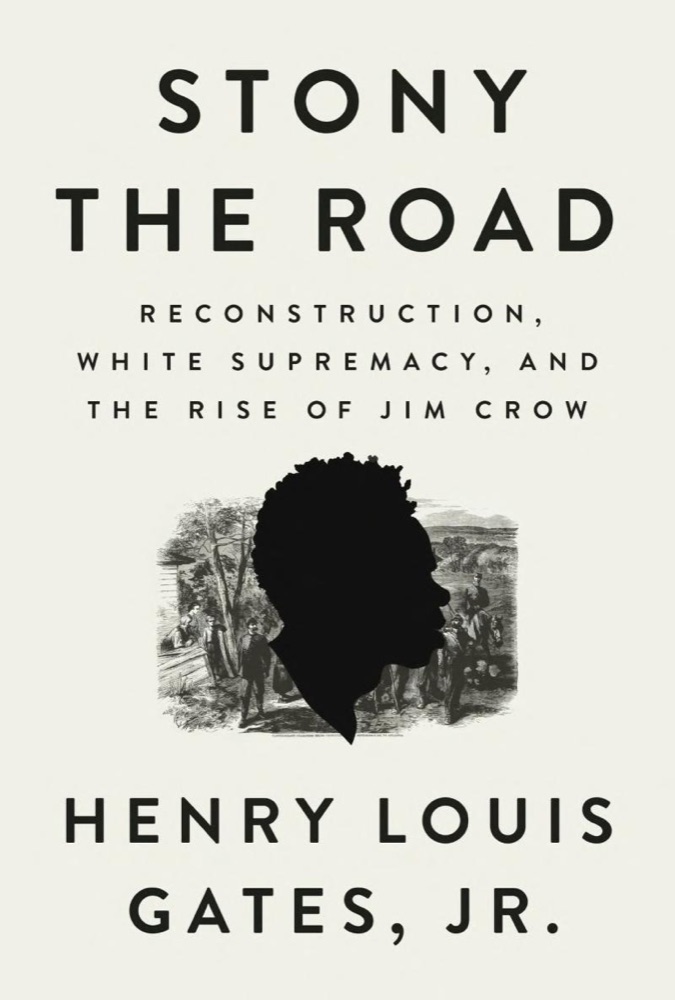 Stony the Road: Reconstruction, White Supremacy, and the Rise of Jim Crow
 The Half Has Never Been Told: Slavery and the Making of American Capitalism
 Black AF History: The Un-Whitewashed Story of America
 We Were Eight Years in Power: An American Tragedy
 How the Word Is Passed: A Reckoning with the History of Slavery Across America
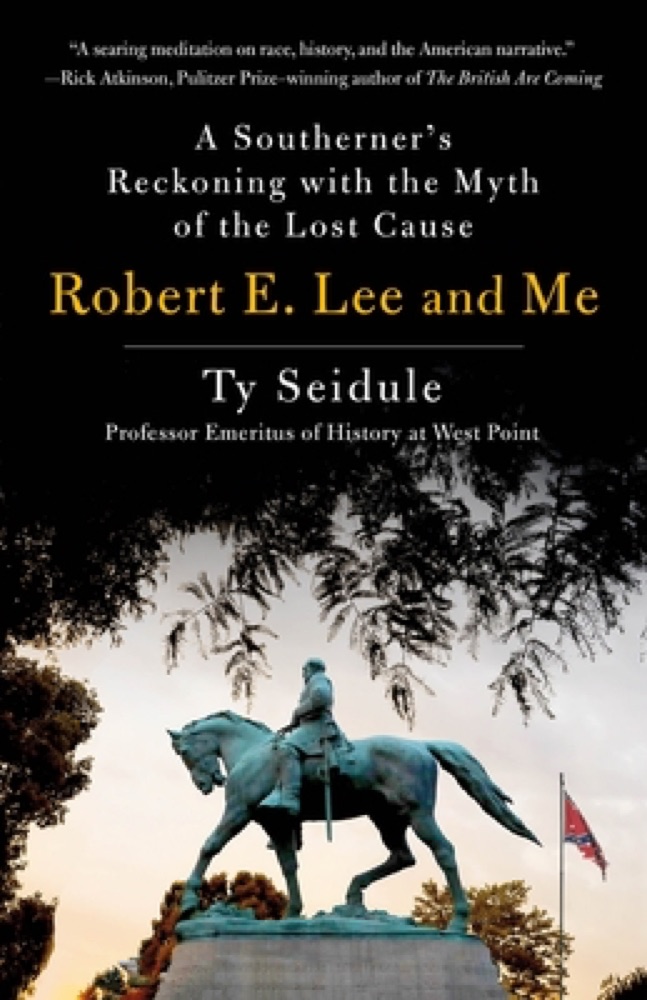 Robert E. Lee and Me: A Southerner's Reckoning with the Myth of the Lost Cause
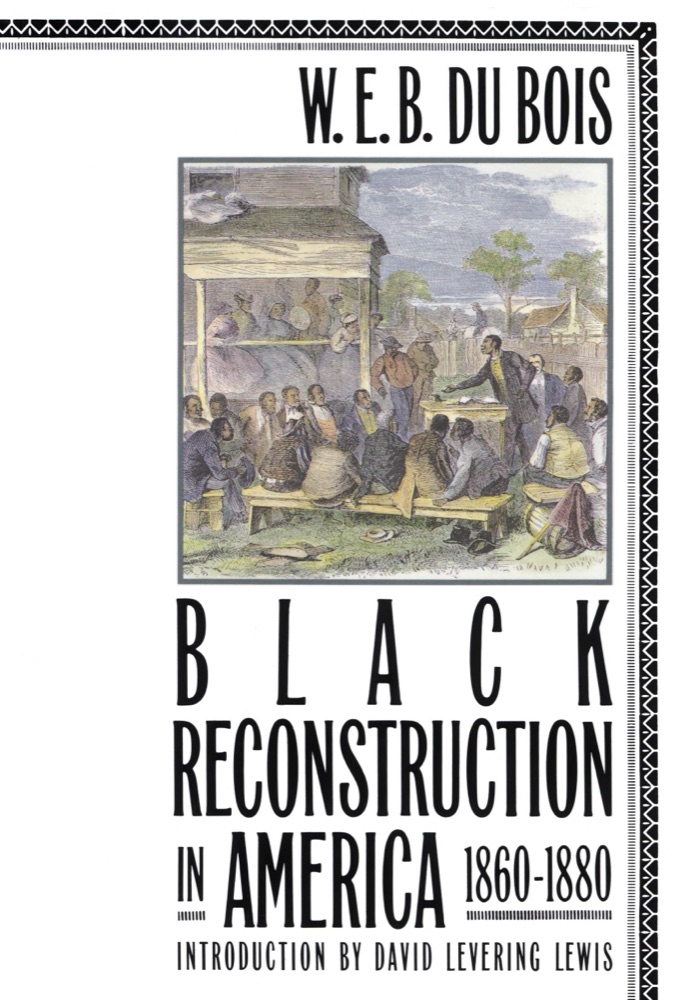 Black Reconstruction in America 1860-1880
 White Trash: The 400-Year Untold History of Class in America
 Simple Justice: The History of Brown v. Board of Education and Black America's Struggle for Equality
 Stamped from the Beginning: The Definitive History of Racist Ideas in America
 The Hemingses of Monticello: An American Family
 The Warmth of Other Suns: The Epic Story of America's Great Migration
 White Rage: The Unspoken Truth of Our Racial Divide
 The Sum of Us: What Racism Costs Everyone and How We Can Prosper Together
 These Truths: A History of the United States
 Begin Again: James Baldwin's America and Its Urgent Lessons for Our Own
 Black Rednecks and White Liberals
 A People's History of the United States
 Why We Can't Wait
 Black in Blues: How a Color Tells the Story of My People
 Tears We Cannot Stop: A Sermon to White America
 No Name in the Street
 Lies My Teacher Told Me: Everything Your American History Textbook Got Wrong
 Blood Done Sign My Name: A True Story
 Dark Days
 The Disuniting of America: Reflections on a Multicultural Society
 The Small and the Mighty: Twelve Unsung Americans Who Changed the Course of History, from the Founding to the Civil Rights Movement
 The Fire This Time: A New Generation Speaks About Race
 Stamped: Racism, Antiracism, and You
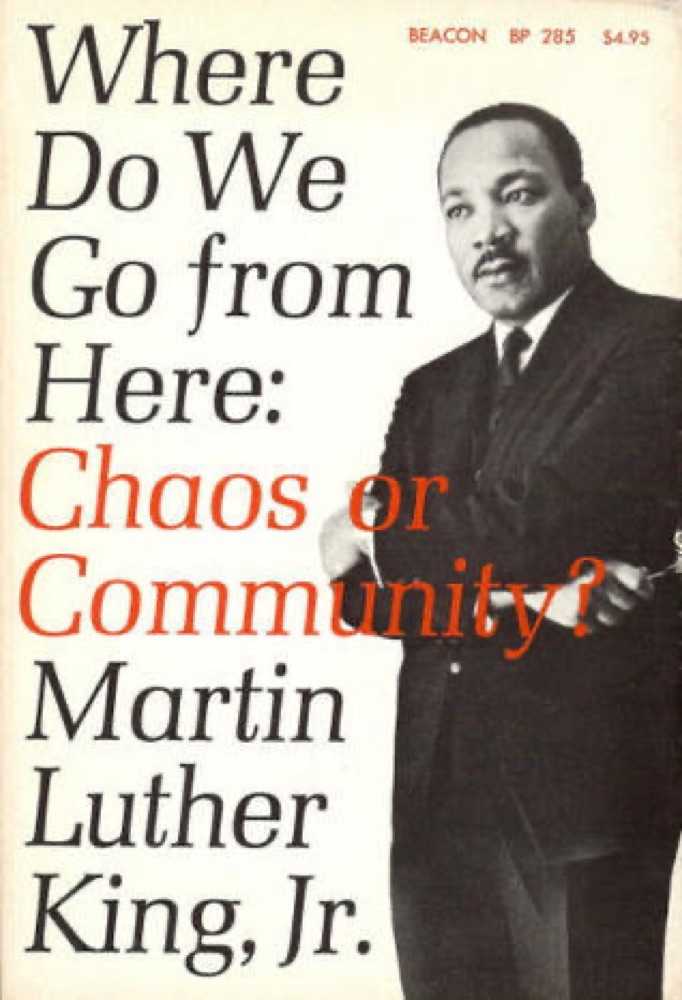 Where Do We Go from Here: Chaos or Community?
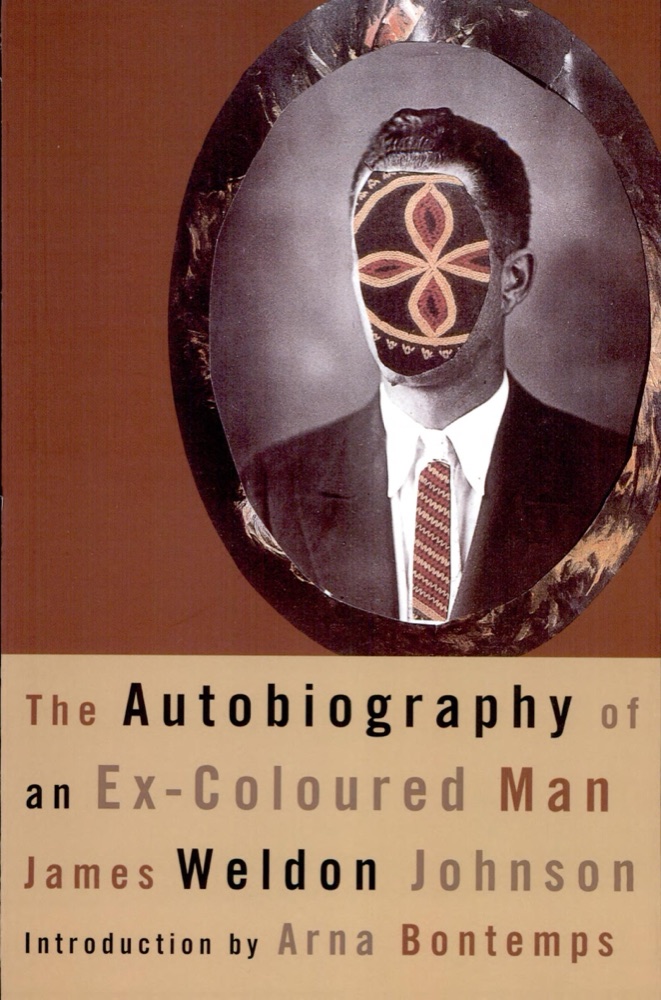 The Autobiography of an Ex-Coloured Man
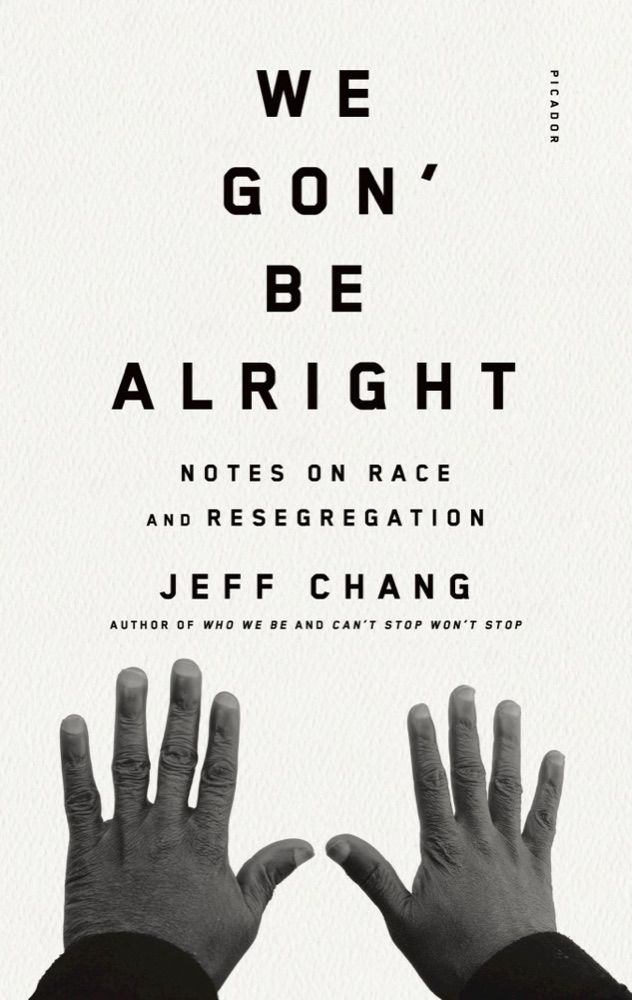 We Gon' Be Alright: Notes on Race and Resegregation
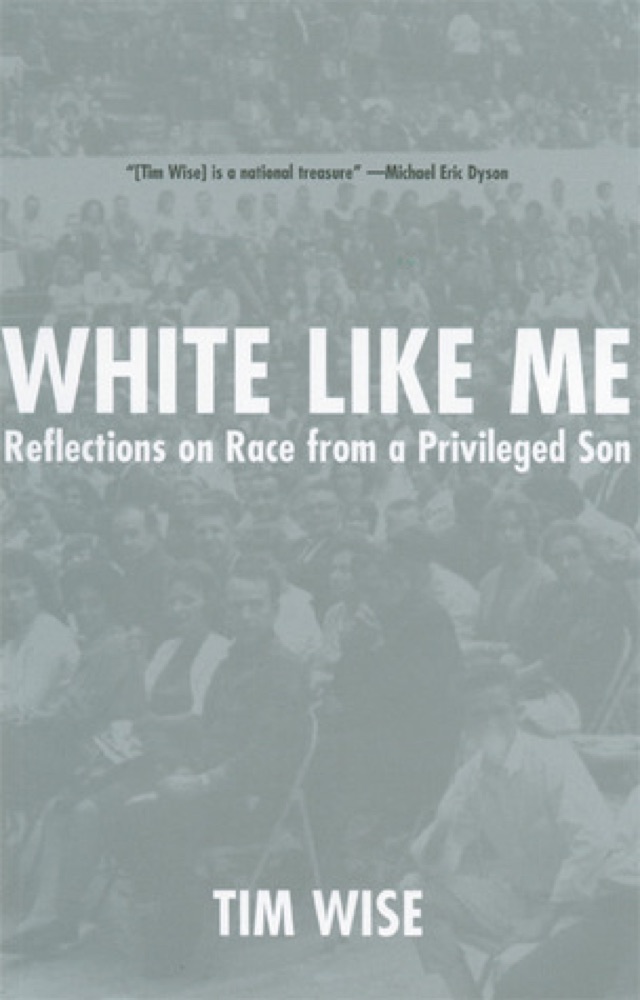 White Like Me: Reflections On Race From A Privileged Son
 The End of the Myth: From the Frontier to the Border Wall in the Mind of America
 The Souls of Black Folk
 The Love Songs of W.E.B. Du Bois
 Nobody Knows My Name
 Uncomfortable Conversations With a Black Man
 The Blood of Emmett Till
 I'm Still Here: Black Dignity in a World Made for Whiteness
 Silent Covenants: Brown v. Board of Education and the Unfulfilled Hopes for Racial Reform
 The Soul of America: The Battle for Our Better Angels
 Barracoon: The Story of the Last "Black Cargo"
 Invisible Man, Got the Whole World Watching: A Young Black Man's Education
 An Indigenous Peoples' History of the United States
 Myth America: Historians Take On the Biggest Legends and Lies About Our Past
 Edge of Eternity
 The Black Jacobins: Toussaint L'Ouverture and the San Domingo Revolution
 The Confessions of Nat Turner
 My Bondage and My Freedom
 Becoming Abolitionists: Police, Protests, and the Pursuit of Freedom
 Between the World and Me
 A Colony in a Nation
 What Truth Sounds Like: Robert F. Kennedy, James Baldwin, and Our Unfinished Conversation About Race in America
 Battle Cry of Freedom
 They Were Her Property: White Women as Slave Owners in the American South
 The Inconvenient Indian: A Curious Account of Native People in North America
 Go Back to Where You Came From: And Other Helpful Recommendations on How to Become American
 The Underground Railroad