
 The 360 Degree Leader: Developing Your Influence from Anywhere in the Organization
Quotes from the Book
When leaders teach, they invest in their people’s ability to solve and avoid problems in the future.
8
If you want to build a ship, don’t drum up the men to gather wood, divide the work and give orders. Instead, teach them to yearn for the vast and endless sea. ANTOINE DE ST. EXUPERY
7
The Diminisher is a Micromanager who jumps in and out. The Multiplier is an Investor who gives others ownership and full accountability.
6
Perhaps these leaders understood that the person sitting at the apex of the intelligence hierarchy is the genius maker, not the genius.
6
Multipliers invoke each person’s unique intelligence and create an atmosphere of genius—innovation, productive effort, and collective intelligence.
5
the leader’s job is to put other people on stage.
3
It isn’t how much you know that matters. What matters is how much access you have to what other people know. It isn’t just how intelligent your team members are; it is how much of that intelligence you can draw out and put to use.
3
Don’t just identify the problem; find a solution.
2
Multipliers aren’t “feel-good” managers. They look into people and find capability, and they want to access all of it. They utilize people to their fullest. They see a lot, so they expect a lot.
2
The highest quality of thinking cannot emerge without learning. Learning can’t happen without mistakes.
2
It is better to debate a decision without settling it than settling a decision without debating it. JOSEPH JOUBERT
2
When people work with Multipliers, they hold nothing back. They offer the very best of their thinking, creativity, and ideas. They give more than their jobs require and volunteer their discretionary effort, energy, and resourcefulness. They actively search for more valuable ways to contribute. They hold themselves to the highest standards. They give 100 percent of their abilities to the work--and then some.
1
A bad leader will tell people what to do. A good leader will ask questions and let his or her people figure out the answers. A great leader asks the questions that focus the intelligence of their team on the right problems.
1
Multipliers get more from their people because they are leaders who look beyond their own genius and focus their energy on extracting and extending the genius of others.
1
THE 5 DISCIPLINES OF THE MULTIPLIERS Diminisher The Empire Builder: Hoards resources and underutilizes talent The Tyrant: Creates a tense environment that suppresses people’s thinking and capability The Know-It-All: Gives directives that showcase how much they know The Decision Maker: Makes centralized, abrupt decisions that confuse the organization The Micro Manager: Drives results through their personal involvement Multiplier The Talent Magnet: Attracts talented people and uses them at their highest point of contribution The Liberator: Creates an intense environment that requires people’s best thinking and work The Challenger: Defines an opportunity that causes people to stretch The Debate Maker: Drives sound decisions through rigorous debate
1
Jae reflected on the leader’s role: “You can jump in and teach and coach, but then you have to give the pen back. When you give that pen back, your people know they are still in charge.” When something is off the rails, do you take over or do you invest? When you take the pen to add your ideas, do you give it back? Or does it stay in your pocket? Multipliers invest in the success of others. They may jump in to teach and share their ideas, but they always return to accountability. When leaders fail to return ownership, they create dependent organizations. This is the way of the Diminisher. They jump in, save the day, and drive results through their personal involvement. When leaders return the pen, they cement the accountability for action where it should be. This creates organizations that are free from the nagging need of the leader’s rescue.
1
SUPERSIZE IT—Try sizing someone’s job the way you shop for shoes for a young child. How does the wise parent decide what size to buy? They start by measuring the child’s foot, and then they buy a pair that’s a size too big. And how does the parent respond when their child tries on those shoes, awkwardly parading down the store aisle, complaining that the shoes feel weird and too big and that their feet are flopping around in them? The parent reassures them, “Don’t worry, you’ll grow into them.” Try supersizing someone’s job. Assess their current capabilities and then give them a challenge that is a size too big. Give an individual contributor a leadership role; give a first-line manager more decision-making power. If they seem startled, acknowledge that the role or responsibility might feel awkward at first. Then step back and watch them grow into it.
1
Multipliers liberate people from the oppressive forces within corporate hierarchy. They liberate people to think, to speak, and to act with reason. They create an environment where the best ideas surface and where people do their best work. They give people permission to think.
1
The Diminisher is a Decision Maker. The Multiplier is a Debate Maker.
1
Your job is to unleash the full potential of each person on your team.
1
To lead on purpose, we must understand how we diminish by accident.
1
Good leaders don’t just give people more work, they give them harder work—a bigger challenge that prompts deep learning and growth.
1
Mistakes are an essential part of progress.
1
Stress is created when people are expected to produce outcomes that are beyond their control.
1
The promise of a Multiplier is that they get twice the capacity, plus a growth dividend from their people as their genius expands under the leadership of the Multiplier.
1
Finding people’s native genius and then labeling it is a direct approach to drawing more intelligence from them.
1
I not only use all the brains that I have, but all that I can borrow. WOODROW WILSON
1
MULTIPLIERS: These leaders are genius makers who bring out the intelligence in others. They build collective, viral intelligence in organizations.
1
Multipliers increase intelligence in people and in organizations. People actually get smarter and more capable around them.
1
Diminishers underutilize people and leave capability on the table.
1
Watch on YouTube
About Liz Wiseman
We have collected 30 quotes from 1 book by Liz Wiseman on BookQuoters.
More about the author →About the book
Are you a genius or a genius maker? We've all had experience with two dramatically different types of leaders. The first type drain intelligence, energy, and capability from the ones around them and always need to be the smartest ones in the room. These are the idea killers, the energy sappers, the diminishers of talent and commitment. On the other side of the spectrum are leaders who use their intelligence to amplify the smarts and capabilities of the people around them. When these leaders walk into a room, lightbulbs go off over people's heads, ideas flow, and problems get solved. These are the leaders who inspire employees to stretch themselves to deliver results that surpass expectations. These are the Multipliers. And the world needs more of them, especially now, when leaders are expected to do more with less. In this engaging and highly practical book, leadership expert Liz Wiseman
Book details
- First published
- 2010
- Author
- Liz Wiseman
- Genre
- Nonfiction
- Goodreads rating
- 3.98 (17k ratings)
Keep reading
The 360 Degree Leader: Developing Your Influence from Anywhere in the Organization
 Turn the Ship Around!: A True Story of Turning Followers into Leaders
 Smartcuts: How Hackers, Innovators, and Icons Accelerate Success
 Boundaries for Leaders: Results, Relationships, and Being Ridiculously in Charge
 The Ride of a Lifetime: Lessons Learned from 15 Years as CEO of the Walt Disney Company
 Winning
 Give and Take: A Revolutionary Approach to Success
 Legacy: What the All Blacks Can Teach Us About the Business of Life
 Measure What Matters
 Start with Why: How Great Leaders Inspire Everyone to Take Action
 Radical Candor: Be a Kickass Boss Without Losing Your Humanity
 Wooden on Leadership: How to Create a Winning Organization
 The Effective Executive: The Definitive Guide to Getting the Right Things Done
 Amp It Up: Leading for Hypergrowth by Raising Expectations, Increasing Urgency, and Elevating Intensity
 Smarter Faster Better: The Secrets of Being Productive in Life and Business
 Leaders Eat Last: Why Some Teams Pull Together and Others Don't
 Magic of Thinking Big
 The Fifth Discipline: The Art & Practice of The Learning Organization
 Influencer: The Power to Change Anything
 Creativity, Inc.: Overcoming the Unseen Forces That Stand in the Way of True Inspiration
 Managing Humans: Biting and Humorous Tales of a Software Engineering Manager
 Strengths Based Leadership
 Originals: How Non-Conformists Move the World
 Peopleware: Productive Projects and Teams
 Above the Line: Lessons in Leadership and Life from a Championship Season
 Good to Great: Why Some Companies Make the Leap... and Others Don't
 Range: Why Generalists Triumph in a Specialized World
 Drive: The Surprising Truth About What Motivates Us
 Tribes: We Need You to Lead Us
 A Whole New Mind: Why Right-Brainers Will Rule the Future
 QBQ! The Question Behind the Question: Practicing Personal Accountability in Work and in Life
 Built to Last: Successful Habits of Visionary Companies
 David and Goliath: Underdogs, Misfits, and the Art of Battling Giants
 Call Sign Chaos: Learning to Lead
 Loonshots: How to Nurture the Crazy Ideas That Win Wars, Cure Diseases, and Transform Industries
 Principles: Life and Work
 Leading: Learning from Life and My Years at Manchester United
 EntreLeadership: 20 Years of Practical Business Wisdom from the Trenches
 Tools of Titans: The Tactics, Routines, and Habits of Billionaires, Icons, and World-Class Performers
 Talent is Overrated: What Really Separates World-Class Performers from Everybody Else
 The Art of Impossible: A Peak Performance Primer
 Hit Refresh: The Quest to Rediscover Microsoft's Soul and Imagine a Better Future for Everyone
 Hackers & Painters: Big Ideas from the Computer Age
 The Hard Thing About Hard Things: Building a Business When There Are No Easy Answers―Straight Talk on the Challenges of Entrepreneurship
 Vision to Reality: Stop Working, Start Living
 The Leader Who Had No Title: A Modern Fable on Real Success in Business and in Life
 The Essential Drucker
 The 80/20 Principle: The Secret to Achieving More with Less
 The Score Takes Care of Itself: My Philosophy of Leadership
 Great by Choice: Uncertainty, Chaos, and Luck—Why Some Thrive Despite Them All
 The Essays of Warren Buffett: Lessons for Corporate America
 The Art of Thinking Clearly
 Think Like a Freak
 Things a Little Bird Told Me: Confessions of the Creative Mind
 High Performance Habits: How Extraordinary People Become That Way
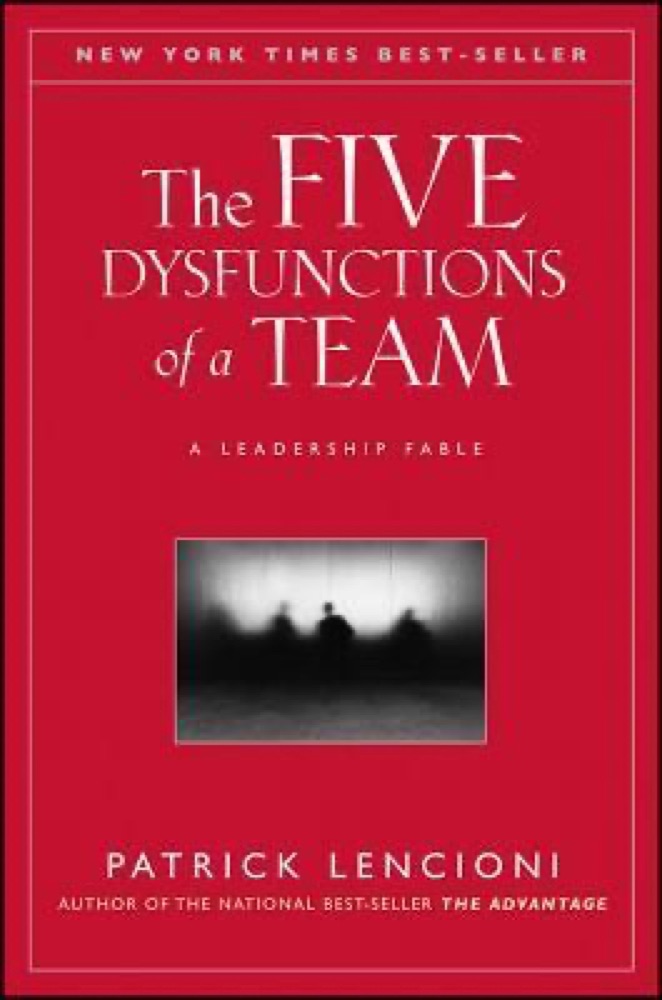 The Five Dysfunctions of a Team
 Firestarters: How Innovators, Instigators, and Initiators Can Inspire You to Ignite Your Own Life
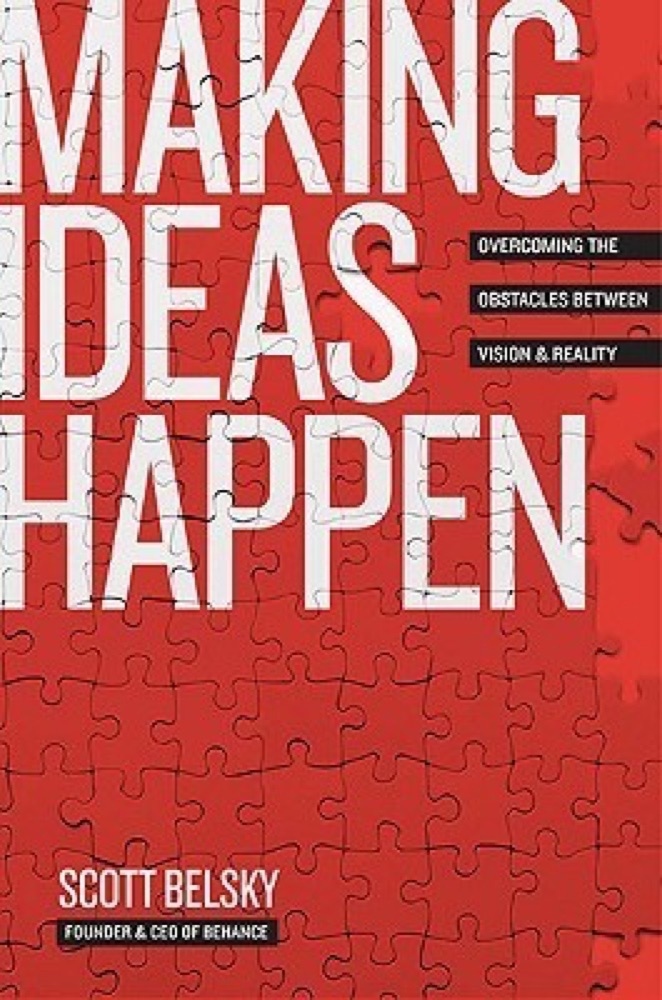 Making Ideas Happen: Overcoming the Obstacles Between Vision and Reality
 Chaos Monkeys: Obscene Fortune and Random Failure in Silicon Valley