
 Nickel and Dimed: On (Not) Getting by in America
Quotes from the Book
You can think of death bitterly or with resignation, as a tragic interruption of your life, and take every possible measure to postpone it. Or, more realistically, you can think of life as an interruption of an eternity of personal nonexistence, and seize it as a brief opportunity to observe and interact with the living, ever-surprising world around us.
24
If there is a lesson here it has to do with humility. For all our vaunted intelligence and complexity, we are not the sole authors of our destinies or of anything else. You may exercise diligently, eat a medically fashionable diet, and still die of a sting from an irritated bee. You may be a slim, toned paragon of wellness, and still a macrophage within your body may decide to throw in its lot with an incipient tumor.
10
We do not look into mirrors, for example, to see our "true" selves, but to see what others are seeing, and what passes for inner reflection is often an agonizing assessment of how others are judging us.
4
Once I realized I was old enough to die, I decided that I was also old enough not to incur any more suffering, annoyance, or boredom in the pursuit of a longer life.
4
Why shouldn’t our “great chain of being” include the other creatures with which we have shared the planet, the creatures we have martyred in service to us or driven out of their homes to make way for our expansion?
2
Poor whites had always had the comfort of knowing that someone was worse off and more despised than they were; racial subjugation was the ground under their feet, the rock they stood upon, even when their own situation was deteriorating. That slender assurance is shrinking.
2
We were beginning to see that the medical profession, at the time still over 90 percent male, had transformed childbirth from a natural event into a surgical operation performed on an unconscious patient in what approximated a sterile environment. Routinely, the woman about to give birth was subjected to an enema, had her pubic hair shaved off, and was placed in the lithotomy position - on her back, with knees up and crotch spread wide open. As the baby began to emerge, the obstetrician performed an episiotomy, a surgical enlargement of the vaginal opening, which had to be stitched back together after birth. Each of these procedures came with a medical rationale: The enema was to prevent contamination with feces; the pubic hair was shaved because it might be unclean; the episiotomy was meant to ease the baby's exit. But each of these was also painful, both physically and otherwise, and some came with their own risks, Shaving produces small cuts and abrasions that are open to infection; episiotomy scars heal m ore slowly than natural tears and can make it difficult for the woman to walk or relieve herself for weeks afterward. The lithotomy position may be more congenial for the physician than kneeling before a sitting woman, but it impedes the baby's process through the birth canal and can lead to tailbone injuries in the mother.
2
A thing cannot be conscious without having agency, but it can have agency without being conscious.
1
I smoke. It's expensive. It's also the best option. You see, I am always, always exhausted. It's a stimulant. When I am too tired to walk one more step, I can smoke and go for another hour. When I am enraged and beaten down and incapable of accomplishing one more thing, I can smoke and feel a little better, just for a minute. It is the only relaxation I am allowed.
1
For all our vaunted intelligence and “complexity,” we are not the sole authors of our destinies or of anything else. You may exercise diligently, eat a medically fashionable diet, and still die of a sting from an irritated bee. You may be a slim, toned paragon of wellness, and still a macrophage within your body may decide to throw in its lot with an incipient tumor.
Neurologii au confirmat că dependența de electronice a "recalibrat" creierul uman, diminuând durata atenției, și afectând calitatea somnului. De fapt, și adulții puteau observa că li se întâmplă același lucru, după cum și eu s-au retras din lumea fizică în mesaje și postări. Termenul de "distracted parenting" a fost inventat pentru a înfățișa părintele care este atent din ce în ce mai puțin la propriul copil din cauza incapacității de a lăsa deoparte câteva ore pe zi dispozitivul electronic. Și cum ar putea să procedeze un părinte, când chiar școala solicită tot mai mult utilizarea laptopurilor și a iPad-urilor ca instrumente de învățare? Micile ecrane par a fi acaparat lumea cu totul.
Profesorii, părinții și psihologii au observat o scădere abruptă a capacității de a păstra atenția, atât în rândul adulților, cât și al copiilor. Un studiu din 2015 a constatat că durata medie de atenție a adulților a scăzut de la 12 la 8 secunde, adică mai puțin decât poate fi atent un caras auriu.
The truly sinister possibility is that for many of us, all the little measures we take to remain fit—all the deprivations and exertions—will only lead to a longer chance to live with crippling and humiliating disabilities.
One can’t even find the concept of the “immortal soul” in the Bible. It was grafted onto Christian teachings from the pagan Greeks long after the Bible was written.
Never mind that poverty, race, and occupation play a huge role in determining one’s health status, the doctrine of individual responsibility means that the less-than-fit person is a suitable source not only of revulsion but resentment.
We may imagine that the mind houses a singular self, an essence of "I-ness," distinct from all other selves and consistent over time. But attend closely to your thoughts and you find they are thoroughly colonized by the thoughts of others, through language, culture, and mutual expectations. The answer to the question of what I am, or you are, requires some historical and geographical setting.
Parents could see what was happening to their own children, who were being drawn to electronic devices—cell phones, computers, and iPads—as if to opium-infused cupcakes.
The survival of an older person is of no evolutionary consequence since that person can no longer reproduce—unless one wants to argue for the role of grandparents in prolonging the lives of their descendants. It might even, in a Darwinian sense, be better to remove the elderly before they can use up any more resources that might otherwise go to the young. In that case, you could say that there is something almost altruistic about the diseases of aging. Just as programmed cell death, apoptosis, cleanly eliminates damaged cells from the body, so do the diseases of aging clear up the clutter of biologically useless older people—only not quite so cleanly. And this perspective may be particularly attractive at a time, like now, when the dominant discourse on aging focuses on the deleterious economic effects of largely aging populations. If we didn’t have inflammatory diseases to get the job done, we might have to turn to euthanasia.
[T]he immune system is a metaphor for the self. Its ostensible job is the defense of the organism, but it is potentially a treacherous defender, like the Praetorian guard that turns its swords against the emperor. Just as the immune system can unleash the inflammations that ultimately kill us, the self can pick at a psychic scar - often some sense of defeat or abandonment - until a detectable illness appears, such as obsessive-compulsive disorder, depression, or crippling anxiety.
[T]he natural world is not dead, but swarming with activity, sometimes perhaps even agency and intentionality. Even the place where you might expect to find quiet and solidity, the very heart of matter - the interior of a proton or a neutron - turns out to be animated with the ghostly flickerings of quantum fluctuation. I would not say that the universe is "alive," since that might invite misleading biological analogies. But it is restless, quivering, and juddering, from its vast vacant patches to its tiniest crevices.
The scientific argument [...] is that the attribution of agency to the natural world was a mistake, although a useful one in an evolutionary sense. [...] [T]o the contrary, [...] it was the notion of nature as a passive, ultimately inert mechanism that was the mistake, and perhaps the biggest one that humans ever made.
Suppose that preventive care uncovered some condition that would require agonizing treatments or sacrifices on my part - disfiguring surgery, radiation, drastic lifestyle limitations. Maybe these measures would add years to my life, but it would be a painful and depleted life that they prolonged.
[N]o matter how much effort we expend, not everything is potentially within our control, not even our own bodies and minds. [...] The body - or, to use more cutting-edge language, the "mindbody" - is not a smooth-running machine in which each part obediently performs its tasks for the benefits of the common good. It is at best a confederation of parts - cells, tissues, even thought patterns - that may seek to advance their own agendas, whether or not they are destructive of the whole.
It’s not only “my work”—forgive the pompous phrase—that I bequeath to my survivors but all the mental and sensual pleasures that come with being a living human: sitting in the spring sunshine, feeling the warmth of friends, solving a difficult equation. All that will go on without me. I am content, in the time that remains, to be a transient cell in the larger human super-being.
Combine mind plus body with freshly updated data, some of it perhaps collected on your self-monitoring devices, and act quickly to generate fresh instructions to forestall any looming problems. This, I imagine, is how Silicon Valley “immortalists” spend their time—scanning all the health-related information and instantly applying it—which may seem a small price to pay for eternal life.
According to critical thinkers like Zola and Illich, one of the functions of medical ritual is social control. Medical encounters occur across what is often a profound gap in social status: Despite the last few decades’ surge in immigrant and female doctors, the physician is likely to be an educated and affluent white male, and the interaction requires the patient to exhibit submissive behavior—to undress, for example, and be open to penetration of his or her bodily cavities. These are the same sorts of procedures that are normally undertaken by the criminal justice system, with its compulsive strip searches, and they are not intended to bolster the recipient’s self-esteem. Whether consciously or not, the physician and patient are enacting a ritual of domination and submission, much like the kowtowing required in the presence of a Chinese emperor. Some physicians, unsurprisingly, see
The doctor’s detachment is not a defense against excessive empathy, but a “downright negative” emotional stance,
For most people, throughout most of the twentieth century, medical care necessarily involved an encounter with a social superior—a white male from a relatively privileged background.
As a teenager, I aspired to be a scientist, but too many things happened to distract me from that goal, so I became instead a science appreciator.
Watch on YouTube
About Barbara Ehrenreich
We have collected 138 quotes from 6 books by Barbara Ehrenreich on BookQuoters.
More about the author →More by Barbara Ehrenreich
Nickel and Dimed: On (Not) Getting by in America
 Bait and Switch: The (Futile) Pursuit of the American Dream
 Living with a Wild God: A Nonbeliever's Search for the Truth about Everything
 Bright-Sided: How the Relentless Promotion of Positive Thinking Has Undermined America
About the book
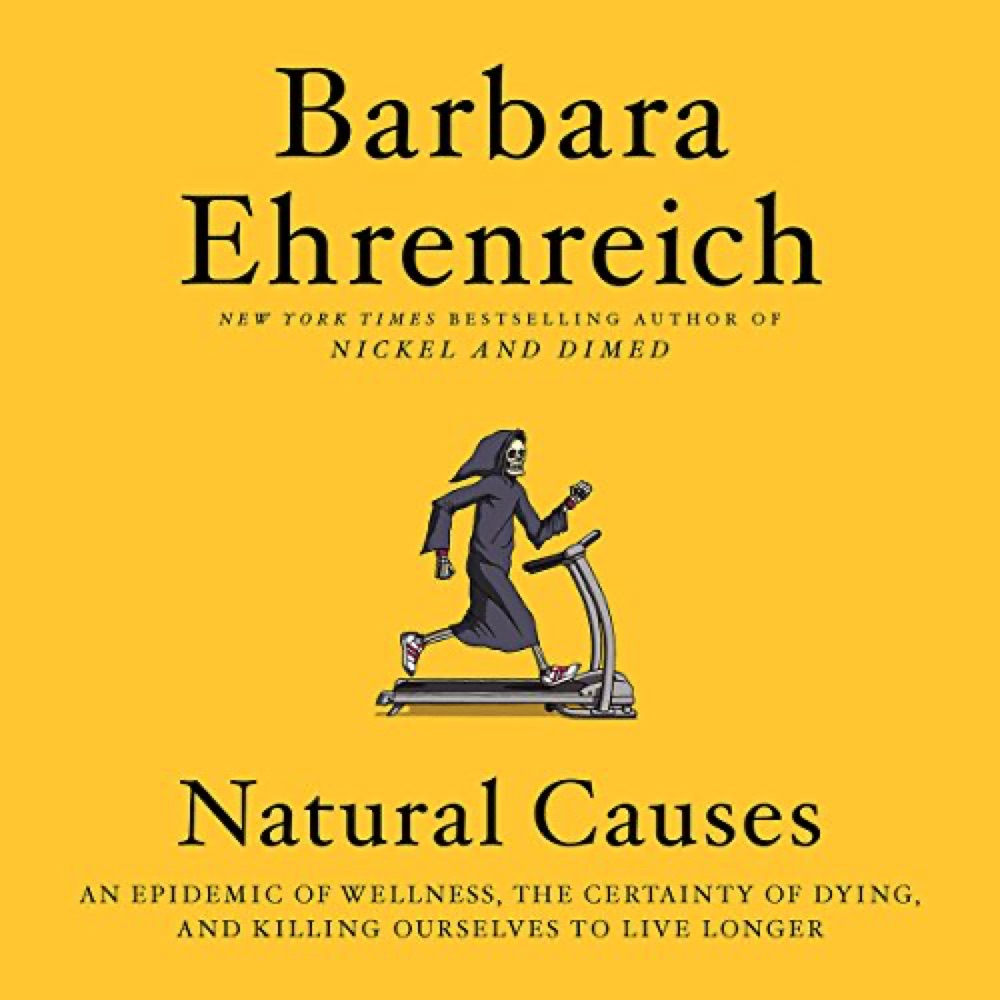
Bestselling author of Nickel and Dimed, Barbara Ehrenreich explores how we are killing ourselves to live longer, not better.
A razor-sharp polemic which offers an entirely new understanding of our bodies, ourselves, and our place in the universe, Natural Causes describes how we over-prepare and worry way too much about what is inevitable. One by one, Ehrenreich topples the shibboleths that guide our attempts to live a long, healthy life — from the importance of preventive medical screenings to the concepts of wellness and mindfulness, from dietary fads to fitness culture.
But Natural Causes goes deeper — into the fundamental unreliability of our bodies and even our "mind-bodies," to use the fashionable term. Starting with the mysterious and seldom-acknowledged tendency of our own immune cells to promote deadly cancers, Ehrenreich looks into the cellular basis of aging, and shows ho
Book details
- First published
- 2018
- Author
- Barbara Ehrenreich
- Genre
- Nonfiction
- Goodreads rating
- 3.26 (8k ratings)
The buzz
- The New York TimesReview in The New York Timesprofessional review (via Book Marks)
- The Washington PostReview in The Washington Postprofessional review (via Book Marks)
- The Wall Street JournalReview in The Wall Street Journalprofessional review (via Book Marks)
- The GuardianReview in The Guardianprofessional review (via Book Marks)
- The AtlanticReview in The Atlanticprofessional review (via Book Marks)
- LA Review of BooksReview in LA Review of Booksprofessional review (via Book Marks)
Keep reading
 Being Mortal: Medicine and What Matters in the End
 Drive Your Plow Over the Bones of the Dead
 Creatures of a Day: And Other Tales of Psychotherapy
 A Language Older Than Words
 Elderhood: Redefining Aging, Transforming Medicine, Reimagining Life
 The Conspiracy Against the Human Race
 The Empusium
 Why We Get Sick: The New Science of Darwinian Medicine
 The Schopenhauer Cure
Living with a Wild God: A Nonbeliever's Search for the Truth about Everything
The Schopenhauer Cure
Living with a Wild God: A Nonbeliever's Search for the Truth about Everything
 Many Lives, Many Masters: The True Story of a Prominent Psychiatrist, His Young Patient, and the Past Life Therapy That Changed Both Their Lives
 Toward a Psychology of Being
 In The Blood
 12 Rules for Life: An Antidote to Chaos
 Mortality
 Stories of Your Life and Others
 Villa Incognito
 A Hunter-Gatherer's Guide to the 21st Century: Evolution and the Challenges of Modern Life
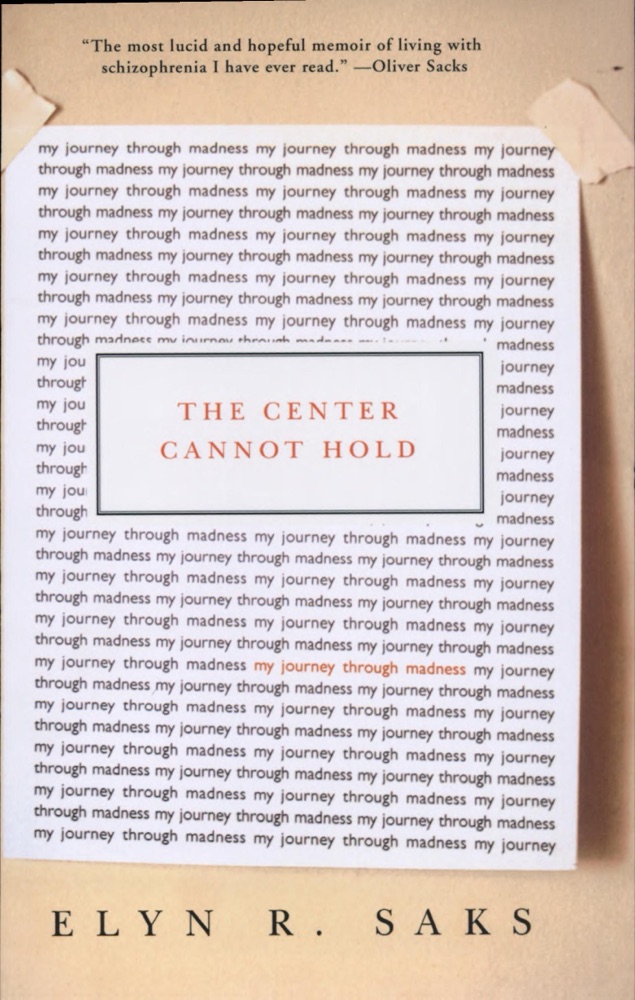 The Center Cannot Hold: My Journey Through Madness
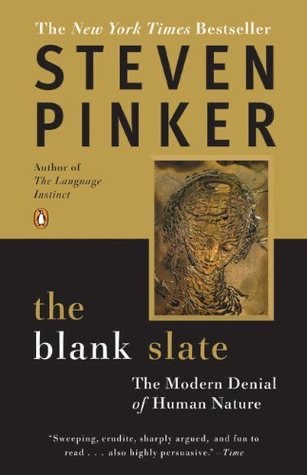 The Blank Slate: The Modern Denial of Human Nature
 Cancer Ward
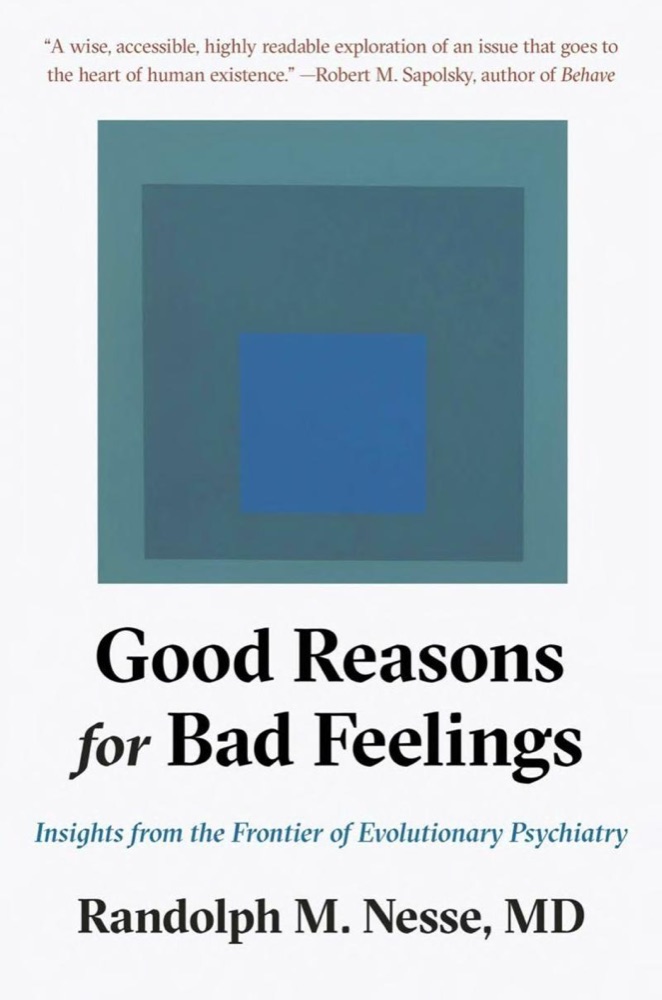 Good Reasons for Bad Feelings: Insights from the Frontier of Evolutionary Psychiatry
 In the Realm of Hungry Ghosts: Close Encounters with Addiction
 Even Cowgirls Get the Blues
 Maps of Meaning: The Architecture of Belief
 Women's Bodies, Women's Wisdom: Creating Physical and Emotional Health and Healing
 Ethics for the New Millennium
Bright-Sided: How the Relentless Promotion of Positive Thinking Has Undermined America
Ethics for the New Millennium
Bright-Sided: How the Relentless Promotion of Positive Thinking Has Undermined America
 Blindsight
 No Time To Spare: Thinking About What Matters
 Everything Is Tuberculosis: The History and Persistence of Our Deadliest Infection
 I Am, I Am, I Am: Seventeen Brushes with Death
 Why Fish Don’t Exist: A Story of Loss, Love, and the Hidden Order of Life
 Correction
 Love's Executioner and Other Tales of Psychotherapy
 Hunters of Dune
 Animal: The Autobiography of a Female Body
 The Collected Schizophrenias: Essays
 Beautyland
 The Hangman's Replacement: Sprout of Disruption
 When Breath Becomes Air
 Point Counter Point
 Notes on a Nervous Planet
 Zeno's Conscience
 Burnout: The Secret to Unlocking the Stress Cycle
 No Cure for Being Human: And Other Truths I Need to Hear
 Genesis
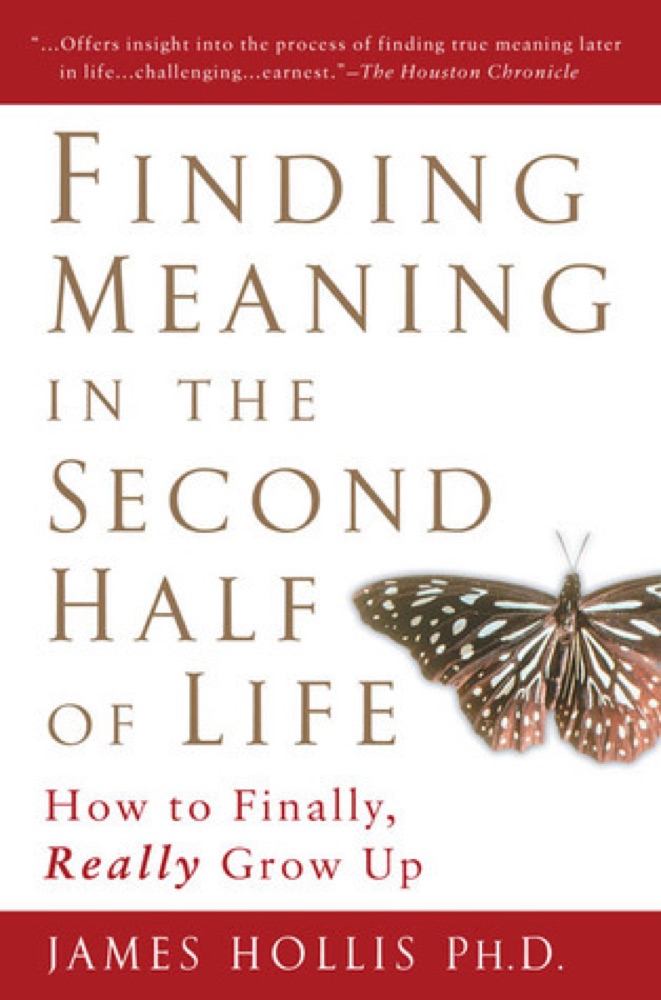 Finding Meaning in the Second Half of Life: How to Finally, Really Grow Up
 The Book: On the Taboo Against Knowing Who You Are
 Underground: The Tokyo Gas Attack and the Japanese Psyche
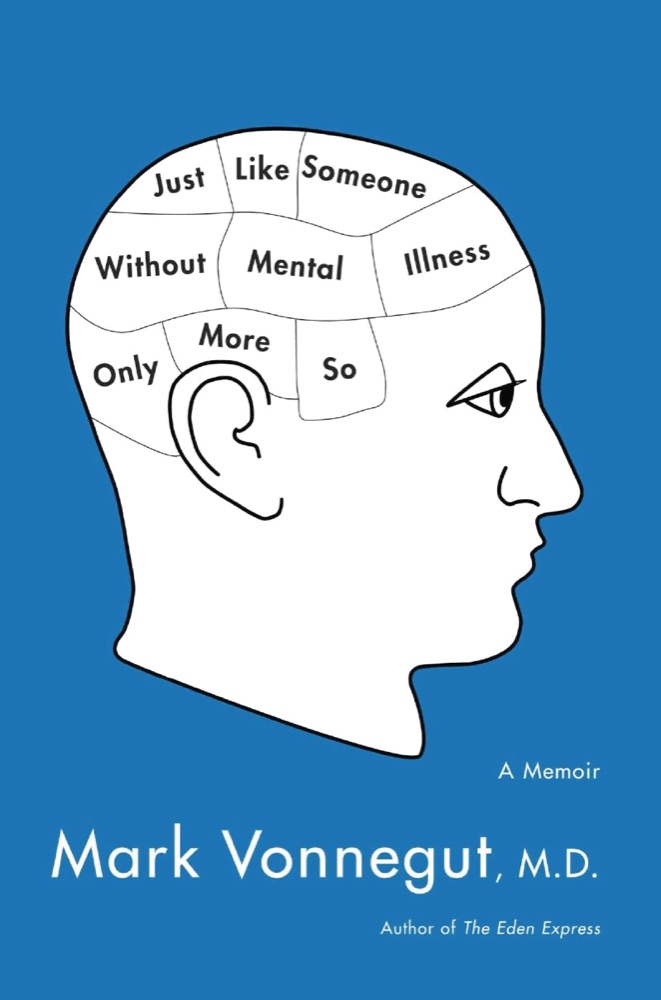 Just Like Someone Without Mental Illness Only More So
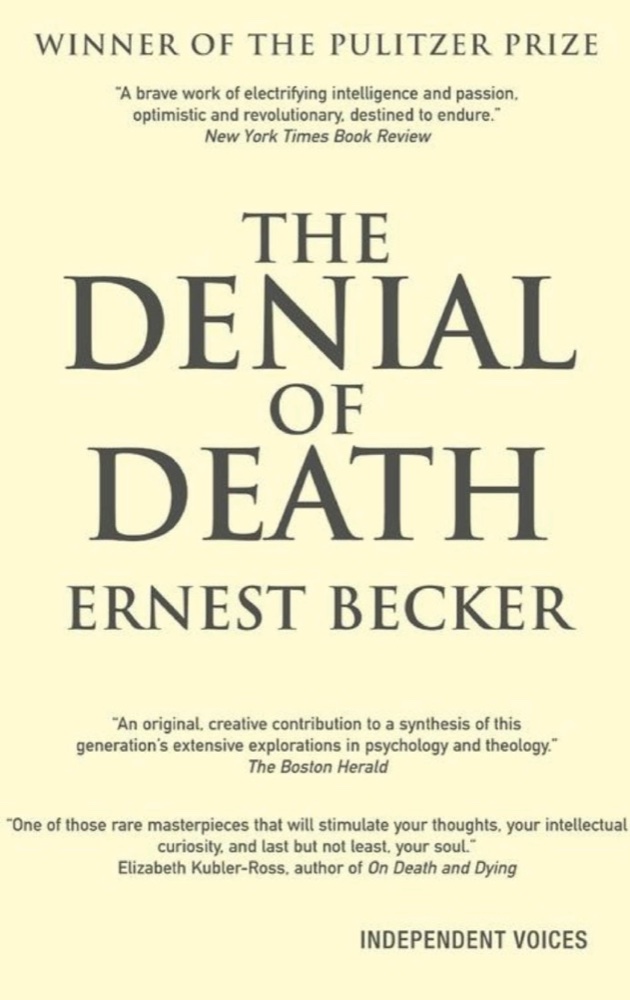 The Denial of Death
 The Shockwave Rider
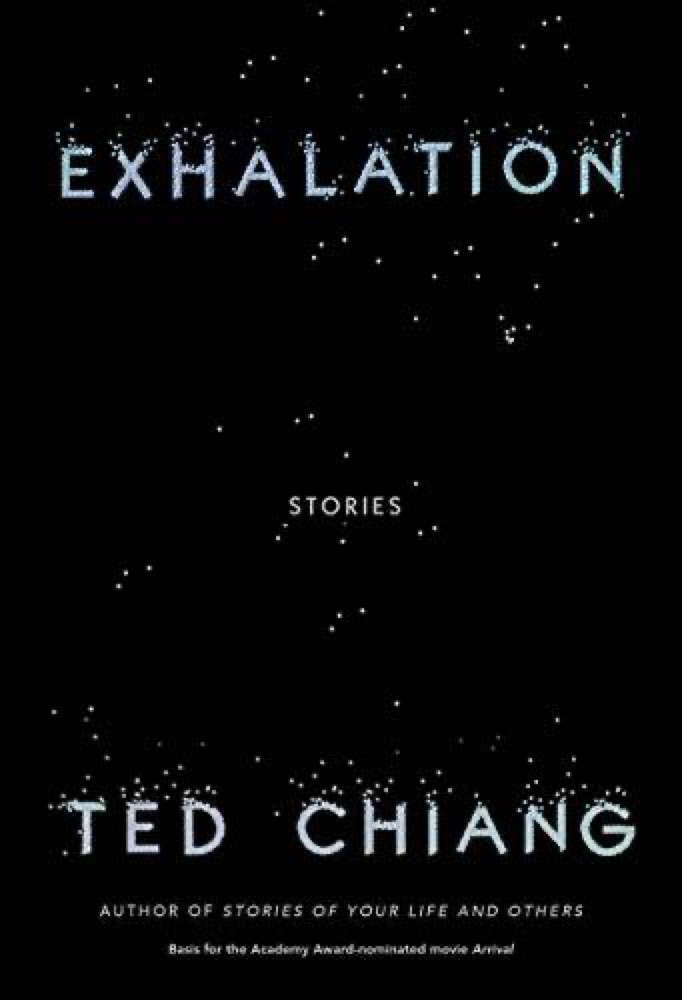 Exhalation
 All Is Not Forgotten
 The Invisible Kingdom: Reimagining Chronic Illness
 Sea of Rust
 Why Zebras Don't Get Ulcers