
 Skippy Dies
Quotes from the Book
So many of the bad things that happen in the world come from people pretending to be something they’re not.
29
And yet we continue not to do anything to stop it, because the things that are causing it, the things we’re doing that are making it worse – building buildings, taking planes, driving cars, eating meat, buying stuff, having children! – these are the very things that make us us. So we seem to be faced with an impossible dilemma: if we don’t want to be killed by climate change, we have to stop being ourselves. You can see why people aren’t exactly rushing to man the barricades. The thought of addressing it actually seems in some ways worse to us than being killed by it. Or put it another way, the thought of no longer being ourselves is harder for us to get our head around than the thought of being dead.
28
That's the past, isn't it. You think it's behind you, then one day you walk into a room and it's there waiting for you.
22
Maybe every era has an atrocity woven into its fabric. Maybe every society is complicit in terrible things and only afterwards gets around to pretending they didn’t know.
22
You couldn’t protect the people you loved – that was the lesson of history, and it struck him therefore that to love someone meant to be opened up to a radically heightened level of suffering.
18
You go to class and discuss famous poems. The poems are full of swans, gorse, blackberries, leopards, elderflowers, mountains, orchards, moonlight, wolves, nightingales, cherry blossoms, bog oak, lily-pads, honeybees. Even the brand-new ones are jam-packed with nature. It’s like the poets are not living in the same world as you. You put up your hand and say isn’t it weird that poets just keep going around noticing nature and not ever noticing that nature is shrinking? To read these poems you would think the world was as full of nature as it ever was even though in the last forty years so many animals and habitats have been wiped out. How come they don’t notice that? How come they don’t notice everything that’s been annihilated? If they’re so into noticing things? I look around and all I see is the world being ruined. If poems were true they’d just be about walking through a giant graveyard or a garbage dump. The only place you find nature is in poems, it’s total bullshit. Even the sensitive people are fucking liars, you say. No, you don’t, you sit there in silence like always.
15
I suppose that’s what everybody wants, isn’t it. To be like everybody else. But nobody is like everybody else. That’s the one thing we have in common.
15
Global apocalypse is not interested in your identity politics or who you pray to or what side of the border you live on.
14
we are all different expressions of the same vulnerability and need. That’s what binds us together.
13
Before he became a father, he imagined the relationship as being like an intensive version of owning a pet. The child, he thought, was essentially a passive, a vessel into which you poured your love. On TV that’s how it looked. Children were silent, dormant; you went into their bedrooms, gazed down at them fondly, drew the blankets over them as they slept. But in life, he discovered, parenthood was like – it was – living with a person. A new person, with strong opinions, strong tastes, arbitrary swings of emotion, all of them addressed at you. You were the passive one: the work of care was primarily to endure, to weather the endless, buffeting storms of unmediated will.
13
It is for love. You are doing this for love.
10
Maybe that’s how it will go – instead of one definitive cataclysm, a series of ‘anomalies’, each time lasting longer, with the stretches of what you call normal life becoming further and further apart, until one day it dawns on you that this is normal life now...
9
People imagined poems were wispy things, she said, frilly things, like lace doilies. But in fact they were like claws, like the metal spikes mountaineers use to find purchase on the sheer face of a glacier. By writing a poem, the lady poets could break through the slippery, nothingy surface of the life they were enclosed in, to the passionate reality that beat beneath it. Instead of falling down the sheer face, they could haul themselves up, line by line, until at last they stood on top of the mountain. And then maybe, just maybe, they might for an instant see the world as it really is.
9
Today, in the developed world, the great threat to political order is that people will pay attention to their surroundings. Thus, even slaves have access to entertainment.
6
But progress isn’t just about stopping bad things from happening. It’s about creating the conditions for new things to happen – things that otherwise wouldn’t have happened, would never even have been imagined.
6
This must be what it feels like to be dying, he thinks; the world remains around you, like a lover who does not want to hurt you by leaving, but in spirit it’s already gone, taking with it the meaning of everything you shared. In truth it is already transforming into a future you will never be part of; and you realize only then that it has been transforming all of this time, throughout your whole life, and you with it; and that, in fact, is life, though you never knew, and now it is over.
6
You couldn't protect the people you loved—that was the lesson of history, and it struck him therefore that to love someone meant to be opened up to a radically heightened level of suffering.
4
Isn’t it truer to say that progress needs failure? That progress is what humans do with failure?
4
For instance: if a dog’s sense of smell was fifty thousand times more powerful than a human’s, that meant that instead of humans’ binary perception of There/Gone, dogs must have a spectrum of thereness. Like, say you’re here, then you go out. To me, you’re gone. But to a dog you’re still mostly here, because your smell lingers much longer, and that’s their strongest sense. So they must have a whole different understanding of time, because for them the past is literally still around. When a dog looks at the world, it must see all of these presences gradually fading out. Like a sky full of jet contrails.
3
We try to make ourselves the way we think we’re expected to be. So many of the bad things that happen in the world come from people pretending to be something they’re not.
3
But sometimes it’s better with things you enjoy not to do them again.
3
And to face up to reality we first need to set aside all of these inventions and disguises we’ve been so busy accumulating. We need to take off our masks. And that’s hard, after a lifetime of hiding away, it’s existentially hard, take it from me. But once you do it, the world is transformed. Once you take off your mask, it’s like all the other masks become transparent, and you can see that beneath our individual quirks and weirdnesses, we’re the same. We are the same in being different, in feeling bad about being different. Or to put it another way, we are all different expressions of the same vulnerability and
3
Instead of yelling at you when you did something wrong, like her mother did, Dad liked to bring you on a little journey first, up over the hills and mountains. It made it hard to fight back; you just had to follow the path he had laid out, his voice calm and even, your guilt crushing down on your shoulders, until turning a corner you would find yourself at the summit, your crime lying spread out in a panorama before you, and you and he would gaze down on it together.
3
But in life, he discovered, parenthood was like – it was – living with a person. A new person, with strong opinions, strong tastes, arbitrary swings of emotion, all of them addressed at you. You were the passive one: the work of care was primarily to endure, to weather the endless, buffeting storms of unmediated will.
3
she wore a combination of dungarees and frilly blouses, a look that Elaine called ‘Victorian petrol station’.
2
Perhaps that was what made it hard to accept. He had always assumed happiness was for other people, for the plodders, the norms, the sleepwalkers, as the reward for their blinkered conformism
2
We are presented with a virtual world powered, literally, by the incineration of the real.
2
Did you know?
- It was Paul Murray's fourth novel.
- The book was shortlisted for the 2023 Booker Prize.
- It was named the An Post Irish Book of the Year for 2023.
- It won the Fiction category at the inaugural Nero Book Awards in 2024.
- The novel includes an extended section written without punctuation.
- Reviewers have compared Murray's family-saga scope to that of Jonathan Franzen.
About Paul Murray
Paul Murray is an Irish writer, born in Dublin in 1975. He is the author of novels including An Evening of Long Goodbyes, Skippy Dies, and The Mark and the Void, and his work has been shortlisted for major literary prizes.
More about the author →More by Paul Murray
Skippy Dies
 The Mark and the Void
About the book
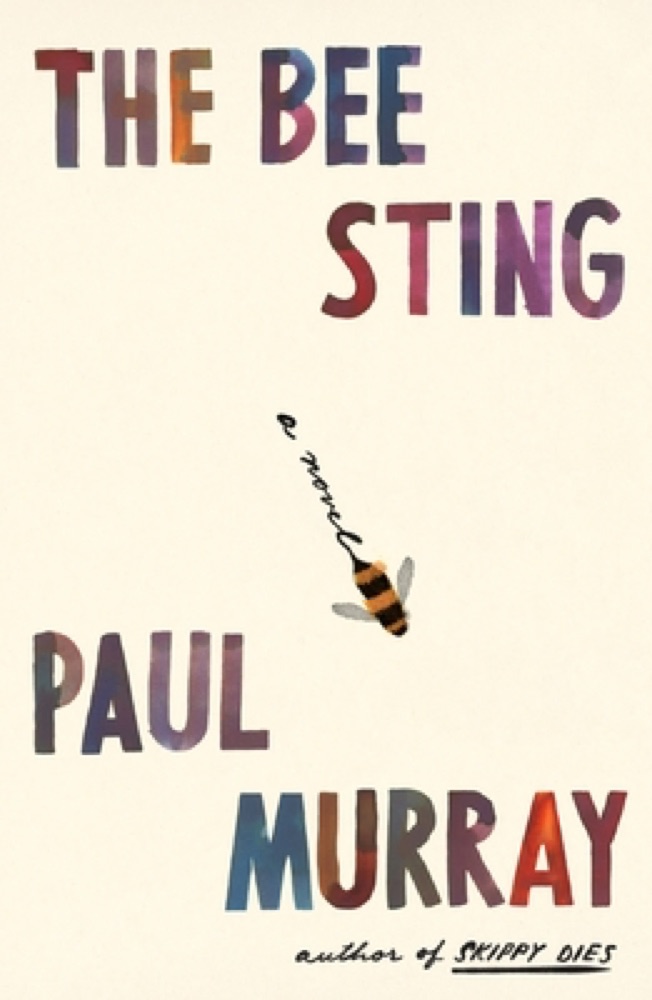
The Bee Sting is Paul Murray's fourth novel, a sprawling tragicomedy following the Barnes family of small-town Ireland as their fortunes collapse in the years after the financial crash. Once-prosperous patriarch Dickie runs the family car dealership inherited from his father, but the business is failing; rather than confront the crisis, he retreats into building a survivalist bunker. His wife Imelda, daughter Cass, and young son PJ each navigate their own private unravelings, and the book devotes long sections to each family member's perspective in turn.
Murray's central concerns are family dysfunction, buried secrets, and the gap between the faces people present to the world and the lives they actually lead. The novel threads economic ruin, generational trauma, sexuality, and self-deception through its shifting points of view, building toward an ambiguous and much-discussed ending. Its formal play extends to the prose itself, including a celebrated section written without punctuation.
Widely acclaimed on publication, The Bee Sting was shortlisted for the 2023 Booker Prize and named the An Post Irish Book of the Year for 2023, and it won the Fiction prize at the inaugural Nero Book Awards in 2024. Critics praised its scope and emotional depth, with reviewers comparing Murray's command of the multi-generational family saga to that of Jonathan Franzen, and it appeared on numerous year-end best-of lists.
Key characters
- Dickie BarnesThe family patriarch, running the failing inherited car dealership
- Imelda BarnesDickie's wife, harboring secrets from her past
- Cass BarnesThe teenage daughter navigating school, friendship, and her future
- PJ BarnesThe young son, dealing with bullying and dreams of escape
- MauriceDickie's father, founder of the family car business
Book details
- First published
- 2023
- Length
- 656 pages
- Reading time
- 12 hours
- Author
- Paul Murray
- Genre
- Fiction
- Goodreads rating
- 3.87 (149k ratings)
Critical reception
- Shortlisted for the 2023 Booker Prize.
- Named the An Post Irish Book of the Year for 2023.
- Won the Fiction prize at the inaugural Nero Book Awards in 2024.
- Appeared on numerous year-end best-of lists from outlets including The New York Times and The New Yorker.
Keep reading
 The City in the Middle of the Night
 Haunted
 Special Topics in Calamity Physics
 How High We Go in the Dark
 The Tsar of Love and Techno
 All the Birds in the Sky
 The Fall of Babel
 The Nix
 Varina
 The Book of Love
 The Empusium
 The Story of the Lost Child
 Glue
Glue
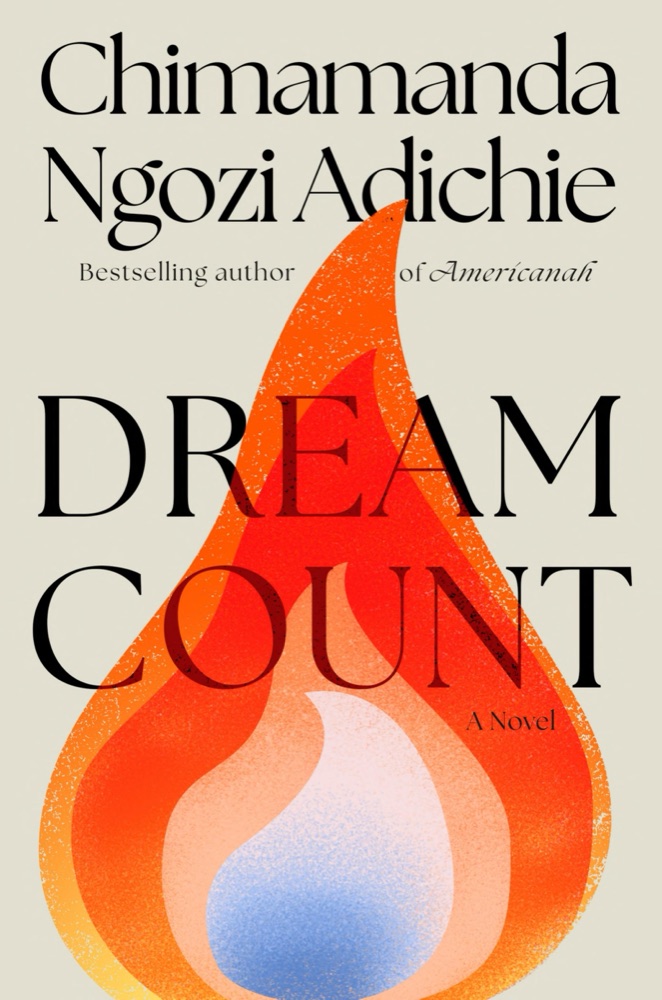 Dream Count
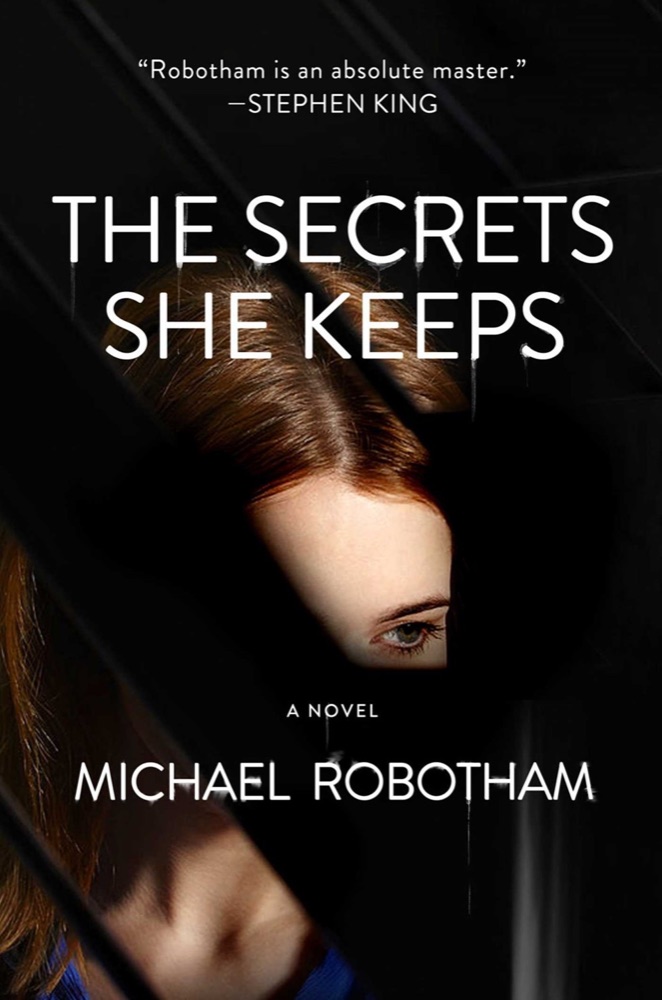 The Secrets She Keeps
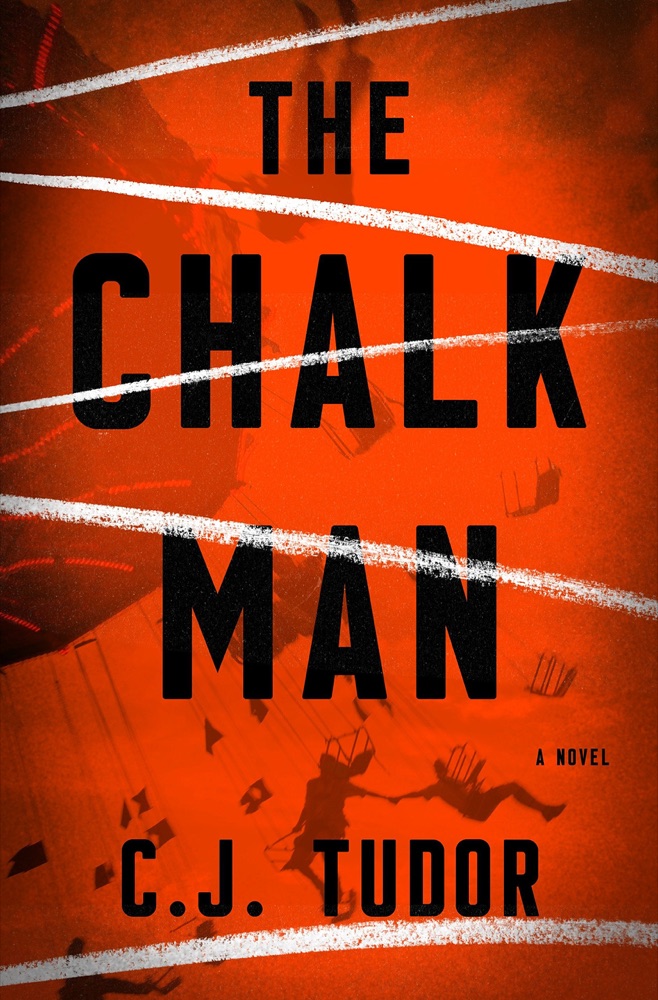 The Chalk Man
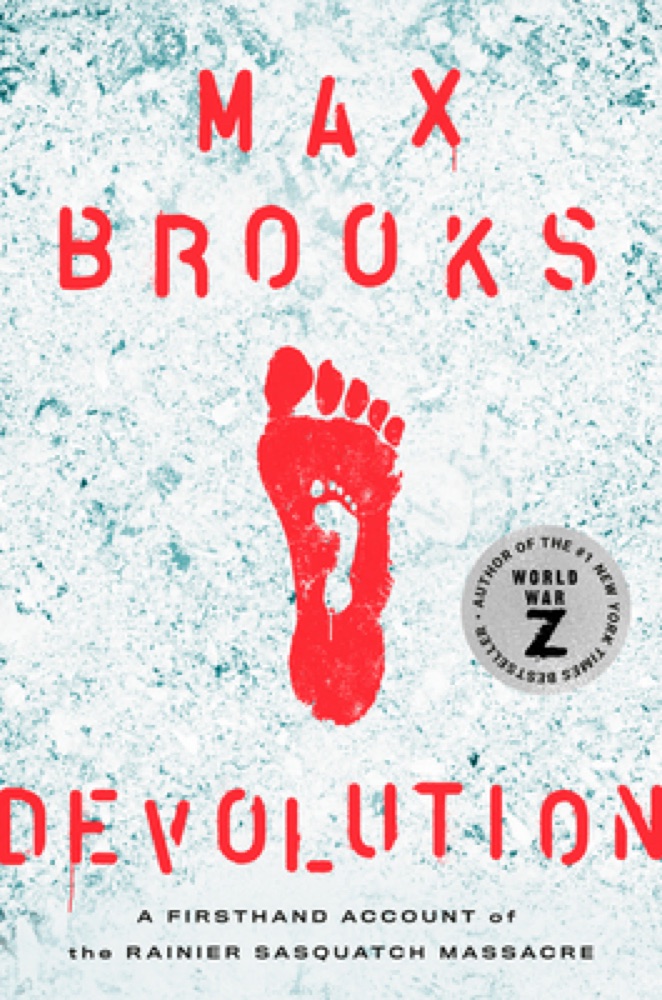 Devolution: A Firsthand Account of the Rainier Sasquatch Massacre
 The Illusion of Separateness
 Orient
 An Absolutely Remarkable Thing
 The Ground Beneath Her Feet
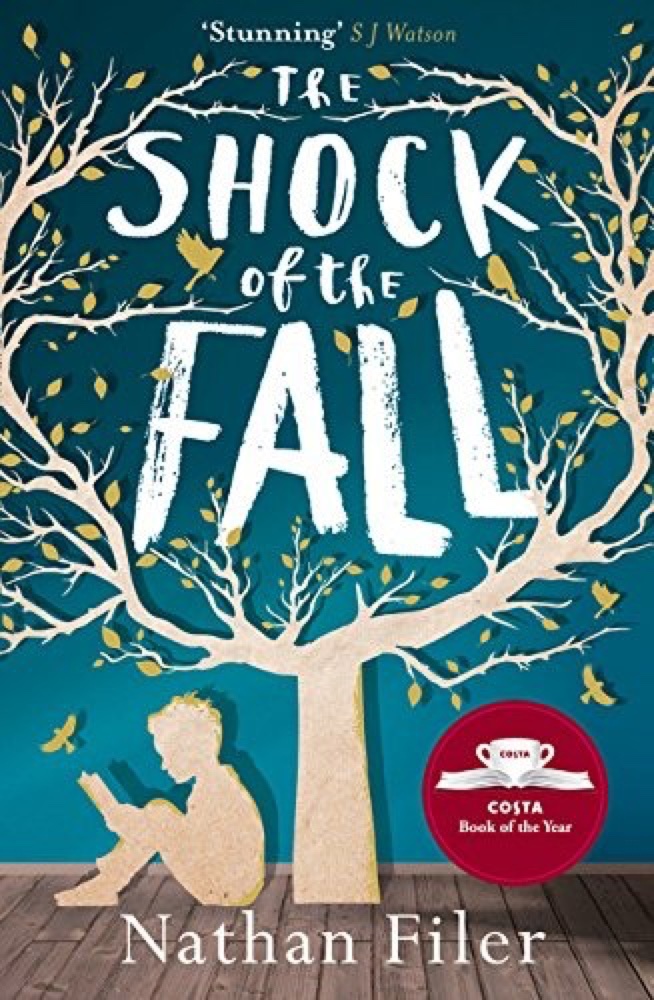 The Shock of the Fall
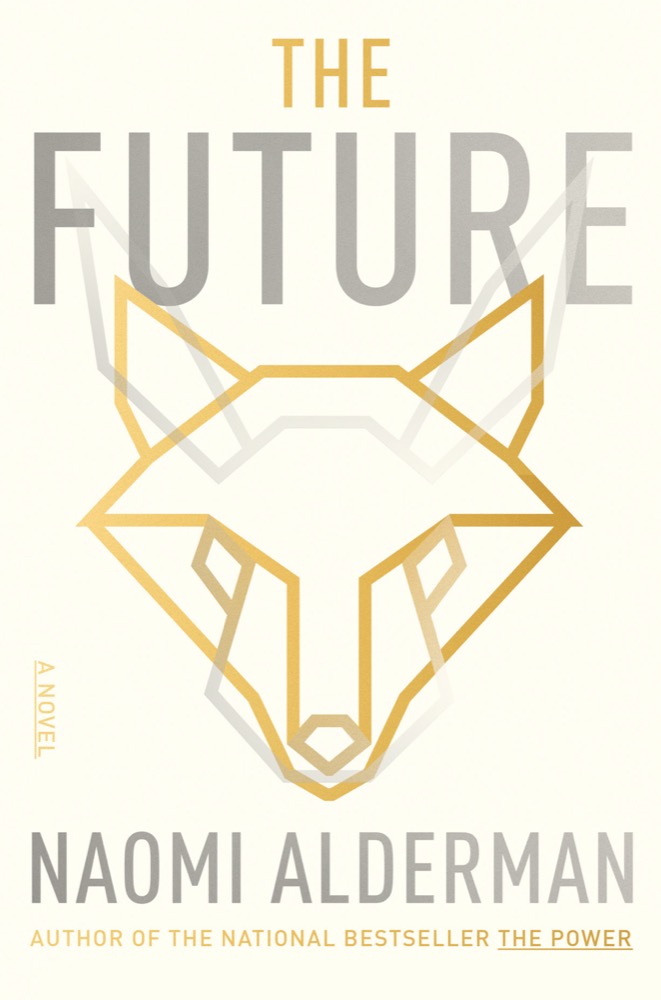 The Future
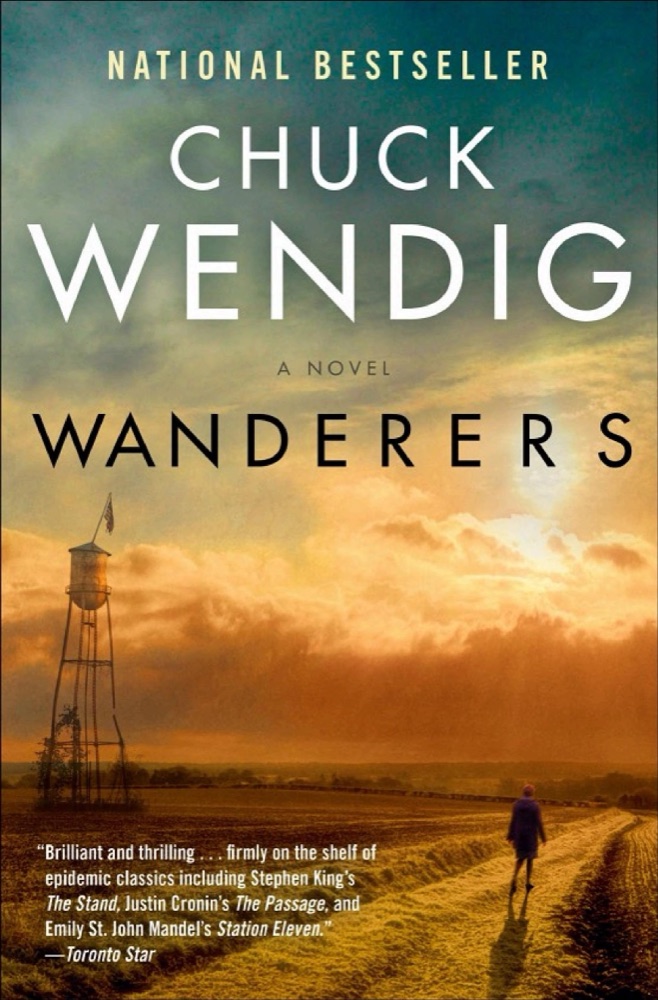 Wanderers
 Winter
 The Gap of Time
 Rot & Ruin
 In The Blood
 The Fifth Season
 The Shockwave Rider
 A Map of Days
 Purity
 The Winter of Our Discontent
 Dust & Decay
 All Our Wrong Todays
 The Handmaid's Tale
 A Brightness Long Ago
 The House of Hidden Meanings
 A Fraction of the Whole
 Devil House
 All the King's Men
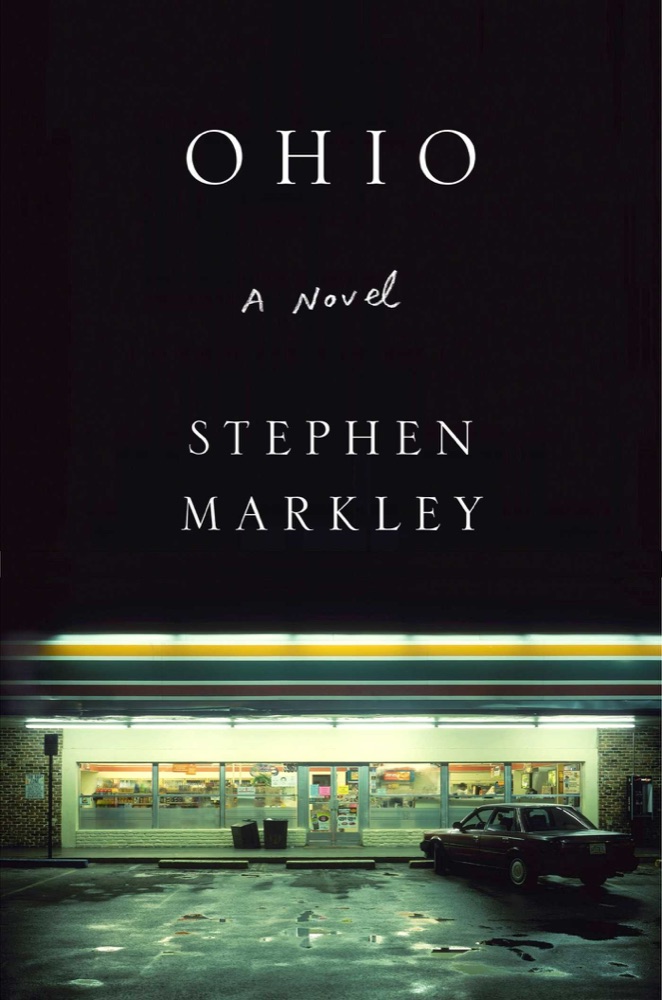 Ohio
Ohio
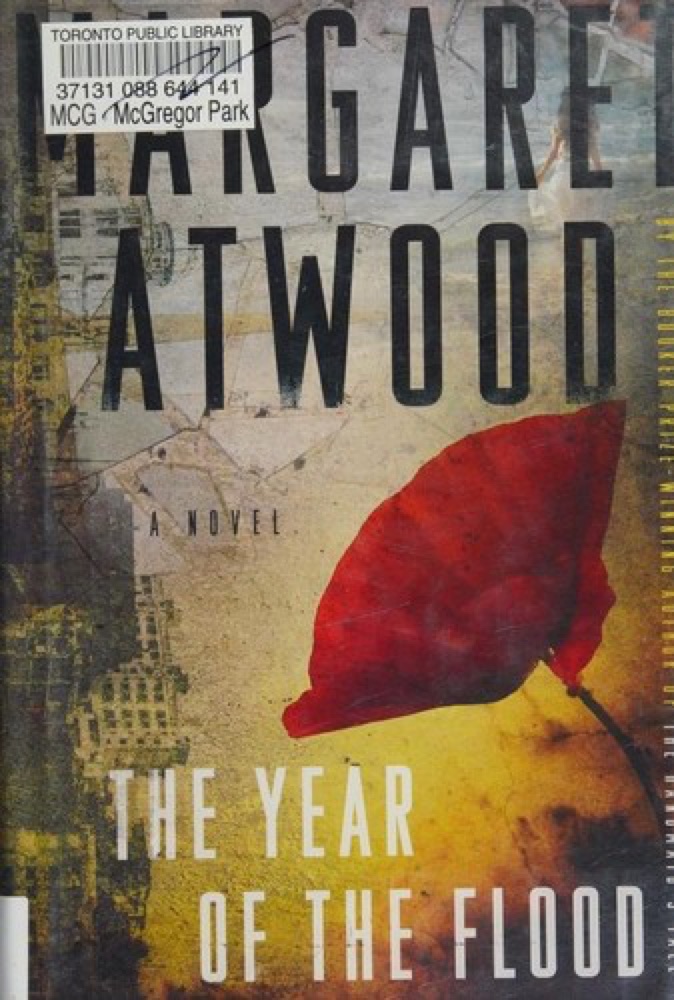 The Year of the Flood
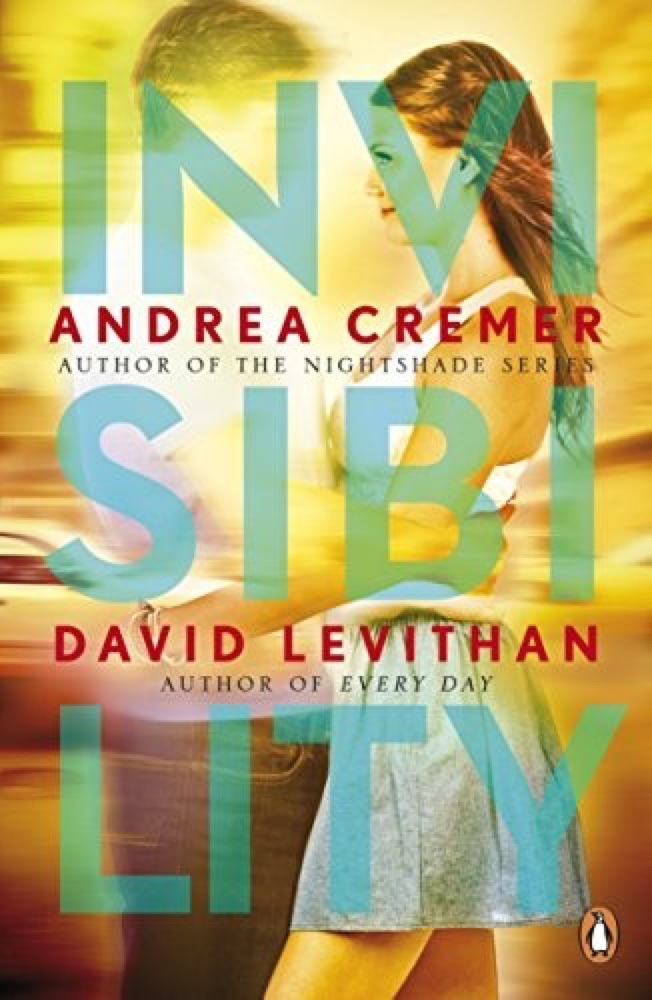 Invisibility
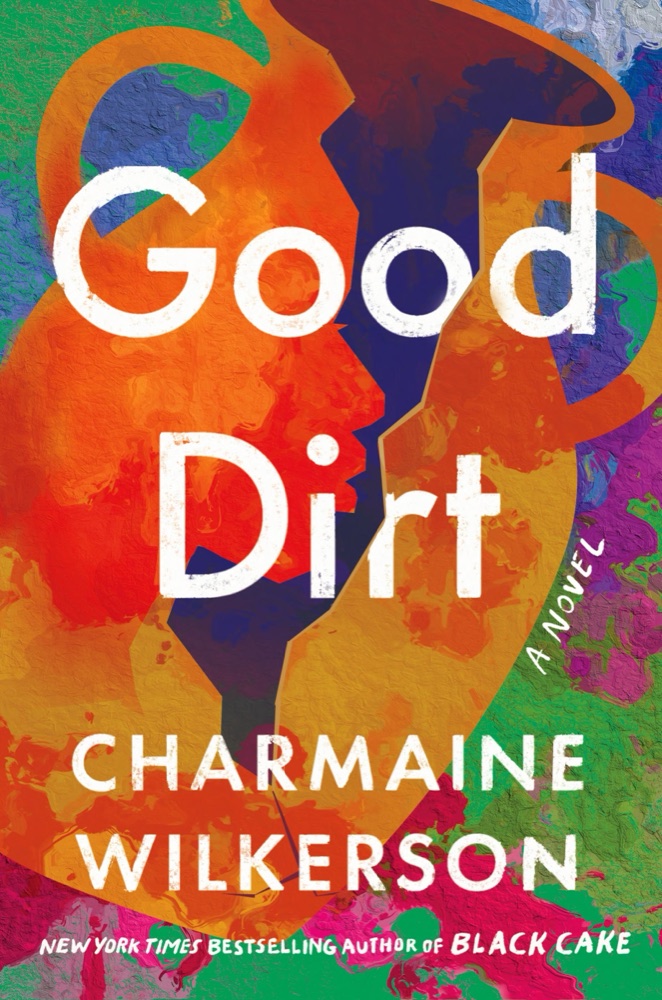 Good Dirt
 The Bone Clocks
 The Jewel in the Crown
 Beautiful Ugly
 Kafka on the Shore
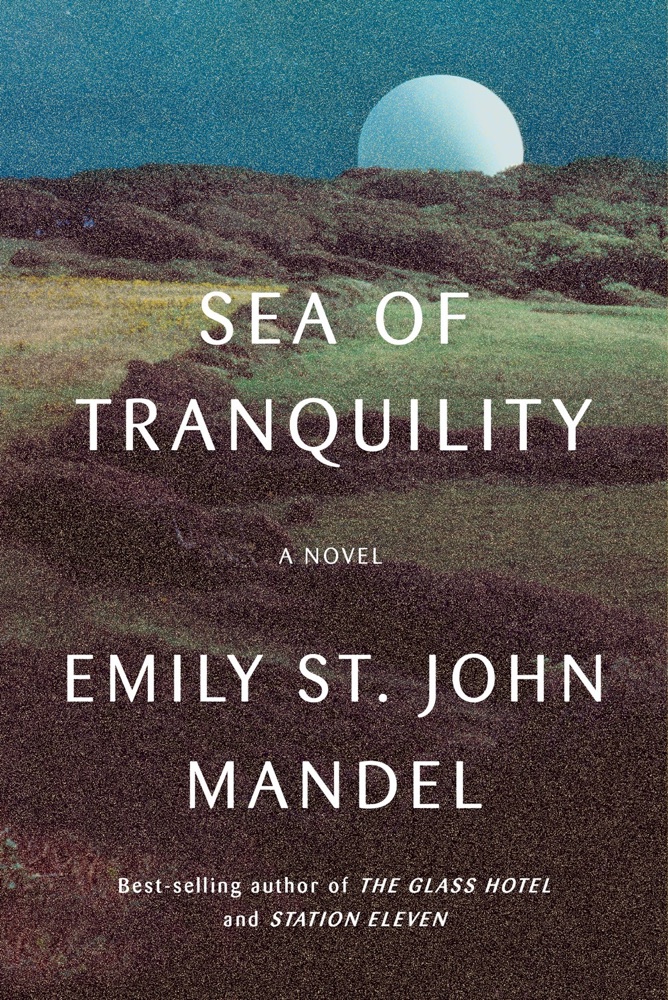 Sea of Tranquility
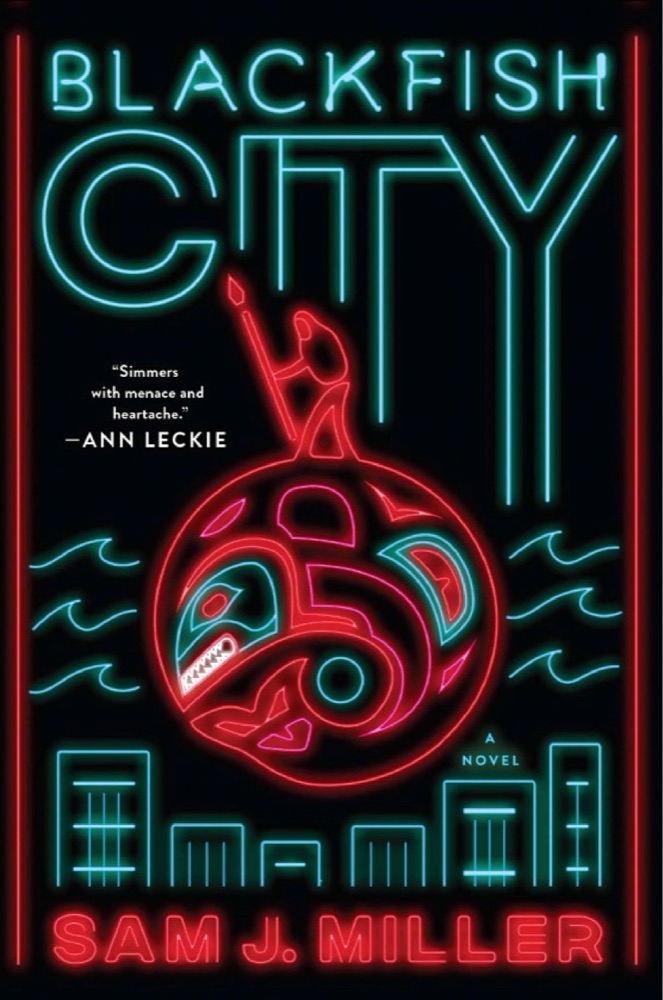 Blackfish City
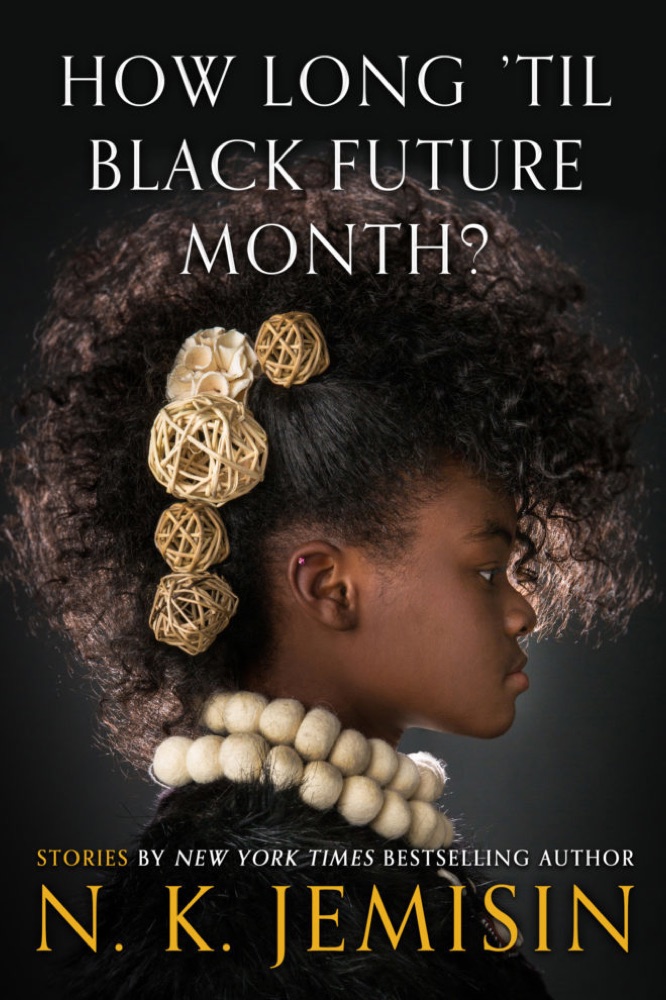 How Long 'til Black Future Month?
 They Call Her Dirty Sally
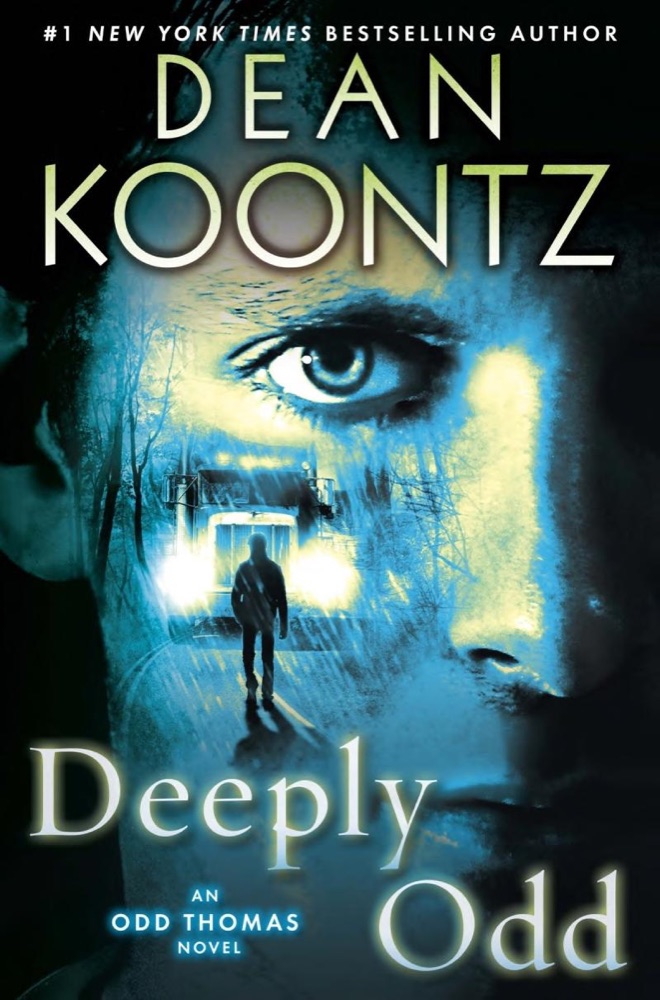 Deeply Odd
 Tiamat's Wrath
 We Are All Completely Beside Ourselves
 Too Like the Lightning
 The Humans
 Beautiful World, Where Are You
 Creation Lake