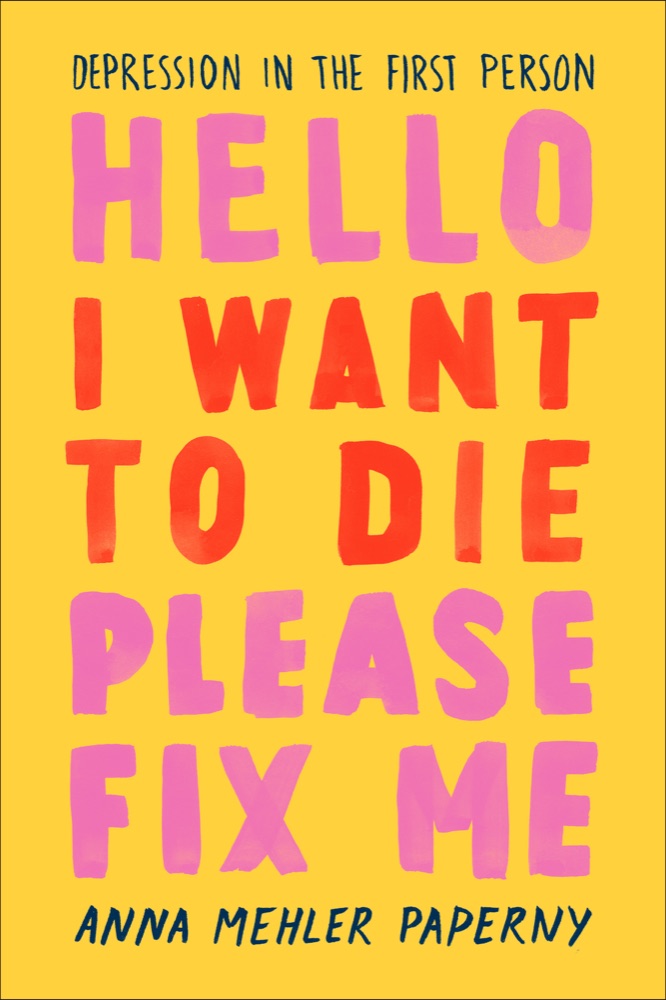

 Shoot the Damn Dog: A Memoir of Depression
Quotes from the Book
Sometimes because, as hideous as this sounds to say, being loved is a necessary prerequisite for wanting to live but it is not sufficient on its own.
14
No one wants this crap illness that masquerades as personal failing. I had no desire to plumb its depths. The struggle to function leaves me little capacity to do so. But in the end I had no choice. I approached this enemy I barely believed in the only way I knew how: as a reporter. I took a topic about which I knew nothing and sought somehow to know everything. I talked to people in search of answers and mostly found more questions.
4
I’ve never been subject to anything awful enough to warrant this mind-swallowing badness. I have a supportive, loving family, had a happy childhood. I’m a very fortunate person. Only problem is, I hate myself and want to die.
4
One of the first things mental health practitioners tell you after you try to die is that your recent attempt is not selfish, not a misery you’ve inflicted on those you love most, but a fatal final symptom of a disease that’s destroying you. Which, sure. Fine. But seeing my younger brother’s face in that psych ward after he’d flown in from his first weeks of law school convinced me I deserved to die in the most torturous way imaginable. Loving people so much it hurts doesn’t necessarily negate the need to die; it just makes you hate yourself more for all the pain you cause, makes you feel your death would be a gift.
3
Suicidality and curiosity are anathema to each other: You can’t want to know things if you want to die. As long as I had questions I had reason to live, and when I was overwhelmed by a desire for death I could not begin to do the curious work that made life worth living.
3
In other words, the earlier your depression starts, the longer it lasts and the longer you wait to start treatment, the longer it will take for treatment to work and the more treatment combinations you’ll need to try before something works. The longer your depression lasts and the more steps it takes for you to find something that works, the more likely it is you’ll relapse in a year and end up right back where you started. The longer and deeper and more frequent your depressive episodes, the more likely they are to keep coming back as your habit-loving brain starts to think this is normal.
2
Chronic illness changes the way you see yourself—it outlasts jobs, homes, relationships. Even the flimsiest reification has power.
2
For millennia, we’ve recognized the difference between “normal” sadness and crippling despair. But we’ve never been good at delineating between the two. So the American Psychiatric Association’s Diagnostic and Statistical Manual (DSM) defines depression by a list of symptoms rather than how it’s caused.
1
I couldn’t believe my problem was extrinsic. I wanted to die because I was an idiot and could never improve, never move forward or do better—not because I was sick and therefore locked in a skewed perception of the world and myself within it. It’s not just me. Again and again, people I’ve spoken to bring up their sense of isolation, that theirs is a personal flaw unique to themselves, not something faced by others, certainly not something fixable. Debilitation—that inability to get out of bed, to interact with people—fuels self-revulsion. I loathed myself for the endless stasis, projects unrealized and opportunities ungrasped. I felt I was expending all my energy on the most basic level of functioning and had nothing to show for it—just years of going through the motions. And the worse I felt, the less motivated I was to pursue treatments that felt ineffectual.
1
She writes with a stunning fluency.
And, above all, to my parents, Audrey Mehler and David Paperny, who support me when I need it most and want it least, who teach me resilience through unconditional love and appropriate jokes. Thank you.
To José Silveira, who teaches me to make life worth living and who, let's face it, puts up with a lot. To Omar El Akkad, the human being I want to be. To Brendan Kennedy, who keeps saving my life. To Richard Warnica, who makes me keep chasing. To Allison Martell, who inspires me. To Leslie Young, who keeps me grounded. To Amran Abocar, who makes a day job possible. To Jennifer Griffiths, a visual wizard. To Heather Cromarty, a true ally. And to Liana Willis and Hana El Niwairi, who helped make this a reality.
You were among the first to believe in this thing.
I owe an incalculable debt of gratitude to Louise Dennys, the brilliant powerhouse who brought this beast into being.
Thank you. You give me reasons to wake up in the morning.
So let's fix this, goddammit, and move on to bitching about something else.
There is no happy ending. It's an uncomfortably personal exploration of a sickeningly common illness no one likes talking about, one that remains undertreated and poorly treated and grossly inequitably treated in part because of our own squeamishness in confronting it or our own denial of its existence as an illness and the destruction it wreaks when left to its own devices.
I couldn't tell you if I'm any better off than I was the September of my first suicide attempt. I know I've gone through periods, some quite recent, where I was worse. But work on this project gave me something to cling to and build on. It was validating. Almost every interview I did reinforced that this shit sandwich of an illness is genuine and genuinely awful and affects many, many more people than me. Those were days that made it seem worth plugging away.
Most days I work, and it feels good—like I'm building ground beneath my feet even as I struggle to keep from plummeting.
I give them advice within the limits of my ability to give advice...I don't want anyone who feels abandoned by and disconnected from the world to get another experience of abandonment from me. So even when they're people who don't particularly stir my sympathies, I always try to deal with them as kindly as I can and to say as much as I can about helping them.
And I think that, a lot of the time, people who are depressed devote so much energy to secrecy that could be better devoted to getting better.
I think there's a kind of social responsibility to being open and public insofar as you are able to be, and different people are able to be to different degrees. I live in a city, occupy a context and work in a field where I wasn't going to lose a lot of credit because I had been depressed. So I felt like I had less to lose than other people would. If I weren't going to talk about it, then who would?
And that's the greatest fear, right? That disclosure will turn against you. That my literary exercise could be responsible, even indirectly, for the anguish or, god forbid, suicide deaths of other human beings.
Spent years teaching English in Korea, backpacking across Southeast Asia." I was trying to get away from my problems but I just brought my problems with me. Kind of like wherever you go, there you are.
All I have to," Patrick told himself over the course of decades, "is solve this endless list of things and then everything will be better. You very much tend to blame yourself for all these symptoms. You feel you're worthless. Yeah, it kind of sucked. But it was just my daily life. I still managed to do things, but I didn't do very well. I didn't really talk to anyone, didn't do well socially, didn't date. Just trying to get through the day. It was a slog, basically. It was a huge slog.
Chronic mental illnesses mess with both the way you perceive your world and your ability to recall it later.
He became lethargic, lost energy. Fixated on a growing list of his own shortcomings, things he needed to fix within himself to make everything better. Learned to cope with a subsuming sense of worthlessness by retreating into mental haze.
Depression is a genuine and genuinely awful condition; we just don't understand it. Drugs, psychotherapy, electroconvulsive therapy, repetitive transcranial magnetic stimulation, exercise, all work on some people to some degree. Depression's treatment toolbox remains inadequate. Coercing people into getting care is crappy no matter how necessary it is (and people will always disagree as to what justifies that suspension of basic liberty; this is why recourse is important). What this means is that failing to address psychiatry's credibility problem means people will go untreated or undertreated or die.
But people don't seek treatment they don't trust.
One thing I've heard (and seen) over and over is how much deeper an understanding people have of mental illness once they've gone through it themselves (directly or indirectly via someone they love). Any experience cuts closer when you know it firsthand. It follows that health practitioners care better for depressed and suicidal people if they've been there. But imagine if the only competent oncologists were ones in remission for cancer; if the only decent obstetricians were ones who'd given birth; if only the superannuated could be geriatricians and a neurosurgery prerequisite was having had someone slice into their own brain. Surely the very starting point for trained clinicians in a "caring profession" is basic human empathy—and learning! And putting learning into practice!—to be able to provide adequate, evidence-based mental health care and not be insensitive assholes about it.
Watch on YouTube
About Anna Mehler Paperny
We have collected 30 quotes from 1 book by Anna Mehler Paperny on BookQuoters.
More about the author →About the book
A vibrant, compelling memoir that bravely reveals the real-life havoc the depression wreaks and an urgent search for solutions
In her early twenties, while outwardly thriving in her dream job and enjoying warm familial support and a strong social network, award-winning journalist Anna Mehler Paperny found herself trapped by feelings of failure and despair. Her first suicide attempt—ingesting a deadly mix of sleeping pills and antifreeze—landed her in the ICU, followed by weeks of enforced detention. This was Paperny's entry into the labyrinthine psychiatric-care system that provides care to millions of Canadians.
As she struggled to survive the psych ward and as an outpatient, Paperny could not help but turn her demanding journalist's eye on her condition and on the system. She set off on a quest to "know her enemy," interviewing leading practitioners in the field across Canada and
Book details
- First published
- 2019
- Author
- Anna Mehler Paperny
- Genre
- Nonfiction
- Goodreads rating
- 3.94 (4k ratings)
Keep reading
Shoot the Damn Dog: A Memoir of Depression
 The Hilarious World of Depression
 Prozac Nation
 The Noonday Demon: An Atlas of Depression
 More, Now, Again: A Memoir of Addiction
 The Center Cannot Hold: My Journey Through Madness
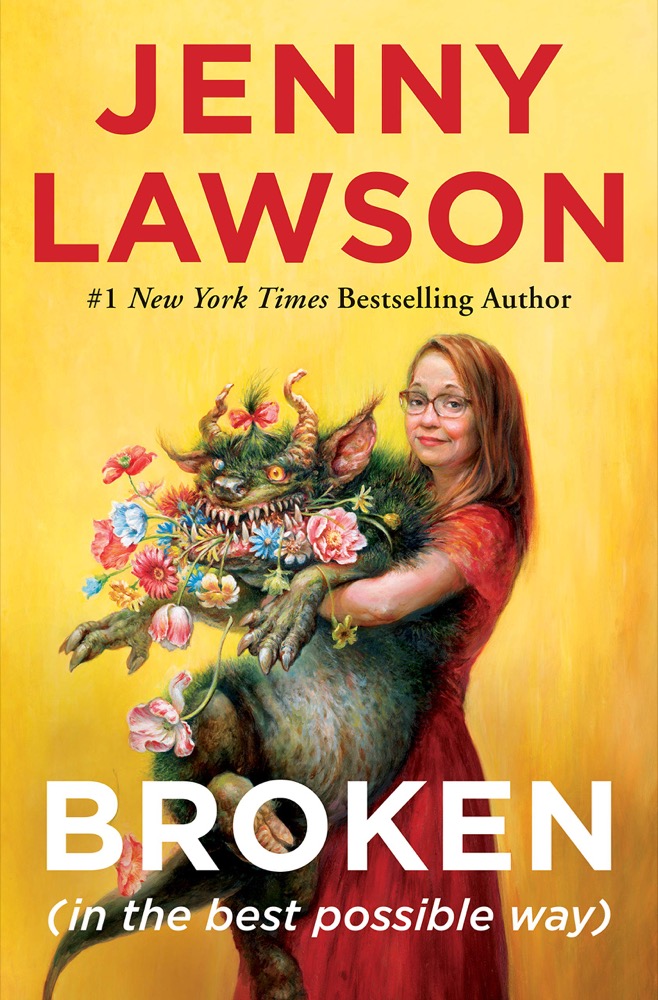 Broken
 The Quiet Room: A Journey Out of the Torment of Madness
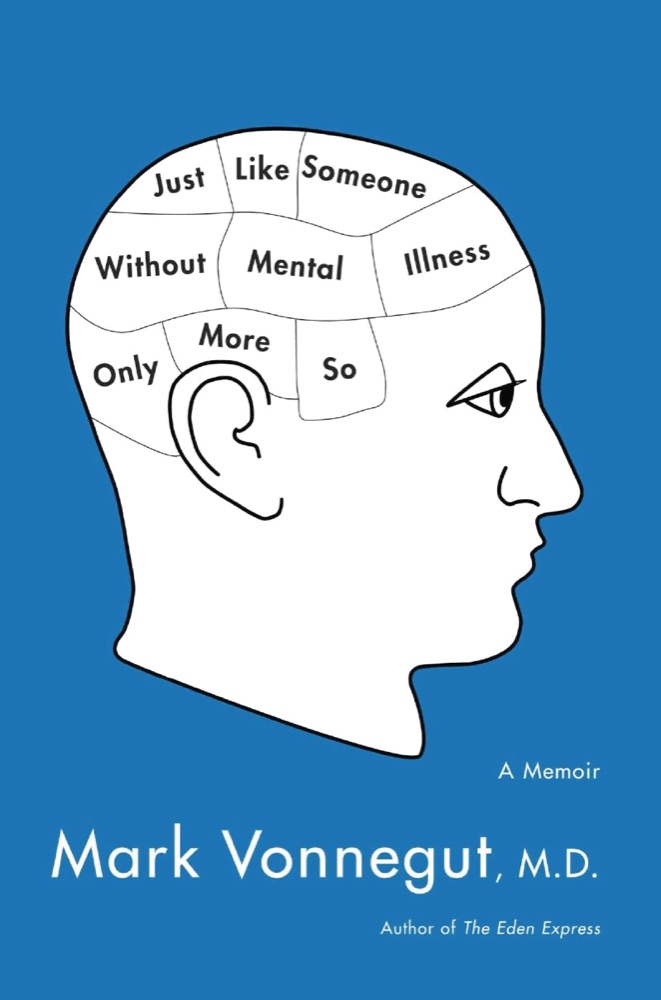 Just Like Someone Without Mental Illness Only More So
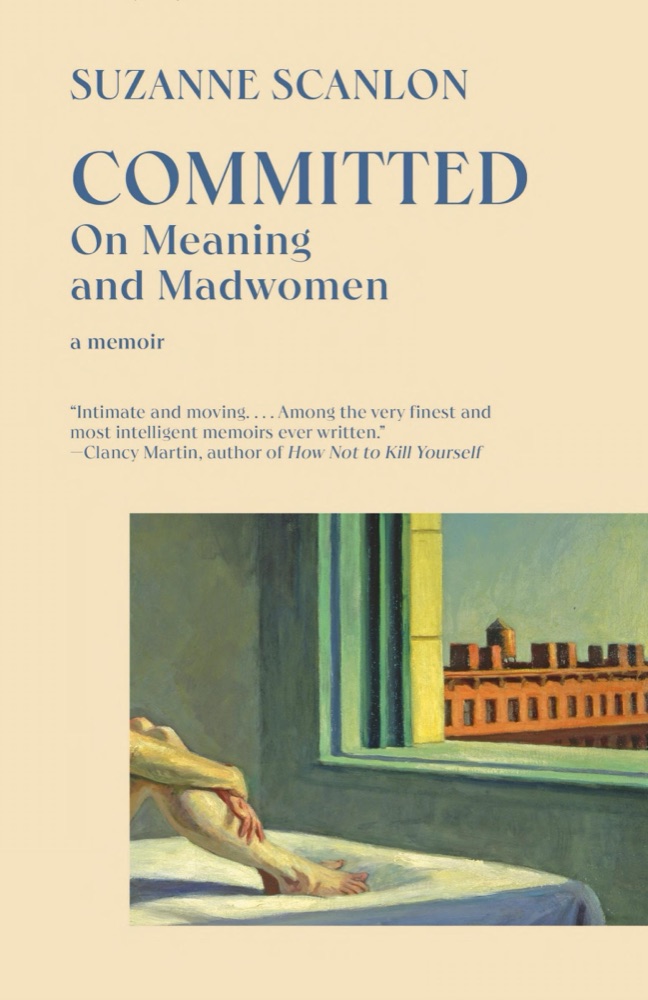 Committed: On Meaning and Madwomen
 Get Me Out of Here: My Recovery from Borderline Personality Disorder
 An Unquiet Mind: A Memoir of Moods and Madness
 Loud in the House of Myself: Memoir of a Strange Girl
 Tweak: Growing Up On Methamphetamines
 The Asylum for Wayward Victorian Girls
 Wasted: A Memoir of Anorexia and Bulimia
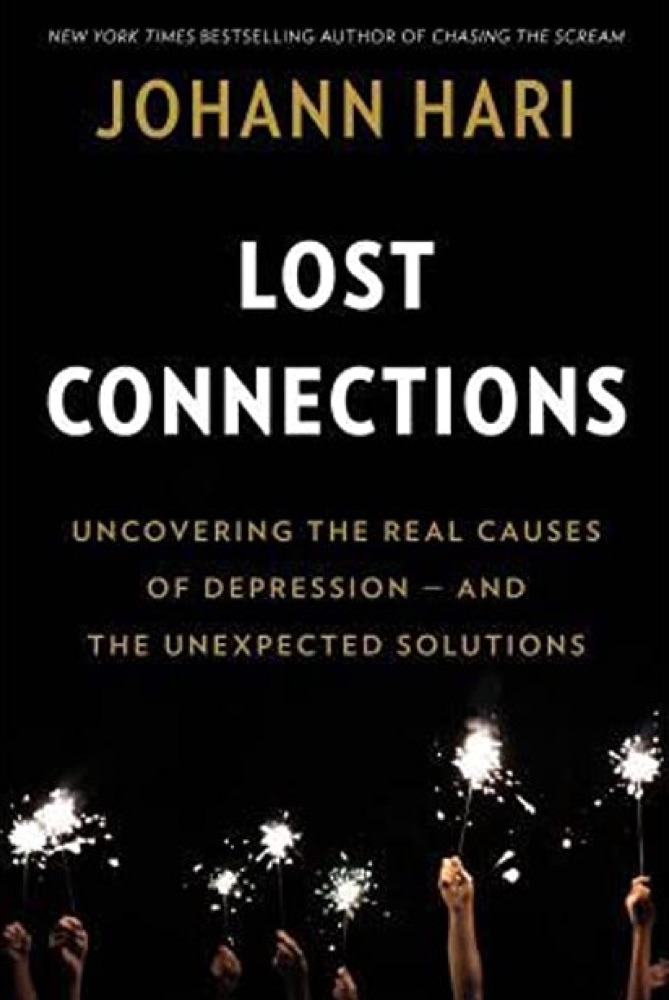 Lost Connections: Uncovering the Real Causes of Depression - and the Unexpected Solutions
 The Opposite of Butterfly Hunting: The Tragedy and The Glory of Growing Up
 Wishful Drinking
 Furiously Happy: A Funny Book About Horrible Things
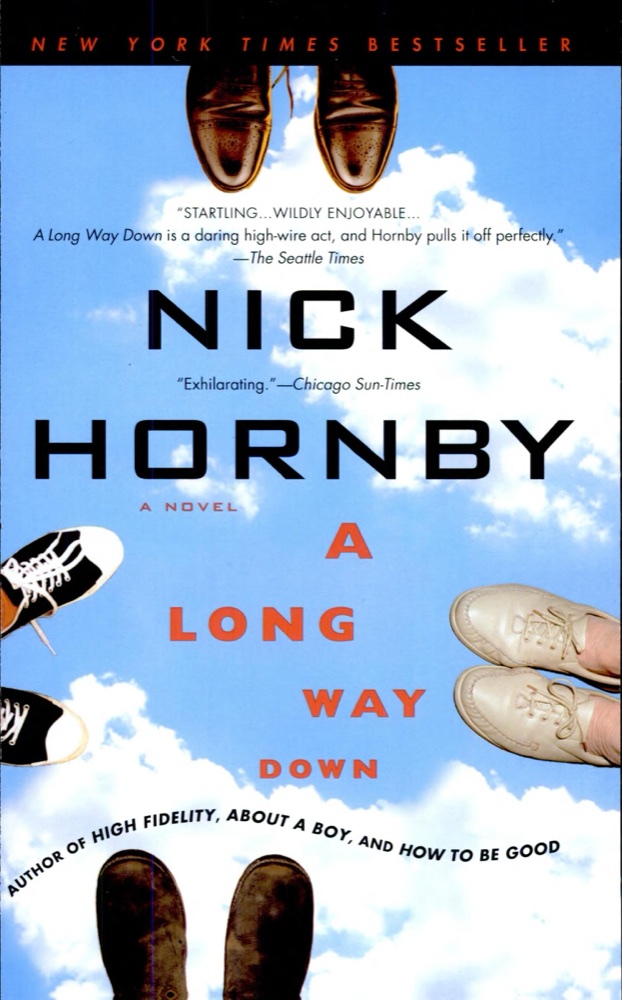 A Long Way Down
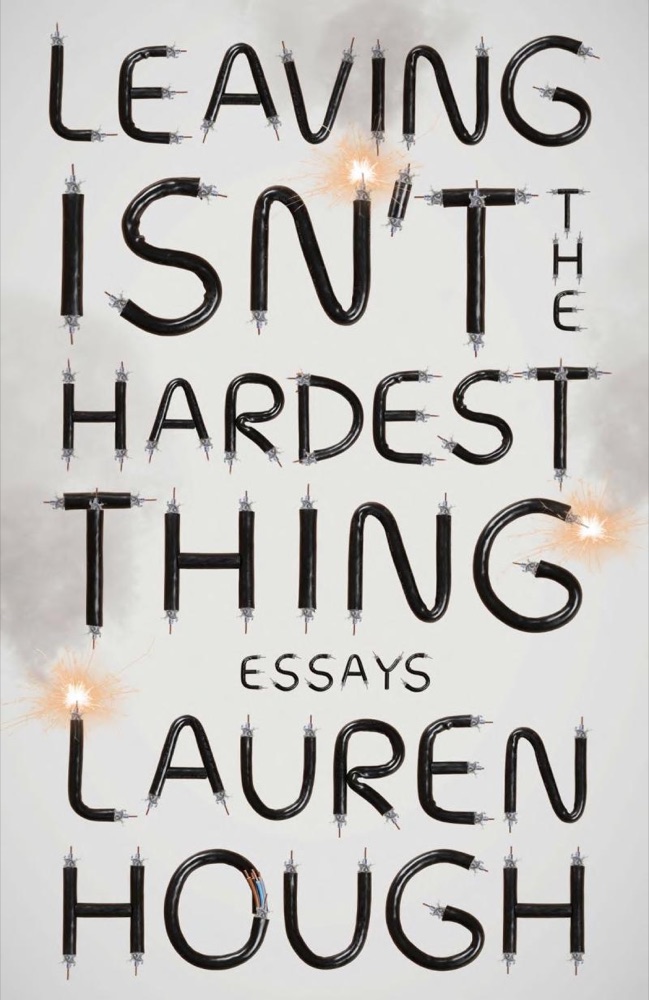 Leaving Isn't the Hardest Thing
 Between Two Kingdoms: A Memoir of a Life Interrupted
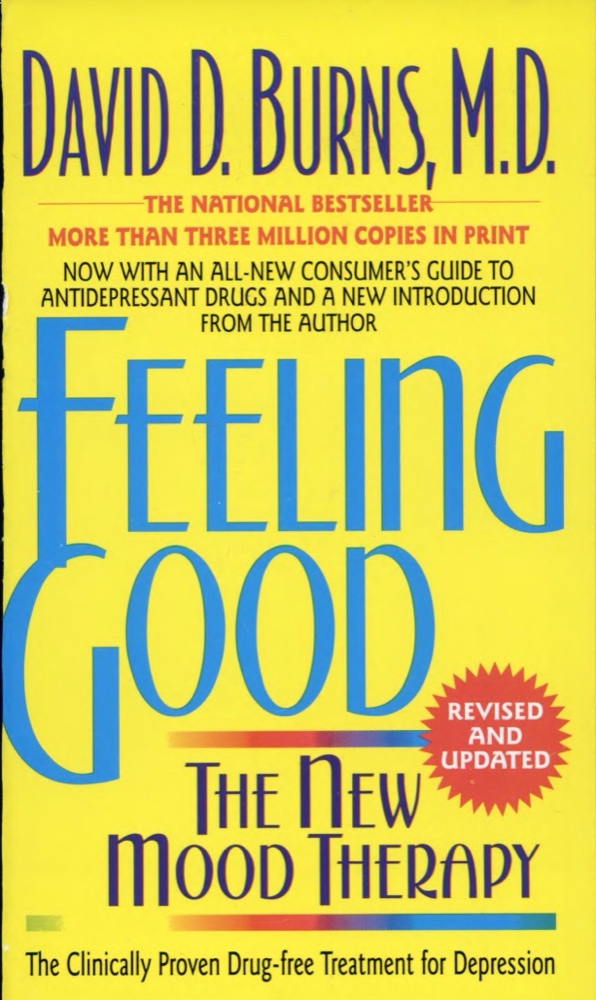 Feeling Good: The New Mood Therapy
 The Bedwetter: Stories of Courage, Redemption, and Pee
 The Collected Schizophrenias: Essays
 A Mother's Reckoning: Living in the Aftermath of Tragedy
 Paperweight
 Suicide Notes
 Imagine Me Gone
 Scar Tissue
 Words on Bathroom Walls
 Attempting Normal
 I Don't Want To Be Crazy
 Reasons to Stay Alive
 Hyperbole and a Half: Unfortunate Situations, Flawed Coping Mechanisms, Mayhem, and Other Things That Happened
 The Nobleman's Guide to Scandal and Shipwrecks
 Dyscalculia: A Love Story of Epic Miscalculation
 Brain on Fire: My Month of Madness
 The Memory of Light
 I've never been (Un)happier
 In Shock: My Journey from Death to Recovery and the Redemptive Power of Hope
 Dear Senthuran: A Black Spirit Memoir
 Ten Steps to Nanette
 No One Asked for This: Essays
 How to Murder Your Life
 The First Time She Drowned
 It's Kind of a Funny Story
 Sliver of Truth
 I'm Fine...And Other Lies
 Lust & Wonder
 The Eden Express: A Memoir of Insanity
 Madness: A Bipolar Life
 Suicide Watch
 Life Will Be the Death of Me: . . . and you too!
 All My Puny Sorrows
 The Art of Starving
 The Silver Linings Playbook
 Night Falls Fast: Understanding Suicide
 Riding the Elephant: A Memoir of Altercations, Humiliations, Hallucinations, and Observations