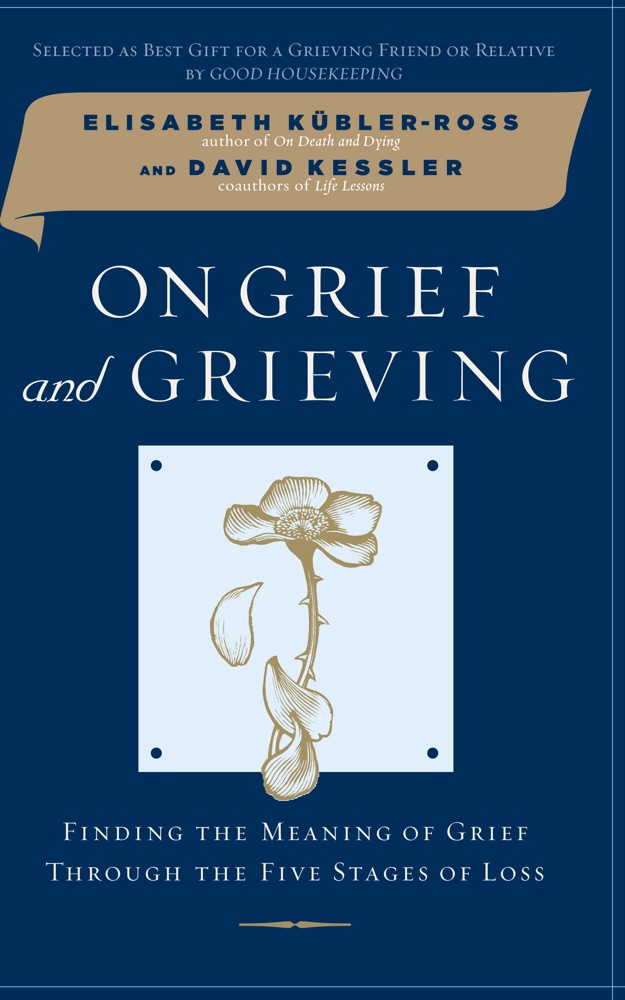

 Grief Is for People
Quotes from the Book
Today, in our “shut up, get over it, and move on” mentality, our society misses so much, it’s no wonder we are a generation that longs to tell our stories.
31
When someone is telling you their story over and over, they are trying to figure something out.
30
The more you learn, the harder the lessons get.
29
We usually know more about suppressing anger than feeling it. Tell a counselor how angry you are. Share it with friends and family. Scream into a pillow. Find ways to get it out without hurting yourself or someone else. Try walking, swimming, gardening—any type of exercise helps you externalize your anger. Do not bottle up anger inside. Instead, explore it. The anger is just another indication of the intensity of your love.
24
You have entered an abnormal, lonely, and unwelcome new world where you are nothing but an island of sadness.
22
That’s really what grief has taught me. That I can survive. I used to be afraid that if I experienced grief it would overcome me and I wouldn’t be able to survive the flood of it, that if I actually felt it I wouldn’t be able to get back up. It’s taught me that I can feel it and it won’t swallow me whole. But we come from a culture where we think people have to be strong. I’m a big believer in being vulnerable, open to grief. That is strength. You can’t know joy unless you know profound sadness. They don’t exist without each other.
17
A ship exists on the ocean, even if it sails out beyond the limits of our sight. The people in the ship have not vanished; they are simply moving to another shore.
14
Your sorrow is the inevitable result of circumstances beyond your control,
14
As difficult as it is to endure, depression has elements that can be helpful in grief. It slows us down and allows us to take real stock of the loss. It makes us rebuild ourselves from the ground up. It clears the deck for growth. It takes us to a deeper place in our soul that we would not normally explore.
13
This time, I heard a loud voice, literally heralding the reality that my daughter was never coming back. This time the depression had no walls, ceiling, or floor. It felt even more endless than before and, once again, I had to deal with this old familiar guest. I learned the only way around this storm was through it.” •
13
You may also be angry with yourself that you couldn’t stop it from happening.
13
Birth is not a beginning and death is not an ending. They are merely points on a continuum.
12
But intellect does not inform matters of the heart. Regrets
12
We’re expected to go back to work immediately, keep moving, to get on with our lives. But it doesn’t work that way. We need time to move through the pain of loss. We need to step into it, really to get to know it, in order to learn
12
Even when you are happy to see your friends again and laugh at their jokes, the relief is mixed with sadness and, maybe, guilt. It
11
«La muerte no es más que una transición de esta vida a otra existencia donde ya no hay dolor ni angustia.
10
We will never like this reality or make it okay, but eventually we accept it.
10
When you compare losses, someone else’s may seem greater or lesser than your own, but all losses are painful. If
9
We need time to move through the pain of loss. We need to step into it, really to get to know it, in order to learn
9
Most people’s initial reaction to sad people is to try to cheer them up, to tell them not to look at things so grimly, to look at the bright side of life. This cheering-up reaction is often an expression of that person’s own needs and that person’s own inability to tolerate a long face over an extended period. A mourner should be allowed to experience his sorrow, and he will be grateful for those who can sit with him without telling him not to be sad.
8
And death has a cruel way of giving regrets more attention than they deserve. The
8
loss counts more than another. It is your loss that counts for you. It is your loss that affects you. Your loss is deep and deserves
8
We do things hopefully because they add life to our living, but not with the illusion they will help us escape death when our time comes.
8
are not accustomed to the emotional upheaval that accompanies a loss. People experience a wide array of emotions after a loss, from not caring to being on edge to feeling angry or sad about everything. We can go from feeling okay to feeling devastated in a minute without warning. We can have mood swings that are hard for anyone around us to comprehend, because even we don’t understand them.
7
And yet I know that in her death, she has found the freedom she could not find in life. She is no longer confined to a room, a bed, and a body that no longer works.
6
all have angelic moments that we give to each other. They
6
However healthy you think you are, remember that vegetarians die too.
6
grieving, when we miss our loved ones even more than usual. How can you celebrate togetherness when there is none? When you have lost someone special, your world loses its celebratory qualities. Holidays only magnify the loss. The sadness feels sadder and the loneliness goes deeper. The need for support may be the greatest during the holidays. Nevertheless,
5
Forgive them if you need to,
5
Watch on YouTube
About Elisabeth Kübler-Ross
We have collected 29 quotes from 1 book by Elisabeth Kübler-Ross on BookQuoters.
More about the author →About the book
Ten years after the death of Elisabeth Kübler-Ross, this commemorative edition of her final book combines practical wisdom, case studies, and the authors’ own experiences and spiritual insight to explain how the process of grieving helps us live with loss. Includes a new introduction and resources section.
Elisabeth Kübler-Ross's On Death and Dying changed the way we talk about the end of life. Before her own death in 2004, she and David Kessler completed On Grief and Grieving , which looks at the way we experience the process of grief.
Just as On Death and Dying taught us the five stages of death -- denial, anger, bargaining, depression, and acceptance -- On Grief and Grieving applies these stages to the grieving process and weaves together theory, inspiration, and practical advice, including sections on sadness, hauntings, dreams, isolation, and healing.
Book details
- First published
- 2007
- Author
- Elisabeth Kübler-Ross
- Genre
- Nonfiction
- Goodreads rating
- 4.32 (5k ratings)
Keep reading
Grief Is for People
 It's OK That You're Not OK
 Notes on Grief
 A Thousand Broken Pieces
 Option B: Facing Adversity, Building Resilience, and Finding Joy
 Lost & Found: A Memoir
 A Grace Disguised: How the Soul Grows through Loss
 Any Ordinary Day
 The Examined Life: How We Lose and Find Ourselves
 A Matter of Death and Life
 A Grief Observed
 Between Two Kingdoms: A Memoir of a Life Interrupted
 These Silent Woods
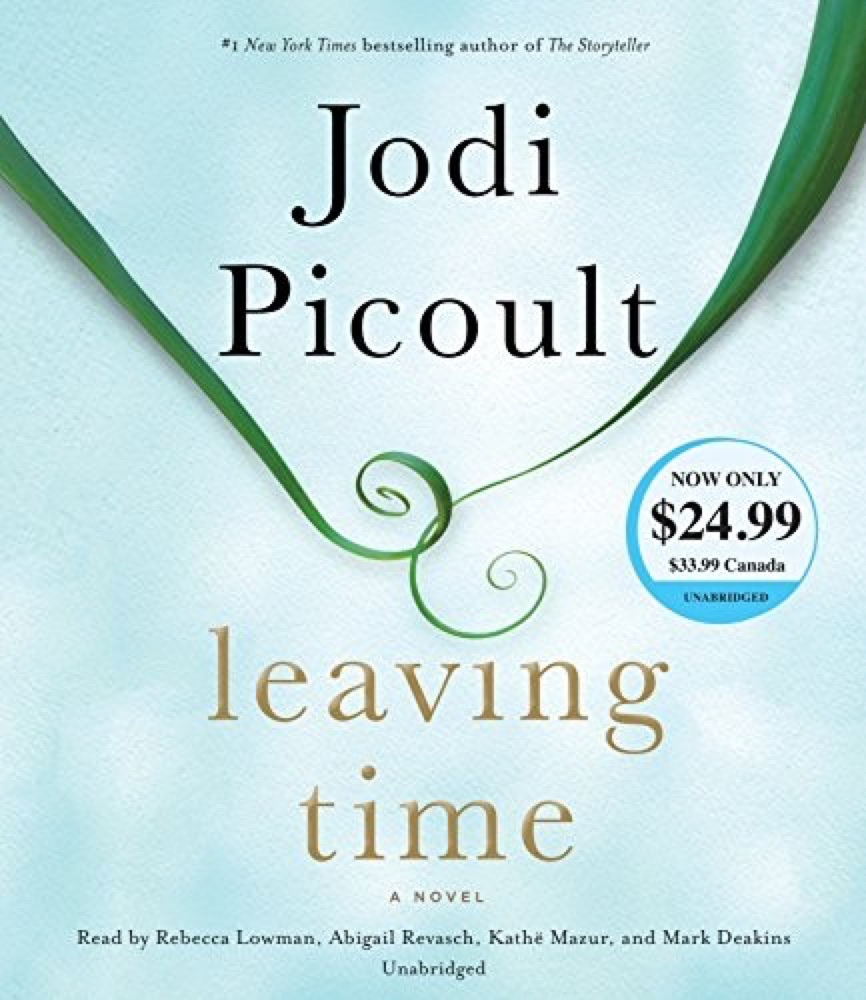 Leaving Time
 Briefly Perfectly Human: Making an Authentic Life by Getting Real About the End
 Life Will Be the Death of Me: . . . and you too!
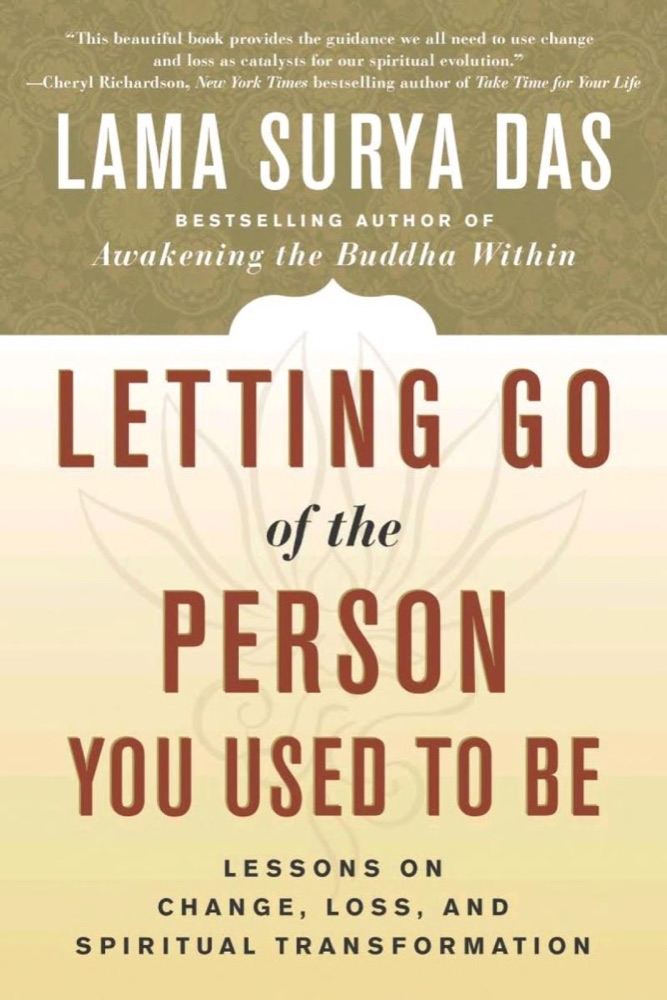 Letting Go of the Person You Used to Be: Lessons on Change, Loss, and Spiritual Transformation
 Things in Nature Merely Grow
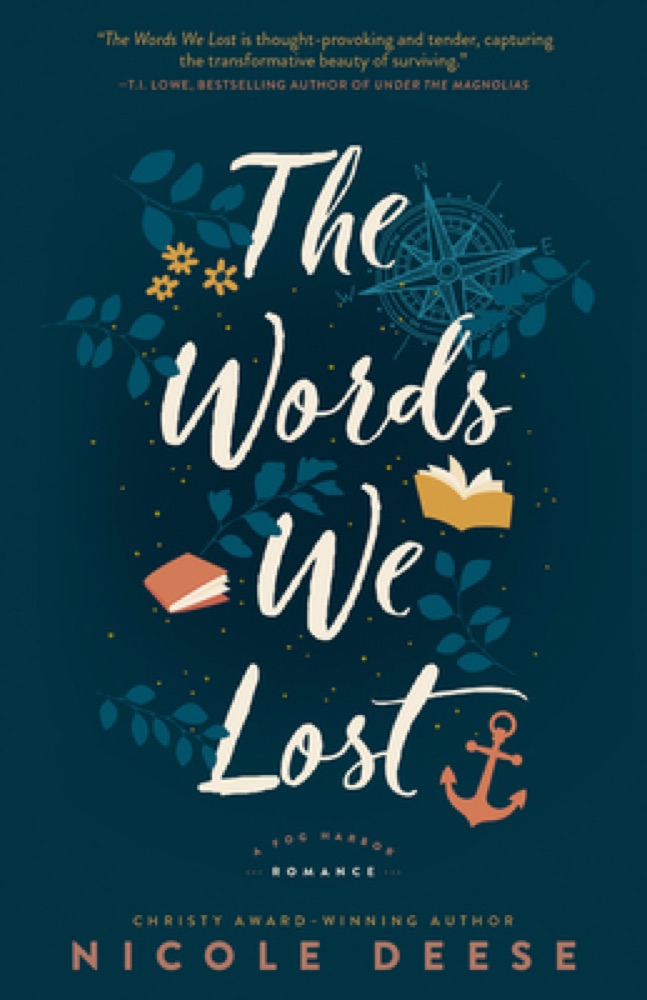 The Words We Lost
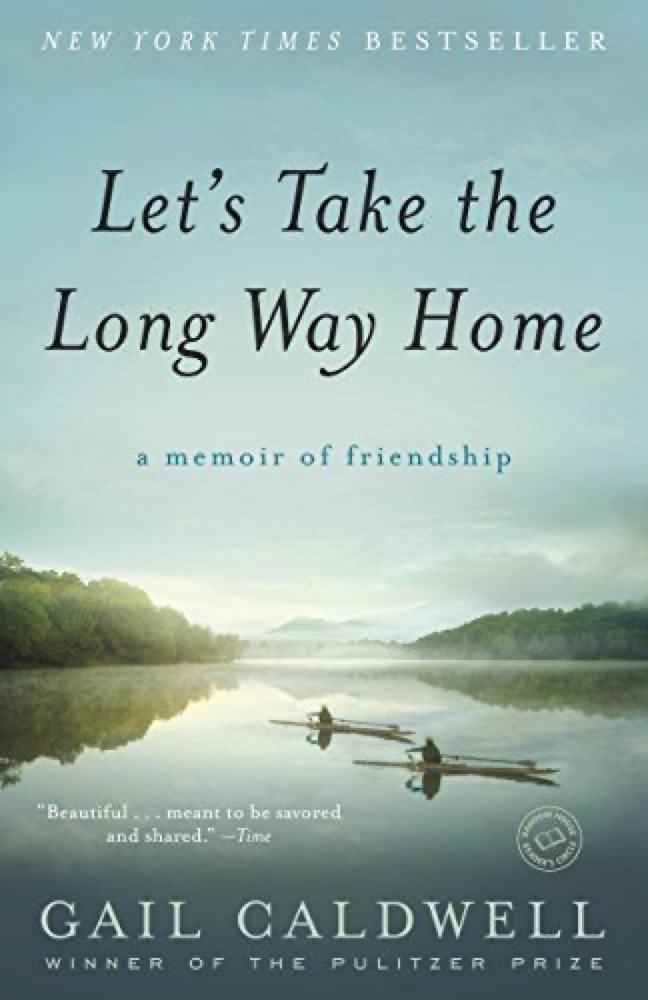 Let's Take the Long Way Home: A Memoir of Friendship
 Levels of Life
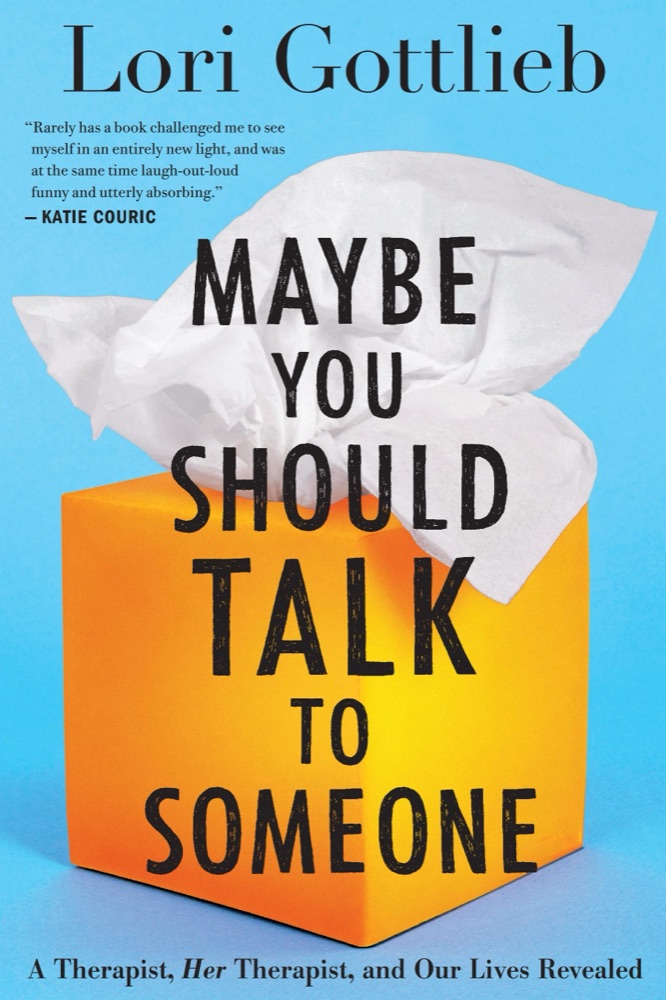 Maybe You Should Talk to Someone: A Therapist, Her Therapist, and Our Lives Revealed
 Good Dirt
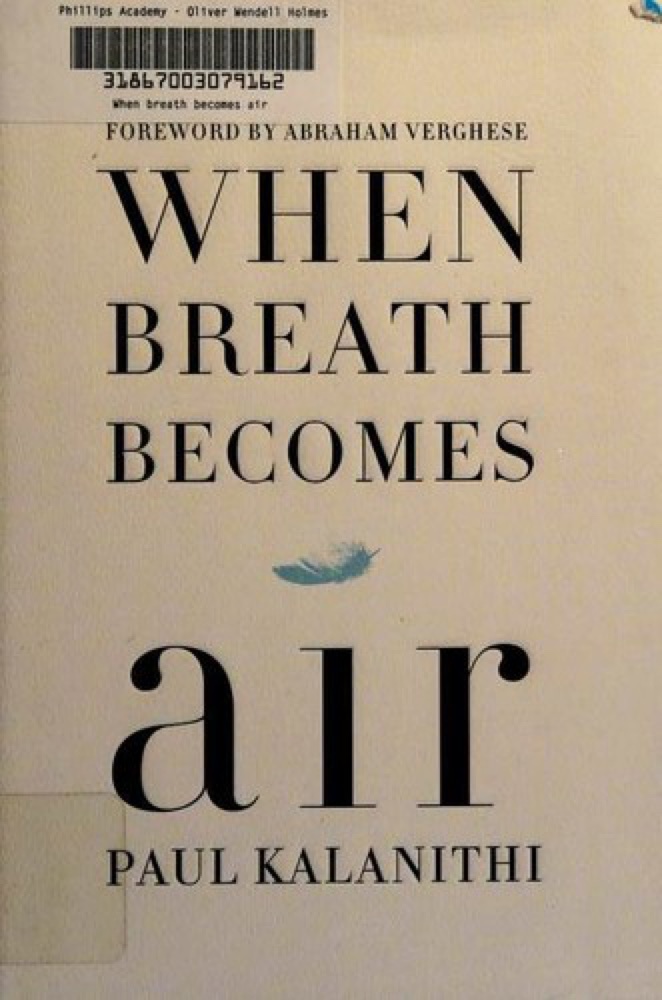 When Breath Becomes Air
 Where the Wildflowers Grow
 Confessions of a Funeral Director: How the Business of Death Saved My Life
 When Things Fall Apart: Heart Advice for Difficult Times
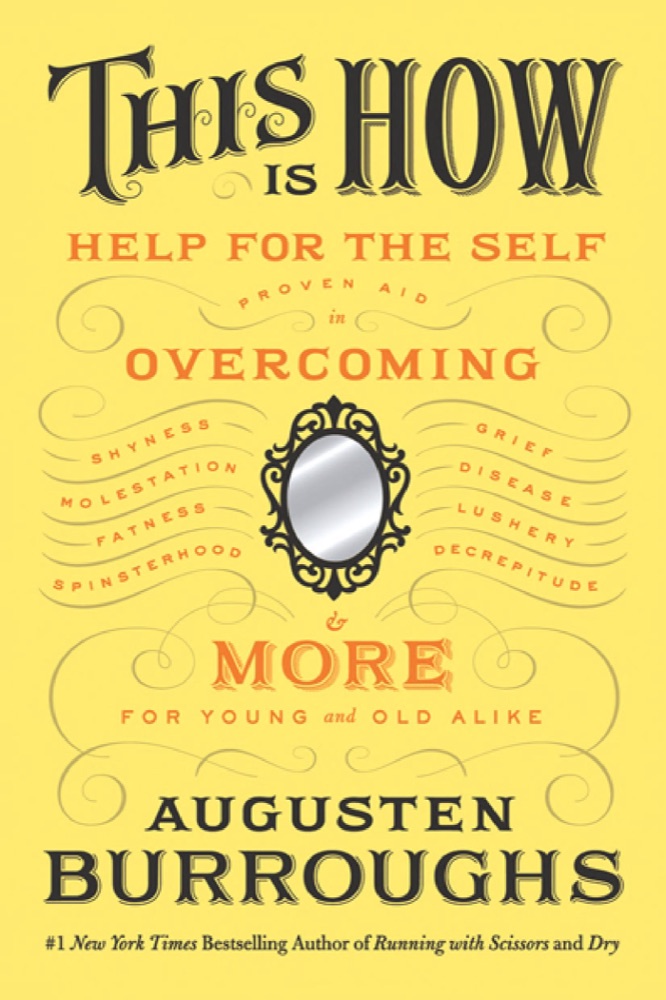 This Is How: Proven Aid in Overcoming Shyness, Molestation, Fatness, Spinsterhood, Grief, Disease, Lushery, Decrepitude & More. For Young and Old Alike.
 Bad Cree
 The Year of Magical Thinking
 The Long Goodbye
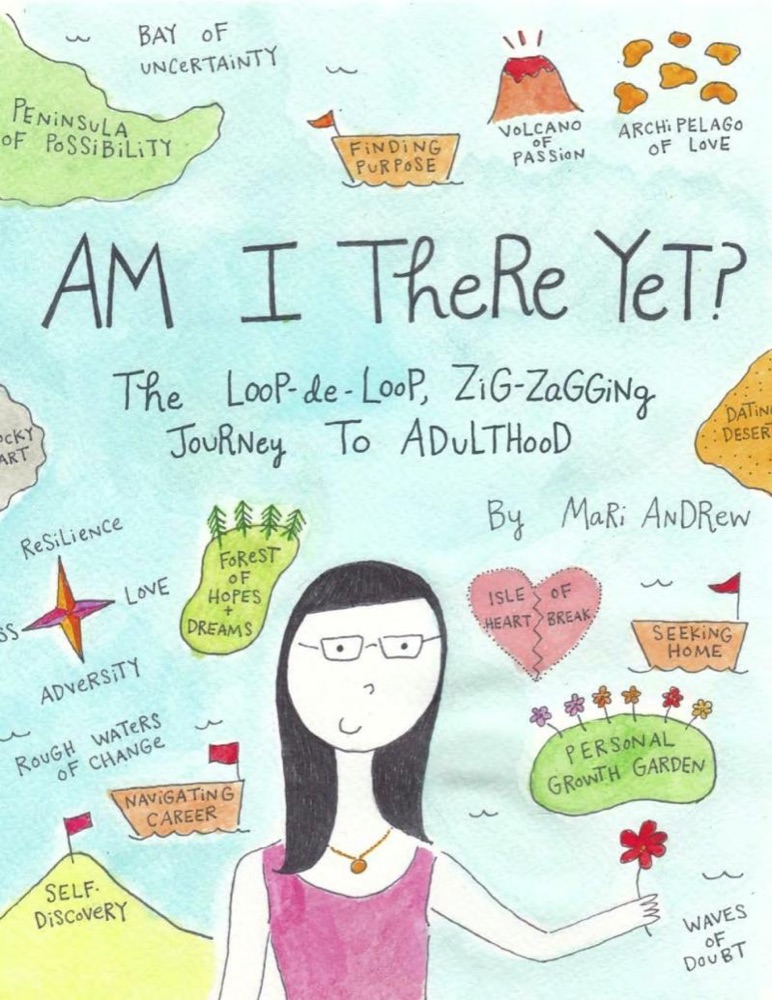 Am I There Yet? The Loop-de-Loop, Zigzagging Journey to Adulthood
 Grief Is Love: Living with Loss
 They Can't Kill Us Until They Kill Us: Essays
 Legendborn
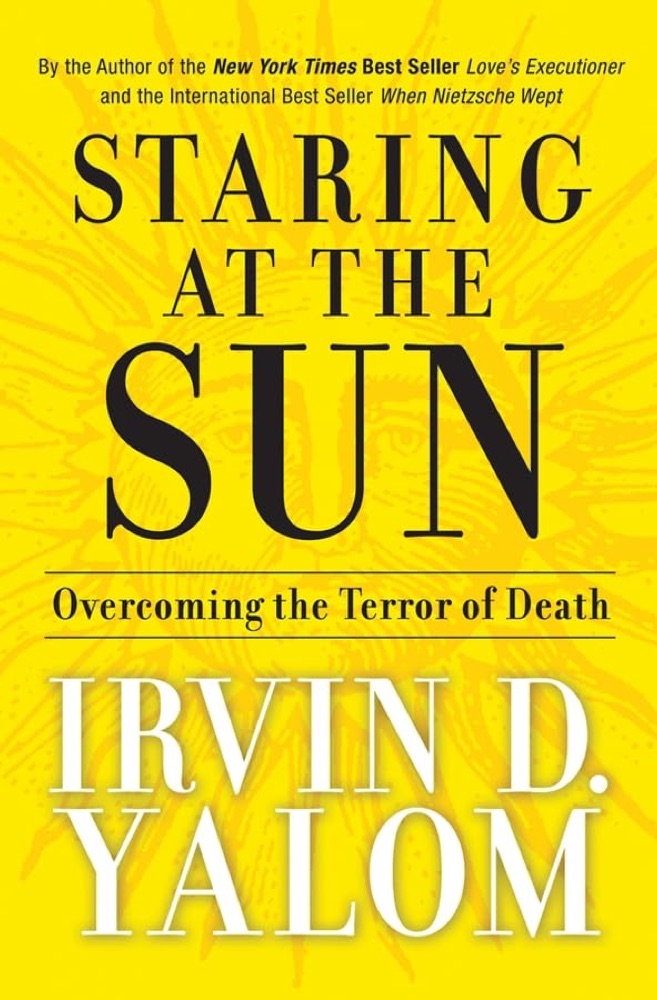 Staring at the Sun: Overcoming the Terror of Death
 Where the Lost Wander
 The First Phone Call from Heaven
 Reminders of Him
 Our Wives Under the Sea
 How to Make Friends with the Dark
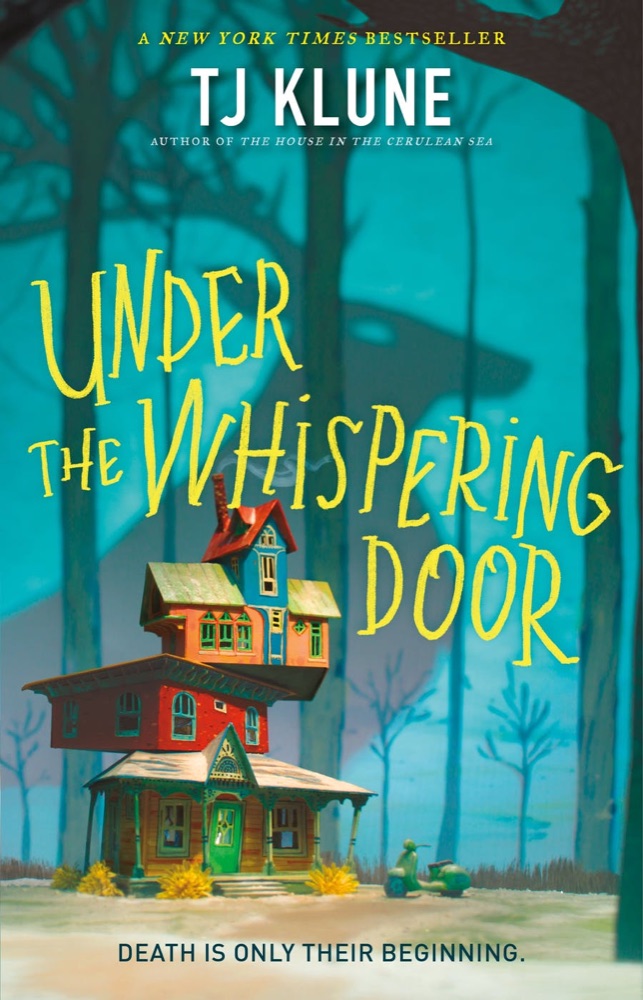 Under the Whispering Door
 How To Talk To A Widower
 Finding Parker
 A Widow's Story
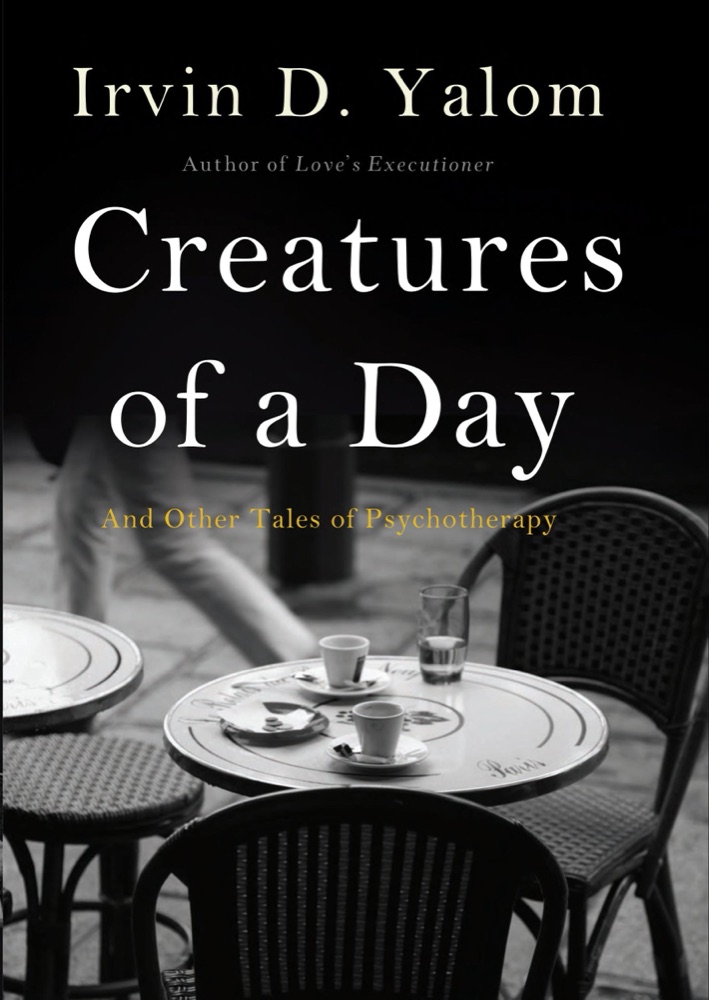 Creatures of a Day: And Other Tales of Psychotherapy
 The Bright Years
 Who Will Cry When You Die?
 Bittersweet: How Sorrow and Longing Make Us Whole
 Why Be Happy When You Could Be Normal?
 The Shock of the Fall
 A Stolen Life
 Jasmine Days
 Don't Let Go
 Carry On, Warrior: Thoughts on Life Unarmed
 First Person Singular: Stories
 If Cats Disappeared from the World
 The Walk
 After You
 Beautiful Ugly