
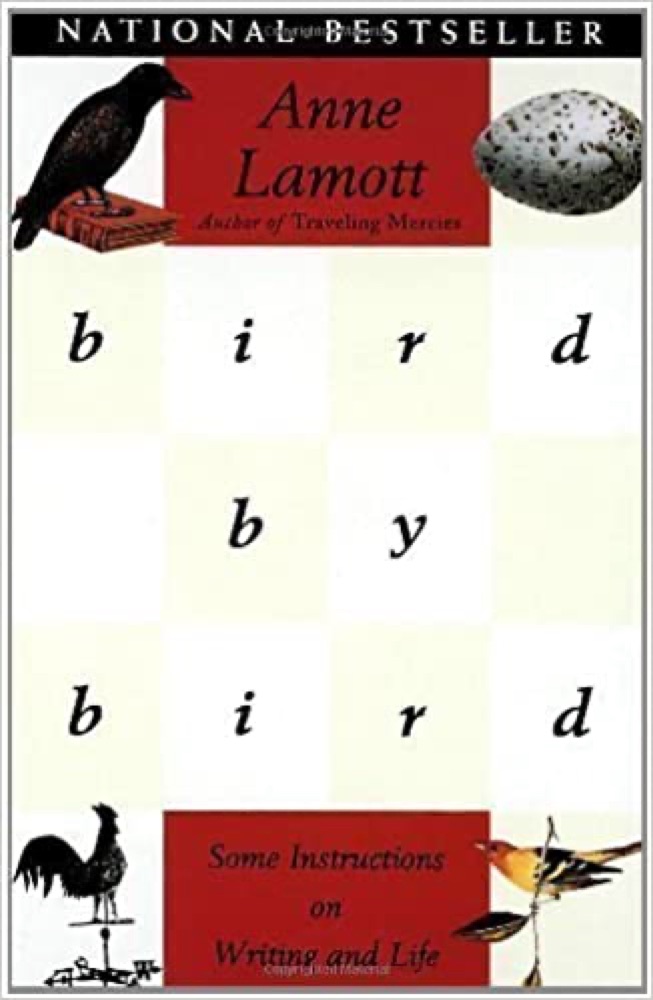
 Bird by Bird
Quotes from the Book
Help is the sunny side of control.
21
Books! To fling myself into a book, to be carried away to another world while being at my most grounded, on my butt or in my bed or favorite chair is literally how I have survived being here at all.
14
There were moments when I understood that there was nothing much I was going to understand or figure out. There was simply the present moment, awareness, impermanence, birdsong, love. There is no fixing this setup here. It seems broken and ruined at times, but it isn’t: it’s simply the nature of human life.
12
More than any other sentence I have ever come across, I love Ram Dass’s line that when all is said and done, we are all just walking each other home.
12
Haters want us to hate them, because hate is incapacitating. When we hate, we can’t operate from our real selves, which is our strength.
12
The Dalai Lama said that “religion is like going out to dinner with friends. Everyone may order something different, but everyone can still sit at the same table.
9
Almost everyone is screwed up, broken, clingy, scared, and yet designed for joy. Even (or especially) people who seem to have it more or less together are more like the rest of us than you would believe. I try not to compare my insides to their outsides, because this makes me much worse than I already am,
8
...when humans experience something as powerful as a forest or a rainbow, it is not crazy to assign its existence to a Greater Intelligence.
8
We have all we need to come through. Against all odds, no matter what we’ve lost, no matter what messes we’ve made over time, no matter how dark the night, we offer and are offered kindness, soul, light, and food, which create breath and spaciousness, which create hope, sufficient unto the day.
7
What helps is that we are not all crazy and hopeless on the same day.
6
My lifelong and core belief, right after the conviction that I was defective, mildly annoying, and better than everyone else was that my help was helpful.
6
The medieval German mystic Meister Eckhart said that if the soul could have known God without the world, God never would have created the world.
5
Peace of mind is an inside job, unrelated to fame, fortune, or whether your partner loves you. Horribly, what this means is that it is also an inside job for the few people you love most desperately in the world. We cannot arrange lasting safety or happiness for our most beloved people. They have to find their own ways, their own answers. Not one single person in history has gotten an alcoholic sober. (Maybe you’ll be the first. But—and I say this with love—I doubt it.) If it is someone else’s problem, you probably don’t have the solution.
4
At the same time, the truth is that we are beloved, even in our current condition, by someone; we have loved and been loved. We have also known the abyss of love lost to death or rejection, and that it somehow leads to new life. We have been redeemed and saved by love, even as a few times we have been nearly destroyed, and worse, seen our children nearly destroyed. We are who we love, we are one, and we are autonomous.
4
There is almost nothing outside you that will help in any kind of lasting way,
4
For thirty years, she has answered all of my distressed or deeply annoyed phone calls by saying, “Hello, Dearest. I’m so glad it’s you!” I’ve come to believe that this is how God feels when I pray, even at my least attractive.
4
If it is someone else’s problem, you probably don’t have the solution.
4
..The people you lose here on this side of eternity, whom you can no longer call or text, will live fully again both in your heart and in the world. They will make you smile and talk out loud at the most inappropriate times. Of course, their absence will cause lifelong pangs of homesickness, but grief, friends, time, and tears will heal you to some extent. Tears will bathe, baptize, and hydrate you and the seeds beneath the surface of the ground on which you walk.
3
Empathy says: You and I are made of the same lovely, heartbroken, and screwed-up stuff.
3
We have to make ourselves available to one another, or we can’t experience goodness. It’s not so much us seeking God, tracking Her down with a butterfly net; it’s agreeing to be found. The Old Girl reaches out to everyone and wants to include us in this beautiful, weird, sometimes anguished life. All people: go figure.
3
Jesus was a rabbi, schooled by rabbis, who thought like rabbis. Rabbis, upon being asked a question by a disciple, usually answer with a paradoxical inquiry or a story. This can be annoying and time-consuming for those of us looking for neat, simple answers. But truth is too wild and complex to be contained in one answer, so Jesus often responded with a question or a parable.
3
The lesson here is that there is no fix. There is, however, forgiveness. To forgive yourselves and others constantly is necessary. Not only is everyone screwed up, but everyone screws up.
3
When we are stuck in our convictions and personas, we enter into the disease of having good ideas and being right.
3
You never get over certain losses, but the anguish part eventually ends, and it all just sucks for a while. There were moments when I understood that there was nothing much I was going to understand or figure out. There was simply the present moment, awareness, impermanence, birdsong, love. There is no fixing this setup here. It seems broken and ruined at times, but it isn’t: it’s simply the nature of human life.
3
We are lovely as sparrows, and all sparrows are sweet. No one thinks, “That sparrow is kind of a loser, and boy, is that one letting herself go.
2
I hoped her life would turn topsy-turvy enough to get her attention. Topsy-turvy is often a symptom for the presence of God—the last become first, the hungry are fed, the obnoxious are welcomed.
2
I absolutely don't buy into the current mania for tidiness and decluttering. For a writer, piles of papers and notes are a fertile field. Keep all those books you read in college, or had certainly meant to read. Keep all those clothes that last fit during the Carter administration. Or give them away. It's for you to choose. You has value.
2
Those plates would be filled with love, pride, and connection. That care is what we have longed for our whole lives, and what we create when we are kinder to our bodies and our hungry souls.
2
Haters want us to hate them because hate is incapacitating. When we hate we can't operate from our real selves, which is our strength.
2
To paraphrase Paul Tillich, the opposite of faith is not doubt, but certainty.
2
About Anne Lamott
Anne Lamott is a San Francisco Bay Area author of several novels and works of nonfiction, whose largely autobiographical work is known for self-deprecating humor and covers subjects such as alcoholism, single motherhood, and her unconventional Christian faith. Her life is documented in Freida Lee Mock's 1999 documentary Bird by Bird: A Film Portrait of Writer Anne Lamott.
More about the author →
About the book
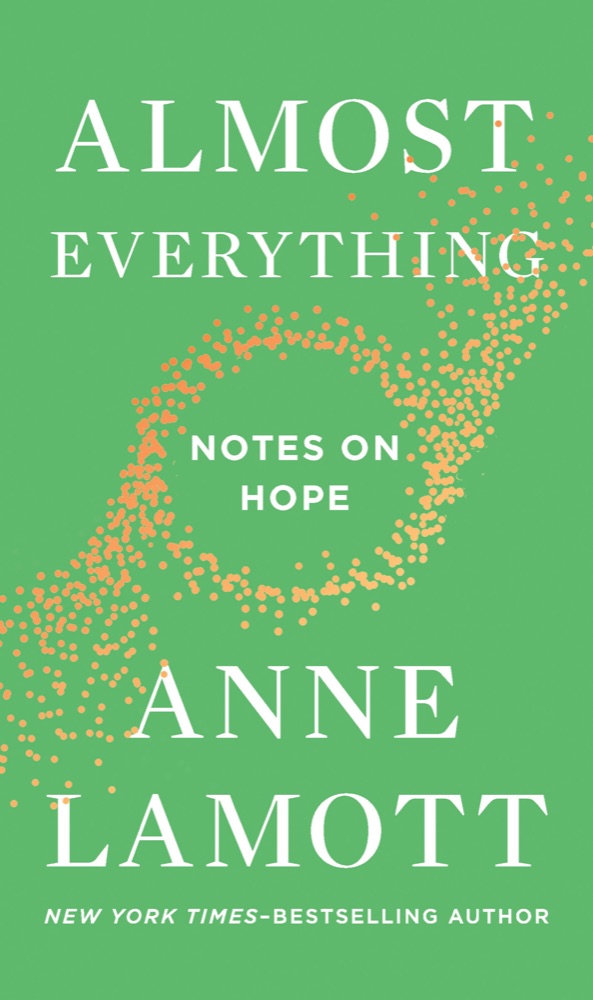
Almost Everything: Notes on Hope is a collection of short essays by Anne Lamott, the New York Times-bestselling author of Help, Thanks, Wow. Framed as a distillation of what she has learned and written partly as a gift to her grandson and niece, the book sets out to record, in her words, "everything I know about almost everything." Amid despair and uncertainty in the news, in families, and in ourselves, Lamott argues that even at life's bleakest the seeds of rejuvenation are at hand: "All truth is paradox," she writes, "and this turns out to be a reason for hope. If you arrive at a place in life that is miserable, it will change."
Each brief essay explores a theme such as hope, love, faith, forgiveness, family, and addiction, delivered in Lamott's conversational, self-deprecating, and humane voice. Paradox is the book's organizing idea: in the opening essay, "Puzzles," she uses the physics of light being both particle and wave as an image of how paradox can be the seed of truth. She writes that "almost every facet of my meager maturation and spiritual understanding has sprung from hurt, loss, and disaster," and she holds up Wendell Berry's line, "Be joyful, though you have considered all the facts," as a working philosophy for staying hopeful without denying the world's pain.
Reception was mixed but often warm. The Star Tribune praised Lamott's "characteristic wisdom and wit," calling the book "soul food for the weary" for unrelentingly anxious times, and Publishers Weekly described it as a comforting book of reflections shot through with her customary optimism. The Wall Street Journal admired her rare talent for making writing look easy and her disarmingly humble, intimate style, while noting that even beloved friends can sometimes disappoint. Kirkus was more reserved, calling it "another distillation of the author's life philosophy" and an "obsessively inward-focusing hodgepodge" that fans of her self-deprecating humor and vulnerability will nonetheless enjoy.
Book details
- First published
- 2018
- Author
- Anne Lamott
- Genre
- Nonfiction
- Goodreads rating
- 3.86 (14k ratings)
Keep reading
 Dusk, Night, Dawn: On Revival and Courage
 Stitches: A Handbook on Meaning, Hope, and Repair
 Plan B: Further Thoughts on Faith
 Of Mess and Moxie: Wrangling Delight Out of This Wild and Glorious Life
 Carry On, Warrior: Thoughts on Life Unarmed
 These Precious Days: Essays
 All My Knotted-Up Life: A Memoir
 Letter to My Daughter
 The Book of Awakening: Having the Life You Want by Being Present to the Life You Have
 This Is How: Proven Aid in Overcoming Shyness, Molestation, Fatness, Spinsterhood, Grief, Disease, Lushery, Decrepitude & More. For Young and Old Alike.
 All the Way to the River
 Eat, Pray, Love
 The Moth Presents All These Wonders: True Stories About Facing the Unknown
 Wide Awake
 Tell Me More: Stories About the 12 Hardest Things I'm Learning to Say
 The World According to Mister Rogers: Important Things to Remember
 Like Streams to the Ocean: Notes on Ego, Love, and the Things That Make Us Who We Are
 Kitchen Table Wisdom: Stories that Heal
 When Things Fall Apart: Heart Advice for Difficult Times
 What If This Were Enough?: Essays
 Any Ordinary Day
 Surrender: 40 Songs, One Story
 Brave Enough
 We Are the Luckiest: The Surprising Magic of a Sober Life
 The Comfort Book
 Have a Little Faith: a True Story
 Grace for the Good Girl: Letting Go of the Try-Hard Life
 Have You Seen Luis Velez?
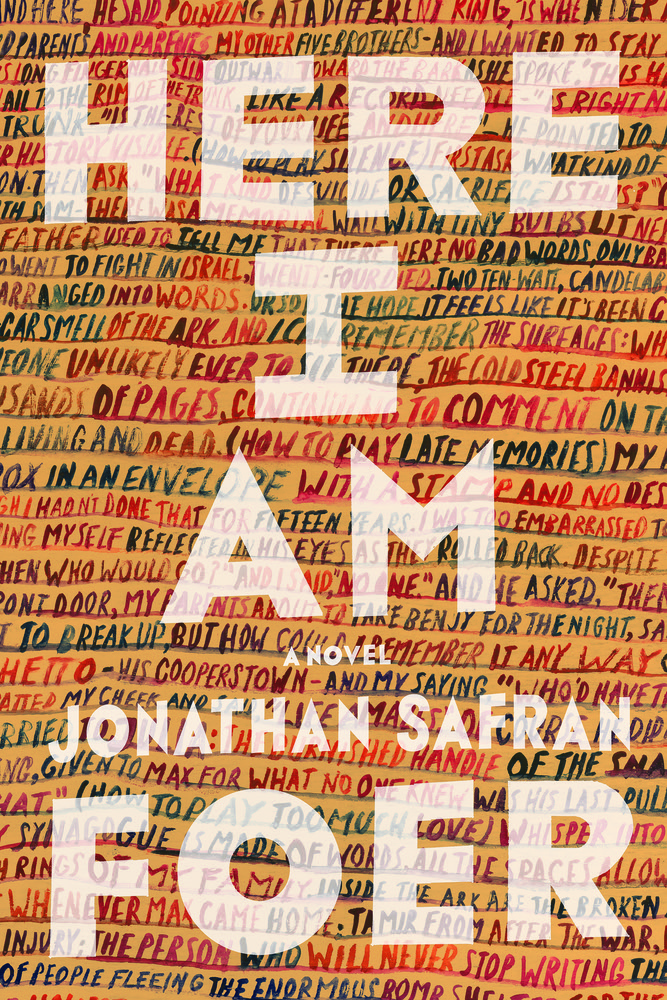 Here I Am
 The Zahir
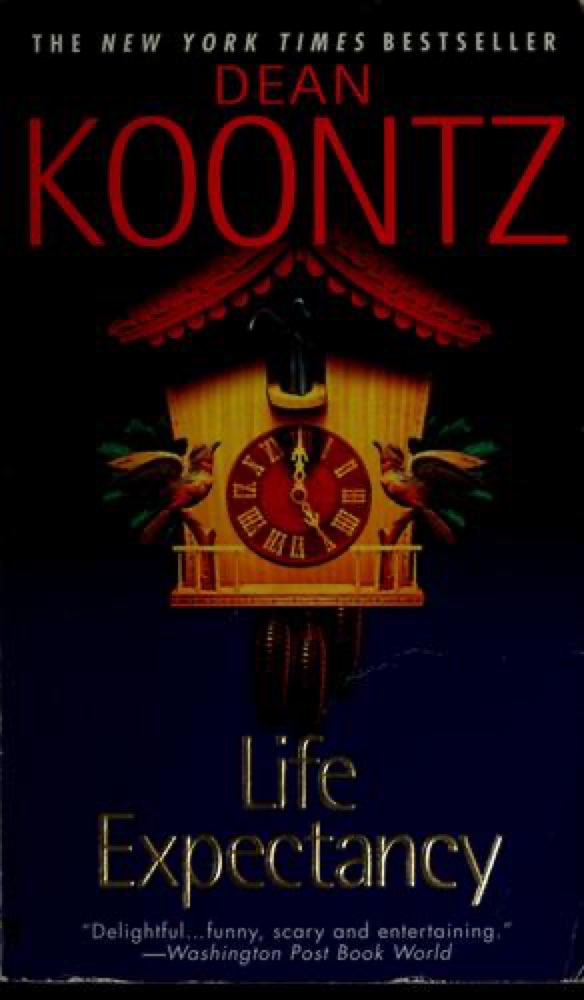 Life Expectancy
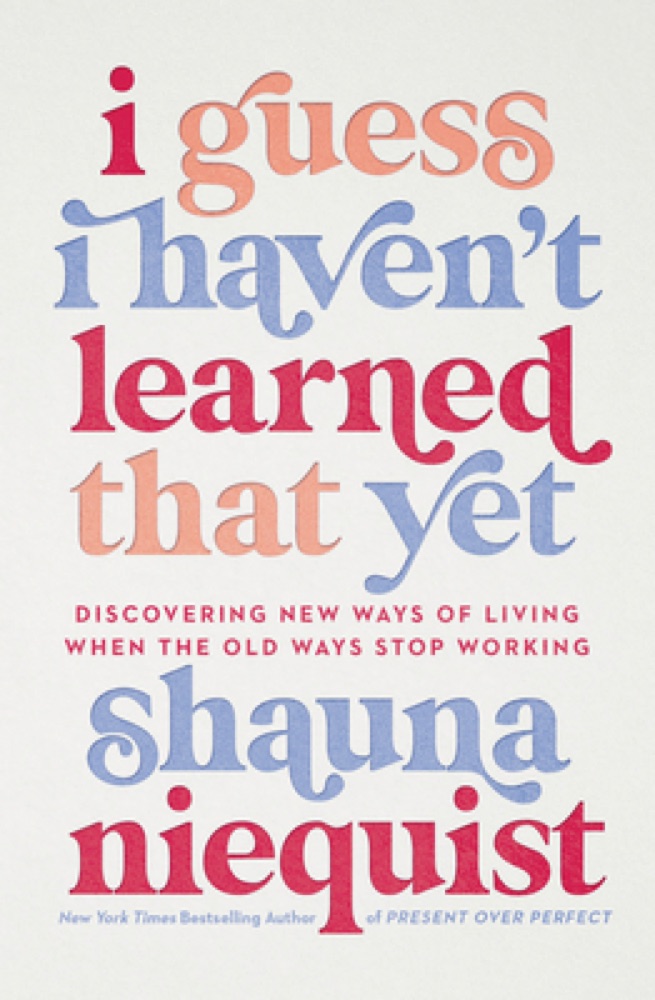 I Guess I Haven't Learned That Yet: Discovering New Ways of Living When the Old Ways Stop Working
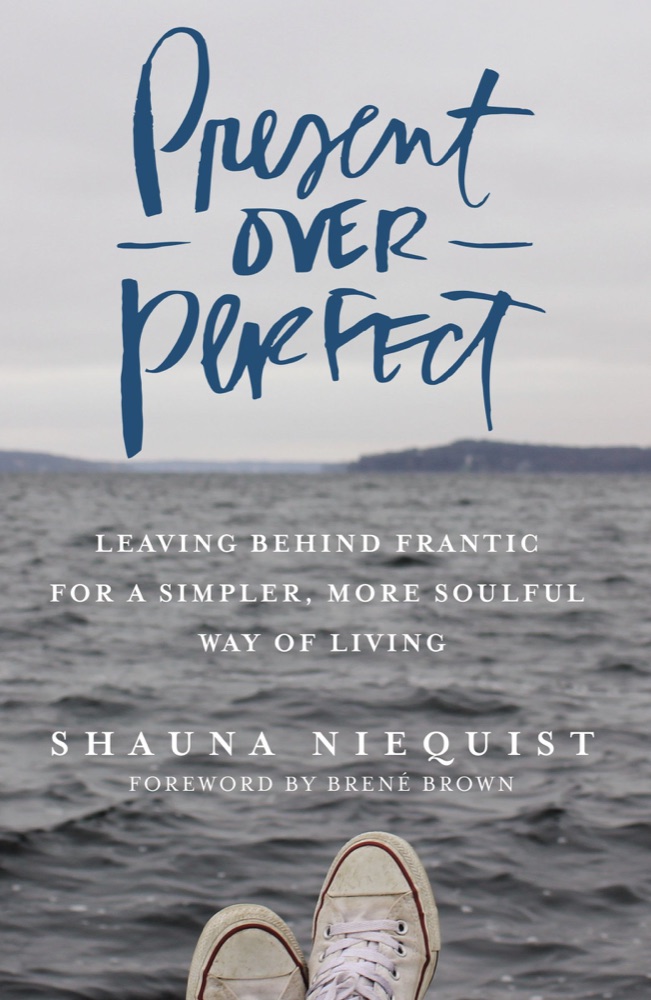 Present Over Perfect: Leaving Behind Frantic for a Simpler, More Soulful Way of Living
 The Witch of Portobello
 The Burning Girls
 God Never Blinks: 50 Lessons for Life's Little Detours
 Falling Back in Love with Being Human: Letters to Lost Souls
 Hey Nostradamus!
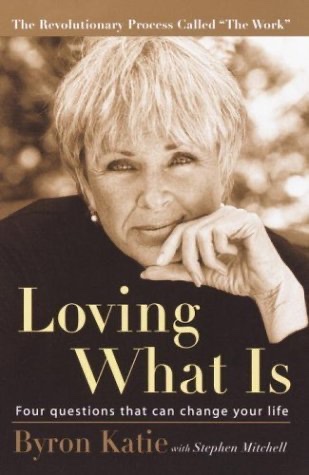 Loving What Is: Four Questions That Can Change Your Life
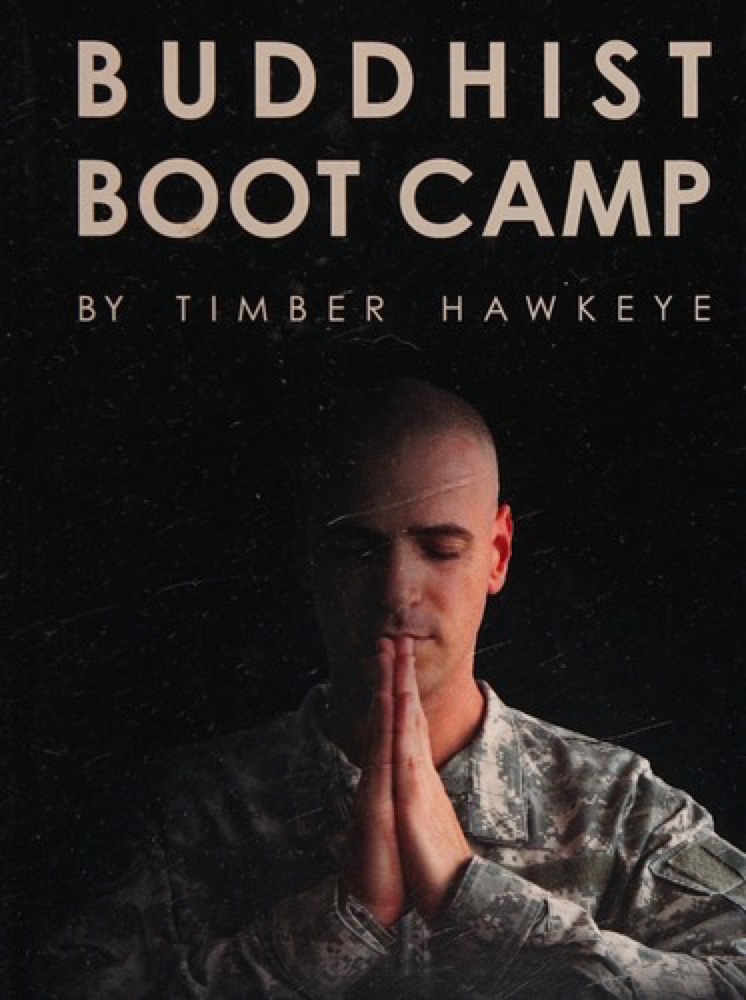 Buddhist Boot Camp
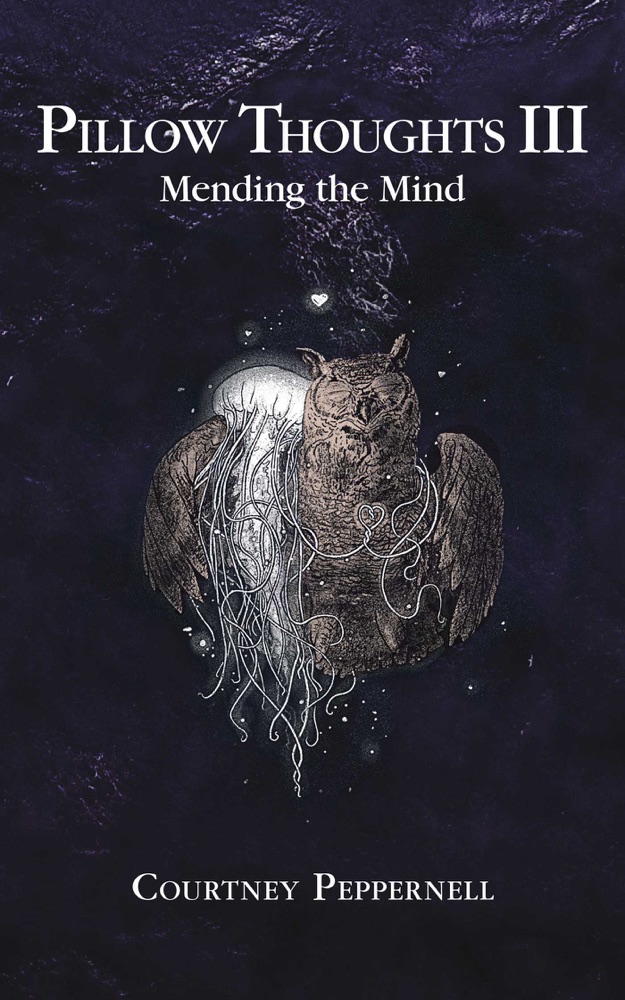 Mending the Mind
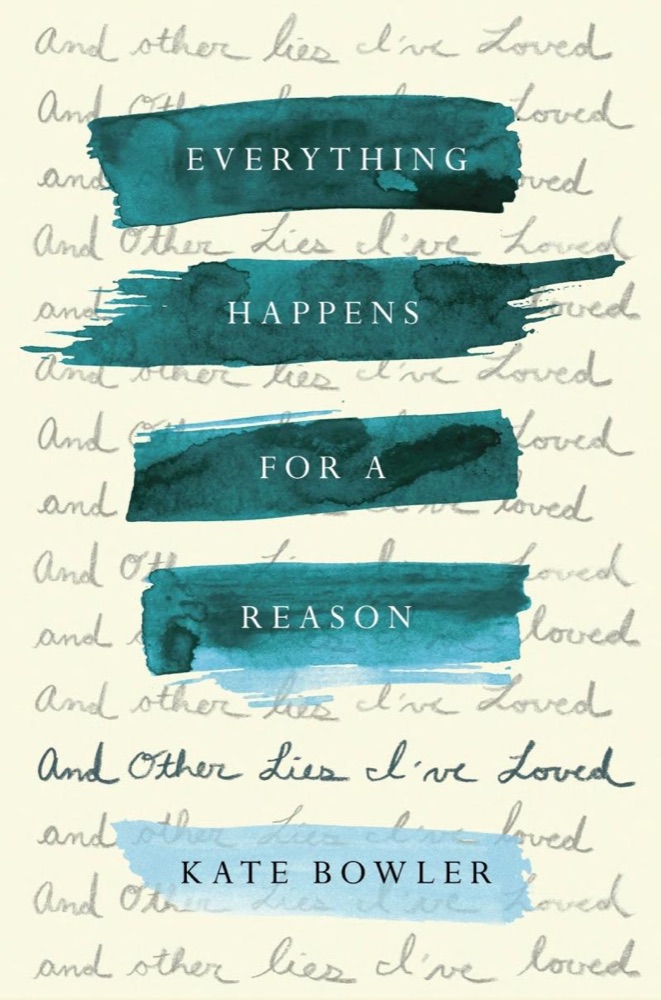 Everything Happens for a Reason: And Other Lies I've Loved
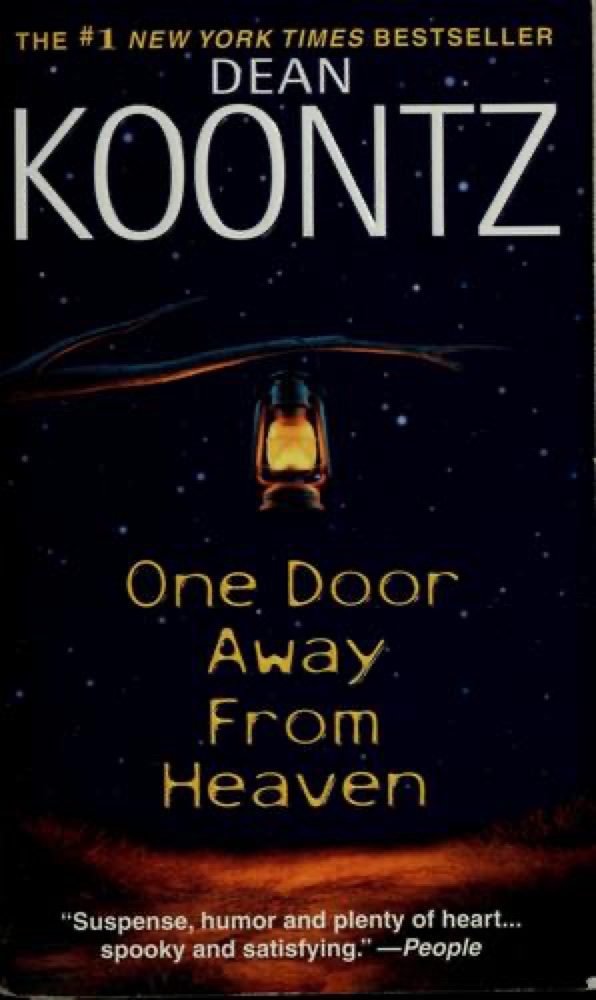 One Door Away from Heaven
 Maybe You Should Talk to Someone: A Therapist, Her Therapist, and Our Lives Revealed
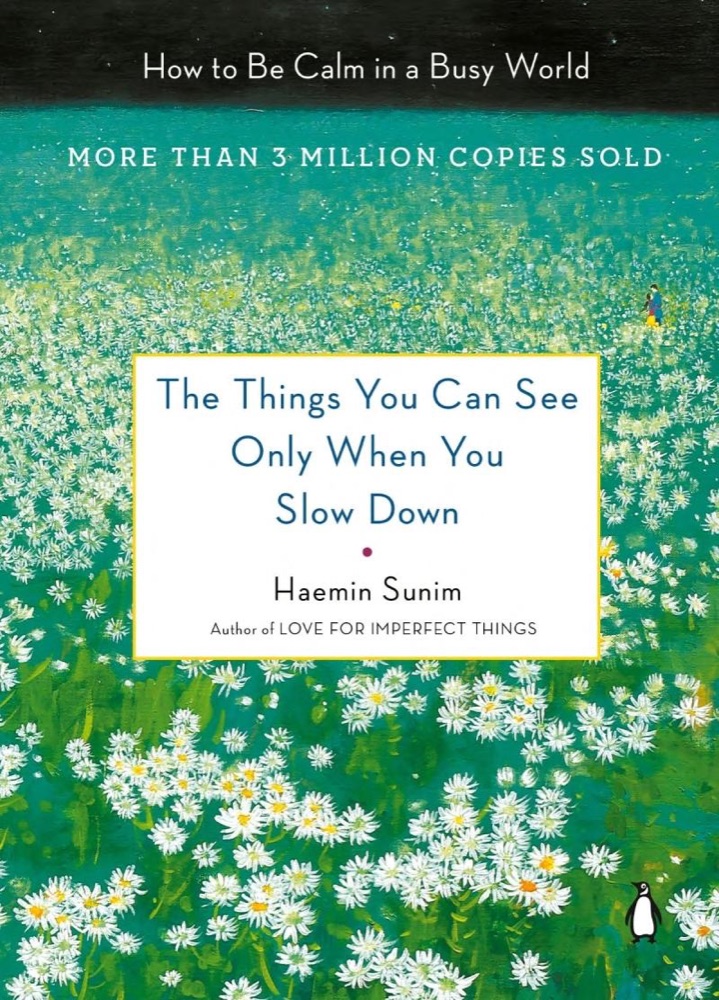 The Things You Can See Only When You Slow Down: How to Be Calm in a Busy World
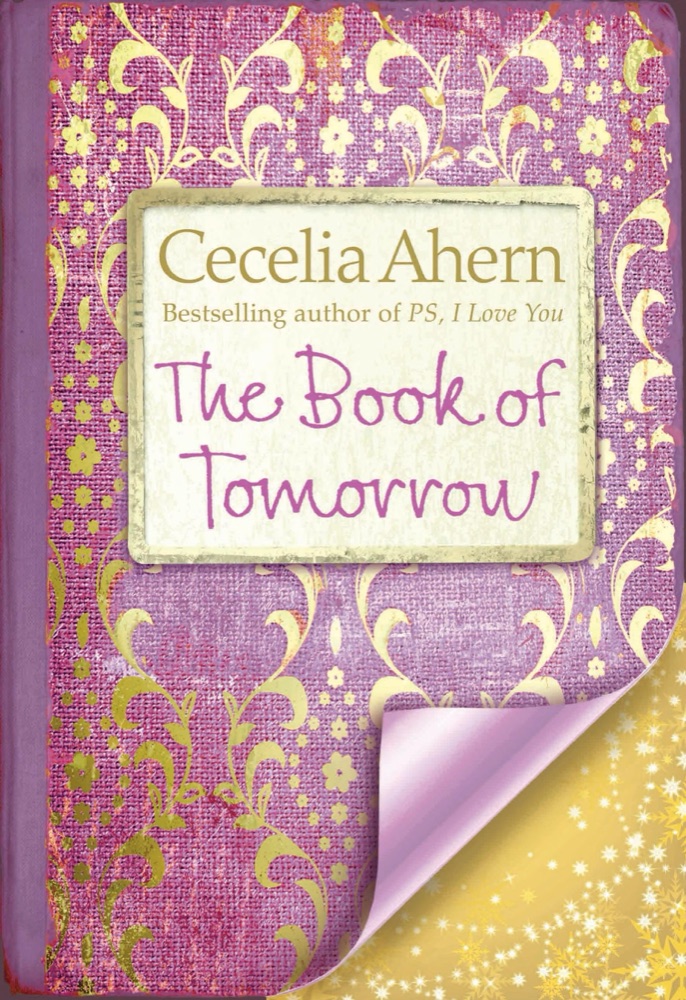 The Book of Tomorrow
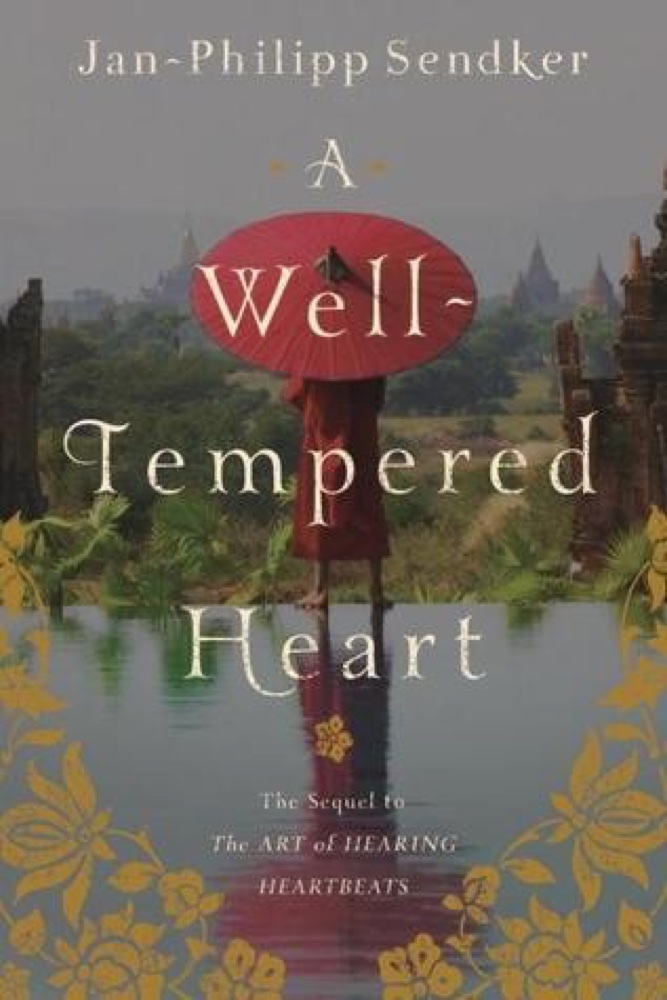 A Well-Tempered Heart
 Broken
 The Goldfinch
 Change of Heart
 Option B: Facing Adversity, Building Resilience, and Finding Joy
 101 Essays That Will Change The Way You Think
 The Good Luck of Right Now
 For the Love: Fighting for Grace in a World of Impossible Standards
 Notes on a Nervous Planet
 Into the Magic Shop: A Neurosurgeon's Quest to Discover the Mysteries of the Brain and the Secrets of the Heart
 Blue Like Jazz: Nonreligious Thoughts on Christian Spirituality
 Kafka on the Shore
 The Color of Everything: A Journey to Quiet the Chaos Within
 Unglued: Making Wise Choices in the Midst of Raw Emotions