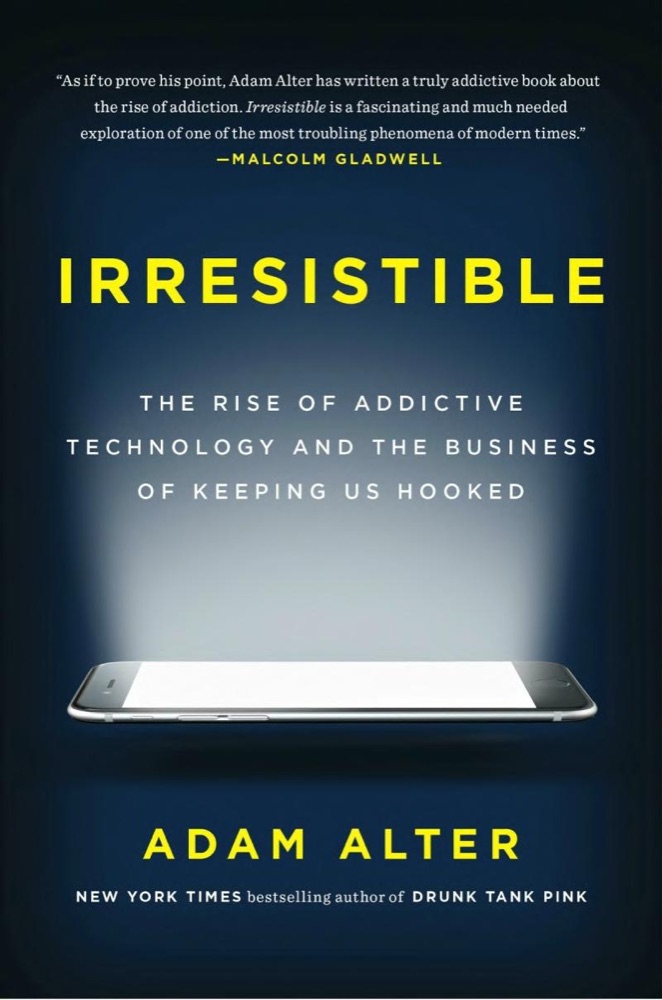

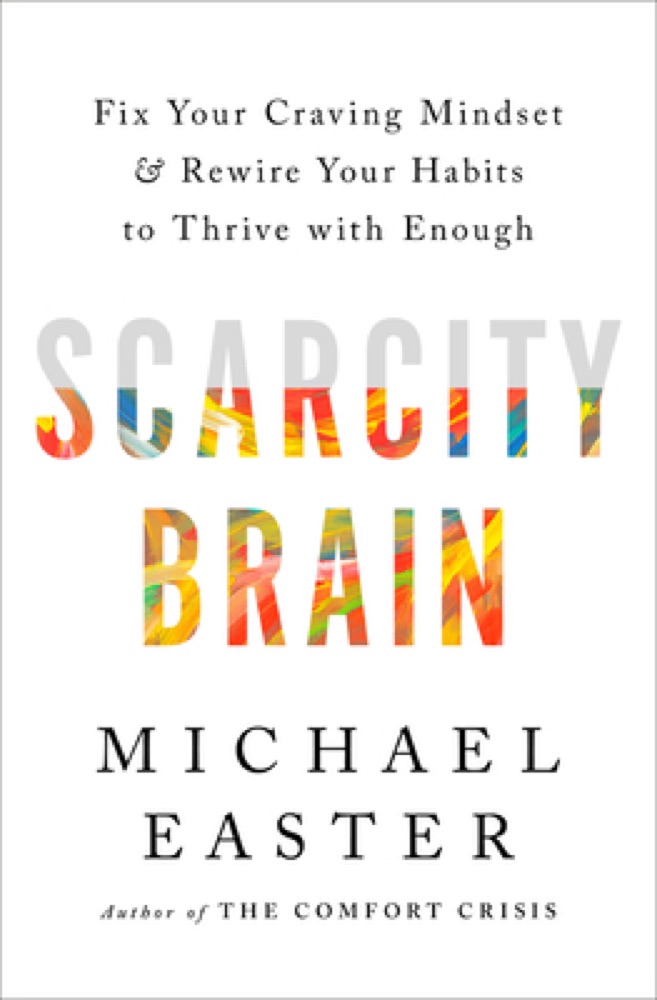
 Scarcity Brain: Fix Your Craving Mindset and Rewire Your Habits to Thrive with Enough
Quotes from the Book
Walter Isaacson, who ate dinner with the Jobs family while researching his biography of Steve Jobs, told Bilton that, “No one ever pulled out an iPad or computer. The kids did not seem addicted at all to devices.” It seemed as if the people producing tech products were following the cardinal rule of drug dealing: never get high on your own supply.
19
To some extent we all need losses and difficulties and challenges, because without them the thrill of success weakens gradually with each new victory. That’s why people spend precious chunks of free time doing difficult crosswords and climbing dangerous mountains—because the hardship of the challenge is far more compelling than knowing you’re going to succeed.
11
Addiction originally meant a different kind of strong connection: in ancient Rome, being addicted meant you had just been sentenced to slavery.
9
In 2008, adults spent an average of eighteen minutes on their phones per day; in 2015, they were spending two hours and forty-eight minutes per day.
4
It’s hard to exaggerate how much the “like” button changed the psychology of Facebook use. What had begun as a passive way to track your friends’ lives was now deeply interactive, and with exactly the sort of unpredictable feedback that motivated Zeiler’s pigeons. Users were gambling every time they shared a photo, web link, or status update. A post with zero likes wasn’t just privately painful, but also a kind of public condemnation: either you didn’t have enough online friends, or, worse still, your online friends weren’t impressed. Like pigeons, we’re more driven to seek feedback when it isn’t guaranteed.
4
In 2000, Microsoft Canada reported that the average human had an attention span of twelve seconds; by 2013 that number had fallen to eight seconds. (According to Microsoft, a goldfish, by comparison, has an average attention span of nine seconds.)
4
Tech isn’t morally good or bad until it’s wielded by the corporations that fashion it for mass consumption. Apps and platforms can be designed to promote rich social connections; or, like cigarettes, they can be designed to addict. Today, unfortunately, many tech developments do promote addiction.
3
Addictive tech is part of the mainstream in a way that addictive substances never will be.
3
the problem isn’t that people lack willpower; it’s that “there are a thousand people on the other side of the screen whose job it is to break down the self-regulation you have.
2
It’s easy to look back at how little Freud and Pemberton understood of cocaine with a sense of superiority. We teach our children that cocaine is dangerous, and it’s hard to believe that experts considered the drug a panacea only a century ago. But perhaps our sense of superiority is misplaced. Just as cocaine charmed Freud and Pemberton, today we’re enamored of technology. We’re willing to overlook its costs for its many gleaming benefits:
2
It seemed as if the people producing tech products were following the cardinal rule of drug dealing: never get high on your own supply.
2
DNA evidence suggests that Neanderthals carried a gene known as DRD4-7R as long as forty thousand years ago. DRD4-7R is responsible for a constellation of behaviors that set Neanderthals apart from earlier hominids, including risk-taking, novelty-seeking, and sensation-seeking.
2
It isn’t the body falling in unrequited love with a dangerous drug, but rather the mind learning to associate any substance or behavior with relief from psychological pain.
2
There is one subtle psychological lever that seems to hasten habit formation: the language you use to describe your behavior. Suppose you were trying to avoid using Facebook. Each time you’re tempted, you can either tell yourself “I can’t use Facebook,” or you can tell yourself “I don’t use Facebook.” They sound similar, and the difference may seem trivial, but it isn’t. “I can’t” wrests control from you and gives it to an unnamed outside agent. It’s disempowering. You’re the child in an invisible relationship, forced not to do something you’d like to do, and, like children, many people are drawn to whatever they’re not allowed to do. In contrast, “I don’t” is an empowering declaration that this isn’t something you do. It gives the power to you and signals that you’re a particular kind of person—the kind of person who, on principle, doesn’t use Facebook. We
2
They’re distracting because they remind us of the world beyond the immediate conversation,
2
So the Zeigarnik Effect was born: incomplete experiences occupy our minds far more than completed ones.
1
Vaisberg obviously derived a lot of pleasure from his online friendships, so it wasn’t clear to me why experts frowned on online interactions. Hilarie Cash, a clinical psychologist and cofounder of reSTART, explained that “there’s nothing wrong with making friends online, as long as you also make friends in the real world. If we’re good friends, and we’re sitting together, that interaction, that energetic exchange releases a whole bouquet of neurochemicals that keeps us each regulated emotionally and physiologically. And it’s our birthright as social animals to have lots of this sort of safe and caring interaction that keeps us regulated.
1
any nerve trouble, dyspepsia, mental and physical exhaustion, all chronic wasting diseases, gastric irritability, constipation, sick headache, neuralgia, etc. is quickly cured by the Coca Wine
1
Most people spend between one and four hours on their phones each day—and many far longer.
1
In the 1960s, we swam through waters with only a few hooks: cigarettes, alcohol, and drugs that were expensive and generally inaccessible. In the 2010s, those same waters are littered with hooks. There’s the Facebook hook. The Instagram hook. The porn hook. The email hook. The online shopping hook. And so on.
1
There isn’t a bright line between addicts and the rest of us. We’re all one product or experience away from developing our own addictions.
1
there’s so much more to addiction than an addictive personality. Addicts aren’t simply weaker specimens than non-addicts; they aren’t morally corrupt where non-addicts are virtuous. Instead, many, if not most, of them are unlucky. Location isn’t the only factor that influences your chances of becoming an addict, but it plays a much bigger role than scientists once thought. Genetics and biology matter as well, but we’ve recognized their role for decades. What’s new, and what only became clear in the 1960s and 1970s, is that addiction is a matter of environment, too. Even the sturdiest of our ranks—the young G.I.s who were free of addiction when they left for Vietnam—are prone to weakness when they find themselves in the wrong setting. And even the most determined addicts-in-recovery will relapse when they revisit the people and places that remind them of the drug.
1
Still, it’s important to use the term “behavioral addiction” carefully. A label can encourage people to see a disorder everywhere. Shy kids were suddenly labeled “Asperger’s sufferers” when the term became popular; people with volatile emotions were similarly labeled “bipolar.” Allen Frances, a psychiatrist and expert on addiction, is concerned about the term “behavioral addiction.” “If 35 percent of people suffer from a disorder, then it’s just a part of human nature,” he says. “Medicalizing behavioral addiction is a mistake. What we should be doing is what they do in Taiwan and Korea. There they see behavioral addiction as a social issue rather than a medical issue.” I agree. Not everyone who uses a smartphone for more than ninety minutes a day should be in treatment. But what is it about smartphones that makes them so compelling? Should we introduce structural checks and balances on the growing role they play in our collective lives? A symptom affecting so many people is no less real or more acceptable simply because it becomes a new norm; we need to understand that symptom to decide whether and how to deal with it.
1
Meanwhile, in 2015, there were 280 million smartphone addicts. If they banded together to form the “United States of Nomophobia,” it would be the fourth most populous country in the world, after China, India, and the United States.
1
One recent study suggested that up to 40 percent of the population suffers from some form of Internet-based addiction, whether to email, gaming, or porn.
1
humans find the sweet spot sandwiched between “too easy” and “too difficult” irresistible. It’s the land of just-challenging-enough computer games, financial targets, work ambitions, social media objectives, and fitness goals. Addictive experiences live in this sweet spot, where stopping rules crumble before obsessive goal-setting. Tech mavens, game developers, and product designers tweak their wares to ensure their complexity escalates as users gain insight and competence.
1
It’s our generation’s crack cocaine. People are addicted. We experience withdrawals. We are so driven by this drug, getting just one hit elicits truly peculiar reactions. I’m talking about Likes. They’ve inconspicuously emerged as the first digital drug to dominate our culture.
German car manufacturer Daimler has a similar email management policy. The company’s one hundred thousand employees can set incoming emails to delete automatically when they’re on vacation. A so-called mail on holiday assistant automatically emails the sender to explain that the email wasn’t delivered, and suggests another Daimler employee who will step in if the email is urgent. Workers come back from their vacations to an inbox that looks exactly as it did when they left several weeks ago.
Life is more convenient than ever, but convenience has also weaponized temptation.
Watch on YouTube
About Adam Alter
We have collected 29 quotes from 1 book by Adam Alter on BookQuoters.
More about the author →About the book
Welcome to the age of behavioral addiction—an age in which half of the American population is addicted to at least one behavior. We obsess over our emails, Instagram likes, and Facebook feeds; we binge on TV episodes and YouTube videos; we work longer hours each year; and we spend an average of three hours each day using our smartphones. Half of us would rather suffer a broken bone than a broken phone, and Millennial kids spend so much time in front of screens that they struggle to interact with real, live humans.
In this revolutionary book, Adam Alter, a professor of psychology and marketing at NYU, tracks the rise of behavioral addiction, and explains why so many of today's products are irresistible. Though these miraculous products melt the miles that separate people across the globe, their extraordinary and sometimes damaging magnetism is no accident. The companies that design th
Book details
- First published
- 2017
- Author
- Adam Alter
- Genre
- Nonfiction
- Goodreads rating
- 3.85 (13k ratings)
The buzz
- The Washington PostReview in The Washington Postprofessional review (via Book Marks)
- The GuardianReview in The Guardianprofessional review (via Book Marks)
- Kirkus ReviewsReview in Kirkus Reviewsprofessional review (via Book Marks)
- BarnesandnobleReview in Barnesandnobleprofessional review (via Book Marks)
- StagingReview in Stagingprofessional review (via Book Marks)
Keep reading
Scarcity Brain: Fix Your Craving Mindset and Rewire Your Habits to Thrive with Enough
 How to Break Up with Your Phone: The 30-Day Plan to Take Back Your Life
 Hooked: How to Build Habit-Forming Products
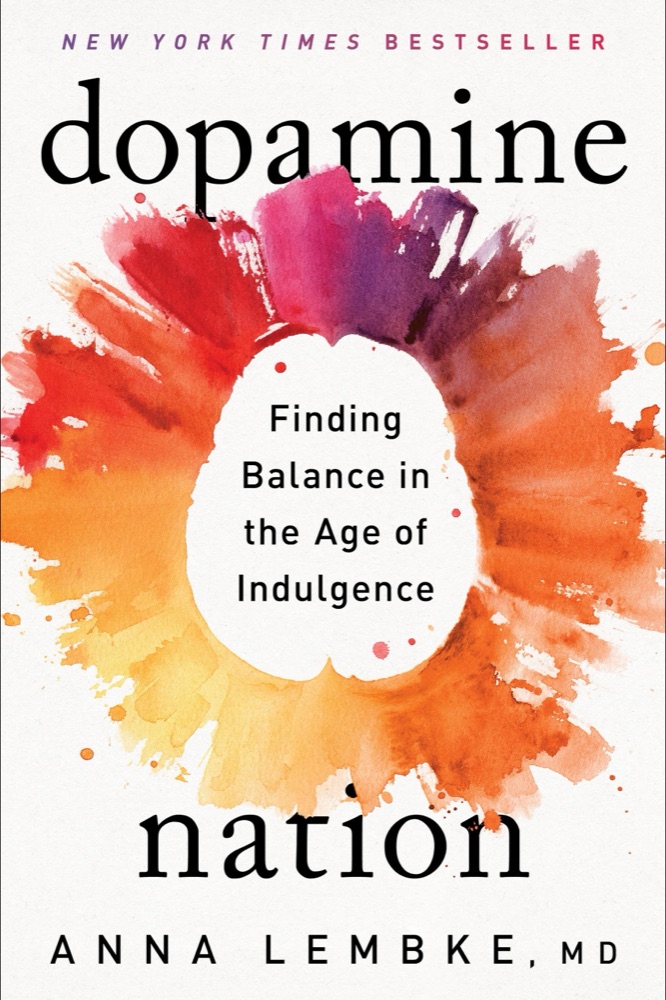 Dopamine Nation: Finding Balance in the Age of Indulgence
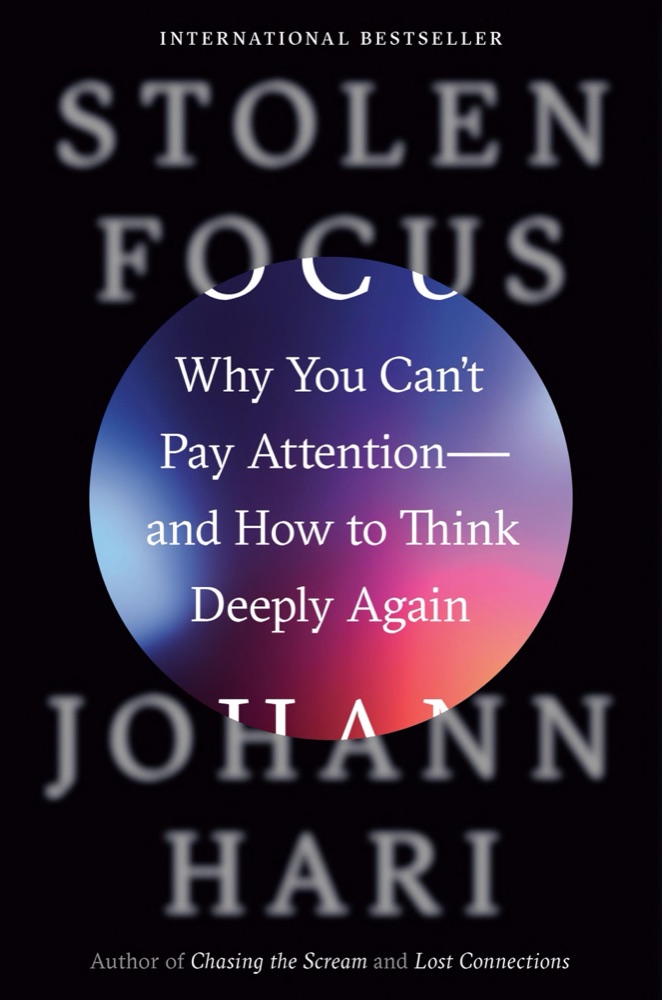 Stolen Focus: Why You Can't Pay Attention— and How to Think Deeply Again
 The Anxious Generation: How the Great Rewiring of Childhood Caused an Epidemic of Mental Illness
 The Organized Mind: Thinking Straight in the Age of Information Overload
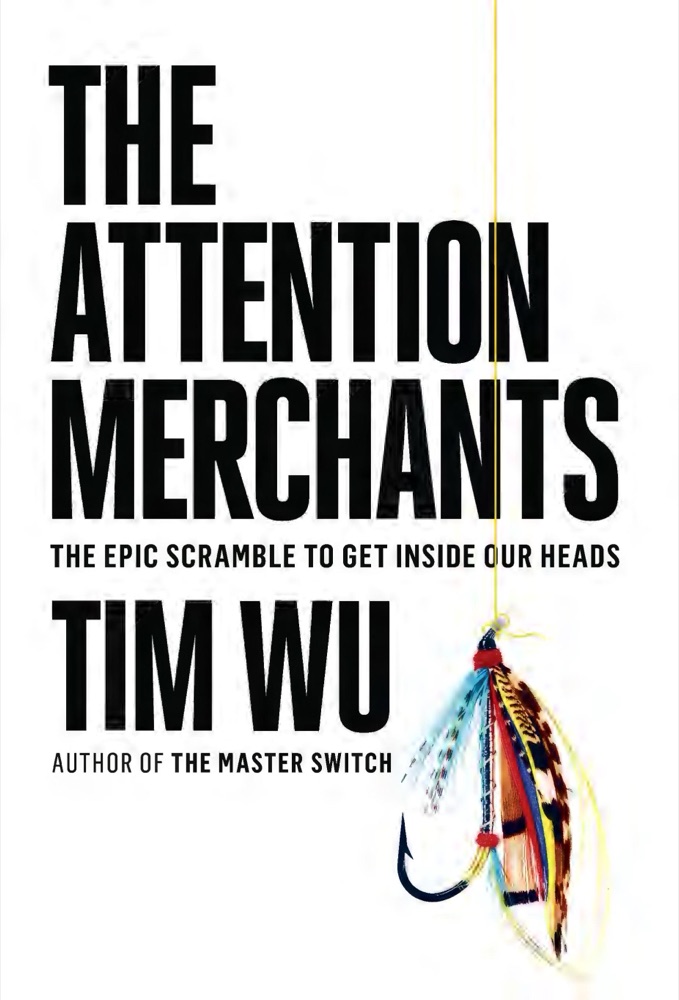 The Attention Merchants: The Epic Scramble to Get Inside Our Heads
 In the Realm of Hungry Ghosts: Close Encounters with Addiction
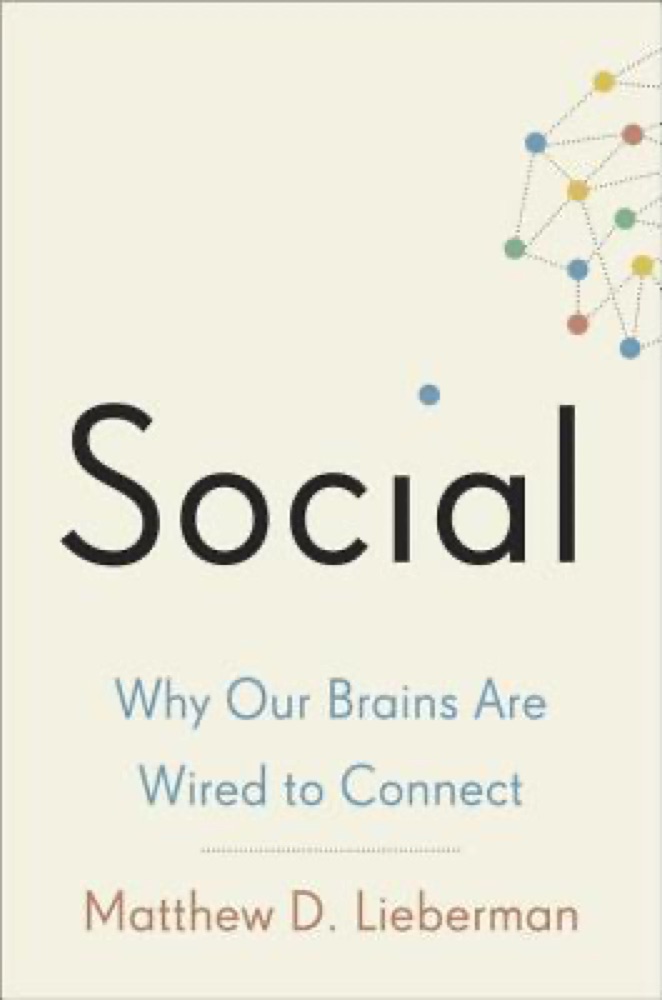 Social: Why Our Brains Are Wired to Connect
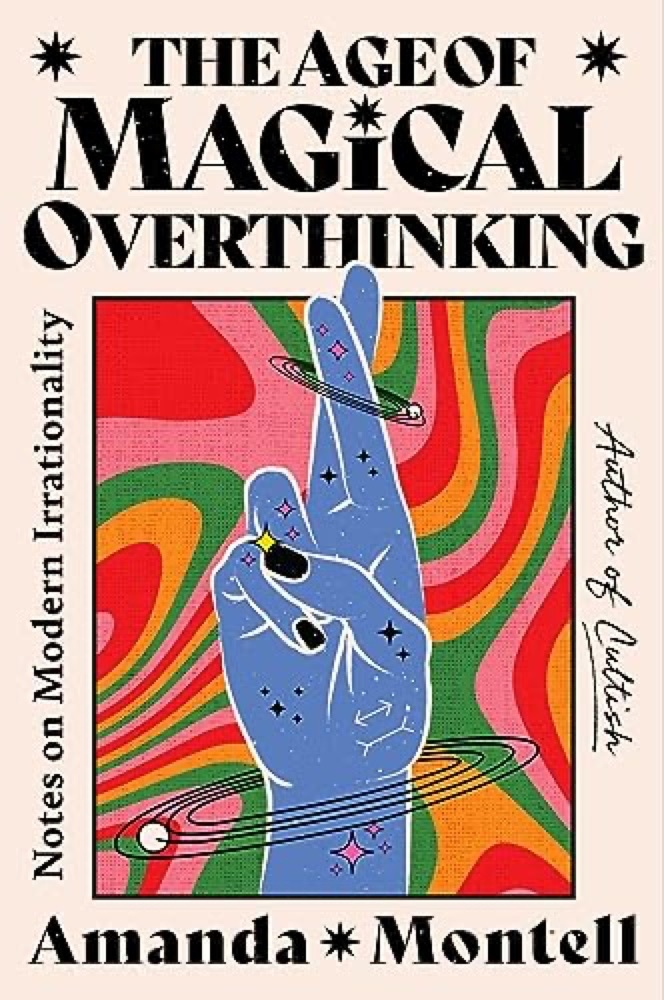 The Age of Magical Overthinking: Notes on Modern Irrationality
 Chasing the Scream: The First and Last Days of the War on Drugs
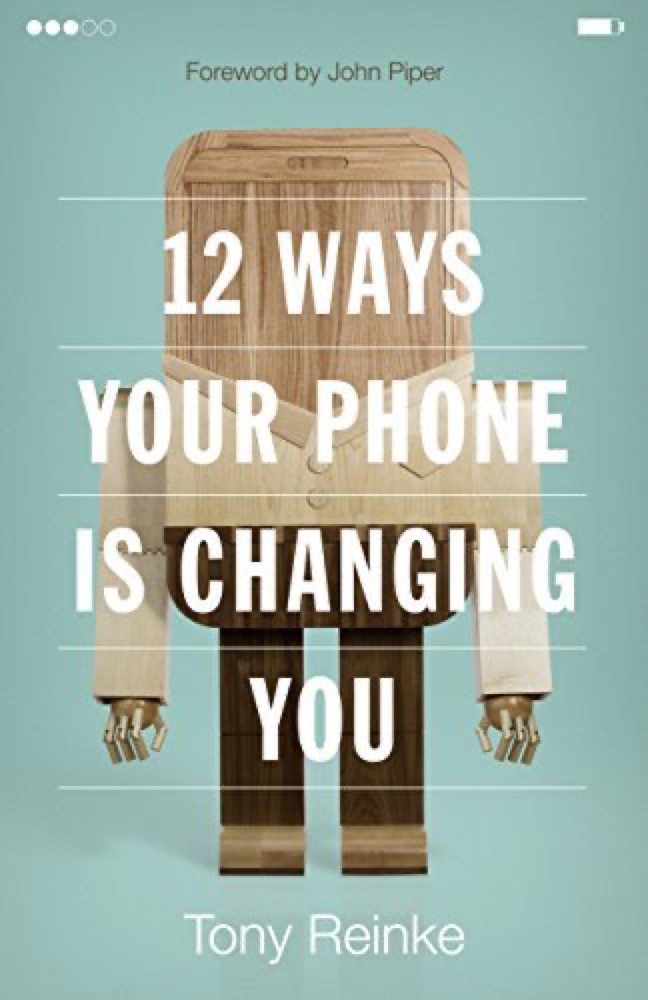 12 Ways Your Phone Is Changing You
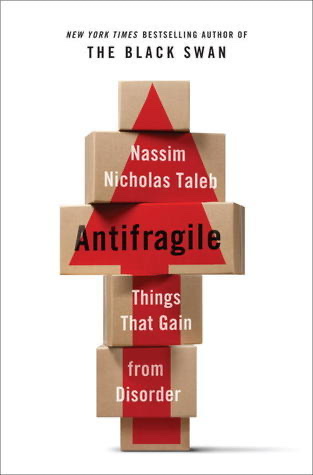 Antifragile: Things That Gain from Disorder
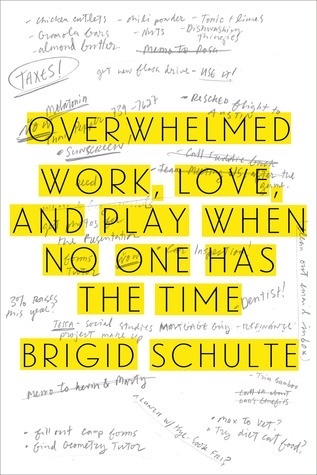 Overwhelmed: Work, Love, and Play When No One Has the Time
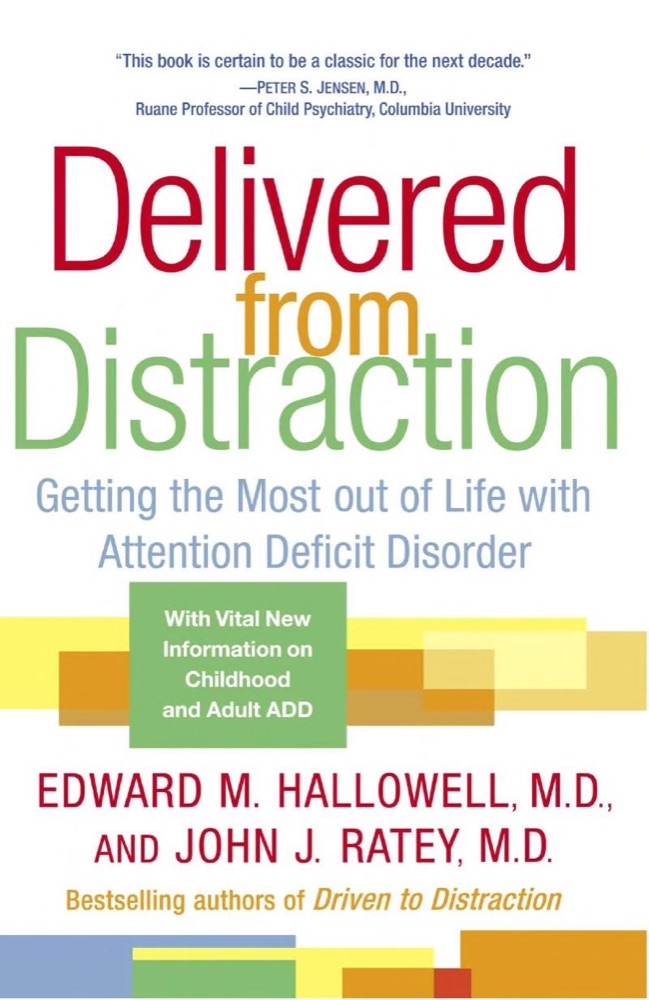 Delivered from Distraction: Getting the Most out of Life with Attention Deficit Disorder
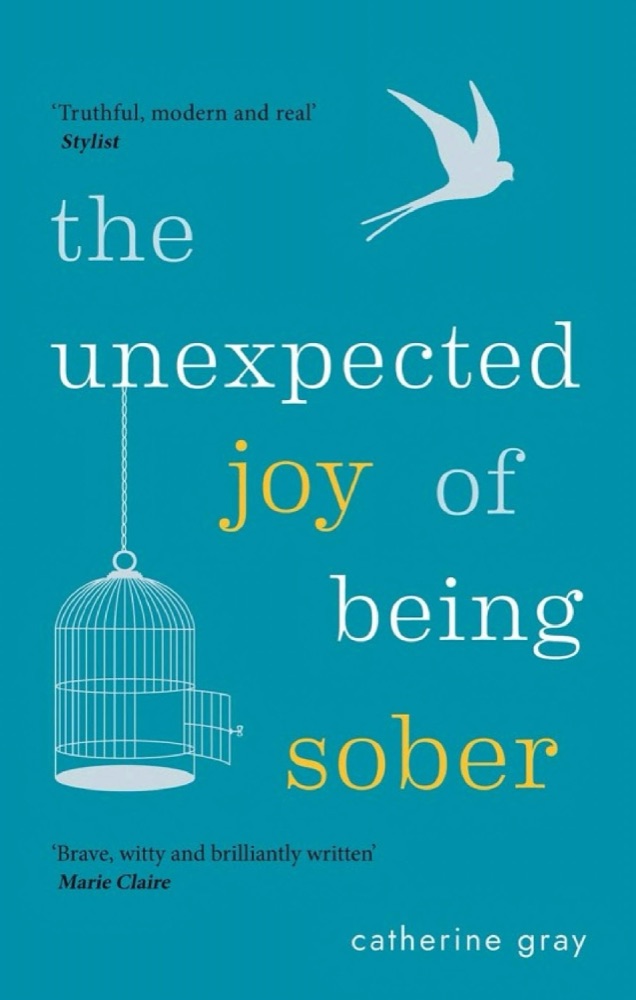 The Unexpected Joy of Being Sober
 Dopesick: Dealers, Doctors, and the Drug Company that Addicted America
 The Social Animal: The Hidden Sources of Love, Character, and Achievement
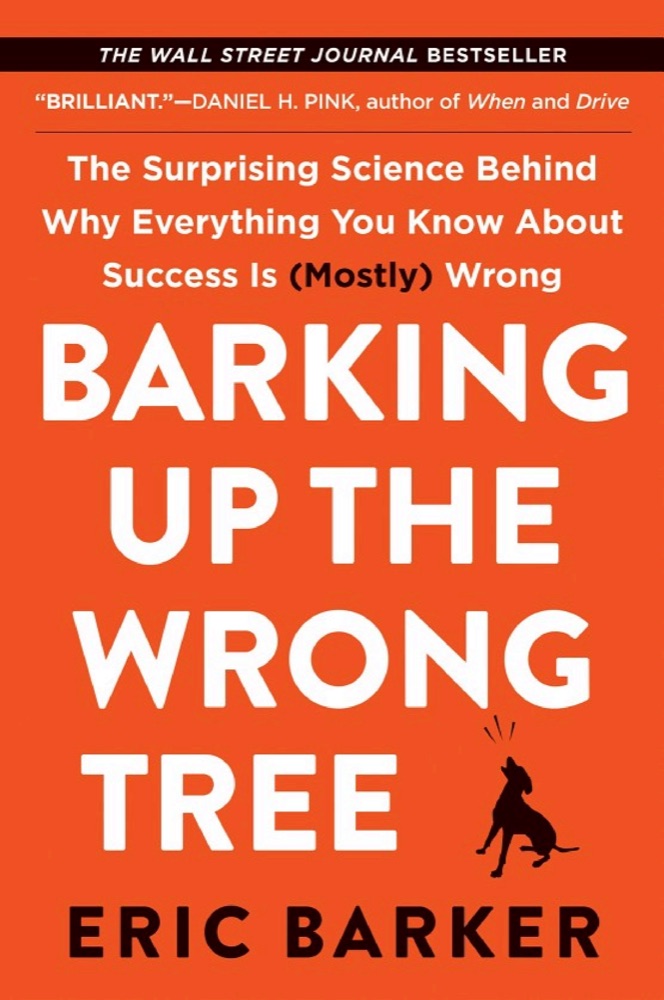 Barking Up the Wrong Tree: The Surprising Science Behind Why Everything You Know About Success Is (Mostly) Wrong
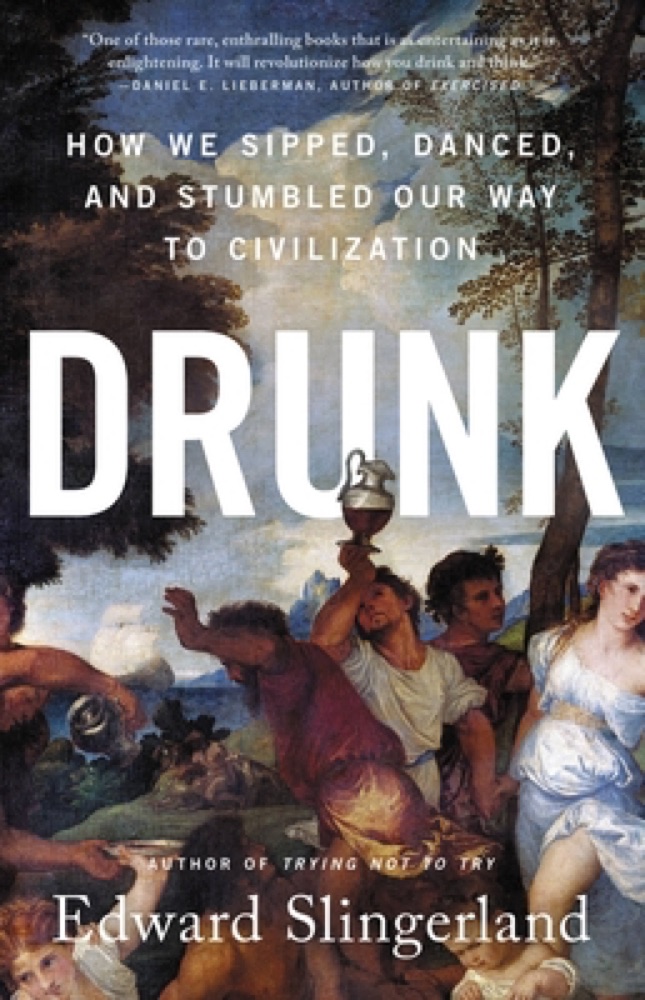 Drunk: How We Sipped, Danced, and Stumbled Our Way to Civilization
 The Tipping Point: How Little Things Can Make a Big Difference
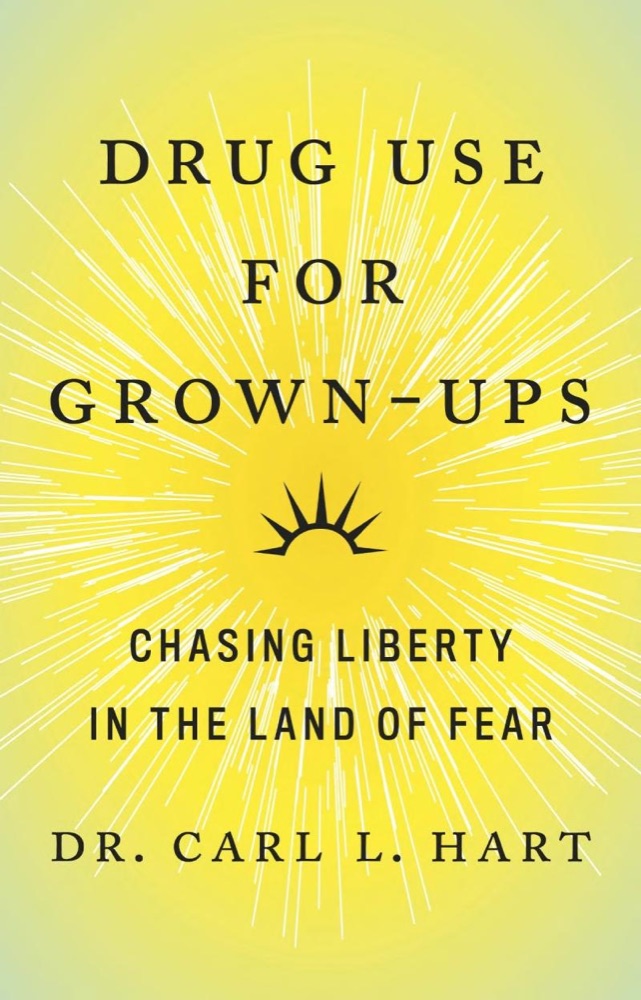 Drug Use for Grown-Ups: Chasing Liberty in the Land of Fear
 Little Victories: Perfect Rules for Imperfect Living
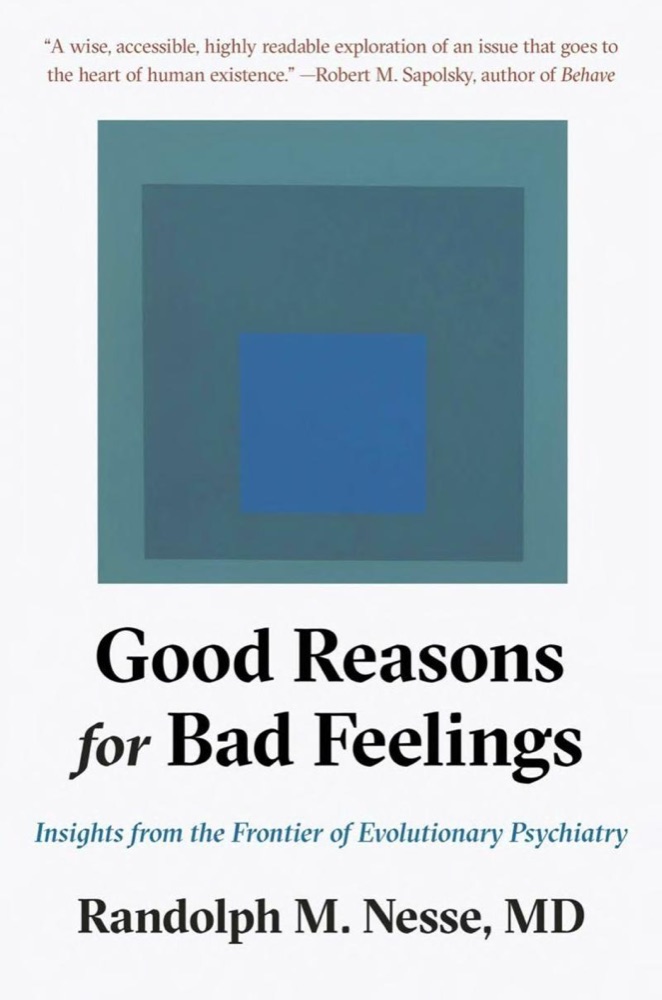 Good Reasons for Bad Feelings: Insights from the Frontier of Evolutionary Psychiatry
 Predictably Irrational: The Hidden Forces That Shape Our Decisions
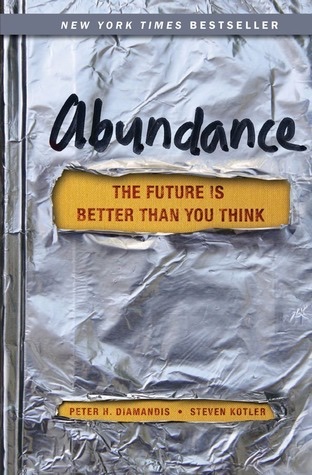 Abundance: The Future Is Better Than You Think
 Quit Like a Woman: The Radical Choice to Not Drink in a Culture Obsessed with Alcohol
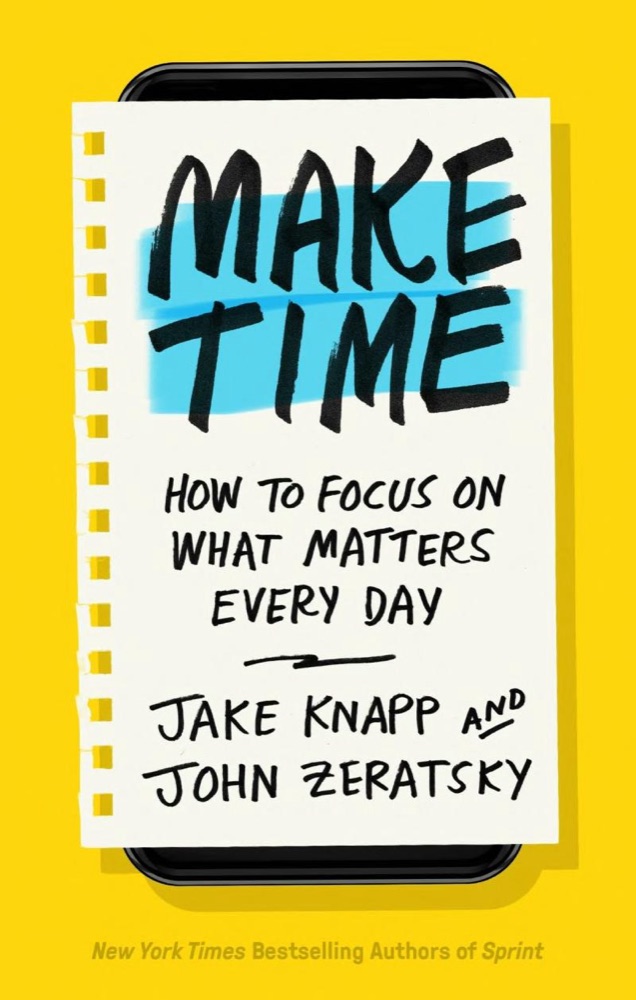 Make Time: How to Focus on What Matters Every Day
 The Candy House
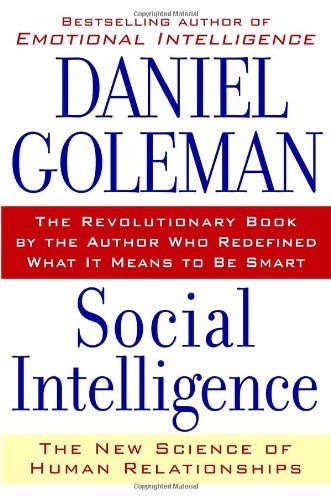 Social Intelligence: The New Science of Human Relationships
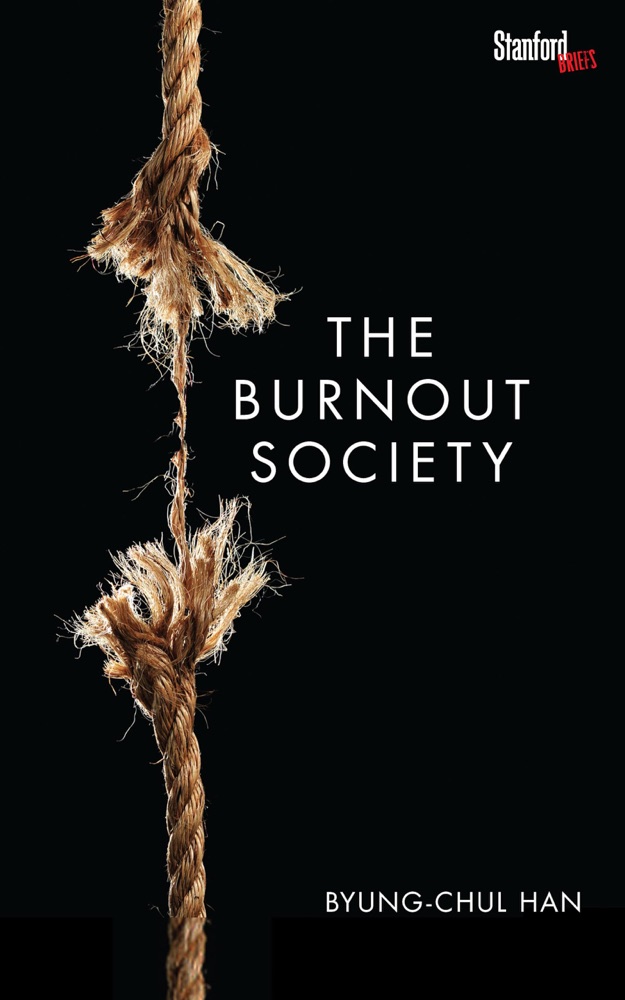 The Burnout Society
 How Do We Know We're Doing It Right: & Other Essays on Modern Life
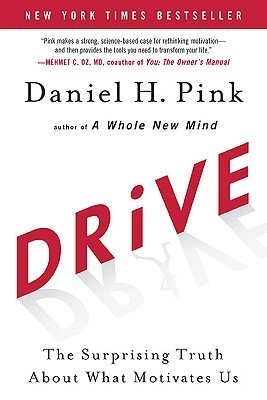 Drive: The Surprising Truth About What Motivates Us
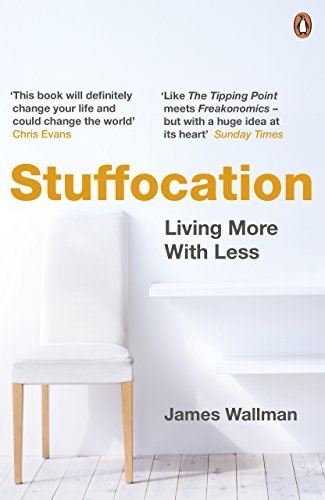 Stuffocation: Living More with Less
 Natural Causes: An Epidemic of Wellness, the Certainty of Dying, and Killing Ourselves to Live Longer
 Beautiful Boy: A Father's Journey Through His Son's Addiction
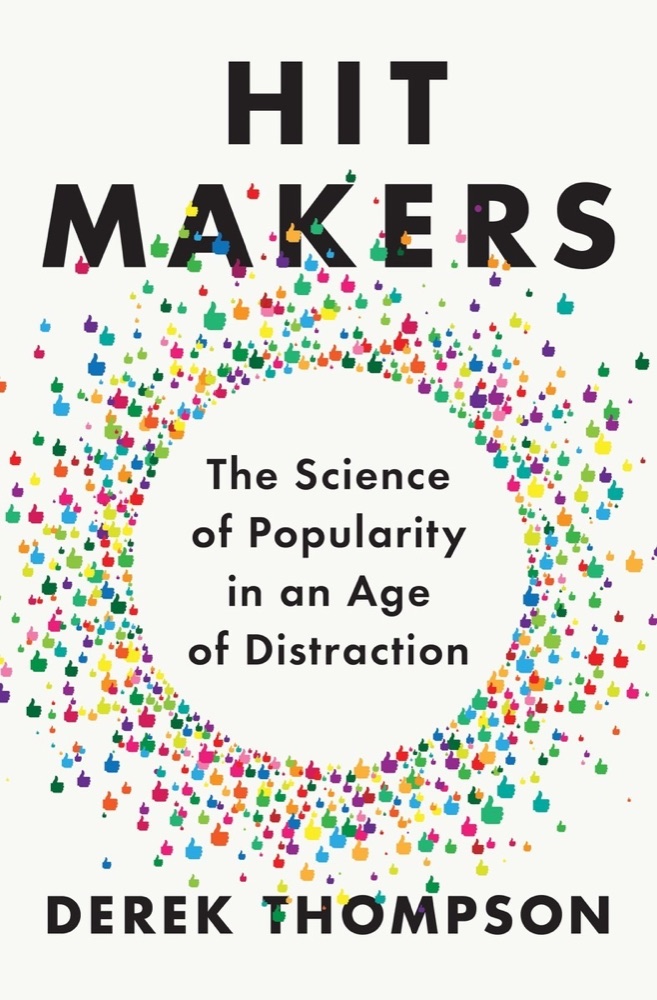 Hit Makers: The Science of Popularity in an Age of Distraction
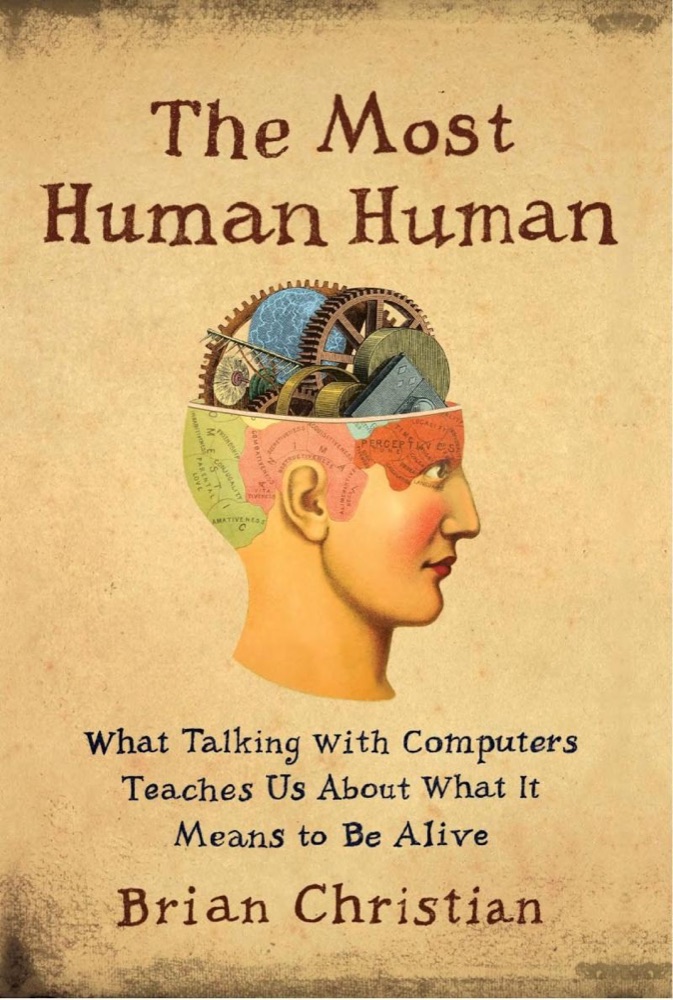 The Most Human Human: What Talking with Computers Teaches Us About What It Means to Be Alive
 Think Like a Freak
 The Common Rule: Habits of Purpose for an Age of Distraction
 Lost Connections: Uncovering the Real Causes of Depression - and the Unexpected Solutions
 Emotional Design: Why We Love (or Hate) Everyday Things
 Distrust That Particular Flavor
 The Filter Bubble: What the Internet is Hiding From You
 Early Retirement Extreme: A Philosophical and Practical Guide to Financial Independence
 You Are Not So Smart
 The Intern's Handbook
 The Undoing Project: A Friendship That Changed Our Minds
 iGen: Why Today’s Super-Connected Kids Are Growing Up Less Rebellious, More Tolerant, Less Happy--and Completely Unprepared for Adulthood--and What That Means for the Rest of Us
 The Freedom Manifesto
 The World Is Flat: A Brief History of the Twenty-first Century
 The Price of Tomorrow: Why Deflation is the Key to an Abundant Future
 A Hunter-Gatherer's Guide to the 21st Century: Evolution and the Challenges of Modern Life
 The Vanishing American Adult: Our Coming-of-Age Crisis—and How to Rebuild a Culture of Self-Reliance
 Black Box Thinking: Why Some People Never Learn from Their Mistakes - But Some Do
 The Power of Habit: Why We Do What We Do in Life and Business
 You Are Not a Gadget
 Stumbling on Happiness
 Homo Deus: A History of Tomorrow