
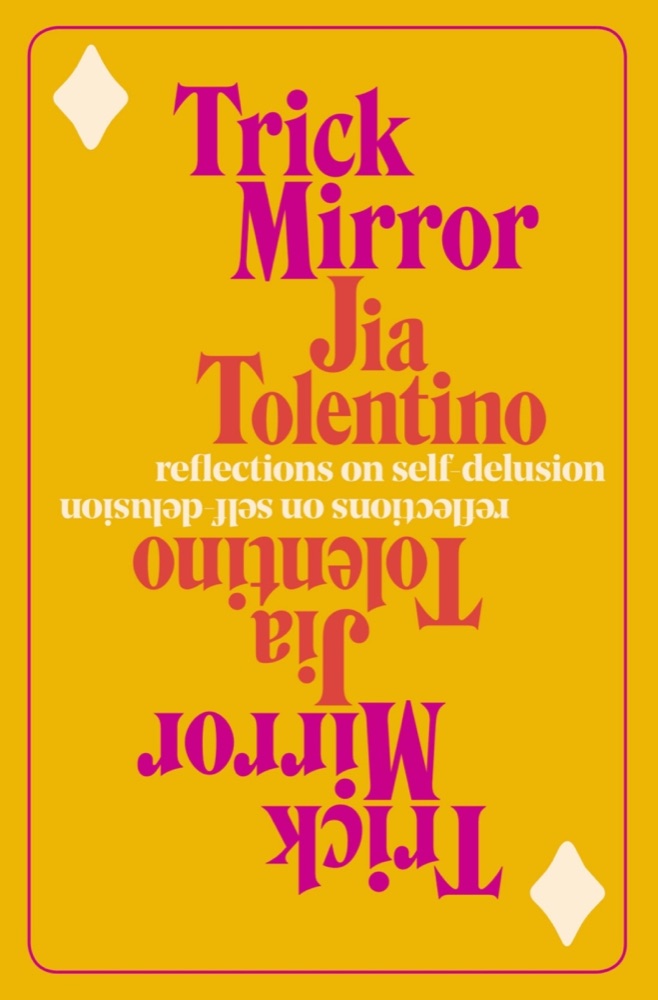
 Trick Mirror: Reflections on Self-Delusion
Quotes from the Book
Our anxiety does not come from thinking about the future,’33 noted the writer Kahlil Gibran, ‘but from wanting to control it.
7
In an age when we are ever more targeted and profiled and mined for information, reading a book allows you to be, for so long as the covers hold you, truly quiet and undisturbed.
5
The woman that does not require validation from anyone is the most feared individual on the planet. Our desire for validation is far older than the internet.
5
When my best friends had babies we were lucky that our friendships preexisted our new charges by decades. We never forgot who we once were to each other whilst embracing who we’d become. I may not have been able to see myself after my daughters birth but my best friends never lost sight of me.
2
Empathy has become a misused buzz-word. It is transformed into a catch all term for everything good as a synonym of the morality, kindness and compassion. It is frequently mistaken for sympathy, which means aligning yourself with someone suffering, not inhabiting it.
1
It can’t be long before burnout is recognized by the NHS as a type of work-related stress. But we should be vary of using it as a non-specific term. Almost every single zeitgeisty buzz word or phrase has suffered the fate of overextension. Like “gaslighting” now applied to the mere act of criticizing a woman and “toxic” now applied to any kind of friendship or relationship that isn’t gold style perfect. I’ve heard people describing themselves as burned out when actually they are just really tired.
1
In the 1970s, the literary critic Lionel Trilling mused that the authentic self, though best left undefined, was most likely the 'distinction between an inner true self and an outer false self'. The internet has created a strict line between these selves, where we understand our extrinsic self to be one crouching inside our smartphone and our intrinsic self to be hiding at home on the sofa. But it is not enough to have these separate selves; it is inauthentic to present one self online and another at home. And so we attempt to break down these boundaries through endless sharing, turning ourselves inside out for the consumption of others. Sharing has become how we socialise.
A cornerstone of 'hustle culture' is that you should be narrating your career on social media - so that you are doing and performing your job at the same time. I am struck by this revelation every time I tweet about a new podcast episode, or an article I wrote. It is easy enough to make my work visible, but many jobs 'are about "thinking" and there's no visible product that comes from thinking', notes Derek Thompson. Making work out of the work can drain what you find fulfilling about your job in the first place. 'Having to externalise your whole life inherently takes away from the things that are scientifically made to make us happy,' as Thompson states.
The idea of relatability is 'flattening and deceptively homogenising, writes Liu, because it ignores the fact that womanhood is a 'deeply variegated class'. And also because relatable is a coded word for likeable. Such is our obsession with on-screen female relatability that even murderers must be someone that other women can align with (perish the thought that we could absorb or enjoy women we cannot identify with).
Wellness offers an alternative to religion: devotion without divinity. A community, a sense of purpose and a belief system free from dogma and doctrine. Except, of course, it isn't - no mass-marketed enterprise can be. Wellness comes with its own set of doctrines that decree how certain lifestyle behaviours enable wellness disciples to ascend to enlightened wellbeing,' notes the science writer Maxine Ali.
Self-care has become a default way to maintain a sense of control in a chaotic world. I don't think the world has necessarily become more chaotic, but the idea of choice certainly has - there are so many options thrown at us daily, from both the marketplace and the internet- and amidst this chaos of choice, we double down: less willing to relinquish control over ourselves, our bodies, our careers.
Me without reading is like me without food. I would wilt and become silent. I don't read because it is 'better' than watching television. I read because I don't know what else to do.
In a world crowded with the white noise of other people's narratives -- the collective narrative of social media; the multi-strand narratives of binge TV -- having your own, singular, internal narrative is nothing short of essential.
An aversion to boredom and a low tolerance for delayed gratification are at the root of binge culture. ... we have become a 'bingey society' because 'our souls aren't being attended to, in the world that we live in -- and so, we stuff them. With work, with food, with leisure. We're greedy. It comes from being given too much and at the same time too little.' Or as Oscar Wilde put it, 'Moderation is a fatal thing. Nothing succeeds like excess.
The term 'infobesity' was coined in 2013 to describe the torrent of information clogging out arteries like cholesterol. It turns us into 'pancake people', ... 'Spread wide and thin as we connect with that vast network of information accessed by the mere touch of a button.
The woman who does not require validation from anyone is the most feared individual on the planet,
There are so many ways through narrative myth and the validation of social media to reassure ourselves that we are doing things right that has meant the concept of rightness has been shon of any meaning. It has become mere lip service. Rather living the right life means being in a state of questioning. It involves self-sacrifice. Making choices should not be risk free, if they are then we are not considering the right options. We have to be ok with giving up capital, social capital, online capital and actual capital. And only then we can figure out how to be right. These is a socratic saying: she who is not contented with what she has would not be contented with what she would like to have.
I don’t live my live according to a rigid set of ideas and theories that only apply perfectly on the internet. There is real world where your own rules apply. I live my life according to prioritizing my happy ending in the world where i am statistically the least likely to witness that. And that’s my feminism. You are welcome to define yours.
Watch on YouTube
About Pandora Sykes
We have collected 18 quotes from 1 book by Pandora Sykes on BookQuoters.
More about the author →About the book
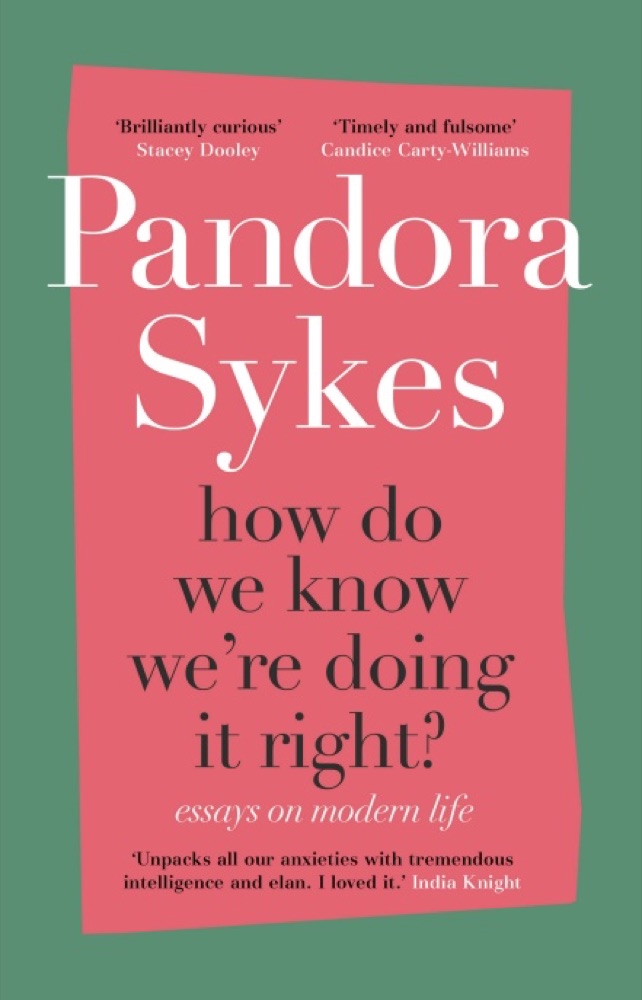
Modern life is full of choices. We’re told that happiness lies within and we can be whoever we want to be. But with endless possibility comes a feeling of restlessness; like we’re somehow failing to live our best life. What does doing it right even look like? And why do so many women feel like they’re getting it wrong?
From that Zara dress to millennial burnout, the explosion of wellness to the rise of cancel culture, Pandora Sykes interrogates the stories we’ve been sold and the ones we tell ourselves. Wide-ranging, thoughtful and witty, How Do We Know We’re Doing It Right? explores the anxieties and myths that consume our lives and the tools we use to muddle through.
So sit back and take a breath. It’s time to stop worrying about the answers – and start delighting in the questions.
Book details
- First published
- 2020
- Author
- Pandora Sykes
- Genre
- Nonfiction
- Goodreads rating
- 3.73 (9k ratings)
Keep reading
Trick Mirror: Reflections on Self-Delusion
 Selfie: How the West Became Self-Obsessed
 Notes on a Nervous Planet
 The Age of Magical Overthinking: Notes on Modern Irrationality
 The Mother of All Questions
 How to Stay Sane in an Age of Division
 This Is Not a Book About Benedict Cumberbatch: The Joy of Loving Something--Anything--Like Your Life Depends On It
 What If This Were Enough?: Essays
 First, We Make the Beast Beautiful: A New Story About Anxiety
 On Connection
 A Room Called Earth
 No Time To Spare: Thinking About What Matters
 Atlas of the Heart: Mapping Meaningful Connection and the Language of Human Experience
 Burnout: The Secret to Unlocking the Stress Cycle
 On Our Best Behavior: The Seven Deadly Sins and the Price Women Pay to Be Good
 Shrill: Notes from a Loud Woman
 Brave
Brave
 101 Essays That Will Change The Way You Think
 The Argonauts
 Everything Is F*cked: A Book About Hope
 Motherhood
 Come as You Are: The Surprising New Science that Will Transform Your Sex Life
 The Future
 12 Rules for Life: An Antidote to Chaos
 Burning Questions: Essays and Occasional Pieces, 2004 to 2021
 Stay Sexy & Don't Get Murdered: The Definitive How-To Guide
 My Life on the Road
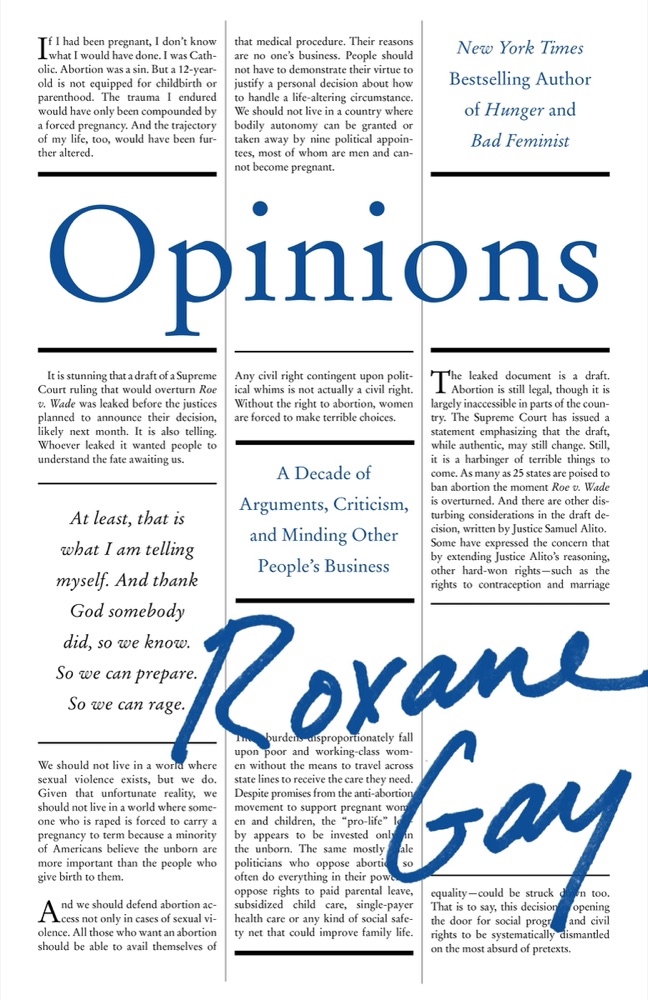 Opinions: A Decade of Arguments, Criticism, and Minding Other People’s Business
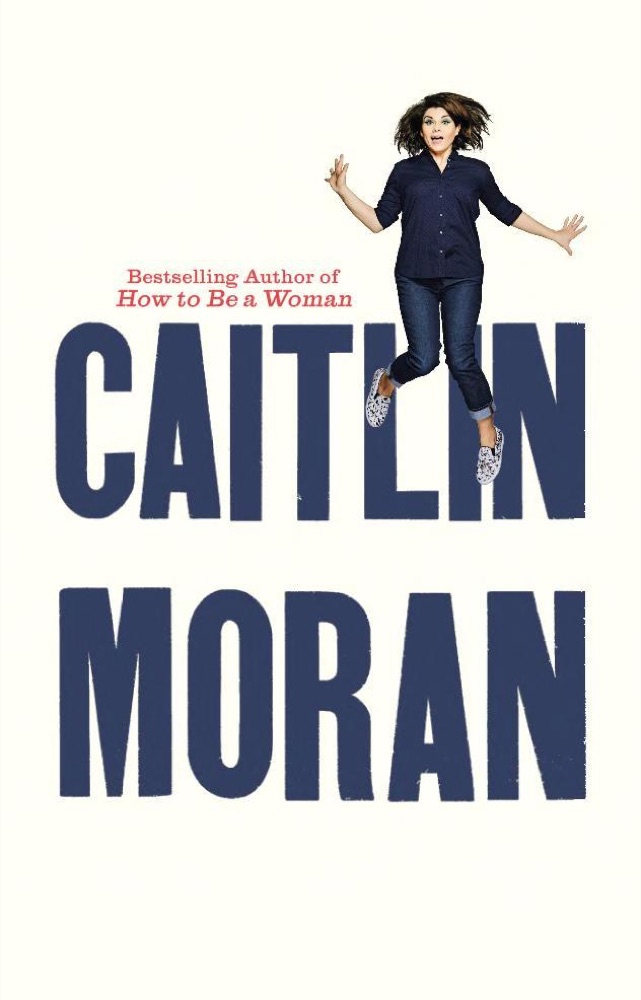 Moranifesto
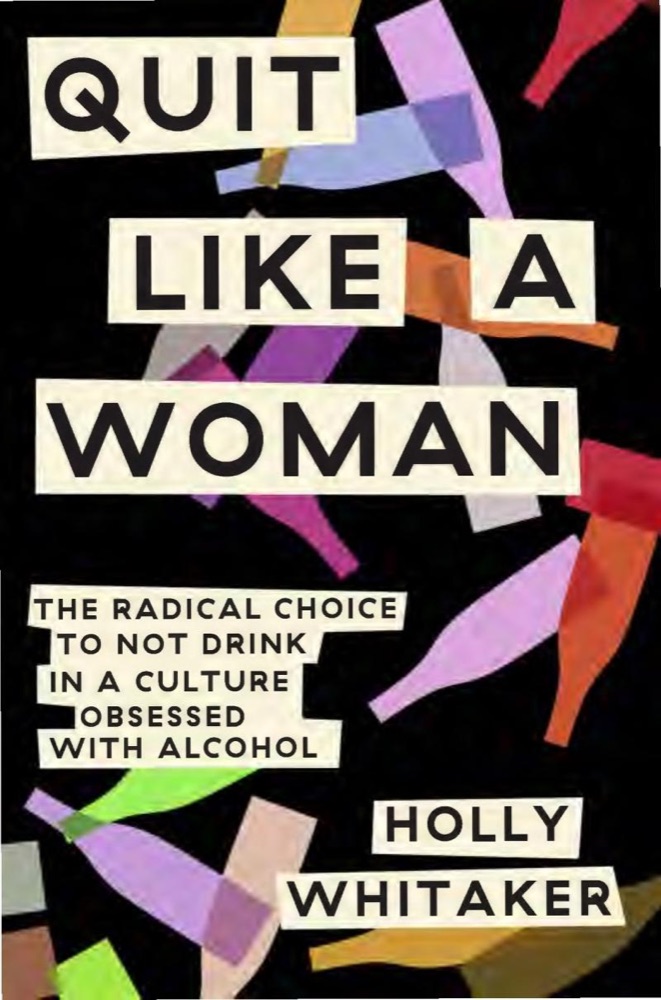 Quit Like a Woman: The Radical Choice to Not Drink in a Culture Obsessed with Alcohol
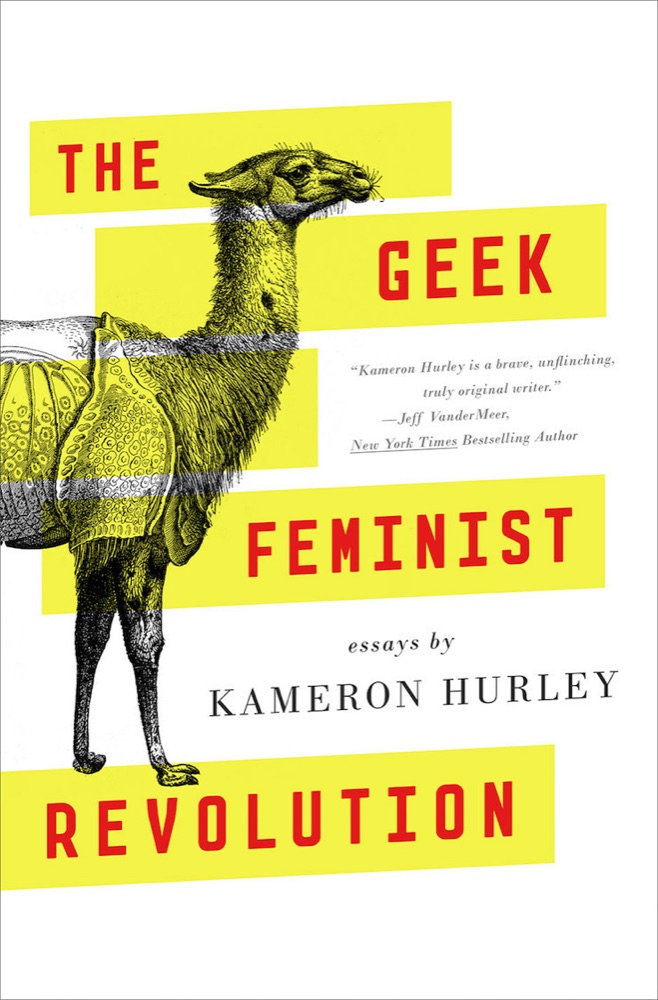 The Geek Feminist Revolution
 The Perfectionist's Guide to Losing Control: A Path to Peace and Power
 The Laws of Human Nature
 The Source of Self-Regard: Selected Essays, Speeches, and Meditations
 Finding Flow: The Psychology of Engagement with Everyday Life
 Like Streams to the Ocean: Notes on Ego, Love, and the Things That Make Us Who We Are
 The Light We Carry: Overcoming in Uncertain Times
 Anthropology of an American Girl
 Bright-Sided: How the Relentless Promotion of Positive Thinking Has Undermined America
 Emergent Strategy: Shaping Change, Changing Worlds
 Present Over Perfect: Leaving Behind Frantic for a Simpler, More Soulful Way of Living
 The Happiness Hypothesis: Finding Modern Truth in Ancient Wisdom
 Managing Expectations: A Memoir in Essays – A Poignant Collection of Personal Stories on Acting, Failure, and Motherhood's Joy
 Living a Feminist Life
 Sex, Drugs, and Cocoa Puffs: A Low Culture Manifesto
 Why Be Happy When You Could Be Normal?
 The Freedom Manifesto
 Natural Causes: An Epidemic of Wellness, the Certainty of Dying, and Killing Ourselves to Live Longer
 On Freedom: Four Songs of Care and Constraint
 Untamed
 The Gifts of Imperfection
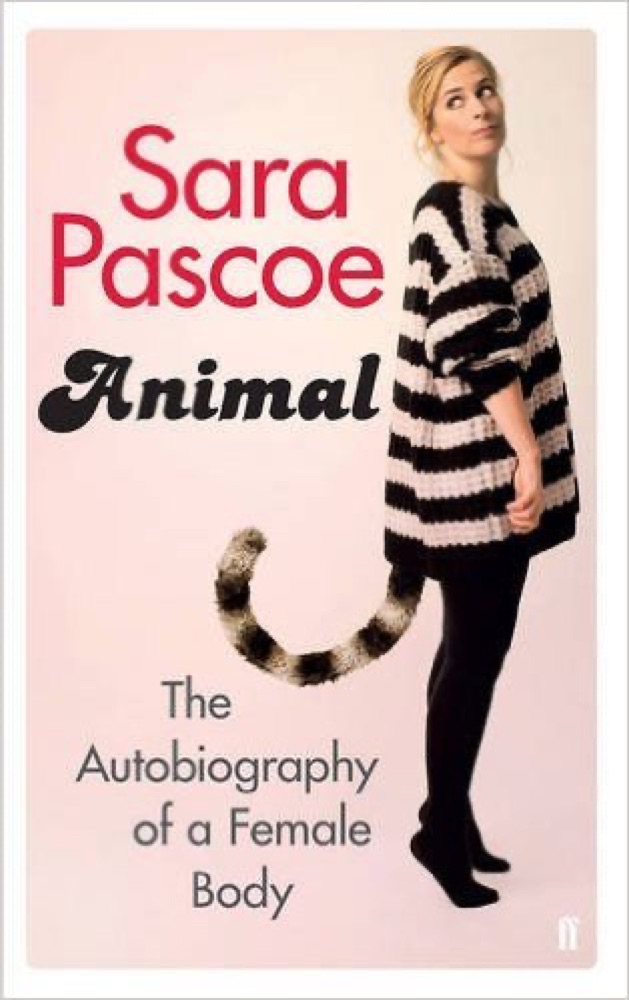 Animal: The Autobiography of a Female Body
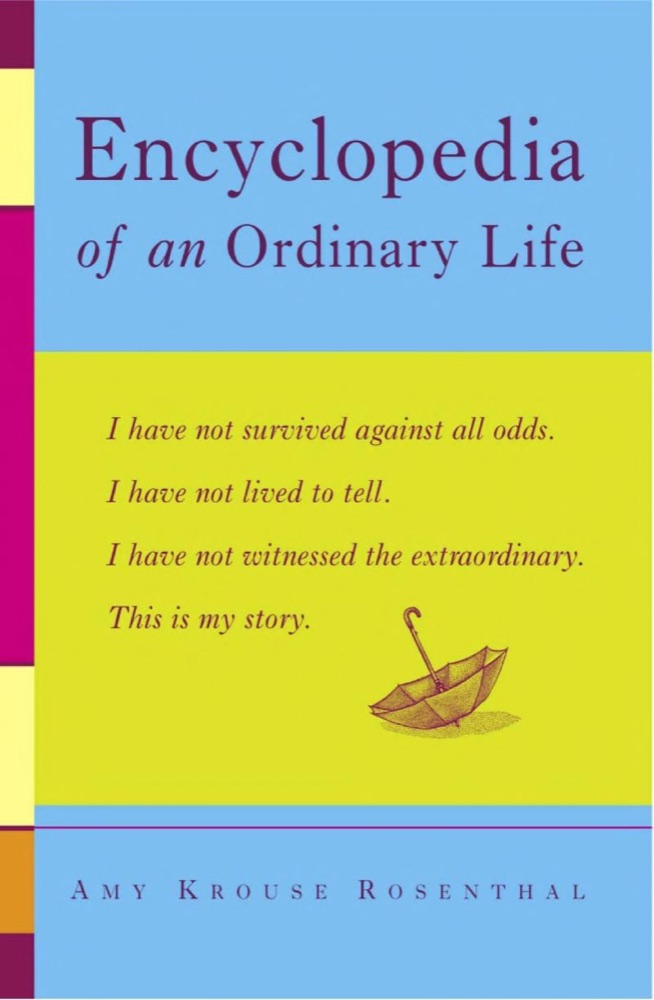 Encyclopedia of an Ordinary Life
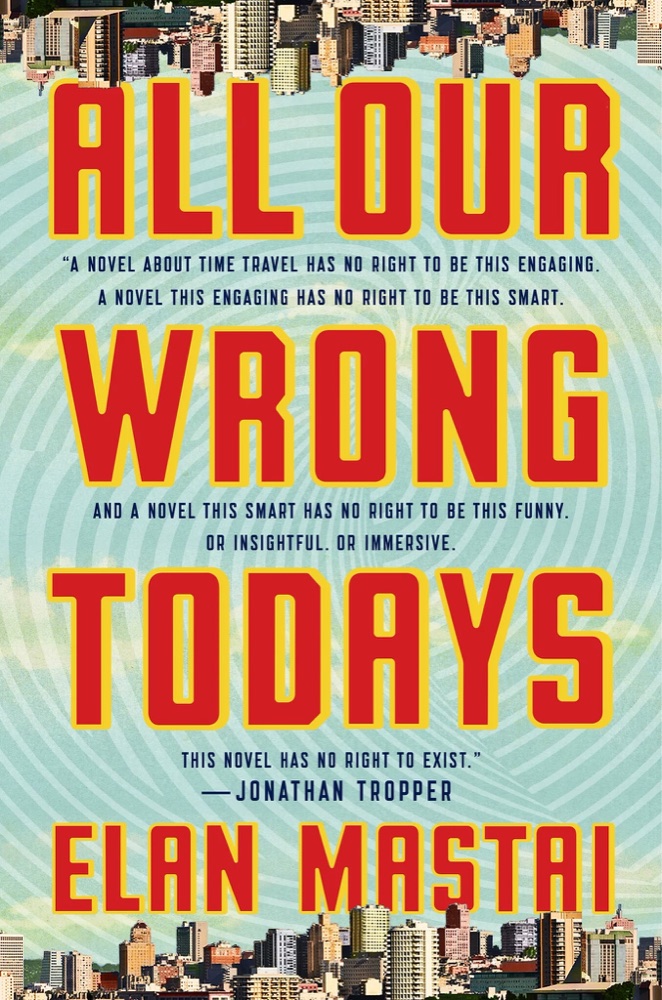 All Our Wrong Todays
 The Circle
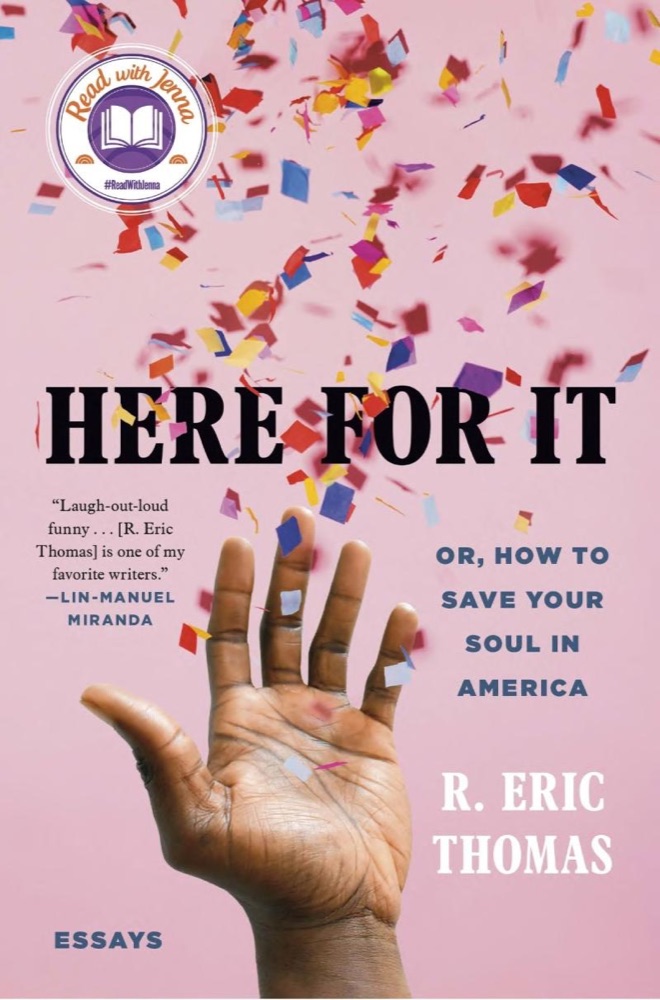 Here for It; Or, How to Save Your Soul in America: Essays
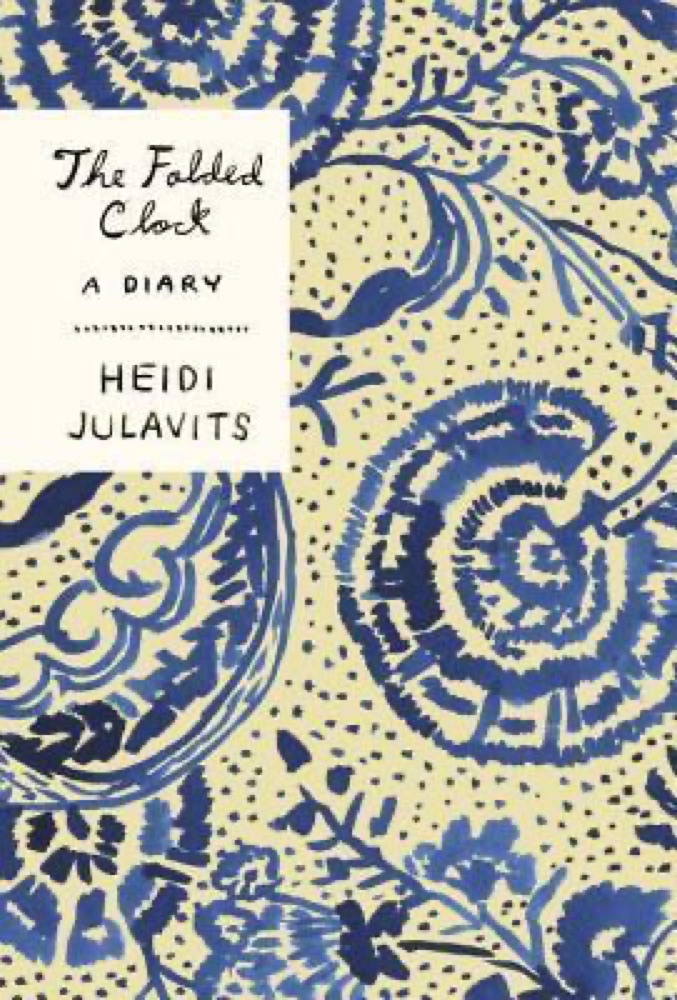 The Folded Clock: A Diary
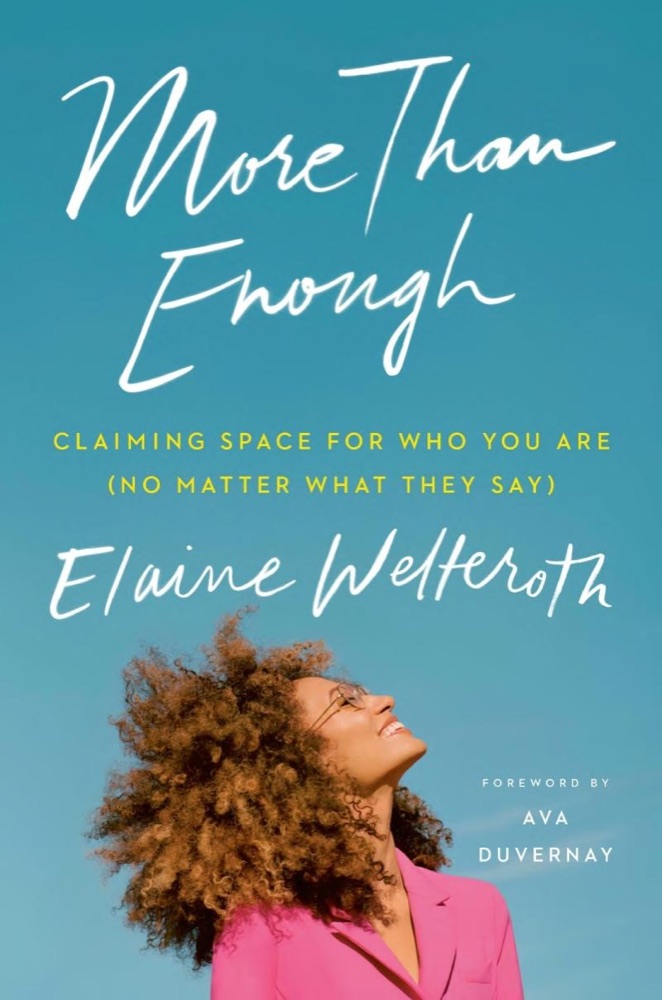 More Than Enough: Claiming Space for Who You Are
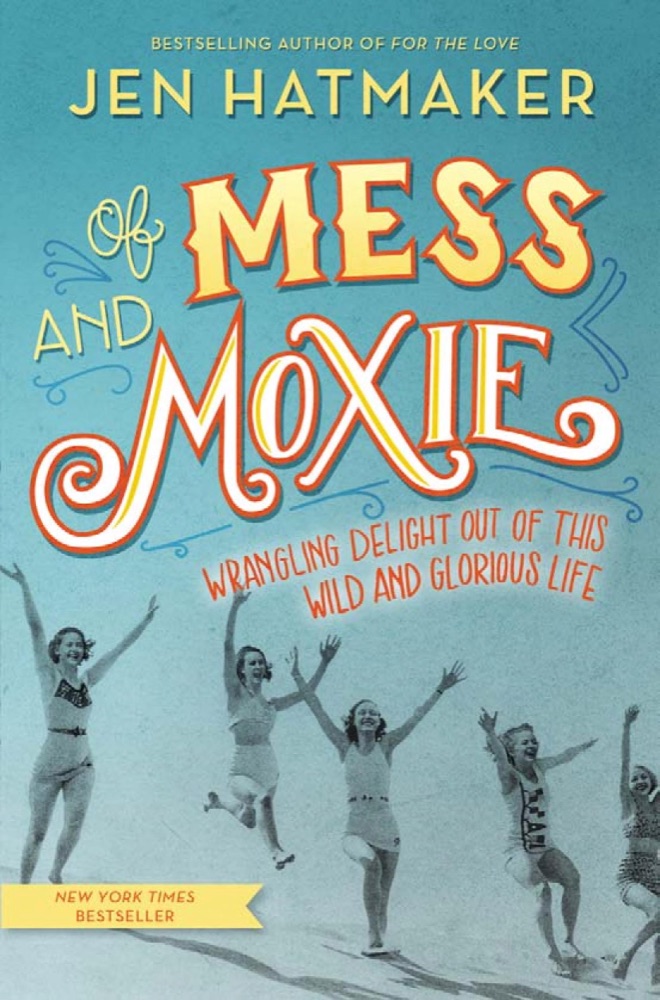 Of Mess and Moxie: Wrangling Delight Out of This Wild and Glorious Life